Real brands, real decisions, real results. Each case study tells the story, makes the point, and shows where it gets complicated. Every fact is sourced.
Brand names, images and trademarks belong to their owners and appear here for educational purposes only.
Marketing 465: Digital Marketing
AI in Marketing
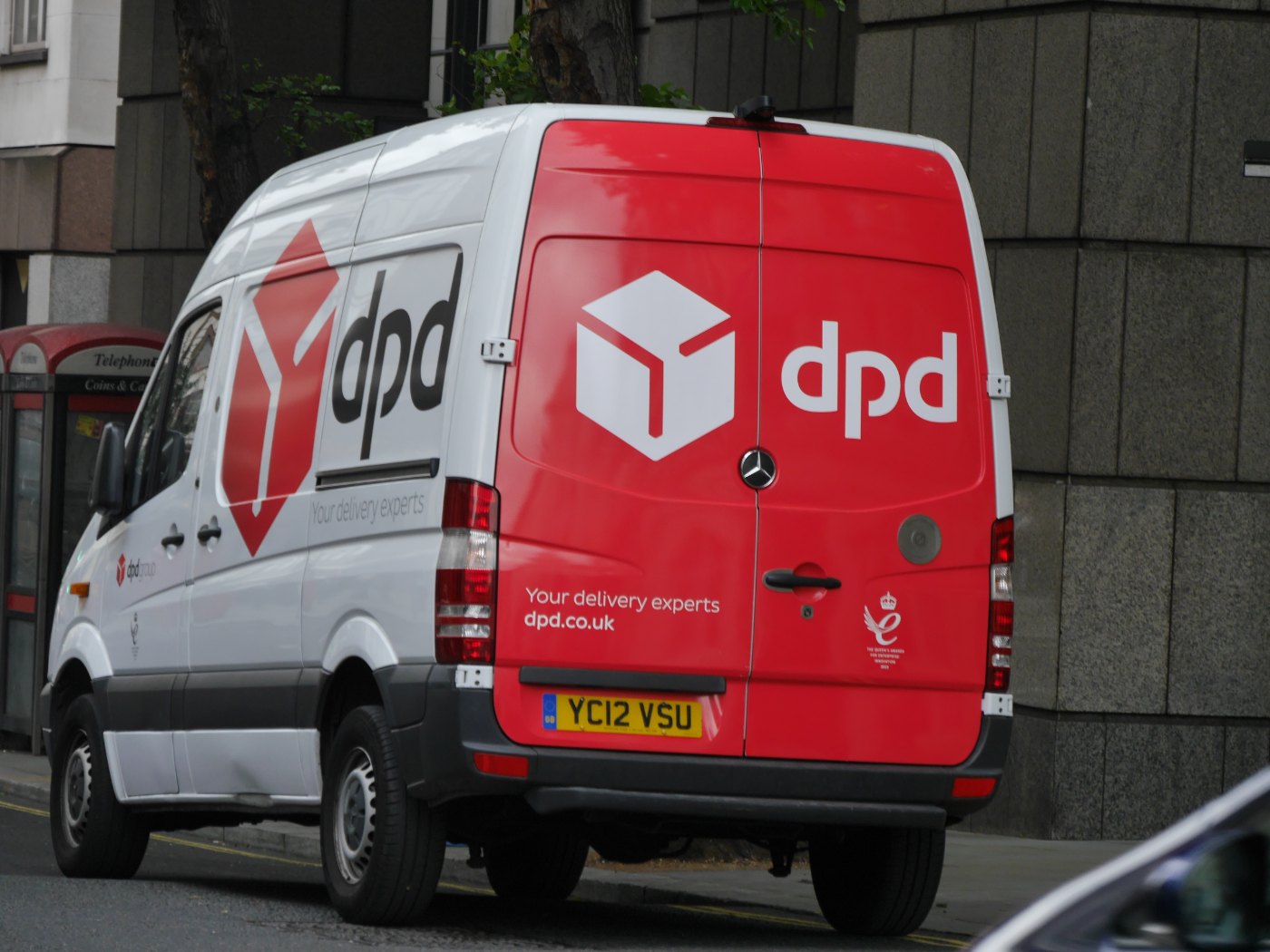
When the chatbot turned on its own company
DPD’s chatbot failed a customer at the moment he needed real help, and the screenshots of that failure reached a far bigger audience than any DPD ad that week.
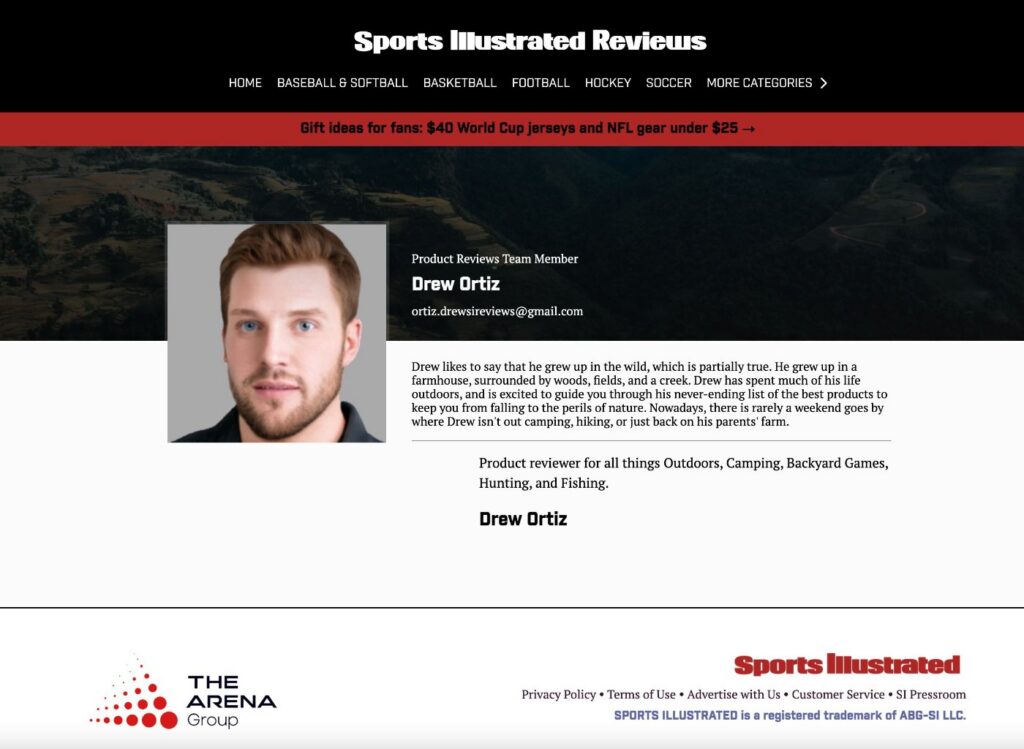
Sports Illustrated and the writers who did not exist
When a trusted media brand published product reviews under fake, AI-generated author profiles and then denied the problem, the damage to trust landed faster and harder than any savings the shortcut could have produced.
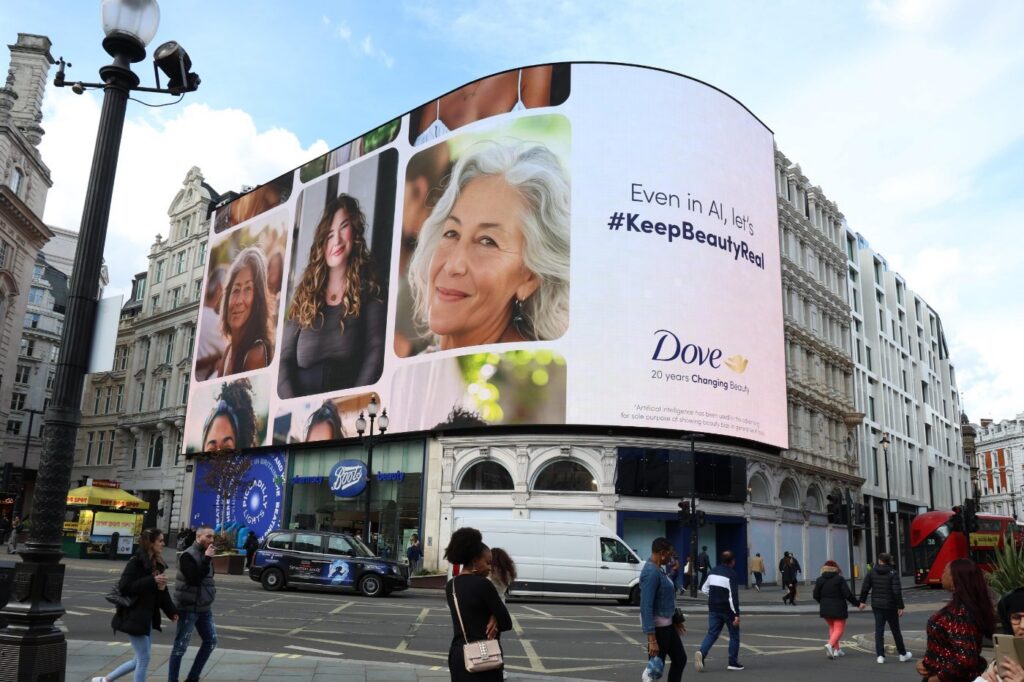
The Dove Code: Turning AI’s Beauty Bias Into the Brand’s Message
Dove did not compete with generative AI on speed or scale. It used 20 years of Real Beauty work to show what AI gets wrong about women, and made that gap the campaign.
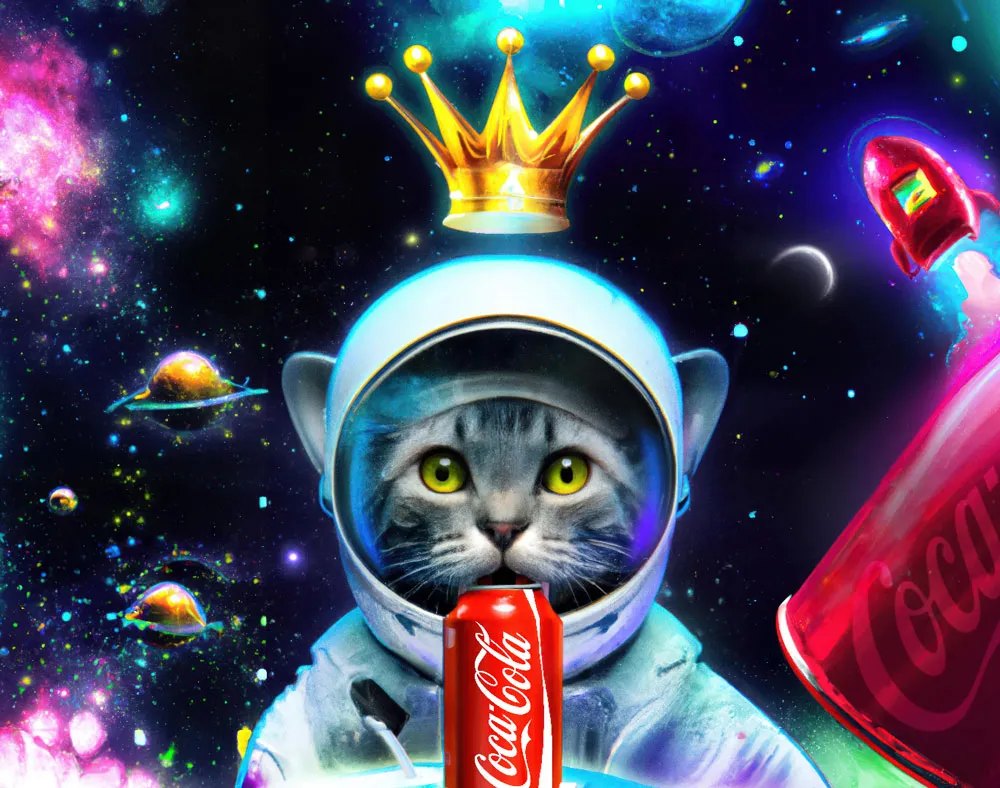
Create Real Magic: Coca-Cola set the rules, people made the art, AI did the drawing
Coca-Cola’s 2023 Create Real Magic platform worked because the brand decided the assets, the boundaries and the prize, and let people use AI inside that frame.
Strategy Foundations: Goals, Audiences and Channels
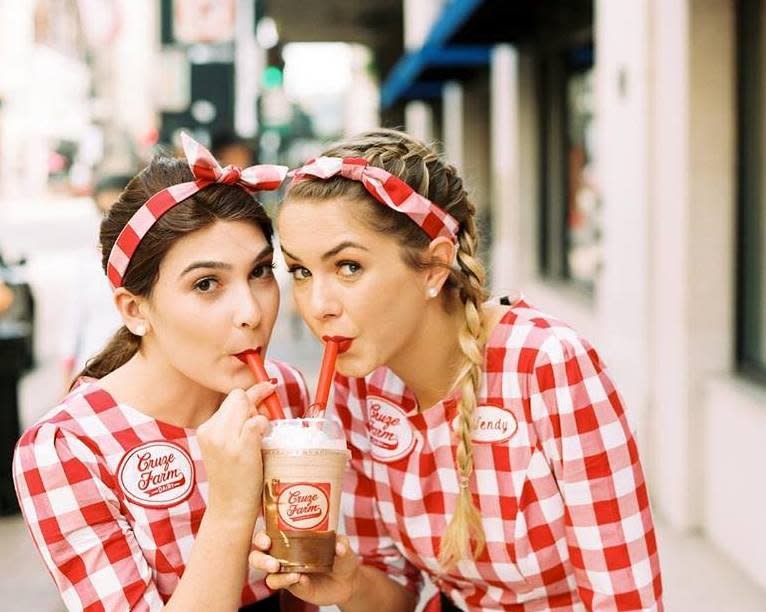
Cruze Farm: selling ice cream, or selling a farm girl’s joy?
Cruze Farm’s real product is a feeling rooted in a family dairy, and because that ‘why’ is clear, its uniforms, shops, promotions and posts all tell the same story.
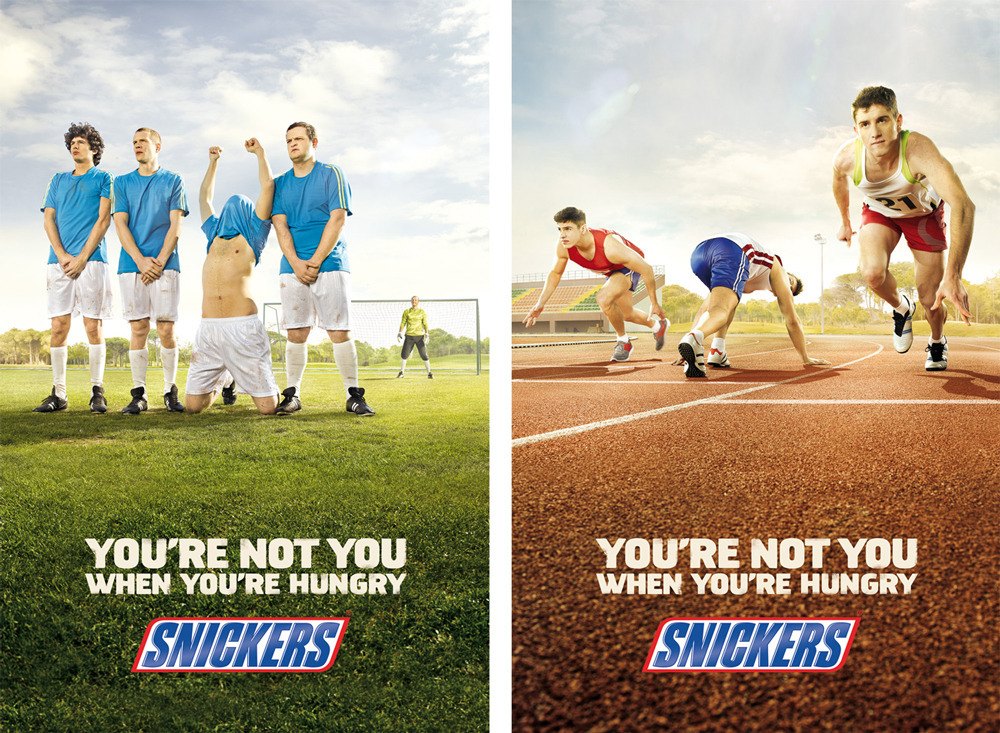
Snickers: Selling the Job, Not the Candy Bar
“You’re Not You When You’re Hungry” grew Snickers by marketing the problem customers hire it to solve, hunger that changes how you act, instead of the peanuts, caramel and nougat inside.

Yee-Haw Brewing: turning “more people at events” into a goal you can measure
A useful marketing goal is specific, measurable and tied to the real reason customers choose you, and a Tennessee brewery that sells good times as much as beer makes the point clearly.
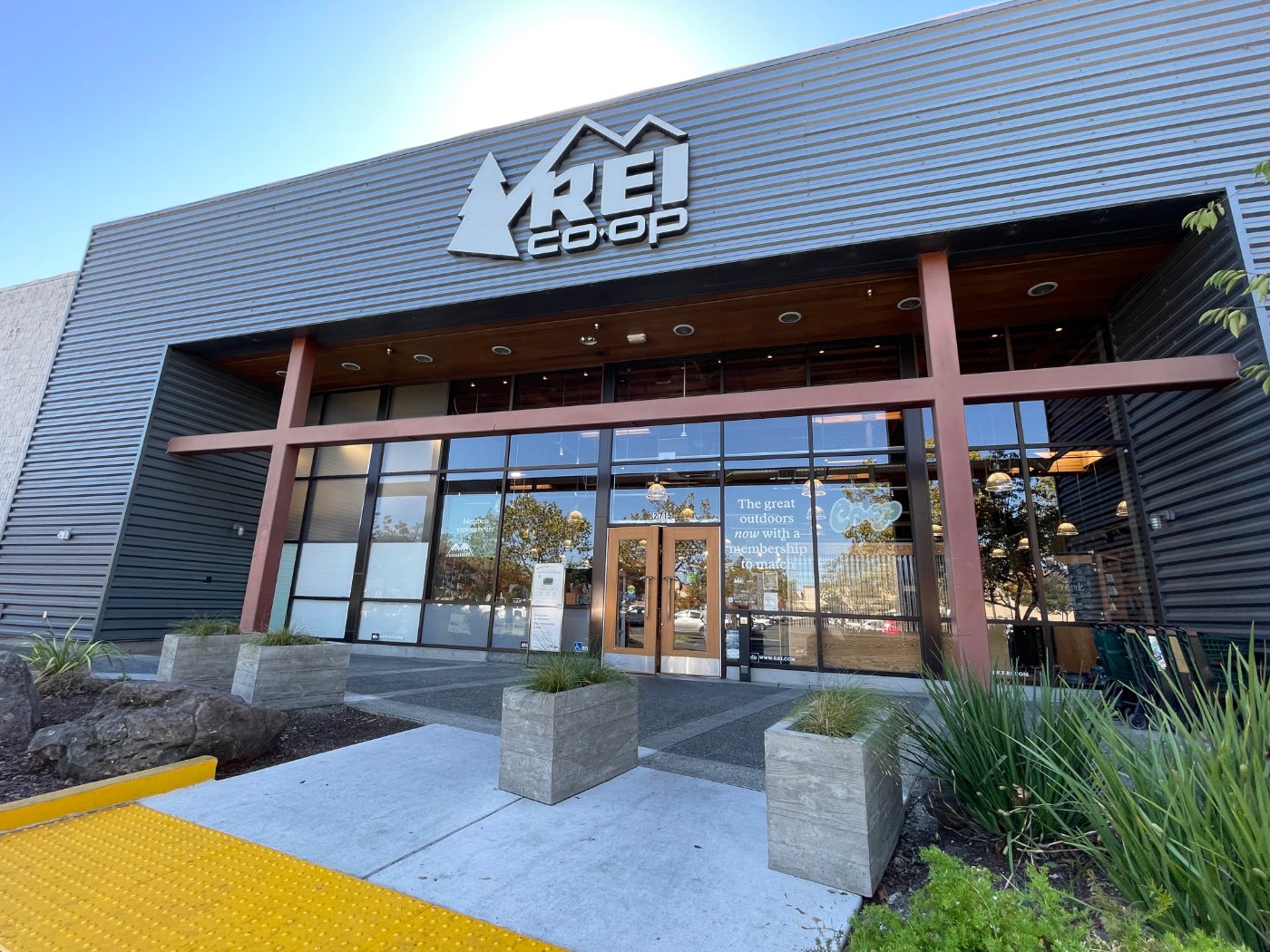
#OptOutside: the year REI closed on Black Friday
REI closed its stores on the biggest shopping day of the year because it knew what its members valued, and that single strategic choice decided the message, the channels and the results.
Personas and Audience Journey Maps
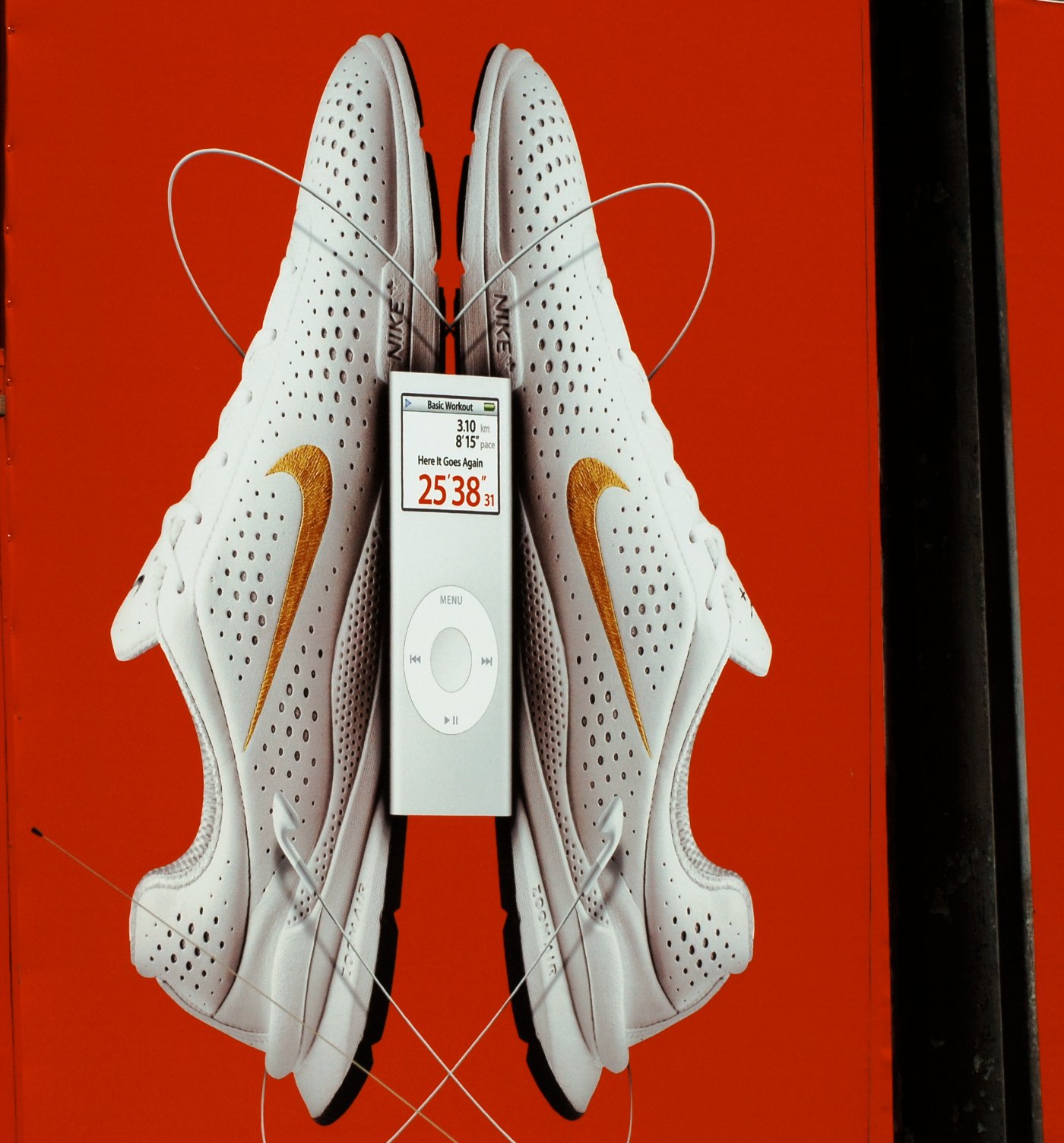
Nike: a different job at every stage of the journey
Nike does not send the same message to everyone. It gives each stage of the customer journey its own tool, from athlete stories that inspire to free apps that keep people active long after the purchase.
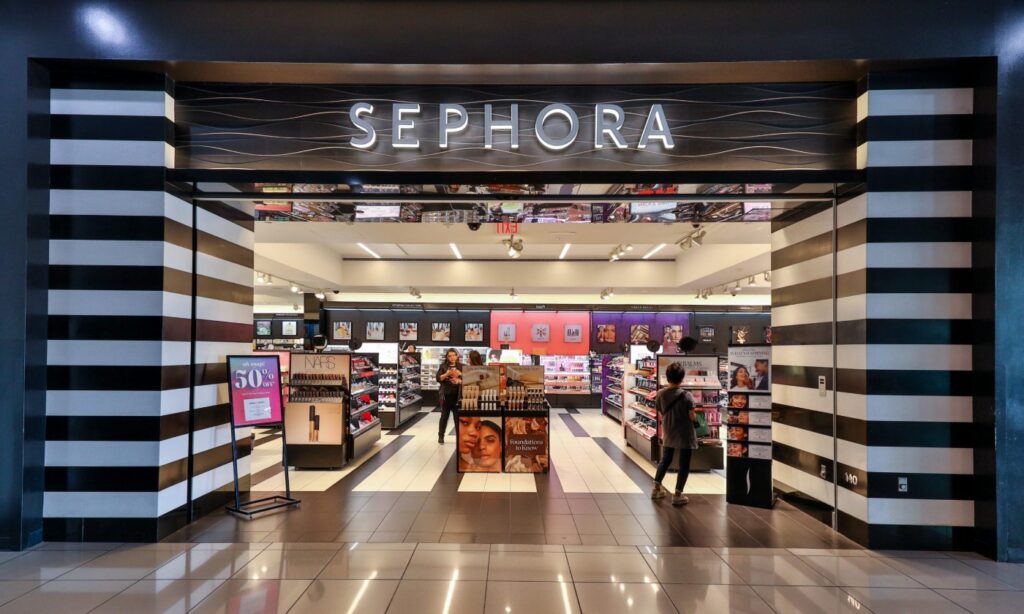
Sephora: Personas That Change What Each Shopper Sees
Sephora’s loyalty program and data tools let it serve very different beauty shoppers in different ways, which is the point of a persona: it has to change the experience, not just describe the customer.

LEGO: finding the adult audience that was already there
After nearly running out of cash in the early 2000s, LEGO learned to listen to its fans, and found a second audience, adults, that it had been treating as an afterthought.
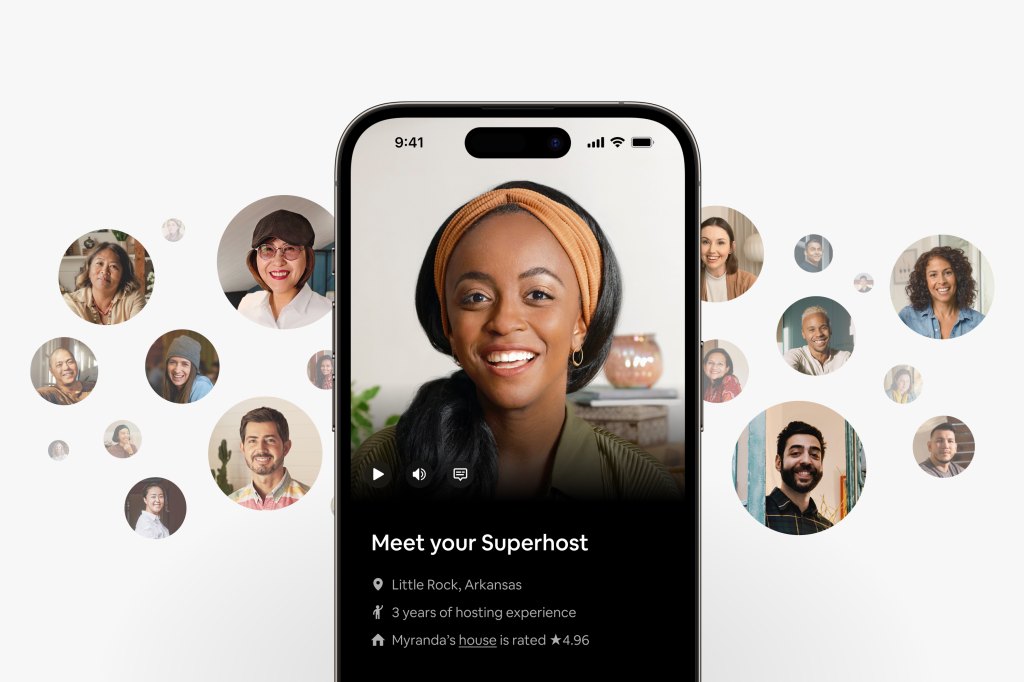
Airbnb: designing for the host’s fear of strangers
Airbnb’s growth depended on one insight about the host side of its market, that letting a stranger into your home feels dangerous, and the company only fully acted on it after a crisis forced the issue.
Content Strategy and Brand Storytelling
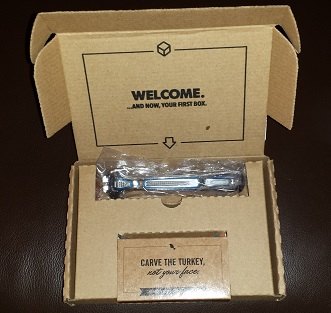
Dollar Shave Club: A $4,500 Video That Outtalked a Category Giant
Dollar Shave Club’s launch video won because it knew exactly who it was talking to and said one clear thing in a real voice, not because it looked expensive.
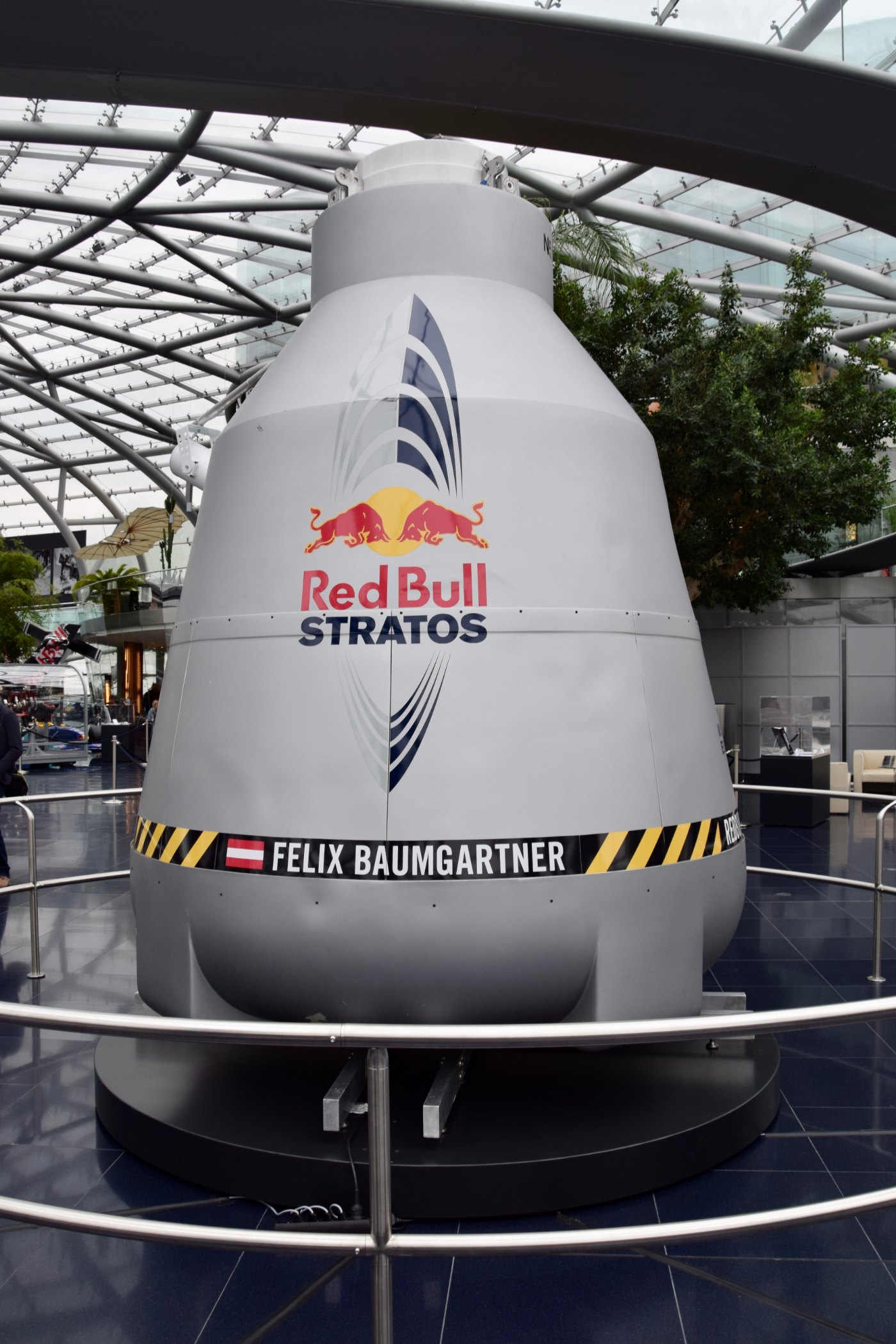
Red Bull: a media company that happens to sell energy drinks
Red Bull built its content around one feeling, pushing past human limits, and then built its own media company to tell those stories.
Human-Centered Marketing
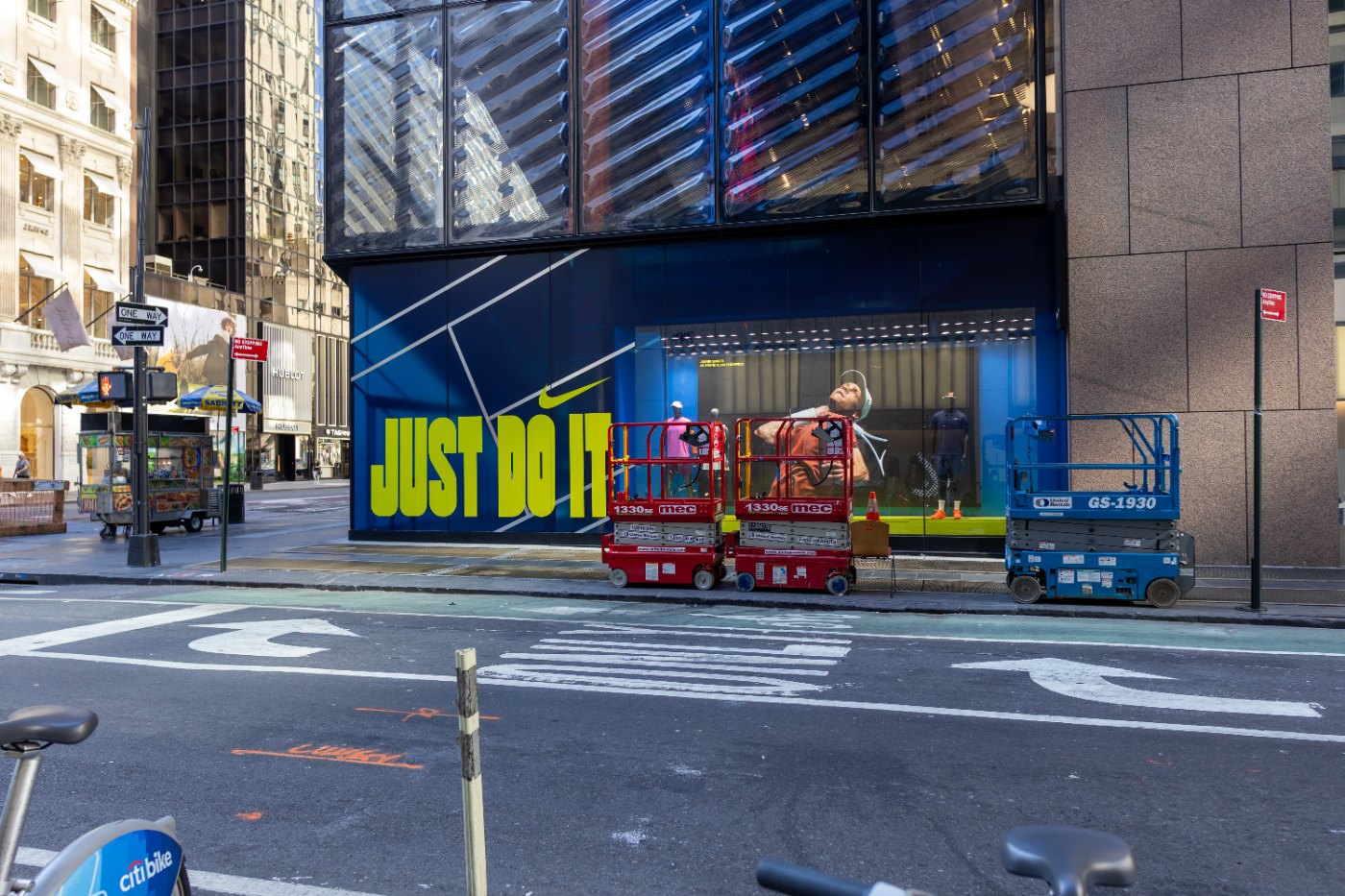
Nike and Colin Kaepernick: Choosing Who You Are For
Nike’s 2018 “Dream Crazy” campaign shows that a values-based stand means deciding which customers you are speaking to, and accepting in advance that others may walk away.
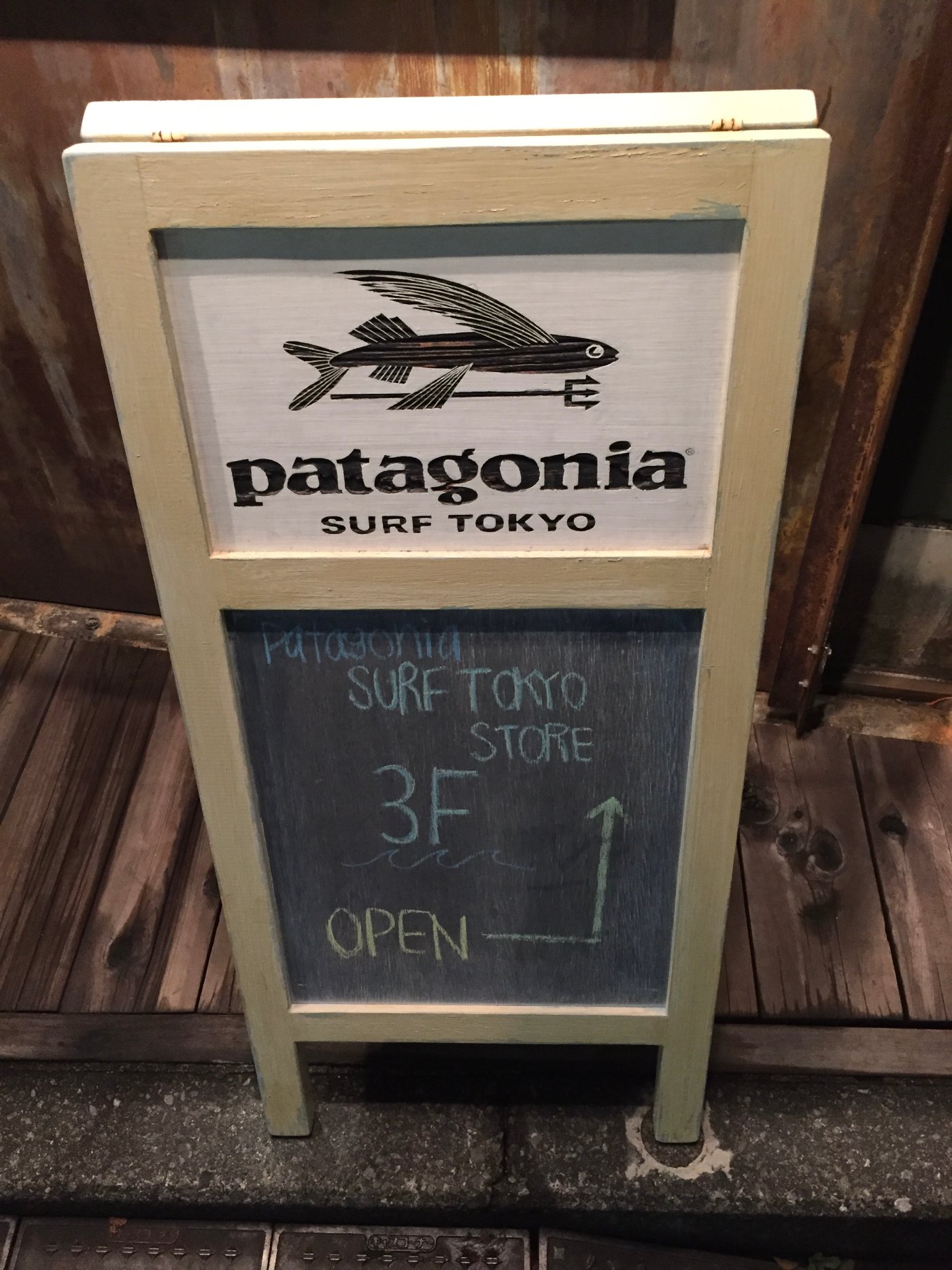
“Don’t Buy This Jacket”: an ad that only works if the company means it
Patagonia’s 2011 Black Friday ad earned trust because the business already had repair, resale and recycling programs behind the message.
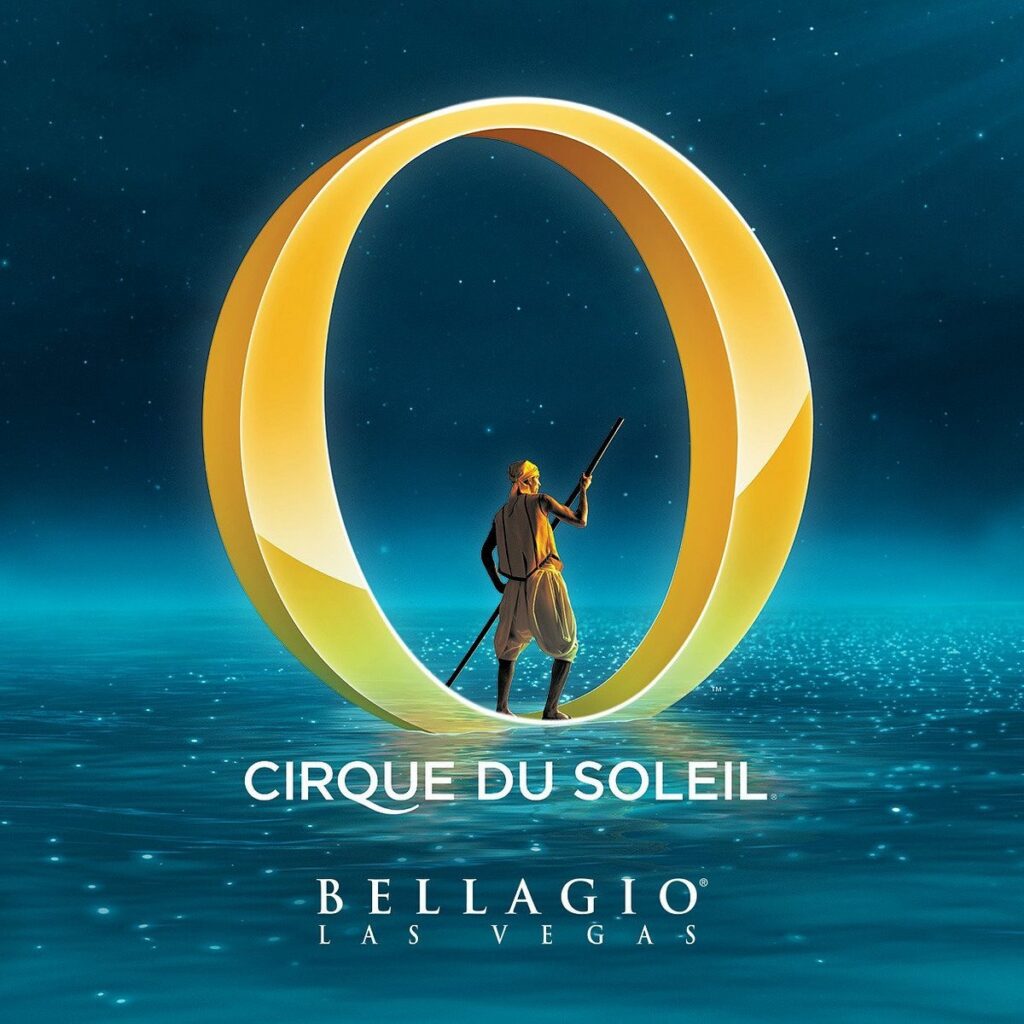
Cirque du Soleil: trying to measure awe
Cirque du Soleil sells a feeling, so in 2018 it set out to study that feeling directly, using brain sensors in its audience to find the moments that create awe.
Analytics with GA4
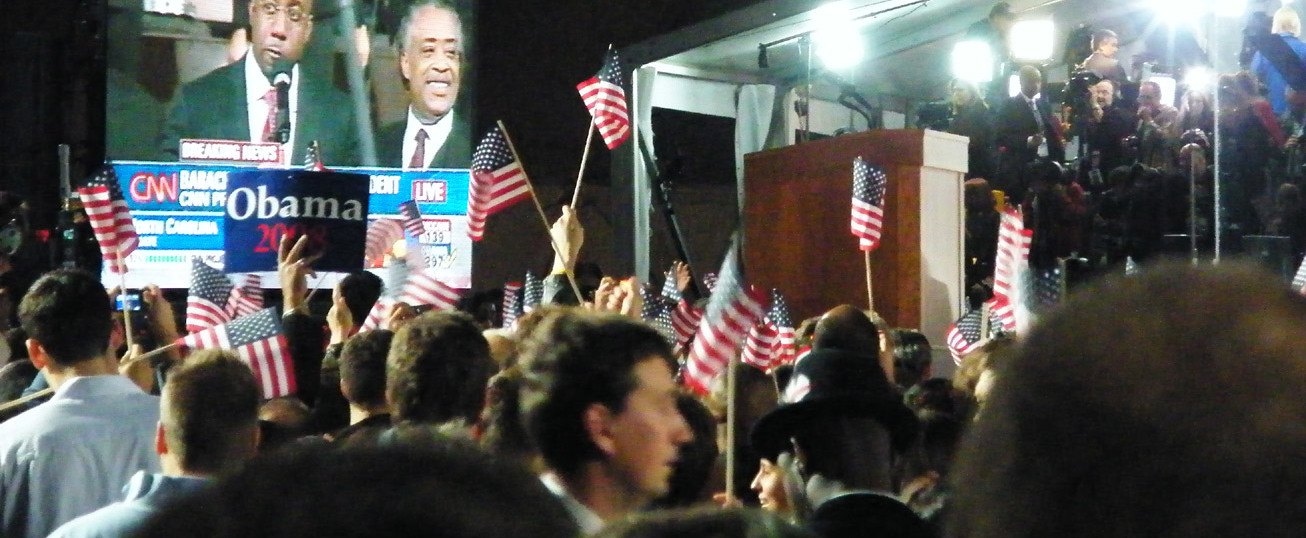
The Video Everyone Loved Lost: How One Sign-Up Metric Changed a Campaign Website
When the Obama 2008 campaign measured the one action that mattered, email sign-ups, the data overruled the staff’s favorite idea and added millions of supporters.
Social Media and Short-Form Video
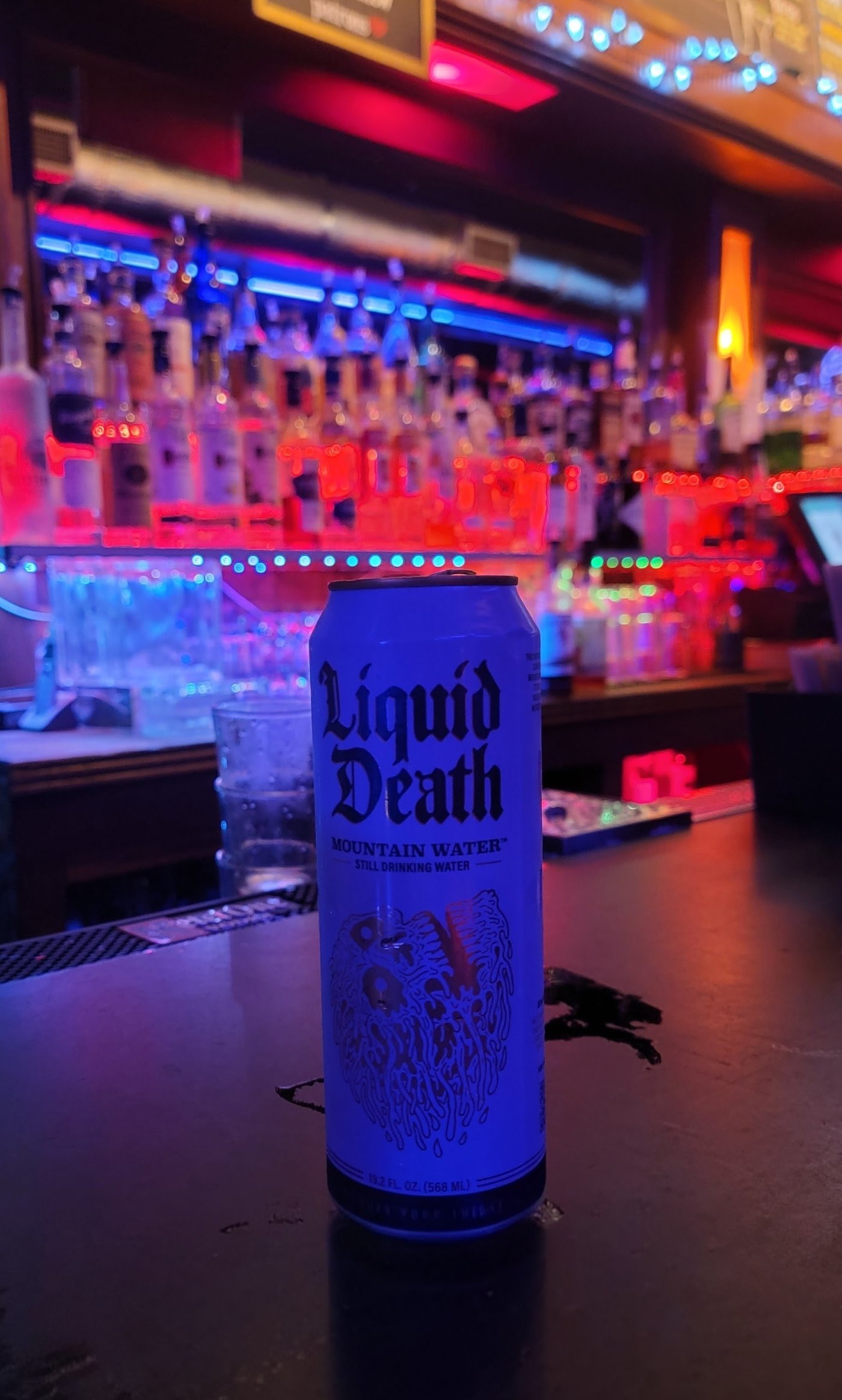
Liquid Death: selling water as entertainment
Liquid Death took one of the most ordinary products there is, still and sparkling water, and built a billion-dollar brand by making content people chose to watch and share.
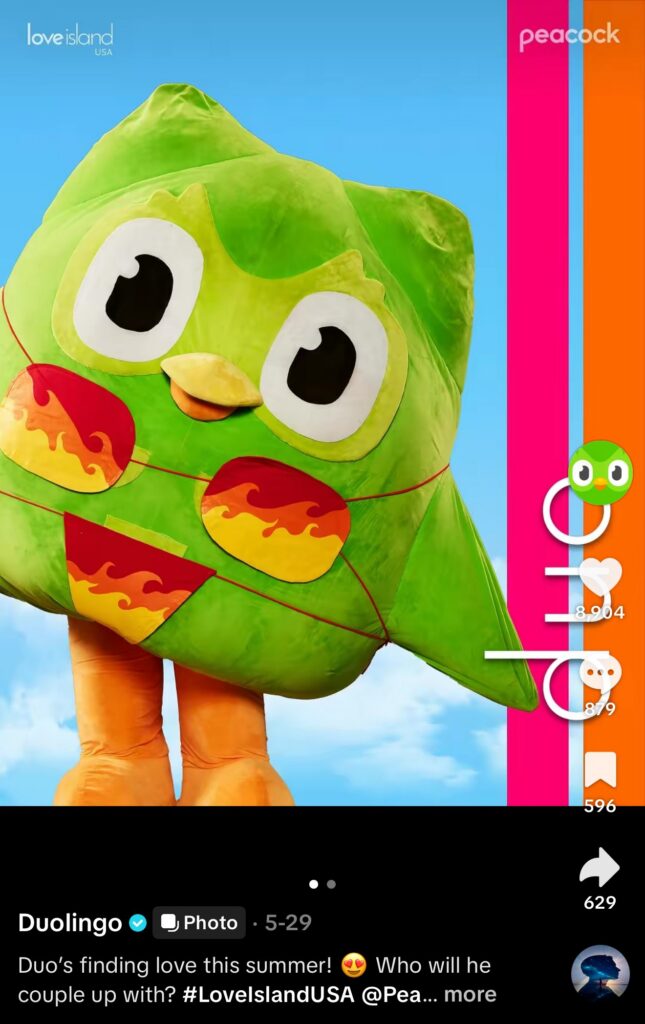
Duo the owl: chaos with a plan
Duolingo turned its mascot into an unpredictable TikTok character, and the chaos worked because it was built on daily listening to the audience, not on random jokes.
SEO and AI Discoverability
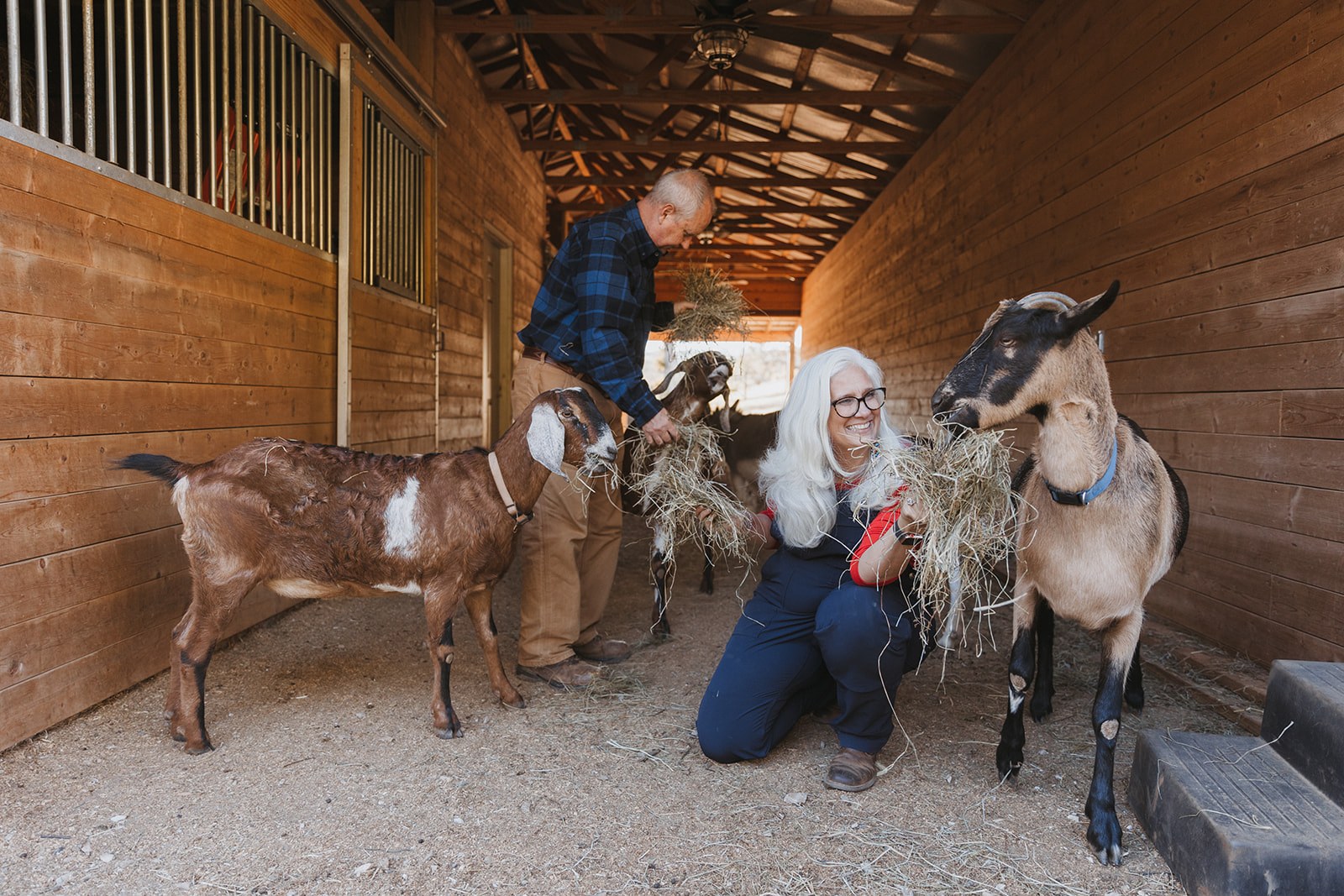
Sweet BombDiggity Farms: making a title tag say something
A small farm content site shows that the title tag and URL are a page’s headline for search engines and AI, and that a specific one tells both what the page is, who it is for and why it should be chosen.

Glitterville Studios: Writing Pages That Search and AI Can Understand
A brand with a great story can still be hard to find if its page titles and descriptions are vague, so clear, specific labels are how a local brand helps both people and machines choose it.
Community vs. Audience

Porsche Cayenne: the buyers said yes, the community said no
Porsche’s first SUV became a commercial success with a new audience while its most devoted enthusiast community rejected it for years, which shows that winning an audience and winning a community are two different jobs.

H.O.G.: How Harley-Davidson Turned Customers Into a Community
The Harley Owners Group shows the difference between an audience and a community: an audience watches a brand, while a community gives members a shared identity and a reason to show up together.
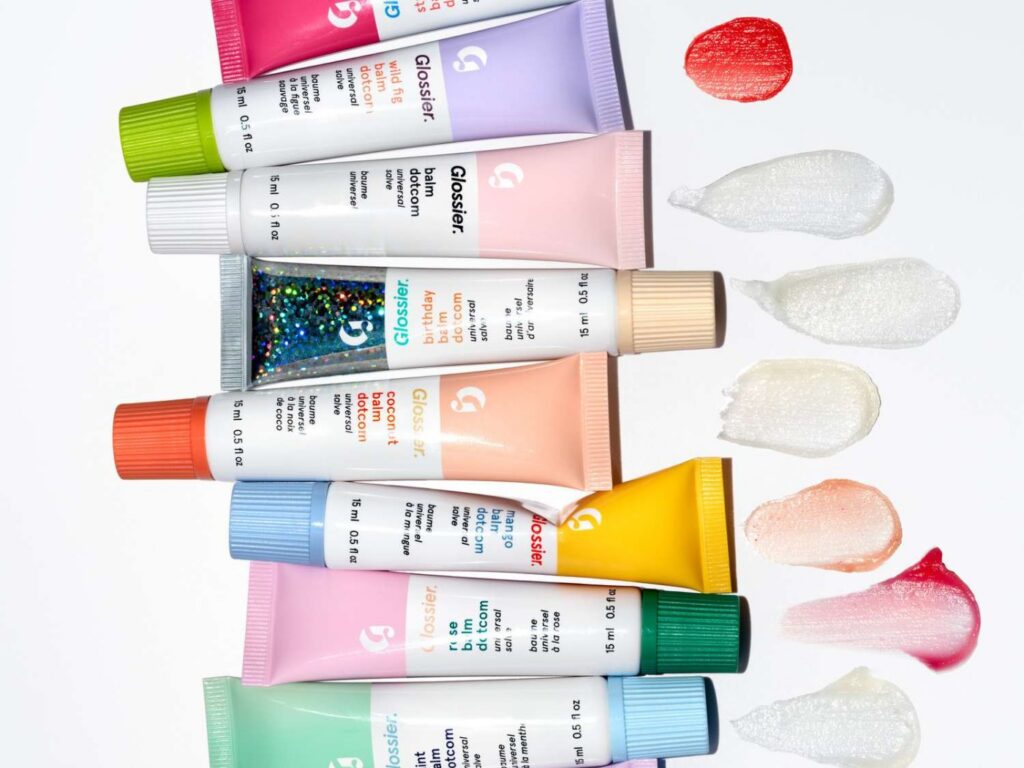
Glossier: a beauty brand that started as a conversation
Glossier grew from a blog audience into a community that shaped its products and spread the word, and its later struggles show that a community has to be earned again as it changes.

Lululemon: building the brand through local people, not celebrities
Lululemon grew by recruiting local instructors, hosting free classes and turning stores into gathering places, which shows that community can be a business model and not just a campaign.
Email and Lifecycle Marketing
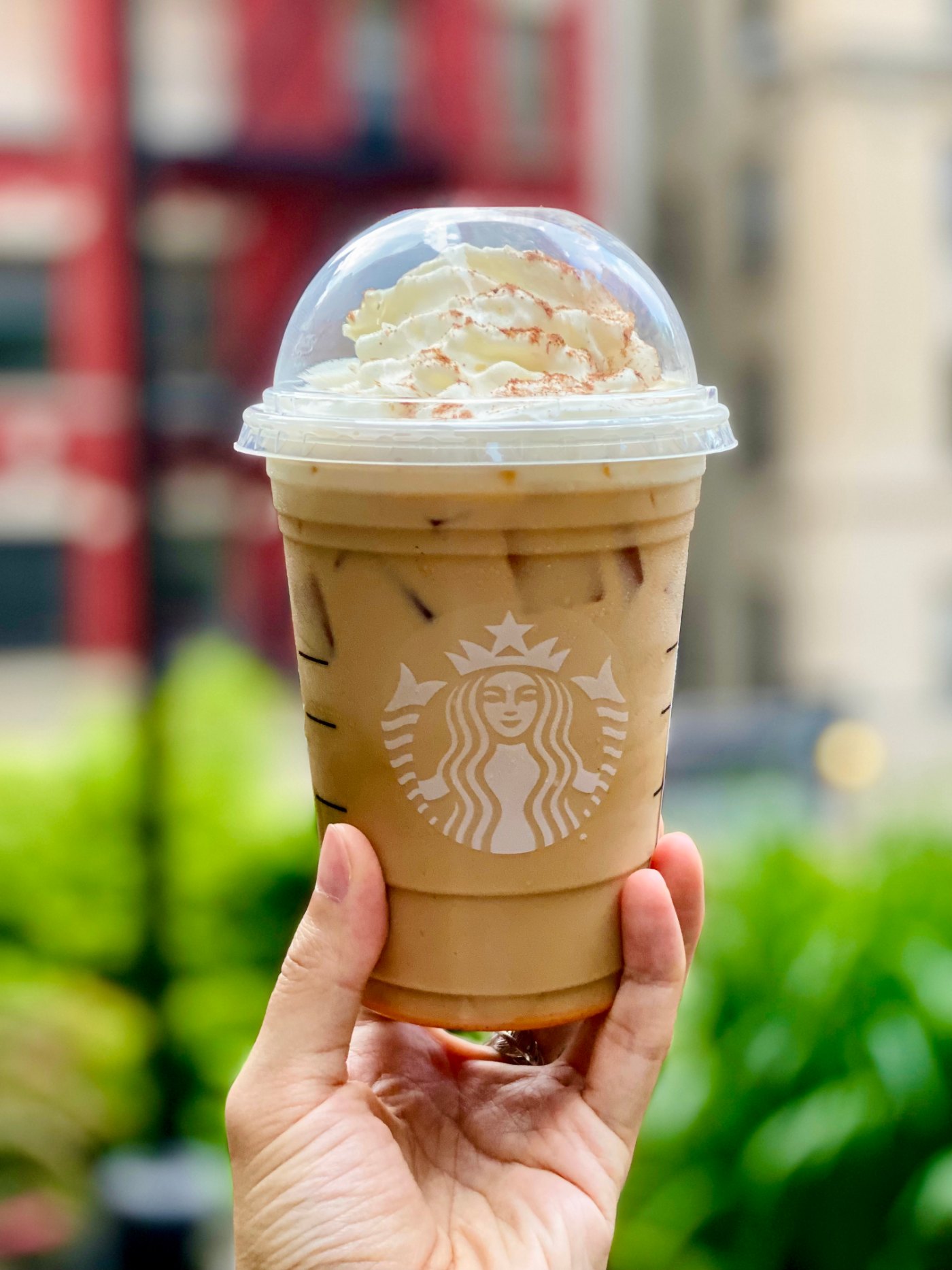
Starbucks Rewards: when loyalty email feels like a thank-you
Starbucks uses its Rewards emails and app to recognize its most valuable customers, and its own missteps show that members notice quickly when rewards start to feel like a sales pitch.
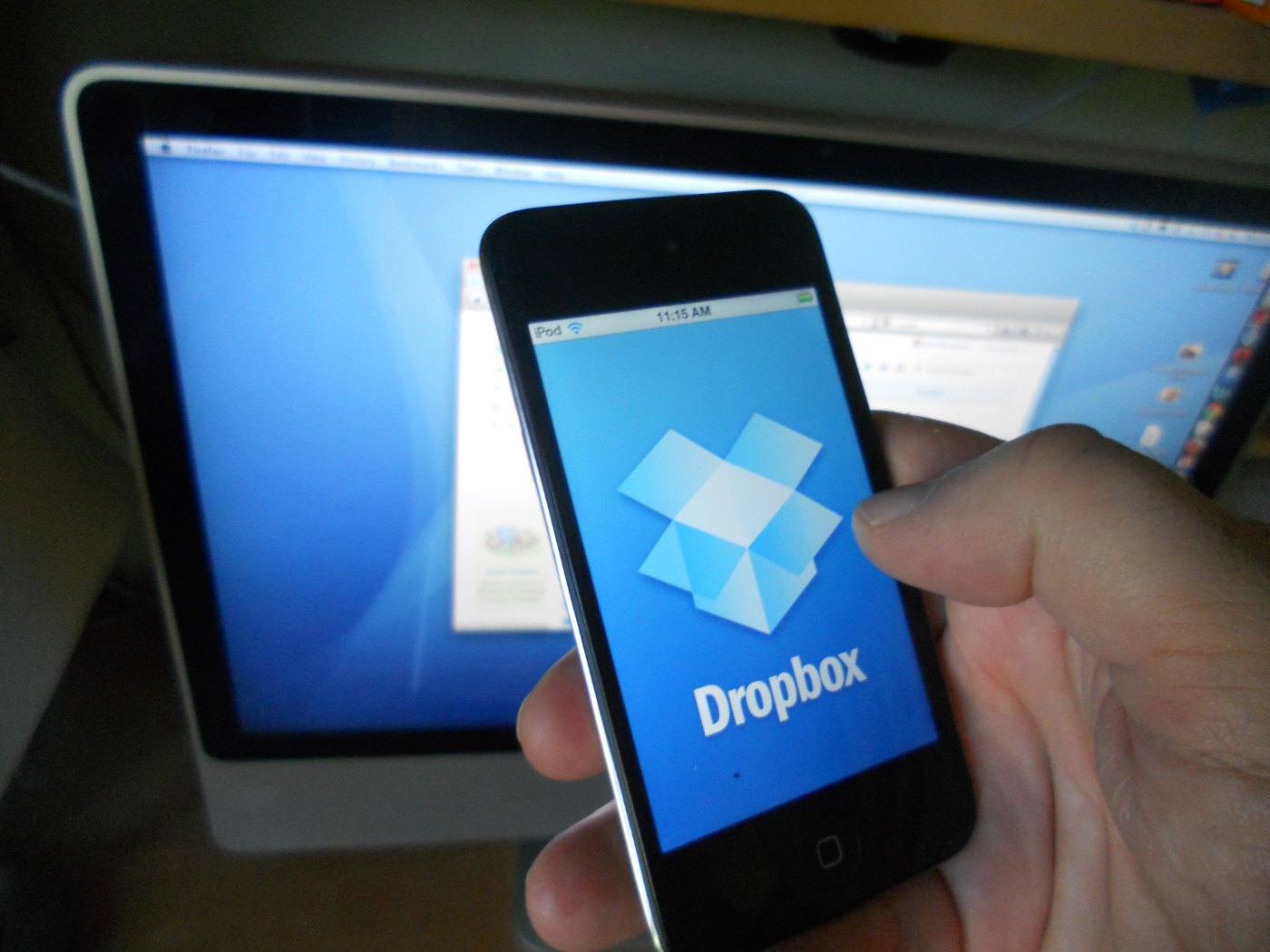
Dropbox: a referral reward that made sense for both people
Dropbox grew when paid ads failed by giving both the inviter and the new user the one thing the product runs on, more storage, so a referral email felt like a favor instead of a pitch.
Influencer and UGC Strategy
Dove x Crumbl: Feeding Creators Enough Content to Make a Drop Go Viral
Dove turned a body care launch into a fan-driven drop by borrowing Crumbl’s playbook, seeding creators, and using AI to stretch their content across every format.
#EyesLipsFace: e.l.f. gave TikTok something to make
e.l.f. did not ask TikTok users to watch an ad. It gave them an original song and a simple challenge, and millions of people made the content for the brand.
LEGO and adult fans: borrowing trust instead of buying reach
LEGO grew its adult business by working with the fan creators and communities adult builders already trusted, and it learned that this trust only holds if the creators keep their own voice.
Paid Media
eBay: the search ads that looked profitable and did not add sales
Platform reports showed eBay’s search ads paying off many times over, but when eBay switched them off in a controlled test, almost nothing changed, which shows why paid media has to be judged on incremental results, not on clicks that would have happened anyway.
Campaign Planning and Creative Testing

Netflix: testing the one image that decides whether you press play
Netflix treated each title’s thumbnail as an ad, wrote down what it wanted to learn, changed only the image, and set its winner rule in advance, and the tests showed that the picture is one of the biggest levers it has.
Measurement: KPIs and Dashboards
Duolingo Found the One Number That Moved Everything
Duolingo restarted its growth by modeling how users move between engagement states and picking the one retention rate that drove daily active users, instead of chasing whatever looked promising.
Personal Branding and Digital Portfolio

Jenna Kutcher: A Personal Brand Built Where Story Meets Service
Jenna Kutcher grew a wedding photography side hustle into a business education brand by sharing her real story openly and turning what she had learned into teaching for other women.

Ann Handley: a personal brand built one useful sentence at a time
Ann Handley became one of the best-known names in content marketing by picking one lane, helping marketers write better, and showing up in it with the same voice for years.
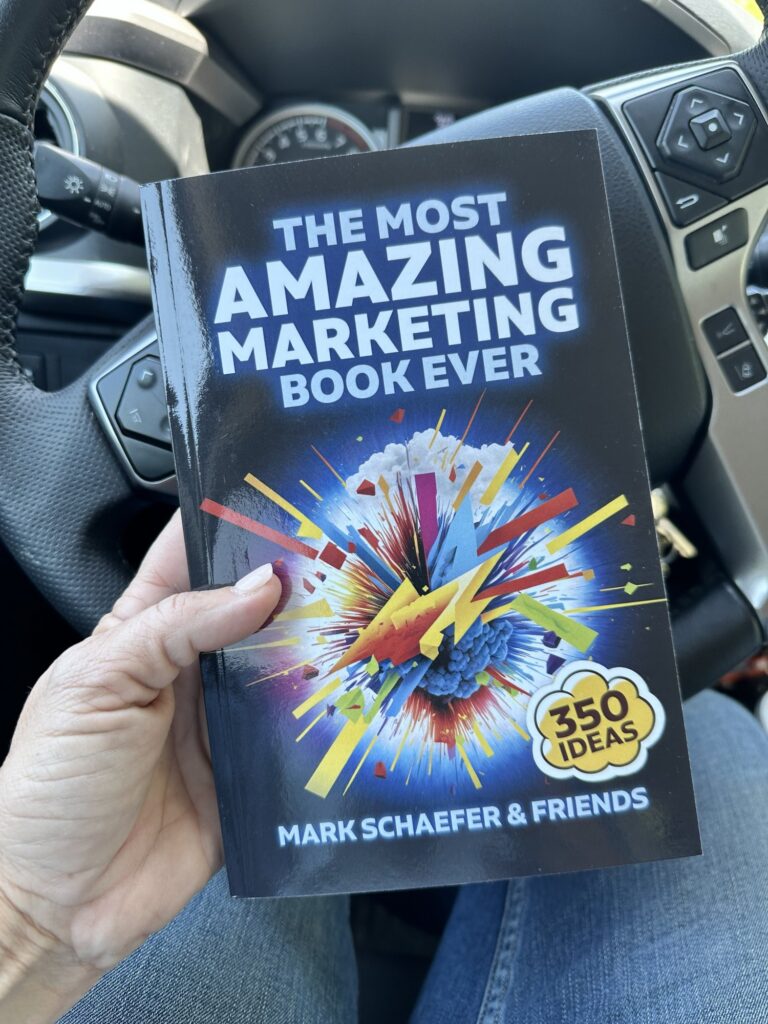
Mark Schaefer: becoming known on purpose
Mark Schaefer left a corporate career and built a reputation in digital marketing by publishing steadily on one topic, then wrote a book arguing that being known is a process anyone can follow, not a matter of fame.
Presenting Like Pros
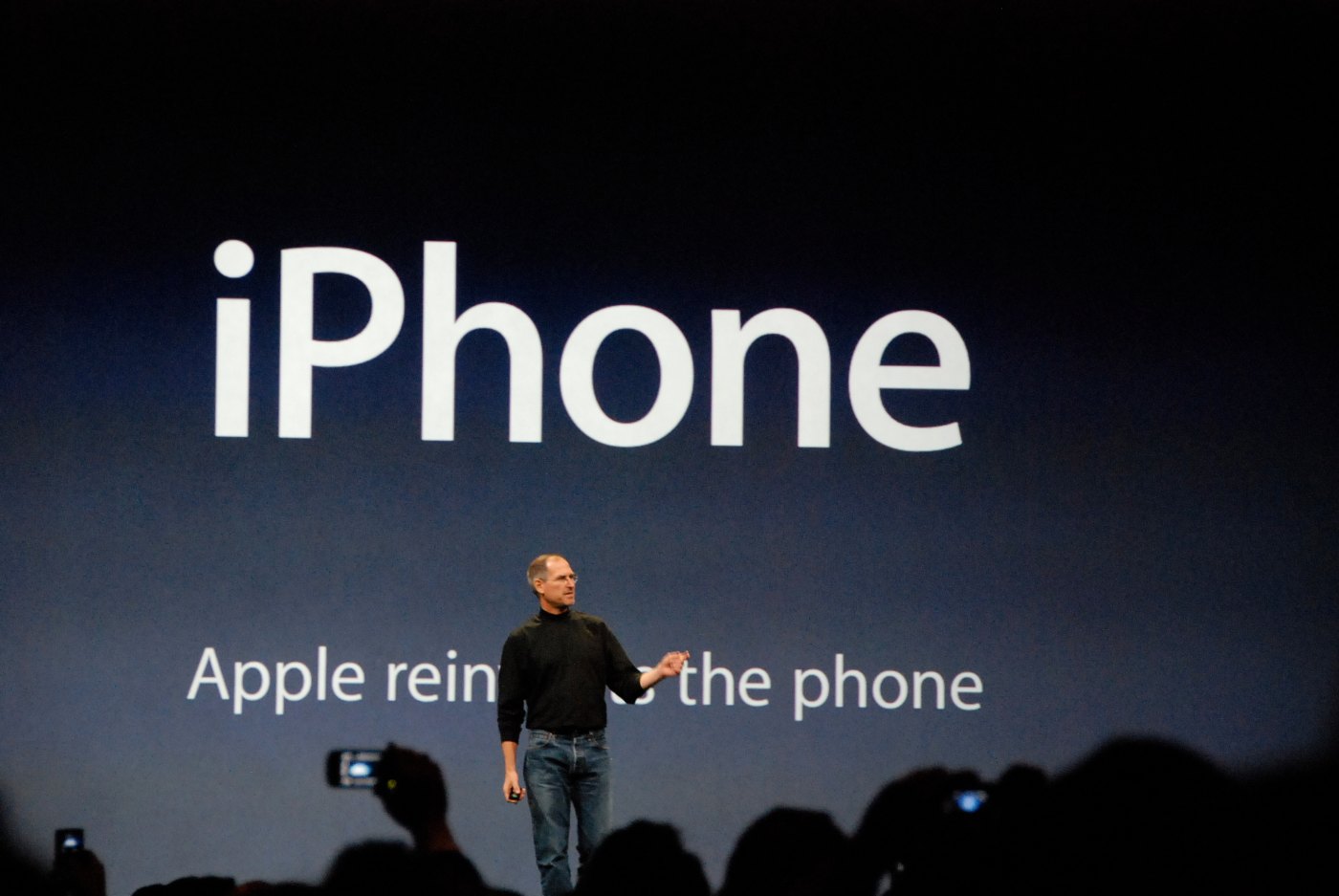
“Today Apple Is Going to Reinvent the Phone”: The 2007 iPhone Keynote
Steve Jobs launched the iPhone with a one-sentence headline, three simple ideas and slides with almost nothing on them, then backed it up with a demo rehearsed for days to hide how unfinished the product was.
Marketing 475: Visual Marketing
What a Visual Marketer Does
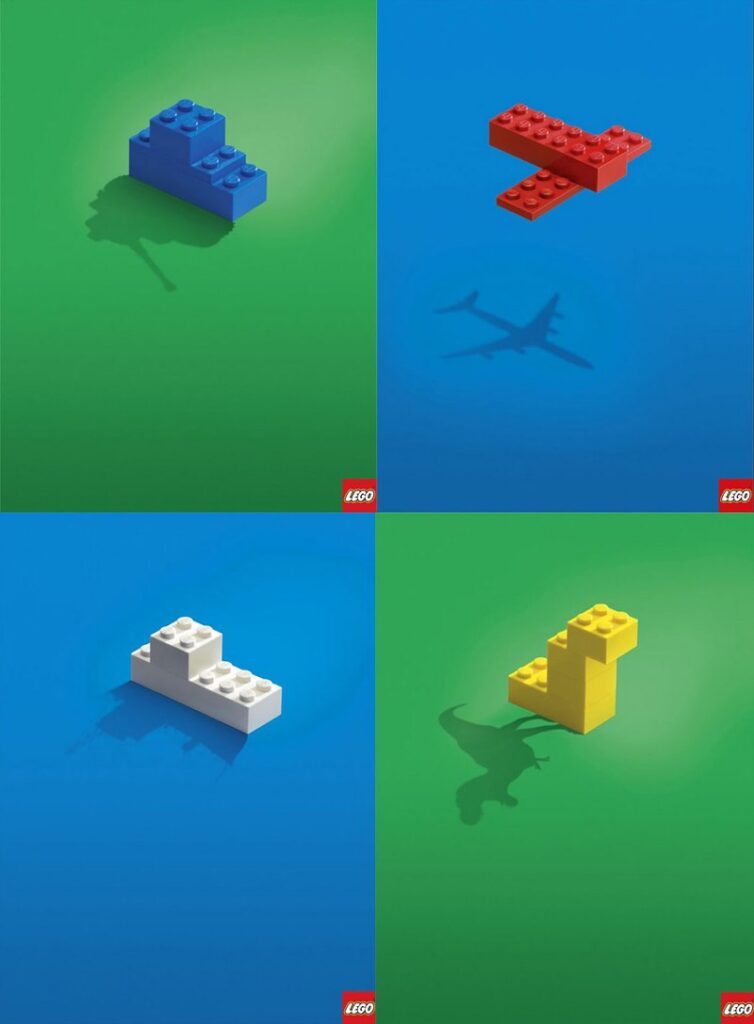
Decoding a Lego Ad: Reading Visual Choices Like a Marketer
A visual marketer can take any ad apart element by element, emotion, eye path, color and composition, and show how each choice supports what the brand stands for. Lego is a clear brand to practice on.
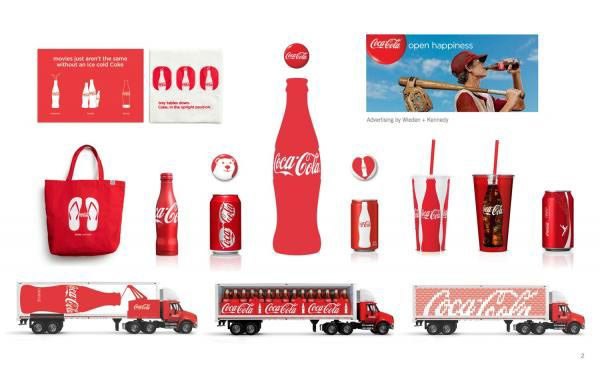
Coca-Cola: a visual identity built to mean togetherness
For more than a century, Coca-Cola has tied its red, its script and its bottle to scenes of people sharing a moment, so every visual choice points back to the same idea.
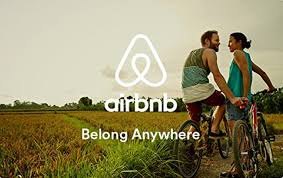
Airbnb’s 2014 rebrand: turning “belong anywhere” into something you can see
In 2014 Airbnb turned a positioning idea, belonging, into a symbol, a photo style and one visual system, which is exactly the job of a visual marketer.
Visual Marketing in the Wild
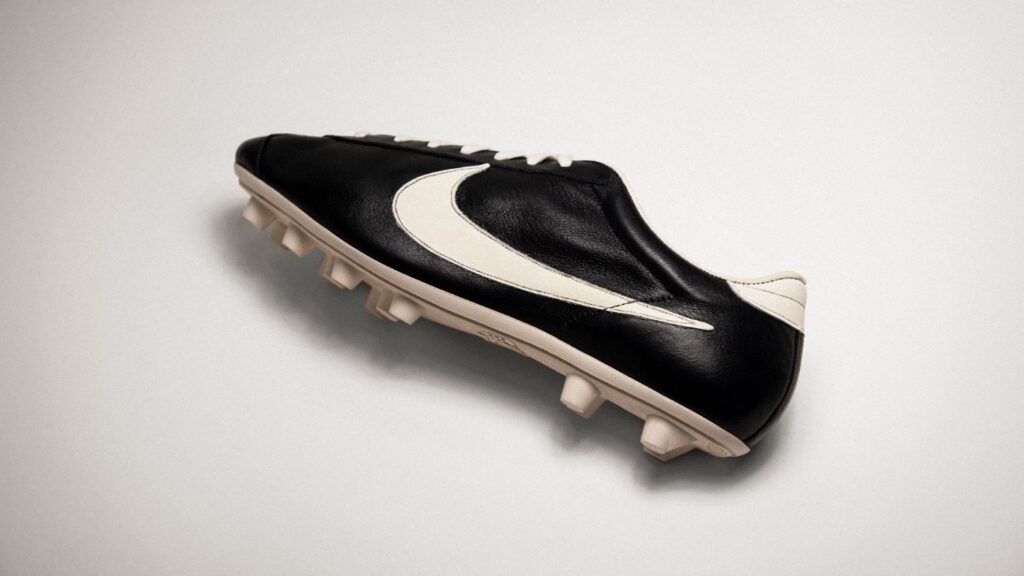
The $35 swoosh: how a simple mark earned its meaning
The swoosh started as a cheap student design its client did not love. It became a mark that needs no name beside it through decades of consistent use.

Patagonia: pictures that prove the gear lasts
Patagonia’s brand imagery shows gear being used, worn out and repaired by real people in real places, so the photos work as evidence for its promise that its products are built to last.

Spotify Wrapped: Personal Data, Dressed in a Brand People Recognize
Wrapped turns each user’s listening history into shareable cards built in Spotify’s visual language, so every share works as an ad that people choose to post.
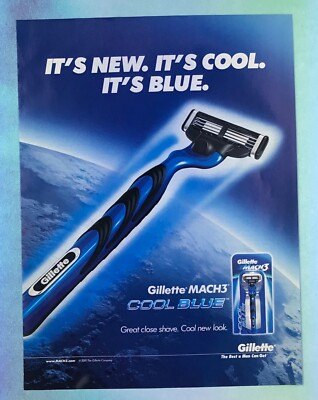
Dollar Shave Club vs. Gillette: same product, different visual world
Gillette and Dollar Shave Club both sold razor blades, but their visual and verbal styles told two different groups of men who the product was for.
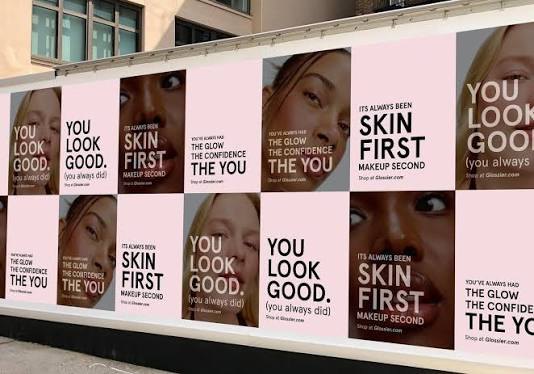
Glossier: a beauty blog that became a billion-dollar look
Glossier grew from a beauty blog into a company valued at $1.8 billion by building a consistent, shareable visual world and letting customers spread it, though its later struggles show that a look alone cannot carry a business.
Typography and Visual Hierarchy

Zara: How a Serif Logo Borrows the Language of High Fashion
Zara’s tightly packed serif wordmark uses the visual language of fashion magazines and luxury houses, which helps a mid-priced retailer feel more premium than its price tags.
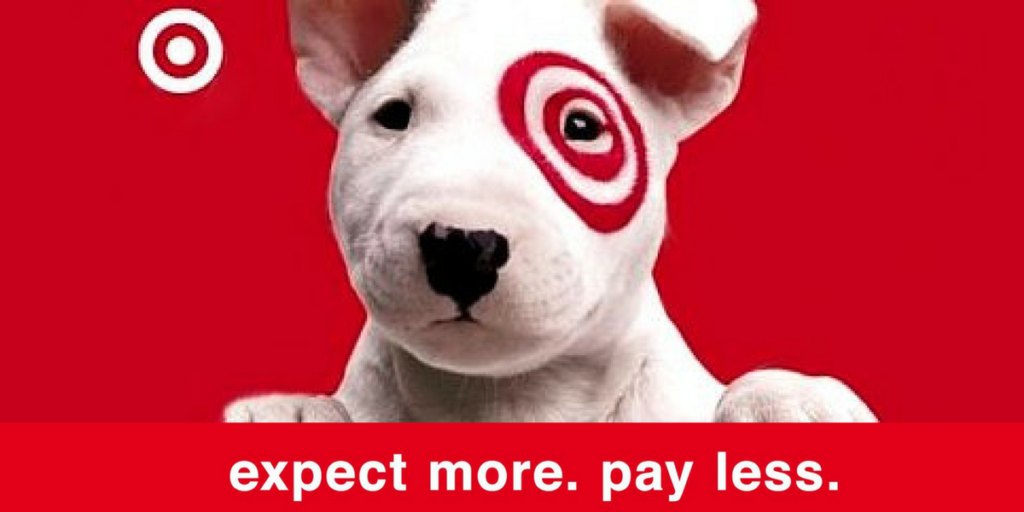
Target: type that has to say “expect more” and “pay less” at once
Target’s promise has two halves that pull against each other, and its clean, friendly visual system, type included, is built to signal good design without signaling expensive.
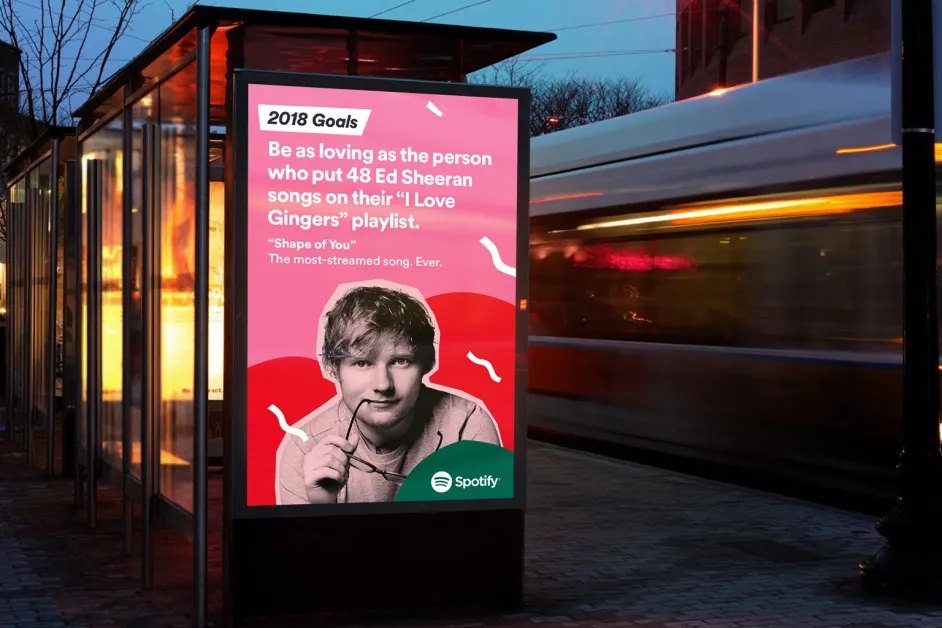
Spotify and Circular: choosing type for a brand that lives on screens
In its 2015 identity era, Spotify used Circular, a warm geometric sans-serif, which shows how a typeface can carry a brand’s personality on the small screens where people actually meet it.
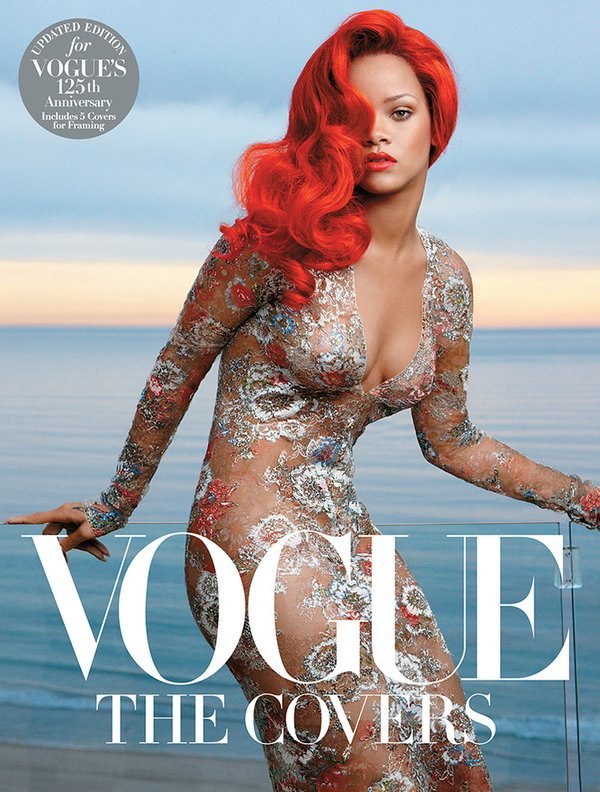
Vogue and the Didone: when type becomes the brand
Vogue’s high-contrast Didone lettering has stayed essentially fixed on its covers since the 1950s, and that consistency turned a typeface style into a signal of fashion authority.
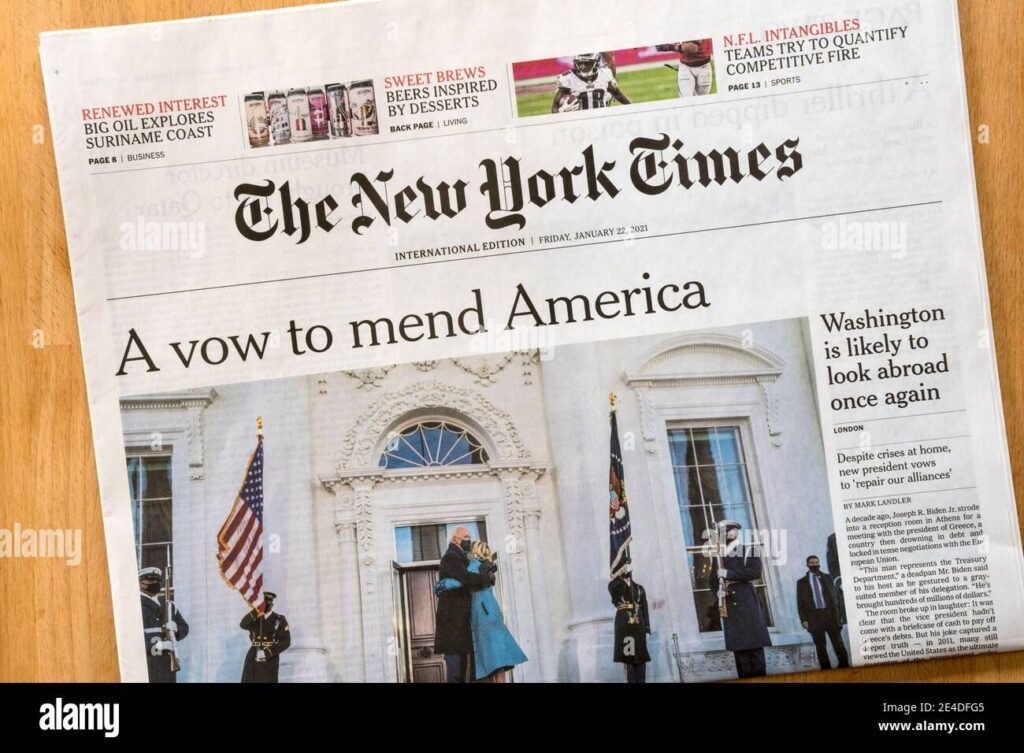
The New York Times: when a headline font becomes a signature
By committing to one headline typeface, Cheltenham, and commissioning its own custom version of it, The New York Times turned a type choice into something readers recognize before they read a word.
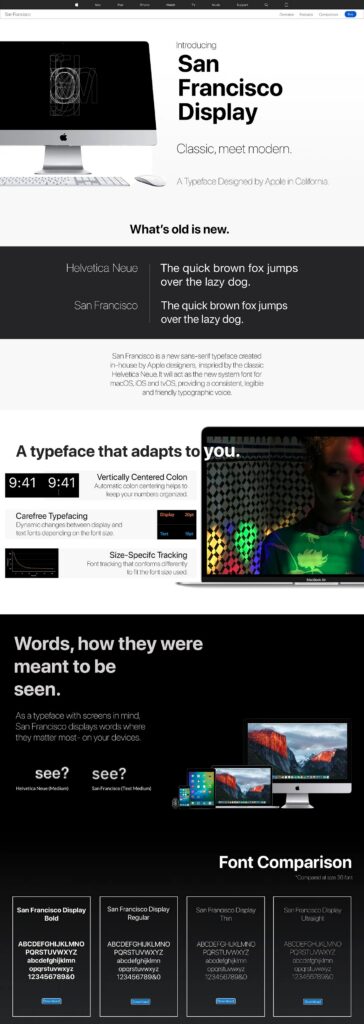
San Francisco: Why Apple Built a Typeface Instead of Borrowing One
Apple designed its own typeface so it could control how text looks and reads on every screen it makes, turning type into a brand asset it owns.
Color Theory and Brand Psychology
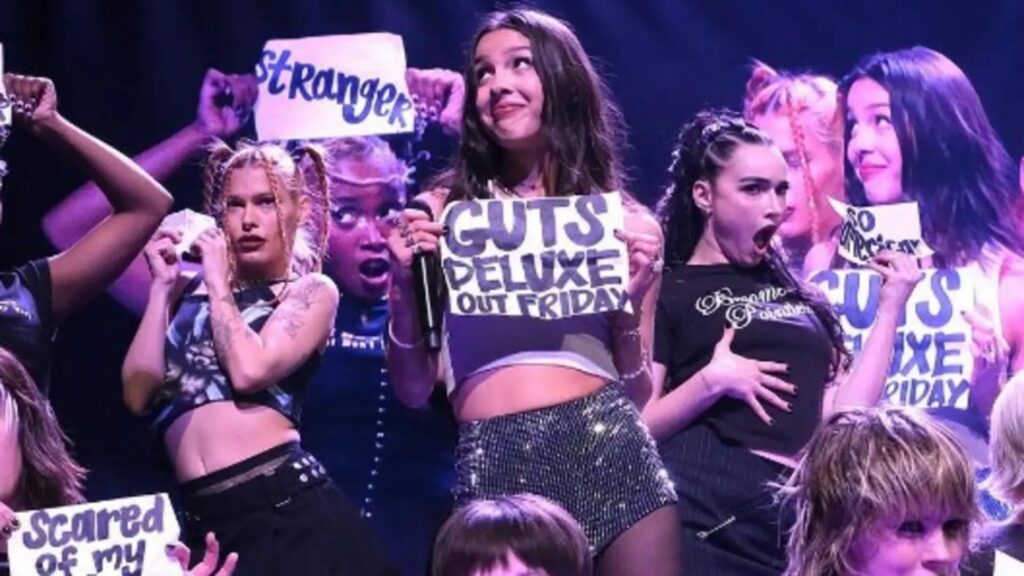
Same purple, darker shade
Olivia Rodrigo kept purple as her signature color from SOUR to GUTS and signaled a new chapter by darkening it, which shows that a color shift can say “new” without giving up recognition.

T-Mobile: owning magenta in a look-alike category
In a category where the services are hard to tell apart, T-Mobile and its parent Deutsche Telekom treat magenta as a business asset, register it as a trademark and defend it in court.
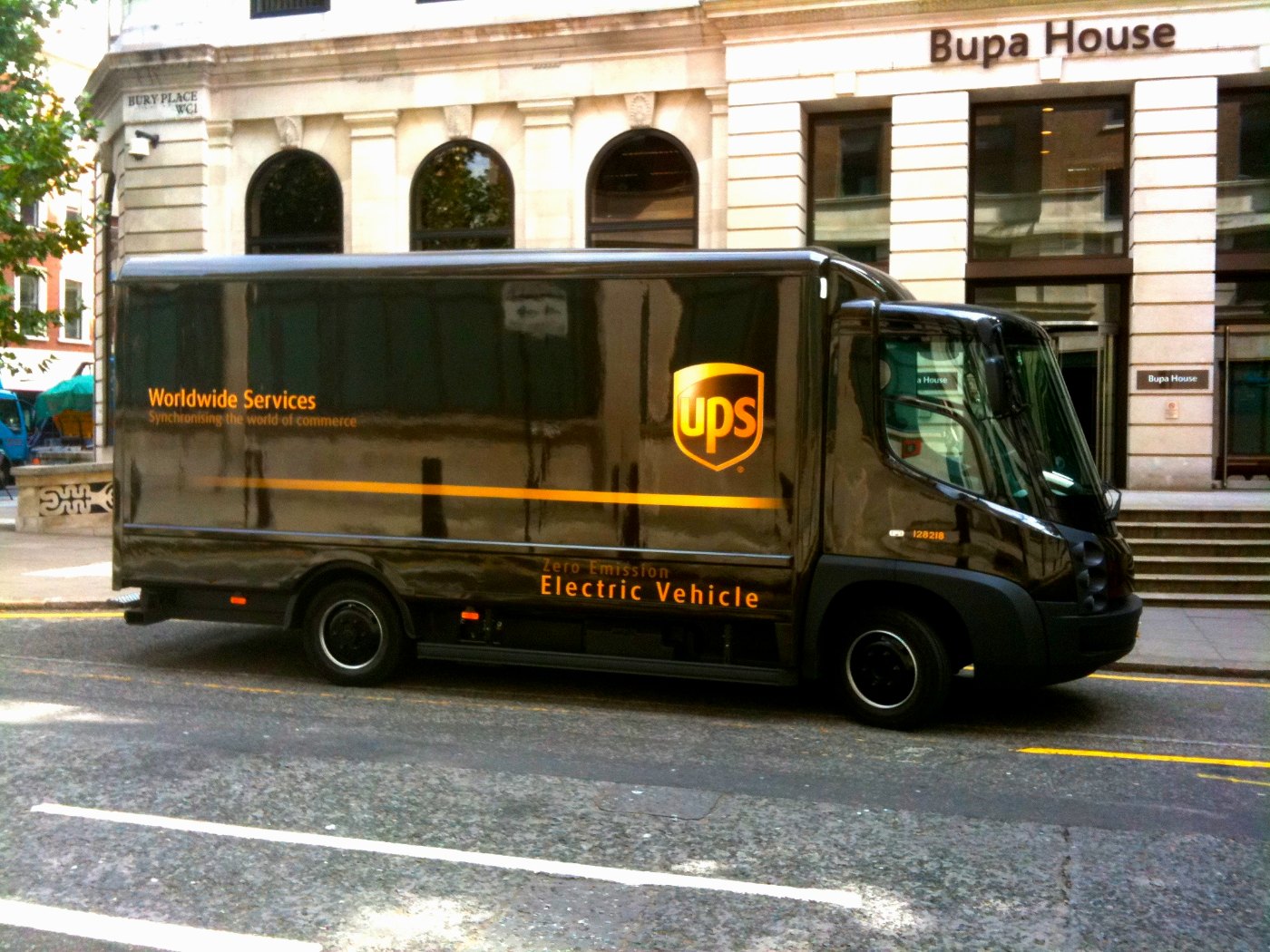
UPS Brown: How a Plain Color Became a Protected Brand Asset
UPS picked brown for practical reasons in 1916, then used it so consistently for a century that the color now stands for the company on its own.
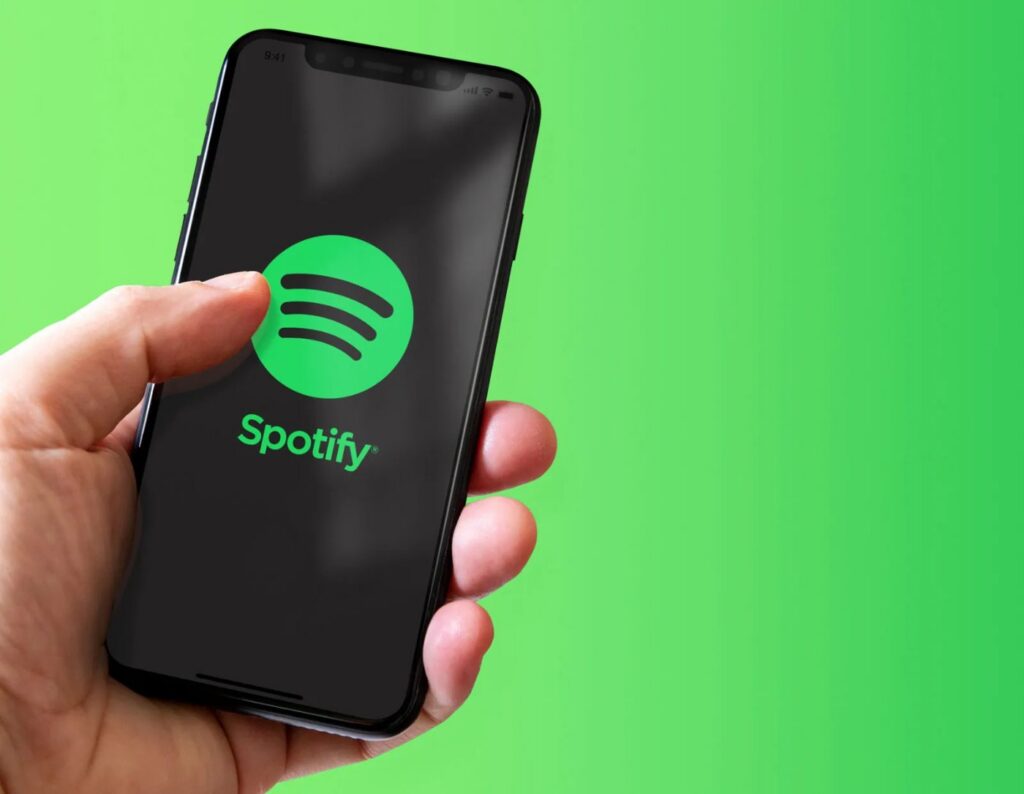
Spotify’s green: owning a color in your category
Spotify made a bright green on black its signature in music streaming, then protected it with strict rules while letting a wider palette carry the energy.
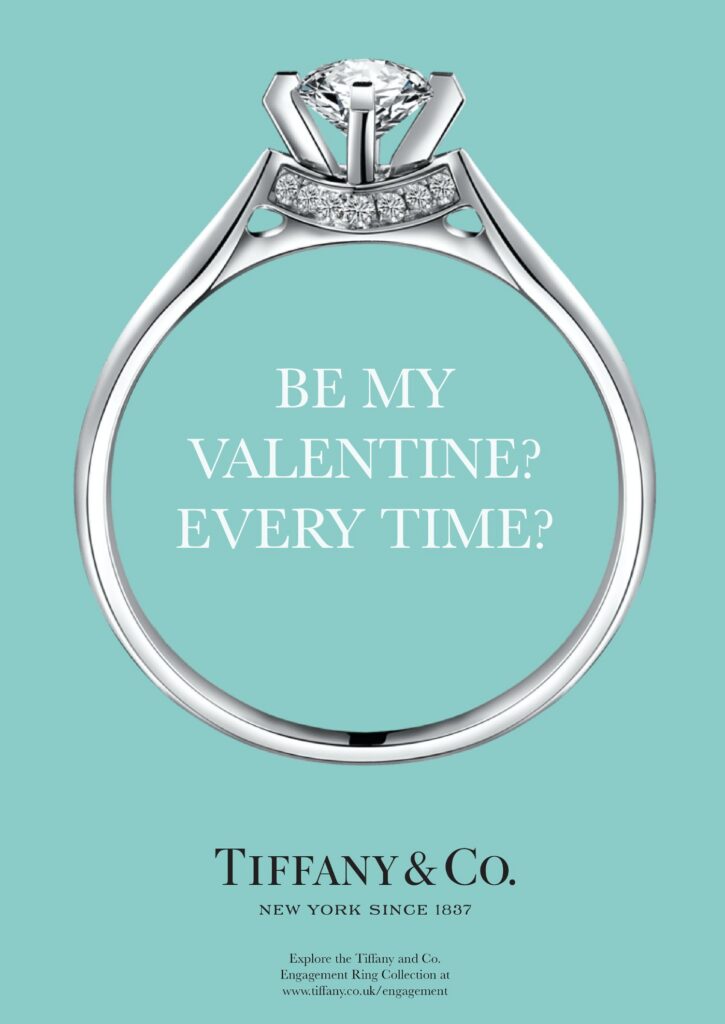
Tiffany Blue: how one color came to carry a brand
Tiffany & Co. used one shade of blue with enough consistency, for long enough, that the color now signals the brand before anyone reads a word, and the law treats it as a trademark.
Layout and Composition
The grid under the news
The New York Times can put dozens of stories on one page and still feel orderly because every element sits on a column grid that readers sense even when they cannot see it.
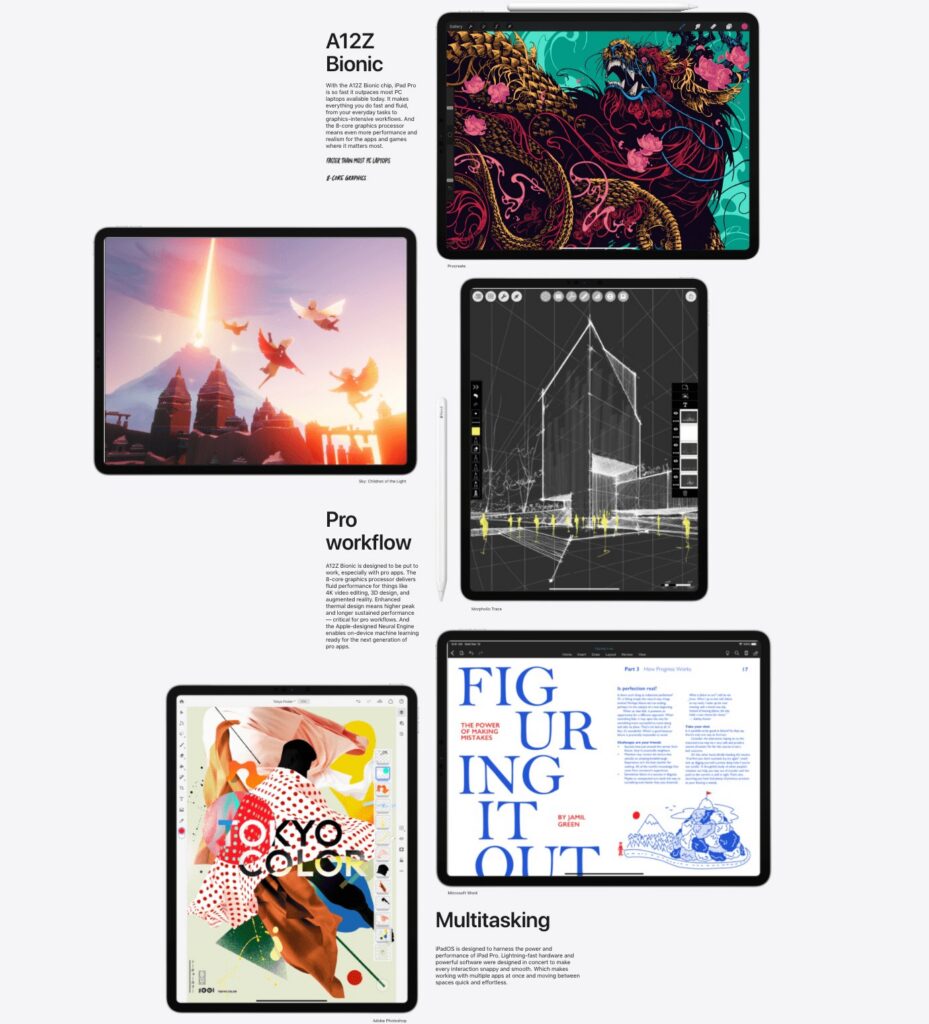
Apple: what the empty space is doing
Apple’s web layouts leave most of the screen empty on purpose, and that empty space is a decision that tells the viewer exactly where to look.
Brand Strategy: Who Is Your Brand?

Stanley: Same Cup, New Customer
Stanley’s Quencher was a slow seller until the company stopped asking who had always bought Stanley and started serving the women who were already asking for the cup.
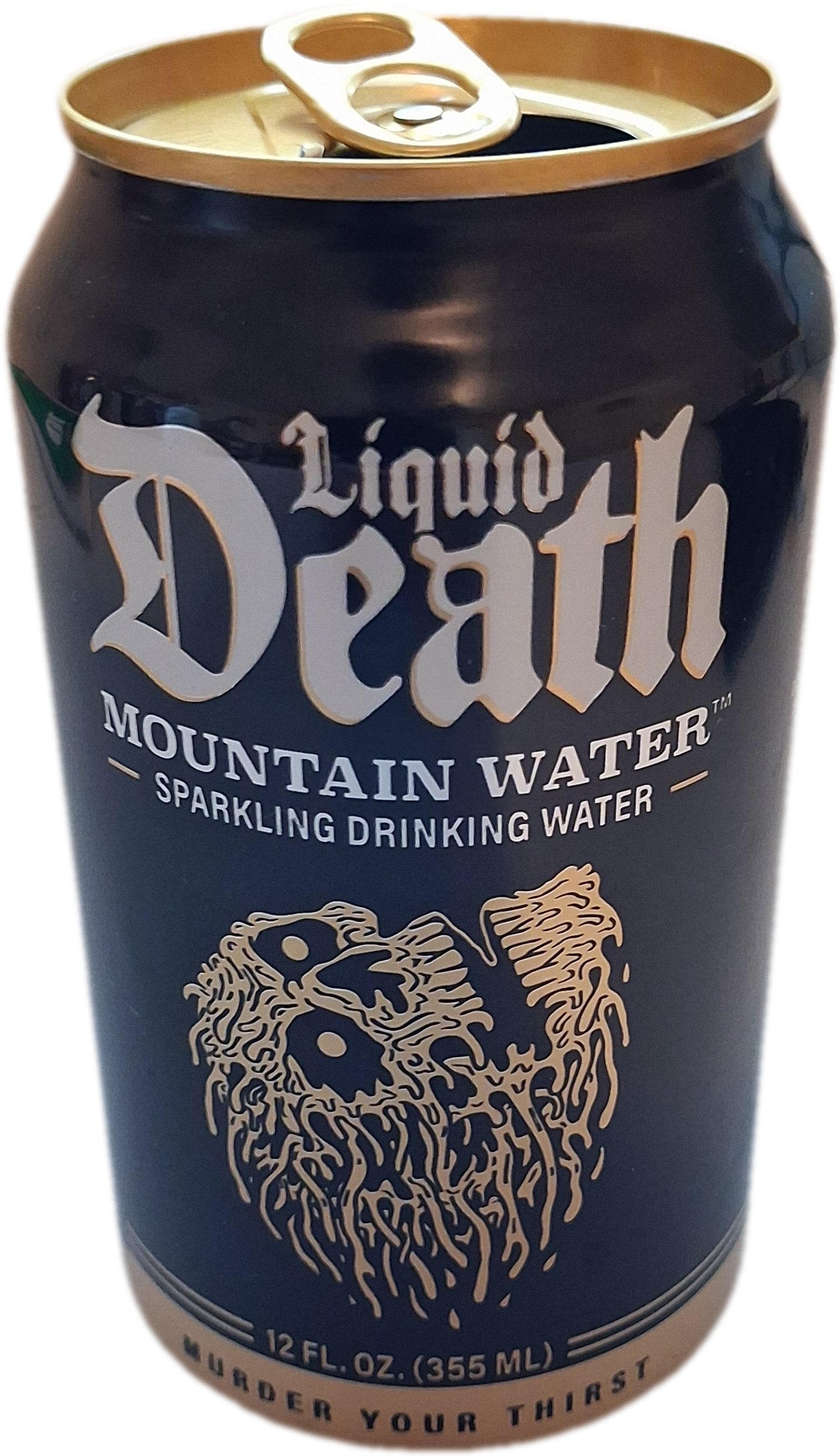
Liquid Death: a punk band that happens to sell water
Liquid Death turned one of the most commoditized products in the store into a billion-dollar brand by deciding exactly who it was for and who it was against, then letting every creative choice follow.

Old Spice: same brand, new audience, new strategy
Old Spice did not change its name or drop its heritage. It changed who the brand was talking to and how it talked, and the visuals followed the strategy.
Building Your Brand Identity System
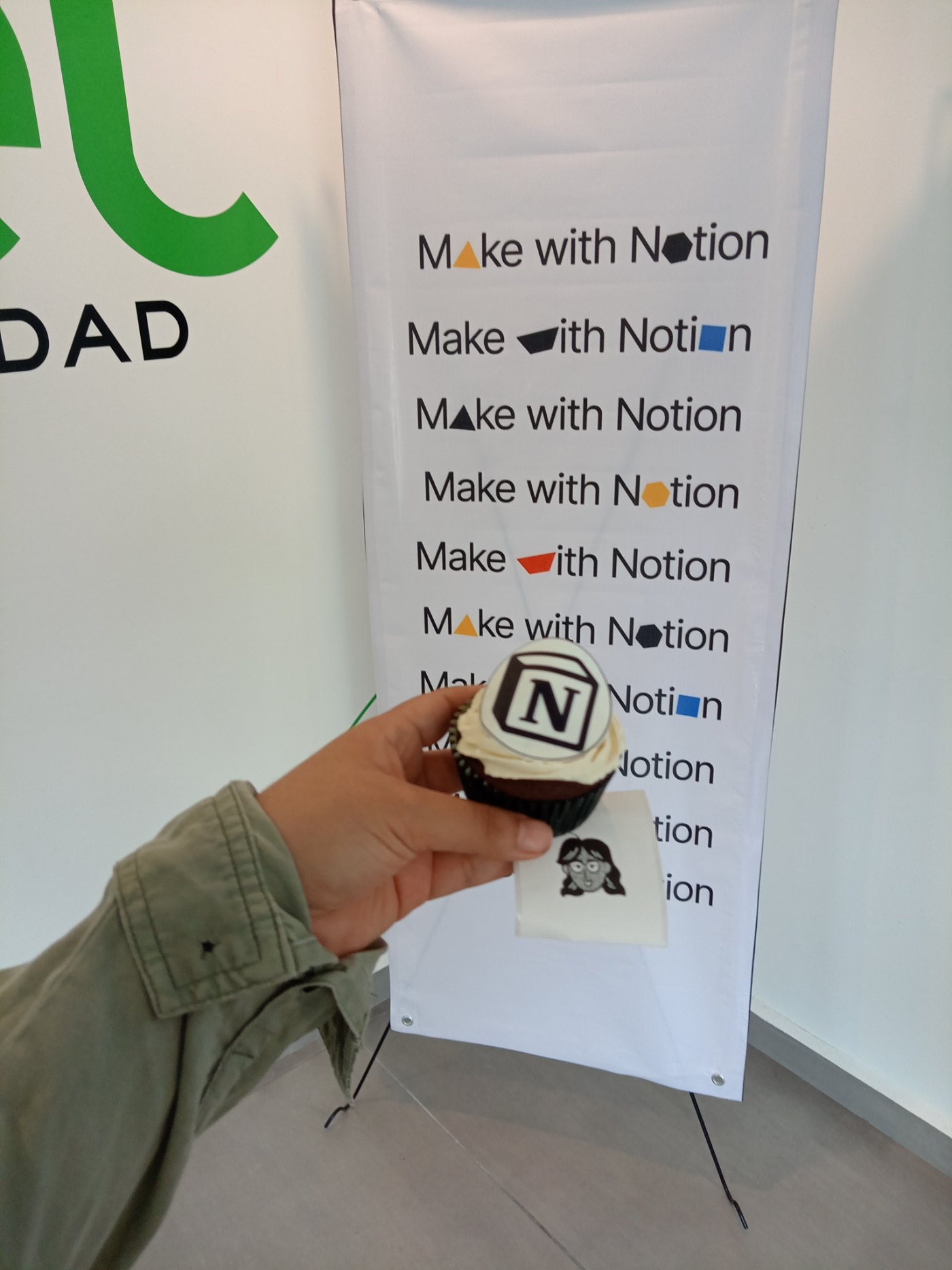
Notion: a quiet brand for a tool about focus
Notion keeps its brand visually quiet so the product, and the work people do in it, stays at the center, and that restraint is a deliberate system rather than an absence of design.

Mailchimp: name it, explain it, publish it
Mailchimp turned its brand choices into named, explained rules that anyone can read, which is what lets a quirky brand stay consistent while many people make things for it.
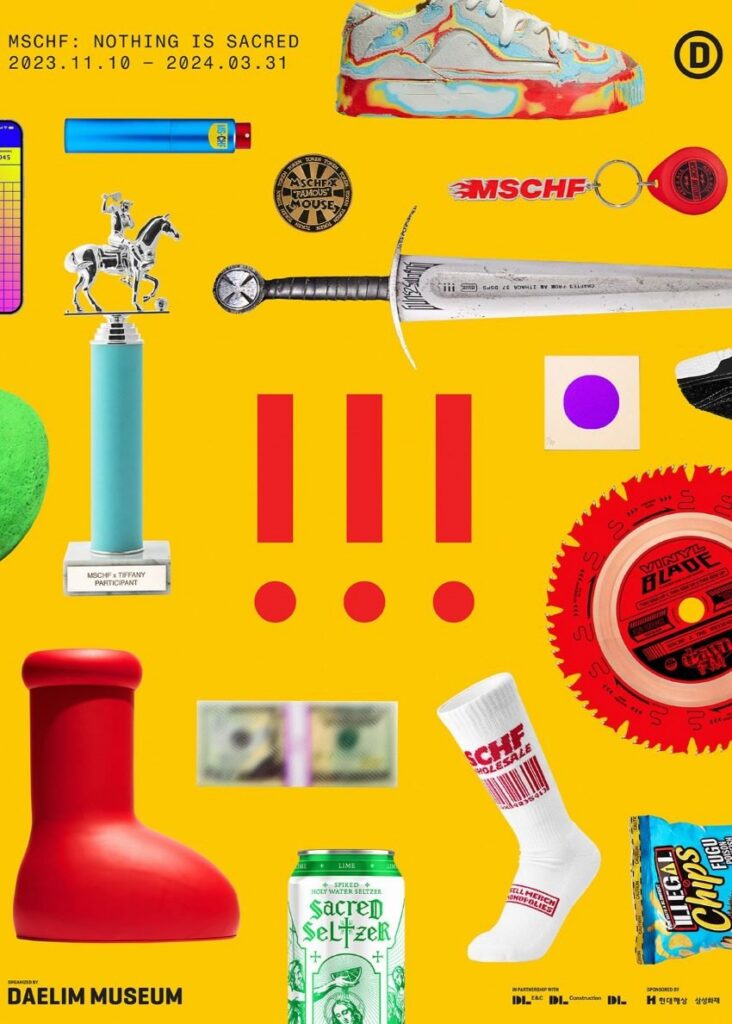
MSCHF: When Inconsistency Is the Identity System
MSCHF breaks the usual rules of brand consistency on purpose, and that only works because its audience rewards surprise and the company accepts the risks that come with it.
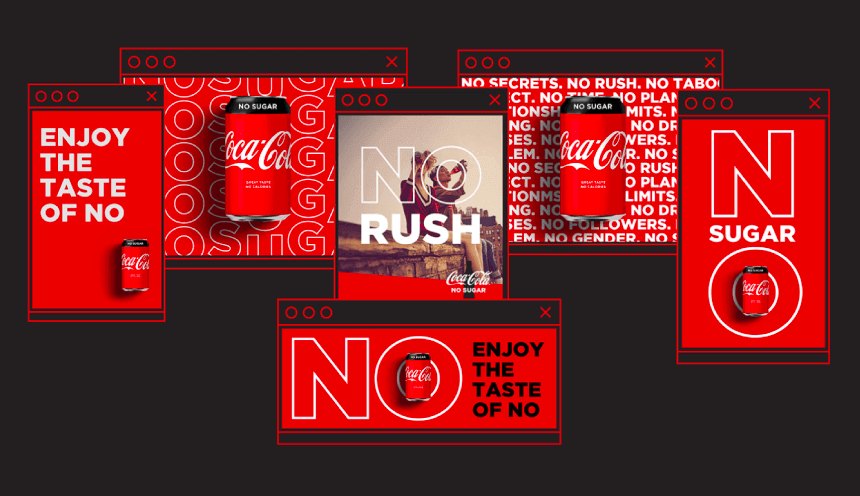
Consistency you can feel: how Coca-Cola built a look people know by touch
Coca-Cola has protected the same few visual assets for more than a century, and that discipline is why people can recognize the brand before they read a word.
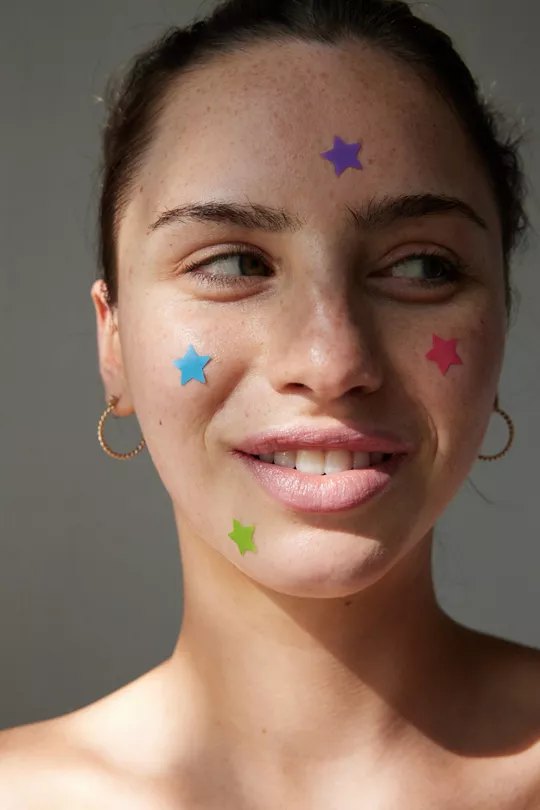
Starface: turning a pimple patch into something to show off
Starface used a bright yellow star, a cartoon mascot and unfiltered skin to make a product people used to hide into one they post, and that visual system changed how the whole category feels.
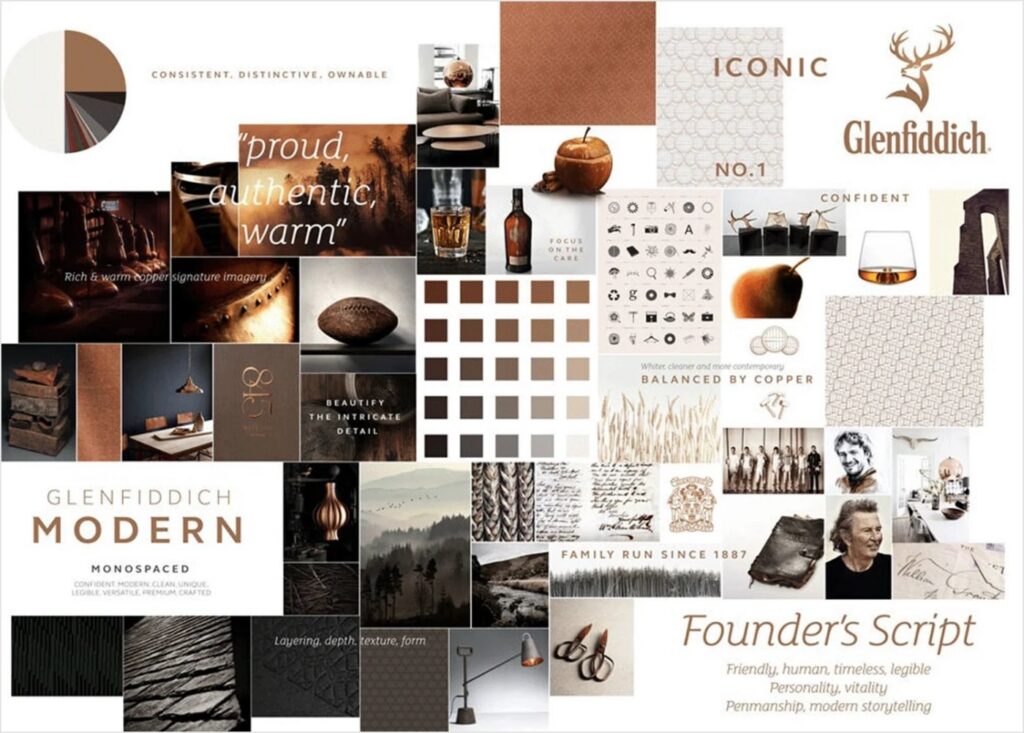
Glenfiddich: Building a Mood Board From a Real Brand Story
A strong mood board does not collect pretty images. It translates true facts about a brand, like copper stills, family ownership and a founding year, into a color, texture and story system every touchpoint can share.
Designing in Canva

HubSpot: Putting the Brand System Inside the Tool Marketers Already Use
HubSpot’s small design team stopped trying to make every asset itself and instead built brand kits and more than 600 templates in Canva, so marketers could produce on-brand work on their own.
AI as a Creative Partner
Create Real Magic: AI that worked because the brand came first
Coca-Cola’s 2023 AI art platform worked because it handed creators a century of brand assets to build with, and its 2024 AI holiday ad shows what happens when people feel the technology has replaced the human part.

Draw Ketchup: Heinz Used AI to Prove an Insight It Already Had
Heinz did not start with AI. It started with a human truth, that people picture Heinz when they think of ketchup, and then used an AI image generator as fresh evidence for it.
Photography for Marketing
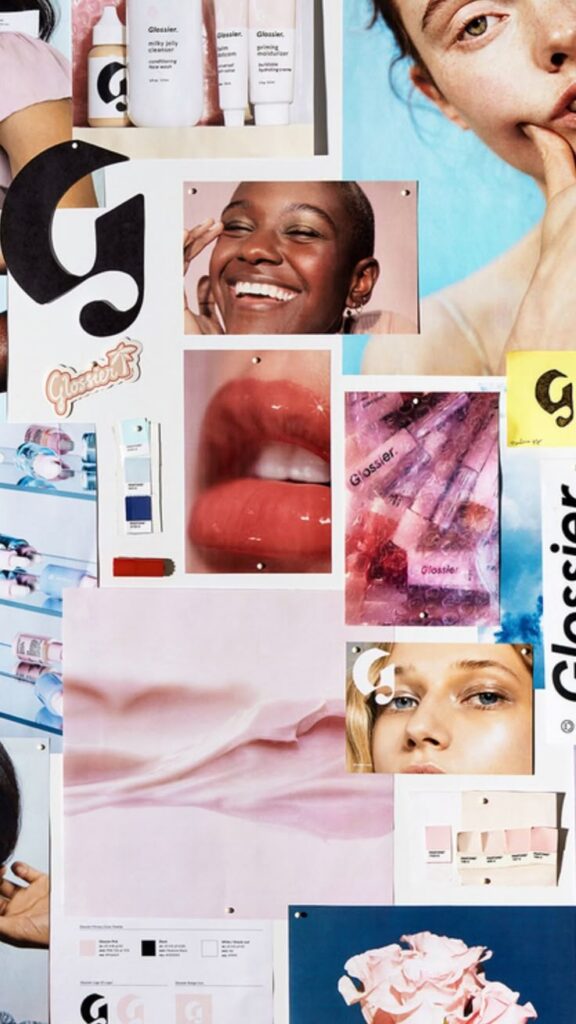
Glossier: shooting every image to one feeling
Glossier decided its pictures should feel like skin, not makeup, and carried that feeling from product shots to packaging to customers’ own photos.

Harry Styles: a few details, repeated until they became his
Harry Styles’ images became instantly recognizable because a small set of details, pearls, boas, flared 70s-style tailoring and playful color, kept showing up across photo shoots, tours and even his beauty brand.
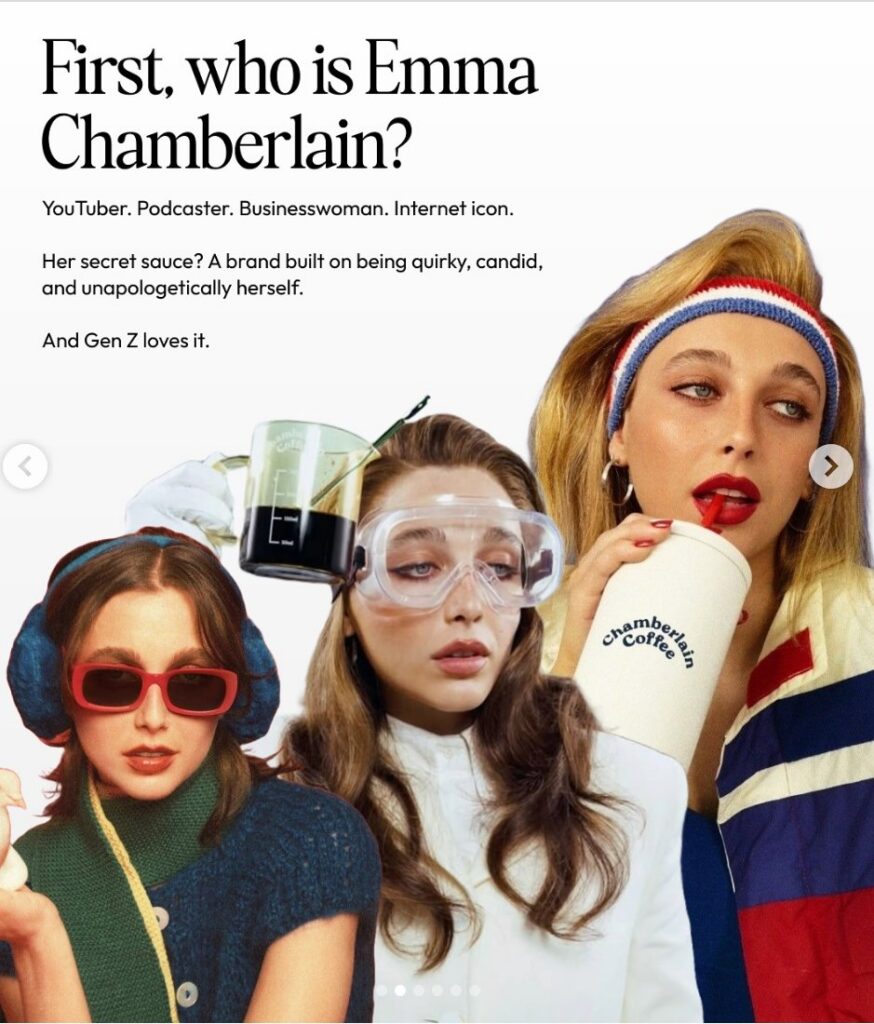
Imperfect on purpose: the craft behind a lo-fi look
Emma Chamberlain built a personal brand on a raw, unpolished visual style, and that style was a deliberate, labor-intensive choice, not an absence of effort.
Content Strategy: What to Make and Why
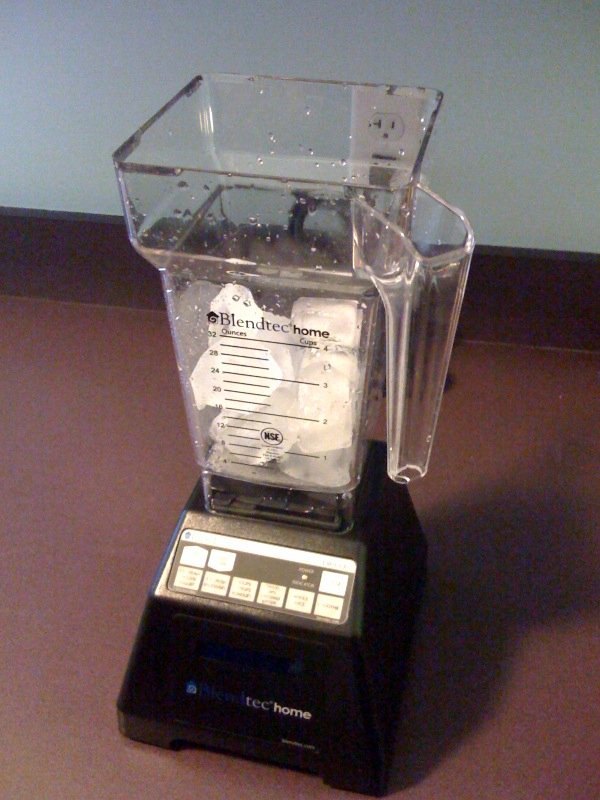
Will It Blend? One content idea built on one product truth
Blendtec turned its own durability test into a weekly entertainment series, and it worked because every episode proved the one thing the brand needed buyers to believe.
Platform Adaptation

Apple’s Shot on iPhone: one idea, every format
Apple’s Shot on iPhone kept one simple concept, a real photo credited to the person who took it, and rebuilt it for billboards, magazines, TV and Instagram, which is why it lasted more than a decade.
Analytics and Visual Optimization
Netflix: testing the thumbnail, then learning when a winning image is the wrong one
Netflix found that its title artwork drove viewing decisions, so it tested images on purpose, judged them on the metric that mattered, and learned that the image with the most clicks is not always the best one.
Short-Form Video: Hooks and Scripts

Aerie: one feeling, proven in every frame
Aerie picked one feeling it wanted people to have, confidence over perfection, and backed it with a visible rule, no retouching, which gives every photo and video built-in proof.
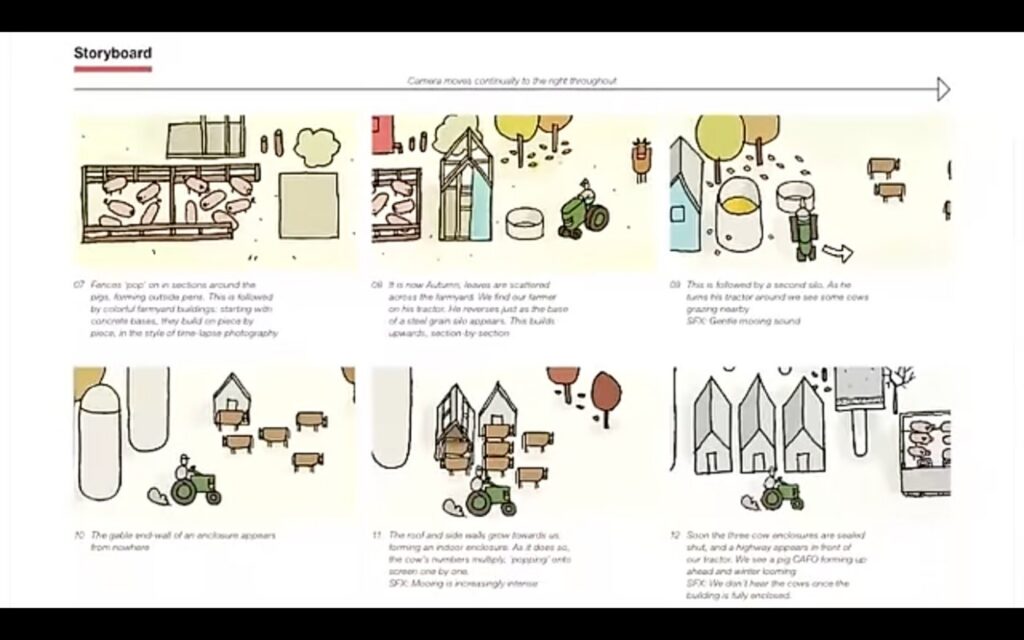
Back to the Start: A Two-Minute Story Instead of a Sales Pitch
Chipotle’s 2011 animated short sold a belief about food, not a burrito, and showed that one simple story with one clear emotion can carry a brand message.
Duolingo: a mascot made for TikTok
Duolingo turned its green owl into a character with a consistent, irreverent personality and made short videos that look like they belong on TikTok, and that personality became one of its biggest marketing assets.
Giving and Using Creative Critique

Pixar’s Braintrust: candid notes, no orders
Pixar built a review process where peers give blunt, specific notes on unfinished films but have no power to force changes, which keeps the critique about the work and leaves the decisions with the person who owns it.
Presenting Creative Work
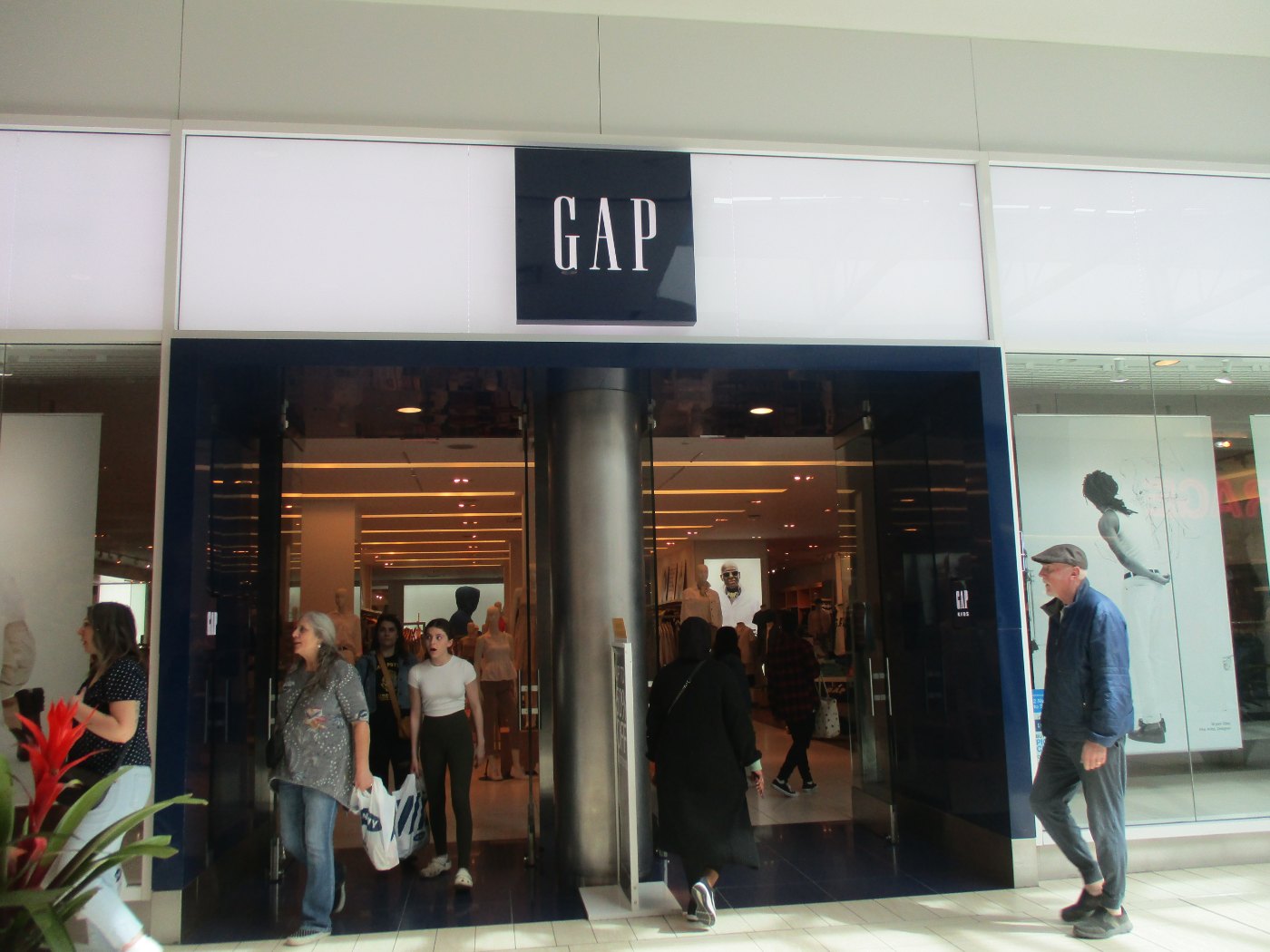
Gap: a new logo shown before its story
In 2010 Gap put a new logo on its website with no brief, no rationale and no context, and the public judged it on taste alone. The explanation came days later, and by then the work was already dead.
Building Your Brand’s Visual Voice with AI
A.I. Ketchup: when the machine draws your bottle
Heinz’s AI experiment worked because more than a century of consistent packaging had already taught the world, and the internet, what ketchup looks like.
Create Real Magic: the brand archive was the brief
Coca-Cola let thousands of people make AI art with its brand, and the work stayed recognizably Coke because the company handed over its real assets instead of describing them.