Case study · Marketing 475 · Color Theory and Brand Psychology
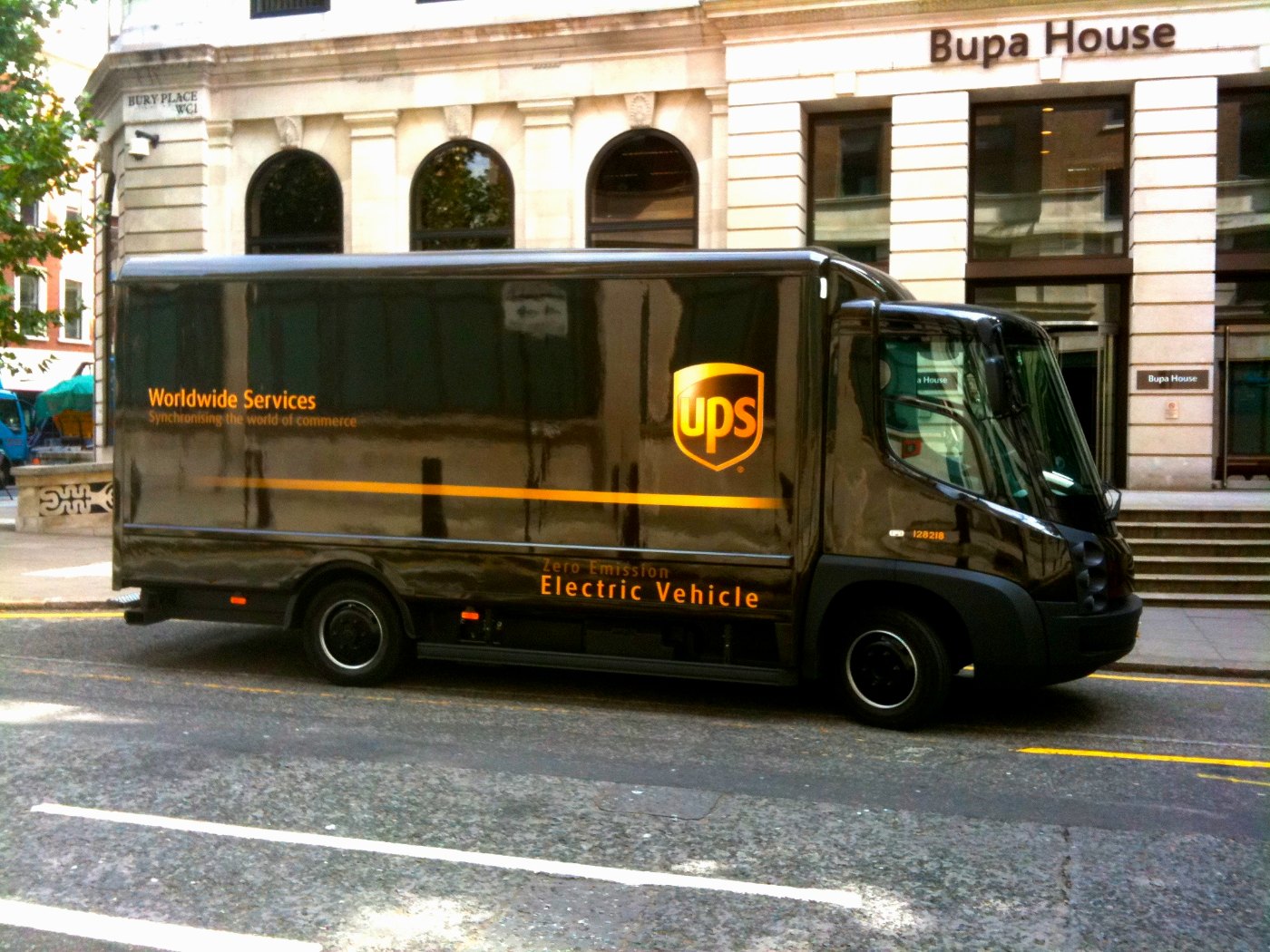
UPS picked brown for practical reasons in 1916, then used it so consistently for a century that the color now stands for the company on its own.
.jpg)
Brand
UPS (United Parcel Service)
Year(s)
1916 to today; color trademark 1998; “What can Brown do for you?” 2002 to 2010
Channel(s)
Trucks, uniforms, packaging, TV and print advertising
Goal
Build instant recognition for a delivery company that people see every day
Topic
Color Theory & Brand Psychology
1916
Year UPS adopted brown for its vehicles (NewsNation, citing UPS company history)
1998
Year UPS Brown received trademark protection (NewsNation)
$45M
Approximate cost of the 2002 “What can Brown do for you?” TV and print work (WARC)
The situation
Color psychology lessons often point to bright, emotional colors: red for energy, blue for trust. Brown rarely makes the list. It can read as dull, earthy or plain.
UPS did not start with brown. According to UPS’s company history, as reported by NewsNation, its first package car in 1913 was red and its second was yellow. In 1916 Charlie Soderstrom, a UPS founder who oversaw the fleet, chose a subdued brown instead.
The challenge
Soderstrom’s reasons were practical, not emotional. He felt yellow was too eye-catching and could distract from the businesses whose goods UPS delivered. Black, another popular vehicle color at the time, needed too much upkeep. He looked to the Pullman Company’s railroad sleeping cars, which were linked with luxury and first-class travel, and chose a similar brown.
That left UPS with a color no one would pick for excitement. The question was whether a quiet, practical color could ever become a strong brand asset.
What they did
UPS committed to brown everywhere a customer meets the company, and it kept that commitment for decades.
- Brown trucks and brown uniforms became the most visible parts of the brand, seen on streets every day.
- In 1998 UPS secured trademark protection for its brown. One registration defines UPS Brown as the company’s color. Another covers brown for delivery services, which blocks other delivery companies from using it. NewsNation reports that UPS was the third U.S. company to trademark a color.
- In January 2002 UPS and The Martin Agency launched “What can Brown do for you?” The campaign used the color as the company’s name. WARC reports the 2002 TV and print work cost about $45 million and ran during the Winter Olympics opening ceremony and the Academy Awards.
What happened
The color became shorthand for the company. In 2015 a Morningstar analyst told The Philadelphia Inquirer that simply mentioning the color brown calls UPS to mind.
- WARC’s case on the 2002 campaign says it set the stage for the rebranding that followed. By the end of fiscal 2003 UPS’s domestic revenue was up more than $1 billion. WARC does not separate the campaign’s direct effect from other factors.
- “What can Brown do for you?” ran from 2002 until UPS retired it in 2010 (The Philadelphia Inquirer, 2015).
Why it worked
Brown worked because UPS used it everywhere and for a long time. A delivery truck is a moving billboard that people see daily. Repeating the same color for over a century built a memory link no single ad could create.
The color was also distinctive in its category. Bright colors are easy to copy and common. A deep brown on a delivery truck was unusual, so it stood out. Once the trademark was in place, competitors could not borrow it.
The 2002 campaign then turned the color into language. Calling the company “Brown” let advertising reinforce the asset customers already saw on the street.
Where it gets complicated
Owning a color does not tell customers what you do. By 2010 UPS had dropped the “Brown” slogan and moved to “We Love Logistics.” In 2015 it replaced that with “United Problem Solvers.” The company wanted to be seen as more than package delivery, and the color alone could not carry that message.
A color trademark also has limits. UPS’s protection for brown covers delivery services. It does not stop a coffee shop or furniture maker from using brown.
Finally, the story is easy to tell backward. Soderstrom chose brown for practical reasons, and its value came from a century of repetition. Students should be careful not to credit the color’s psychology for results that came mostly from consistency.
The marketing principle
A brand color does not have to be beautiful or emotionally obvious. It has to be distinctive in its category and used consistently enough, for long enough, that customers link it to you. UPS shows that commitment, not the color itself, creates the asset.
Sources
- Why UPS chose the color brown, NewsNation (n.d.)
- United Parcel Service, Inc.: What Can Brown Do For You? campaign, WARC (n.d.)
- UPS: Not just moving boxes, The Philadelphia Inquirer (2015)
- Trademarked Colors: UPS Brown, Secure Your Trademark (n.d.)
Group activity for this case
What Can Brown Do?
Your group will have a case for an unexpected color your brand could own and a line that turns it into language. A 20-minute group activity. Dr. Morris gives the password in class.
Back to Color Theory and Brand Psychology · All case studies
Brand names, images and trademarks belong to their owners and appear here for educational purposes only.