The big idea: Good marketing sees the audience as real people, through what they do, fear and trust, not as a demographic. A persona is only useful if it helps you make a real decision.
See it in action
Journey Walk Lab
HearthBox sells meal kits. Pick a persona and walk through their journey. Watch how feelings, touchpoints and the right content change for each person.
Key concepts
- Human-centered marketing: Start with the person, not the product. Behavior tells you more than demographics: what someone searches late at night, who they trust and what they fear.
- What makes a persona useful: Behavioral detail, motivations, friction points, trust signals and digital context. Demographics are where you start, not where you finish.
- Five-step persona process: Find real conversations (reviews, forums, comments), spot patterns, add secondary research, build one specific named person, then test whether you could make a real decision with them.
- Journey map: Awareness, consideration, decision, retention and advocacy. At each stage, ask what triggers them, what they compare, what moves them forward and what brings them back.
- Real journeys aren’t linear: People skip stages, loop back or abandon at checkout. Map the dropout moments first; that’s where strategy matters most.
Real examples
- Airbnb: Research showed hosts mainly feared strangers in their homes, which led to two-way reviews, verified profiles and a host guarantee.
- LEGO: Rebuilt by listening to kids who wanted challenge and by discovering the adult fans it had ignored.
Real brands in action
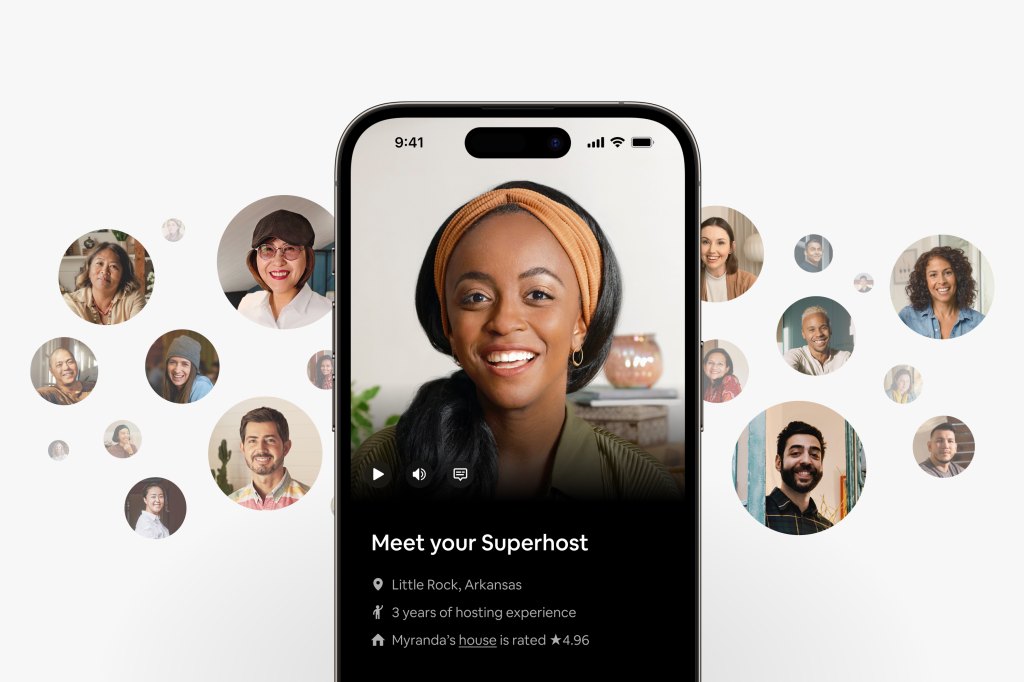
Airbnb: One persona insight changed everything
Early research showed that hosts mattered as much as guests, and their biggest worry wasn’t money. They were afraid of strangers in their homes. Airbnb answered that fear with two-way reviews, verified profiles and the Host Guarantee.
The lesson: A persona insight you actually act on is worth more than a strategy document.
Image courtesy of Airbnb

LEGO: Finding the audience they didn’t know they had
LEGO was close to bankruptcy in 2003. Listening to its audience showed that kids wanted challenge and mastery, and that a second group, adult fans, were building complex sets and sharing them online on their own. LEGO built for them with the 18+ line, the Botanical Collection and the Icons series.
The lesson: Listen closely and you may find a whole segment you’ve been ignoring.
Image courtesy of LEGO
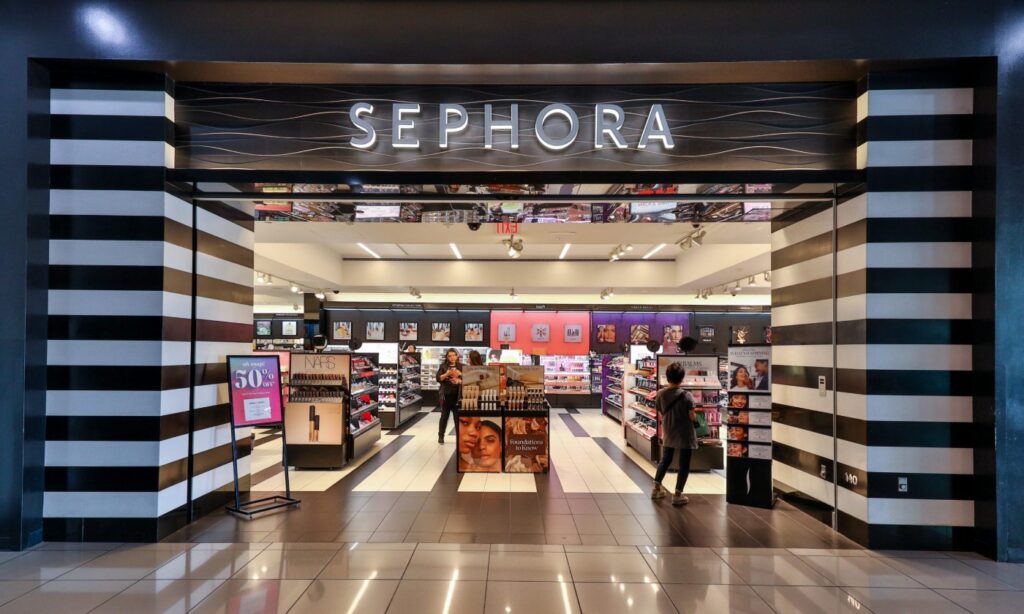
Sephora: Different customers, different experiences
Sephora personalizes its app and email recommendations, platform content and loyalty rewards for different kinds of shoppers. A trend-chasing shopper, a research-driven skincare buyer and a deal seeker each get a different experience. It feels personal, and that drives loyalty.
The lesson: Personas only matter when they change what each customer actually sees.
Image courtesy of Sephora
Nike: A journey map from inspiration to advocacy
Nike shows up at every stage. It inspires with athlete stories, recommends products in its app, creates urgency with member-only drops, onboards with Nike Training Club and builds advocacy with hashtag campaigns and user content.
The lesson: Map what the customer needs at each stage, then show up there on purpose.
Learn more: Nike
Brand images are shown for educational purposes only. Each image and trademark belongs to the brand credited, and each credit links to that brand.
Frameworks from class
Think, feel, do at every stage
A journey map is more than a list of actions. At each stage, map what the person is thinking, how they are feeling, and what they are doing. Feelings explain why people stall, and that is where your content can help.
- Thinking: questions, doubts, expectations
- Feeling: anxiety, excitement, relief, satisfaction
- Doing: searches, comparisons, touchpoints with the brand
One brand, several personas
Most brands serve more than one kind of customer, and each one needs different content. Sephora plans for a trend lover who wants new launches, a skincare researcher who wants ingredients and reviews, and a value seeker who wants deals and samples. Each persona shapes different emails, app picks and loyalty perks.
- Glam Gabby: TikTok trends and bold looks
- Skincare Sam: research, reviews and expert guidance
- Budget Bella: deals, perks and free samples
The fear behind the decision
The strongest persona insight is often a fear, not a goal. Airbnb’s Diane, 54, had a spare room and a mortgage, but she Googled host horror stories at 11 p.m. and closed the signup tab twice. She wasn’t afraid of the work. She was afraid of the stranger. Verified IDs, two-way reviews and the host guarantee were all built for that fear.
AI drafts, you humanize
AI can draft a persona in seconds, but the first version is usually generic. Give it a detailed prompt with the brand, location, goals, fears and platforms. Then rewrite it with what you know from real reviews, local context and real conversations. Personas are living documents, so update them as you learn.
The goal is not to find customers for your product. It’s to find products for your customers.
Seth Godin
Class exercise: AI-assisted persona and journey map
Use AI for the first draft, then make it real.
- Prompt an AI tool: “You are a marketing strategist for [local business]. Create a persona for an ideal customer, including demographics, goals, frustrations, motivations, fears and preferred platforms.”
- Edit the draft so it sounds like one real person. Add local details and words customers actually use in reviews.
- Map that person across awareness, consideration, decision, adoption and advocacy. For each stage, write what they think, feel and do.
- Note what you changed from the AI draft and why. Pick the one stage that offers the brand its biggest opportunity.
Try it
Build a persona for one core customer of a brand with a devoted following, like Owala, the water bottle people tell their friends about. Choose one person, not a segment: who they are, goals, friction and fears, digital habits, trust signals and one quote that captures how they think. Push for specifics, then map the first three stages of their journey.
Tips and best practices
- Build personas from real voices. Read reviews, comments, forums and support tickets before you write a word. Quote what people say, in their own words.
- Lead with behavior, not demographics. Age and income are a starting point. What people are trying to get done, what worries them and who they trust drives what they buy.
- Name the friction at every stage. For each stage, write what triggers the person, what they compare, what moves them forward and what makes them quit. The quit points are where strategy pays off.
- Fix the lowest point first. Find the stage where feelings drop and people leave, often checkout or the first week after purchase. Improving that moment usually beats adding more awareness ads.
- Match content to the stage. Awareness needs a reason to notice, consideration needs proof, decision needs reassurance, and retention needs ongoing value. One ad can’t do every job.
- Test the persona against a real decision. A good persona changes a choice, like which channel to use or what to put on a landing page. If it doesn’t change any decision, rewrite it.
Quick check
Think through your answer, then select a question to reveal one.
Why is “Millennial Megan, 25–34, likes coffee” a weak persona?
It’s only demographics. You can’t write a headline or make a channel decision from it. Add behavior, fears and trust signals.
Where should you start a journey map?
At the dropout moments, where people abandon or stall. That’s where strategy changes outcomes.
View the Personas and Audience Journey Maps slides on Gamma