Case study · Marketing 465 · SEO and AI Discoverability
A small farm content site shows that the title tag and URL are a page’s headline for search engines and AI, and that a specific one tells both what the page is, who it is for and why it should be chosen.
Brand
Sweet BombDiggity Farms
Year(s)
2026
Channel(s)
Website (sweetbombdiggityfarms.com), Google Search, AI search features
Goal
Help search engines and AI tools understand and surface the farm’s guides
Topic
SEO & AI Discoverability
The situation
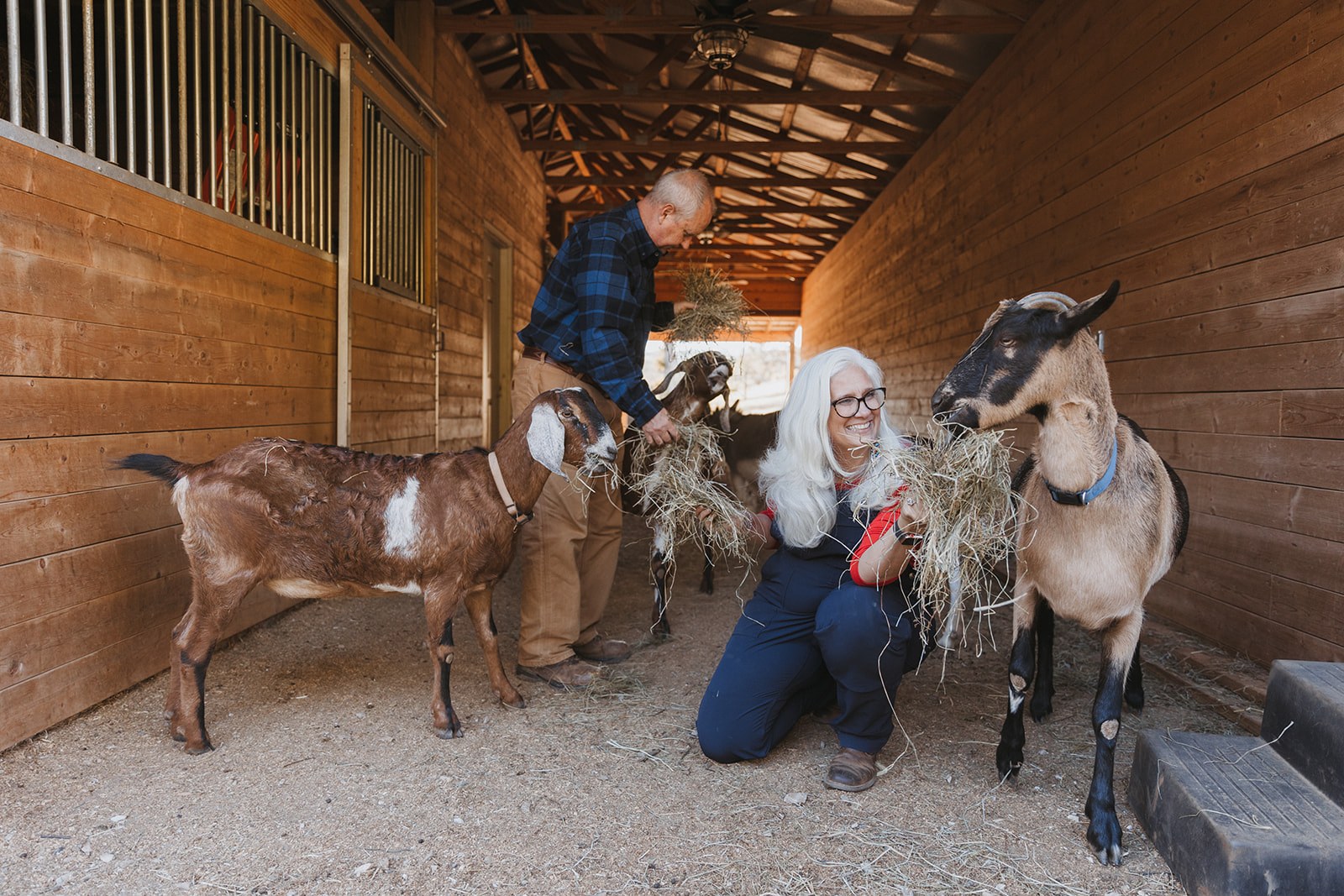
Sweet BombDiggity Farms is the content brand of Lane and Jules Morris, who run a small working farm in Sharps Chapel, Tennessee. The website publishes garden guides, farm kitchen recipes, weekly Farm Sunday devotionals and stories about designing a meaningful life. The farm’s flower guides cover dahlias, zinnias, ranunculus, black-eyed Susans, hydrangeas and more.
A site like this lives or dies on search. People rarely type a farm’s name. They search for a question: how to grow ranunculus, what to do before the first frost.
The challenge
The title tag is the line of text that names a page in the browser tab and usually becomes the clickable headline in Google results. Google’s own guidance says to avoid vague titles like ‘Home’ or ‘Profile,’ to keep titles descriptive and concise, and to make each page’s title distinct.
A page titled only ‘Products’ or ‘Blog’ tells a search engine and an AI tool almost nothing. Google also says it may rewrite title links that are half-empty, that do not match the page or that repeat the same boilerplate across pages. A weak title is not just a missed chance. It can be replaced by text the site did not choose.
What they did
Here is how several real pages on the site are titled, as of October 2026.
- Home page: ‘Sweet BombDiggity Farms | A Flourishing Life at Any Age.’ It leads with the brand and states the promise, which fits Google’s advice to use fuller branding on the home page.
- Flower hub: ‘How to Grow Flowers: Cut Flower Guides from Our Farm,’ at /growing-flowers/. It names the task, the format and the source.
- Fall checklist: ‘Fall Garden Checklist: What to Do Before the First Frost,’ at /fall-garden-checklist/. It matches what a gardener types in September.
- Ranunculus guide: ‘Ranunculus 101: A Beginner’s Guide to Growing These Stunning Spring Flowers – Sweet BombDiggity Farms,’ at /ranunculus-101-a-beginners-guide-to-growing-stunning-spring-flowers/.
What happened
Most of these titles do the basic job. Each names a specific topic and a specific reader, and the URLs use readable words separated by hyphens, which Google recommends over ID numbers or underscores.
The ranunculus page is a useful one to study because it shows where the next improvement is. The title is long, so it may be cut off in results. Its URL repeats most of the title. Neither mentions where the advice comes from, even though the page is written from a Zone 7 farm in East Tennessee. A tighter version, offered here only as an example, might be ‘How to Grow Ranunculus: A Beginner’s Guide from Our Tennessee Farm’ with a shorter URL such as /ranunculus-guide/ if the page were being published fresh.
Why it worked
A specific title answers three questions before anyone clicks: what is this, who is it for and why this source. ‘Fall Garden Checklist: What to Do Before the First Frost’ does that in ten words.
The same signals help AI tools. Google says there are no special requirements to appear in AI Overviews or AI Mode. The same SEO basics apply: crawlable pages, clear text and content that matches the page’s purpose. A precise title and a clear main heading are part of those basics.
Where it gets complicated
Title tags are not magic. Google uses several sources to create a title link, including the title element, the main heading, og:title tags and anchor text pointing to the page. A strong title on a thin page will not rank. Keyword stuffing, such as repeating ‘ranunculus’ four times, can look spammy and backfire.
There is also a tension between brand voice and search language. ‘These Stunning Spring Flowers’ sounds like the farm. ‘How to grow ranunculus’ is what people type. Good titles find room for both, usually by putting the searchable words first and the personality after.
Changing URLs on published pages has a cost as well. Old links break unless redirects are set up, so it is easier to choose clean URLs at the start.
The marketing principle
Your title tag is your page’s headline for search and for AI. Make it name the topic, the reader and, where it matters, the place. Write it as carefully as you would a magazine headline, and pair it with a short, readable URL.
Sources
- Sweet BombDiggity Farms home page, Sweet BombDiggity Farms (2026)
- Growing Flowers guide hub, Sweet BombDiggity Farms (2026)
- Ranunculus 101: A Beginner’s Guide to Growing These Stunning Spring Flowers, Sweet BombDiggity Farms (2026)
- Influencing your title links in search results, Google Search Central (n.d. (accessed 2026))
- URL structure best practices for Google, Google Search Central (n.d. (accessed 2026))
- AI features and your website, Google Search Central (n.d. (accessed 2026))
Group activity for this case
Title Tag Glow-Up
Your group has audited three of your brand’s title tags and URLs and rewritten the weakest one to name the topic, the reader and the place. A 20-minute group activity. Dr. Morris gives the password in class.
Back to SEO and AI Discoverability · All case studies
Brand names, images and trademarks belong to their owners and appear here for educational purposes only.