The big idea
A campaign is one clear goal, one audience and one big idea, carried across channels. Test your creative on purpose so the data teaches you something.
Topic soundtrack
Test, Learn, Repeat
Try, try again: a soundtrack for launching, testing and going back for round two.
In 60 seconds
- Build a campaign on one goal, one audience and one big idea, carried across channels.
- Test on purpose: write a hypothesis, change one thing and give the test enough time.
- A budget is a strategy written in dollars, so put the most money behind your core recommendation.
Do this: give your team’s 5 to 7 minute Mid-Project Strategy Check, then build the Budget Snapshot for your final pitch.
Slides
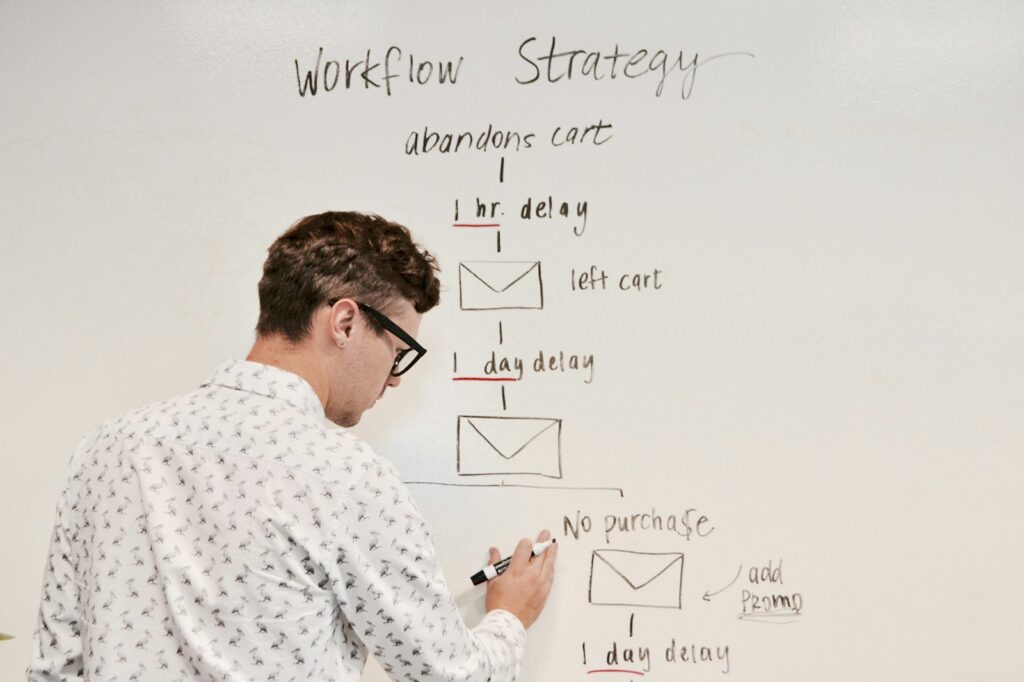
How campaign planning and testing work
One goal. One audience. One big idea.
Campaigns that try to do everything do nothing well. Plan around one goal, one audience and one big idea, then test your creative on purpose so every result teaches you something.
A campaign that holds together
Focus beats coverage.
Pine & Pour is an invented coffee shop.
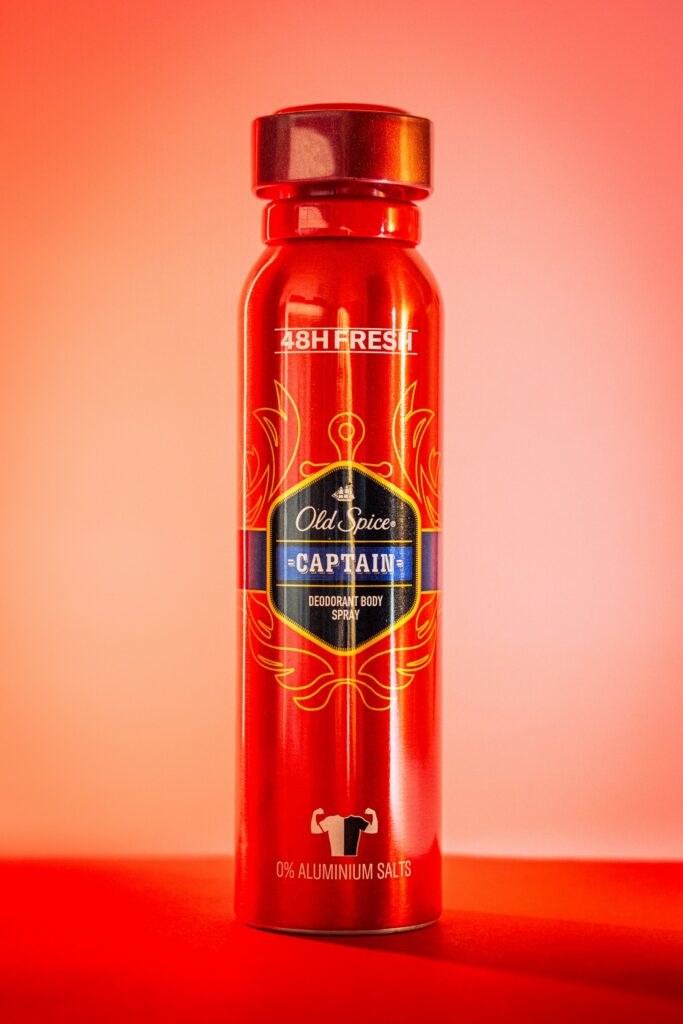
See it in the wild
Old Spice aimed at one person.
In 2010, “The Man Your Man Could Smell Like” became one of the most talked-about campaigns of its time.
One audienceWomen who often bought body wash for the men in their lives.
One messageYour man could smell like this man, if he used Old Spice.
One planA big TV spot, then hundreds of quick video replies to fans online, all in the same voice.
A test that teaches
Test on purpose. Change one thing at a time.
- 1Start with a hypothesisDecide what you expect and why before you test.
- 2Change one thingTest the headline, image or call to action separately so you know what made the difference.
- 3Give it timeLet a test run long enough for meaningful results, and watch for creative fatigue.
Creative fatigue: results drop when people have seen an ad too often.
Spot the testing mistake
Four tests. Four lessons.
Pine & Pour ran four ad tests. Guess what went wrong in each, then tap.
2 changesThey changed the headline and the photo in the same test. Version B won. So what?
Day 1They picked a winner after one day of results.
Week 9The same ad has run for nine weeks and clicks keep sliding.
“Let’s see”They launched two ads “just to see what happens.”
Pine & Pour is an invented coffee shop.
The three anchors of cohesion
One story told in many places.
A cohesive campaign feels like one story told in many places. Repeat the core look and message so people recognize it, and vary the format so each channel feels native.
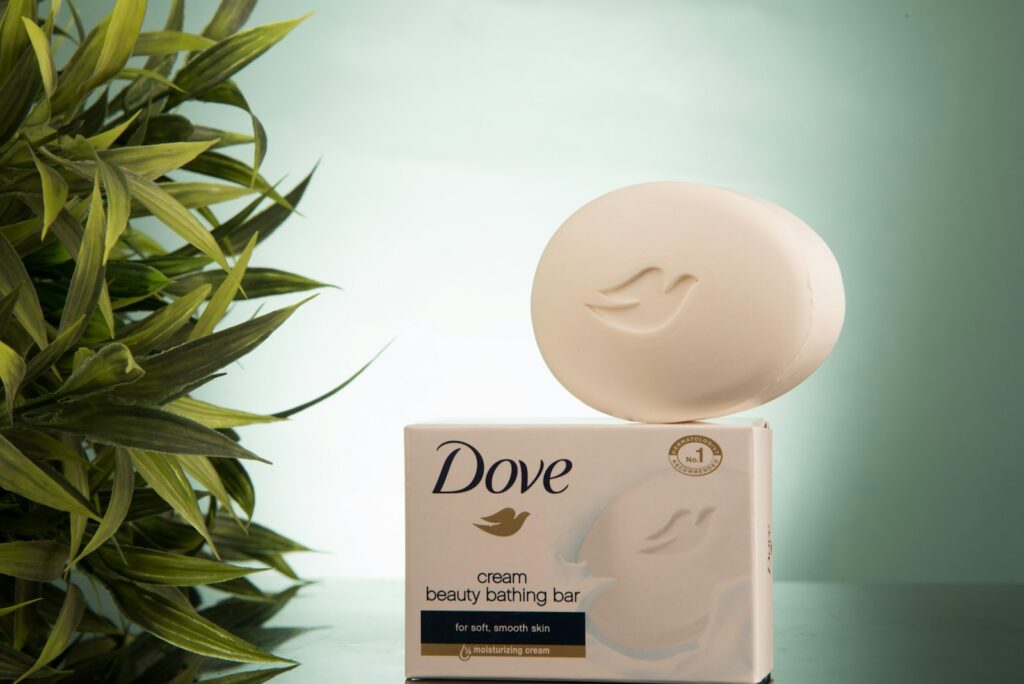
See it in the wild
Dove has told one story for 20 years.
Dove’s Campaign for Real Beauty began in 2004 and still runs today.
One big ideaBeauty should be a source of confidence, not anxiety.
Same lookReal women instead of models, with warm, simple design.
Many placesBillboards, the Real Beauty Sketches film, school self-esteem programs and social posts.
Final check before launch
Would someone know it’s your brand without the logo?
Does every piece connect back to the one big idea? Does it look effortless, or does something look forced? If a piece fails, revise it or cut it.
Plan, execute, monitor
Every campaign moves through three phases.
Most campaigns that go wrong fail for the same reasons group projects fail: unclear roles, miscommunication, missed deadlines and money spent without a plan.
- 1PlanDefine goals, tasks, timeline and roles. Ask: who is doing what, and by when?
- 2ExecuteCollaborate and create the assets. Ask: are we building what the plan calls for, on schedule?
- 3MonitorTrack progress, adjust course and report results. Ask: is it working, and what do we change?
Every campaign moves through the same three phases. Monitoring is not a final step you do once. Stay agile and adjust while the campaign is running.
Discussion
Which phase do you think takes the most time in real marketing work, and why?
Tools marketers use to stay organized: task, communication and budget tools by category
You do not need to master every tool. Know what each category is for so you can pick up whatever your team uses.
| Category | What it is for | Common tools |
|---|---|---|
| Task and workflow | Assigning tasks, tracking deadlines and seeing project status | Asana, Monday.com, ClickUp, Trello, Notion, Basecamp, Wrike, Workfront |
| Communication and collaboration | Day-to-day messages, shared files, brainstorming and meetings | Slack, Microsoft Teams, Google Workspace, Miro, Loom, Zoom |
| Budget and reporting | Tracking spend, results and scheduled content | Excel, Google Sheets, Google Analytics 4, Airtable, Smartsheet, HubSpot, CoSchedule, Sprout Social, Hootsuite |
Reading a campaign budget
A budget is a strategy written in dollars.
$100,000
It shows what the team believes will move the goal. A real campaign budget spreads money across the work, not just ads.
Text version of this diagram
A receipt for the $100,000, six-week campaign: paid media 30% ($30,000), content creation 18% ($18,000), influencer collaborations 15% ($15,000), campus activations 12% ($12,000), partnerships and giveaways 10% ($10,000), email and CRM 5% ($5,000), tools and software 5% ($5,000), contingency 5% ($5,000). Paid media is 30%, so the other 70% pays for the rest of the work.
- Every line has a description and a percentage.
- Always hold a contingency. Something will cost more than planned, or a piece of content will take off and deserve a boost.
- Practice the trade-off. If you had to cut $10,000, what would you remove and why? Your answer shows which channels you believe actually drive the goal.
Reading a campaign budget: a $100,000, six-week student campaign, line by line
Here is an illustrative budget for a six-week, $100,000 campaign to get college students to sign up for a music streaming service’s student plan and use its study playlists during finals.
| Category | What it pays for | Share | Amount |
|---|---|---|---|
| Paid media | Paid social (Instagram, TikTok, YouTube pre-roll) and retargeting ads | 30% | $30,000 |
| Content creation | Video and photo shoots with real students, short-form content for each platform | 18% | $18,000 |
| Influencer collaborations | Five micro-influencers (10K to 50K followers) in lifestyle, music and study niches | 15% | $15,000 |
| Campus activations | Pop-up study lounges on three campuses with snacks, merch and a live DJ | 12% | $12,000 |
| Partnerships and giveaways | Co-promotions with brands students already use | 10% | $10,000 |
| Email and CRM | Personalized emails, push notifications and in-app banners | 5% | $5,000 |
| Tools and software | Scheduling and analytics, creative licenses, tracking links | 5% | $5,000 |
| Contingency | Unplanned creative costs or extra media boosts | 5% | $5,000 |
Matching KPIs to the plan
Each line of the budget should connect to something you can measure. For this campaign, the team might track:
- New student plan sign-ups (the main goal)
- Playlist engagement: streams, saves and time listened
- Event attendance and QR code scans that convert
- Social reach and engagement: video views, shares and comments
- Return on influencer spend, tracked with unique promo codes
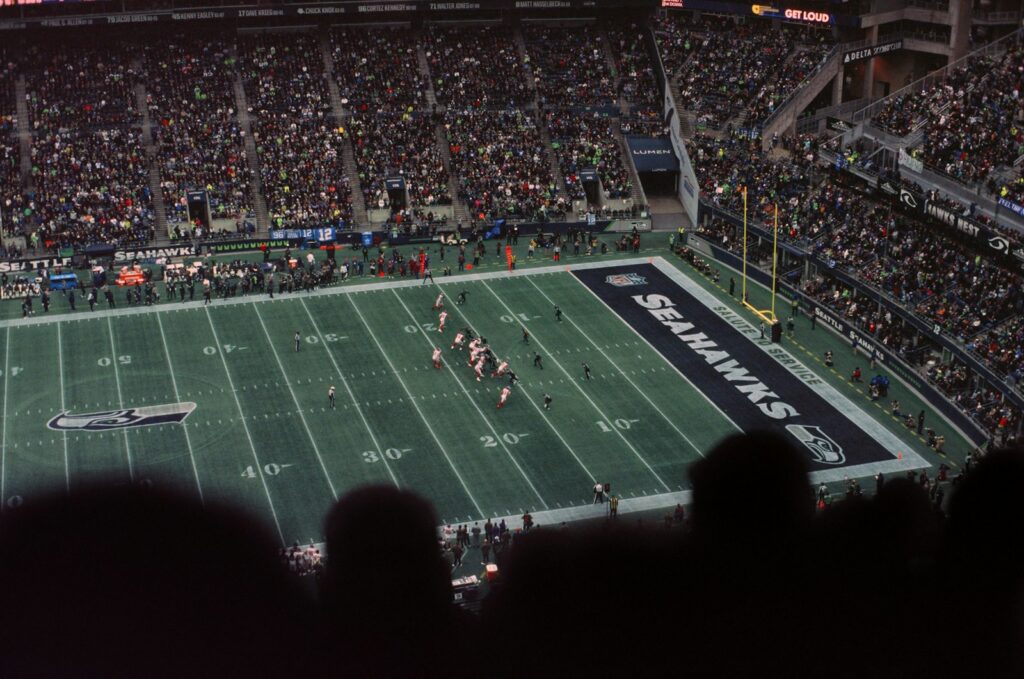
See it in the wild
A Super Bowl ad is more than the airtime.
A 30-second Super Bowl spot has cost around $7 million or more in recent years, before anything is made.
The mediaThe airtime is only one line on the receipt.
The restProduction, celebrity talent, teasers, social posts and PR around the game all cost more.
The strategyBrands that spread the budget across the whole story get more from the same spot.
Planning a campaign on a small budget
Practice brief: a local coffee shop with $5,000 and four weeks.
Small businesses rarely have $100,000. Practice with a tight brief: a local coffee shop wants more customers ages 28 to 40 on weekends instead of going to a national chain, with $5,000 and four weeks.
- Concept: create one campaign idea built for that audience.
- Channels: choose only one or two main channels. A small budget spread across many channels does nothing well.
- Budget: allocate every dollar and be ready to defend each choice.
- Measurement: decide up front how you will know it worked, such as weekend visits, redemptions of a campaign offer, or sign-ups.
Comparing plans
When comparing plans, ask: which use of the money is most creative, which is most on brand, where are the smart trade-offs, and how would project tools help the team pull it off?
Quick check
Plan, execute or monitor?
Pine & Pour is four weeks into its $5,000 campaign. Name the phase for each moment, then open the answers.
- 1Before anything gets made, the team lists who writes the copy, who shoots the photos, and the date each is due.
- 2The designer finishes the weekend menu poster the plan calls for, two days early.
- 3Week two: the reels stall, but the email offer is getting redeemed, so the team moves money to email.
Check your answers
- Plan. Who is doing what, and by when?
- Execute. Are we building what the plan calls for, on schedule?
- Monitor. Is it working, and what do we change? Adjusting while the campaign runs is the whole point.
Pine & Pour is an invented coffee shop.
The takeaway
Great marketing is equal parts creativity and clarity.
Plan it, track it, and adjust it.
Real brands in action
See it in real brands.
This case study shows these ideas at work. Open it to read the full story.
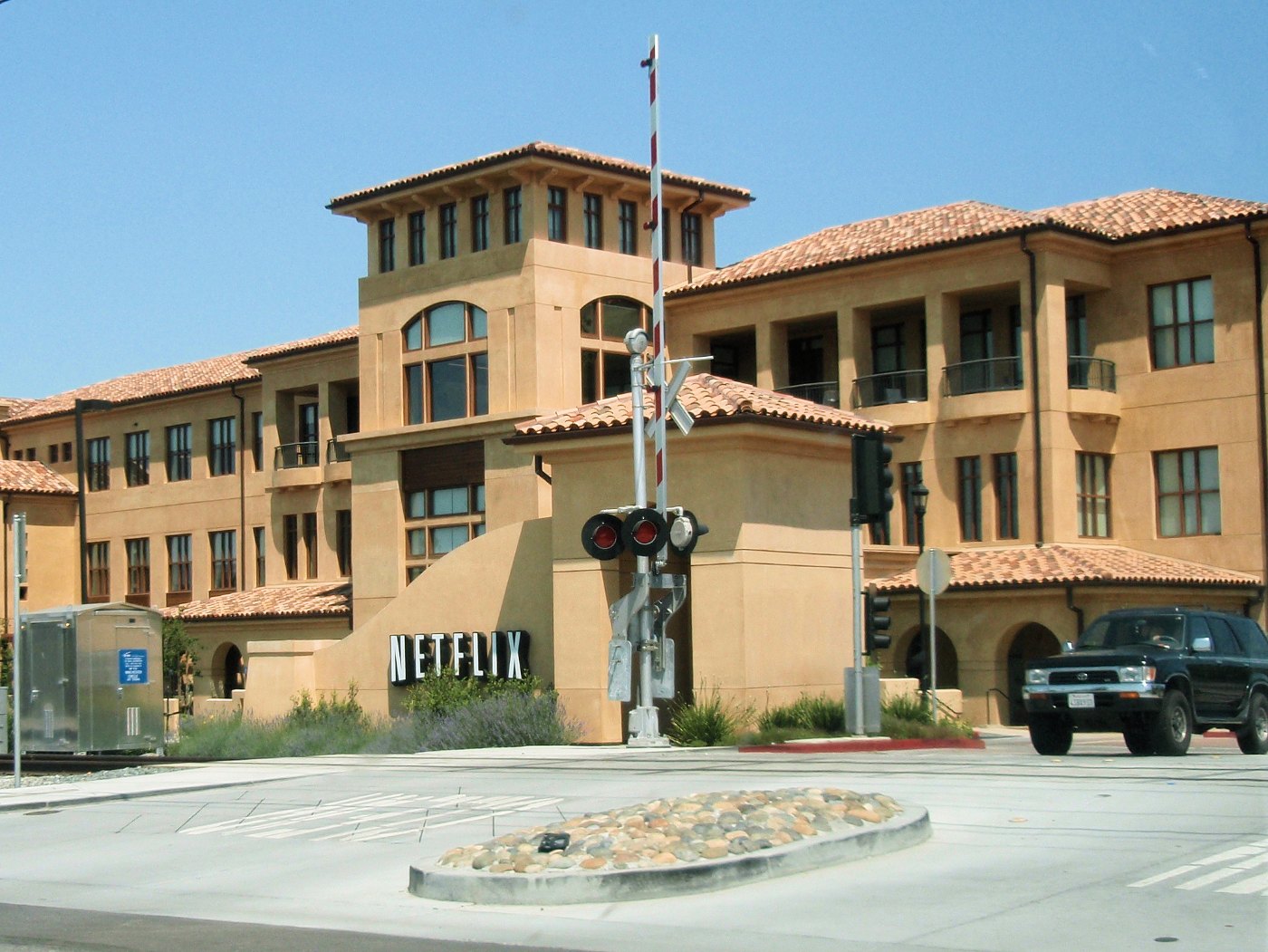
Netflix: testing the one image that decides whether you press play
Netflix treated each title’s thumbnail as an ad, wrote down what it wanted to learn, changed only the image, and set its winner rule in advance, and the tests showed that the picture is one of the biggest levers it has.
The lesson: Test your biggest lever first, change one thing at a time, and decide what counts as a win before you launch.
Photo: Coolcaesar at English Wikipedia (CC BY-SA 3.0), via Wikimedia Commons. Brand: Netflix

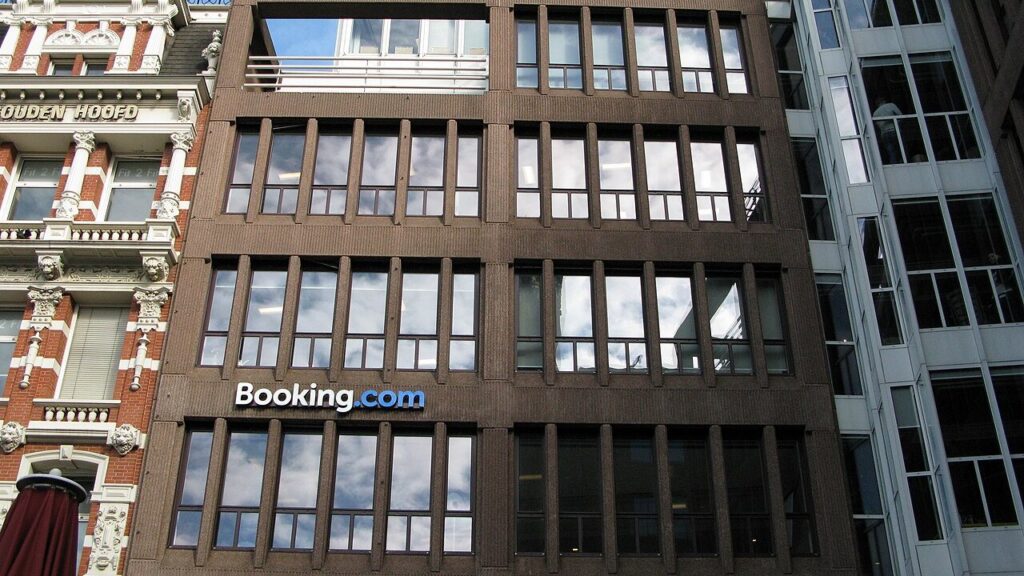
Booking.com: A Company Where Anyone Can Test
Booking.com lets almost any employee launch an A/B test and runs more than 1,000 at once, because it assumes most of its ideas are wrong.
The lesson: Most ideas fail, so build a habit of testing them cheaply and letting results, not rank, decide.

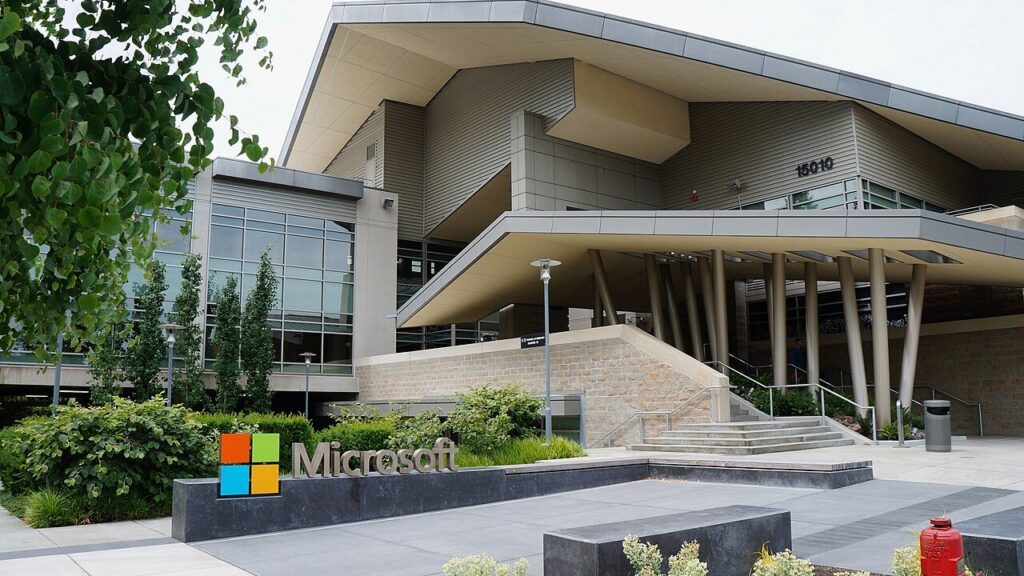
Bing: The Shade of Blue Worth Millions
Bing tested shades of blue for its search links, and the winners were reportedly worth tens of millions of dollars a year, though the famous figure is often overstated.
The lesson: Tiny visual changes can matter at scale, but only a test, not taste, tells you which ones.

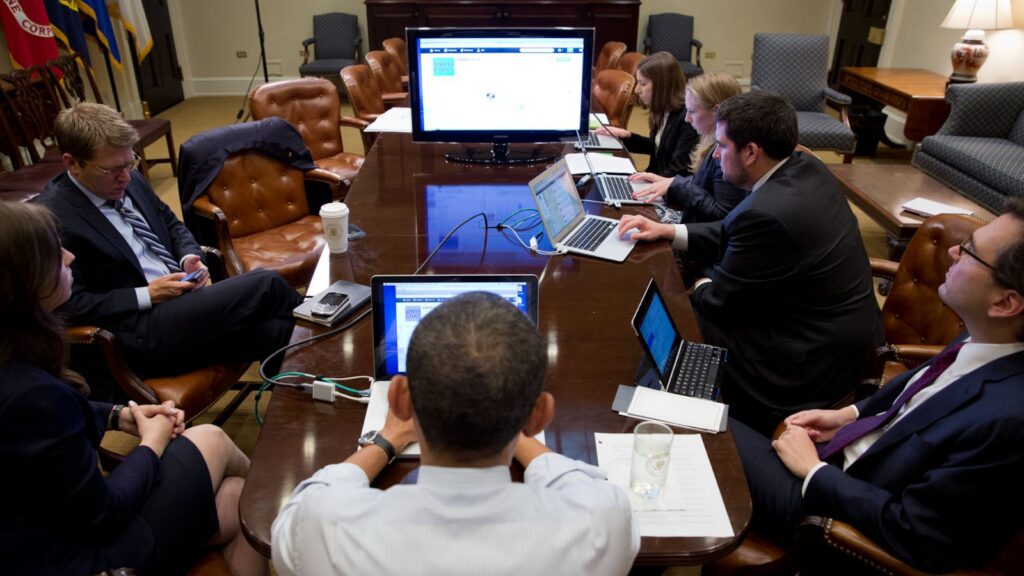
Obama 2012: The Subject Line That Said Hey
The 2012 Obama campaign A/B tested nearly every fundraising email, found that a plain “Hey” often won and raised about $690 million online.
The lesson: Don’t guess the subject line: test a few versions on a small group and send the winner.
Brand images are shown for educational purposes only. Each image and trademark belongs to the brand credited.
Myth or fact
Test It or Guess It
Call each campaign and testing claim a myth or a fact, then see what the data would say.
Try it
Interactive tool · practice it
Tool · MARK 465
A/B Test Lab
Trailhead Outfitters is testing a rain jacket ad. Change Variant B, pick how long the test ran, and see whether you can trust the winner.
- 1Change B
- 2Run the test
- 3Trust it?
What changes in Variant B?
Changed parts get an orange dashed outline on ad B.About these numbers
Do it
Class work for this topic. The in-class activity counts toward participation, and you get feedback on it.
In-class group activity
One Page, One Test
Your group has a one-page campaign plan for your brand and one A/B test with a hypothesis and a winner rule set before launch. A 30-minute group activity. Each case study below has its own group activity too. Dr. Morris gives the password in class.
Put it to work: Mid-Project Strategy Check and the Budget Snapshot
The Mid-Project Strategy Check is a 5 to 7 minute in-class update from your team. It is a working draft, not a finished pitch: show what you have learned, where your strategy is heading, which channels you will use and why, and what you don’t know yet. In the Final Project & Pitch, the Budget Snapshot shows how your client’s money is split across channels, with your reasoning.
Build it in six steps
The first five steps are the Strategy Check, about one minute each (two for channels). Plan to the minute and rehearse once with a timer. The Try it one-page campaign plan (goal, audience, big idea, channels, timeline, KPIs) is a ready-made outline.
What we’ve learned
Two or three findings since kickoff, each with its source: a customer conversation, the SEO audit, a competitor’s social, GA4.
Your slide: the findings and where each came from.
Our direction
Take a position. It should pass the one goal, one audience, one message test.
Your slide: “For [client], we recommend [core move] so that [persona] will [action], because [insight].”
Channel strategy
Each channel on one line, and show how they hand off to each other. Use the formula: “We chose [channel] because our persona [specific behavior], and it does [job: discovery, trust, conversion or loyalty] in the journey. Success looks like [one metric].” Link channels to KPIs with KPIs & Dashboards.
Your slide: one line per channel, tied to this client’s audience.
Open questions
Name your biggest uncertainty, what would answer it and when you’ll know. Turn it into a test with the A/B Test Lab if you can.
Your slide: “We don’t know if the client’s customers buy online or in store. We’re asking the owner this week and checking GA4.” Not: “We’re still figuring things out.”
Team check-in
Be honest about how the team is working. For timing and handoffs, see Presenting Like Pros.
Your slide: who owns what, what’s working, what you’re changing.
Build the Budget Snapshot
For the final pitch, split a realistic budget across channels. Open “Build the Budget Snapshot” below. The Run a Campaign Lab on Paid Media lets you practice the split.
Your slide: a total, a split by channel and a reason for each line.
Build the Budget SnapshotFive steps and a sample $2,000 monthly split
A budget is a strategy written in dollars. If your plan says email drives loyalty and the budget gives email nothing, the client will notice.
Get or state the number
Ask your client what they can spend per month. If they can’t share it, state your assumption on the slide (“We assumed $2,000 per month based on [reason]”).
Count the costs that aren’t ads
Tools (email platform, scheduling, design), creator fees, content production and someone’s time. Small budgets often go further on these than on ads.
Fund the goal first
Put the most money where your core recommendation lives. Follow your persona’s journey, not an even split.
Keep a test reserve
One common rule of thumb is 70% on what is proven, 20% on what is promising and 10% on experiments. Use it as a starting point, not a law.
Say what changes the split
Name the metric that would move money from one channel to another at 90 days.
| Line item | Monthly | Share | Why (example for a local business, made-up numbers) |
|---|---|---|---|
| Paid social (Reels and Stories) | $800 | 40% | Our persona discovers local spots on Instagram; this is the core move |
| Search ads (brand + 3 high-intent terms) | $400 | 20% | Captures people already looking, found in our SEO brief |
| Creator partnerships | $400 | 20% | Two local micro-creators per month build trust faster than brand posts |
| Email platform + design tools | $200 | 10% | Keeps the welcome and win-back flows running |
| Test reserve | $200 | 10% | Funds one A/B test a month; winners get scaled |
| Total | $2,000 | 100% |
Do this, not thatTesting habits that work and the common mistakes
Do this
- Decide the winner rule up front: the metric (clicks, sign-ups, purchases), the confidence level and the minimum run time.
- Test the biggest levers first. Offer and image usually move results more than button wording.
- Keep a test log of each test, the result and the lesson in a shared doc. It becomes your team’s most valuable playbook.
Not that
- Presenting a polished deck with no point of view. The check is about direction, not decoration.
- Channel rationale that would fit any client (“Instagram because everyone is on it”).
- Hiding uncertainty. Honest open questions are part of the grade.
- A budget with round, even splits across every channel. That shows no strategy.
- A budget the client could never afford, or one that forgets tools, content and creator costs.
Before you submitCheck your Strategy Check and Budget Snapshot
- [ ] We show at least two things we learned since kickoff, with where each came from.
- [ ] Our direction is one clear sentence that takes a position, not a list of options.
- [ ] Every channel we show has a reason tied to this client’s audience, not to channels in general.
- [ ] Our channels hand off to each other (for example, video drives signups, email drives repeat visits).
- [ ] We name our biggest uncertainty and how we will resolve it.
- [ ] Every teammate’s role is clear, and we’re honest about what’s working on the team.
- [ ] We rehearsed and stay inside 5 to 7 minutes.
- [ ] Final pitch: our Budget Snapshot has a total, a split by channel and a reason for each line, and the biggest share supports our core recommendation.
Go further
Optional, and worth it. Go past the in-class work: read a case, try the tool and earn this topic’s chip. Finish the chips across the course and you get a marketing funnel card you can post on LinkedIn to show your effort and skills.
Featured episode · The Marketer Exchange
Spray and Pray Marketing Is Dead: The Case for CRO and Experimentation
Joe Johnston, Head of Conversion Optimisation and Experimentation, Launch
Hypothesis-driven testing from someone who runs experiments for a living.
Listen for
- Writing a real test hypothesis
- Testing headlines and calls to action
- Using AI for research before you test
Watch on YouTube (opens in a new tab) Listen on Apple Podcasts (opens in a new tab)
Courtesy of The Marketer Exchange (opens in a new tab), hosted by Zach Thompson, PhD. Follow:
 Team skillsProject Management for Marketing TeamsPhases, scope, roles, standups and a planner for your Final Pitch.Open the planner
From The Lab: Creativity Is a Muscle, and Business Runs on It, on why most people undersell their creativity, and how every major can build it.
Unlock this topic
Do the work, earn the chip
Finish each step on this page to unlock the button that adds this topic to your course card.
Back to all Marketing 465 topics
Frequently asked questions
Frequently asked questions
What makes a marketing campaign cohesive?
A cohesive campaign is built on one goal, one audience and one big idea, carried across channels. It rests on three anchors: a clear big idea, a shared visual language of colors, type, photo style and tone, and a story flow where each channel tells a different chapter. A good check is whether someone would know it is your brand without the logo.
How do you run a creative test that teaches you something?
Start with a hypothesis about what you expect and why, then change only one thing, such as the headline, image or call to action, so you know what made the difference. Let the test run long enough for meaningful results and watch for creative fatigue, when results drop because people have seen an ad too often. Netflix used this approach to test title thumbnails.
How should a campaign budget be split?
A campaign budget should spread money across the work, not just ads, and every line should connect to a KPI. In the page's illustrative $100,000, six-week campaign, paid media gets 30 percent, content creation 18 percent, influencer collaborations 15 percent and campus activations 12 percent, with smaller shares for partnerships, email, tools and a contingency. Always hold a contingency for surprises.
What is the biggest mistake when planning a campaign on a small budget?
The biggest mistake is spreading a small budget across many channels, which does nothing well. In the practice brief, a local coffee shop with $5,000 and four weeks should pick only one or two main channels, allocate every dollar with a defensible reason, and decide up front how success will be measured, such as weekend visits, offer redemptions or sign-ups.
What is the Mid-Project Strategy Check?
The Mid-Project Strategy Check is a 5 to 7 minute in-class team update in this course. It is a working draft, not a finished pitch: the team shares what it has learned and where each finding came from, its strategic direction, which channels it will use and why, and what it does not know yet. Teams should plan to the minute and rehearse once with a timer.