
The big idea
Your personal brand is what people say about you when you’re not in the room. You can shape it on purpose: know your value, say it clearly, and show up where your audience is.
Topic soundtrack
Personal Branding: Go Forth and Be Known
A soundtrack for building a personal brand people remember.
In 60 seconds
- A personal brand is how others see you, shaped by your expertise, actions and values.
- Strong brands are clear, consistent and visible.
- Define four elements: your Place, your Space, your Content and your Audience.
Do this: Write one sentence that says who you help, what outcome you help them reach, and how you do it.
How a personal brand works
Building your personal brand
Your brand is what people say when you leave the room.
You already have one. This session is about building it on purpose: clear, consistent and visible to the people you want to help.

What is a personal brand?
The way others see you, built from three things.
- Expertise.What you know and can do.
- Actions.How you show up, every day.
- Values.What you stand for.
The full definition
Personal branding is the perception others have of you, shaped by your expertise, actions and values. It’s about showcasing your authentic self while aligning with your professional goals. Strong personal brands foster trust, credibility and opportunities.
Why it matters
A clear brand opens doors before you knock.
The quiet gap
Many people never stop to name the value they bring. It is much harder to be known and respected in your company or industry if you don’t know your unique value and how it connects to the bigger mission.
Why people beat logos
People trust someone like me as much as scientists.
On new innovations and technologies, a real person with a clear point of view earns the trust a logo struggles to get.
2024 Edelman Trust Barometer
Text version of this diagram
Two equal circles. On new innovations and technologies, 74 percent of people trust “someone like me,” and 74 percent trust scientists (2024 Edelman Trust Barometer). People listen to people.
People are looking
Employers search for you before they meet you.
70%
of hiring decision-makers say their company uses social media to research potential candidates.
Harris Poll for Express Employment Professionals, 2023
More from the survey
The survey asked 1,002 US hiring decision-makers. 60 percent said employers should screen all applicants’ social media profiles.
Assume that a recruiter, a client or a new boss will look you up before the first conversation. What they find is part of your brand.
A common three-part model
Your brand lives where three habits overlap.
Clarity about your value. Consistency in every channel. Visibility where your audience is.
Builds on Tom Peters, “The Brand Called You,” Fast Company, 1997
Text version of this diagram
Three overlapping circles. Clarity: define your purpose, strengths and unique value. Consistency: align your actions, content and communication across platforms. Visibility: be present and engaged where your audience is. The center, where all three overlap, is your brand.
Consistency and visibility
Same you, every room.
Every post, panel, briefing and hallway conversation adds to what people say about you. Make each one recognizably you, and show up where your audience already is: in your industry and in front of senior leadership.

Your unique value proposition
Your value fits in one sentence.
I help [audience] achieve [outcome] by [approach].
Example: I help mid-career professionals navigate career transitions by creating actionable plans.
Two questions to answer first
- What sets you apart from others in your field?
- How do your skills, experiences and personality uniquely solve problems?
Try it: 5 minutes
Fill in your blanks.
I help
achieve
by .
- Name one audience. Be specific.
- Name the outcome they want, and how you get them there.
- Read it out loud. Would a colleague say, “Yes, that’s you”?
Online presence audit
Your profile is your front door.
- Headline says what you do and for whom.
- About tells your story.
- Featured shows your best work.
- Photo is current and professional.
The full audit
- Google yourself: what shows up, and does it align with your goals?
- Ask an AI assistant (ChatGPT, Gemini, Copilot, Perplexity) what it knows about you.
- Audit LinkedIn, X and other platforms for consistency.
- Make sure your profiles reflect your values, expertise and UVP.
- Use a current, professional photo and complete every profile.
Try it: take five minutes and run the first two checks on your phone. What do you find? What would a stranger conclude about you from the first page of results, or from the AI answer?
Then search yourself. Google your name, and ask an AI assistant what it knows about you.
The power of storytelling
Stories make your brand memorable.
Share the challenges you overcame, the lessons you learned and the successes that followed. Stories make your brand relatable and memorable.
Text version of this diagram
A story path starts with you, dips into a challenge you overcame, climbs through the lesson you learned and rises to a success. Share all three. Focus on authenticity over perfection.
Try it: your elevator story
Three sentences. Your whole journey.
- 1Who I am“My name is Jules Morris, and I am a farm owner, entrepreneur, content creator, researcher, teacher, and student of human-centered design and leadership.
- 2My journeyMy journey has taken me from working full-time while earning three degrees (almost) and raising three kids to leading collaborative marketing teams and meaningful campaigns, managing numerous Super Bowl events, and owning a top 20 marketing agency.
- 3TodayToday, I blend these diverse experiences to inspire others, prepare students for careers, create meaningful content, and embrace a life of growth, learning, and creativity.”
That’s Jules’s. Now write yours: who you are, where you’ve been, what you do today.
Choosing the right platforms
Pick one or two. Go where your audience is.
Tip: focus on 1 to 2 platforms that fit your audience and your strengths.
Overcoming barriers
Three things stop most people. None are fatal.
“I’d rather not be online”
You can be known without being exposed.
A personal brand is a reputation, not a public profile.
- Build it in rooms. Meetings, mentoring, industry events.
- Keep one front door. One simple profile. Share work, not life.
- Lock the rest. Private personal accounts. No home or family details.
- Let others say it. Sponsors and references carry your name.
Why this works
Your brand is what people say about you when you leave the room, so most of it is built in rooms: how you show up in meetings, what you teach, who you help and who will vouch for you.
A small online footprint still helps. When a recruiter or client searches your name, a short, accurate professional profile that you control is better than finding nothing, or finding someone else with your name. Search yourself a few times a year and tidy what you can.
Text version of the diagram: rings of reach. You sit at the center, then your team, your company and your industry. A dashed outer ring is online: optional, and on your terms.
Four key elements
Four answers make you known.
Where you want to be known, what makes your expertise valuable, what you share, and who you help.
Mark Schaefer, Known
Text version and goals
Four tiles surround the word Known. Place: where do you want to be known (industry, niche or platform)? Space: what makes your expertise valuable (focus on work experiences)? Content: what stories and knowledge do you share to be memorable? Audience: who are you helping, and how do you connect with them?
Workshop goals: build and refine your personal brand with these four key elements. Define your Place, define your Space, craft meaningful Content, and identify and connect with your Audience.
Start here
Start with three questions.
- 1Where am I the expert?
- 2What topics light me up?
- 3Who can benefit from my skills?
Activity: define your Place
Pick the field where you want to be recognized.
Place is the industry or niche where you want to be recognized. For example:
- Marketing analytics
- Healthcare innovation
- An aerospace or defense niche
Activity: two steps
- Reflect: in what industry or niche do I want to be seen as an expert?
- Write down your target Place.
Activity: clarify your Space
Narrow it until it sounds like you.
Space is your specific expertise or value within your chosen Place.
- Marketing
- Finance
- Engineering
- Social media for small businesses
- Budgeting for startups
- Supplier quality for defense programs
Activity: two steps
- Reflect: what do people already come to me for advice about?
- Write a clear, focused definition of your Space.
Activity: create engaging Content
Content has to fit your audience.
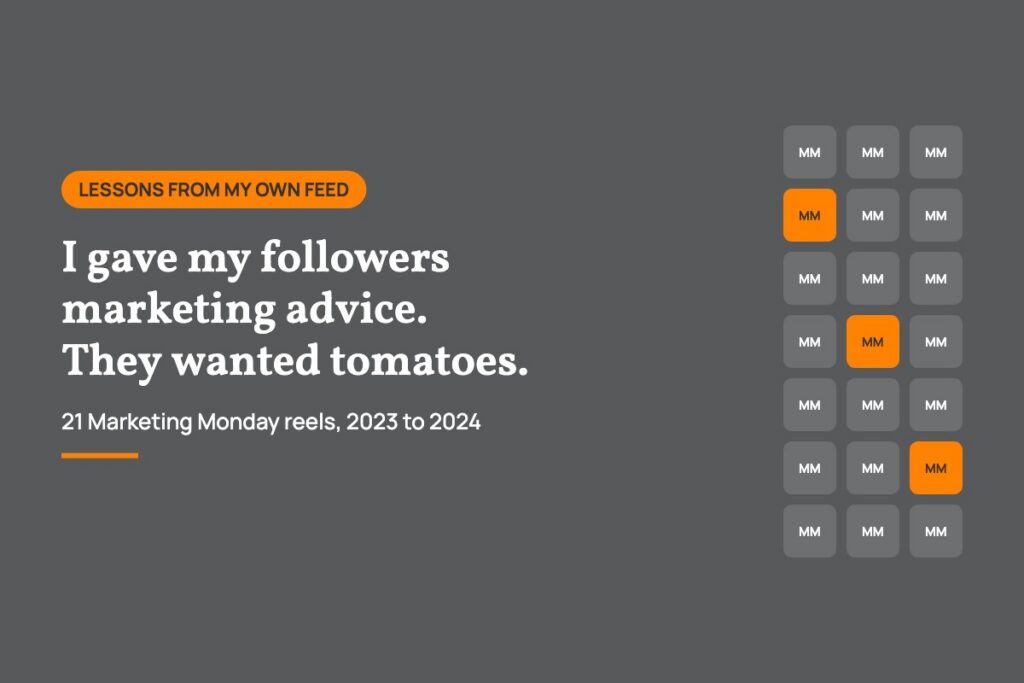
Content is how you share your expertise and connect with others. Jules’s Marketing Monday posts are her own example of content that didn’t play, because it didn’t match her audience.
Formats, and the activity
Formats: blog posts, articles, videos or presentations. Share actionable advice or the trends you see in your field.
- Reflect: what format feels natural to me: writing, speaking or visual?
- Write down one specific idea for a piece of content.
Activity: identify your Audience
Name the people you help most.
Audience is the people who benefit most from your expertise. For example:
Mid-career professionals navigating transitions
Engineering leaders stepping into executive roles
Activity: two steps
The original deck also offers small business owners seeking marketing strategies as an example audience.
- Reflect: who am I helping, and how can I solve their problems in my own way?
- Write a short description of your target audience.
Activity: brainstorm
Fifteen minutes. All four answers.
- Place: where do you want to be known?
- Space: what makes your expertise valuable?
- Content: what can you share?
- Audience: who are you helping?
Then share and refine with a partner.
The full prompts
- Place: where do you want to be known?
- Space: what makes your expertise valuable?
- Content: what stories or knowledge can you share?
- Audience: who are you helping, and how do you connect with them?
Spend 15 minutes filling in all four. Then share and refine with a partner.

Your 30-day plan
Four weeks, one step at a time.
Build consistency, apply the four elements and build momentum toward a professional presence.
Text version of this diagram
Purpose: build consistency and start applying the four elements of personal branding. Goal: establish a professional presence and build momentum. Focus areas: build visibility in your Place, share insights related to your Space, create and share relevant Content, and engage with your Audience.
- Week 1: follow industry leaders in your Place. Identify trends and gaps in your niche (your Space).
- Week 2: comment thoughtfully on posts or articles in your industry. Introduce yourself to new connections.
- Week 3: share your first piece of Content. Publish a short post, article or video aligned with your expertise.
- Week 4: reflect and refine. Analyze engagement: what worked? Plan your next piece of content.
Your call to action
Go forth and be KNOWN.
- Placewhere you want to be known
- Spacewhat makes you valuable
- Contentthe stories you share
- Audiencethe people you help
Commit to the 30-day plan. Celebrate small wins.
How to keep going
- Commit: set aside 20 minutes a day or 2 hours a week, and track your progress on a simple checklist.
- Stay consistent: focus on quality over quantity.
- Keep building: revisit and refine your four elements regularly. Personal branding is a journey.
Try it: Personal Brand Builder
Practice tool
Personal Brand Builder
Answer four short steps and get your brand statement, value sentence, elevator story and a 30-day plan you can check off.
Nothing you type leaves your browser. Your answers are saved on this device only.
Step 1: Place, Space, Content, Audience
Short answers are fine. Tap an example to start from it, then make it yours.
Your industry, niche or platform. Where am I the expert?
What do people already come to you for advice about?
What topics light you up? Writing, speaking or visual?
Who can benefit from your skills?
Step 2: Your value sentence
I help [audience] achieve [outcome] by [approach].
Start with a verb, like “navigate career transitions”, or name a result.
Preview
Step 3: Your three-sentence elevator story
Share a challenge, a lesson or a success. Authentic beats perfect.
See Jules’s example
“My name is Jules Morris, and I am a farm owner, entrepreneur, content creator, researcher, teacher, and student of human-centered design and leadership. My journey has taken me from working full-time while earning three degrees (almost) and raising three kids to leading collaborative marketing teams and meaningful campaigns, managing numerous Super Bowl events, and owning a top 20 marketing agency. Today, I blend these diverse experiences to inspire others, prepare students for careers, create meaningful content, and embrace a life of growth, learning, and creativity.”
Step 4: Your brand card
Go deeper
Back to all Executive Education topics · Next: HCD Bootcamp: Discovery
Part of Executive Education from the Human Centered Lab: workshops Jules Morris, PhD and Lane Morris, PhD lead for working professionals.
Frequently asked questions
What is a personal brand?
A personal brand is the perception others have of you, shaped by your expertise, your actions and your values. Building one means showing your authentic self in a way that fits your professional goals.
Why does a personal brand matter for my career?
A clear brand builds trust and credibility, sets you apart in a competitive market and creates opportunities. People also look you up: in a 2023 Harris Poll for Express Employment Professionals, 70% of US hiring decision-makers said their company uses social media to research potential candidates, and 60% said employers should screen all applicants’ social media profiles.
How do I start building a personal brand?
Start with four elements from Mark Schaefer’s book Known: your Place (where you want to be known), your Space (your specific expertise), your Content (what you share) and your Audience (who you help). Then write one sentence: I help [audience] achieve [outcome] by [approach]. Audit your online presence and follow a simple 30-day plan.
Which platform is best for personal branding?
For most professionals, LinkedIn is the core, through posts, articles and newsletters. Substack or a blog suits long-form writing, YouTube and short video suit showing how, and podcasts, panels and speaking put you in front of people. Focus on 1 to 2 platforms that fit your audience and your strengths.
How much time does personal branding take?
Less than most people expect. Plan on 20 to 30 minutes a week to keep it going, or 20 minutes a day or 2 hours a week while you work through a 30-day plan. Quality matters more than quantity, and your brand will evolve, so just get started.
Password protected
3-Hour Workshop: Personal Branding for Leaders
Workshop slides and the participant workbook. Ask your workshop host for the password.