The big idea
Strategy can be copied and technology can be bought. How people feel, what they create together and what they achieve is the advantage no competitor can copy.
In 60 seconds
- Leaders face volatility, uncertainty, complexity and ambiguity, while engagement, respect and trust are falling.
- Human-centered leadership is the process of inspiring and mobilizing people to co-creatively tackle tough challenges and do things that matter.
- The Creative Alliances System puts it to work: Bonds (how we feel together), Tasks and Tools (what we do together) and Goals (what we achieve), joined by Communication.
Do this: name one adaptive challenge your team faces, and one way to give that work back to the people who own it.
How human-centered leadership works

The Decisive Advantage
Human-centered leadership: the decisive advantage.
Why being human is the edge, and how the Creative Alliances System puts it to work.Michael Lane Morris, PhD
Session outline
Where we are going.
Today’s agenda
- The landscapeLeadership soup, the feeling economy, and AI plus human.
- Why a new modelEmployees are stressed, and trust is falling.
- What HCL isHuman, centered, leadership, and its historical roots.
- Tough challengesFour types of problems, and adaptive challenges.
- Creative AlliancesThe system that puts HCL to work.
Human-centered leadership: ongoing research
Built on research.
Michael Lane Morris and Jules Morris, “Human Centered Leadership,” in The Sage Handbook of Human Resource Development, edited by Tonette S. Rocco, Michael Lane Morris and Rob F. Poell (Sage, 2020).
Major forces impacting business leaders
Leading in a VUCA world.
VUCA: U.S. Army War College (late 1980s), drawing on Warren Bennis and Burt Nanus, Leaders (1985).
Text version of this diagram
- Volatility, the speed of change: market, technology and sustainability forces (people, planet, profits).
- Uncertainty, unclear about the present: safety, health and wellness, and environmental and weather forces.
- Complexity: economic, ideological, political, government, legal and regulatory forces.
- Ambiguity, unclear about meaning: media, psychological, sociological, moral and ethical forces.
The landscape of leadership
There’s a lot of leadership soup out here.
- Autocratic
- Participative
- Transformational
- Laissez-faire
- Charismatic
- Transactional
- Visionary
- Strategic
- Situational
- Cross-cultural
- Servant
What each style means
- Autocratic: one person makes all of the decisions.
- Participative: everyone contributes to the decisions.
- Transformational: the leader inspires people to achieve giant results.
- Laissez-faire: a hands-off leader; employees are the authority.
- Charismatic: charm and persuasion.
- Transactional: structure and process drive rules and goals.
- Visionary: united around a feeling of purpose.
- Strategic: the leader’s vision prevails.
- Situational: adjust to fit the specific needs of a situation.
- Cross-cultural: cultural fit drives action.
- Servant: centers on the leader’s responsibility to serve others.
Challenges of this leadership landscape
Hard to remember in the heat of the moment.
The landscape focuses on leaders influencing people to move key performance indicators: growth, process optimization and improvement.
- ComplexityIt is hard to remember all the knowledge, skills and abilities.
- FamiliarityIt isn’t muscle memory, which undermines confidence.
- ApplicationIn the heat of the moment, we flip back to what’s familiar.
- EffectivenessIt works when challenges are clearly defined, and not all challenges are.
Meanwhile, in the office
The leadership soup problem.
Original cartoon © 2026 BombDiggity, LLC.
Text version of this diagram
- Panel 1: the gray donkey boasts that he has studied every leadership style.
- Panel 2: the spotted donkey rushes in: the client is furious, now what?
- Panel 3: the books topple and the donkey freezes, wondering which style he was again.
- Caption: in the heat of the moment, we flip back to what is familiar.
Employees are stressed and rebelling
19M+
U.S. workers quit their jobs in six months.
April to September 2021. Another 40% said they were at least somewhat likely to quit in the next three to six months, and 36% of recent quitters left with no job lined up.
McKinsey & Company, “‘Great Attrition’ or ‘Great Attraction’? The choice is yours” (September 2021).
Photo by @makimesa on Unsplash
Why they left
They didn’t feel valued.
Text version of this diagram
- Top reasons employees gave for quitting: 54% didn’t feel valued by their organization; 52% didn’t feel valued by their manager; 51% lacked a sense of belonging at work.
The employee rebellion: what’s wrong?
Employees are…
- Craving leaders who invest in the human side of work
- Tired and out of gas
- Sad, isolated and grieving
- Done with manipulation
- Frustrated by broken promises
- Pressured to violate their values
- Sick of being lied to
- Feeling unheard: do I fit, matter, belong?
- Worried and unsafe
- Stressed about their futures
- Doubting leaders’ competence and character
- Afraid their well-being doesn’t matter
Engagement sinking, respect declining
The human side of work is slipping.
Text version of this diagram
- Chances to learn and grow fell from 48% to 37% (2020 to 2025, Gallup).
- Trust in immediate managers fell from 46% to 29% (2022 to 2024, DDI).
- Treated with respect fell from 44% to 37% (2020 to 2024, Gallup).
- Engaged at work fell from 36% to 31% (2020 to 2025, Gallup).
Employee trust and daily stress
Stress is now the daily norm.
50%
of employees
U.S. and Canadian employees who felt a lot of stress during much of the previous day.
71%
of leaders
Leaders reporting a significant increase in stress since stepping into their role.
Gallup, State of the Global Workplace (2026 report, 2025 data). DDI, Global Leadership Forecast 2025.
Successful leaders are able to
What the Global Leadership Forecast found.
Global Leadership Forecast
Most importantly: pair acts of empathy and compassion. Employees don’t park their humanity when they clock in. Partner with them on flexibility, connection, unity and purpose.
DDI, Global Leadership Forecast.
2025 core workforce skills
Eight of the top ten skills are human.
Text version of this diagram
- Employers’ top core skills for 2025: analytical thinking 69%; resilience, flexibility and agility 67%; leadership and social influence 61%; creative thinking 57%; motivation and self-awareness 52%; technological literacy 51%; empathy and active listening 50%; curiosity and lifelong learning 50%; talent management 47%; service orientation and customer service 47%.
The feeling economy
Hand, head, and now heart.
Text version of this diagram
- Mechanical economy (hand): physical, repetitive tasks; consistency, inspection, standardization, reliability and precision.
- Thinking economy (head): process, analyze, interpret, problem-solve and decide rationally.
- Feeling economy (heart): recognize, emulate and respond accurately and appropriately to human emotions.
The feeling economy
Soft skills are the hard edge.
- AI recognizes feelingsBut it cannot, yet, experience or formulate emotions.
- Engage interpersonallyBuild and keep relationships.
- Show empathyRespond to what people feel.
- Communicate and coordinateWith others.
- Influence othersMove people to act.
- The next 20 yearsThe people-oriented feeling economy becomes dominant. Prioritize the soft side of jobs.
Read more: What Is the Feeling Economy? (opens in a new tab)
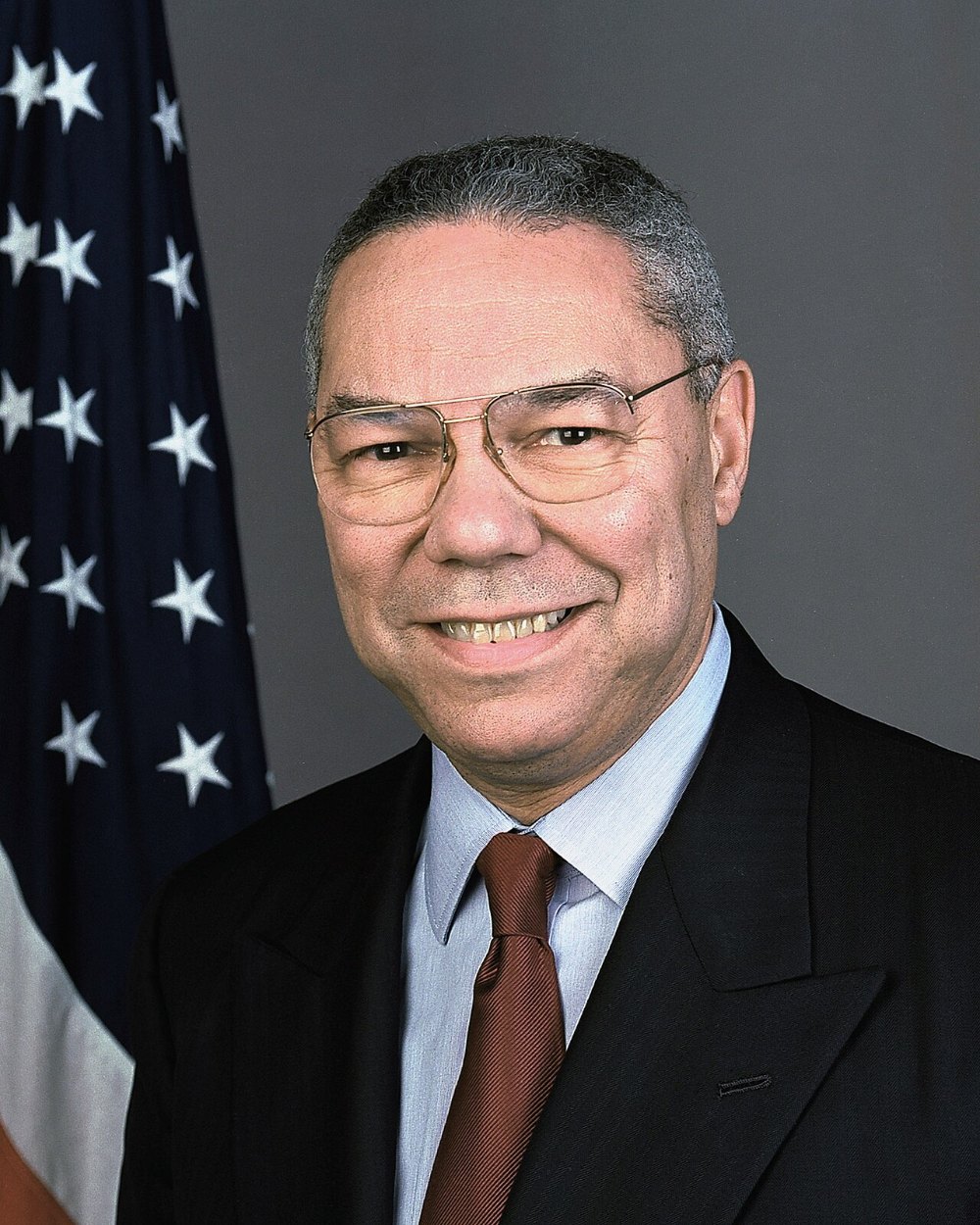
General Colin Powell on leadership
Leadership is all about people. It is not about organizations. It is not about plans. It is not about strategies.
Colin PowellU.S. Secretary of State, leadership lecture to State Department employees, 2003

A new leadership solution is needed
Human-centered leadership.
DDI: Global Leadership Forecast
CEOs who are sounding the alarm about talent… need to think about how they set the tone and develop leaders who lead from a holistic, human-centered approach.
DDIGlobal Leadership Forecast
Photo by @kristjankotar on Unsplash

DDI: Global Leadership Forecast 2025
Leadership has never been more critical, and more complex.
“Leaders shoulder all this responsibility: they must transform their organizations into more human-centered workplaces… while building adaptable, resilient teams that can thrive amid uncertainty.”
Earn trustCreate environments where people feel respected, valued and able to grow.
Stay agileNavigate rapid change, pivot and guide teams through it.
ConnectFoster growth, drive innovation and build genuine human connection.
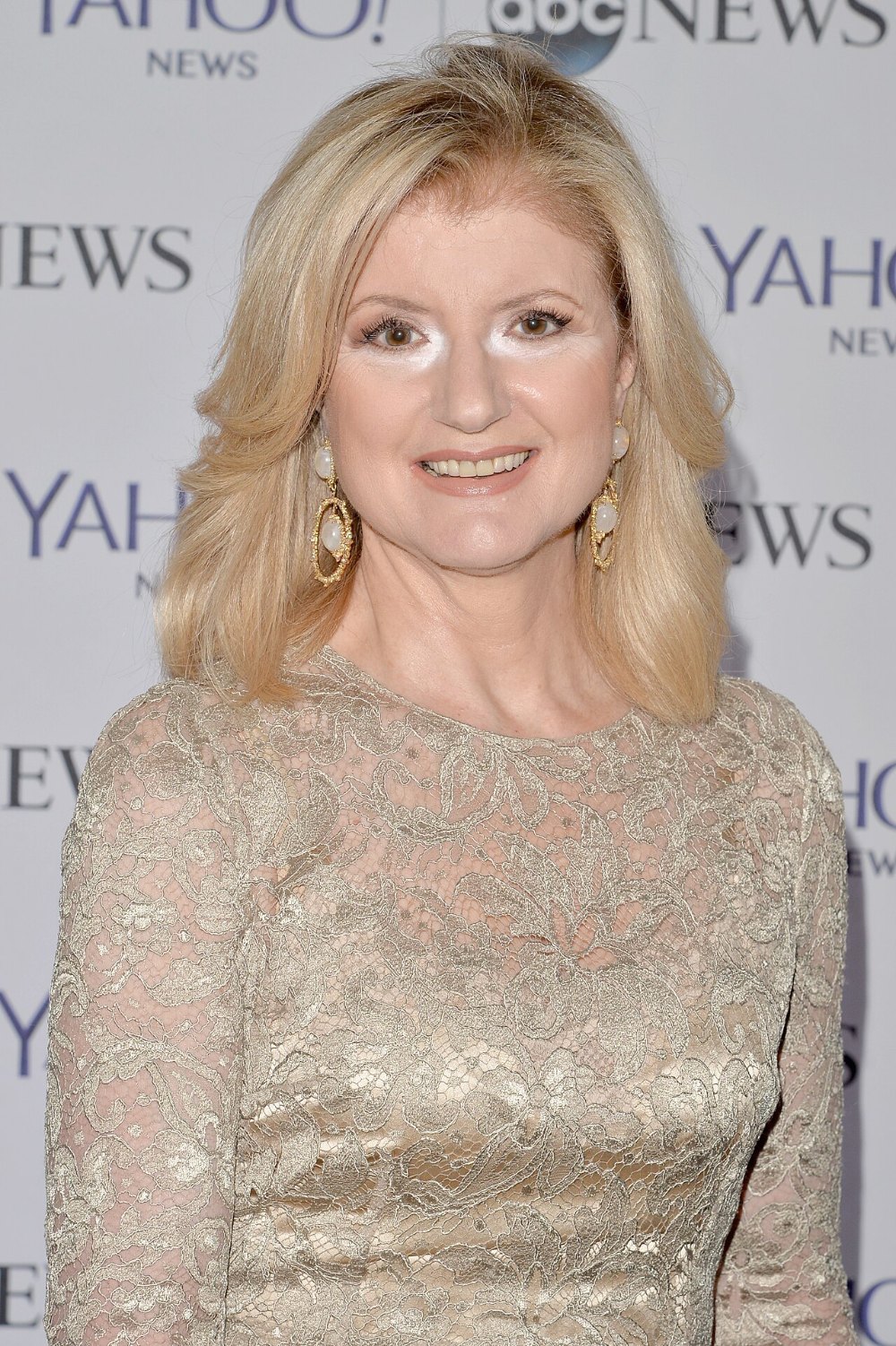
Arianna Huffington, founder and CEO, Thrive Global
Successful leaders of the future will be human-centered, focused as much on growth and the bottom line as on creating a flourishing and sustainable culture.
Arianna HuffingtonFounder and CEO, Thrive Global, reviewing The Mind of the Leader by Rasmus Hougaard and Jacqueline Carter (2018)
Harvard Business Impact (2025)
Human-centered leadership is not just a general ‘people first’ mindset plus a particular set of soft skills.
Harvard Business ImpactIt requires a genuine intention to help each person succeed and find fulfillment at work, plus the discipline to choose the right behaviors for the person and the context.
Human-centered (ISO)
Co-create with the people involved.
- Involve people throughoutHuman-centered design, as defined by ISO standards, involves the human perspective in every step of creating a solution.
- Needs, not just wantsA truly human-centered leader learns what people need, not only what they want.
- Need-finding is imperativePeople have jobs to be done.
- Design thinking, doing, beingHCL is all three.
ISO 9241-210, human-centred design for interactive systems.
Human-centered leadership is about being
Inside-out and outside-in.
Inside-out
- AuthenticThe same person in every room.
Outside-in
- AvailablePresent and reachable.
- AskableSafe to approach with anything.
- ApproachableWarm, open, human.
An invitation to connect more deeply with our core humanity. Understanding the human being is central to understanding human doing.
Hougaard & Carter
We are not our job titles or positions. We are human beings. When we do the hard work of leadership in a human way, we unleash more humanity in our cultures.
Rasmus Hougaard and Jacqueline CarterLeadership is less about what you do and more about becoming who you are.

Human-centered leaders: positive deviants
Depart from the norm, for good.
Positively aberrantIntentional behavior that departs from the norms of a reference group of leaders.
Enable the bestStrive to bring out the best of the human condition.
Extraordinary resultsPositive practices and habits that wildly exceed expectations.
RecognizedBehavior others publicly describe as superior.
Gretchen Spreitzer and Scott Sonenshein, “Toward the Construct Definition of Positive Deviance,” American Behavioral Scientist (2004).
Human-centered leadership’s primary aim
Flourishing people drive flourishing organizations.
Fully functional people drive fully functional organizations.
Tenets of human-centered leadership
Eleven tenets.
People-centered
Understanding people is job number one.
Creative mindsets
Curiosity about what’s possible; reframe problems.
Empathy and compassion
Understand experiences and act on needs.
Authenticity
Transparency, consistency, vulnerability.
Inclusive positive regard
Everybody counts; synergy matters.
Adaptability
Agile and growth-oriented: creativity is learning.
Purposeful vision
Build your way out and forward.
Well-being and harmony
Being healthy is motivating.
Psychological safety
Try things, speak up, learn from mistakes.
Character
Values (beliefs) lead to virtue (behavior).
Communication
Clarity, coherence, casual learning conversations.
Michael Lane Morris and Jules Morris, Human Centered Leadership © BombDiggity, LLC.
Human-centered leadership
Key people indicators.
- KPI means key performance indicatorsPeople-first: KPI means key people indicators
- People are the most valuable assetPeople-first: People are not an asset: people are the organization
- Stewardship of capitalPeople-first: Stewardship, empathy and compassion
- People-first: People are the difference between book value and market value
Goals of human-centered leadership
Leaders cannot fix what they don’t understand.
Text version of this diagram
- 1. Understand people’s experiences: the cornerstone of leadership intelligence.
- 2. Keep the work with the people, so the solutions belong to them.
- 3. Build a people-first culture where potential is maximized and people and organizations flourish.
So… why “human”?
Do what we know how to do best: be human.
Being human
- Bring all that you have to the table
- Be real, be genuine, be authentic: be you
Understanding other humans
- Positives: behaviors, needs, desires, motivations, goals, strengths, dreams, values, hopes and aspirations
- Negatives: disappointments, pains, frustrations and suffering
HCL addresses the most costly people problem
Most people are doing a second job.
Text version of this diagram
- Many employees do a second job no one pays them for: protecting their ideal self instead of developing their real self.
- Their acting double spends time and energy hiding weaknesses, managing impressions, playing politics and covering limitations.
- People and organizations flourish when that hidden potential is unleashed and deliberately allowed to grow.
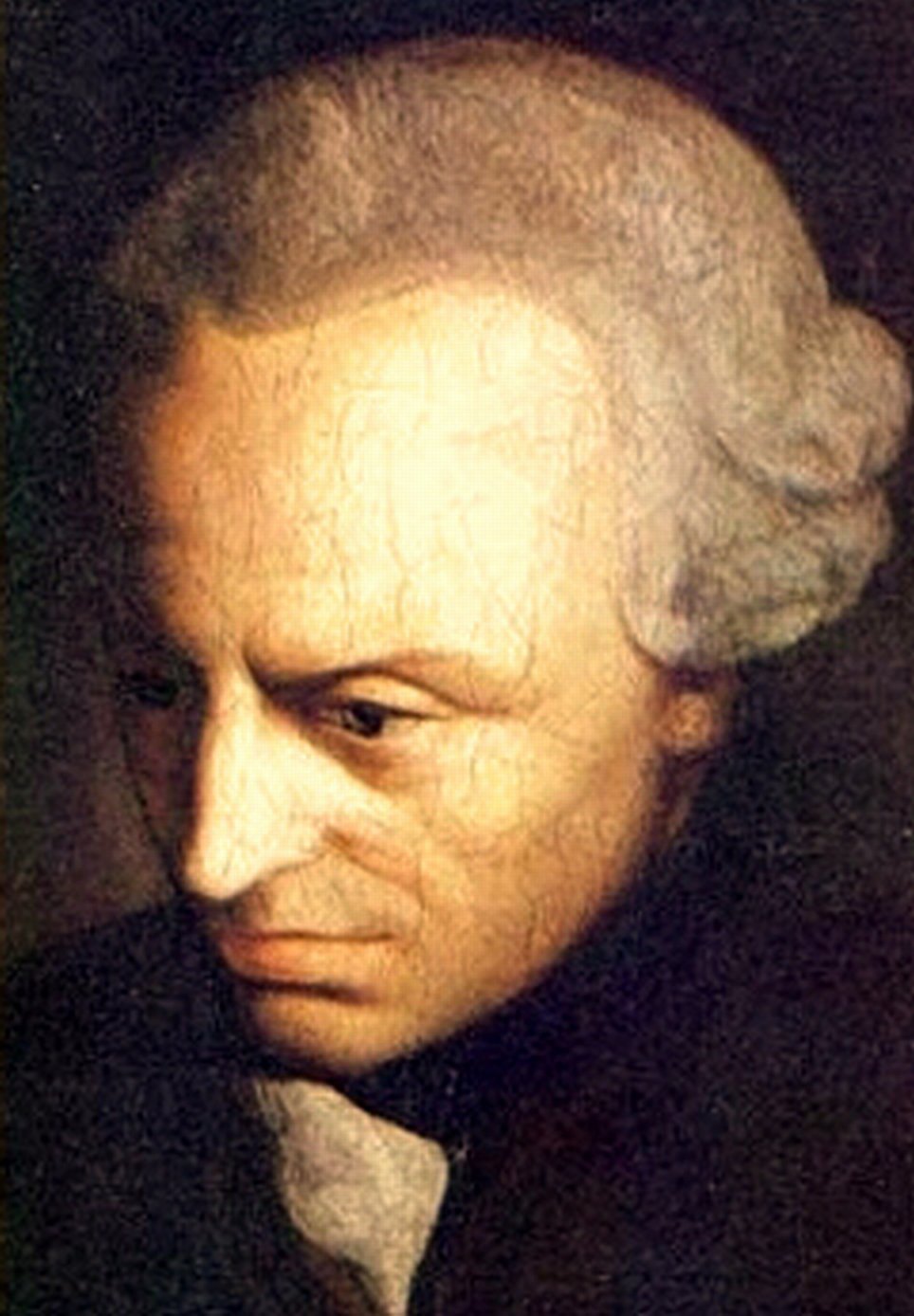
Historical roots: Immanuel Kant
Act in such a way that you treat humanity, whether in your own person or in that of another, always at the same time as an end and never merely as a means.
Immanuel KantThe formula of humanity, 1785
Historical roots
Not a new idea: a long one.
Text version of this diagram
- 1785: Immanuel Kant, treat humanity always as an end, never only as a means.
- 1948: U.S. Air Force leadership manual, leadership must come from the heart.
- 1968 to 2001: Fred Rogers, to be fully human is to embrace our imperfections.
- 2003: Colin Powell, leadership is all about people.
- Today: human-centered leadership.
Historical roots: humanity and successful leadership
By virtue of your position as leader you will tend to become separated from your men. You must guard against aloofness that will prevent your knowing and liking them. Your sympathetic interest and concern for them and their welfare, marked by your courtesy, must come from your heart. Only when your interest is sincere and not mechanical will you secure full loyalty and devotion from them.
U.S. Air Force leadership manualAFM 35-15, December 1948, p. 52
U.S. Air Force C-47s at Tempelhof, Berlin, 1948. U.S. Air Force photo, public domain, via Wikimedia Commons
Humane leadership
See the humanity in others.
Appreciate people.
As human beings with their own opinions, emotions and experiences.
Allow for faults.
People are not free from faults or from being misunderstood.
Grow from imperfection.
Imperfection is always a chance to grow.
“HUMAN” centered leadership
The most human leader wins.
Leadership is a people-to-people business, the intersection of humanness. Understand who before getting to why.
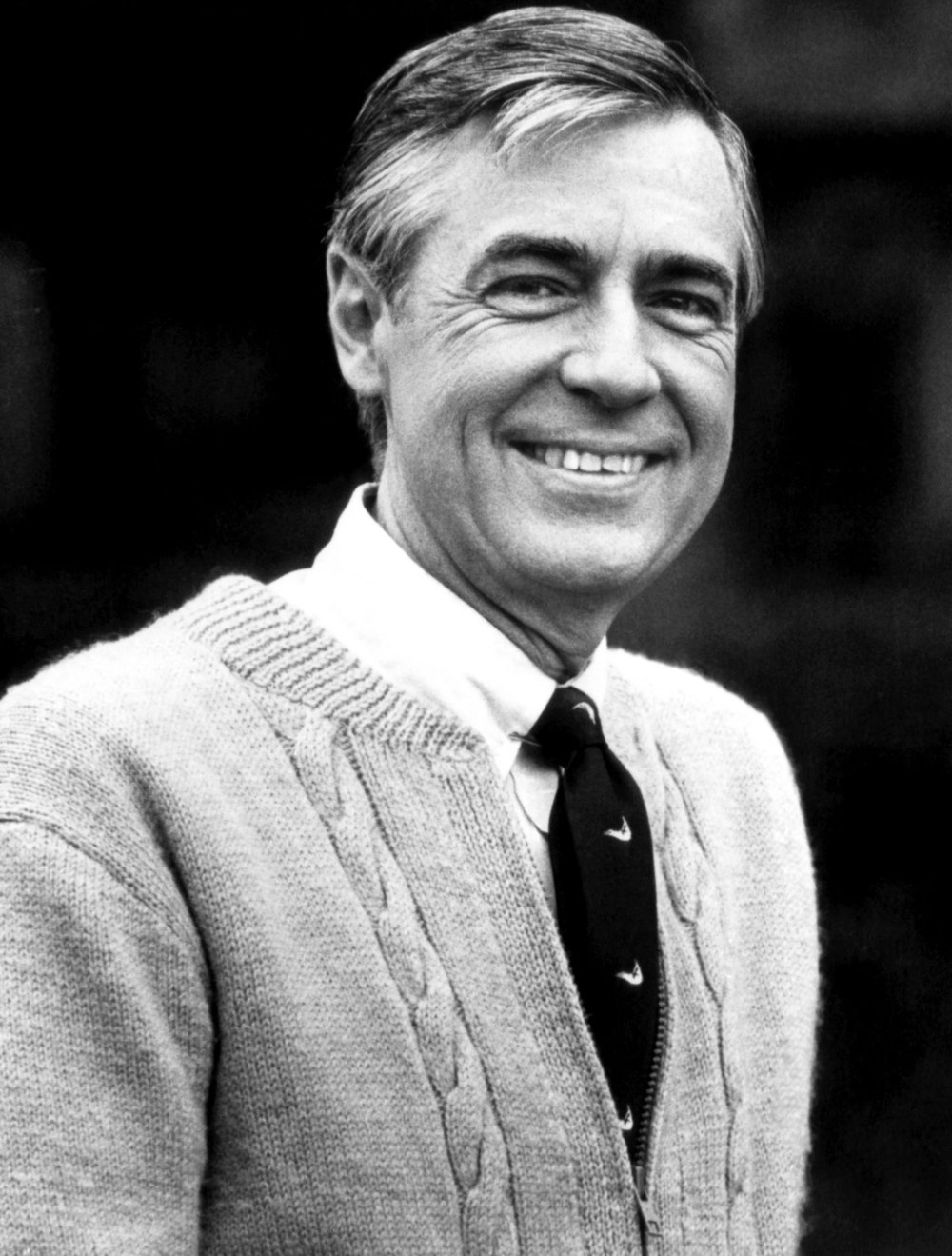
Historical roots: Fred Rogers
To be fully human is to embrace imperfection.
Mister Rogers reminded us regularly that being human means having imperfections, and that people can be liked just the way they are.
“Centeredness” defined
Bring your best, moment by moment.
- Access your strengthsLead from what you do best.
- Be more mindfulNotice what is happening, in you and around you.
- Be fully presentEngage all parts of the mind.
- Stay level-headedKeep your footing when the heat rises.
- Cope with stress and changeBend without breaking.
- EmpathizeUnderstand what others are feeling.
- Listen more deeplyHear what is said, and what is not.
- Bring your best traitsMoment by moment.
Adapted from Bain & Company.
Leadership vs. authority
Leadership is a verb.
Authority
- Given to you by others
- They expect expertise, actions they support, solutions and service
- You are charged with direction, protection and order
Leadership
- An activity or process, with a bias toward action
- Not a position, title or power structure
- Disruptive, risky and scary
Ronald Heifetz, Leadership Without Easy Answers (1994).
Read more: Leadership vs. Position (opens in a new tab)
Human-centered leadership, defined
The process of inspiring and mobilizing people to co-creatively tackle tough challenges and do things that matter.
Michael Lane Morris and Jules Morris
The process of inspiring and mobilizing people to co-creatively tackle tough challenges and do things that matter.
“The process…”
HCL is a process that can be…
- Quickly learned
- Quickly developed
- Frequently practiced
- Anchored in mindsetsCritically important ones.
The process of inspiring and mobilizing people to co-creatively tackle tough challenges and do things that matter.
“to inspire…”
Inspired people are more than twice as productive.
Text version of this diagram
- If a satisfied employee’s productivity is 100, an engaged employee’s is 144 and an inspired employee’s is 225.
- Inspiration sparks what could be. People are inspired when their jobs give them meaning and purpose, impact, growth and fulfillment.
The process of inspiring and mobilizing people to co-creatively tackle tough challenges and do things that matter.
“and mobilize…”
Mobilizing means unleashing.
Mobilizing is action-oriented. To unleash is to:
Free from control
Set loose
Set in motion
Release
Untie
Unbind
Uncork
Unlock
Empower
Liberate
Photo by @jannerboy62 on Unsplash
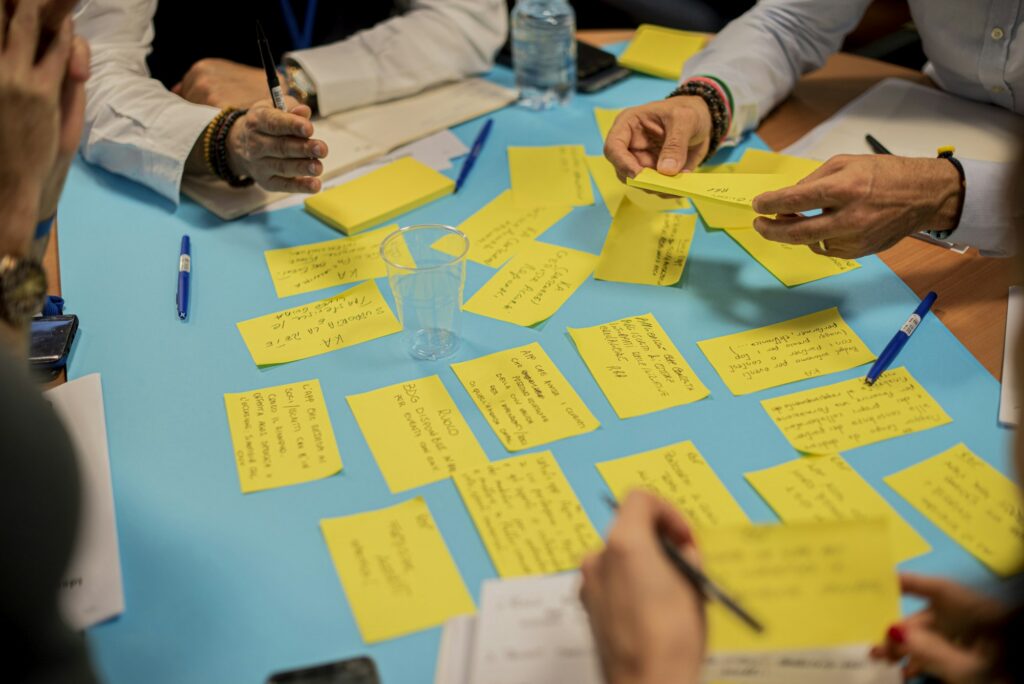
The process of inspiring and mobilizing people to co-creatively tackle tough challenges and do things that matter.
“people… co-creatively”
Give the work back to the people who own the problem.
Co-creationPartnership with people through creative alliances.
Start with peopleEnd with new solutions tailor-made for their needs.
Liberated agentsPeople become free to act.
The process of inspiring and mobilizing people to co-creatively tackle tough challenges and do things that matter.
Putting people first
Take care of people, and they take care of customers.
- Take care of people
- Train them
- Empower them
- They engageFully engaged in what they do, they take better care of customers.
After J. W. Marriott Jr.: “Take care of associates and they’ll take care of your customers.”

We often work the wrong problems
Some problems never go away.
People spend a lifetime working on the same old problems. Psychologist John Gottman found that 69% of couples’ conflicts are perpetual problems that never get resolved, only managed.
The process of inspiring and mobilizing people to co-creatively tackle tough challenges and do things that matter.
Four types of problems
Name the problem before you solve it.
Text version of this diagram
- Gravity: impossible to overcome. Accept it and work around it.
- Anchor: stuck on one solution, which has become the problem. Reframe it.
- Technical: a clear problem with a known answer. It needs a subject-matter expert.
- Adaptive: thorny, wicked problems. They need change in beliefs, values (the promises we keep) and behaviors.
The process of inspiring and mobilizing people to co-creatively tackle tough challenges and do things that matter.
“to tackle tough challenges”
Technical problems vs. adaptive challenges.
| Technical problems | Adaptive challenges | |
|---|---|---|
| Identify | Easy to identify | Difficult to identify, and easy to deny |
| Solutions | Quick, easy, cut-and-dried | Require changes in values, beliefs, roles, relationships and approaches |
| Who solves | An authority or expert | The people with the problem |
| Scope | One or a few places, often contained | Numerous places, across boundaries |
| Reception | People are generally receptive | People often resist even acknowledging them |
| Speed | Can be implemented quickly, even by edict | Experiments and discoveries that take time |
| Example | Take medication to lower blood pressure | Change lifestyle habits: eat healthy, exercise, lower stress |
Ronald Heifetz, Alexander Grashow and Marty Linsky, The Practice of Adaptive Leadership (2009).

Adaptive vs. technical challenges
The single biggest failure of leadership is to treat adaptive challenges like technical problems.
Ronald Heifetz
The process of inspiring and mobilizing people to co-creatively tackle tough challenges and do things that matter.
“and do things that matter”
Innovation matters. Few get it right.
84%
of CEOs
Believe innovation is essential to growth.
6%
of executives
Are satisfied with their company’s innovation performance.
McKinsey & Company innovation research, as reported by CFO Dive (2023). Co-create with your people so they feel heard, understood and valued.
Human-centered leadership role models
Leaders who put people first.
Bill Marriott, Marriott
- Humble leadership
- Builds loyalty
- Which earns discretionary effort and retention
Bob Chapman, Barry-Wehmiller
- Everybody Matters
- Truly Human Leadership
- Built on stewardship
The magic of human-centered leadership
Creative alliances: bringing more humanity to leadership.
Text version of this diagram
- Bonds: how we feel together.
- Tasks and Tools: what we do together.
- Goals: what we come to know and achieve.
- Communication: the bridge through all three.
What are creative alliances?
The space between you and me.
Creative Alliances System™ © 2026 BombDiggity, LLC. Michael Lane Morris and Jules Morris.
Text version of this diagram
- A creative alliance is the working space at the intersection of you and me.
- Alliances include working in the white space: restoring equilibrium to return to a status quo, or using disequilibrium to be creative and discover new opportunities and solutions.
- Alliances are relationship partnerships: how leaders connect with employees.

Key tenets of creative alliances
People need to be…
- Seen
- Heard
- Understood
- Valued
Things that matter can be changed and improved. Challenges have solutions. The people with the challenges have the ideas and answers.
The definition is the model
Every part of the definition has a home.
Creative Alliances System™ © 2026 BombDiggity, LLC. Michael Lane Morris and Jules Morris.
Text version of this diagram
- “The process of inspiring and mobilizing people” is Bonds: how we feel together.
- “To co-creatively tackle tough challenges” is Tasks and Tools: what we do together.
- “And do things that matter” is Goals: what we come to know and achieve.
- Communication is the bridge through all three.
The Creative Alliances System
Bonds, tasks and goals.
How this topic fits the Creative Alliances System
- This session is the map. It introduces the whole system: the definition of human-centered leadership is the model, phrase by phrase.
- “Inspiring and mobilizing people” is Bonds. Psycho-social assets: Core Conditions, Creative Climate, Positive Mindsets & Emotions, Character and Collaborative Partnerships.
- “To co-creatively tackle tough challenges” is Tasks & Tools. Behavior: Co-Creation through Understand, Dream, Experiment and Flourish, inside the ring of Change and Transitions.
- “And do things that matter” is Goals. Cognition and outcomes: Excellence, Engagement, Efficiency, Experience, Expansion, Efficacy and Effectiveness.
- Where the other sessions sit. Performance Communication and High Performance Teams build Collaborative Partnerships and Communication; Leadership Fork in the Road builds Positive Mindsets and Character; Work/Life Harmony builds Flourish.
Text version of this diagram
- Bonds are psycho-social assets, how we feel together: Core Conditions at the heart, with Creative Climate, Positive Mindsets and Emotions, Character and Collaborative Partnerships.
- Tasks and Tools are behavior, what we do together: Co-Creation at the center, moving through Understand, Dream, Experiment and Flourish, inside a ring of Change and Transitions.
- Goals are cognition and outcomes, what we come to know and achieve: Excellence at the core, with Engagement, Efficiency, Experience, Expansion, Efficacy and Effectiveness.
- Communication is the facilitation dimension that carries trust, ideas and feedback between all three.
Bonds: how we feel together
Core Conditions sit at the heart of every bond.
- Creative ClimateTrust, psychological safety, rapport and transparency; boosted by autonomy, resources, recognition and playfulness. Fuels Engagement and Experience.
- Positive Mindsets and EmotionsHope, optimism, gratitude and joy; growth, abundance, resilience and reframing. Fuels Efficacy and Expansion.
- CharacterHonesty, integrity, humility and ethical judgment. Fuels Effectiveness.
- Collaborative PartnershipsShared responsibility, mutual feedback, healthy boundaries and mutual respect. Fuels Efficiency.
- Core ConditionsEmpathy and compassion, positive regard, congruence and creative leadership self-efficacy.
Tasks and tools: what we do together
Co-creation, step by step.
Co-creation means creating together as equal partners, not top-down or alone. The ring around the tasks is Change and Transitions: change is the event; transitions are the human response to it.
- 1UnderstandListen to what people are experiencing, including what the change asks them to leave behind.
- 2DreamMake meaning together and imagine the better future worth creating.
- 3ExperimentTry, learn and improve our way into the change.
- 4FlourishEmbed what works so people and the organization are better for it: learning, growth and development, and health and well-being.
Goals: what we come to know and achieve
Every turn of the wheel raises the bar.
Excellence sits at the core: the shared commitment to work at the highest level, the standard every outcome turns around.
- Engagement People invested in the mission, bringing effort, ideas and ownership. Momentum starts here. Fueled by Creative Climate.
- Efficiency Doing things right with less wasted time, money and energy. Fueled by Collaborative Partnerships.
- Experience The quality of every interaction, for customers and employees alike. Fueled by Creative Climate.
- Expansion Growth earned by great experiences: new customers, relationships and markets. Fueled by Positive Mindsets & Emotions.
- Efficacy Proven capacity to deliver, and the belief that we can. Fueled by Positive Mindsets & Emotions.
- Effectiveness Doing the right things and making a difference. Results re-energize engagement. Fueled by Character.
Communication
The bridge.
Communication runs through the whole model, carrying trust, ideas and feedback between bonds, tasks and goals, through casual learning conversations.
The decisive advantage
The decisive advantage is human.
Try it: Technical or Adaptive?
Quick game · Tough challenges
Technical or Adaptive?
Ronald Heifetz says the biggest failure of leadership is treating adaptive challenges like technical problems. Sort eight real-world problems and see how your instincts hold up.
Problem 1 of 8
Score: 0 of 0
Scenarios are illustrations written for this page. Technical problems vs. adaptive challenges: Ronald Heifetz, Alexander Grashow and Marty Linsky, The Practice of Adaptive Leadership (2009). Nothing is sent or saved.
Go deeper
Back to all Executive Education topics · Related: High Performance Teams
Part of Executive Education from the Human Centered Lab: workshops Jules Morris, PhD and Lane Morris, PhD lead for working professionals.
Frequently asked questions
What is human-centered leadership?
Human-centered leadership is the process of inspiring and mobilizing people to co-creatively tackle tough challenges and do things that matter. It puts understanding people first, keeps the work with the people who own the problem, and aims for flourishing people and flourishing organizations.
Why is human-centered leadership a competitive advantage?
As AI takes on more analytical work, the human skills of empathy, influence, resilience and creativity matter more. Employers rank these among the most important workforce skills, and engagement, respect and trust at work have been falling, so leaders who build them stand out.
What is the difference between technical problems and adaptive challenges?
Technical problems are clearly defined and can be solved by an expert or authority. Adaptive challenges require people to change their values, beliefs, roles or behaviors, so the people with the problem must do the work. Ronald Heifetz argues that the biggest failure of leadership is treating adaptive challenges like technical problems.
What is the Creative Alliances System?
The Creative Alliances System, developed by Michael Lane Morris and Jules Morris, organizes human-centered leadership into Bonds (how we feel together), Tasks and Tools (what we do together) and Goals (what we come to know and achieve), with Communication as the bridge between them.