The big idea
Healthy, sustainable workplaces are built on purpose: leaders who care for the whole person, reduce stress where it starts and invest in well-being as a strategy, not a perk.
In 60 seconds
- Health is complete physical, mental and social well-being, and sustainability means meeting today’s needs without borrowing from tomorrow.
- Stress is the #1 threat to healthy climates: burnout, mental health, money worries and caregiving are the four hot spots.
- Employers are investing more in mental health, but people need to know help exists, and leaders who delegate and lead with empathy.
Do this: pick one stress hot spot on your team and make one change this month: a clearer expectation, a shared resource or one task you delegate.
The workshop slides

Human-centered leadership approach
Creating a healthy and sustainable workplace climate and culture.
Michael Lane Morris, PhD · Fisher Professor of Innovative Learning

Defining human-centered leadership
Human-centered leadership is the process of inspiring and mobilizing people to co-creatively tackle tough challenges and do things that matter.
A healthy, sustainable culture is one of those tough challenges.
DDI Global Leadership Forecast 2023
CEOs who are sounding the alarm about talent in their organizations need to evaluate their leadership culture. They need to think about how they set the tone and develop leaders who lead from a holistic, human-centered approach that incorporates the personal and practical needs of work.
DDIGlobal Leadership Forecast 2023


Arianna Huffington, founder and CEO, Thrive Global
The successful leaders of the future will be human-centered, focused as much on growth and the bottom line as on creating a flourishing and sustainable culture.
Arianna HuffingtonEndorsing The Mind of the Leader (Hougaard and Carter, 2018)
Defining “healthy”
Health is more than the absence of disease.
- Complete well-being“A state of complete physical, mental and social well-being and not merely the absence of disease or infirmity.”
- A fundamental right“One of the fundamental rights of every human being without distinction of race, religion, political belief, economic or social condition.”
- A shared responsibilityGovernments have a responsibility for the health of their peoples. Organizations do too.
World Health Organization Constitution (adopted 1946, in force 1948). who.int
Defining well-being
A resource for everyday life, not the objective of living.
Health as a resource
“A resource for everyday life, not the objective of living.”
Ottawa Charter, 1986
- Holistic. It supports the whole person.
- Positive. Not just the absence of a problem.
Objective well-being
Basic needs and rights: food, physical health, education and safety.
Subjective well-being
How people think and feel about their own lives: satisfaction, positive emotions and meaning.
5 dimensions of employee well-being
Five things people need to flourish at work.
Text version of this diagram
- Mental and emotional support
- Sense of purpose
- Personal support
- Financial health
- Meaningful connections

Defining sustainability
Meet today’s needs without borrowing from tomorrow.
Sustainability. “Meeting the needs of the present without compromising the ability of future generations to meet their own needs” (Brundtland Commission, 1987).
Sustainable development. Achieving human development in an inclusive, connected, equitable, prudent and secure way (after Gladwin, Kennelly and Krause, 1995).
Three pillars of sustainability
People, planet and profit.
Text version of this diagram
- People: social sustainability.
- Planet: environmental sustainability.
- Profit: economic sustainability.
- The goal: conditions where people and other living things can coexist in productive harmony, now and for future generations.
Defining the triple bottom line
A different way of doing business.
Three bottom lines, not one
PeopleSocial results
PlanetEnvironmental results
ProfitFinancial results
What it asks of a business
Measure it. Count social and environmental results alongside financial ones.
Plan for it. A sustainable enterprise delivers economic, social and environmental benefits at the same time.
Live it. Profit is one bottom line, not the only one.
After Hart and Milstein, “Creating sustainable value,” Academy of Management Executive (2003); John Elkington coined “triple bottom line” (1994).
The UN Sustainable Development Goals and the three pillars
17 global goals, three pillars.
People
Health, learning and fairness for everyone.
- Good health and well-being
- Quality education
- Gender equality
- Reduced inequalities
Planet
Protect the systems we all depend on.
- Climate action
- Clean water
- Life below water
- Life on land
Prosperity
Growth that lasts.
- Decent work and economic growth
- Industry and innovation
- Responsible consumption and production

Goals of a sustainable work culture
Balance planet, profit and people. Safeguard their health, safety and well-being.
Safety and health build sustainable workplaces
Work still costs lives, every day.
Work-related deaths a year
About 8,000 a day: 6.7% of all deaths worldwide.
Non-fatal work injuries
Workers injured on the job each year.
Of GDP
Lost to work-related health problems in most countries.
Sources: ILO (2023); WHO. UN goals 3.9 and 8.8: fewer deaths and illnesses, and safe, secure work for all.
Business case: sustainable cultures and the “decisive” advantage
Health costs are huge. Healthy people pay you back.
The cost
$5.3T
U.S. health spending in 2024: 18% of GDP, about $15,474 per person.
The payoff of high well-being and engagement
3×
more likely to stay
3×
more likely to recommend their employer
23%
higher profitability, plus 18% more productivity and 78% less absenteeism
Sources: CMS; Great Place To Work and Johns Hopkins (2025); Gallup Q12 meta-analysis (2024): top- vs. bottom-quartile engagement units.
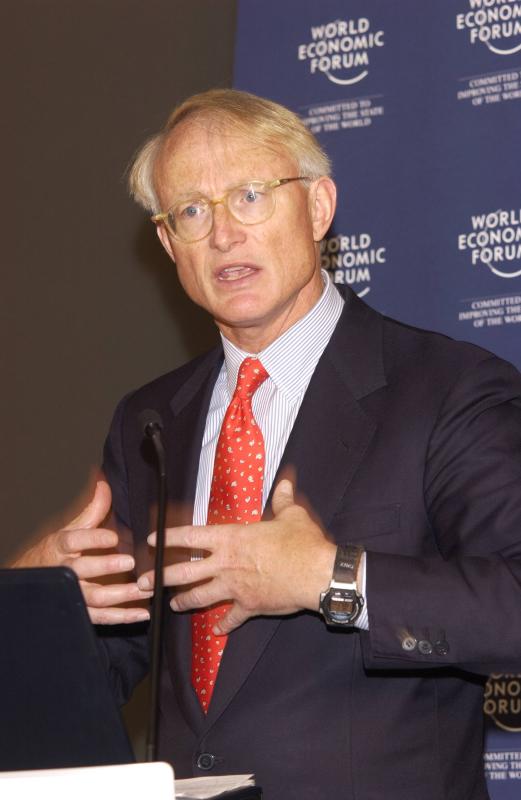

Porter and Kramer
Shared value is generating economic value in a way that also produces value for society by addressing its challenges.
Michael Porter and Mark Kramer“Creating Shared Value,” Harvard Business Review (2011). Pictured: Michael Porter.
Their argument: shared value could drive the next wave of innovation and growth.
People side of sustainability: lessons 1–2
Start with everyone it touches.
Consider a wider set of stakeholders
Shareholders, employees, customers, suppliers, regulators, communities and the natural environment.
Understand them first
Sustainable organizations seek out stakeholders to understand (empathy) their expectations, concerns and risks before they set strategy.
People side of sustainability: lessons 3–4
Everyone has a role.
All stakeholders play a role
Partner with community groups, NGOs and industry alliances: sustainability goes beyond what one organization can do.
Accountability and transparency
Boards get involved and companies report openly, for example with annual sustainability reports.

Stress
Stress: the #1 threat to healthy, sustainable work climates.
General stats on stress
Stress is at record levels.
49%
Of U.S. adults are often stressed
The highest in Gallup’s trend; women 53%, men 45%.
5.0
Average stress, out of 10
24% rate their stress 8 to 10. Women 5.3, men 4.8.
6.0
Adults 18–34
The most stressed age group, then 35–44 (5.7).
77%
Of U.S. workers
Felt work-related stress in the past month; 57% saw negative effects.
$1T
Lost productivity a year
12 billion working days lost to depression and anxiety worldwide.
Sources: Gallup (April 2024); APA, Stress in America 2023; APA, Work in America 2023; WHO, Mental health at work.
Employee mental health in 2024
Burnout is high. Belonging protects.
Text version of this diagram
- 44% feel burned out from their work.
- 30% often feel stressed by their job; 22% often feel anxious.
- 50% often feel a sense of belonging; 40% often feel fulfilled.
- Their job hurts their mental health for 35% and helps for 34%.
- Burned-out workers are almost 3 times as likely to be job hunting (45% vs. 16%).
- Workers with strong belonging are 2.5 times less likely to be burned out (27% vs. 69%).
More stats on stress (U.S. workers)
Mental health is now a reason to stay or go.
65%+
At moderate or high risk
Of mental health issues (Telus Health).
1 in 3
Say their job hurt
Their mental health in the past six months.
30%
Feel overwhelmed weekly
And 29% feel anxious at least once a week.
41%
Would leave
For better mental health benefits (61% of Gen Z).
58%
Want paid mental health days
Beyond regular sick leave.
Sources: SHRM (2023); APA, Work in America 2023.
Effects of workplace stress
Stress shows up in engagement.
- Not engagedOf U.S. and Canada employees; another 17% are actively disengaged.
- Know what’s expectedOnly about half of U.S. employees clearly do.
- Of team engagementIs explained by the manager.
- Trust their employer caresAbout their mental health, down from 54%.
- Fear speaking upWorry that disclosing a mental health condition would hurt them at work.
Sources: Gallup employee engagement; Aflac WorkForces Report 2025–2026; APA, Work in America 2023.
Stress in the workplace and at home
Workload, pay and leadership drive stress.
Text version of this diagram
- Top contributors to work stress: workload 64%, pay 57%, nature of the work 48%, poor leadership or management 46%, understaffing 42% (SHRM 2024).
- 51% of U.S. employees are actively looking or watching for a new job (Gallup, Q4 2025).
- Gen Z is the most burned-out generation: 74% report at least moderate burnout (Aflac 2025).
What is stress?
Pinpoint the problem.
Before you can reduce stress, you have to understand what it is, and what it isn’t. Ask three questions:
What is the stressor?
A life event or a pile of small ones.
How do people see it?
Threat or challenge? Perception changes everything.
What resources do they have?
Time, skills, support, money, rest.
Stress is…
Neither good nor bad.
Stress is the body’s reaction to the demands of life. Perceptions and resources make the difference.
It shows up as
- External events
- Cognitive reactions
- Emotional reactions
- Physical reactions
A model of stress
Perceptions and resources make the difference.
Text version of this diagram
- A stressor (life event) meets our perceptions of the stressor and of our resources.
- Resources: existing and expanded.
- Responses: cognitive, emotional, behavioral, relational, physical and spiritual.
- Outcomes: individual, family and organizational.
The curvilinear nature of stress
Some stress helps. Too much hurts.
Text version of this diagram
- Too little stress: boredom.
- Moderate stress: comfort, then excitement and peak functioning.
- Too much stress: discomfort, then dysfunction.
Work/life stress and productivity
Aim for constructive tension.
- Too little tensionLow productivity: people are under-challenged.
- Constructive tensionMaximum productivity and high performance.
- Stressful tensionProductivity falls as stress overwhelms people.

Stress hot spots
Four hot spots that undermine healthy work climates.
- Burnout. Exhaustion, distance from the job, cynicism.
- Mental health. Depression and loneliness are near record highs.
- Financial well-being. Pay isn’t keeping up.
- Caregiving. 1 in 4 adults care for a loved one.
- #1 Burnout
- #2 Mental health
- #3 Financial well-being
- #4 Caregiving
#1 Burnout
Burnout is at a six-year high.
Text version of this diagram
- Burnout means energy depletion or exhaustion, mental distance from the job, and negativity or cynicism.
- 74% of Gen Z and 66% of millennials report at least moderate burnout.
- 72% face moderate to very high work stress.
- Only 48% are confident their employer cares about their mental health, down from 54% in 2024.
- #1 Burnout
- #2 Mental health
- #3 Financial well-being
- #4 Caregiving
Barriers to managing employee burnout
Most people don’t know what help exists.
Text version of this diagram
- Lack of employee awareness of programs 73%
- Cost or lack of coverage 62%
- Difficulty accessing services 51%
- Stigma 49%
- Confidentiality concerns 38%
- Insufficient leadership support 38%
- Limited time 24%
- #1 Burnout
- #2 Mental health
- #3 Financial well-being
- #4 Caregiving
Strategies employers use against burnout
Where employers are investing more in 2026.
Text version of this diagram
- Mental health 76%
- Stress management and resilience 66%
- Wellness challenges 53%
- Mindfulness and meditation 47%
- Rewards and recognition 42%
- Lifestyle spending accounts 33%
- Sleep management 25%
- #1 Burnout
- #2 Mental health
- #3 Financial well-being
- #4 Caregiving
#2 Mental health: strategies to promote
Make help easy to find.
1 in 2
workers know how to get mental health care through their benefits.
73%
say lack of awareness is the #1 barrier to using mental health resources.
76%
of employers are investing more in mental health resources in 2026.
So what? People can’t use help they can’t find. Tell them often, in plain words, and make the first step easy.
- #1 Burnout
- #2 Mental health
- #3 Financial well-being
- #4 Caregiving
U.S. depression rate: historical highs
Nearly 1 in 5 U.S. adults has depression.
Text version of this diagram
- Share of U.S. adults who currently have or are being treated for depression.
- About 10.5% in 2015, 12.2% in 2019.
- Record high of 20.0% in Q4 2025; 19.1% in Q1 2026 (about 51 million adults).
- No data collected in 2021 or 2022.
- #1 Burnout
- #2 Mental health
- #3 Financial well-being
- #4 Caregiving
U.S. daily loneliness: 20%
One in five U.S. adults is lonely every day.
Text version of this diagram
- Share of U.S. adults who felt loneliness a lot of the day yesterday.
- Pandemic peak about 25% (2020–2021); low 17%.
- Leveled off around 20% since 2024.
- #1 Burnout
- #2 Mental health
- #3 Financial well-being
- #4 Caregiving
Global trends in daily negative experiences
Worry and stress are up since 2007.
Text version of this diagram
- Worry: 31% in 2007, 38% in 2025.
- Stress: 29% in 2007, 36% in 2025.
- Pain: 21% in 2007, 33% in 2025.
- Sadness: 18% in 2007, 26% in 2025.
- Anger: 20% in 2007, 23% in 2025.
- #1 Burnout
- #2 Mental health
- #3 Financial well-being
- #4 Caregiving
U.S. worker life thriving rate, 2022–2025
For the first time, more U.S. workers are struggling than thriving.
Text version of this diagram
- Thriving fell from 53.4% (Q1 2022) to 46.4% (Q4 2025).
- Struggling rose from 43.1% to 49.1%.
- About 5% are suffering.
- #1 Burnout
- #2 Mental health
- #3 Financial well-being
- #4 Caregiving
Global employee life evaluation
Only about 1 in 3 employees worldwide is thriving.
Text version of this diagram
- Global employees in 2025: 34% thriving, 56% struggling, 9% suffering.
- Thriving rose from 24% in 2009 to a peak of 35% in 2022.
- #1 Burnout
- #2 Mental health
- #3 Financial well-being
- #4 Caregiving
#3 Financial well-being
Money stress follows people to work.
59%
Stressed about finances
Right now; 49% say pay isn’t keeping up with costs.
85%
Of Gen Z
Say financial stress affects their mental health; 71% say it lowers productivity.
55%
Of employers
Are investing more in financial wellness in 2026, up from 44%.
Financial well-being: the degree of financial stability and ability to manage one’s economic life. Sources: PwC 2026 Employee Financial Wellness Survey; Wellable 2026 Employee Well-Being Industry Trends.
- #1 Burnout
- #2 Mental health
- #3 Financial well-being
- #4 Caregiving
Understanding intentions to leave (Q4 2025)
Pay starts the search. Growth and balance finish it.
Why they’re unhappy
- Pay or benefits53%
- Growth or advancement28%
- Leadership or management27%
- Workload or demands25%
- Work-life balance22%
What they’re looking for
- Better pay or benefits69%
- More growth30%
- Better work-life balance28%
- Schedule or location flexibility23%
- Job stability23%
Among U.S. employees actively looking or watching for a new job (51% of workers). Source: Gallup (March 2026).
- #1 Burnout
- #2 Mental health
- #3 Financial well-being
- #4 Caregiving
#4 Caregiving benefits
Nearly 1 in 4 adults is a family caregiver.
63M
U.S. family caregivers
Up 20 million since 2015.
6 in 10
Caregivers are employed
Half of them report disruptions at work.
1 in 4
Give 40+ hours a week
And spend about $7,200 a year out of pocket.
13%
Of employers
Offer elder-care referral services.
AARP and National Alliance for Caregiving (2025); SHRM 2025 Employee Benefits Survey.
Investing in a healthy culture
Investing in a healthy, sustainable, human-centered culture.
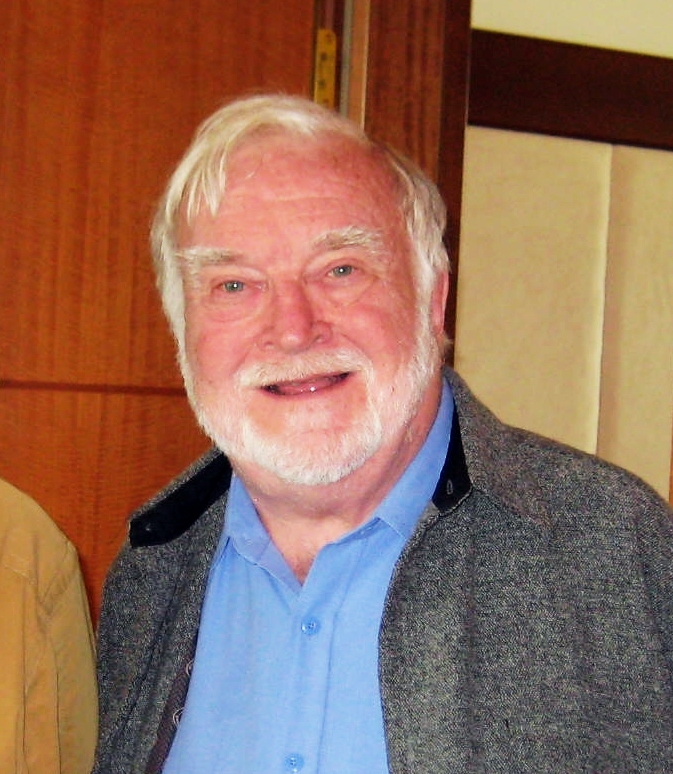

Principle of sustainable business
Good business makes a reasonable profit, or delivers good services, spaces and experiences, while also making a real contribution to the happiness and well-being of its stakeholders.
Mihaly CsikszentmihalyiAdapted from Good Business: Leadership, Flow, and the Making of Meaning (2003)

Three callings: flourish and thrive
Three callings of a good business.
- To do one’s best. Drive toward excellence with energy, innovation, creativity and strengths.
- To help people. Care for employees, customers, suppliers and all stakeholders.
- To build a better world. Community, environment, ecosystem.
Investing more, same or less
Employers are investing more in well-being.
Text version of this diagram
- Mental health and well-being: 86% more, 13% same.
- Preventive health and resources: 66% more.
- Wellness engagement programs: 64% more.
- Lifestyle support: 58% more.
- Physical health and fitness: 45% more, 49% same, 6% less.
Where are employers investing more?
Mental health leads, again.
Text version of this diagram
- Mental health and well-being 74%
- Preventive health resources 72%
- Lifestyle support 52%
Preventive and clinical benefits, 2026
More doctors and disease management, fewer screenings.
Text version of this diagram
- Physician engagement: 68% more.
- Disease management: 67% more.
- Biometric screenings: 33% less.
- Flu vaccinations: 63% same, 23% less.
Creating a sustainable organizational community
Three ways organizations approach it.
Values-based
Lead with purpose
Leaders communicate the culture’s principles and passions in ways that connect to stakeholders’ lives.
Strategic
Change the business
Redesign the business model to deliver “green” products, services and experiences across all three pillars.
Defensive
Protect the image
Present a responsible public image to counter negative press and reputational damage.
Watch out: employees farther down the ladder tend to see sustainability as less relevant than senior leaders do.
Sustainability impact on employee performance
Three dimensions that matter.
Sustainability performance includes the impact on employees’ physical and emotional health, and on their families and communities.
Equity
Every voice matters. Diversity, equity, inclusion and belonging matter.
Growth and development
A work environment where everyone thrives and flourishes.
Well-being
From job design to health insurance to work hours, people systems shape workers’ health and lives.
Roadmap to a healthy and sustainable climate
Engagement is everything.
- 1. EngageIdentify and engage stakeholders affected by policies, processes and performance.
- 2. PrioritizePick the key people issues most relevant to supporting and sustaining performance.
- 3. Align policiesDevelop and revise people policies in line with climate goals.
- 4. PlanBuild an action plan, scorecard and metrics.
- 5. MeasureImplement, measure and report the impact.
Nurturing healthy, safe, sustainable work cultures
Six conditions for a healthy culture.
Consistency
Clear, coherent messages about alignment with the firm’s values.
Stability
Show commitment and measure effectiveness.
Trust
Build trust that the organization will do the right thing.
A healthy, safe, sustainable culture
Confidence
Unleash and measure self-efficacy at home and at work.
Dedication
Recognize and reward healthy, safe, sustainable practices.
Relationships
Loyalty and fun between team members and customers.
Only 49% of U.S. employees clearly know what is expected of them (Gallup employee engagement); 92% say it matters to work where emotional well-being is valued (APA, Work in America 2023).
Nurturing healthy, safe, sustainable work cultures
Keep it simple. Keep it going.
Make it fun!
Energy is contagious.
Keep it simple
One clear step beats ten.
Start small
Pilot, learn, then grow.
Show momentum
Share wins as they happen.
Underneath it all: make everyone count and keep your promises (your values).
Tactics to help employees with stress
Six moves that work.
Measure regularly
Monitor employee well-being with surveys.
Send simple signals
Show powerfully that well-being matters.
Connect to experts
Link employees with well-being experts.
Activate local champions
Peers who spread healthy habits.
Keep developing people
Foster an environment of ongoing development.
Empower employees
Let them shape their contribution.
Employee well-being: Great Places to Work
The best workplaces are healthier workplaces.
At the Fortune 100 Best Companies to Work For
60%
more employees say their workplace is psychologically and emotionally healthy than at typical U.S. workplaces.
~70%
higher discretionary effort: people go the extra mile.
And people with high well-being are
3×
more likely to stay, and 3× more likely to recommend their employer.
So what? Healthy workplaces aren’t a perk. They are where people give their best and stay.
Great Place To Work (2023); Great Place To Work and Johns Hopkins (2025).
Sustainable cultures: being wildly good to employees
Begin with who to get to why.
Who→Why
Human-centered leadership begins with who in order to get to why.
A compassionate, whole-person workplace is where people can
- Produce, serve and grow
- Be valued and respected
- Use their gifts, talents and skills
- Achieve high performance and positive emotions
- Find satisfaction, meaning and impact
- Optimize their well-being
Leadership skills mitigate burnout
Delegation plus empathy.
80%
Delegation
The most important leadership skill for reducing burnout (relative importance).
19%
Of rising leaders
Delegate effectively.
86%
Say empathetic leaders
Boost morale; 85% say they raise productivity.
78%
Say empathy
Reduces turnover.
DDI Global Leadership Forecast 2025; EY Empathy in Business (2023).
Two competing pathways
Performance and purpose.
Pathway 1
Performance
- Intrinsic motivation: doing a job for the satisfaction.
- Extrinsic motivation: doing a job for rewards, or to avoid punishment.
Pathway 2
Purpose and learning
- Core tenet: understanding how people create meaningful lives and work.
- The key to sustainability, growth, success and healthy organizations.
- Healthy cultures tell positive stories of meaning, hope and possibility, and connect people to the larger story.
What HR can do to help with employee stress
HR’s role in a sustainable workplace.
| HR area | Objective | Business value |
|---|---|---|
| Values and ethics | Employees understand and act on the firm’s values | Fewer ethical lapses; stronger reputation |
| Recruitment | Hire people who share the culture | Better fit, lower turnover |
| Compensation | Fair, transparent, linked to sustainability | Trust and focus on long-term goals |
| Well-being | Healthy, safe working conditions | Lower health costs, higher productivity |
| Development | Everyone can grow | Skills for the future, more innovation |
| Engagement | Employees connect to the purpose | Higher performance and retention |
The Unilever case
Sustainability as a business strategy.
In 2010 Unilever put a 10-year Sustainable Living Plan at the center of its strategy. The scorecard in 2020:
Health and well-being
Goal: help 1 billion+ people improve their health and well-being.
1.3 billion
people reached with health and hygiene programs
Met
Environmental footprint
Goal: halve the footprint of making and using its products.
100%
renewable grid electricity in its factories
Met−96%
factory waste sent for disposal, per tonne
Met−10%
greenhouse gas per consumer use (goal: −50%)
Missed
Livelihoods
Goal: enhance livelihoods for millions.
2.6 million
women helped (goal: 5 million)
Partway67%
of farm raw materials sourced sustainably (goal: 100%)
Partway
Discuss: Where does Unilever’s plan look values-based, strategic or defensive? What do the misses teach you?
Source: Unilever Sustainable Living Plan 2010 to 2020: summary of 10 years’ progress. Factory figures vs. 2008; consumer-use figures vs. 2010. Today: unilever.com/planet-and-society.
Try it: Healthy Workplace Check
Self-check · Healthy and sustainable climate
Healthy Workplace Check
Think about the team or organization you lead. Rate how often each statement is true today. See your strongest and weakest area, and one move to make this month.
- 1Rate
- 2See
- 3Practice
Mental and emotional supportcan people get help and recover?
People know how to access mental health support.
It is safe to say you are struggling.
Sense of purposedoes the work matter?
People can see how their work makes a difference.
We talk about why the work matters, not just what to do.
Personal supportdo we support life outside work?
Schedules flex for caregiving and life events.
Leaders ask about the whole person, not just the work.
Financial healthdo people feel stable?
Pay and benefits are fair and clearly explained.
People know about financial well-being resources.
Meaningful connectionsdo people belong?
People have real relationships at work.
Everyone’s voice is heard in team decisions.
Your workplace climate
Your result builds as you rate.
This is a reflection exercise, not a validated assessment. It uses the five dimensions of employee well-being from Great Place To Work and Johns Hopkins. Your answers stay in this browser tab. Nothing is sent or saved.
Go deeper
Back to all Executive Education topics
Part of Executive Education from the Human Centered Lab: workshops Jules Morris, PhD and Lane Morris, PhD lead for working professionals. Slides adapted from Michael Lane Morris, PhD.
Frequently asked questions
What is a healthy workplace?
Building on the World Health Organization’s definition of health as complete physical, mental and social well-being, a healthy workplace protects people’s safety and supports their mental, emotional, social and financial well-being, not just the absence of illness.
What are the five dimensions of employee well-being?
Great Place To Work and Johns Hopkins describe five: mental and emotional support, sense of purpose, personal support, financial health and meaningful connections.
What are the biggest sources of workplace stress?
In SHRM’s 2024 research, the top contributors were workload (64%), pay (57%), the nature of the work (48%) and poor leadership or management (46%).
What leadership skill helps most with burnout?
DDI’s 2025 Global Leadership Forecast found delegation was by far the most important skill for reducing burnout. Empathy matters too: in EY’s 2023 study, 86% said empathetic leaders boost morale.