
The big idea
Teams only learn as fast as people are willing to speak up, and leaders make that safe, or not, in every conversation.
Topic soundtrack
Psychological Safety
A soundtrack for teams where everyone feels safe to speak up.
In 60 seconds
- Psychological safety is the shared belief that you can speak up without being punished or embarrassed.
- It is the foundation of high-performing teams, from Google’s research to NASA’s hardest lessons.
- Leaders build it in stages: inclusion, learning, contribution, then challenge.
Do this: take the Team Safety Check for one team you lead or belong to, then pick one leader move to try this week.
How psychological safety works

Psychological safety
People do their best work when it is safe to speak up.
Psychological safety is not about being nice. It is the shared belief that you can raise an idea, a question, a concern or a mistake without being punished or embarrassed for it. Leaders build it on purpose, one conversation at a time.
Today’s plan
Nine questions, one workshop.
What is it?
A working definition you can use with any team.
Why does it matter?
What Google, NASA and decades of research tell us.
How do we build it?
Four stages, seven questions, and what leaders and organizations do.
The full plan
- What is it?
- What does it mean?
- Why does it matter?
- Human reactions to threat
- The four stages
- Seven questions
- How leaders create it
- Stinky Fish
- How organizations create it
What is psychological safety?
The belief that you can take interpersonal risks here.
Psychological safety is the feeling and belief that you can share your thoughts, opinions and ideas freely, without fear of punishment, humiliation, shame or embarrassment. Amy Edmondson defines it as a shared belief that the team is safe for interpersonal risk taking.

Humans are human
We all carry baggage into work.
Nobody wants to be criticized for simply being human. Every one of us brings a web of past experiences, attachments and hurts into the room, and those shape how safe we feel before anyone says a word.
Notice itSilence is information, not agreement.
Name itTalk about what makes speaking up hard.
Lighten itRespond to risk with thanks, not judgment.
Safety or danger
Teams settle into a learning loop or a silence loop.
Text version of this diagram
- Psychological safety (a learning loop): mistakes are admitted, teams learn from failure, ideas are shared openly, and the team makes better decisions, which makes it easier to admit the next mistake.
- Psychological danger (a silence loop): fear of mistakes leads to blame, blame keeps people quiet, and the team only talks about what everyone already knows (the common-knowledge effect), which deepens the fear.
More on psychological safety
It is not soft, and it is not comfort.
Not warm and fuzzy
Too comfortable means low productivity and the status quo. Safety exists so people will take real risks.
Created by the group
A shared set of behaviors, not the actions of one person. Everyone builds or erodes it.
Physical, not just emotional
When we sense a threat we flee, shut down or avoid. Our bodies react before our words do.
Power cuts both ways
Hierarchy is front and center in our brains. Silence from the top sends a strong message too.
Four ways humans respond to threats
Under threat, we protect ourselves first.
Text version of this diagram
- Fight: push back, argue, defend the position.
- Flight: leave the room or change the subject.
- Freeze: go quiet and stop contributing.
- Fawn: agree, please people and smooth things over.
- Sometimes a fifth response, fake: look fine while quietly checking out.
Why does it matter?
Google’s best teams stood on one foundation.
Text version of this diagram
- Google’s Project Aristotle studied 180 of its teams to learn what made some more effective than others.
- Who was on the team mattered less than how the team worked together.
- Five dynamics stood out: psychological safety, dependability, structure and clarity, meaning, and impact.
- Psychological safety was by far the most important, the foundation that made the other four work.
The benefits of psychologically safe workplaces
Safe teams outperform.
Inclusion
Everyone gets a fair chance to contribute and flourish, whatever their role or background.
Innovation
People take smart risks, stay open-minded and offer the half-formed ideas that become breakthroughs.
Issue prevention
When mistakes are easy to admit, problems surface early, while they are still small and cheap to fix.
Retention
People who feel safe on their team are less likely to leave it.

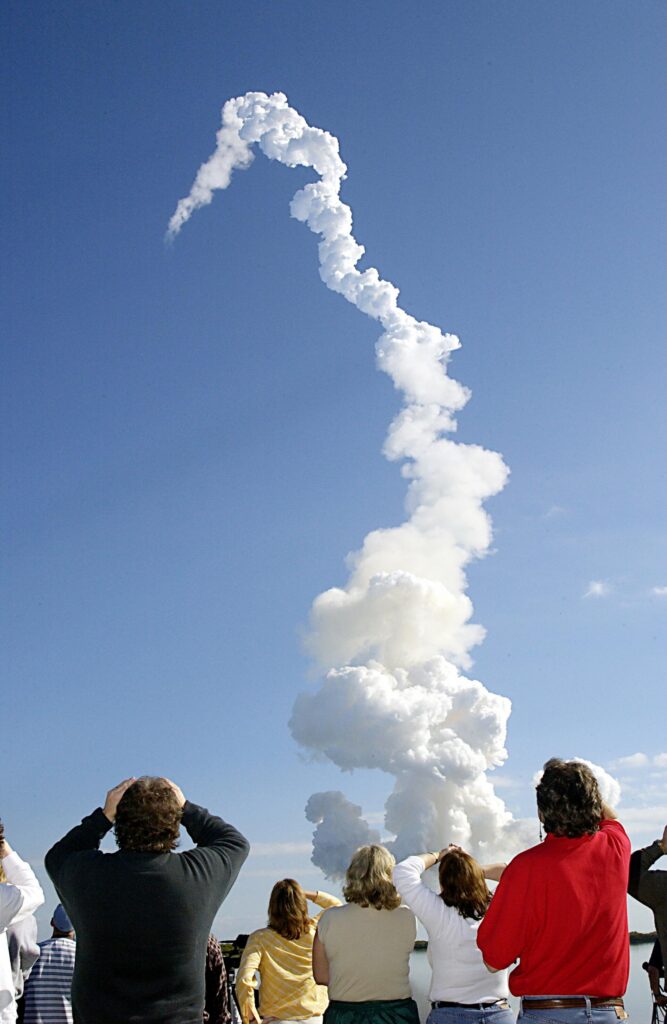
Case: Challenger, 1986
The warnings were there. They did not travel.
What happenedChallenger broke apart 73 seconds after launch. Seven crew members died.
The causeO-ring seals failed in the cold.
The silenceEngineers had warned about the cold. Their concerns never reached the final decision.
The leadership lesson
The Rogers Commission found that concerns about the seals were not passed to senior managers. The knowledge existed. The organization did not make it safe or expected for it to move up.
Case: Columbia, 2003
Seventeen years later, the same pattern.
What happenedFoam struck the wing at launch. Columbia broke apart on re-entry. Seven crew members died.
The unaskedEngineer Rodney Rocha asked for images of the wing, was turned down, and felt he could not push harder.
The findingThe accident board named NASA’s culture as a cause.
The leadership lesson
Safety does not guarantee good outcomes. It makes it far more likely that the people closest to a problem will say what they see.
The four stages of psychological safety
Safety is earned in stages.
Text version of this diagram
- Stage 1, inclusion safety: “Can I be my authentic self here?” Meets the need to connect and belong. All it asks is that you are human and harmless.
- Stage 2, learner safety: “Can I grow?” Meets the need to learn. Mistakes are treated as part of learning, not punished or hidden.
- Stage 3, contributor safety: “Can I create value?” Meets the need to make a difference. People get autonomy and guidance in exchange for effort and results.
- Stage 4, challenger safety: “Can I be candid about change?” Meets the need to make things better. Leaders give air cover in exchange for candor.
Inside each stage
What it looks like with and without safety.
When you have it
- Inclusion: you can bring your whole self, and the team knows you.
- Learner: learning is celebrated and learners are protected.
- Contributor: roles are clear and small wins are celebrated.
- Challenger: people speak up and disagree productively.
When you do not
- Inclusion: superiority and hierarchy dominate.
- Learner: mistakes are punished and hidden.
- Contributor: autonomy comes with no guidance, and people feel like benchwarmers.
- Challenger: teams fall silent and challengers are punished.
A warning for every leader
You lose talent long before people walk out the door.
You lose it the day people stop speaking up, and most leaders do not notice until it is too late.
Let’s play: seven questions
How safe is your team?
Mistakes
Is a mistake held against you?
Tough issues
Can people bring up problems?
Differences
Are people rejected for being different?
Risk
Is it safe to take a risk here?
Help
Is it hard to ask for help?
Trust
Would anyone undermine your efforts?
Strengths
Are your unique skills valued and used?
Where these come from
Paraphrased from Amy Edmondson’s team psychological safety measure (1999), shared in The Fearless Organization. Use them to start a conversation, not to grade a team. Try them in the Team Safety Check below.

How leaders create psychological safety
Leaders go first.
Admit fallibility“I may miss something. I need to hear from you.”
Ask, then listenReal curiosity, not leading questions.
Thank the messengerEspecially for bad news.
Invite challengeHealthy conflict makes better decisions.
How organizations create psychological safety
Systems make safety stick.
Normalize mistakesErrors are information for learning.
Look forward“How do we do better next time?”
Praise effortNot just results.
Open the floorTown halls where anyone can ask anything.
Stinky Fish
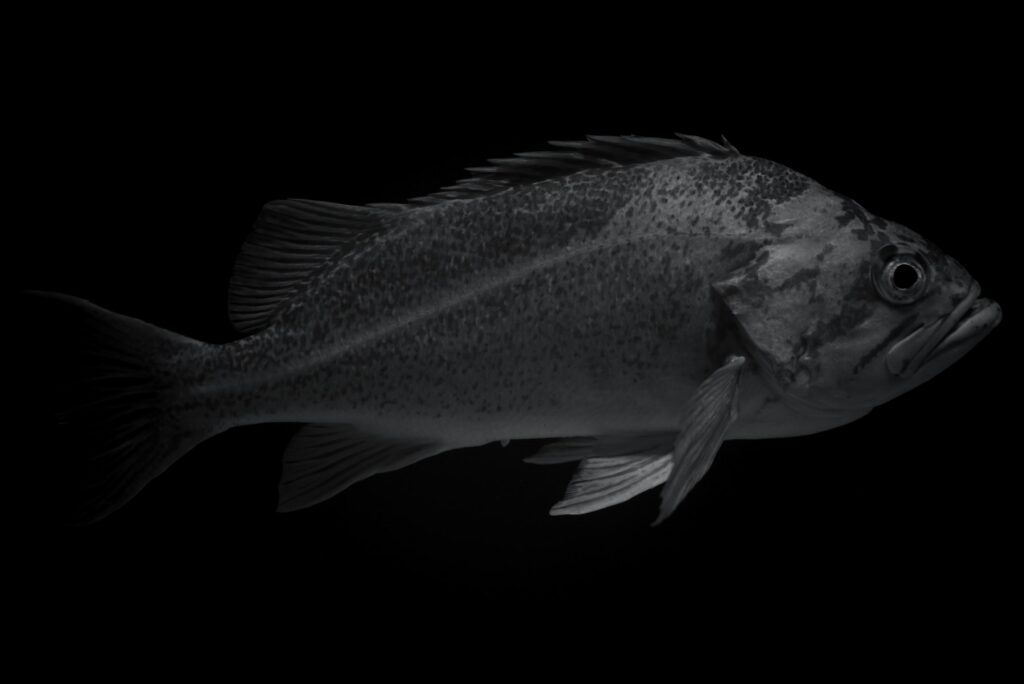
Put the stinky fish on the table.
The thing you carry around but never talk about. The longer you hide it, the worse it smells.
UncertaintiesWhat do we not know?
FearsWhat makes us anxious?
The unsaidWhat is everyone thinking but no one saying?
The pastWhat can we not get over?
How to run it
Each person writes their own stinky fish on a card, then the group shares and looks for patterns. The exercise comes from the Hyper Island toolbox.
Human-centered leadership
It all circles back to people.
Text version of this diagram
- At the center: people and psychological safety.
- Connected to it: trust, loyalty, rapport, risk taking, honesty, curiosity, growth, learning, affirmation, accountability, communication, productivity, empathy, engagement, creativity and innovation, creative alliances and vulnerability.
The workshop
Five rounds from stories to commitments.
- 1Sharing circleGroups of 5 to 6. Four rounds of 8 minutes each.
- 2Group reflectionCommon themes and surprises.
- 3Challenge WallOne challenge per sticky note.
- 4Brainstorm and prioritizeSolutions for each theme, then vote.
- 5CommitOne action each person will take.
Sharing circle prompts
- Share a time when you felt included or excluded in a group.
- What is one thing a leader or teammate did that made you feel safe to share your ideas?
- If you could improve one thing about psychological safety on your teams, what would it be?
- What is one thing you can personally do to help build psychological safety on a team?

Reflection and commitment
What will you do Monday morning?
Name one challenge to psychological safety you can address, and one specific action you will take. Write it down. Share it if you want to. Then come back in a month and ask your team how it is going.
Try it: Team Safety Check
Reflection tool
Team Safety Check
Think of one specific team. Answer seven questions, see which stage of safety needs the most work, and leave with leader moves to try this week.
- 1Answer
- 2See your stage
- 3Commit
Your team safety read
Answer the seven questions
Your stage bars and suggested leader moves appear as you answer.
Leader moves for
Your answers stay in this browser tab. Nothing is sent or saved. This is a conversation starter, not a validated survey score.
Go deeper
Watch: Amy Edmondson on teaming
In this 13-minute TED talk, Amy Edmondson, who first named psychological safety, shows how teams of strangers learn to work together fast, using the 2010 rescue of 33 trapped Chilean miners.
Back to all Executive Education topics · Next: Creativity and Innovation
Part of Executive Education from the Human Centered Lab: workshops Jules Morris, PhD and Lane Morris, PhD lead for working professionals.
Frequently asked questions
What is psychological safety at work?
Psychological safety is the shared belief on a team that it is safe to take interpersonal risks: to ask a question, admit a mistake, offer an idea or disagree, without being punished or embarrassed. The term was developed by Harvard professor Amy Edmondson.
Is psychological safety the same as being comfortable?
No. Psychological safety is not about comfort, lowering standards or avoiding conflict. A team that is too comfortable settles for the status quo. Safety makes it possible to hold high standards because people can say what is not working.
What did Google’s Project Aristotle find?
Google studied 180 of its teams and found that how a team worked together mattered more than who was on it. Of the five dynamics it identified, psychological safety was the most important, followed by dependability, structure and clarity, meaning, and impact.
What are the four stages of psychological safety?
Timothy R. Clark describes four stages: inclusion safety (can I belong?), learner safety (can I grow?), contributor safety (can I create value?) and challenger safety (can I be candid about change?). Each stage builds on the one before it.
How can a leader build psychological safety quickly?
Start by going first. Name the uncertainty in the work, admit what you might miss, ask real questions and respond to bad news with thanks. Then build habits: forward-looking debriefs, invitations to challenge decisions, and follow-through when people speak up.