The big idea
Every leader reaches a fork in the road. The defining moment is not what happened to you; it is what you choose to do next.
In 60 seconds
- Defining moments, the trigger events, people and stressors we never planned for, put every leader at a fork in the road.
- A fixed mindset pulls toward the negative fork: revenge and getting even. A growth mindset opens the positive fork: reframe, realign and rise above.
- Productive revenge © turns that energy into getting better, not getting even, and antifragility means growing because of the stress.
Do this: list three defining moments from your own life, the fork each one created, and the lesson you took from it. Start your failure resume.
How the fork in the road works

Leadership fork in the road
The defining moments of truth: the fork in the road.
A human-centered leadership approach to the moments that test and shape us.Michael Lane Morris, PhD

Defining human-centered leadership
The process of inspiring and mobilizing people to co-creatively tackle tough challenges and do things that matter.
Michael Lane Morris and Jules Morris
The Creative Alliances System
The fork tests your mindset and your character.
How this topic fits the Creative Alliances System
- Bonds: Positive Mindsets & Emotions. Growth versus fixed mindset, resilience and antifragility, reframing and reflection: the difference between the negative fork and the positive fork.
- Bonds: Character. Honesty, integrity, humility and ethical judgment shape what you do at the fork. The seven C’s and the priority filter live here.
- Change and Transitions. The trigger event is the change; how you respond is the transition.
- Tasks & Tools. Prototype new ideas (Experiment) and relax and recharge (Flourish: health and well-being) keep you ready for the next fork.
- Goals it fuels. Positive Mindsets fuel Efficacy and Expansion; Character fuels Effectiveness.
Text version of this diagram
- Bonds: Positive Mindsets and Emotions (growth versus fixed, resilience and antifragility, reframing, reflection) and Character (honesty, integrity, humility, ethical judgment).
- Tasks and Tools: the ring of Change and Transitions. The trigger is the change; how you respond is the transition. Flourish, health and well-being, keeps you ready for the next one.
- Goals: Positive Mindsets fuel Efficacy and Expansion, and Character fuels Effectiveness.
Session objectives
What to do when tough challenges come to you.
- Stay inspiredRemain inspired and mobilized to do the things that matter when tough challenges hit.
- Know yourselfAnalyze your own defining moments: disappointments, obstacles, setbacks and trials.
- Trace the changeExamine how those moments altered and redirected your life.
- Name the lessonsIdentify the leadership lessons you learned from them.

The leader’s fork in the road
Defining moments shape and test us.
Every leader’s developmental journey includes significant defining moments and tough challenges.
EventsWhat happens to us.
ExperiencesWhat we live through.
PersonalitiesThe people who challenge us.
Tensile strengthTogether they shape, mold and test our character.
Trigger events, people and stressors
Major, unplanned and unexpected.
Defining moments of truth: the tough challenges that influence or alter what comes next.
- Successes and failures
- Significant gains and losses
- Celebrations and disappointments
- Internal conflicts
- Setbacks
- Trials and tribulations
- Lucky breaks and irritations
- Obstacles and roadblocks
Defining moments: trigger examples
You have had a few of these.
A job Starting a job, or losing one.
Passed over Unfairly passed over for a promotion.
A rating “Meets expectations” when you clearly exceeded them.
A relationship Beginning or losing a significant relationship.
Life-threatening news A diagnosis or an event that changes everything.
Harsh words Being told you will never amount to anything.
Mistreatment Being harassed or bullied.
Finishing school A milestone that closes a chapter.
Paying off debt A weight lifted.

Fork in the road
A critical and decisive turning point.
For the developing leader, a defining moment creates a fork in the road: an opportunity for change, and a chance to reformulate your leadership DNA.
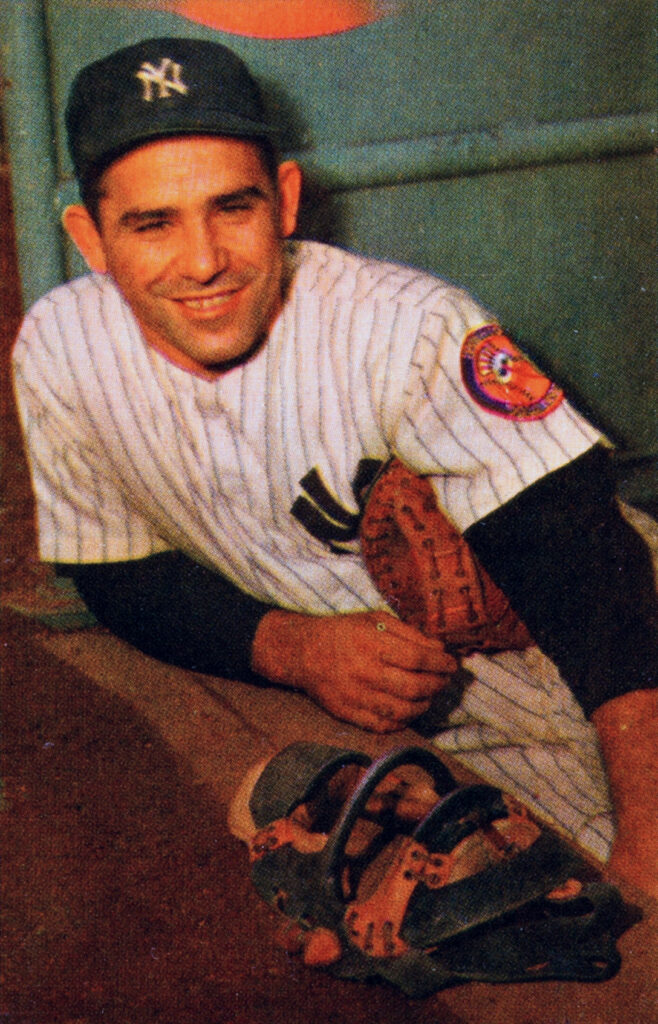
Fork-in-the-road quotes
“When you come to a fork in the road, take it.”
Yogi Berra, New York Yankees Hall of Fame catcher

Fork-in-the-road quotes
“At every fork in the road, you make a choice. And it is those decisions that shape our lives.”
“One of the most important things that I have learned in my 57 years is that life is all about choices. On every journey you take, you face choices.” Mike DeWine, then Ohio Attorney General
The leader’s two choices
How you react matters.
Text version of this diagram
- A defining moment (a trigger event, person or stressor) brings the leader to a fork.
- The negative fork comes from a fixed mindset: revenge, payback and getting even, and possibility and potential narrow.
- The positive fork comes from a growth mindset: reframe, realign and rise above, toward something bigger and better.
Mindsets matter
“What we believe about ourselves influences our ability to get what we want out of life.”
Entity theory: a fixed mindset (the negative fork)
- “To be honest, you can’t really change how intelligent you are.”
- “People are born with a fixed amount of empathy, and a person can’t do much to change it.”
Incremental theory: a growth mindset (the positive fork)
- “You can considerably change your basic intelligence level.”
- “People can always change how much empathy they generally feel toward others.”
Carol Dweck, implicit theories of intelligence and empathy.

Fork 1: the negative fork
The fixed approach leads to dead ends.
A fixed mindset leads to the desire to take dead-end actions that are ultimately destructive or unproductive, for yourself and others.
RevengeSeek vengeance and get even.
PaybackRetaliate and settle the score.
Correct the injusticeOn your own terms.
Lost confidenceAnd lost self-esteem.
The negative fork, continued
Natural feelings, dangerous fuel.
Because of the trigger event, people or stressor, it is natural for the developing leader to feel these. Left unchecked, they heat up, from hurt all the way to bitterness.
Left unchecked
- Hurt
- Disappointment
- Frustration
- Betrayal
- Anger
- Hostility
- Bitterness
Natural
The negative fork, unchecked
Bitterness narrows what is possible.
If left unchecked, unchanged or not redirected, these emotions produce negative outcomes. Some offended, bitter leaders never fully recover, and their possibility and potential are narrowed, minimized or stunted.

Fork 2: the positive fork
The growth approach looks inside.
Look insideThe developing leader looks inside themselves.
ReframeThey reframe and realign their mindset.
Use the momentThe trigger becomes an opportunity to do something better: more positive, more productive, more growth.
The positive fork, continued
Redirect the feelings toward results.
Rather than trying to get even, positive leaders redirect anger, hostility, injustice and bitterness, and climb toward results that are bigger and better.
Where it can take you
- Learning
- Growth
- Better
- Bigger
- Prosper
- Rise above
Redirected energy
Defining moments as fuel
The moment becomes the catalyst.
A mindset shift inspires, motivates and challenges the leader to reach a higher-ordered goal, like being a better person. Play the infinite game, not the finite one.
The positive fork, continued
A healthier form of revenge.
In essence, the leader pursues a healthier, more positive form of revenge.
Revenge: the dark side
- A maladaptive response
- Pursued through unproductive means
Productive revenge ©: the light side
- A bona-adaptive, transformative coping response
- Pursued through productive means

Productive revenge: the light side of revenge
Productive Revenge ©
Michael Lane Morris, Joyce T. Heames and Joshua Ray
Introducing productive revenge ©
Get better, not even.
An antifragile coping response. Like a bowl mended with gold, the break becomes part of the strength.
Focus on youNot on them.
Energizing fuelTo get better, not get even.
Fail your way to successA positive catalyst for change, growth and discovery.
Reframing actionsReinvention, redirection, renewal, restoration, regeneration.
Revenge vs. productive revenge
Two very different energies.
- Other-focusedProductive revenge: You-focused
- A retributive act, driven by emotion, to return pain and settle the scoreProductive revenge: An intentional, cognitive effort to benefit from shock or volatility
- Wrongdoing that warrants a punitive responseProductive revenge: Acknowledges injustice, but I have choices
- Negative energy: a vampireProductive revenge: Positive energy: a giver, a radiator
- Past-focused: stuckProductive revenge: Future-focused: I can and will build my way out

Productive revenge: antifragility
Thrive because of the stress.
An antifragility mindset increases your ability to thrive and flourish as a result of stressors, shocks, disappointments, faults and failures. It is much more than resilience, or bouncing back.
The term antifragile comes from Nassim Nicholas Taleb, Antifragile (2012).
Growing and learning
Resilience bounces back. Antifragility bounces forward.
Text version of this diagram
- After a shock, the fragile break.
- The resilient withstand the shock, bounce back and return to the status quo.
- The antifragile benefit from the stress and volatility, and grow beyond where they started.
Resilience vs. antifragility
Survive the storm, or grow from it.
Resilience
- Withstands shocks
- Bounces back
- Returns to the status quo
- Adapts to maintain stability
- Goals: survival and recovery
- Example: a business survives a recession by cutting costs
Antifragility
- Benefits from chaos, disorder, stress and volatility
- Bounces forward
- Improves and gets better when challenges hit
- Goals: growth and evolution
- Example: a business innovates and gains market share during a crisis
The challenges of the fork
Seven C’s at every fork.
- CuriosityHow might this be better?
- CatalystLet energy follow your passion.
- CrucibleYou can stand the heat.
- CourageThis is not going to be easy.
- CharacterWhat are you made of?
- ChoiceYou decide.
- ChangeThe status quo is over.
Fork-in-the-Road exercise ©
A lesson in failing your way to success.
Bessemer Venture Partners (BVP)
The anti-portfolio.
One of the oldest venture capital firms in the United States keeps a public list of the famous companies it passed on, and what it learned.
BVP front-line failure examples
The deals they passed on (1).
Airbnb
Met in January 2010, the first $100K revenue month. The $40M valuation seemed crazy. By April, Airbnb raised at 1.5 times that price.
Verdict: no way.Apple
Offered pre-IPO stock at a $60M valuation, which a partner called outrageously expensive.
Verdict: too pricey.eBay
“Stamps? Coins? Comic books? You’ve got to be kidding.” A no-brainer pass.
Verdict: nope.Facebook
“Kid, haven’t you heard of Friendster? Move on. It’s over!” (2004)
Verdict: hard pass.
BVP front-line failure examples
The deals they passed on (2).
FedEx
BVP passed on Federal Express seven times.
Verdict: nope ×7.Google
A friend rented her garage to Sergey and Larry. The partner asked how to leave the house without going near the garage.
Verdict: stay away.Lotus and Compaq
Offered both on the same day. “No real future in transportable computers.”
Verdict: no future.PayPal
Rookie team and a regulatory nightmare. Four years later, a $1.5 billion acquisition by eBay.
Verdict: too risky.Kayak
A fatal flaw: airlines would not pay. Hotels did, and Priceline bought Kayak for $1.8 billion.
Verdict: fatal flaw.
Your traditional resume vs. your failure resume
Write the resume nobody asks for.
Your traditional resume
- A showcase of your professional history
- Shows off your knowledge, skills and abilities
- Positive action verbs
- A picture of your best self
Your failure resume
- Starts with a defining moment, the fork and a new antifragile mindset
- Where change and growth begin
- Embarrassment becomes enlightenment
- Fail your way to meaningful success
- The message: you are good enough
A failure resume: why?
Your failures hold your best lessons.
- Your difficult challengesIdentify them.
- Proof of overcomingExamples you can draw on.
- How to learn and adaptTo do the things that really matter.
- FuelFor productive revenge and antifragility.

Living examples: productive revenge ©
Candy Lightner: grief into a movement.
In 1980, Candy Lightner’s 13-year-old daughter, Cari, was killed by a hit-and-run drunk driver who had been arrested for drunk driving before. Sitting in her daughter’s room, she decided to do something about it.
The forkGrief, and a system that shrugged at drunk driving.
The responseShe founded Mothers Against Drunk Driving (MADD).

Living examples: productive revenge ©
John and Revé Walsh: loss into protection.
In 1981, their six-year-old son, Adam, was abducted from a Florida department store and murdered. The Walshes turned their loss into advocacy for missing children and victims’ rights.
The centerHelped found the National Center for Missing and Exploited Children.
The lawsThe Missing Children Act of 1982, the Missing Children’s Assistance Act of 1984, and the Adam Walsh Child Protection and Safety Act of 2006.
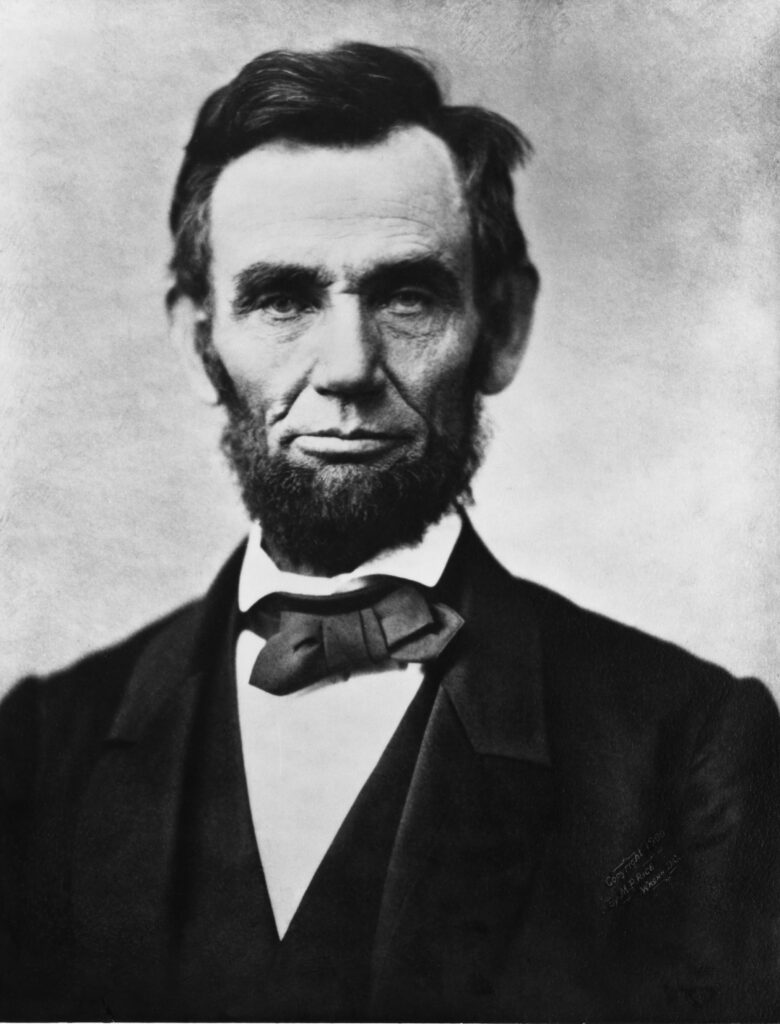
Living examples: productive revenge ©
Told no. Did it anyway.
Abraham LincolnCalled lazy as a child and failed as a store owner. He became the 16th President of the United States.
Frank GordyDropped out of Georgia Tech after a professor told him to go open a hot dog stand. He founded The Varsity, the world’s largest drive-in.
Fred SmithReportedly earned a C at Yale on a paper outlining an overnight delivery service. He founded FedEx.
The choice is yours!
Convert defining moments into five kinds of moments.
A defining moment
- Lifting momentsElevation.
- Learning momentsDiscovery and insight.
- Laudable momentsCelebration and pride.
- Loyalty momentsSharing meaningful connections.
- Liberation momentsUnleashing freedom.

Relax and recharge your batteries
Down-time is productive.
Make timeSchedule time and reflection for yourself.
Get on the balconyStep back and see your life from above.
Watch your habitsMonitor your personal habits and lifestyle.
Take a real vacationRest fuels innovation and creativity.
Know the limitPast about 55 hours a week, extra hours add little or nothing.
John Pencavel, “The Productivity of Working Hours,” The Economic Journal (2015).
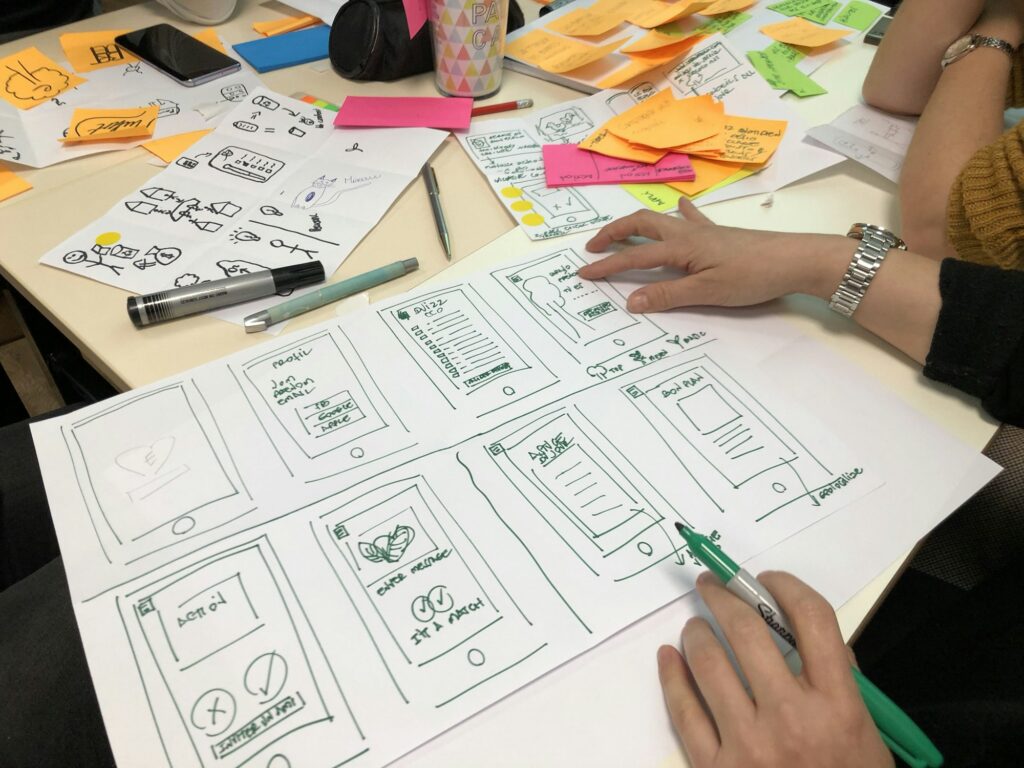
Prototype new ideas
Small things, huge improvements.
Rethink solutionsSolutions are sometimes the problem.
Start smallSmall things can improve things in huge ways.
Many pathsDifferent strokes for different folks.
Bias toward actionGet moving, and embrace failure as your path to success.
AbundanceAn abundance mindset multiplies; scarcity divides.
Priority-driven decision filter
Decide by what matters most.
Priorities provide focus and direction. Run every pressure point past the same four checkpoints.
A choice
- PeopleThe ties that bind us.
- PurposeSomething bigger than yourself.
- PassionsValuable to other people too.
- PrinciplesThe promises we keep.
Decide

Build a network of support
You are not alone, so don’t go it alone.
Relationships matter. Period.
Allies are assetsCheck in often.
Three kinds of supportEmotional, informational and instrumental.
Role modelsWho are your work and life role models and mentors?
Think beyond youBuild a shared vision.
Go deeper
Back to all Executive Education topics · Related: High Performance Teams
Part of Executive Education from the Human Centered Lab: workshops Jules Morris, PhD and Lane Morris, PhD lead for working professionals.
Frequently asked questions
What is a fork in the road in leadership?
A fork in the road is a defining moment, an unplanned trigger event, person or stressor, that forces a leader to choose how to respond. The negative fork leads toward revenge and bitterness; the positive fork leads toward reframing, growth and better results.
What is productive revenge?
Productive revenge, a concept developed by Michael Lane Morris, Joyce T. Heames and Joshua Ray, is a bona-adaptive, transformative coping response. Instead of getting even, the person uses the hurt as fuel to get better: focusing on themselves, reframing the setback and building their way forward.
What is the difference between resilience and antifragility?
Resilience means withstanding a shock and bouncing back to where you were. Antifragility, a term from Nassim Nicholas Taleb, means benefiting from stress and volatility and bouncing forward, ending up stronger and more capable than before.
What is a failure resume?
A failure resume lists your setbacks, rejections and failures, and what each one taught you. It turns embarrassment into enlightenment and gives you real examples of overcoming that you can draw on when the next tough challenge comes.