The big idea
Great teams are built on purpose: clear goals, real trust and leaders who design the conditions for people to do their best work together.
In 60 seconds
- Every team moves through forming, storming, norming and performing. The storm is normal; leaders help the team through it.
- The research agrees: how a team works together matters more than who is on it, and trust and psychological safety come first.
- LaFasto and Larson’s five dynamics run from the team member to relationships, problem solving, the leader and the organization.
Do this: pick one team you lead or belong to, name the stage it is in, and choose one condition (goal, role, process or relationship) to strengthen this month.
How high performance teams work

High performance teams
When teams work best.
A human-centered leadership approach to building teams that think, decide and deliver together.Michael Lane Morris, PhD
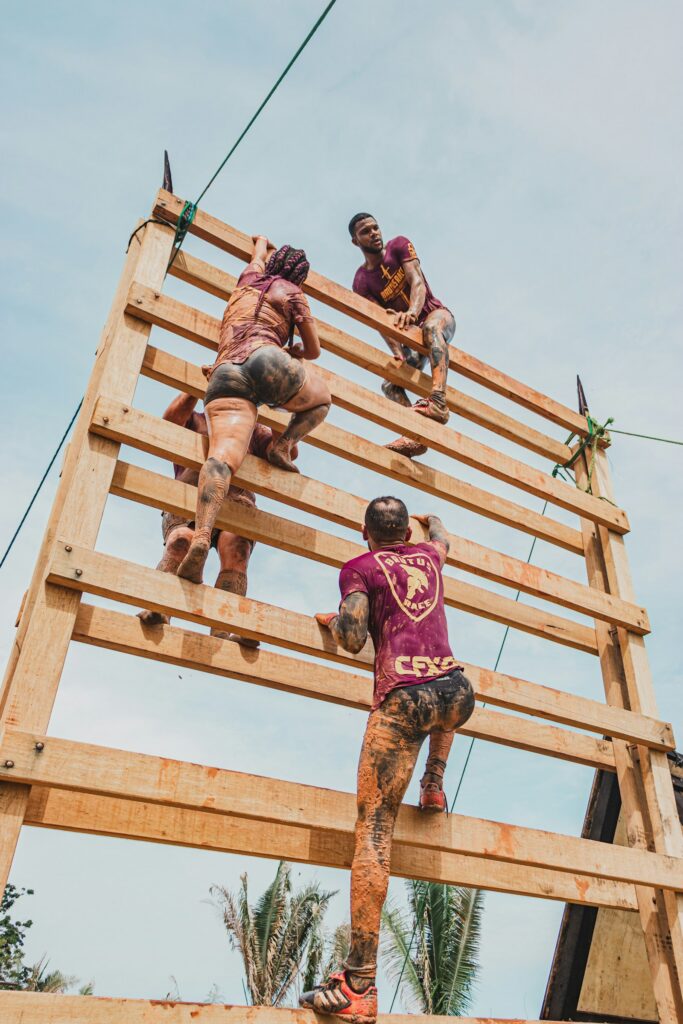
Defining human-centered leadership
The process of inspiring and mobilizing people to co-creatively tackle tough challenges and do things that matter.
Michael Lane Morris and Jules Morris
The Creative Alliances System
High performance teams are collaborative partnerships.
How this topic fits the Creative Alliances System
- Bonds: Collaborative Partnerships. Realistic expectations, shared responsibility, goal and task agreement, healthy boundaries and mutual respect: what turns a group into a team.
- Bonds: Creative Climate. Trust, psychological safety, rapport and transparency are the conditions Lencioni, Edmondson and Google’s Project Aristotle all point to.
- Tasks & Tools: Co-Creation. Creating together as equal partners, drawing on diverse perspectives from beginning to end.
- Communication, the bridge. Team conversations carry trust, ideas and feedback across every stage of team development.
- Goals it fuels. Collaborative Partnerships fuel Efficiency; Creative Climate fuels Engagement and Experience.
Text version of this diagram
- Bonds: this session lives in Collaborative Partnerships (realistic expectations, shared responsibility, mutual feedback, results orientation, goal and task agreement, healthy boundaries, mutual respect and autonomy). It leans on Creative Climate, where trust and psychological safety live.
- Tasks and Tools: co-creation, working as equal partners from beginning to end, is what great teams do together.
- Communication carries trust, ideas and feedback across the team.
- Goals: Collaborative Partnerships fuel Efficiency, doing things right with less wasted time, money and energy, all turning around Excellence.

Human-centered leadership’s primary aim
Flourishing people and teams drive flourishing organizations.
Fully functional people, working in fully functional teams, build fully functional organizations.
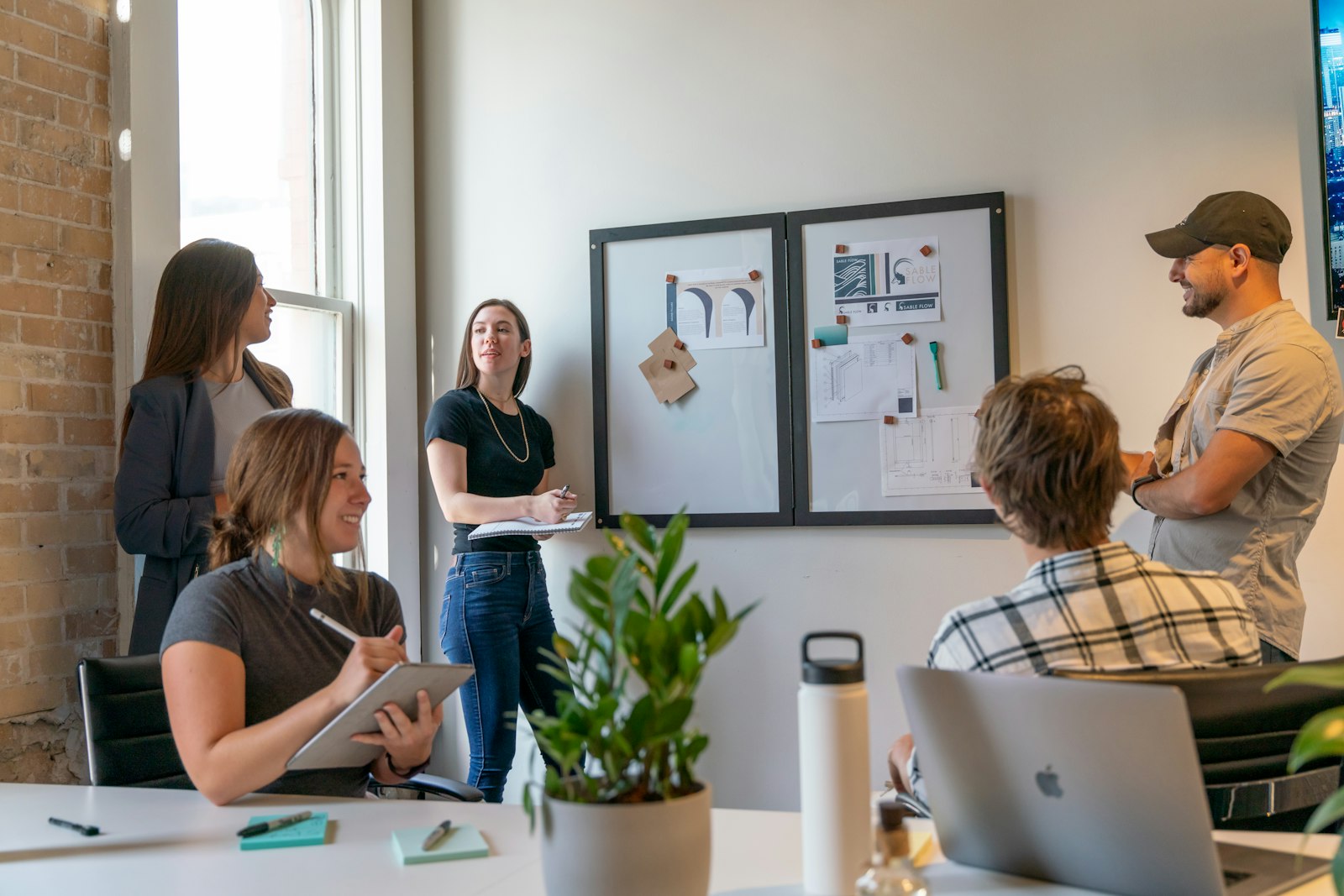
Collaboration: a key mindset of human-centered leadership
All of us are smarter than any single one of us.
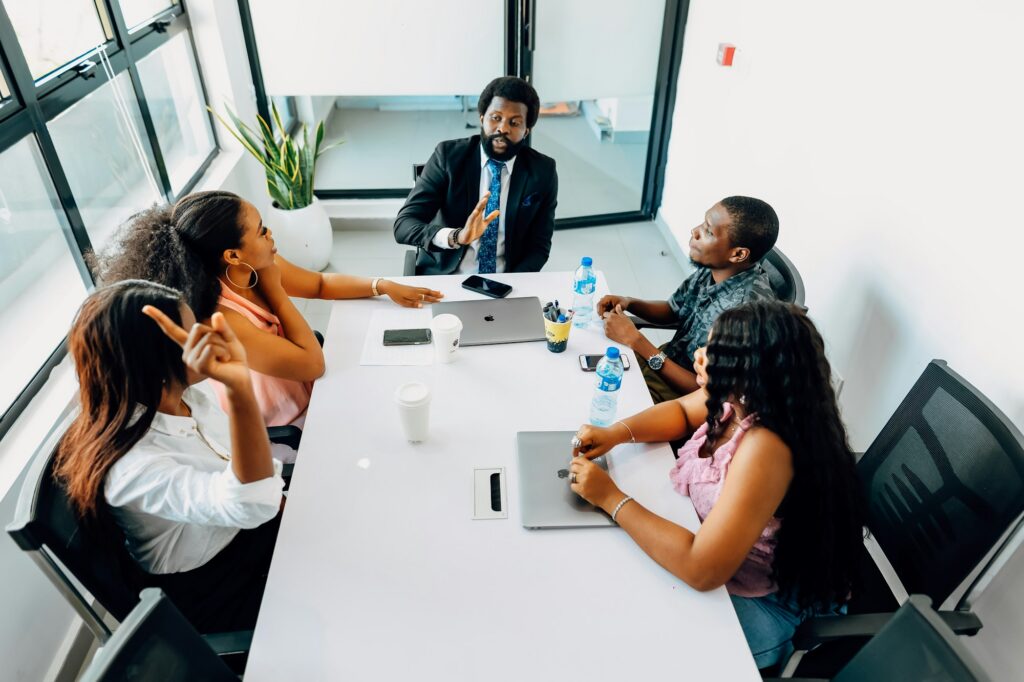
A team is…
More than a group of people.
A small number of peopleWith complementary skill sets.
A common purposeAnd clearly defined goals and performance objectives.
Productive normsA shared working approach.
Shared accountabilityCommitted to accomplishing something together.
Teams develop in stages
Every team goes through the storm.
Read more: Conflict Is Not Always a Bad Thing (opens in a new tab)
Text version of this diagram
- Forming: polite, unsure, looking to the leader for direction.
- Storming: conflict over roles, goals and power. Performance often dips.
- Norming: the team agrees on how it will work together.
- Performing: trust, flow and shared leadership. Performance peaks.
- Adjourning: the team wraps up, celebrates and lets go.
Meanwhile, on the farm
Storming is a stage, not a verdict.
Text version of this diagram
- Panel 1: the horned goat and the KuneKune pig argue over the sticky notes: my idea! No, mine!
- Panel 2: the silkie hen wonders, is this team broken?
- Panel 3: the Highland coo puts an arm around her: nope, we’re storming, it’s a stage. Behind them, the goat and pig shake hands.
Reasons teams fail
Why good people end up on bad teams.
- Evaluation and reward systemsRewarding individuals while asking for teamwork.
- Hostile attitudesDistrust and conflict nobody addresses.
- Insufficient trainingNot enough training and development.
- Talent vs. taskMembers’ capabilities do not match what the task requires.
- Technical challengesProblems with known answers that still get mishandled.
- Adaptive challengesProblems that require people to learn and change, treated as if they were technical.
8 characteristics of great teams
What the best teams have in common.
- Clear, elevating goalsEveryone knows what matters and why.
- Results-driven structureRoles and processes built for the outcome.
- Competent membersThe right skills and the right attitudes.
- Unified commitmentTeam first.
- Collaborative climateTrust and open communication.
- Standards of excellenceHigh expectations, held together.
- External support and recognitionThe organization backs the team.
- Principled leadershipLeaders who unlock the team’s talent.
Larson and LaFasto, TeamWork: What Must Go Right, What Can Go Wrong (1989).
Examples of high performance team models
Five models, one question: what makes teams work?
Text version of this diagram
- GRPR (1972), Richard Beckhard: goals, roles, processes and relationships.
- Team Basics (1993), Jon Katzenbach and Douglas Smith: the triangle of commitment, skills and accountability.
- T7 (1995), Michael Lombardo and Robert Eichinger: five internal and two external factors.
- Conditions of effectiveness (2002), J. Richard Hackman: five conditions leaders design.
- Five Dysfunctions (2002), Patrick Lencioni: a pyramid built on trust.
The T7 model of team effectiveness
Seven factors, inside and out.
Text version of this diagram
- Five internal factors: thrust (a common purpose), trust (in each other), talent (collective skills), teaming skills (operating efficiently) and task skills (getting it done).
- Two external factors: team leader fit and team support from the organization.
The goals, roles, processes and relationships model
Fix it from the top down.
Text version of this diagram
- Goals: where are we going, and why?
- Roles: who does what?
- Processes: how do we work and decide?
- Interpersonal relationships: how do we treat each other?
- Many relationship problems start with unclear goals or roles, so work from the top down.
The Team Basics model
Real teams deliver three things.
Text version of this diagram
- The three outcomes: performance results, collective work products and personal growth.
- Three foundations: skills (technical or functional, problem solving and interpersonal), accountability (mutual and individual) and commitment (specific goals, a common approach and a meaningful purpose).
- At the center: a small number of people.
Conditions of team effectiveness
Leaders design the conditions.
Text version of this diagram
- A real team: clear boundaries, stable membership and interdependent work.
- A compelling direction: a challenging, clear and consequential purpose.
- An enabling structure: the right size and mix, well-designed tasks and clear norms.
- A supportive organizational context: rewards, information and training that back the team.
- Expert coaching at the right moments.
- The result: output that satisfies the people who receive it, a team that grows more capable, and members who learn and grow.
The five dysfunctions of a team
It all starts with trust.
Text version of this diagram
- 1, absence of trust: people protect themselves and will not be vulnerable.
- 2, fear of conflict: artificial harmony replaces honest debate.
- 3, lack of commitment: without debate, buy-in is half-hearted.
- 4, avoidance of accountability: people do not call each other on low standards.
- 5, inattention to results: status and ego come before the team’s results.
- Colors show where each dysfunction lives in the Creative Alliances System: trust in Creative Climate (purple); conflict, commitment and accountability in Collaborative Partnerships (blue); results in Effectiveness, one of the goals (red-orange).
Project Aristotle (Google)
What makes a Google team effective?
- 2years
- 180Google teams
- 200+interviews
- 250+team attributes
DependabilityCan we count on each other to do quality work on time?
Structure and clarityAre goals, roles and plans clear?
MeaningIs the work personally important to each of us?
ImpactDo we believe our work makes a difference?
Bonds: Creative Climate
Source: Google re:Work, Understand team effectiveness. Purple marks the foundation: psychological safety lives in Creative Climate in the Creative Alliances System.
Read more: What Is Psychological Safety? (opens in a new tab)
Meanwhile, on the farm
Silence isn’t agreement.
Text version of this diagram
- Panel 1: the Highland coo boss opens his arms: any questions?
- Panel 2: the Pekin duck, the chestnut horse and the Polish hen sit silent, thinking: will this work? Who decided this?
- Panel 3: he gives a thumbs up: great, everyone’s on board.
Project Aristotle: the pieces that did not matter
Who is on the team matters less than how they work together.
These factors did not matter:
Co-locationConsensusExtroversionIndividual performanceWorkload sizeTeam sizeTenure
None of these predicted team effectiveness. How the team worked together did.
Source: Google re:Work, Project Aristotle.

What is teaming?
Teaming is a way of working.
“Teaming is a way of working that combines how we relate to one another, how we listen, and what we are listening for, the coordination of our actions, and how we share decision-making.” Amy Edmondson
Not a fixed teamA dynamic process of working together in a flexible team to solve problems and find opportunities.
When structures shiftUsed where stable teams are not possible: hospitals, power plants, military installations.
Any industryAn important skill for organizational effectiveness anywhere.
Amy C. Edmondson, Teaming (2012), p. 13.

Teaming in action
Strangers who must perform together, now.
In an operating room, people who may never have worked together have minutes to coordinate. Teaming is the skill that makes that possible.
Speak upAsk, share and raise concerns early.
CoordinateMake actions visible and hand off cleanly.
ReflectLearn quickly from what just happened.
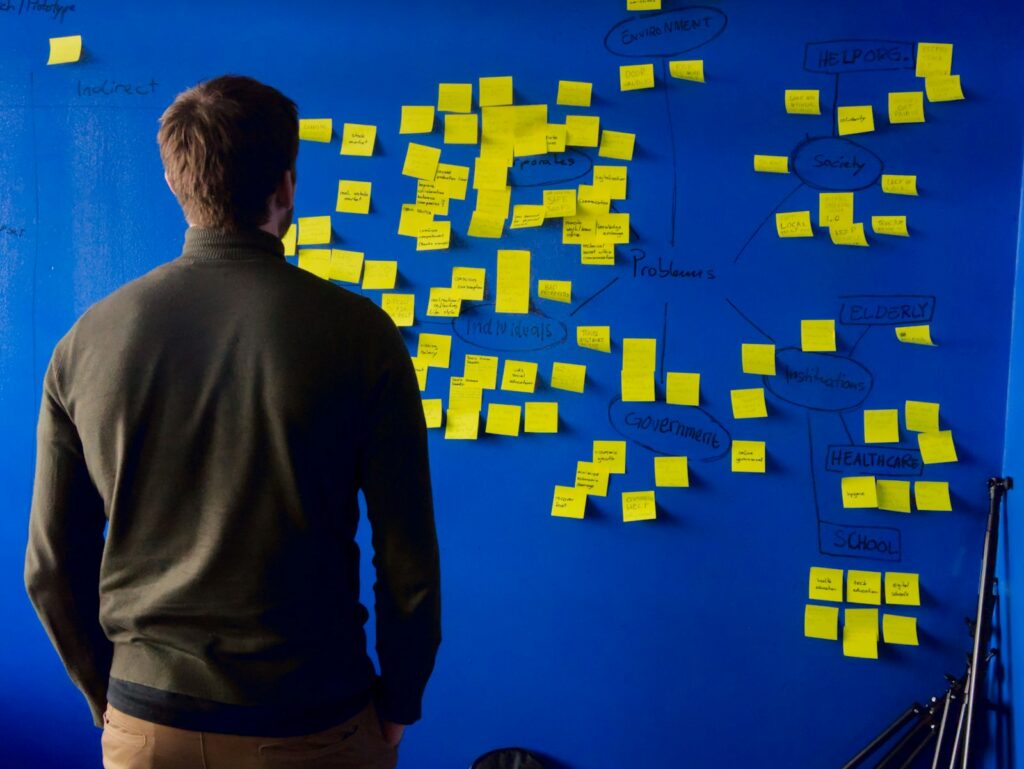
Co-design: what is it?
To understand co-design, first understand design.
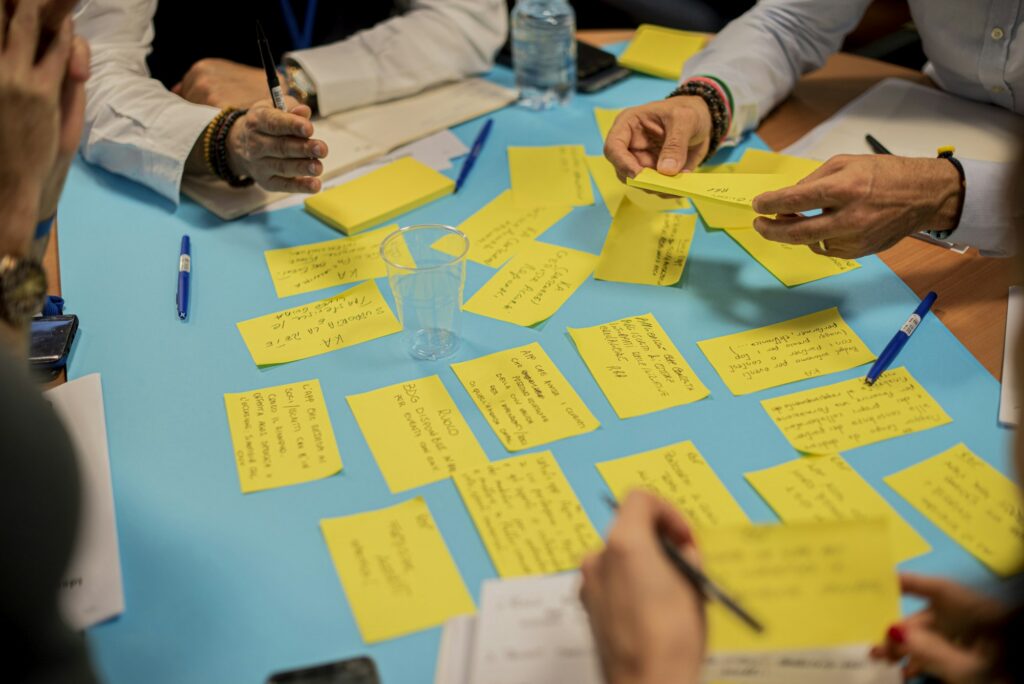
Design means understanding, interpreting and addressing a challenge in our present reality by creating things (spaces, products, services, systems, strategies, policies) that could make a better future reality. It frames problems and develops solutions at the same time.
Co-design: what is it?
The “co-” is the point.
The prefix signals the collaborative, cooperative, collective or connective nature of the work.
TogetherPeople come together to create things that respond to shared concerns and build a better future.
Because of differencesThey come despite, or because of, different agendas, needs, knowledge and skills.
Not only designersParticipants may not be trained designers at all.
Users as expertsIt engages the expertise of the people who use the products and services.
When Teams Work Best, Frank LaFasto and Carl Larson
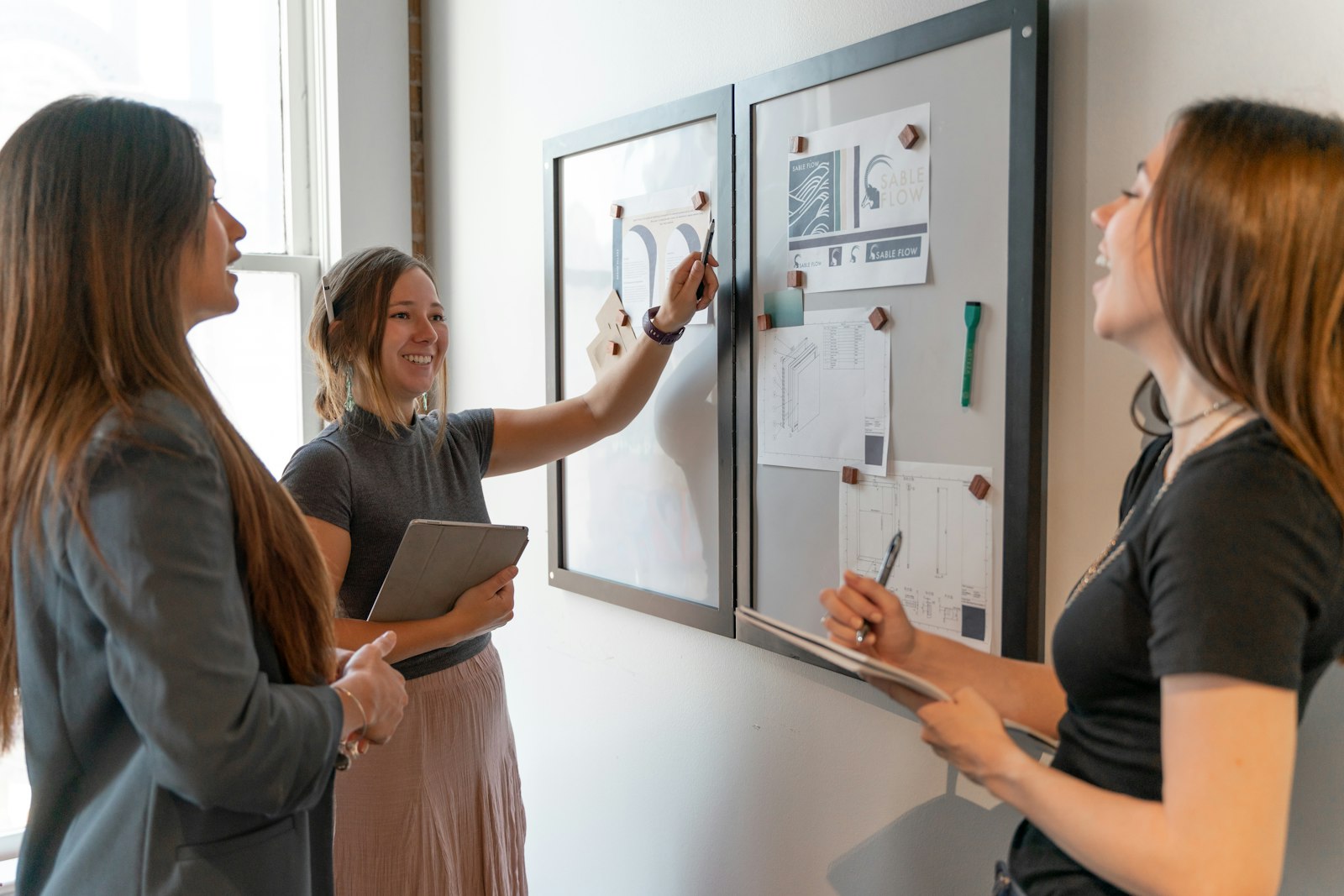
“People with different views and perspectives coming together, putting aside their narrow self-interests, and discussing issues openly and supportively in an attempt to solve a larger problem or achieve a broader goal.”
LaFasto and Larson’s definition of collaboration, from the prologue.
The research behind the book
6,000 team members. 600 teams.
Increased collaboration
Work is more collaborative than ever.
Complexity
Problems are too complex for any one person.
Changes in social behavior
How people work together keeps shifting.
Mixed effectiveness
Teams do not automatically work.
Good for people
Effective teams are good for people and good for the bottom line.
The five dynamics model
Five dynamics, from the person to the organization.
- Chapter 1The team memberKnowledge and teamwork qualities
- Chapter 2RelationshipsGiving and receiving feedback
- Chapter 3Problem solvingFocus, climate, communication
- Chapter 4The team leaderSix dimensions
- Chapter 5The organizationPractices, structure, systems
Frank LaFasto and Carl Larson, When Teams Work Best (2001). Each step widens the view: from one person to the whole organization.
Chapter 1: what makes a good team member?
Two things to look for.
Working knowledge
- Experience
- Problem-solving ability
- Core competencies for the work
Teamwork qualities
- Openness
- Supportiveness
- Action orientation
- A positive personal style
Chapter 2: team relationships
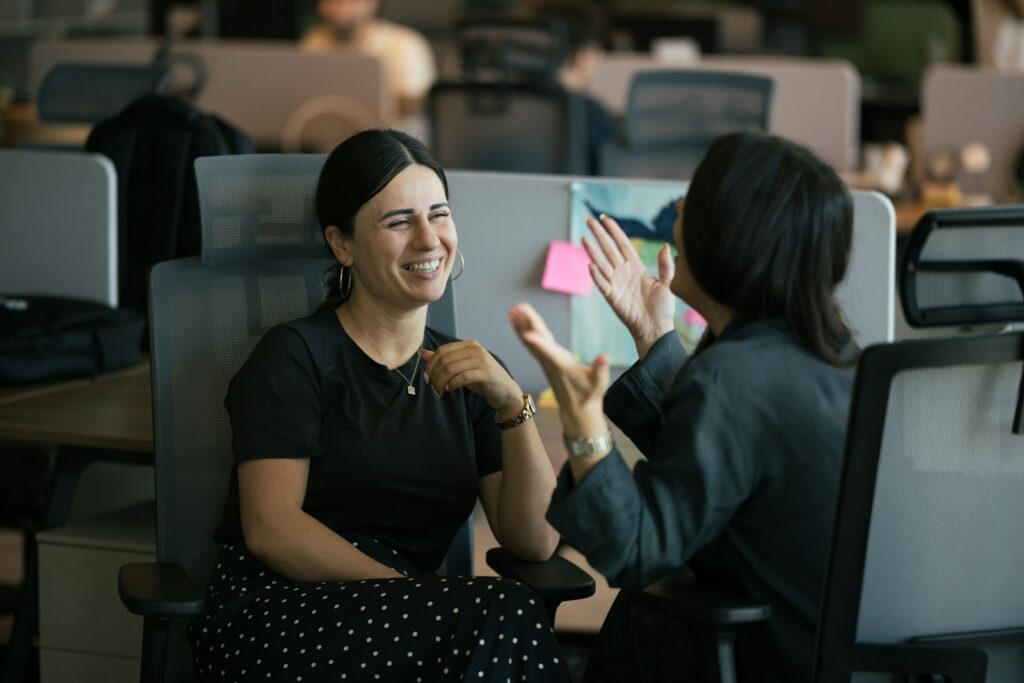
Feedback is the constant challenge.
Consistent challengesGiving feedback, and receiving it.
Effective teamsCome together, identify opportunities, share information, solve problems and build collaborative capacity.
The CONNECT process model
Seven steps to repair a working relationship.
- CCommitto the relationship
- OOptimize safetymake it safe to talk
- NNarrowto one issue
- NNeutralizedefensiveness
- EExplain and echoeach perspective
- CChangeone behavior each
- TTrack itfollow up
Bonds: Collaborative Partnerships, where mutual feedback and repair live
LaFasto and Larson, When Teams Work Best, p. 59.
Chapter 3: team problem solving
Three factors drive effective problem solving.
FocusFocused efforts toward the goal
ClimateA productive climate where people can think out loud
CommunicationClear, open and honest
Effective problem solvingAsk: what is the goal, what energy will it take, and what drains it?
Frank LaFasto and Carl Larson, When Teams Work Best (2001).
Five steps to effective problem solving
Narrow it down to the one question that matters.
Text version of this diagram
- Identify the problem: get the problem right first.
- Set up collaboration: create a collaborative setting.
- Analyze the issues: identify and analyze them.
- Generate options: identify possible solutions and alternatives.
- Resolve the single question: among the possible solutions, which is most desirable?

Chapter 4: the team leader
Six dimensions of collaborative leadership.
1. Focus on the goal
2. Ensure a collaborative climate
3. Build confidence
4. Demonstrate sufficient technical know-how
5. Set priorities
6. Manage performance
The team leader, dimensions 1 to 3
Keep the goal alive and the climate safe.
The collaborative team leader
The team leader, dimensions 4 to 6
Know your stuff, set priorities, expect results.
| Dimension | What it looks like |
|---|---|
| Demonstrate know-how | Know your stuff, and ask for help when you need it. |
| Set priorities | Decide what must happen and what must not. Adjust priorities as things change. |
| Manage performance | Expect results and be clear. Monitor and review results together. |
The Collaborative Team Leader survey appears in When Teams Work Best, pp. 151–154.
Chapter 5: the organizational environment
The system shapes the team.
SystemsReliable information, standards of excellence and relevant rewards
Structure and processesEffective decision-making, people kept connected, aligned communication
Management practicesClear direction and priorities, balanced resources and demands, transparency
The teamShaped by all three, every day.
Frank LaFasto and Carl Larson, When Teams Work Best (2001), chapter 5.
The Marshmallow Challenge
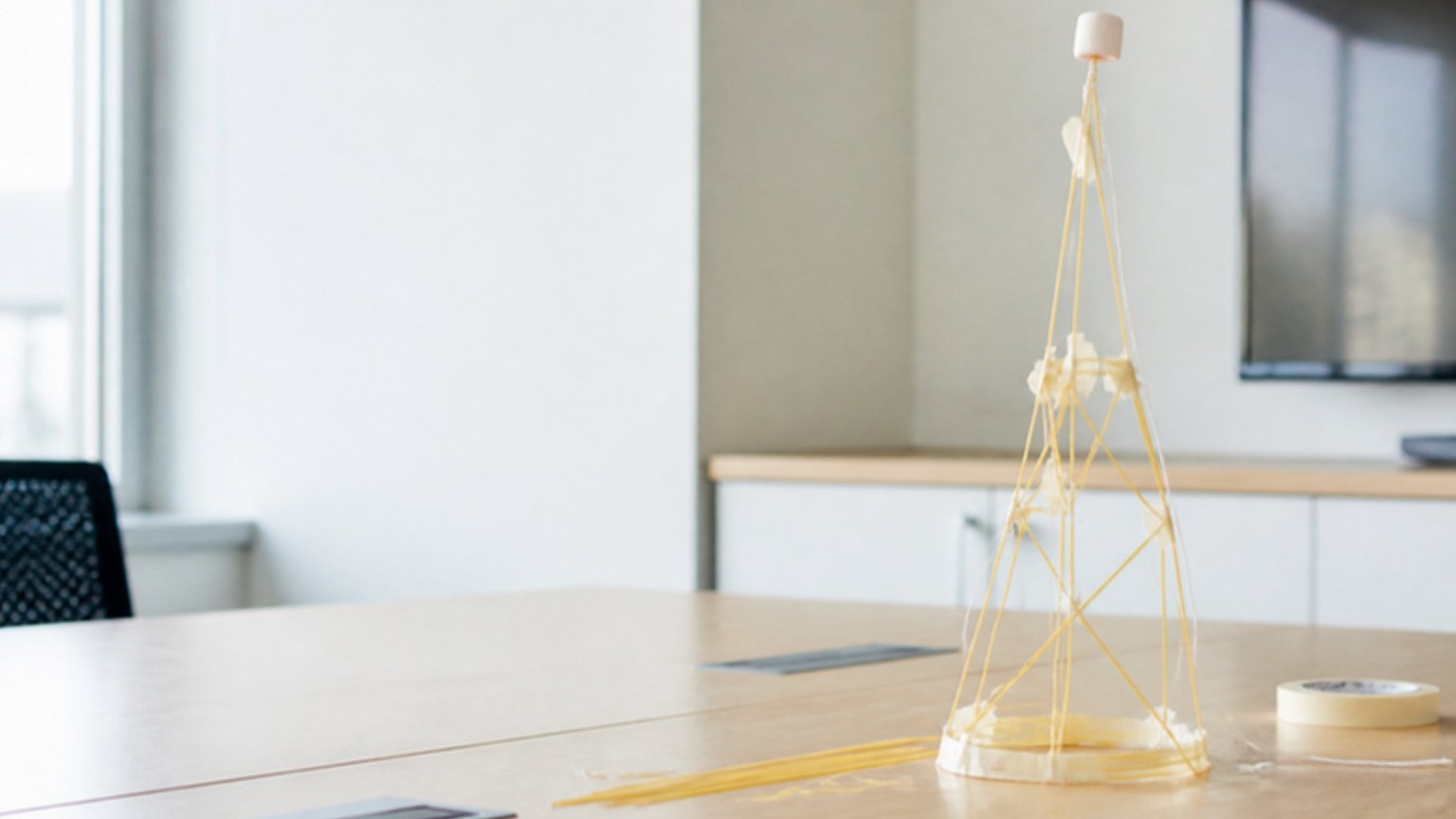
Build the tallest tower you can.
In 18 minutes, teams of four to five build the tallest free-standing structure they can. The marshmallow must sit on top.
20sticks of spaghetti
1 yardof tape
1 yardof string
1marshmallow
Build a tower, build a team
What the Marshmallow Challenge teaches about teams.
Tom Wujec’s TED talk shares what thousands of teams revealed: why kindergartners often beat business school students, and why prototyping beats planning.
Try it: Team Dynamics Check
Self-check · High performance teams
Team Dynamics Check
Think about one team you lead or belong to. Rate how often each statement is true. See your team’s strongest and weakest dynamic, and one move to try this month.
- 1Rate
- 2See
- 3Practice
Psychological safetycan we take risks without feeling insecure or embarrassed?
People can admit a mistake without it being held against them.
Anyone can raise a problem or a tough issue.
It is safe to take a risk on this team.
Dependabilitycan we count on each other?
Team members finish quality work on time.
When someone says they will do something, they do it.
Structure and clarityare goals, roles and plans clear?
Everyone knows what is expected of them.
Our goals and plans are clear and written down.
Meaningis the work personally important to us?
The work we do matters to each of us personally.
People find a sense of purpose in their part of the work.
Impactdo we believe the work makes a difference?
We can see how our work helps the organization reach its goals.
We believe the work we do makes a difference.
Your team’s dynamics
Your result builds as you rate.
This is a reflection exercise, not a validated assessment. It draws on the five dynamics from Google’s Project Aristotle (re:Work). Your answers stay in this browser tab. Nothing is sent or saved.
Watch: build a tower, build a team
In this TED talk, Tom Wujec shares what the Marshmallow Challenge reveals about collaboration, prototyping and the value of a good facilitator.
Go deeper
Back to all Executive Education topics · Related: Performance Communication
Part of Executive Education from the Human Centered Lab: workshops Jules Morris, PhD and Lane Morris, PhD lead for working professionals.
Frequently asked questions
What are the five stages of team development?
Bruce Tuckman described forming, storming, norming and performing in 1965, and added adjourning with Mary Ann Jensen in 1977. Teams start polite and unsure, move through conflict over roles and goals, agree on how to work, perform with trust and flow, and finally wrap up.
What did Google’s Project Aristotle find about teams?
Google studied 180 of its teams and found that how a team works together matters more than who is on it. Five dynamics stood out: psychological safety, dependability, structure and clarity, meaning, and impact, with psychological safety the most important.
What are the five dysfunctions of a team?
Patrick Lencioni’s model stacks five dysfunctions as a pyramid: absence of trust at the base, then fear of conflict, lack of commitment, avoidance of accountability and inattention to results. Each one makes the next more likely.
What is teaming?
Teaming, a term from Harvard professor Amy Edmondson, is teamwork on the fly: people who may not have worked together coordinate, communicate and make decisions quickly, as in hospitals or emergency response. It depends on speaking up, coordinating and reflecting.
What do great team leaders do?
LaFasto and Larson found six dimensions: focus on the goal, ensure a collaborative climate, build confidence, demonstrate sufficient technical know-how, set priorities and manage performance.