The big idea
Balance asks you to trade one part of your life for another. Harmony asks how your roles can play together, and it starts with you leading your own band.
In 60 seconds
- Work and life spill into each other both ways: conflict drains, enrichment lifts.
- Stress is neither good nor bad. Your perceptions and your coping resources (problem-solving, communication, closeness and flexibility) make the difference.
- Balance is a 50-50 myth. Harmony keeps your roles in tune with who you are, what you believe and what you do.
Do this: check your six signposts, pick one of the thirteen tips, and build a one-week CHANGE plan with the Check-in below.
How work/life harmony works

Work/Life Harmony
Juggling work, family and life, and really enjoying it.
A human-centered leadership approach to the roles we play.Michael Lane Morris, PhD
Let’s have a conversation
We all struggle.
Ground rules for today
- No dumb questionsEverything is on the table.
- Nothing is “normal”Lots of variety in how people live and work.
- No silver bulletNothing cuts through all the complexity at once.
- Our goals todayDisrupt default thinking and actions, challenge the status quo, and inspire and mobilize new ideas and solutions.

Defining human-centered leadership
The process of inspiring and mobilizing people to co-creatively tackle tough challenges and do things that matter.
Michael Lane Morris and Jules Morris
The Creative Alliances System
Harmony lives in Flourish.
How this topic fits the Creative Alliances System
- Its home is Flourish. In Tasks & Tools, Flourish embeds what works so people and the organization are better for it, including health and well-being. Work/life harmony is well-being in practice.
- Bonds that make harmony possible. Core Conditions: empathy and compassion, including for yourself (Tip 3). Positive Mindsets & Emotions: broaden and build, reframing and a positive attitude (Tips 6 and 7). Collaborative Partnerships: realistic expectations, healthy boundaries and support (Tips 4, 9 and 13). Character: your values as a decision filter (Tip 12).
- Change and Transitions. The CHANGE action plan lives in the ring around Tasks & Tools: the change is the new habit; the transition is how you adjust to it.
- Experiment. Prototype new ideas (Tip 11): try small, learn and improve your way into harmony.
- Goals it fuels. Engagement (people with energy to invest), Experience (better days at work and at home) and Efficacy (the belief that you can manage both).
Text version of this diagram
- Tasks and Tools: Flourish, which embeds what works so people and the organization are better for it, including health and well-being. Work/life harmony is well-being in practice. The CHANGE plan lives in the ring of Change and Transitions.
- Bonds: Core Conditions (compassion for yourself and others), Positive Mindsets and Emotions (broaden and build, a positive attitude) and Collaborative Partnerships (healthy boundaries and a network of support).
- Goals: harmony fuels Engagement, Experience and Efficacy.
Work and life: the dynamic relationship
Each one spills over into the other.
Michael Lane Morris, PhD © BombDiggity, LLC.
Text version of this diagram
- You live in both work and life at the same time.
- Positive spillover, enrichment, flows both ways: a good day at work lifts home, and a good home life lifts work.
- Negative spillover, conflict, also flows both ways: each can drain the other.

Dr. Marie Puybaraud, then Global Head of Research, JLL Corporate Solutions
Beyond balance.
“A workplace that is powered by the human experience goes beyond a work-life balance. It drives how people feel about their place of work. How empowered, engaged and fulfilled they are, it’s the purposeful fusion of life and work based on authentic human experiences.”
The family and life challenge
Care at home is now a second shift.
Family caregivers
About 63 million Americans, nearly 1 in 4 adults, give ongoing care to a family member or friend.
Also hold a job
About 6 in 10 family caregivers are also employed.
Feel it at work
About half of working caregivers report disruptions such as arriving late or leaving early.
AARP and National Alliance for Caregiving, Caregiving in the U.S. 2025.
Work/life challenges: workplace impacts
Stress follows people home, and back again.
- Daily stressHalf of U.S. and Canadian employees felt a lot of stress during much of the previous day.
- Losing sleepAmong workers worried about a downturn, 42% say work stress makes it hard to sleep.
- Straining relationshipsThe same group says work stress has recently strained their personal relationships.
Gallup, State of the Global Workplace (2026 report, 2025 data). American Psychological Association, Work in America survey (2025).
Workplace financial impacts
The bill for burned-out people is real.
- Lost to insomniaInsomnia costs U.S. employers an estimated $63.2 billion a year in lost productivity.
- Days lostThe average worker with insomnia loses the equivalent of 11.3 days of work a year.
- Per workerLost productivity for each worker with insomnia, every year.
Kessler and colleagues, “Insomnia and the Performance of US Workers,” SLEEP (2011).
When work and life work
Everybody wins.
Positive stakeholder outcomes when work and life work together:
- Loyalty and commitment
- Morale
- Concentration and focus
- Retention
- Health and wellness
- Teamwork
- Engagement and flow
- Job satisfaction
- Fewer absences
- Citizenship behaviors
- Bigger applicant pools
- Motivation
- Innovation and creativity
- Public image
- Revenue
- Profits
- Stock price
Nigel Marsh: how to make work-life balance work
A TED talk worth ten minutes.
Writer and former advertising executive Nigel Marsh on why the responsibility for balance sits with us, not our employers, and why small things matter.

Work/life stress?
Pinpointing the problem.
Before we fix anything, we need to know what is really going on.

What is stress?
Neither good nor bad.
Stress is the body’s reaction to the demands of life.
Stressors are eventsExternal events that cause cognitive, emotional and physical reactions.
Reactions followHow we think, feel and respond.
You make the differencePerceptions and resources determine where it goes.
A model of stress
Perceptions and resources make the difference.
Adapted from Reuben Hill’s ABC-X model of family stress (1949) and Hamilton McCubbin and Joan Patterson’s Double ABC-X model (1983).
Text version of this diagram
- A stressor is a life event or events.
- It passes through your perceptions, of the stressor and of your resources, and your resources, existing and expanded.
- Those shape your responses: cognitive, emotional, behavioral, relational, physical and spiritual.
- Responses produce individual, family and organizational outcomes.
The curvilinear nature of stress
Some stress helps. Too much hurts.
Text version of this diagram
- With too little stress, people are bored, flat and unchallenged.
- At the sweet spot, they are energized, focused and growing.
- Past the peak, more stress lowers performance and well-being: exhaustion, anxiety and burnout.
The six signposts of work/life stress
Your body and your life send signals.
- PhysicalFatigue, headaches, insomnia, appetite changes, hypertension
- EmotionalBad temper, anxiety, irritability, moodiness, fear
- MentalForgetfulness, indecision, dulled senses, losing concentration
- RelationalIsolation, defensiveness, resentment, nagging, intolerance
- SpiritualEmptiness, apathy, cynicism, loss of direction, doubt
- BehavioralPacing, restlessness, nail biting, slumped posture, unhealthy habits
The signposts, up close
Physical, emotional and mental.
| Signpost | What you might notice |
|---|---|
| Physical | Appetite changes, headaches, fatigue, insomnia, indigestion, frequent colds, weight gain, teeth grinding, hypertension |
| Emotional | Bad temper, anxiety, nightmares, irritability, depression, frustration, over-sensitivity, moodiness, fearfulness |
| Mental | Humorlessness, dulled senses, lethargy, boredom, indecisiveness, forgetfulness, loss of concentration, personality changes, stuck in the past |
Six signposts of work/life stress: Michael Lane Morris, PhD © BombDiggity, LLC.
The signposts, up close
Relational, spiritual and behavioral.
| Signpost | What you might notice |
|---|---|
| Relational | Isolation, defensiveness, intolerance, resentment, loneliness, nagging, reduced intimacy, aggression |
| Spiritual | Feelings of emptiness, apathy, inability to forgive, cynicism, loss of direction, doubt, a need to prove yourself, hopelessness, gloom |
| Behavioral | Pacing, swearing, substance misuse, nail biting, slumped posture, restlessness, risk aversion, disordered eating |
If several signposts are flashing at once, talk with someone you trust or a health professional.
Six signposts of work/life stress: Michael Lane Morris, PhD © BombDiggity, LLC.
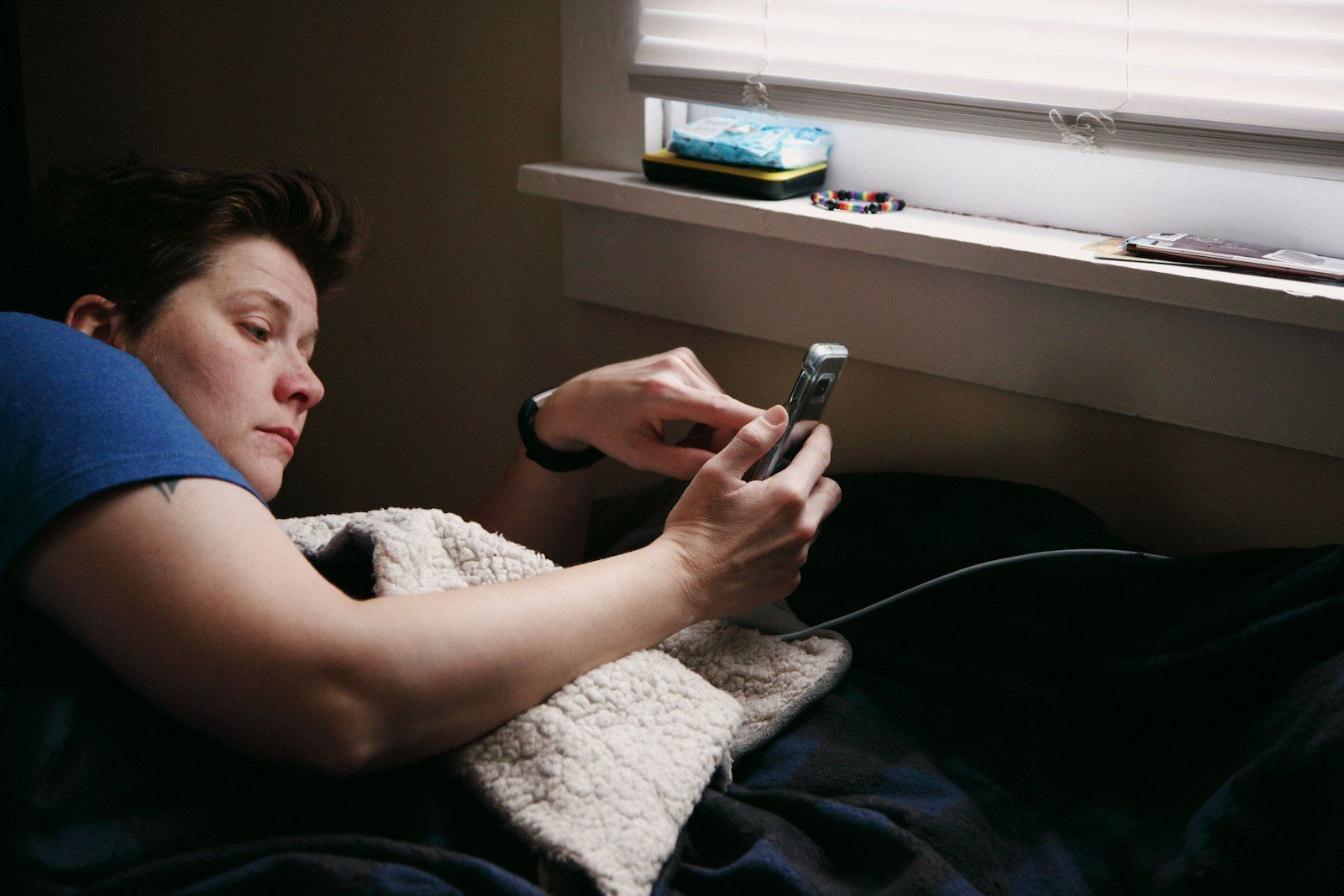
What are your major work/life challenges?
Name yours.
Take two minutes. Write down the three that keep you up at night.
Stressors keeping us awake at night
Home, family and life.
- Health
- Caregiving for children and elders
- Domestic labor
- Community, civic and faith commitments
- Relationships
- Travel
- Couple time
- Children and their activities
- Blended family
- Extended family demands
- Life-cycle demands
- Not enough me-time
Stressors keeping us awake at night
Work, money and the mind.
- Multiple jobs
- Job demands
- Organizational politics
- Dual careers
- Unemployment
- Recession
- College and wedding bills
- Savings and retirement
- Managing time and money
- Technology
- Sleep
- Holidays
- Boundaries
- Emotional baggage
- Guilt
- Anger and frustration
The importance of coping
Coping is the bridge.
The interface between work/life stress and work/life satisfaction.
Coping resources
Four resources turn stress into satisfaction.
Relationship coping resources adapted from David H. Olson’s Circumplex Model of couple and family systems.
Text version of this diagram
- Stress shows up in four places: personal, work, couple and family.
- Four relationship coping resources carry us across: problem-solving, communication, closeness and flexibility.
- On the other side is satisfaction, again personal, work, couple and family.

Building coping resources
Bend without breaking.
Coping is bending without breaking or sacrificing yourself or others: having the personal and relational strengths of hardiness and resiliency during times of change.
Human-centered coping solutions
Four ways to work a solution.
Human-centered coping

An invitation
Consider work/life harmony.
Harmony benefits
Better for you, better for work.
Personal harmony
- Better physical health
- Better mental health
- A more productive and efficient you
- More energy
Work harmony
- Higher morale
- Greater productivity
- Lower turnover
- Better focus and concentration
- Punctuality
- Higher engagement
Harmony benefits
Better for us, better for family.
Couple harmony
- Partners feel better about themselves
- Partners feel better about their relationship
- More intimacy
Family harmony
- The family unit bolsters each person’s contentment
- Kids do better in school
- Fewer emotional problems
- Closer parent and child relationships
Why work/life balance is a myth
Balance is a trade-off.
The balance myth
Balance trades. Harmony blends.
Michael Lane Morris, PhD © BombDiggity, LLC.
Text version of this diagram
- Balance is about 50-50 trade-offs and offsetting approaches: a zero-sum game where every gain on one side is a loss on the other.
- Harmony is many roles playing together as one song: an integrated whole.
Harmony involves
Three shifts.
- A holistic mindsetAn integrated approach to all of your roles.
- Getting on the balconyStep back and see the whole dance floor, including yourself.
- Conflict and enrichmentManage the conflict, and maximize the enrichment.
Get and keep the strings in tune
Are your roles in tune?
Michael Lane Morris, PhD © BombDiggity, LLC.
Text version of this diagram
- The strings are the work and life roles you play, and we each have many.
- Our roles reflect who I am, what I believe and what I do.
- Catalytic question: are my roles congruent and aligned?
How our strings get out of tune
Five L’s that pull us off key.
- LoyaltiesAllegiances that compete for us.
- Live-wiresTriggers that set us off.
- Land-minesCatch-22s that trap us.
- LuggageCarrying other people’s water.
- LeashesEight hungers to manage: power, pleasure, praise, prosperity, prestige, protection, perfectionism and privileges.

Designing work/life harmony in your life
Thirteen how-to tips.
Harmony: a human-centered leadership approach.
Pick oneChoose the tip that would make the biggest difference this month.
Try it smallRun it as an experiment for one week.
Keep what worksThen add another.

Tip1of 13
Become the leader of your band
Who is in charge of your life?
Don’t waitDon’t count on the organization to give you harmony.
Be intentionalDirect the performance.
Know the differenceDon’t confuse feeling important with frustrating interruptions.
Tip2of 13
Orchestrate your life
How do you define success?
- Professionally and personallyDefine success on both stages.
- Success is not survivalGetting through the week is not the goal.
- The bridgeTomorrow, will I be happy with today’s choices about success?
- What and who mattersDecide what, and who, is really important.
Tip3of 13
Be compassionate with yourself and others
Compassion is empathy in action.
Learn how to understand the human half of work/life challenges, so you can act. Remember that you are human too, with:
Needs and wants
Beliefs and values
Priorities
Dreams and goals
Tip4of 13
Set realistic expectations
Multitasking is a myth.
- Want or need?Decide which is which.
- One thing at a timeConcentrate on one thing, then the next.
- Take inventoryBe honest about your roles, responsibilities, resources and capabilities.
- Lengthen the horizonGive harmony time to arrive.
Tip5of 13
Be flexible and adapt
The cues are the clues.
Read the warning signs and constraints. Small things make a big difference. Control what you can and roll with the rest, and ask: if I change, who wins and who loses?
- 1MaintenanceSmall, regular care keeps things running.
- 2RepairFix what is starting to slip.
- 3OverhaulRebuild what no longer works.

Tip6of 13
Keep a positive attitude
Look for the sunshine.
Catch the stinking thinkingMonitor and manage it.
Every dayRefocus, reframe and look for wins.
Cloudy days tooLook for the sunshine on cloudy, rainy and stormy days.
Tip7of 13
Broaden and build
Maximize the power of positive emotions.
Positive emotions broaden what we notice and build the resources we draw on later.
| Trade this | For this |
|---|---|
| Fear | Courage |
| Anger | Optimism |
| Guilt | Gratitude |
Barbara Fredrickson, broaden-and-build theory of positive emotions (2001).
Tip8of 13
The trigger cues are the clues
Let triggers prompt questions.
How can I make this better?
What are my warning signs?
Which signals say my work/life needs an adjustment?
Does my performance system help?
Does it support my work/life situation?
Results or impressions?
Am I focused on results, or on managing impressions?
Meanwhile, at home
Boundaries beat programs.
Original cartoon © 2026 BombDiggity, LLC.
Text version of this diagram
- Panel 1: at dinner, the KuneKune pig says he will send just one quick email.
- Panel 2: at 2:41 in the morning, he is still on his phone, thinking: or 40.
- Panel 3: the next morning, the Highland coo boss cheerfully announces a new wellness program.
- Caption: harmony starts with boundaries, not programs.
Tip9of 13
Set firm boundaries for your roles
Say no when necessary.
Manage boundaries
Choose which are permeable and which are not.
Protect private time
Respect it and keep it.
Say no
When necessary, and without apology.
Master your tech
Technology is a good servant and a bad master.
Photo by @bruno_nascimento on Unsplash

Tip10of 13
Relax and recharge your batteries
Down-time is productive.
Schedule yourselfPut time for you on the calendar.
Watch your habitsMonitor your personal habits and lifestyle.
Take a real vacationRest fuels innovation and creativity.
Know the limitPast about 55 hours a week, extra hours add little or nothing.
John Pencavel, “The Productivity of Working Hours,” The Economic Journal (2015).
Tip11of 13
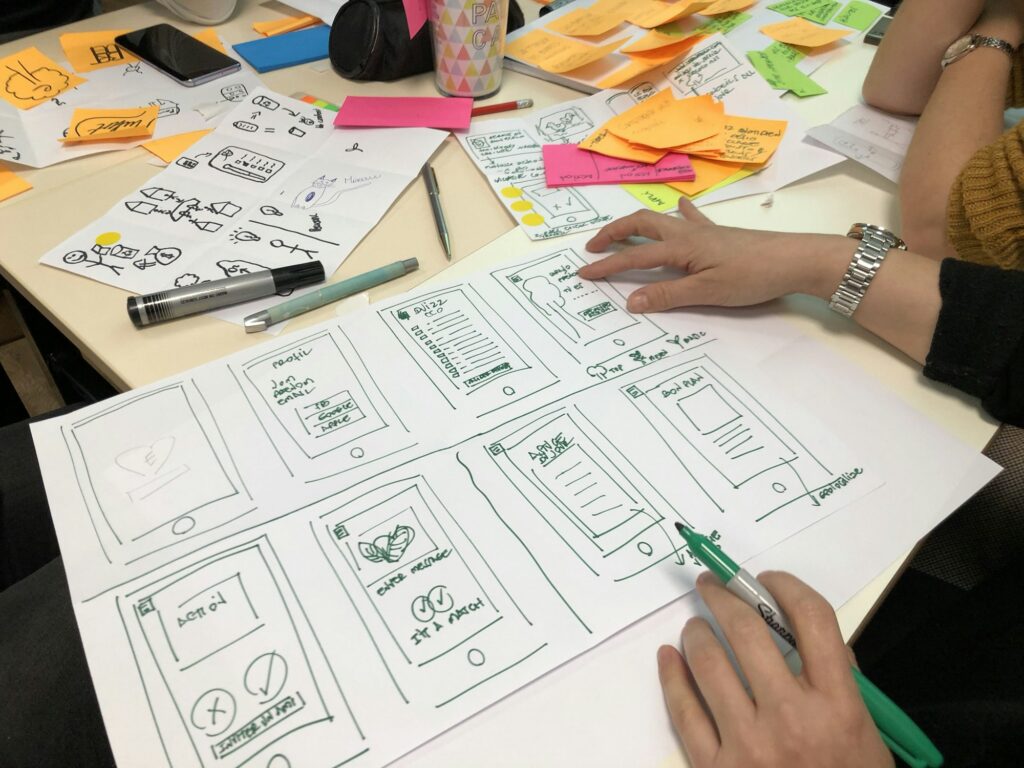
Prototype new ideas
Small things, huge improvements.
Rethink solutionsSolutions are sometimes the problem.
Start smallSmall things can improve things in huge ways.
Many pathsDifferent strokes for different folks: there are multiple pathways to harmony.
Fail forwardFail your way to success.
Tip12of 13
Use a priority-driven decision filter
Decide by what matters most.
Priorities give focus and direction, for strategic and tactical things alike. A filter helps you handle the pressure points.
Pressure points and choices
- PromisesYour values: the promises you keep.
- PurposeYour why.
- PassionsLearn how to make them valuable to other people too.
- PrinciplesThe lines you will not cross.
Your decision

Tip13of 13
Build a network of support
You are not alone, so don’t go it alone.
Allies are assetsCheck in often.
Three kinds of supportEmotional, informational and instrumental.
Role modelsWho are your work and life role models?
Think beyond youBuild a shared vision.
Change model and action plan
Make it CHANGE.
CHANGE action plan: Michael Lane Morris, PhD © BombDiggity, LLC.
Text version of this diagram
- C: commit yourself to a specific goal.
- H: habits. Break old habits and start new ones.
- A: action. Take one step at a time.
- N: never give up. Lapses may occur; fail your way to success.
- G: goal-oriented. Focus on the positive.
- E: embrace and reward yourself.
Thank you!
Pick one tip. Try it this week.
Then use the Work/Life Harmony Check-in below to build your CHANGE plan.
Try it: Work/Life Harmony Check-in
Reflection tool
Work/Life Harmony Check-in
Check your six signposts, see which roles are out of tune, pick the tips you will try, and build a CHANGE plan you can print or copy.
- 1Notice
- 2Choose
- 3Plan
1. Your six signposts, over the past month
Physicalfatigue, headaches, poor sleep, appetite changes
Emotionalirritability, anxiety, moodiness, frustration
Mentalforgetfulness, indecision, trouble concentrating
Relationalisolation, defensiveness, resentment, nagging
Spiritualemptiness, cynicism, loss of direction, doubt
Behavioralrestlessness, pacing, unhealthy habits, risk aversion
2. Your strings: up to three roles
3. Tips you will try (pick one to three)
4. Your CHANGE plan
Your signpost load
Steady
Your harmony plan builds here as you answer.
This is a reflection exercise, not a health assessment. Your answers stay in this browser tab. Nothing is sent or saved.
Go deeper
Back to all Executive Education topics · Related: Leadership Fork in the Road
Part of Executive Education from the Human Centered Lab: workshops Jules Morris, PhD and Lane Morris, PhD lead for working professionals.
Frequently asked questions
What is the difference between work/life balance and work/life harmony?
Balance treats work and life as a 50-50 trade-off, where a gain on one side is a loss on the other. Harmony treats your roles as parts of one whole: the goal is to keep them aligned with who you are, what you believe and what you do, so they enrich each other instead of competing.
What are the six signposts of work/life stress?
Lane Morris groups the warning signs into six signposts: physical (such as fatigue and insomnia), emotional (irritability, anxiety), mental (forgetfulness, loss of concentration), relational (isolation, resentment), spiritual (emptiness, cynicism) and behavioral (restlessness, unhealthy habits).
Is stress always bad?
No. Stress is the body’s reaction to the demands of life. Some stress energizes and focuses us; too little leaves us bored, and too much leads to exhaustion and burnout. How we perceive a stressor, and the resources we have to meet it, make the difference.
What is the CHANGE action plan?
CHANGE is a six-step plan: commit to a specific goal, work on habits (break old ones and start new ones), take action one step at a time, never give up when you lapse, stay goal-oriented by focusing on the positive, and embrace and reward your progress.