Case study · Marketing 465 · Campaign Planning and Creative Testing
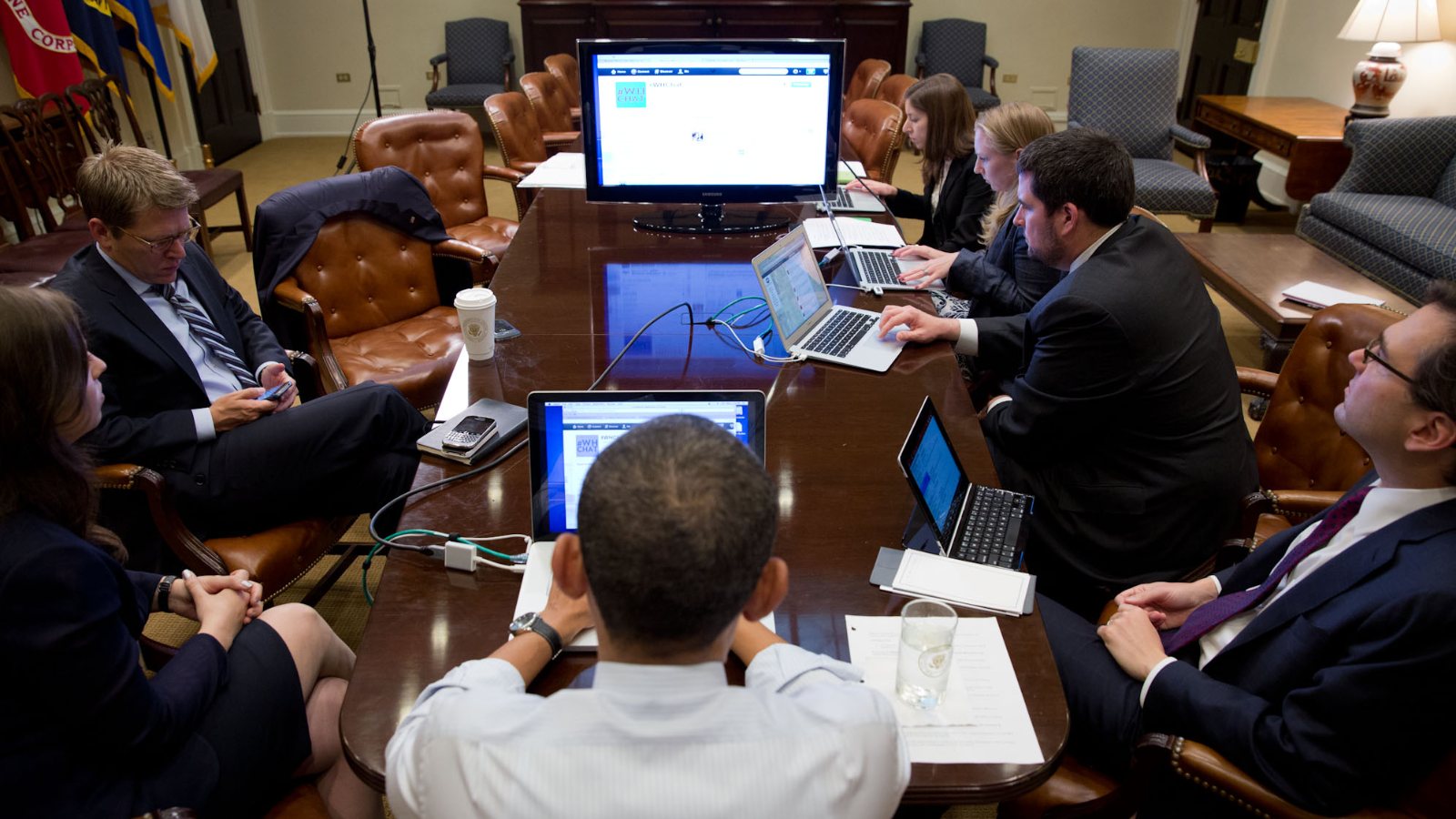
The 2012 Obama campaign tested almost every fundraising email before sending it to millions, and the plain subject line “Hey” turned out to be one of its best. The team learned that its own instincts were often wrong, so it let small tests pick the winners.
Brand
Obama for America (2012 reelection campaign)
Year(s)
2012
Channel(s)
Email, one-click donation pages
Goal
Raise as much money online as possible from small donors
Topic
Campaign Planning and Creative Testing
$690M
Raised online by the campaign, most of it from email appeals (ABC News, 2012)
$2.6M
Raised by one June email, “I will be outspent,” after it beat 17 other versions (Talking Points Memo, 2012)
84 of 166
Email segments sent on Oct. 17, 2012, that were A/B tests (MediaPost, 2012)
~300%
Average lift in donation conversion from one-click “quick donate” links (MarketingSherpa, 2013)
The situation
In 2012, President Obama ran for reelection against a well-funded opponent. His campaign leaned on millions of small online donors, and email was its biggest fundraising channel.
The campaign’s digital team had about 200 people. Roughly 20 of them were email writers, led by email director Toby Fallsgraff, and they sent a national email almost every day.
The challenge
A list of millions of people gets tired fast. Every email had to earn its open and its click, and a weak subject line could cost hundreds of thousands of dollars in a single send.
The team also faced a problem every marketer has: smart, experienced people disagree about what will work, and they are often wrong. The campaign’s analytics director said the team’s guesses were frequently off, which is why they kept testing.
What they did
The campaign built testing into its daily routine. Writers drafted several versions of each appeal, tested them on small random slices of the list and then sent the winner to everyone else.
- Many drafts: up to 18 versions of a message or subject line were tested before a big send.
- Subject lines like a friend’s: short, casual lines such as “Hey” were tested against more formal ones.
- Ugly could win: plain designs and bright yellow highlighting sometimes beat polished layouts.
- Segments: past donors, quick donors, non-donors and lapsed 2008 donors got different copy.
- Less friction: donors who saved payment details could give with one click.
The team’s mantra, as Fallsgraff put it, was to test and retest. A winner one month could stop working the next, so testing never stopped.
What happened
- June 2012: “I will be outspent” beat 17 other subject lines and raised more than $2.6 million (Talking Points Memo, 2012). Two other versions of the same email raised about $545,000 and $605,000 (ABC News, 2012).
- Across the campaign, “Hey” was described as probably the best subject line the team had (Smithsonian; Talking Points Memo, 2012).
- Oct. 17, 2012: the team sent messages to 166 segments, and 84 of them were A/B tests (MediaPost, 2012).
- By the end, more than 4.5 million people had donated, with an average gift of about $53 (MediaPost, 2012).
- The campaign raised about $690 million online, most of it through email (ABC News, 2012).
Why it worked
They tested before they bet. Sending a few versions to small groups first meant the full list only ever saw the strongest email. The cost of a test was tiny next to the cost of a weak send.
They sounded like a person. “Hey” looks like a note from someone you know, not a mass appeal. In a crowded inbox, feeling personal got the open.
They fixed the whole path. Better subject lines got opens, but one-click giving turned those opens into money. Testing the donation step mattered as much as testing the words.
Where it gets complicated
- The exact numbers vary. ABC News reported “I will be outspent” at $2.5 million, while other outlets reported $2.6 million. The campaign never released a dollar figure for “Hey” alone.
- Novelty wears off. Casual and odd subject lines worked partly because they were surprising. Once every campaign copied them, the surprise faded, which is why the team kept retesting.
- What wins is not always kind. Tests reward whatever gets action. Heavy sending and pushy lines can raise money today while wearing out a list’s goodwill, so a smart team watches unsubscribes, not just dollars.
The takeaway
The marketing principle
Your instincts about what customers will open are often wrong. Write several versions, test them on a small slice of your list, send the winner to everyone and keep testing, because what works today may not work next month.
Sources
- Odd Obama Email Subject Lines Drew Huge Cash, ABC News (2012)
- Team Obama Tested Subject Lines In Fundraising Emails, Talking Points Memo (2012)
- Obama Campaign Email Efforts Marked By Continual Testing, MediaPost (2012)
- Uglier Campaign Fundraising Emails Make More Money, Smithsonian Magazine (2012)
- Obama email campaign testing (case study), MarketingSherpa (2013)
- The Science Behind Those Obama Campaign E-Mails, Election Law Blog (excerpting Bloomberg Businessweek) (2012)
Group activity for this case
Subject Line Showdown
Write competing subject lines for your client’s next email and plan a test to pick the winner. A 20-minute group activity. Dr. Morris gives the password in class.
Use this case in: Campaign Planning and Creative Testing · Email and Lifecycle Marketing · All case studies
Use and share this case
Free to use in your own classroom, training or team, and to adapt for non-commercial teaching, with credit to Dr. Jules Morris, Haslam College of Business, University of Tennessee. The text is licensed CC BY-NC 4.0. Brand photos and trademarks belong to their owners and are not covered by this license.
Brand names, images and trademarks belong to their owners and appear here for educational purposes only.