
The big idea
The most human company wins. People trust each other far more than they trust ads, so the brands that grow are the ones people want to talk about and belong to.
Topic soundtrack
People First
Songs about people, kindness and showing up for each other. Marketing that starts with humans sounds like this.
In 60 seconds
- People trust each other more than ads, so brands grow when customers want to talk about them and belong to them.
- The buying journey is a loop, not a funnel: discovery, participation, advocacy and influence bring in the next customers.
- Values only build trust when the company acts on them. A cause in the ads with no action behind it is purpose washing.
Do this: pick one idea from Marketing Rebellion and use it to advise a real business in a one-page consulting memo.
Your next steps
Slides

How human-centered marketing works
Earn a place in the conversation.
Customers now decide what they hear and whom they trust. Brands grow when they act like people and earn a place in the conversations customers already have.
What changed
Customers are in charge now.
Look at one phone. Three things on it show the shift.

See it in the wild
One customer’s song beat an airline.
In 2009, musician Dave Carroll posted “United Breaks Guitars” after the airline would not pay for his broken guitar.
Customers in chargeOne person with a camera and a song reached millions of viewers on YouTube.
Trust moves person to personPeople believed the musician, not the airline’s statements.
The lessonHow you treat one customer can become your most-watched ad.
What brands do about it
Brands that feel human get forgiven and recommended.
Act like a person
Listen, respond, admit mistakes and show what you stand for.
Offer belonging and meaning
People want to feel part of something. Give them a reason to say “this is us.”
Let actions carry the values
Conviction has to shape how the company operates before it shows up in the marketing.
From funnel to loop
The funnel is now a loop.
The straight-line funnel (aware, consider, buy) misses how people actually decide. In Mark Schaefer’s model the journey is a loop.
Example: Harley-Davidson’s Harley Owners Group (H.O.G.).

See it in the wild
Glossier grew out of a conversation.
Glossier started as Into The Gloss, a beauty blog where readers talked about their routines.
DiscoveryReaders found the brand through the blog and friends, before any ads.
ParticipationThe founder asked readers what their dream face wash would be, and built it.
InfluenceFans shared their routines and referral links, bringing in the next customers.
The Alpha Audience
A small group of highly influential customers can shape how a much larger audience sees a brand.
Know who they are and earn their support.
Personalization is not personal
Your name in an email isn’t care.
Personalization
A machine putting your name in an email is personalization.
“Hi Jordan! Here are 12 deals picked just for you.”
Being personal
A person understanding your situation and responding with care is being personal.
“Jordan, your order got lost in the storm. A new one ships today, on us.”
Watch for purpose washing
Authenticity is a culture, not a campaign.
Purpose washing
A cause in the ads with no matching action inside the company. That is performed conviction: authenticity as a campaign instead of a culture.
Real conviction
Actions carry the values, inside the company first.
Quick check
Human, or just acting human?
Name the idea from this deck that each moment shows.
- 1Maple & Pine Bakery’s email opens “Hi Jordan!” and then pitches the same muffin to every customer on the list.
- 2Ridgeline Outdoor runs ads about protecting forests, but nothing about how the company buys, ships or builds has changed.
- 3A Ridgeline clerk sees a customer’s boots are wrong for the trail she planned and swaps them on the spot, no receipt needed.
- 4Thirty regulars at Hollow Log Climbing Gym post their climbs, and half the town follows their lead on where to climb.
Check your answers
- Personalization, not personal. A machine put a name in an email.
- Purpose washing. A cause in the ads with no matching action inside.
- Being personal, and a peak moment. A person understood her situation and responded with care.
- The Alpha Audience. A small group shaping how a much larger audience sees the gym.
Maple & Pine Bakery, Ridgeline Outdoor and Hollow Log Climbing Gym are invented brands.
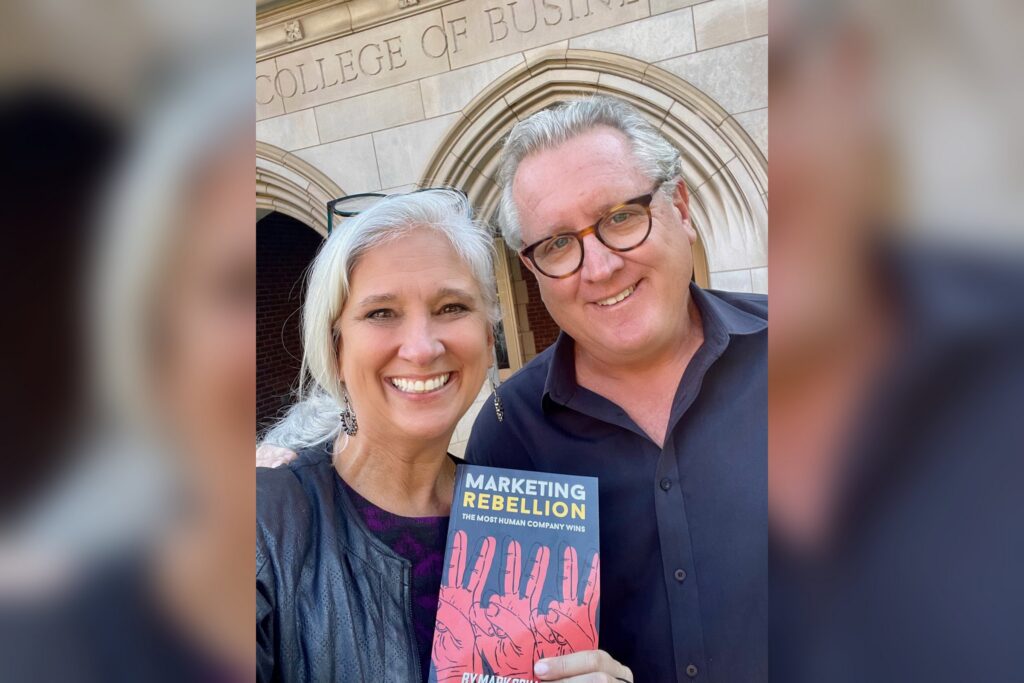
From class: Marketing Rebellion, chapter by chapter
Customers are your marketers. Get invited in.
Customers have gathered into islands of shared interest. The goal is to get invited to those islands by helping customer conversations happen, not by trying to control them.
Each panel is one lens you can use for your consulting brief.
Customers are your marketers: peak moments and live experiences. Getting invited to customer islands, and four ways to create peak moments
Many of Schaefer’s success stories involve face-to-face experiences: Harley group rides, REI outdoor classes, Sephora beauty classes and Warby Parker’s home try-on program.
Peak moments
Create moments people remember and share.
Four moves, three with a real brand behind them. Guess the brand, then tap.
1Find key touchpoints
2Go above and beyond
3Make it personal
4Make it shareable
Glossier: customers as product developers
Peak moments are experiences people remember and share.
Glossier grew from a beauty blog and its community. It built products from direct customer feedback, which turned customers into product developers and marketers.
Real brands in action
See it in real brands.
Each case study shows these ideas at work. Open one to read the full story.

Cirque du Soleil: trying to measure awe
Cirque du Soleil sells a feeling, so in 2018 it set out to study that feeling directly, using brain sensors in its audience to find the moments that create awe.
The lesson: Emotional connection can be studied and designed for, not just hoped for.
Image courtesy of Cirque du Soleil
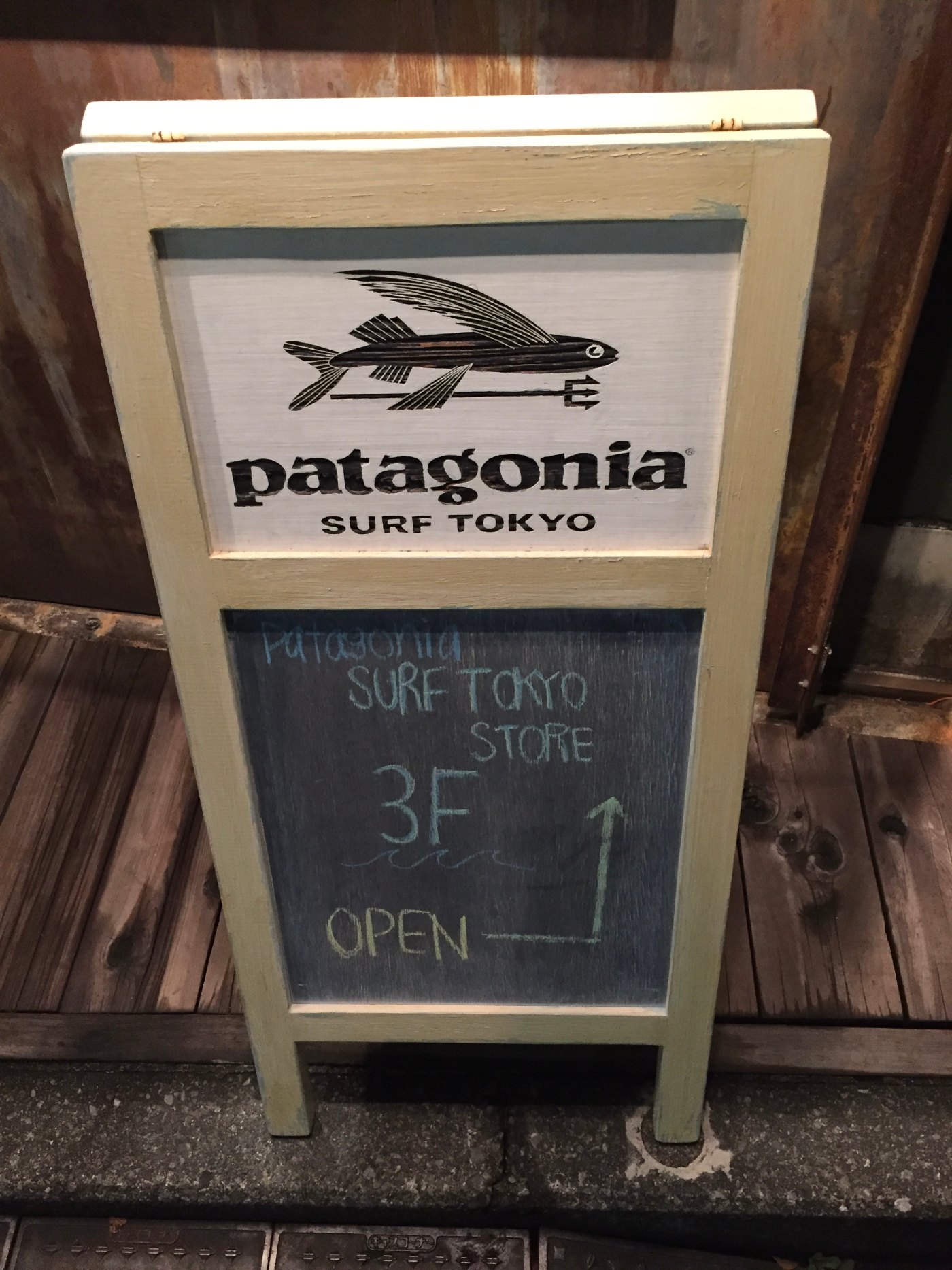
Patagonia: “Don’t Buy This Jacket”: an ad that only works if the company means it
Patagonia’s 2011 Black Friday ad earned trust because the business already had repair, resale and recycling programs behind the message.
The lesson: Values only build trust when the business acts on them, not just the ads.
Photo: Yamabato (CC BY-SA 4.0), via Wikimedia Commons. Brand: Patagonia

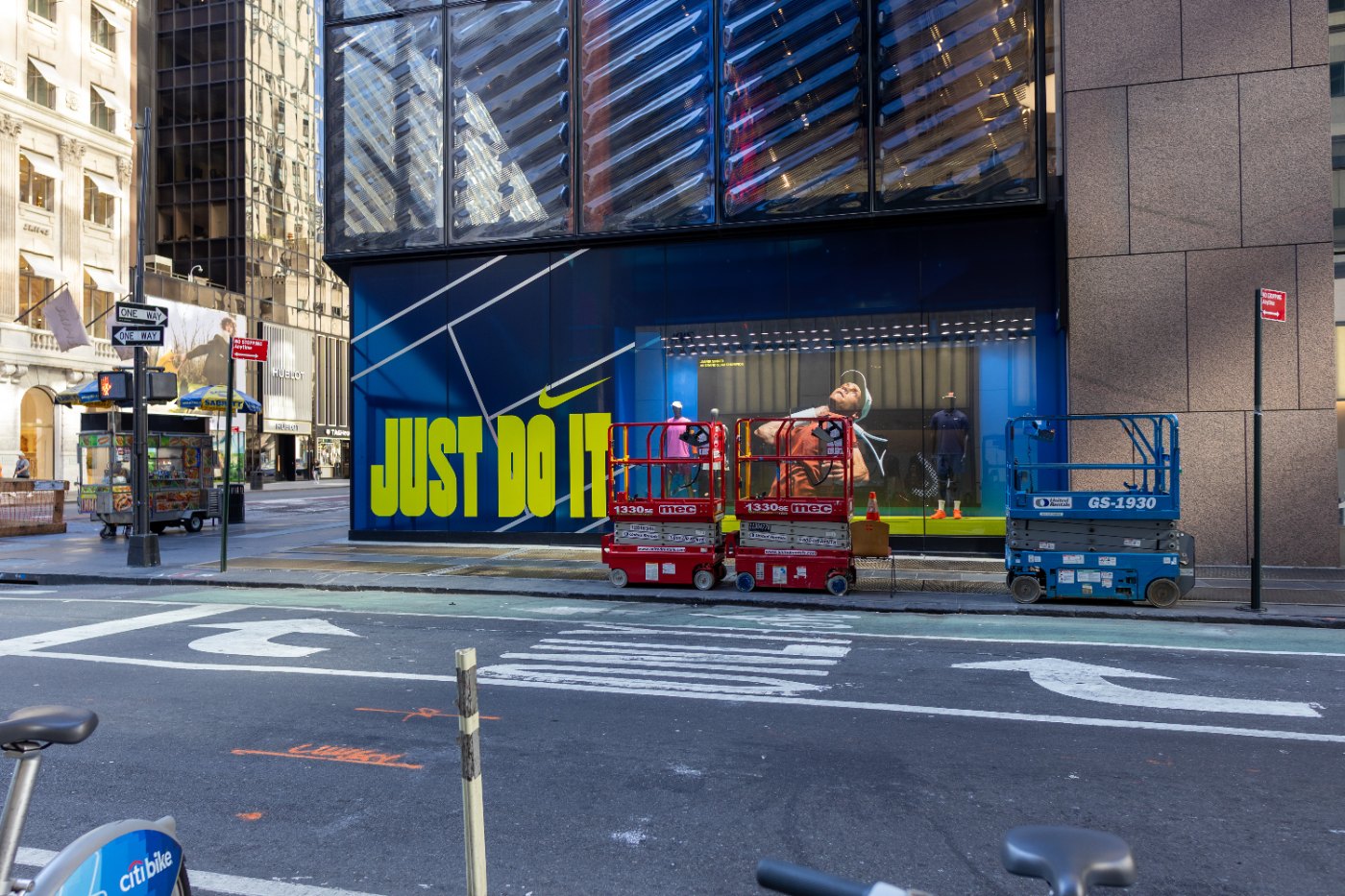
Nike and Colin Kaepernick: Choosing Who You Are For
Nike’s 2018 “Dream Crazy” campaign shows that a values-based stand means deciding which customers you are speaking to, and accepting in advance that others may walk away.
The lesson: A values-based stand means knowing who you’re for and who you might lose.
Photo: Nielsoncaetanosalmeron (CC BY 4.0), via Wikimedia Commons. Brand: Nike

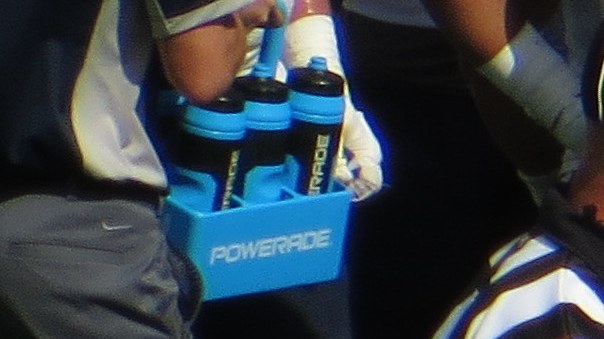
Powerade: Making the Pause Part of the Win
Powerade flipped its win-at-all-costs category with “Pause is Power,” then wrote mental health breaks into its athletes’ sponsorship contracts.
The lesson: Back a purpose message with something you change in the business.
Photo: Ken Lund (CC BY-SA 2.0), via Wikimedia Commons. Brand: Powerade


McDonald’s: A Happy Meal Box Kids Could Draw Their Feelings On
McDonald’s UK swapped its red Happy Meal box for a blank white one so kids could draw how they feel, turning packaging into a conversation starter.
The lesson: Design for how people actually behave, and leave room for them.
Photo: Newtown grafitti (CC BY 2.0), via Wikimedia Commons. Brand: McDonald’s

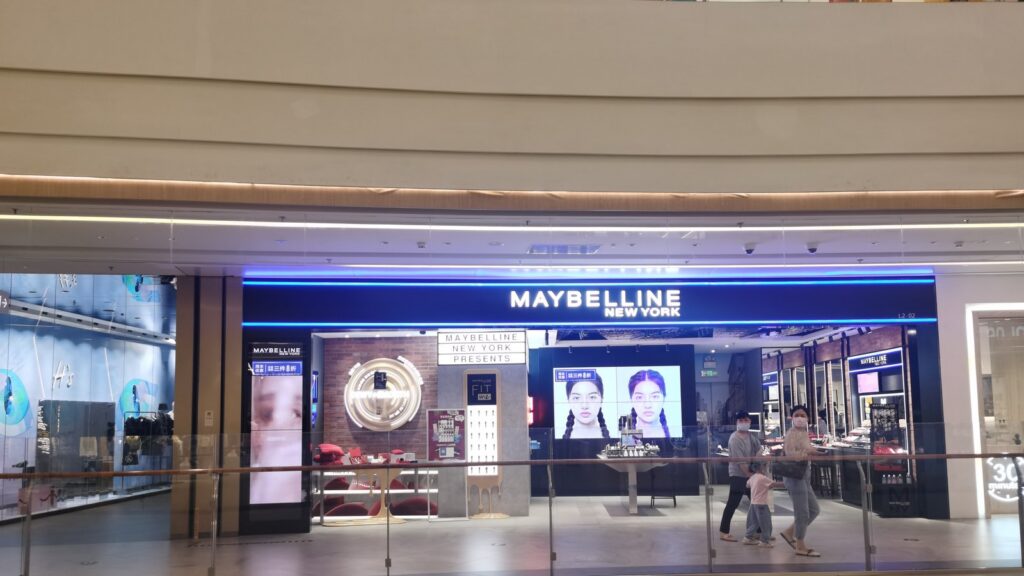
Maybelline: Brave Together and a Beauty Brand’s Long Game on Mental Health
Maybelline’s Brave Together put $10 million, expert partners and free training behind anxiety and depression support, and kept it going for years.
The lesson: Match the size of your commitment to the size of the problem.
Photo: Shwangtianyuan (CC BY-SA 4.0), via Wikimedia Commons. Brand: Maybelline New York

Brand images are shown for educational purposes only. Each image and trademark belongs to the brand credited.
Mystery brand
Whose Human Move Was This?
Each brand put real human feelings or values first; guess who it is before the last clue.
Try it
Interactive tool · practice it
Tool · MARK 465
Flip the Message Lab
This ad is all about the brand. Flip each line to make it about the customer.
- 1Read
- 2Flip
- 3Compare
Who is this ad about?
Flip a line
All four lenses
Do it
Class work for this topic. The in-class activity counts toward participation, and you get feedback on it.
In-class group activity
Count the Yous
Your group will have a before-and-after rewrite of your brand’s real copy that moves it from About us to About them. A 25-minute group activity. Each case study below has its own group activity too. Dr. Morris gives the password in class.
Put it to work: Marketing Rebellion Consulting Brief
You act as a consultant. Pick ONE idea from Marketing Rebellion and use it to advise a real business (or your client) in a one-page memo. The memo should show you understand the idea well enough to use it, not just name it.
Build it in five steps
Start with the business’s problem, then choose the lens. If you start with your favorite chapter and force a business to fit it, the memo will read like a book report.
Set up the memo
Add a To, From and Re header. Keep the whole memo to one page, with the four section labels as bold headings.
Your deliverable: a Re line that names the decision in a few words, such as “Turning regulars into your marketing team.”
Describe the Situation
Say what is going on with this business right now, with evidence. Name what you looked at: their reviews, their last 10 Instagram posts, their website, a competitor.
Your deliverable: 2 to 4 sentences that end with the problem in one sentence.
Name the Principle
Cite the concept exactly as the book names it. Explain it in your own words in one sentence, then say why it fits this business better than another lens would. Open “Match the principle to the problem” below.
Your deliverable: 2 to 4 sentences: the concept, your plain explanation and why it is the right lens.
Make one Recommendation
Not “be more human” but how, where and with what. It is concrete when the business could start on it tomorrow without asking you a follow-up question.
Your deliverable: 3 to 5 sentences: who does it, where (which channel or place), with what (tools, content, budget or staff time), how often, and the first step to take this week.
State the Expected Outcome
Say the result you expect and how the business would measure it. Measurement: KPIs and Dashboards helps you pick a metric, and Community vs. Audience helps if your idea is about belonging.
Your deliverable: 2 to 3 sentences: the result, the metric that shows it, where the business would find that number, and when to check it.
Match the principle to the problemSeven common problems, a lens for each, a move and a measure
Find the business’s problem in the first column. The moves and metrics are examples, not the only answers. Each lens is a panel in the HOW section above.
| If the business’s problem is… | A lens from this page | A concrete move could be | You could measure it with |
|---|---|---|---|
| Growth depends on ads that people ignore | The rebellion and the end of the funnel (the Alpha Audience; funnel to loop) | Find the 20 most engaged customers and invite them to try a new product first, with something easy to share | Referral code uses and reviews or posts from that group |
| The brand voice sounds corporate or canned | Authenticity is something you do | The owner answers every Google review personally, by name, within two days | Review reply rate, new review count, rating trend |
| Customers buy once but feel no connection | Belonging and community | A monthly customer meetup or a private group run by a real staff member | Attendance and repeat purchases by attendees vs. non-attendees |
| A local business looks like a chain online | Artisanal marketing: be of a place, not just in it | A content series on the local farmers, makers or neighbors behind the product | Engagement on that series vs. other posts; local press or partner shares |
| The brand talks about a cause but customers are skeptical | Values-based marketing (avoid purpose washing) | Publish one specific action with proof, then talk about it | Sentiment in comments; mentions by the cause’s partners |
| Customers complain about too many emails or retargeting ads | Respect me: consensual marketing | A preference center where subscribers choose topics and how often they hear from the brand | Unsubscribe rate and email engagement before vs. after |
| The experience is fine but forgettable | Customers are your marketers: peak moments and live experiences | Design one surprise moment at pickup or delivery that people want to photograph | Customer posts and reviews that mention the moment |
To see a principle paired with a specific move, read the Patagonia case study, the Cirque du Soleil case study and the Nike case study.
Memo templateCopy this structure and fill in the brackets
To: [Name, title, business]
From: [Your name], Marketing Consultant
Re: [The decision in a few words]
The Situation (2 to 4 sentences): What you observed, with evidence. End with the problem in one sentence.
The Principle (2 to 4 sentences): The concept exactly as the book names it, your one-sentence explanation, and why it fits this business.
The Recommendation (3 to 5 sentences): One recommendation. Who, where, with what, how often, and the first step this week.
Expected Outcome (2 to 3 sentences): The result, the metric, where to find that number, and when to check it.
Turn “be more human” into a recommendationA vague vs. concrete example for an imaginary bookstore
This example is for an imaginary independent bookstore, using Customers are your marketers: peak moments and live experiences.
Vague
“Create more memorable experiences so customers become advocates.”
Concrete
“Starting next month, staff tuck a handwritten ‘if you liked this, try…’ card into every book they recommend in person. Each card has the store’s Instagram handle and asks readers to post their stack. The store manager reposts every tagged photo within a day and features one reader each Friday. Cost: blank cards and about 15 minutes of staff time per day.”
Outcome that matches: “Within 90 days, we expect more tagged customer posts each month than the store currently gets. The manager can count tags in Instagram each Friday and track how many card holders return.”
Check yours
Who? Where? With what? How often? What is step one? If any answer is missing, the recommendation is not done.
Do this, not thatWriting habits that work and the common memo mistakes
Do this
- Count the yous. If we or our is the subject of most sentences, rewrite until the customer is. A consultant memo is about the client’s customers, not about you or the book.
- Sell the outcome (like staying dry or saving an hour), then put the spec right after as proof.
- Borrow the customer’s words from reviews, support tickets and comments. People recognize their problem faster in their own words.
- Test it out loud. If you would never say a line that way to a friend, it is brand-speak, so rewrite it.
Not that
- Name-dropping the book in one sentence and then giving generic advice. The principle should shape the recommendation.
- Summarizing the chapter instead of applying it. Your reader is a business owner, not a professor grading a book report.
- Recommending “be more authentic” or “engage with customers.” Those are goals, not actions.
- Giving three or four recommendations. One strong one is more convincing.
- An outcome like “more engagement” or “better brand loyalty” with no way to measure it.
Before you submitEight checks for your memo
- [ ] My memo has a To, From and Re header and fits on one page.
- [ ] I name ONE concept from Marketing Rebellion exactly as the book does.
- [ ] I explain why this concept is the right lens for this business, not just what the concept means.
- [ ] My Situation section cites real evidence I looked at (reviews, posts, website, competitors).
- [ ] My recommendation says who, where, with what, how often and the first step.
- [ ] My recommendation is tailored: if I swapped in another business’s name, it would no longer make sense.
- [ ] My Expected Outcome names a specific metric and when to check it.
- [ ] The four sections are labeled, the writing is short and direct, and I proofread it.
Go further
Optional, and worth it. Go past the in-class work: read a case, try the tool and earn this topic’s chip. Finish the chips across the course and you get a marketing funnel card you can post on LinkedIn to show your effort and skills.
From the blog
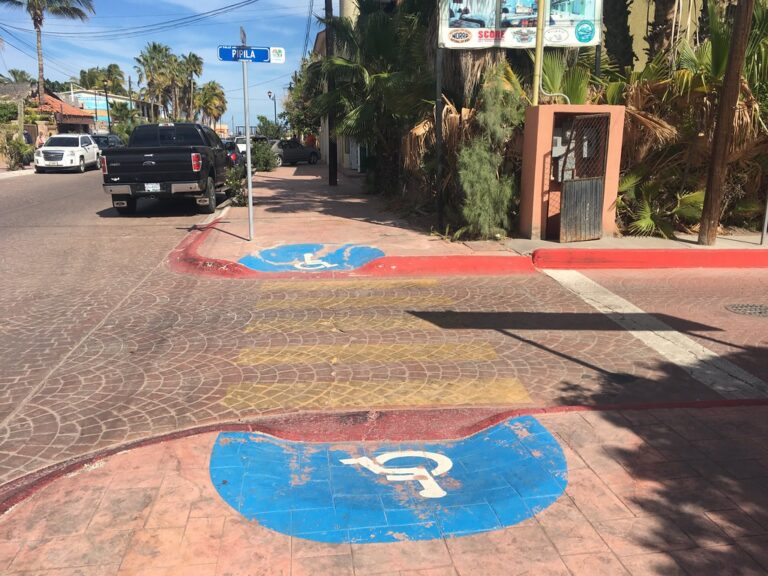
Design for the Edges: Why Accessibility Is Just Good Marketing
People-centered includes abilities. Design for the edges and it works better for everyone.
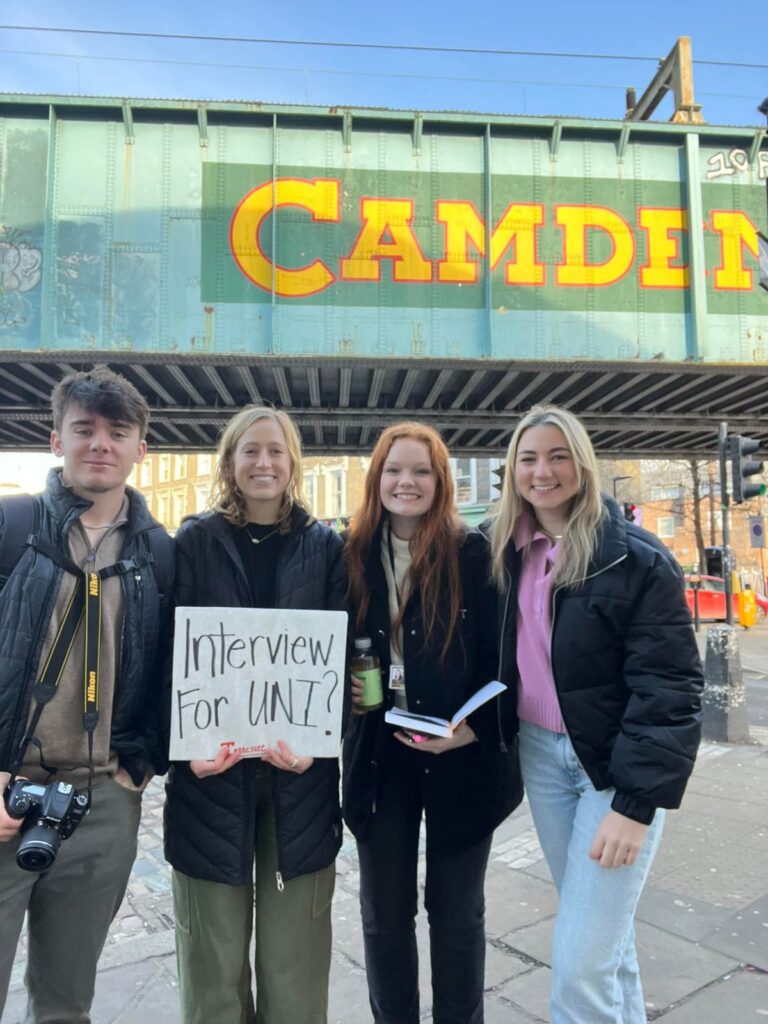
In London, We Taught Design. They Learned Leadership.
See the human-centered design process in action, phase by phase.
Unlock this topic
Do the work, earn the chip
Finish each step on this page to unlock the button that adds this topic to your course card.
Back to all Marketing 465 topics
Frequently asked questions
Frequently asked questions
What is human-centered marketing?
Human-centered marketing is the idea that the most human company wins. Because people trust each other far more than ads, brands grow by acting like people: listening, responding, admitting mistakes and showing what they stand for. They earn a place in conversations customers already have and offer belonging and meaning, so customers end up telling the brand's story for them.
What is the difference between the marketing funnel and the marketing loop?
The straight-line funnel of aware, consider and buy misses how people actually decide. In Mark Schaefer's model the journey is a loop: discovery through community and word of mouth, participation in the brand's community, advocacy by happy customers, and influence, as their voices bring in the next customers and the loop starts again. Harley-Davidson's Harley Owners Group is one example.
What is the difference between personalization and being personal?
Personalization is a machine inserting a customer's name into an email or an algorithm suggesting products from past behavior. Being personal is a person understanding the customer's situation and responding with care. Automation can backfire, as with a We miss you email sent exactly 30 days after a purchase or retargeting ads for something already bought, which feel intrusive instead of personal.
What is purpose washing and how do brands avoid it?
Purpose washing is putting a cause in the ads with no matching action inside the company, which is performed conviction rather than culture. Brands avoid it by letting conviction shape how they operate before it shows up in marketing. Patagonia's Don't Buy This Jacket ad worked because its values already guided the business, while brands posting generic statements and changing nothing lost credibility.
What is the Sticker Test in marketing?
The Sticker Test means noticing which brand stickers people put on their laptops and cars. Those are brands people identify with, not just buy from. The test comes from the page's discussion of belonging and community, drawn from Mark Schaefer's Marketing Rebellion, which argues that belonging is a deep human need brands can help meet by welcoming customers, inviting them in and connecting them.