Lane Morris, PhD, and I have taught Human-Centered Design and Leadership in London together eight times. The course is built on the design process. What our students really walk away with is leadership.
At a glance
1
Listen first
Leadership starts with understanding people.
2
Make sense together
Every voice adds to the picture.
3
Build before you are sure
Small experiments build confidence.
4
Lead with a story
Clear stories move people.
The Challenge
Each trip, student teams take on a real challenge about life in London, like helping visitors experience the city more fully. They start with strangers on the street and finish with a pitch. Here is what that looks like, one phase at a time.
Phase 1: Gather inspiration
Go Talk to Strangers
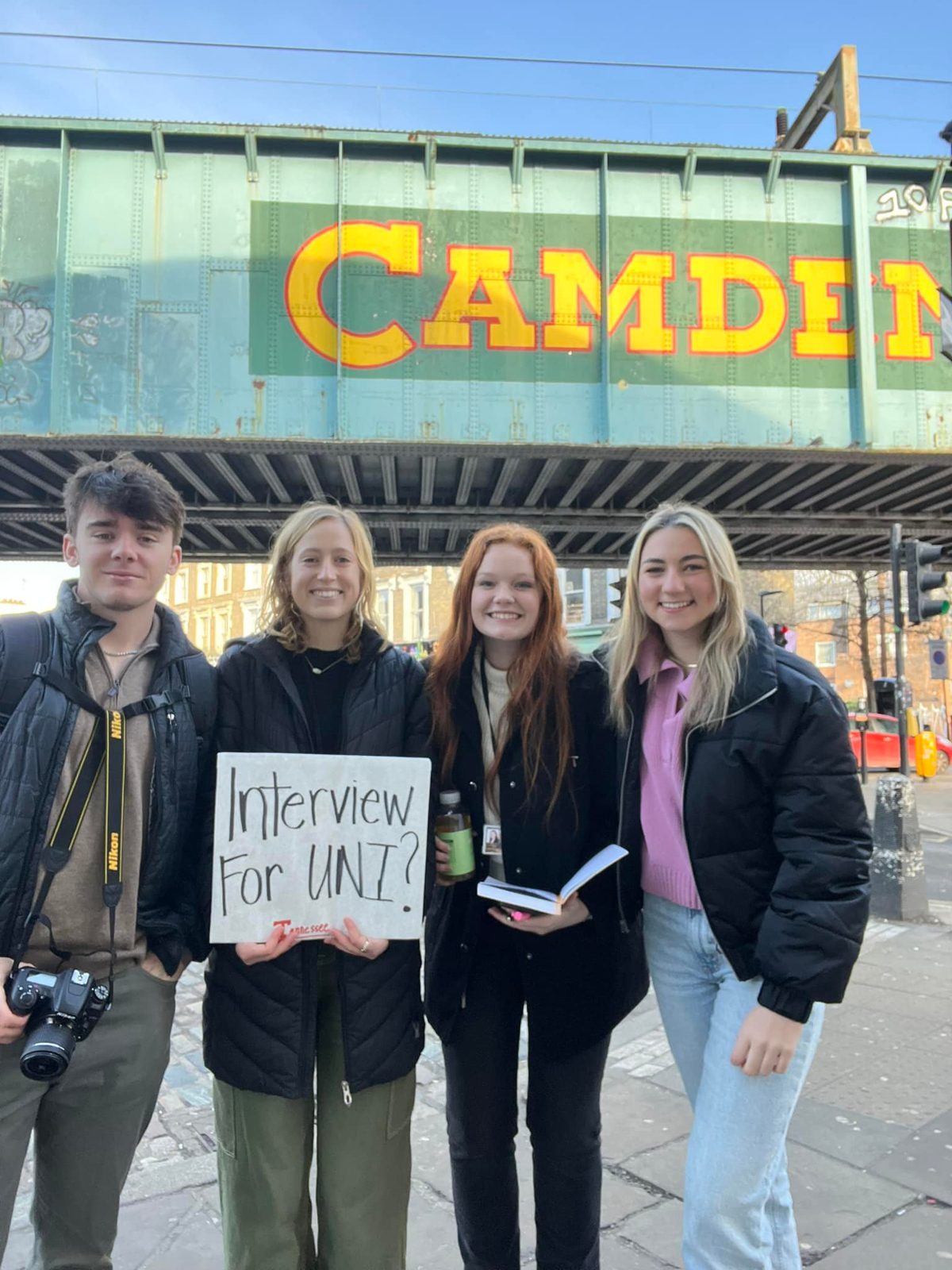
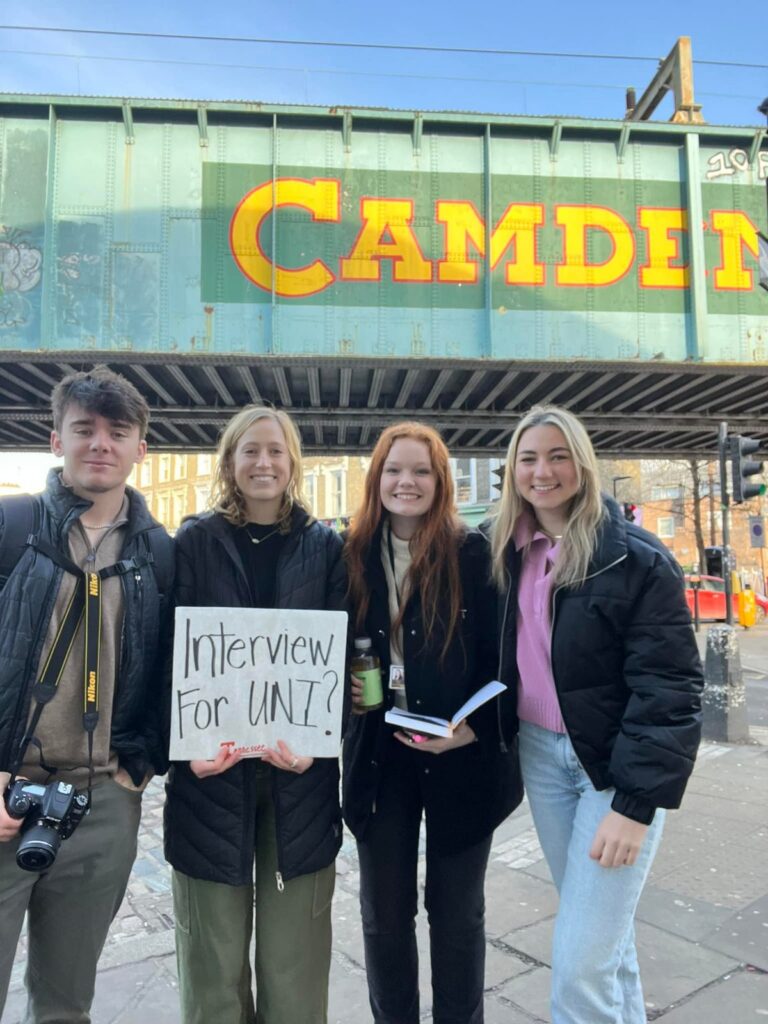
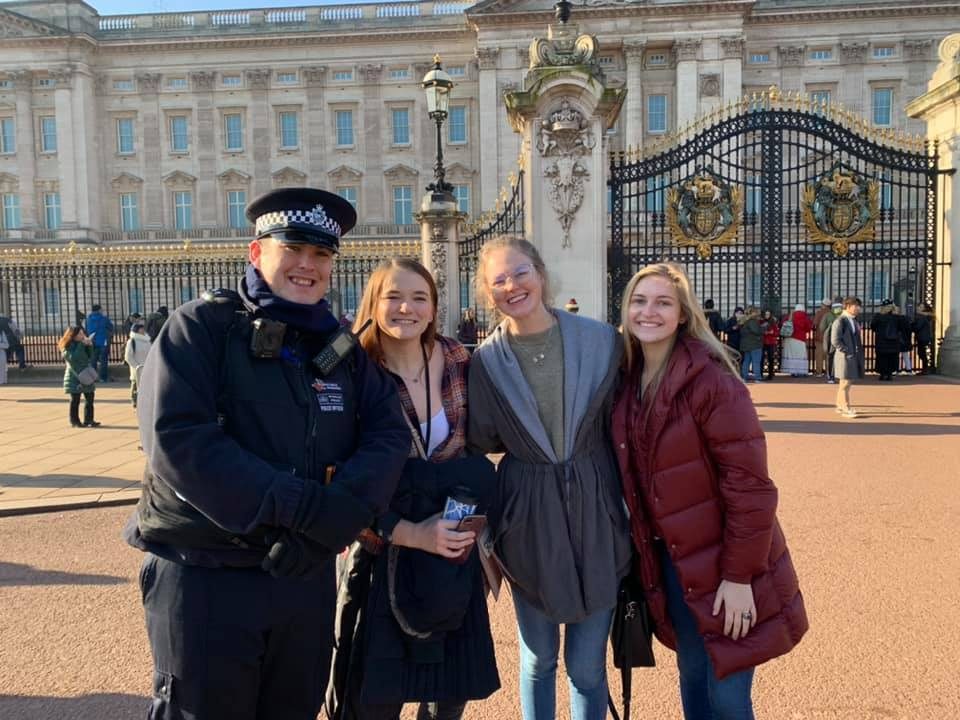
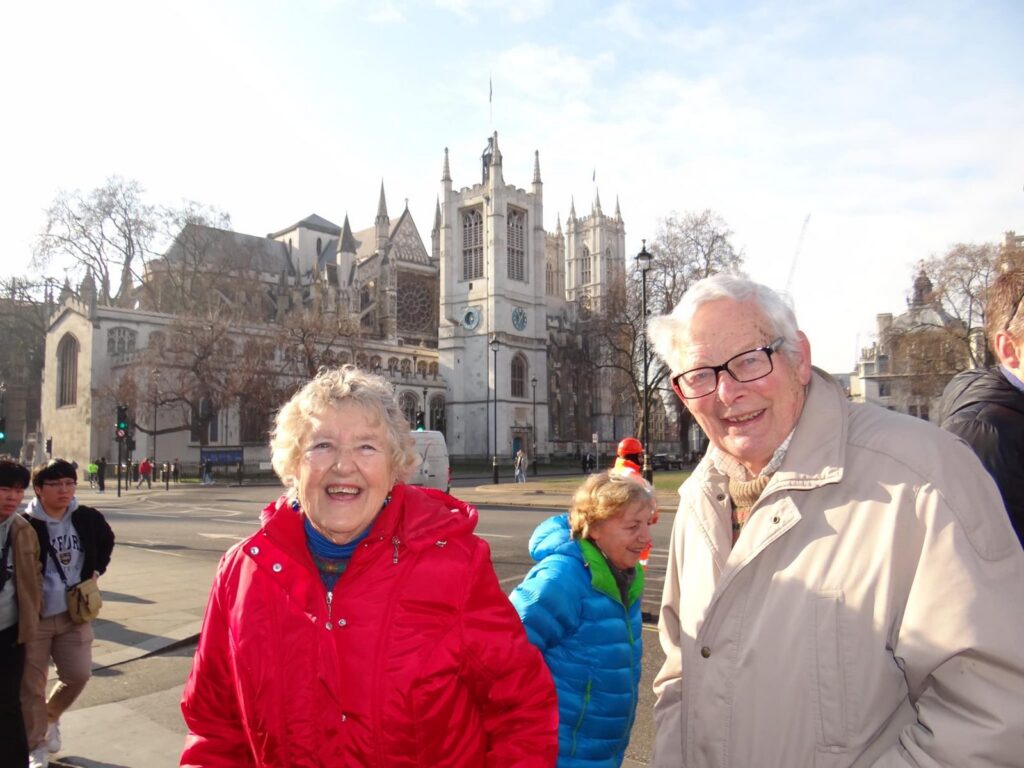
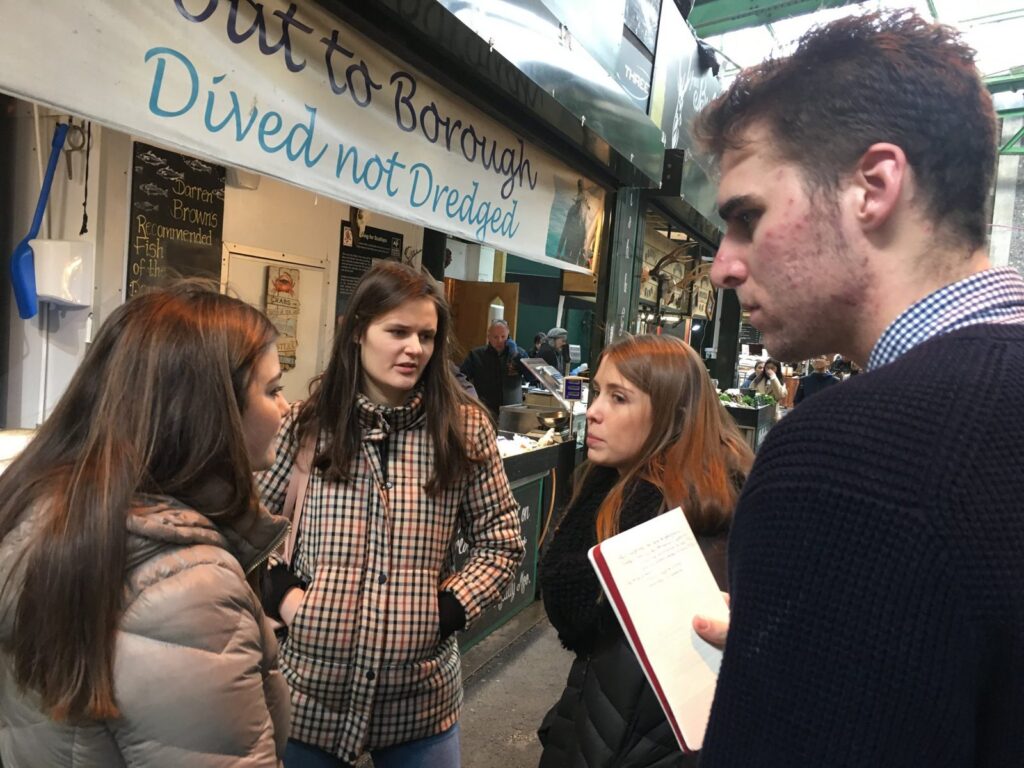
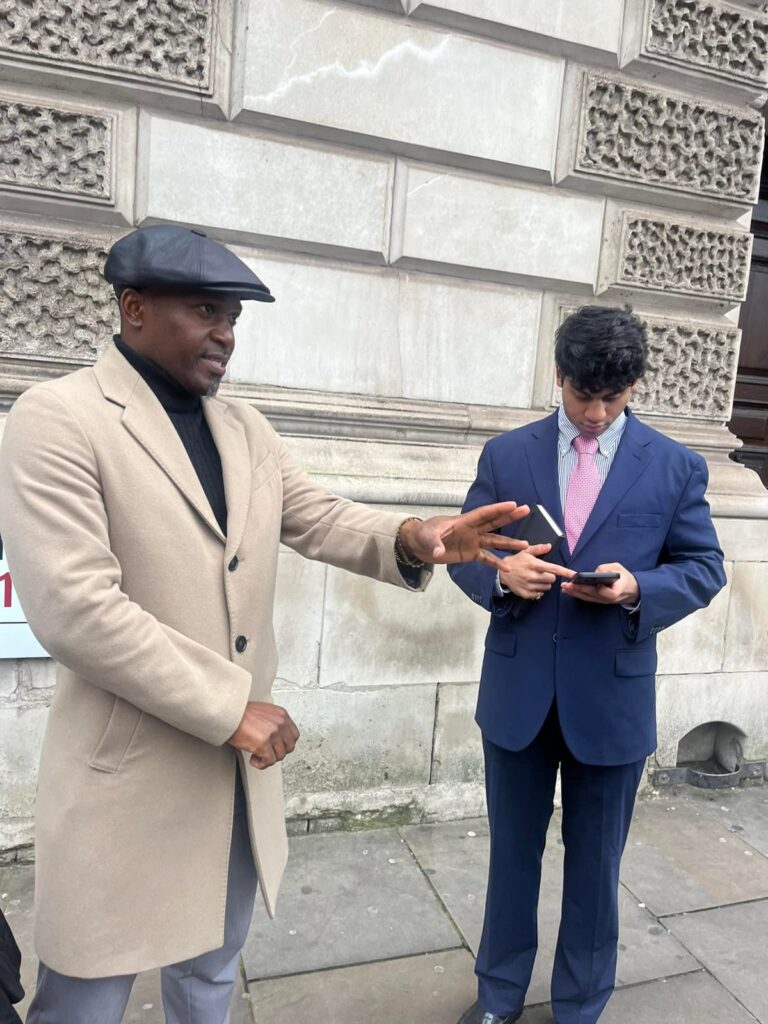
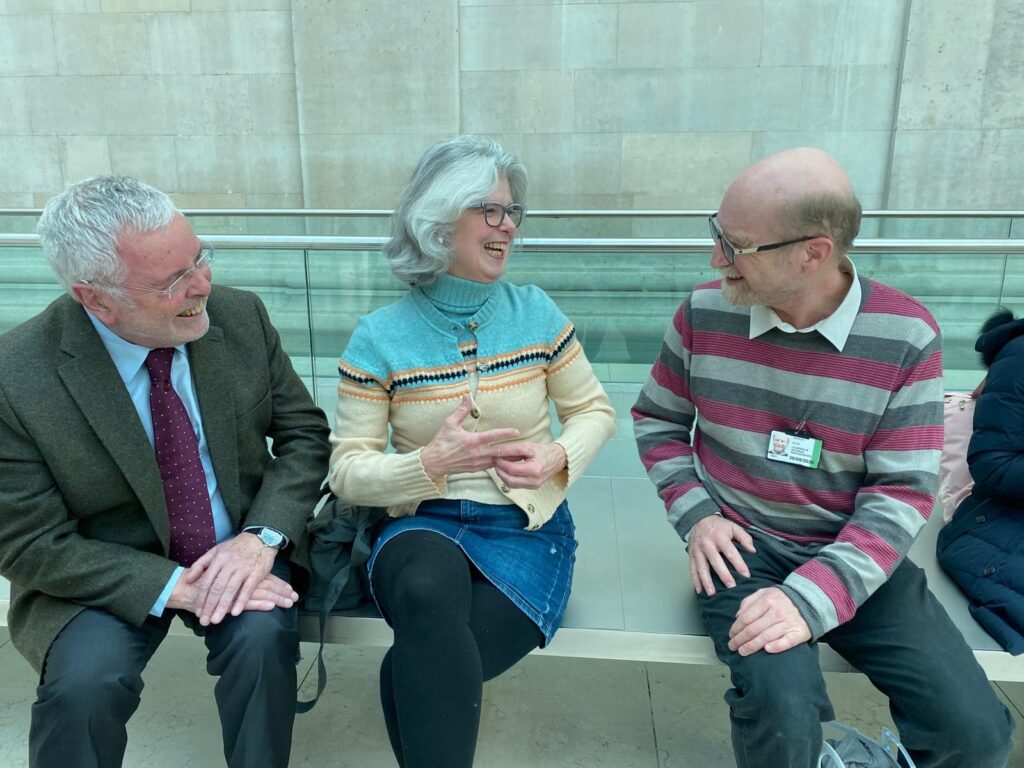
Teams head out with a notebook and a few open questions. They interview tourists, Londoners, shop owners and even police officers. For most students, walking up to a stranger is the scariest part of the whole course.
Leadership lesson
Lead by listening first. You cannot solve a problem for people you have not met.
Phase 2: Storytelling
Share the Stories
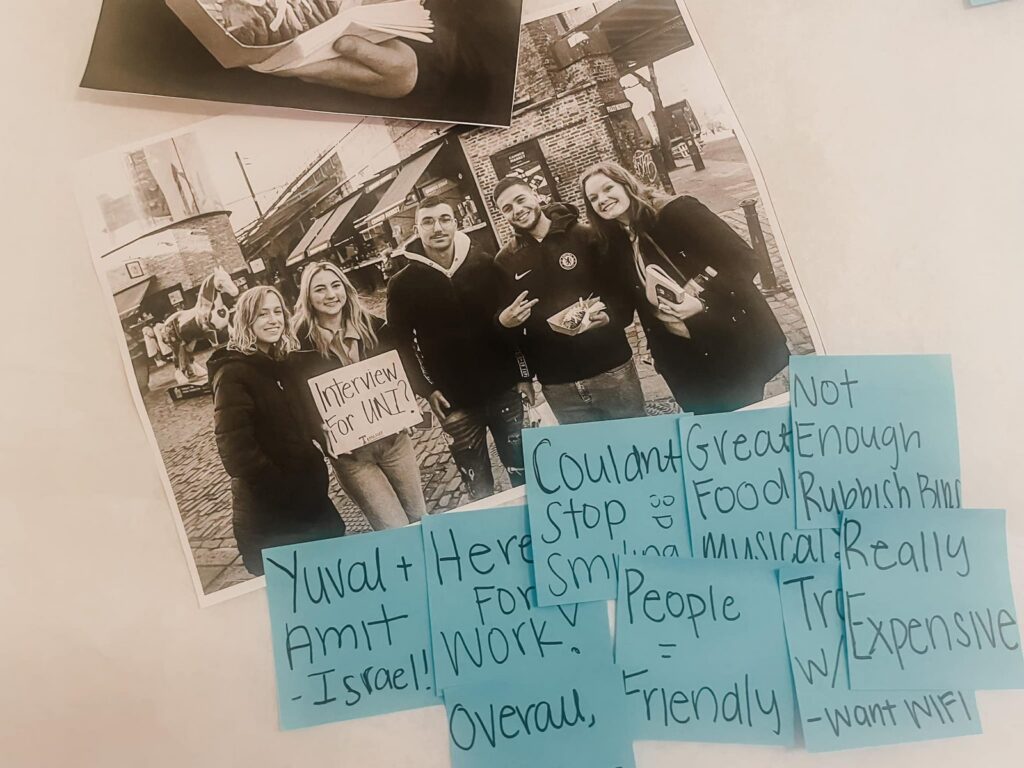
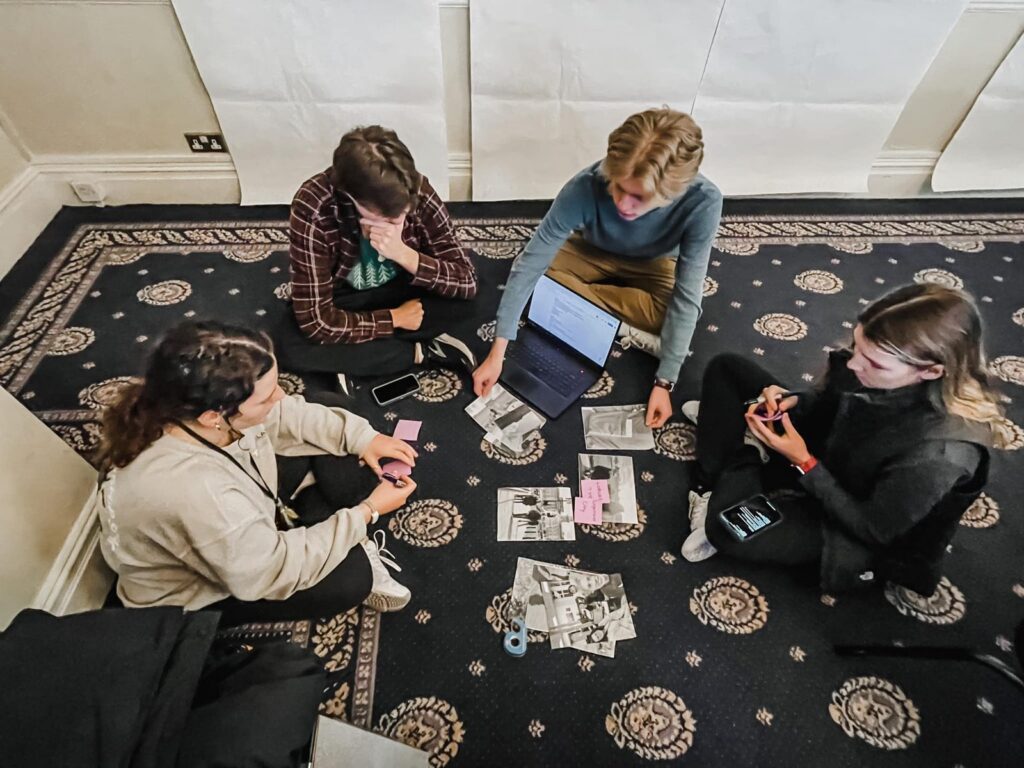
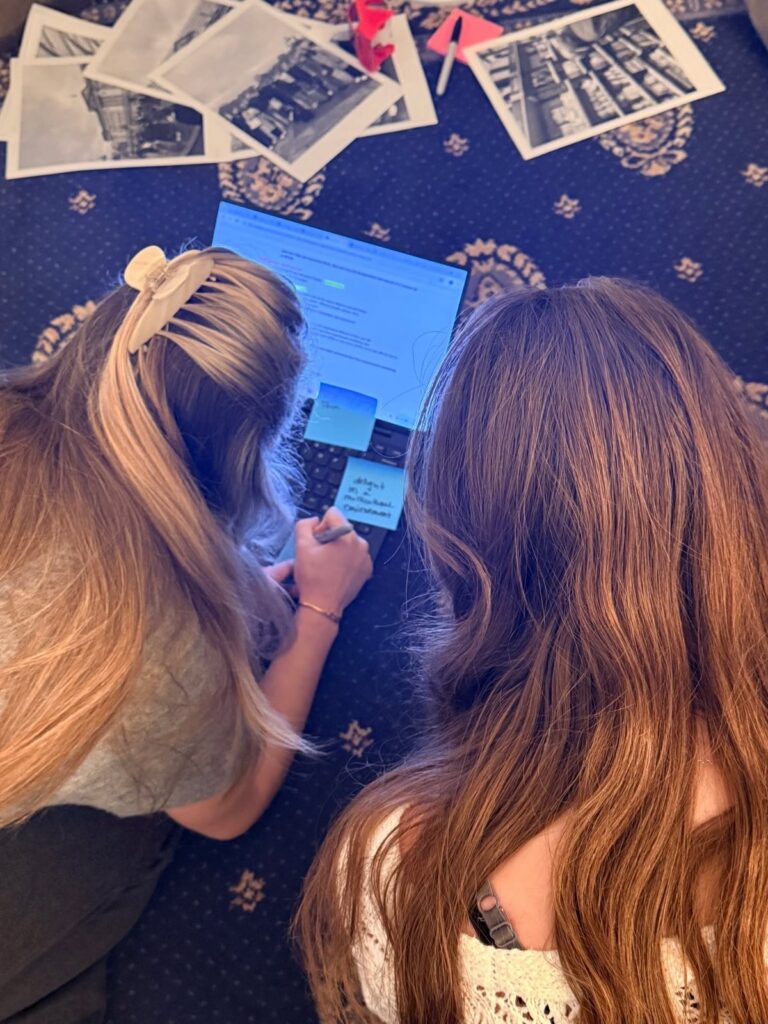
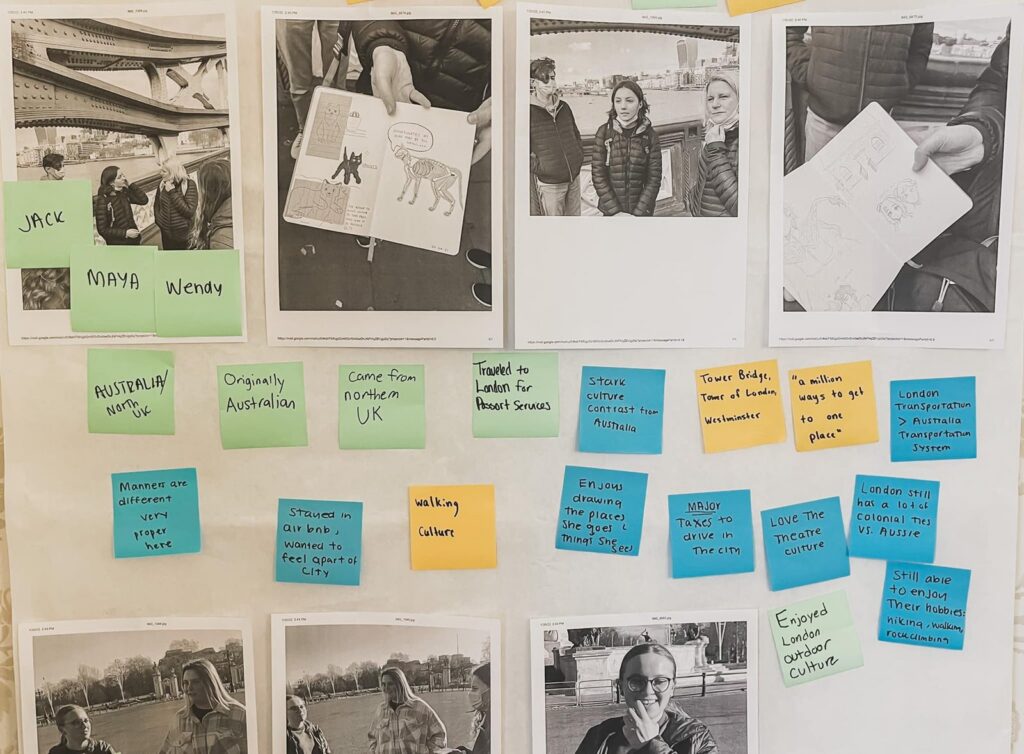
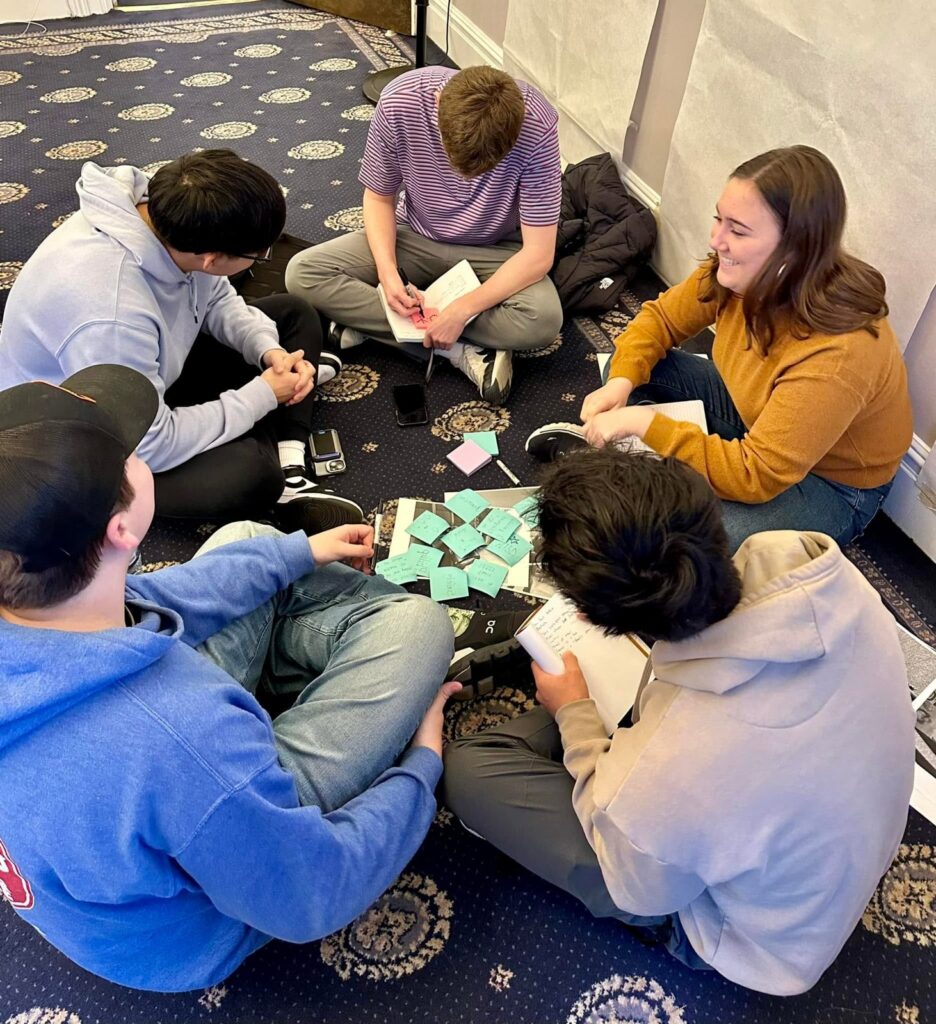
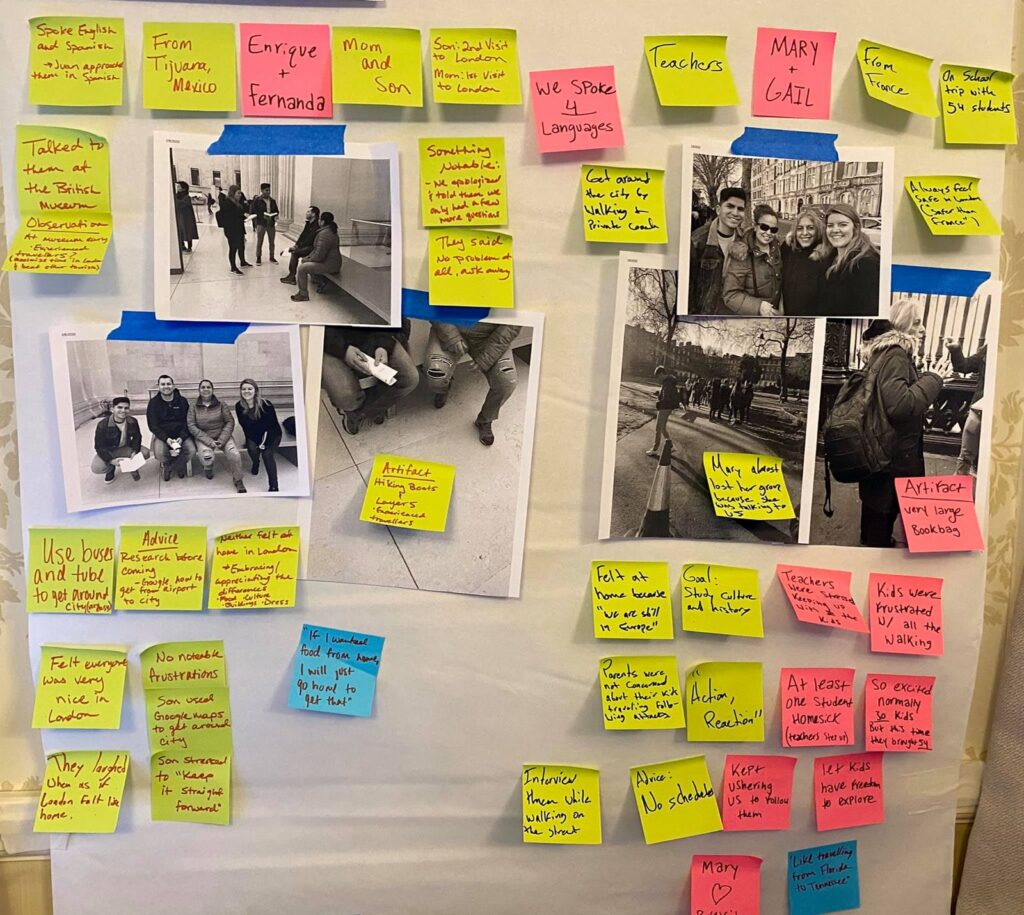
Back in the classroom, teams print photos from their interviews and tell the stories behind them. Every quote and observation goes on a sticky note, and everyone’s interviews count, not just the loudest voice’s.
Leadership lesson
Every voice on the team is data. Good leaders make room for all of it.
Phase 3: Synthesis
Find the Patterns
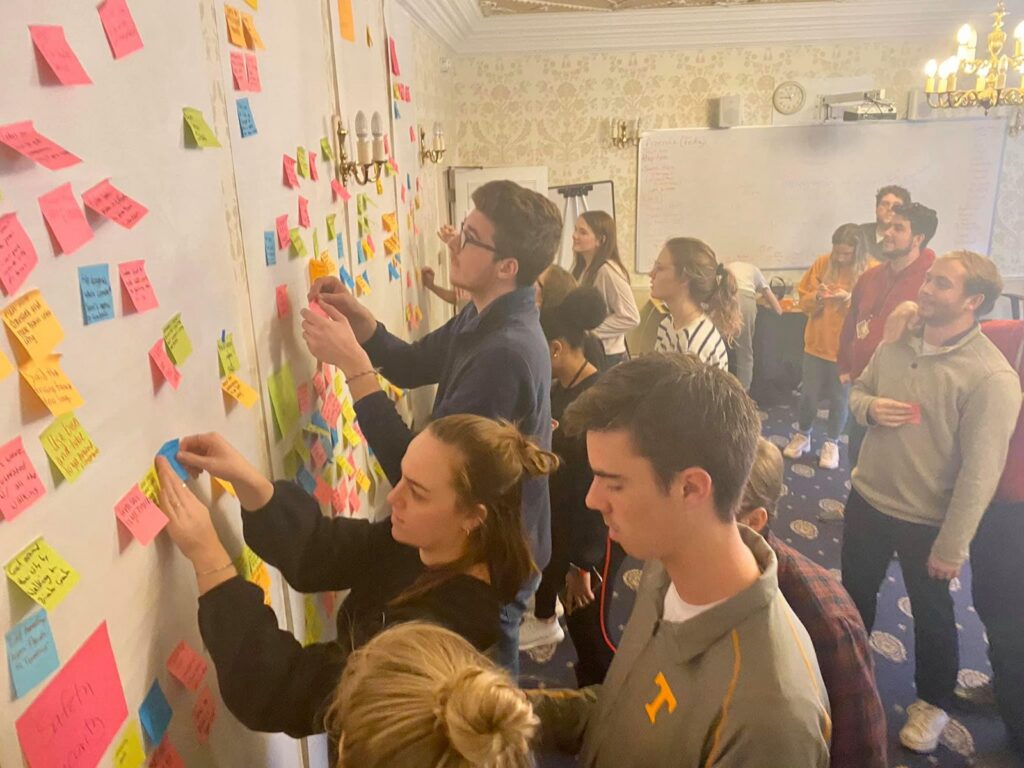
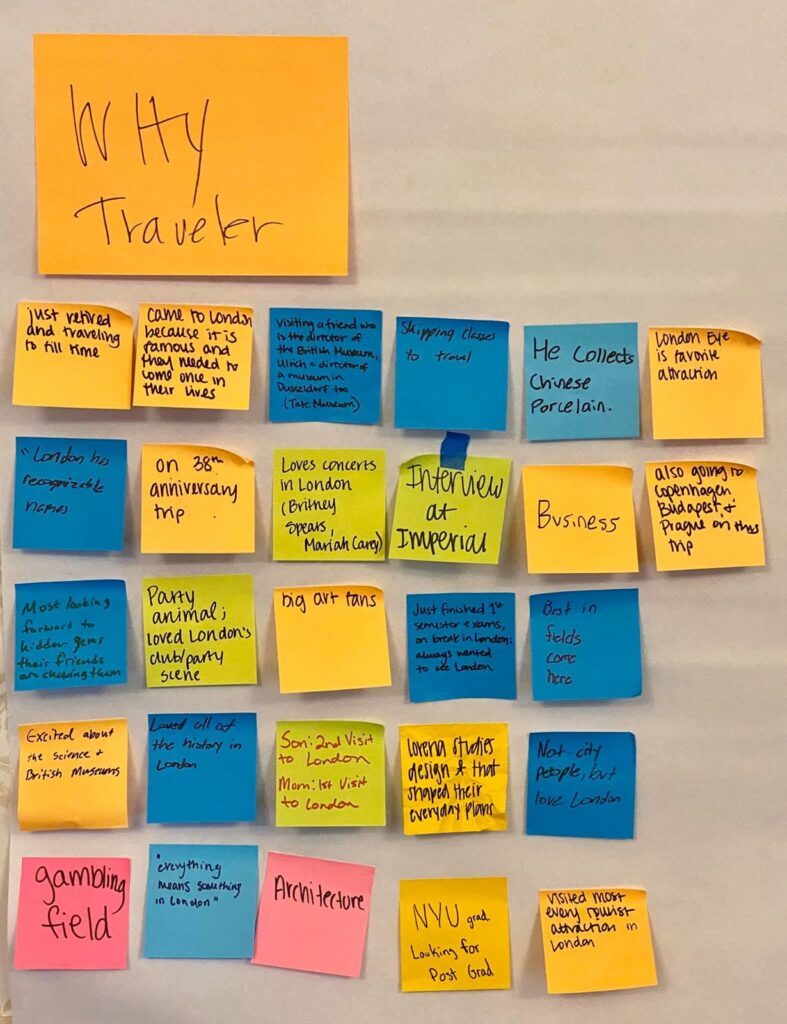
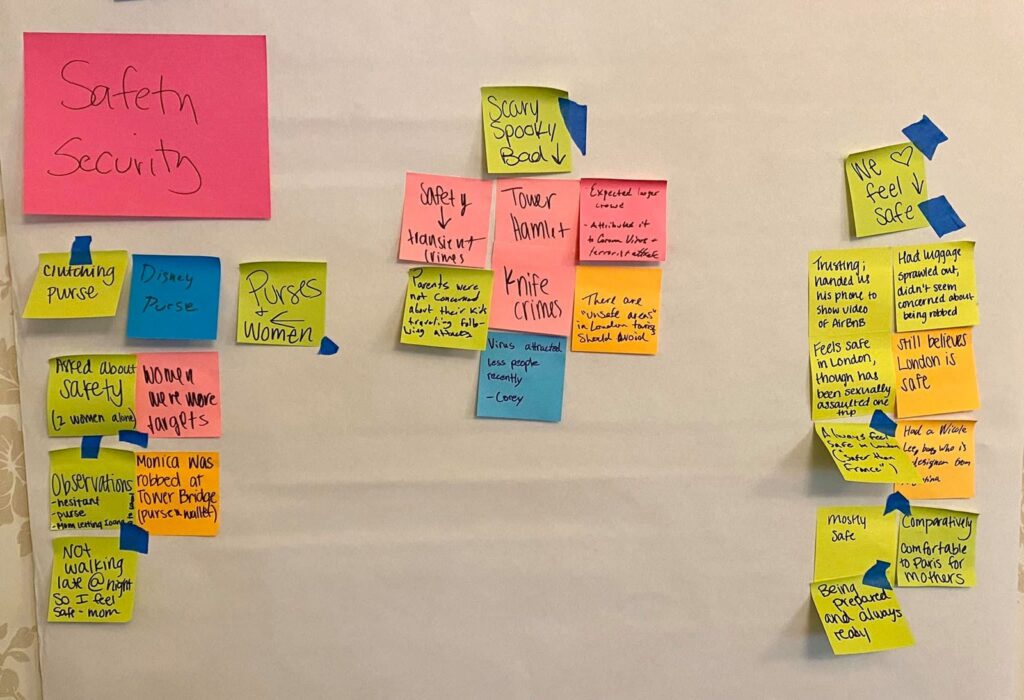
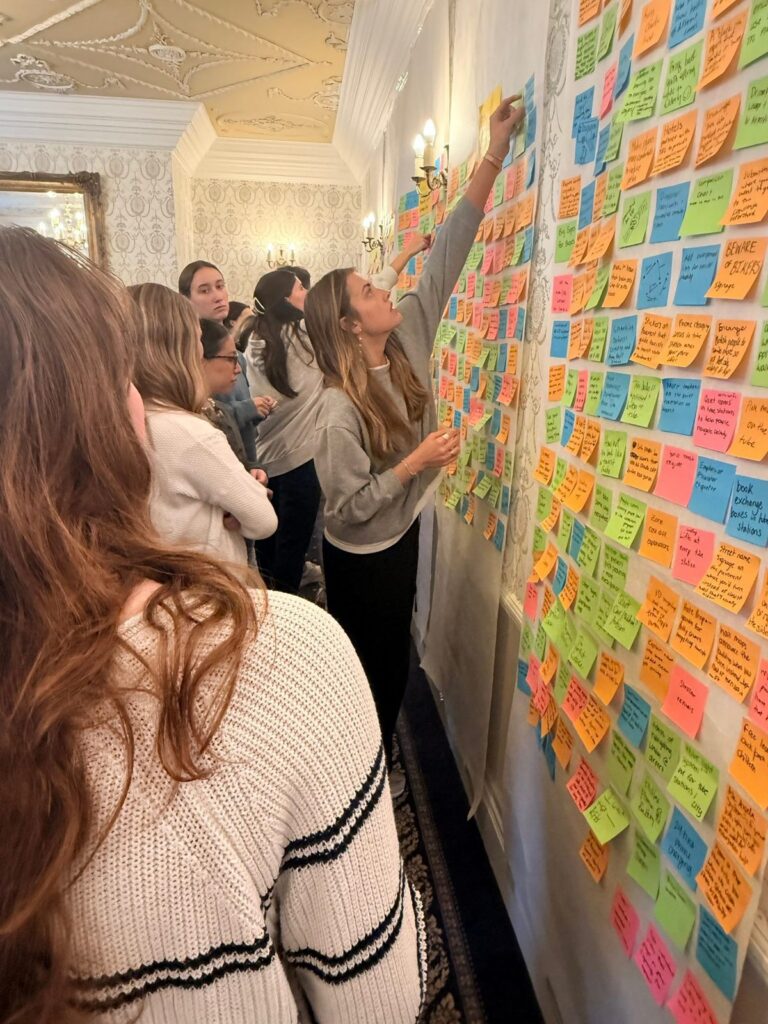
Then the walls fill up. Teams move notes around until themes appear: why people travel, what makes them feel safe, what gets in their way. It is messy, and that is the point.
Leadership lesson
Leaders help a group find clarity in messy information without rushing to an answer.
Phase 4: Ideation
Ask “How Might We?”
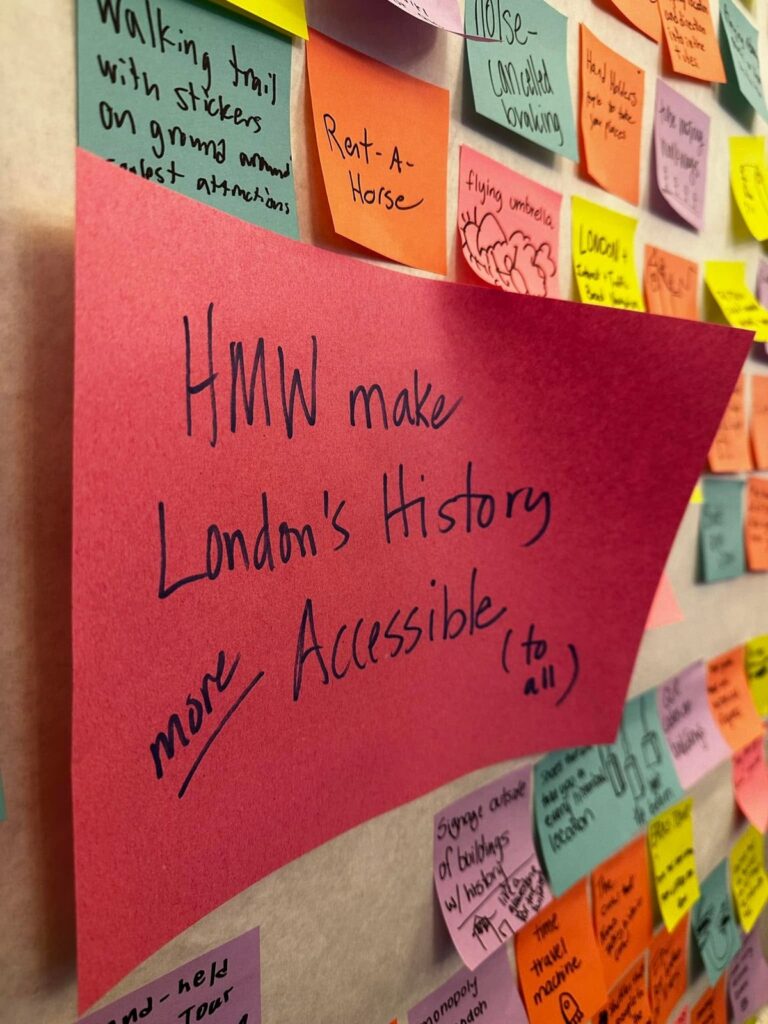
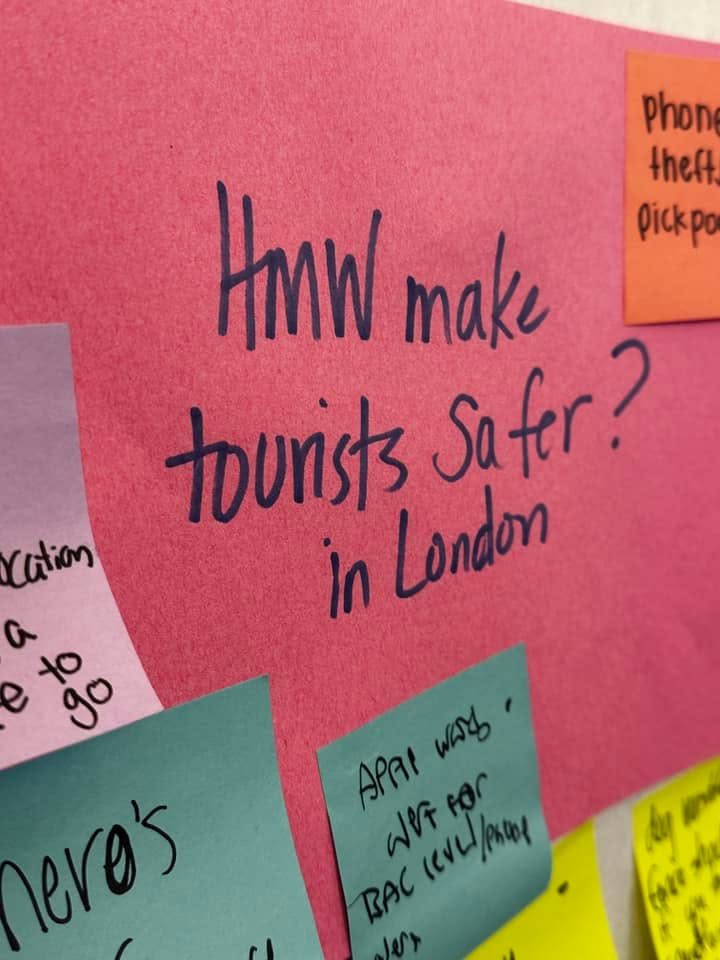
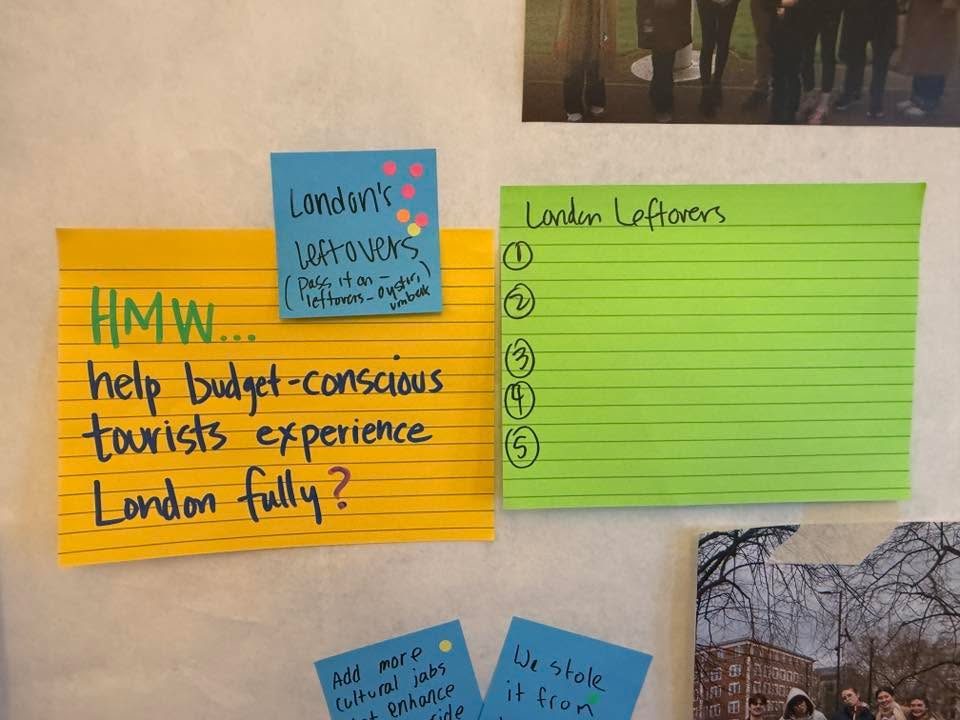
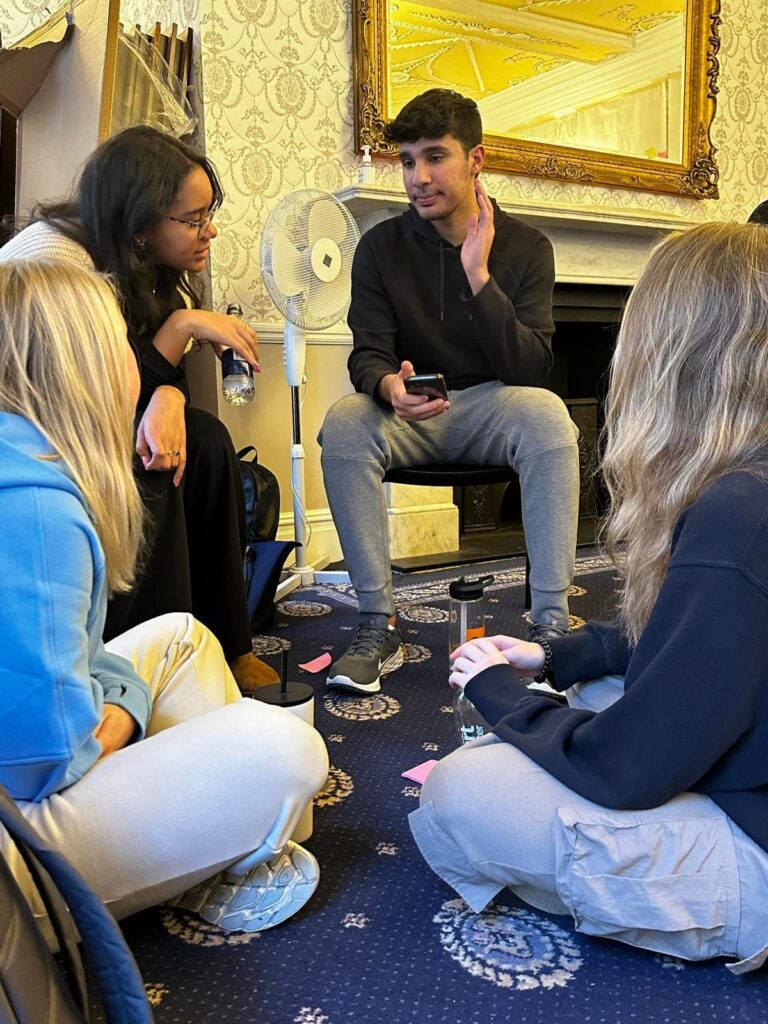
Themes turn into How Might We questions. How might we make London’s history more accessible? How might we make tourists feel safer? Then the ideas come fast, hundreds of them.
Leadership lesson
The right question unlocks a team’s creativity. Frame it well and people want to answer it.
We teach human-centered design. What students really learn is how to lead.
Jules Morris and Lane Morris, PhD
Phase 5: Prototyping
Build It Rough
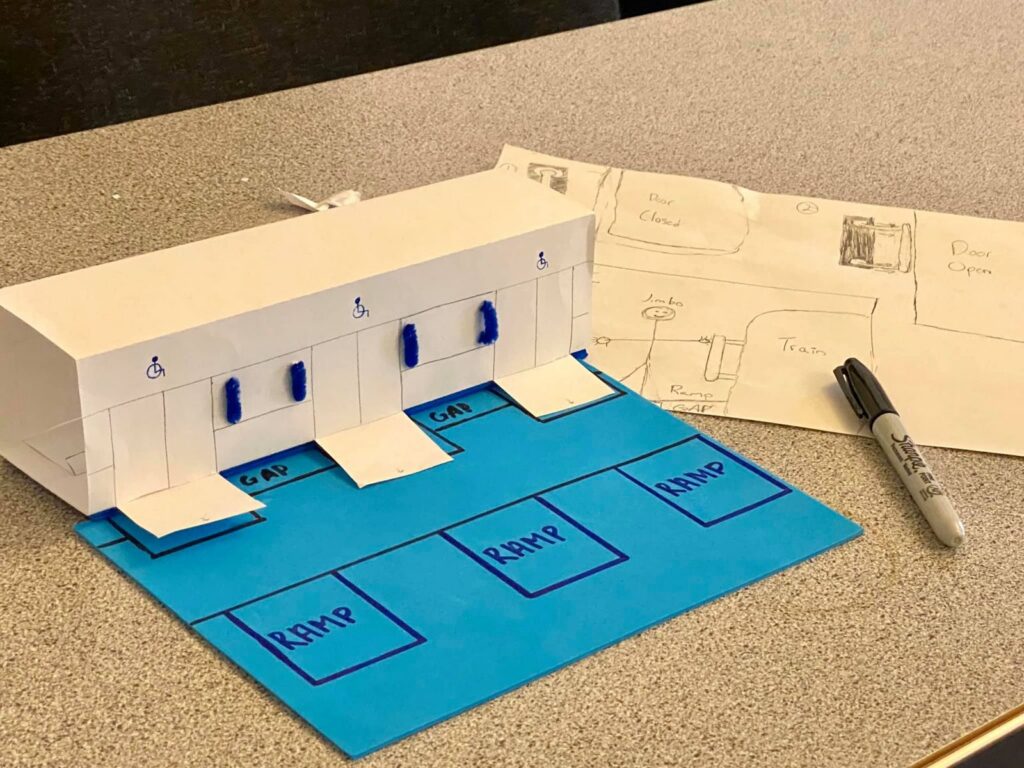
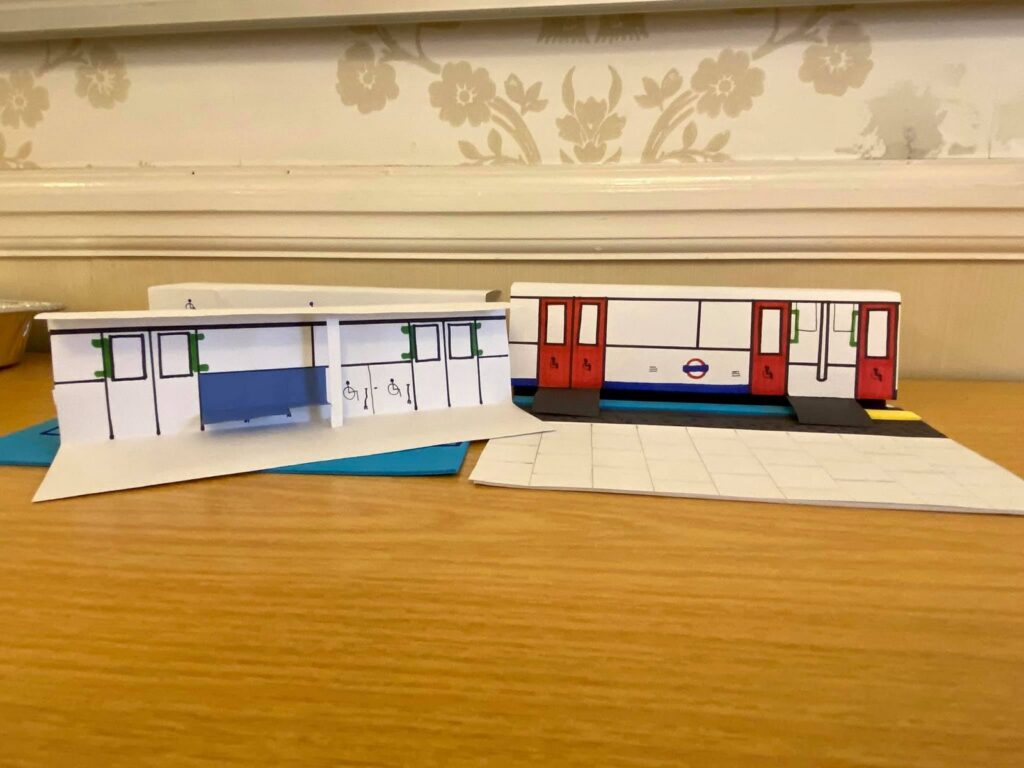
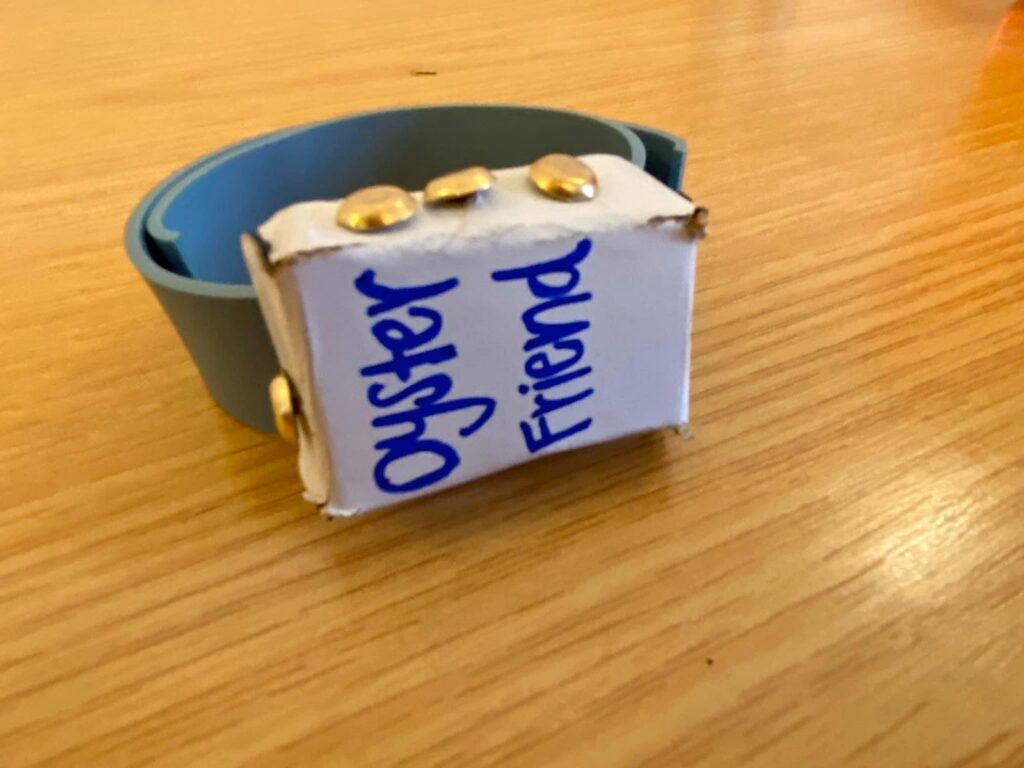
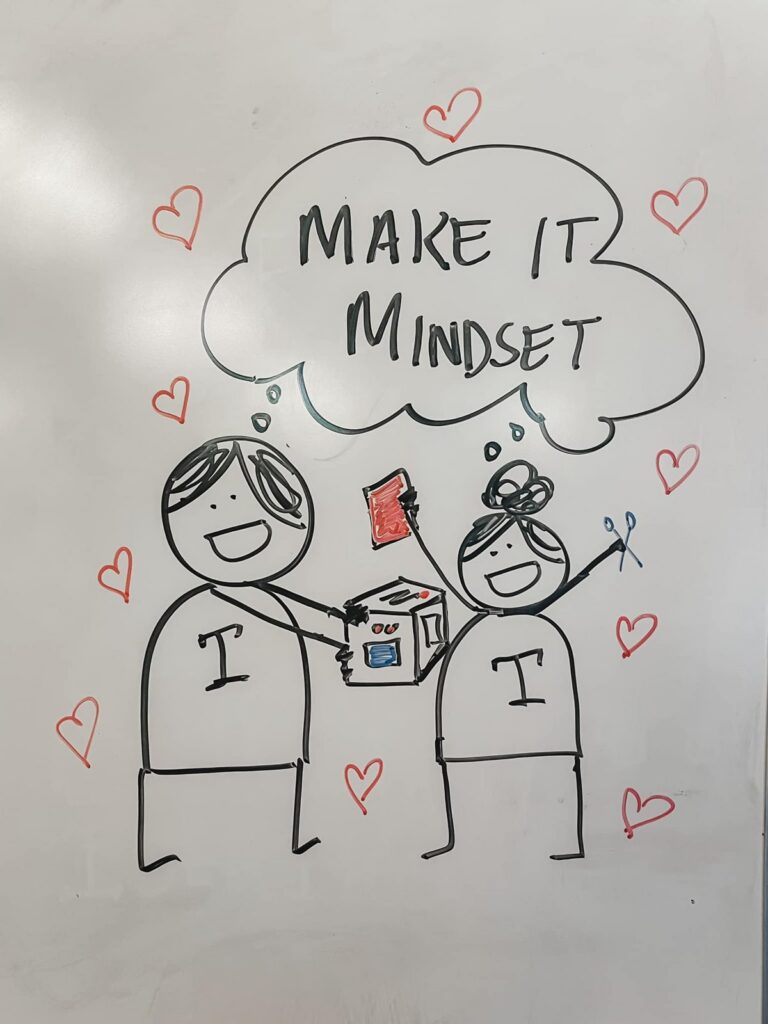
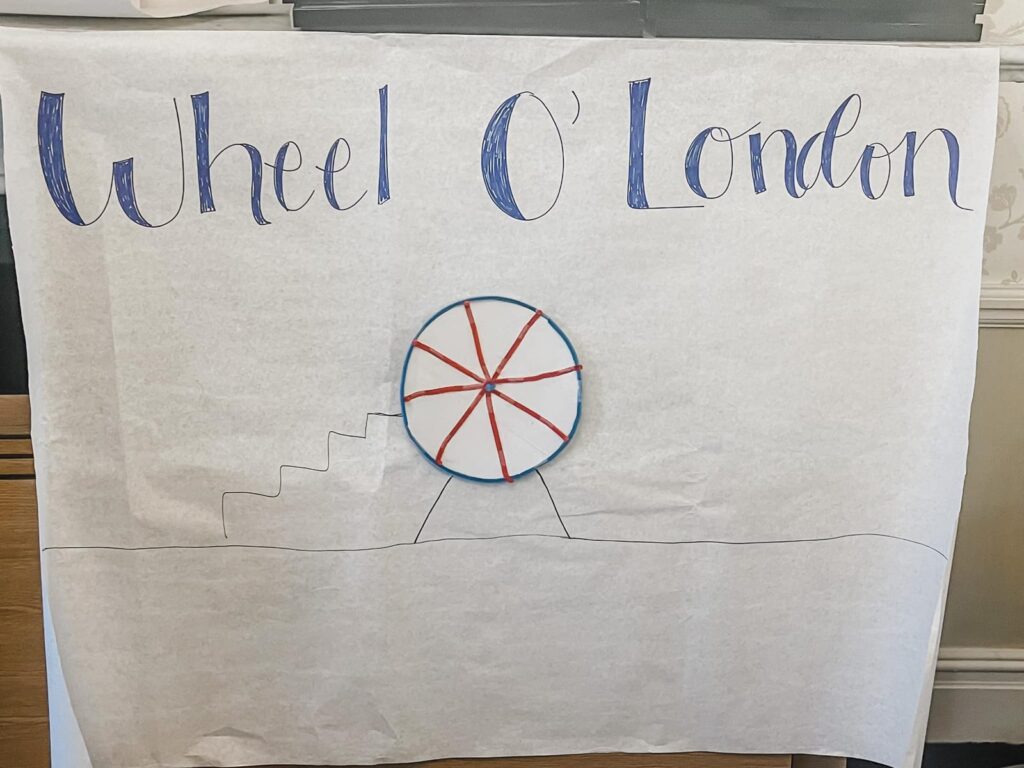
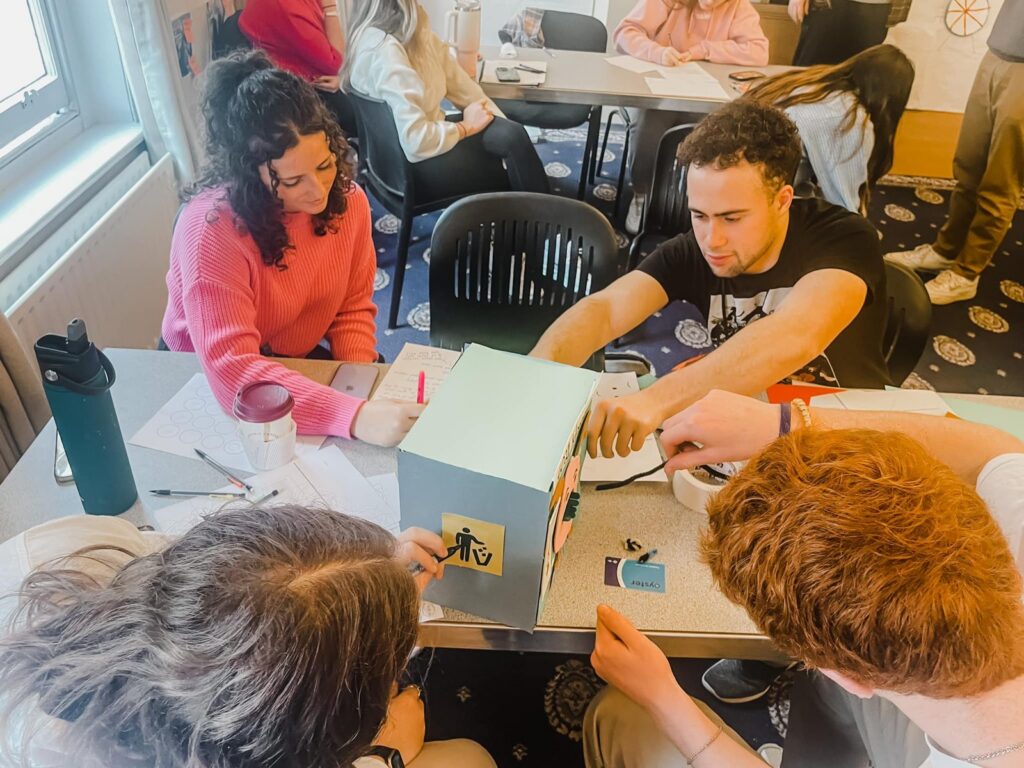
Paper, tape, pipe cleaners and cardboard. Teams build quick prototypes and test them with classmates. The goal is to learn, not to impress. We call it the Make It mindset.
Leadership lesson
Act before you are sure. Small, fast experiments build confidence and better ideas.
Phase 6: Final presentations
Pitch the Idea
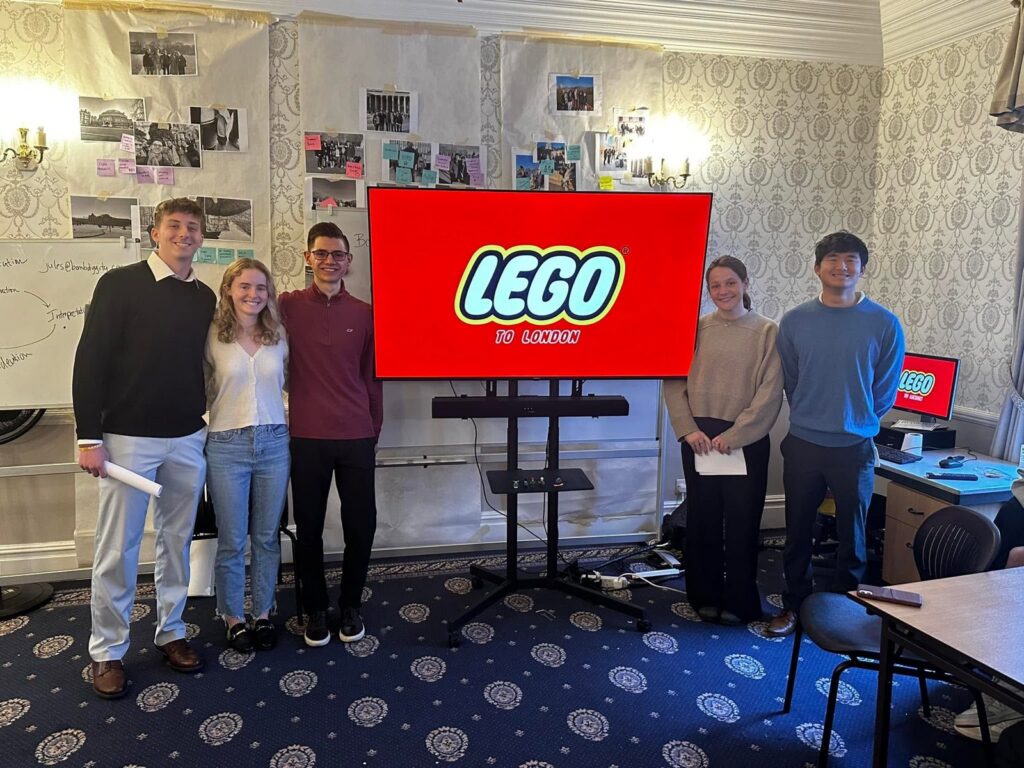
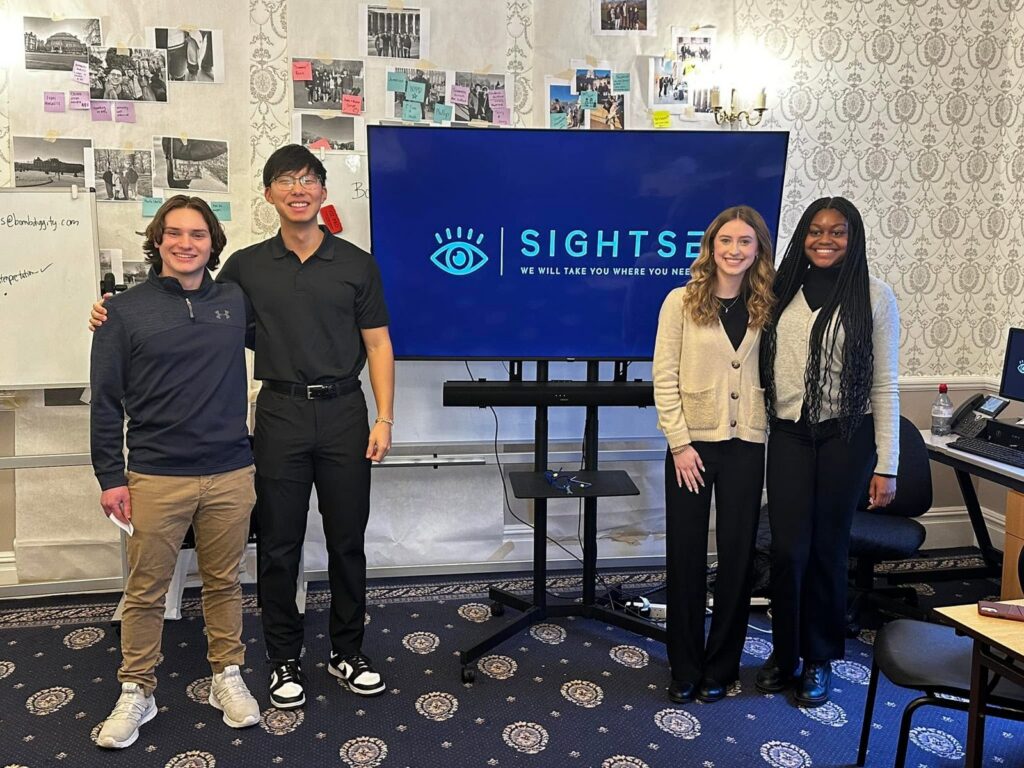
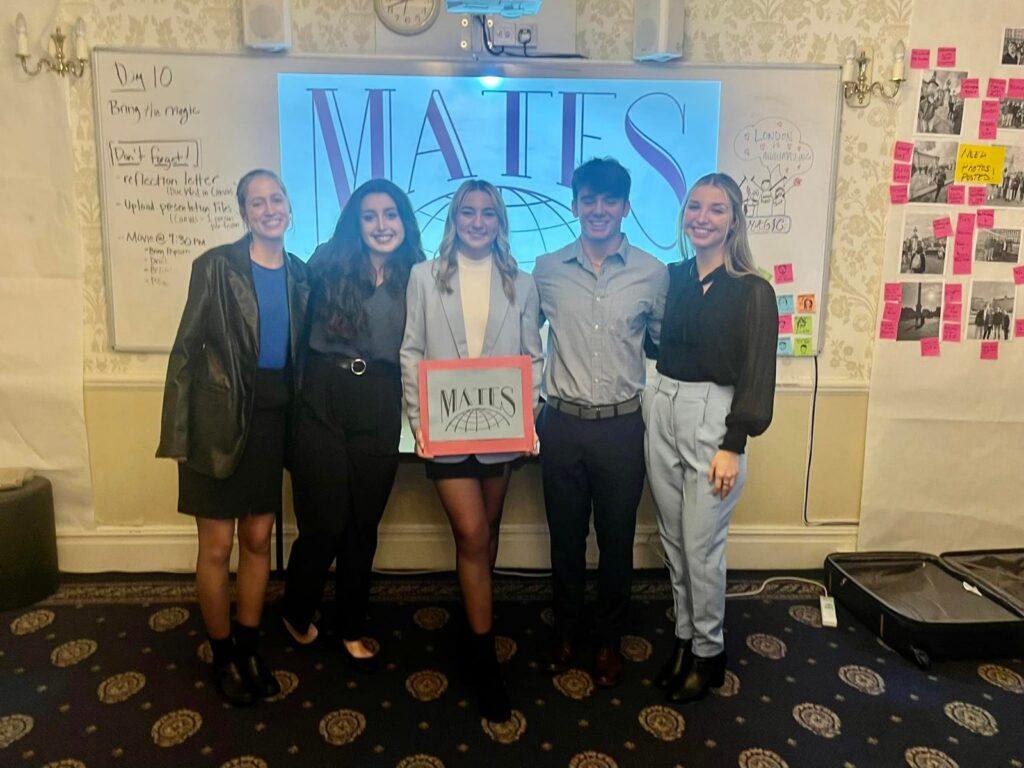
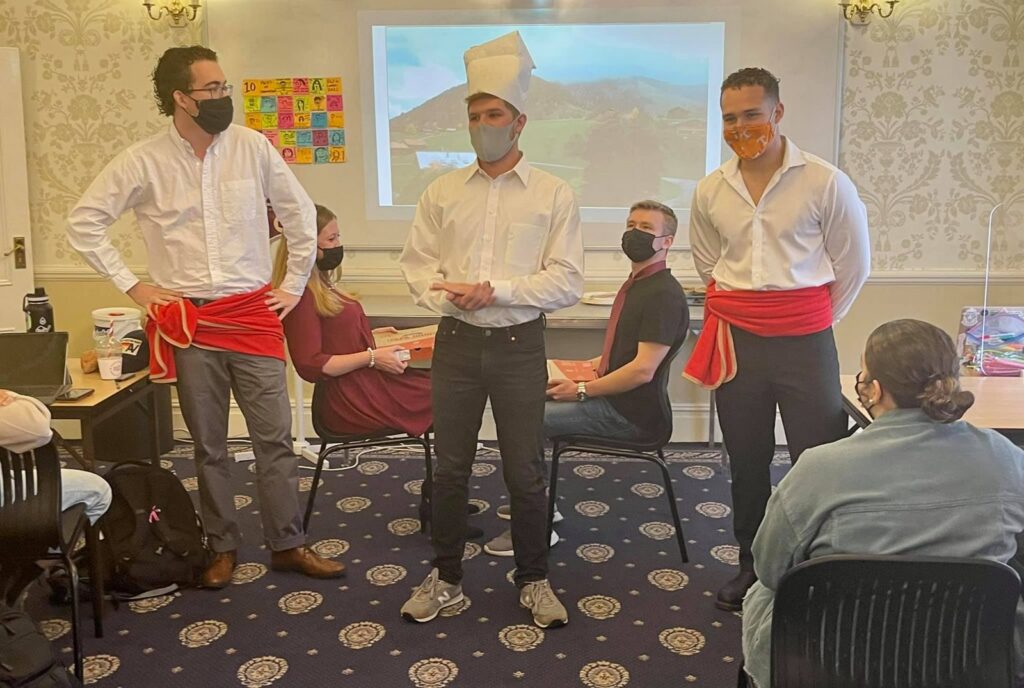
Every team presents its concept to the class. They have to tell a clear story: who they listened to, what they learned and why their idea matters.
Leadership lesson
Influence comes from a clear story grounded in real people.
What Students Say They Learned
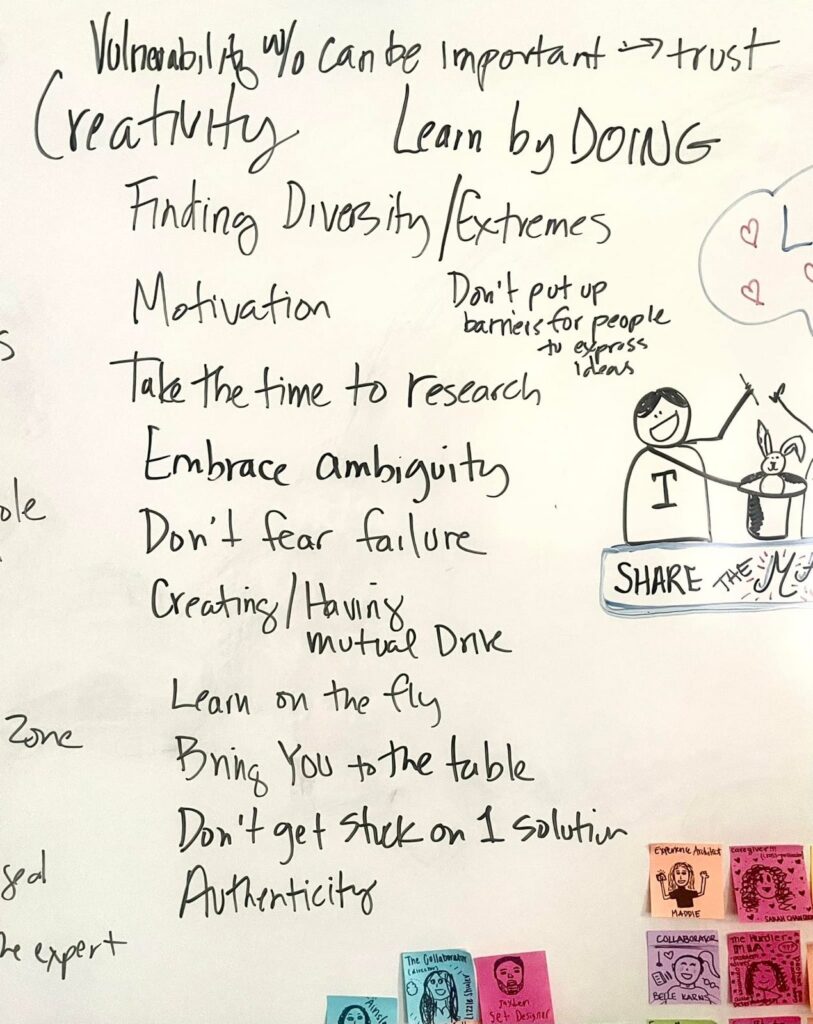
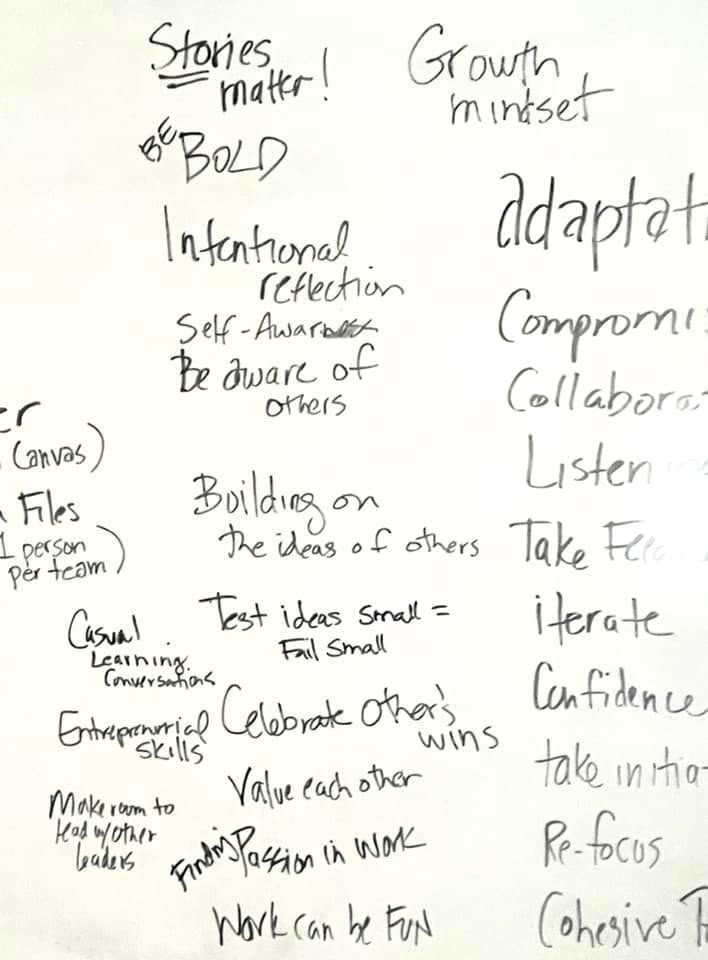
On the last day, we ask students what they will take home. Their answers fill the whiteboard: creativity, learn by doing, don’t fear failure, embrace ambiguity, collaboration, authenticity.
Remember
Human-centered design gives students a process. Doing it together, in a city they do not know, gives them the confidence to lead.
Keep going
Design for the Edges
Why designing for people at the edges works better for everyone.
More on human-centered design
Every post on the blog about putting people at the center.
Human Centered Leadership
How Lane and I bring this work to leaders and organizations at BombDiggity.
Leave a Reply