Case study · Marketing 475 · Short-Form Video: Hooks and Scripts
Aerie picked one feeling it wanted people to have, confidence over perfection, and backed it with a visible rule, no retouching, which gives every photo and video built-in proof.
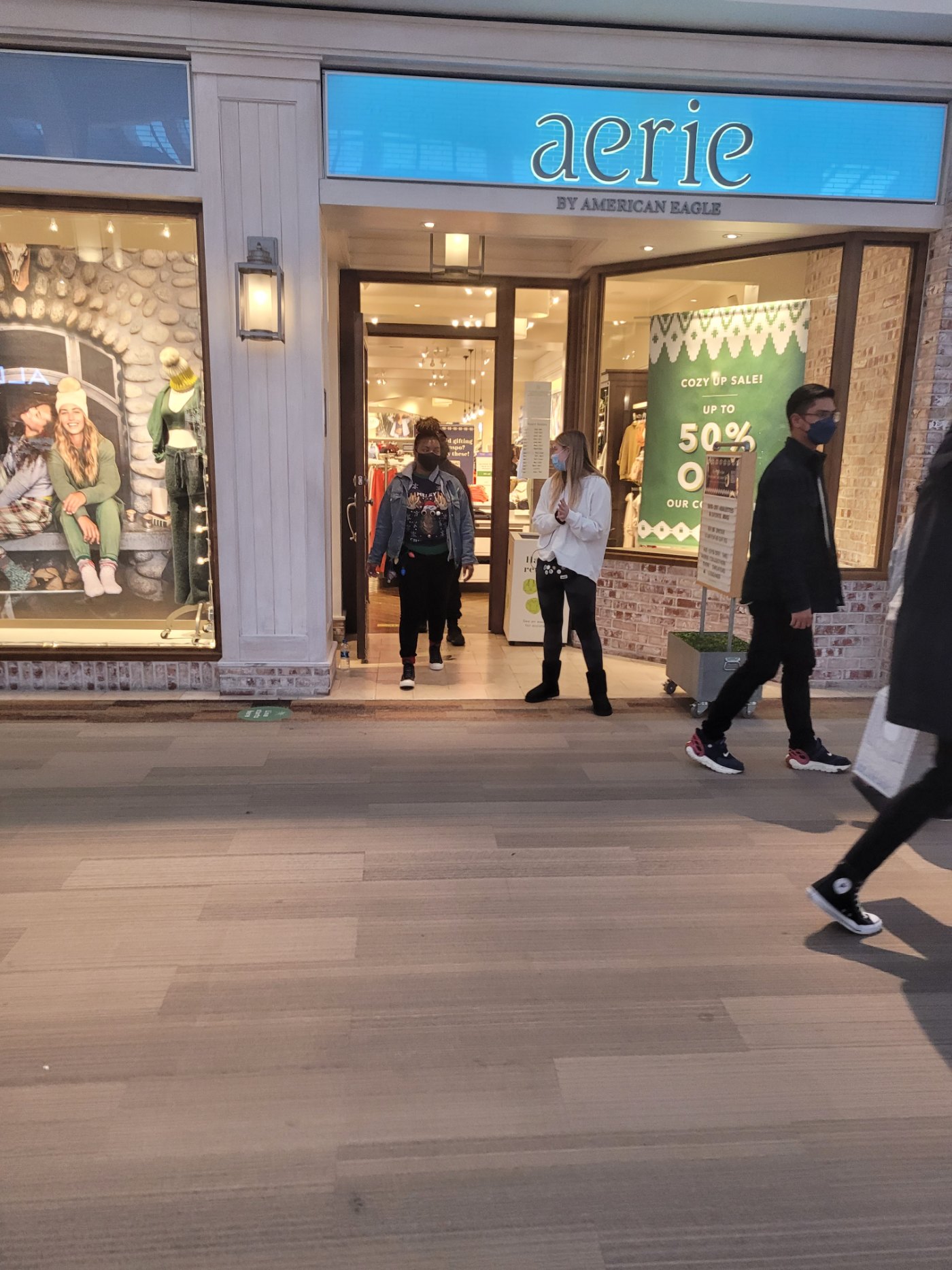

Brand
Aerie (American Eagle Outfitters)
Year(s)
2014 to 2026
Channel(s)
Campaign photography and video ads, social media, aerie.com
Goal
Stand apart in intimate apparel by showing real, unretouched bodies
Topic
Short-Form Video
2014
Year Aerie pledged to stop retouching its models (PR Newswire, January 2014)
$225M to ~$2B
Aerie’s size in 2010 compared with 2026 (Fortune, April 2026)
+23%
Aerie comparable sales growth in the quarter before April 2026, versus +2% for American Eagle (Fortune, 2026)
The situation
In the early 2010s, intimate apparel advertising was built on supermodels and heavy photo editing. Aerie was a small part of American Eagle Outfitters. When Jennifer Foyle joined in 2010 to lead it, Aerie was a $225 million sub-brand, according to Fortune.
Aerie’s core customers were young women. Many of them did not see themselves in the polished, edited images that defined the category.
The challenge
Aerie needed a reason to be chosen over bigger, better-known brands. Saying “we’re different” was not enough. Every brand says that.
It needed a message that viewers could check with their own eyes. In visual media, especially fast-moving video, people decide in a second or two whether something feels true. The proof has to be on screen.
What they did
On January 17, 2014, Aerie announced its Spring 2014 “aerie Real” campaign, featuring unretouched models of different sizes. Jennifer Foyle, then Aerie’s chief merchandising officer, said “there is no need to retouch beauty” and that the brand wanted “to help empower young women to be confident in themselves and their bodies.”
- One rule anyone can see. No retouching of models. A viewer can check this in every image.
- Proof built into the shopping experience. The 2014 launch included a bra guide on aerie.com that showed unretouched models with similar body types wearing the same size.
- A recurring hashtag. #aerieReal gave the idea a name people could use and share.
- A pledge renewed for a new problem. In March 2026, Aerie launched a “Real matters” ad starring Pamela Anderson that contrasts AI-generated models with real women. It added a new line to its pledge: “No AI-generated bodies or people” (Fortune, April 2026).
What happened
The idea outlasted a single campaign. Twelve years later, AEO’s corporate site still describes Aerie as championing “power, positivity and no retouching,” with the sign-off “Always & forever REAL.”
- Aerie grew from a $225 million sub-brand in 2010 to a nearly $2 billion brand by 2026 (Fortune, April 2026).
- Fortune reported that Aerie doubled its revenue in the five years before 2026.
- In the quarter before Fortune’s April 2026 report, Aerie’s comparable sales rose 23%, compared with 2% for the American Eagle brand (Fortune, April 2026).
Why it worked
Aerie chose one feeling and stuck with it: confidence over perfection. Every piece of content has the same job, which makes the brand easy to recognize across years and formats.
The no-retouching rule turns the message into evidence. A viewer does not have to trust a claim. They can see beauty marks, tattoos and different body shapes on screen. That matters most in short-form video, where there is no time to explain. The footage itself has to carry the point.
The 2026 update shows the idea still has room to grow. As AI-generated images became common, “real” became a sharper difference than it was in 2014.
Where it gets complicated
Unretouched does not mean unedited. Casting, lighting, styling, posing and choosing which shots to use are all still creative decisions. Students should ask how “real” any professional campaign can be.
The results also have many causes. Fortune credits Aerie’s growth to more than the campaign, including early moves into larger sizes, comfort-focused products and its Offline activewear line, which it reports now brings in about $750 million a year. A campaign does not grow a brand on its own if the product does not deliver.
Finally, a promise like this creates risk. Once a brand builds its identity on “real,” any edited image or AI-made asset that slips through would undercut the whole message. The rule only works if it is enforced every time.
The marketing principle
Short-form video gives you seconds, not minutes. Decide the single feeling you want viewers to leave with, then make sure the footage proves it without explanation. Aerie’s rule, no retouching, means every frame does that work for the brand.
Sources
- Intimates Line aerie Gets Real, Unveils “aerie Real” Spring 2014 Campaign Featuring Unretouched Models, Challenging Supermodel Standards, PR Newswire (American Eagle Outfitters) (2014)
- Aerie built a $2 billion brand. Now it wants to win the AI backlash., Fortune (2026)
- Aerie, American Eagle Outfitters, Inc. (2026)
Group activity for this case
Prove It in Frame
Your group will have one feeling for your brand and a visible rule that proves it in every frame of your video. A 20-minute group activity. Dr. Morris gives the password in class.
Back to Short-Form Video: Hooks and Scripts · All case studies
Brand names, images and trademarks belong to their owners and appear here for educational purposes only.