The big idea
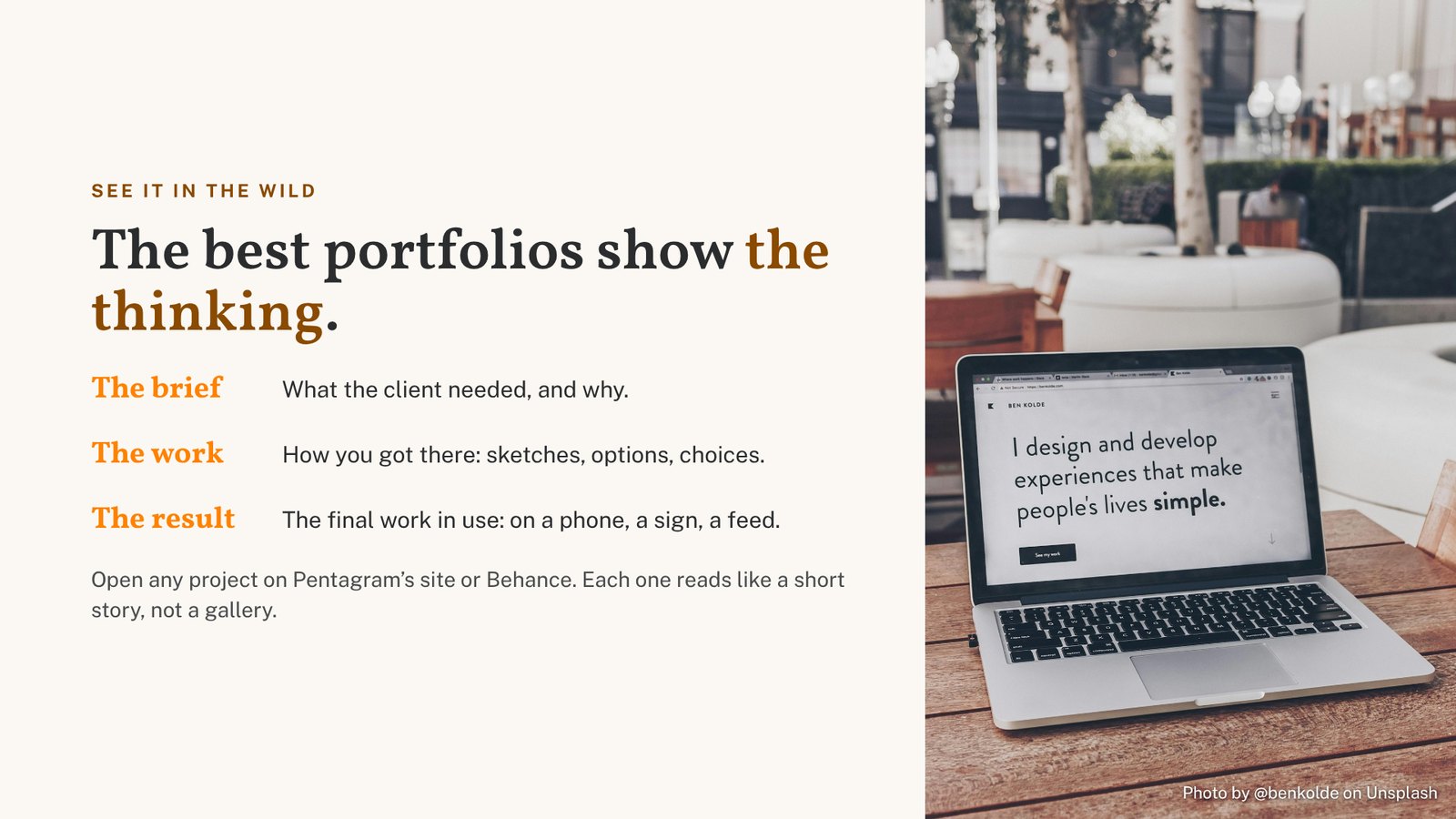
Your personal brand is the promise of what it’s like to work with you. Show your thinking, not just your finished work.
Topic soundtrack
This Is Me
Anthems about showing up as yourself. Turn it up before you hit publish.
In 60 seconds
- Your personal brand is the promise of what it’s like to work with you, and it already exists.
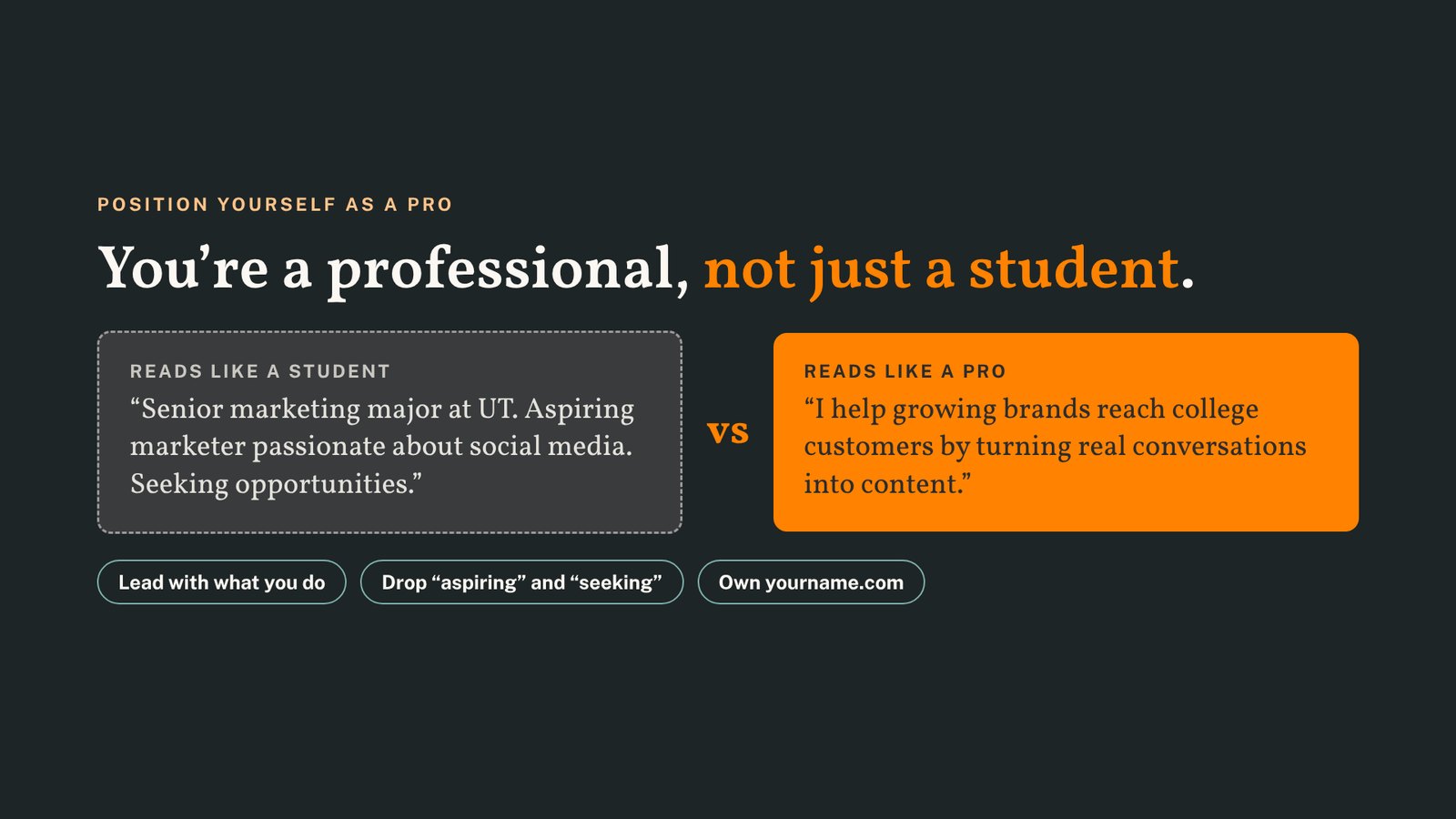
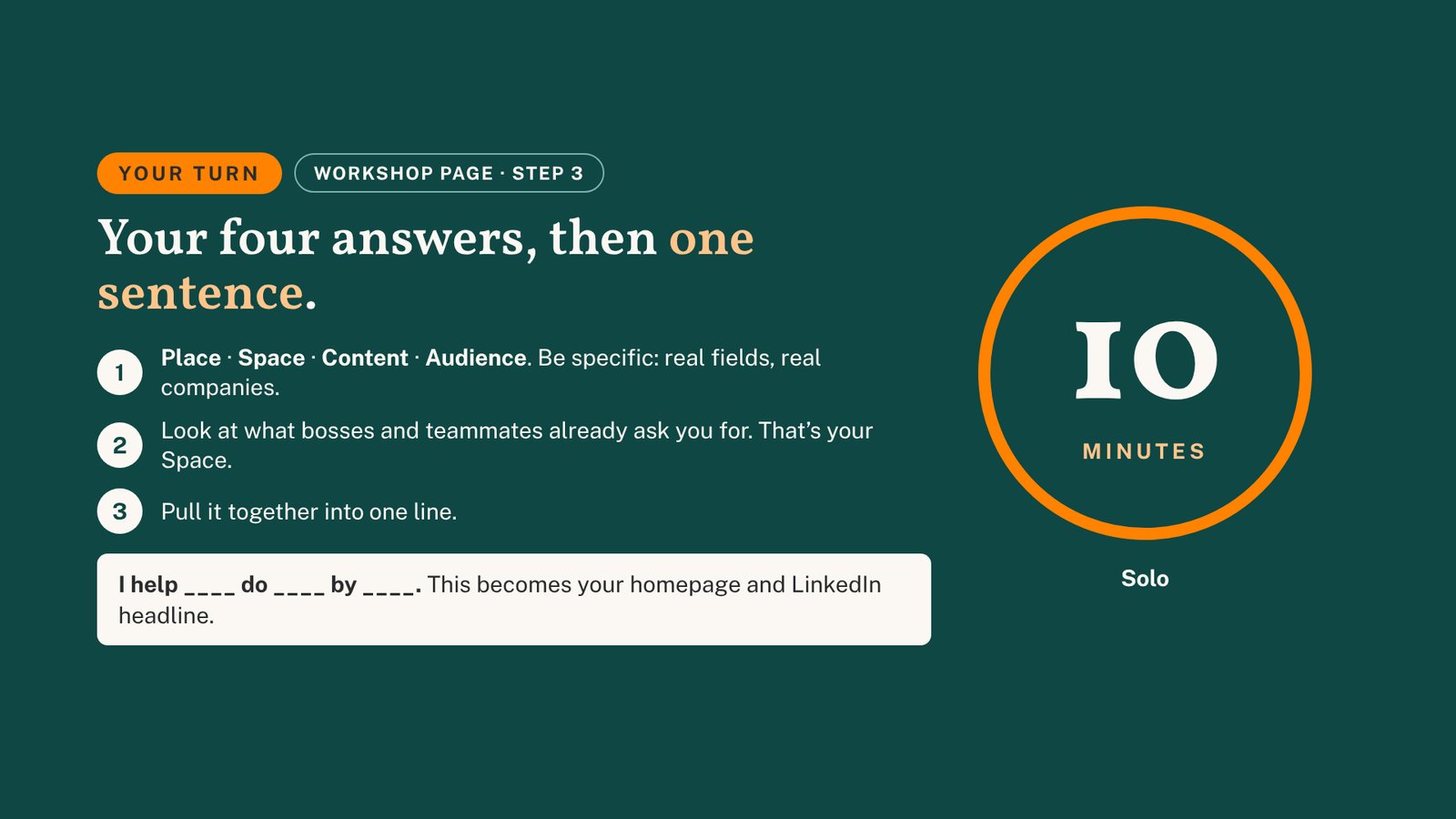
- Position yourself in one sentence: who you help, how, and what makes your approach different.
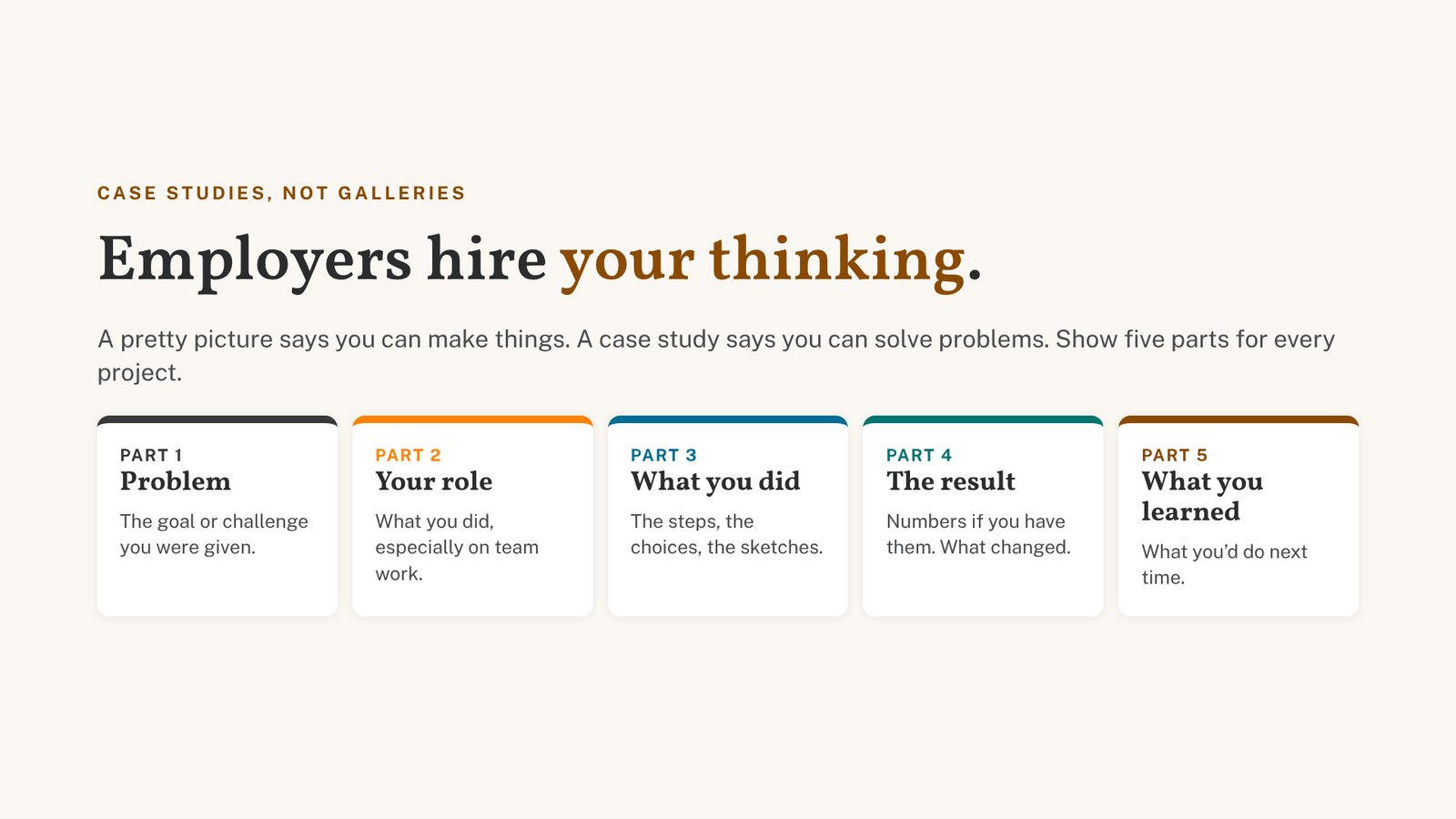
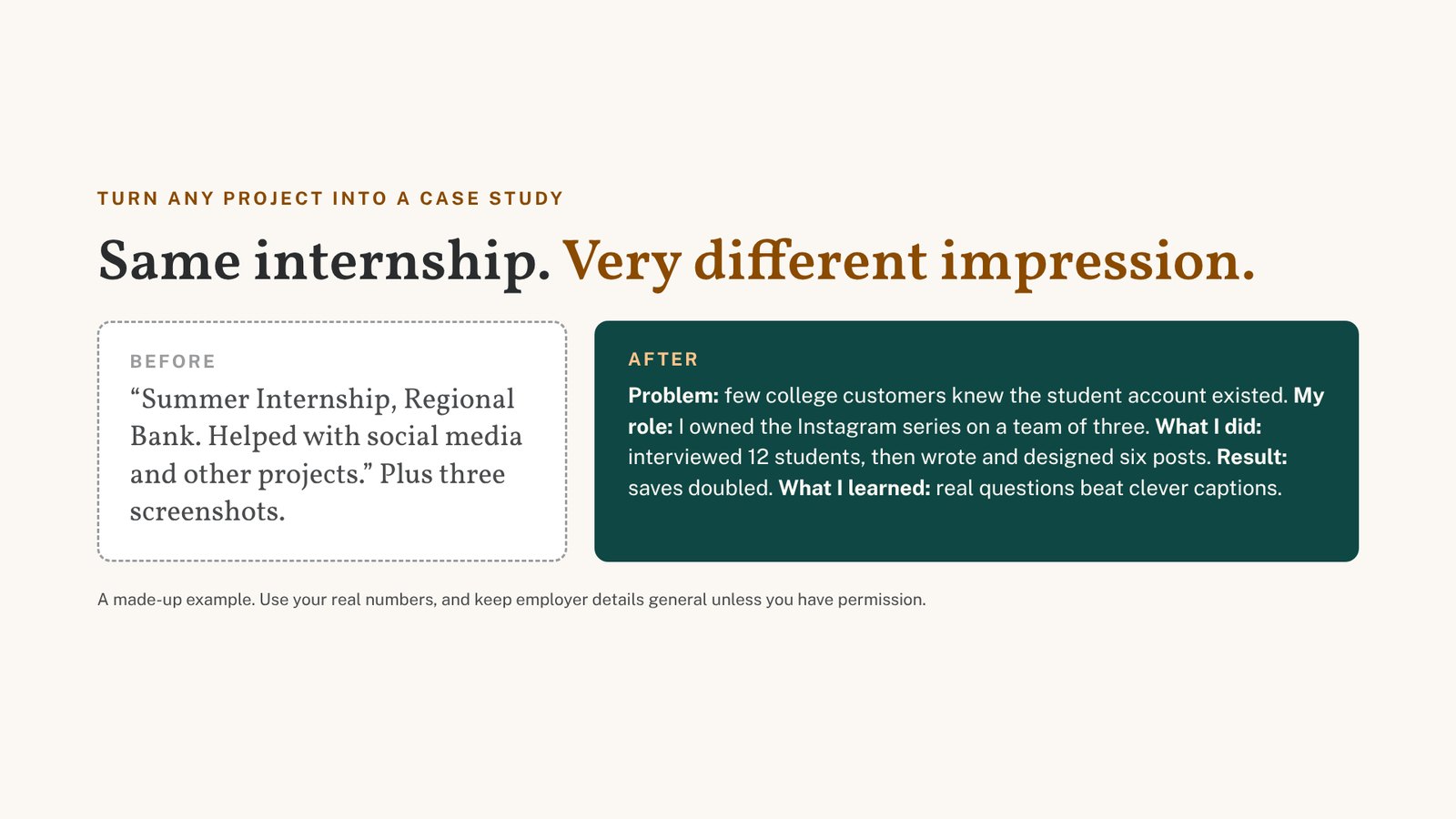
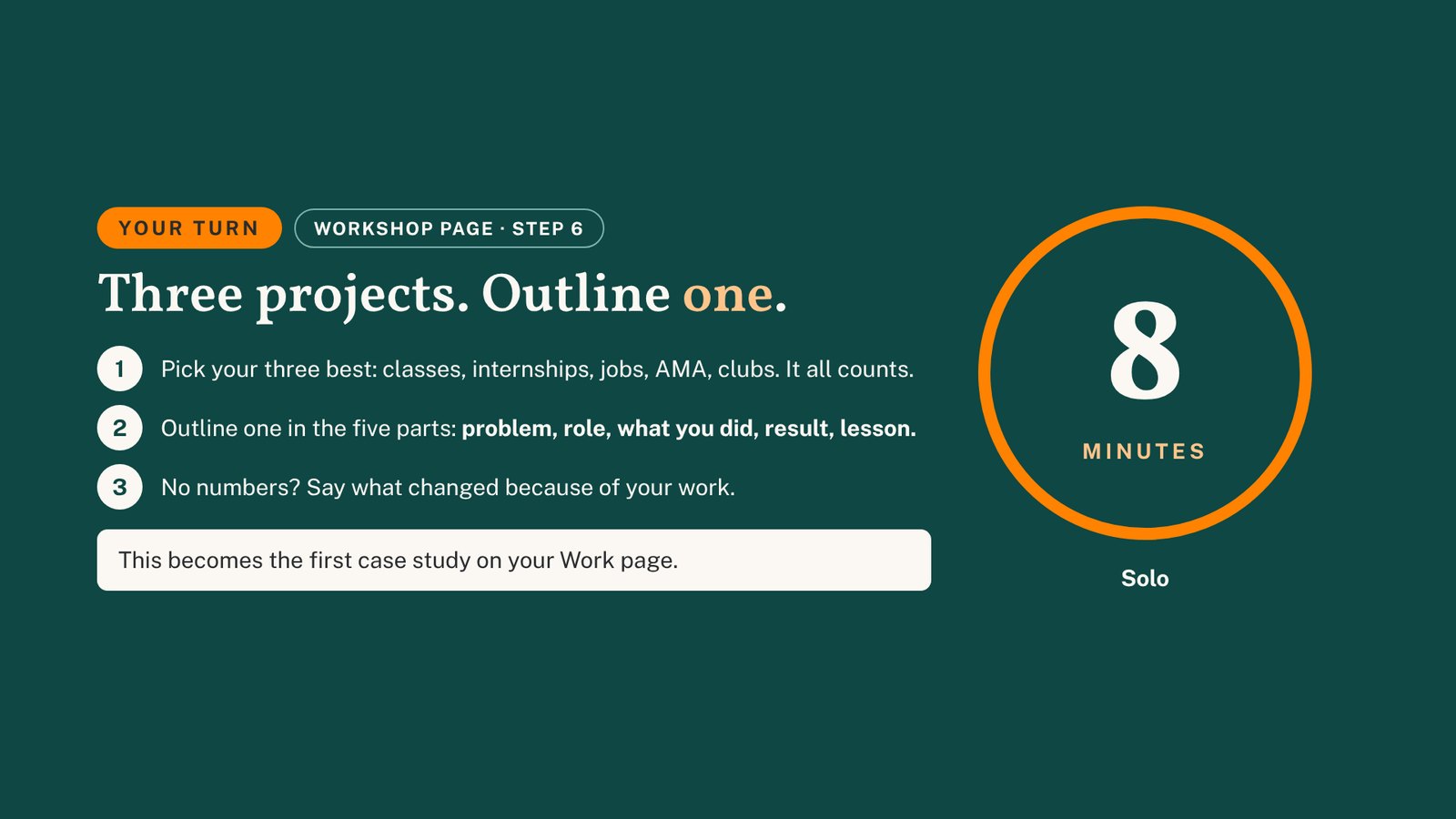
- Show each project as a case study: the problem, your role, your process, the result and what you learned.
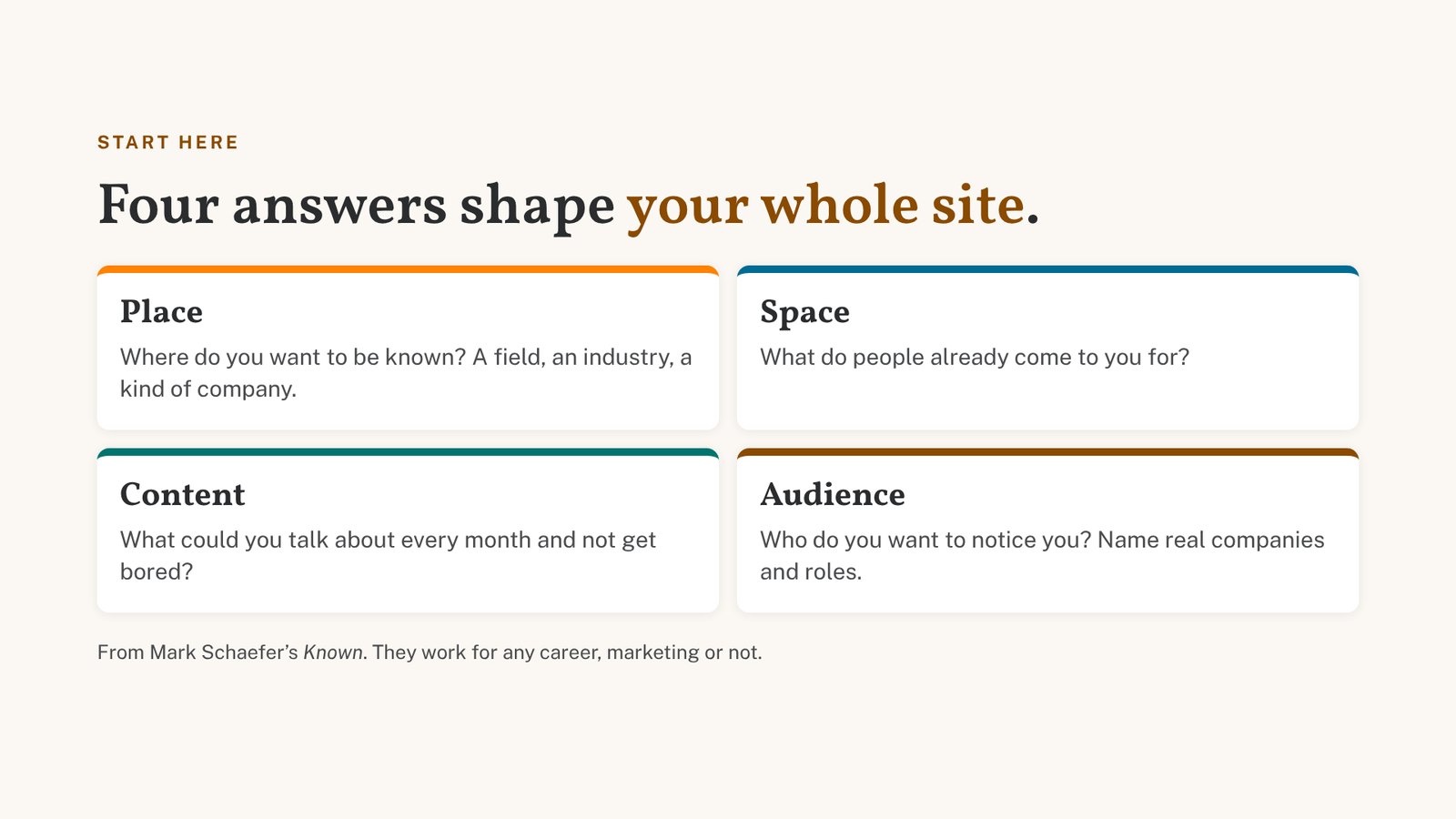
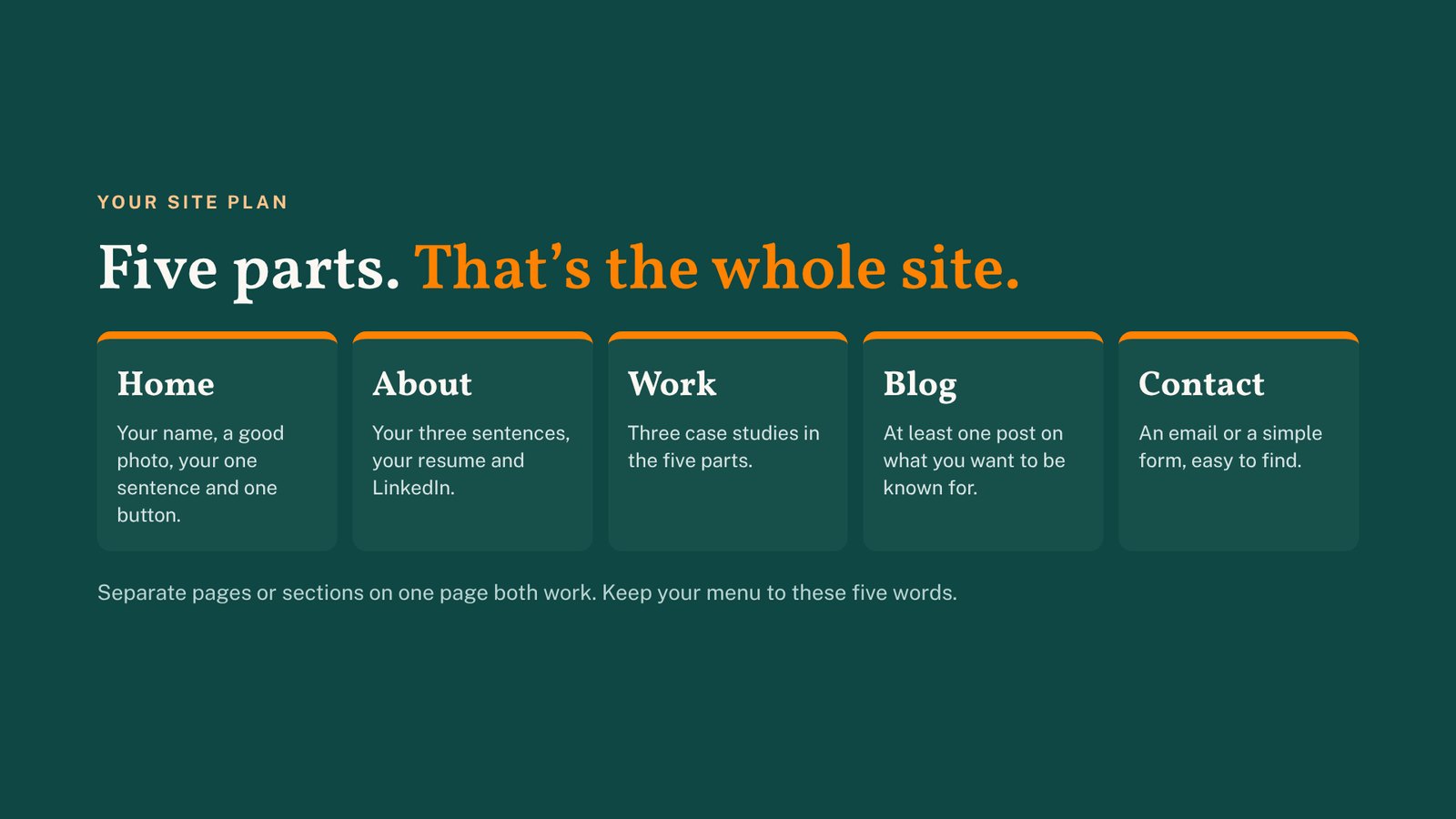
Do this: answer what you want to be known for, then build a portfolio site with Home, About, three case studies, a blog post and Contact.
Slides
Real brands in action
See it in real brands.
Each case study shows these ideas at work. Open one to read the full story.
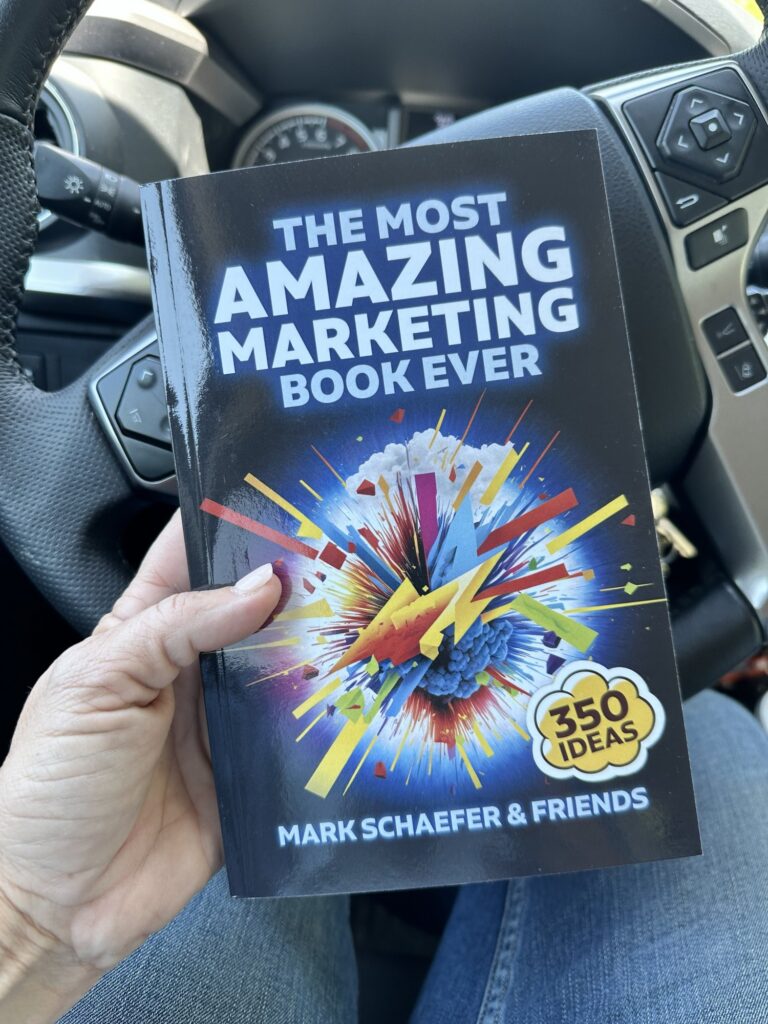
Mark Schaefer: becoming known on purpose
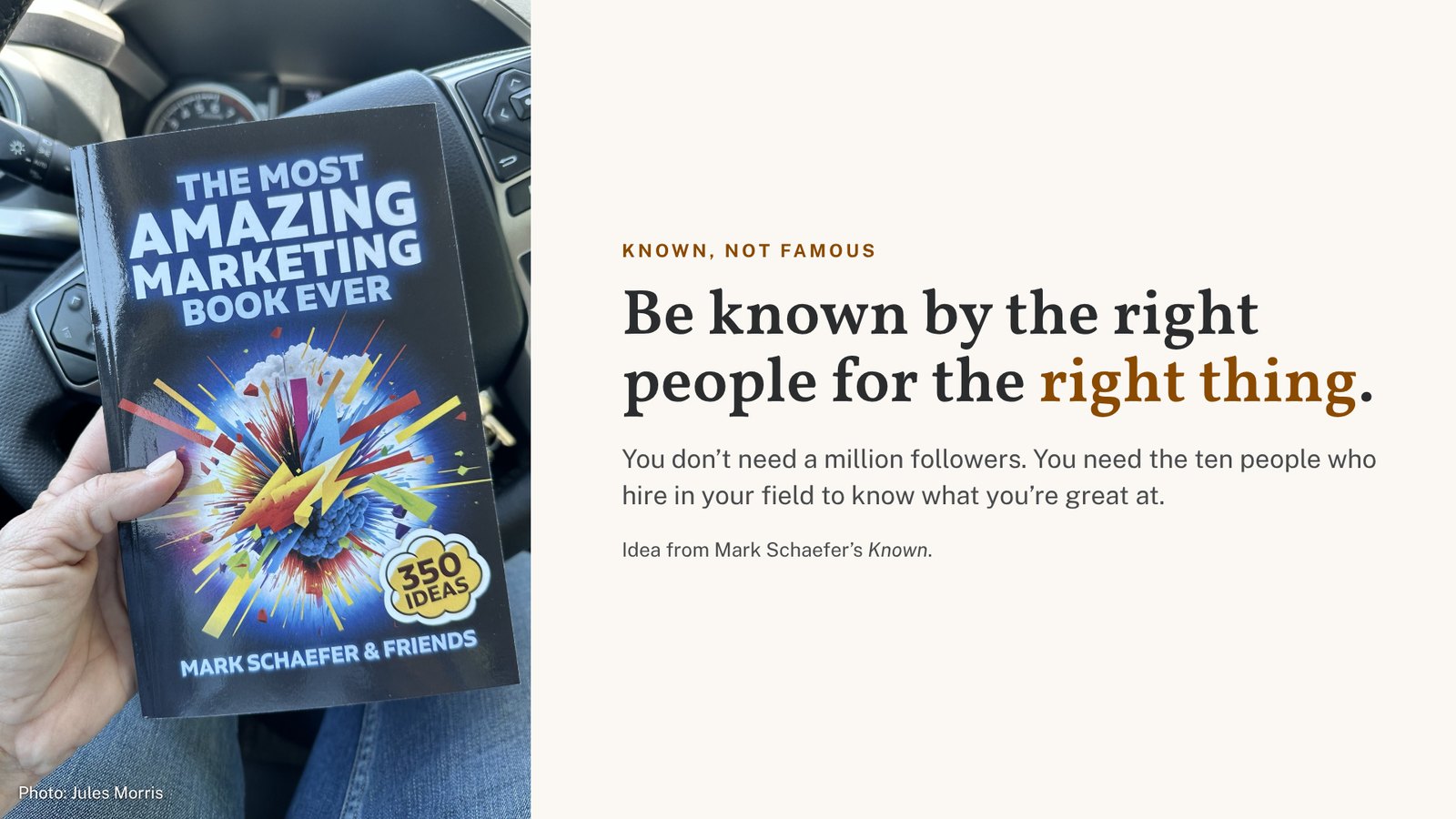
Mark Schaefer left a corporate career and built a reputation in digital marketing by publishing steadily on one topic, then wrote a book arguing that being known is a process anyone can follow, not a matter of fame.
The lesson: Being known is about authority with the right people, not fame.
Image courtesy of Mark Schaefer

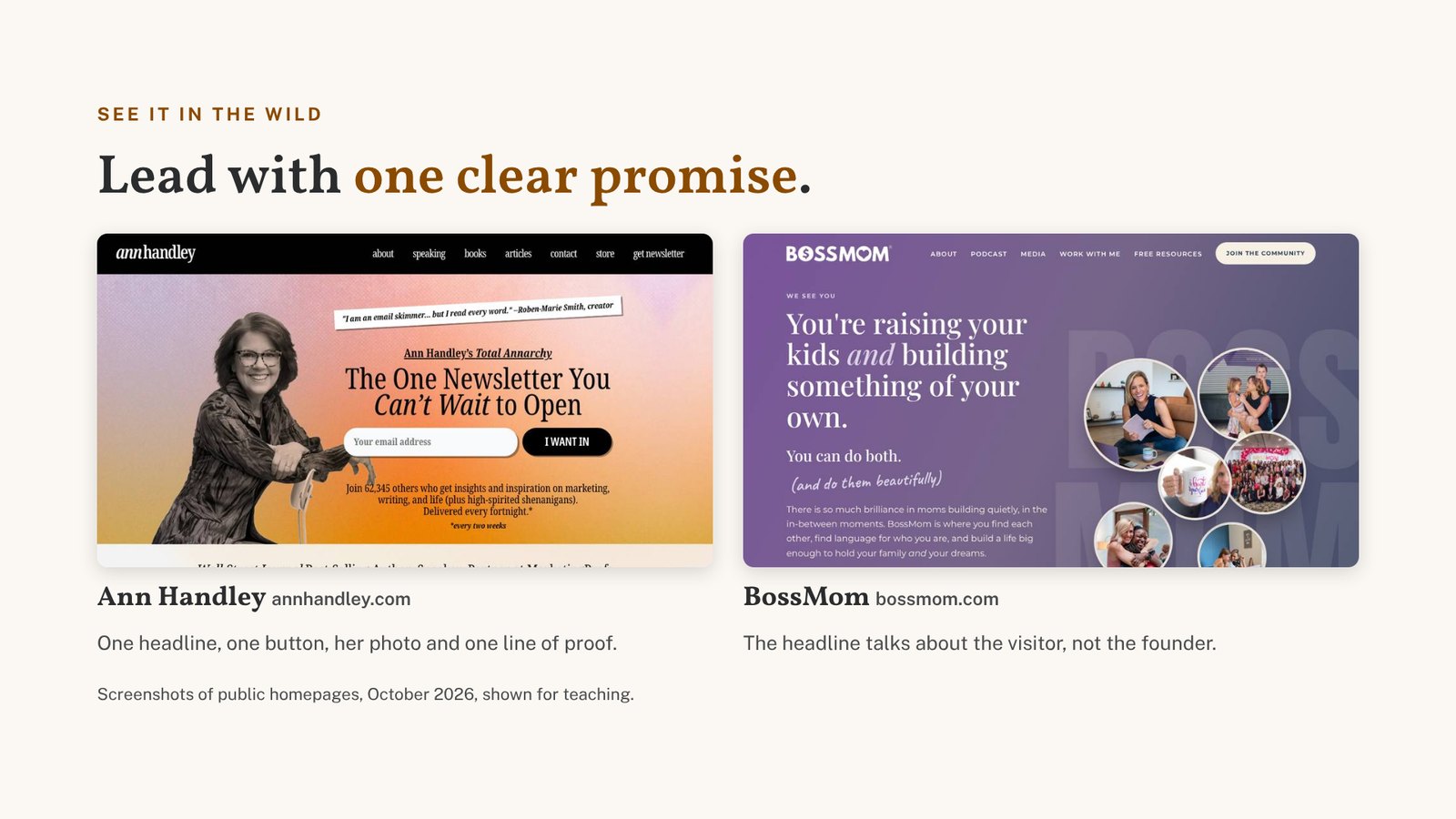
Ann Handley: a personal brand built one useful sentence at a time
Ann Handley became one of the best-known names in content marketing by picking one lane, helping marketers write better, and showing up in it with the same voice for years.
The lesson: Pick a lane where you can help people, and show up in it consistently.
Image courtesy of Ann Handley

Jenna Kutcher: A Personal Brand Built Where Story Meets Service
Jenna Kutcher grew a wedding photography side hustle into a business education brand by sharing her real story openly and turning what she had learned into teaching for other women.
The lesson: Your sustainable niche sits where passion, purpose and serving others meet.
Image courtesy of Jenna Kutcher
Brand images are shown for educational purposes only. Each image and trademark belongs to the brand credited.
Mystery brand
Who Built That Personal Brand?
Each clue comes from a real personal brand on this page; guess the person before the last clue.
Try it
Interactive tool · practice it
Tool · MARK 465
Headline Makeover Lab
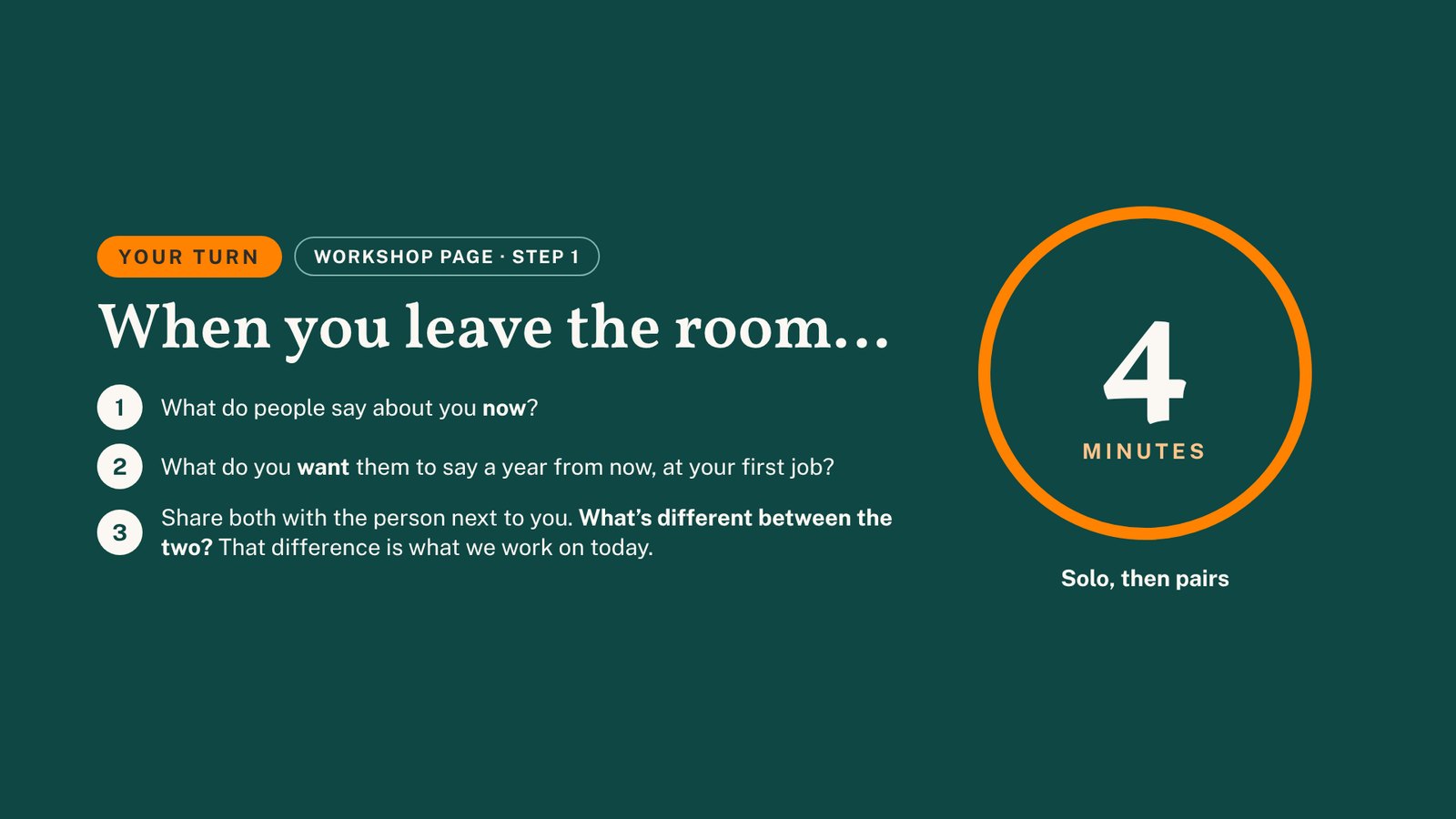
Avery is a marketing senior with a forgettable profile. Rebuild it from parts and compare before and after.
- 1Pick
- 2Compare
- 3Keep
Avery’s new headline
All six parts
Do it
Class work for this topic. The in-class activity counts toward participation, and you get feedback on it.
In-class activity
Launch Day
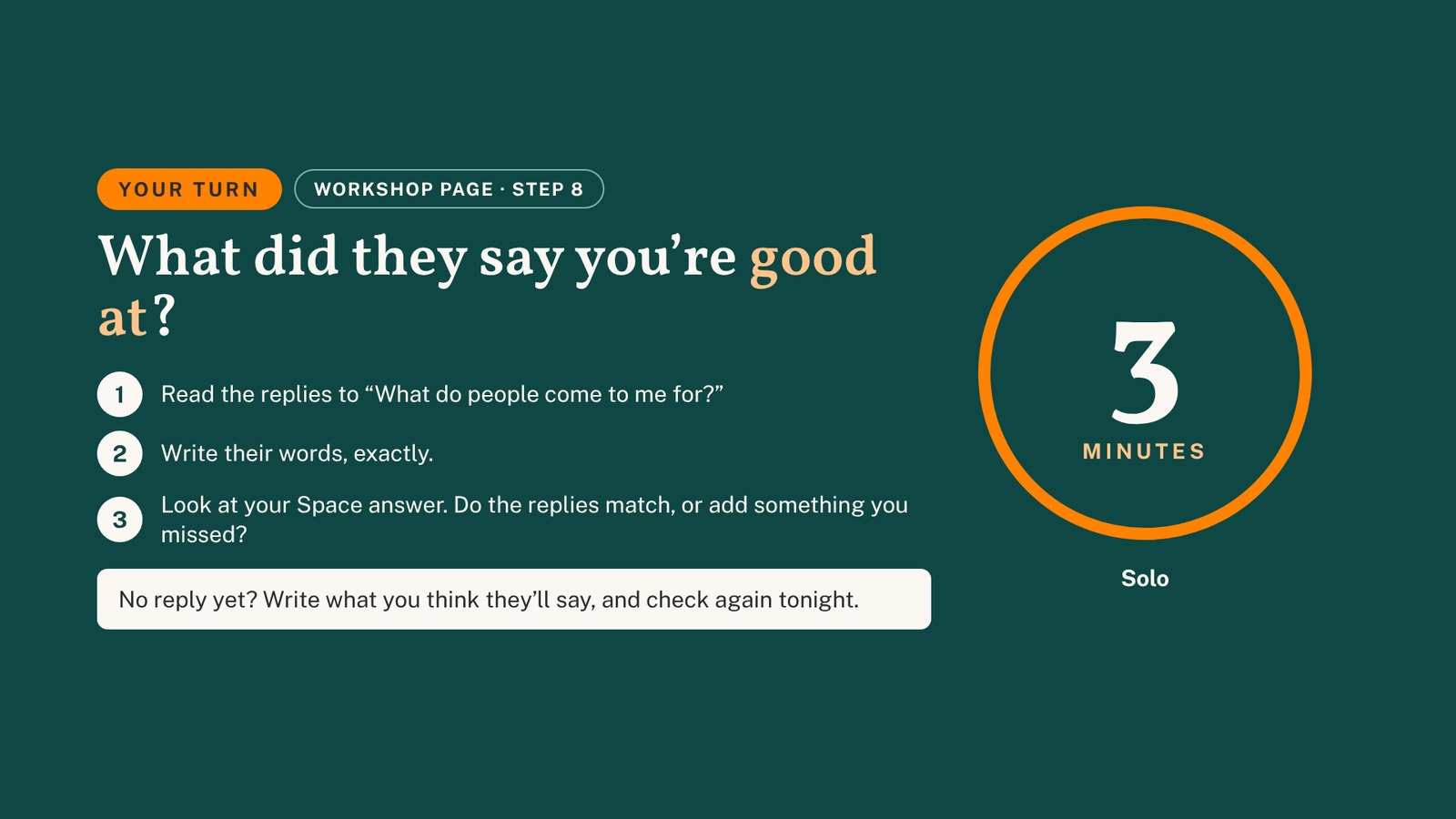
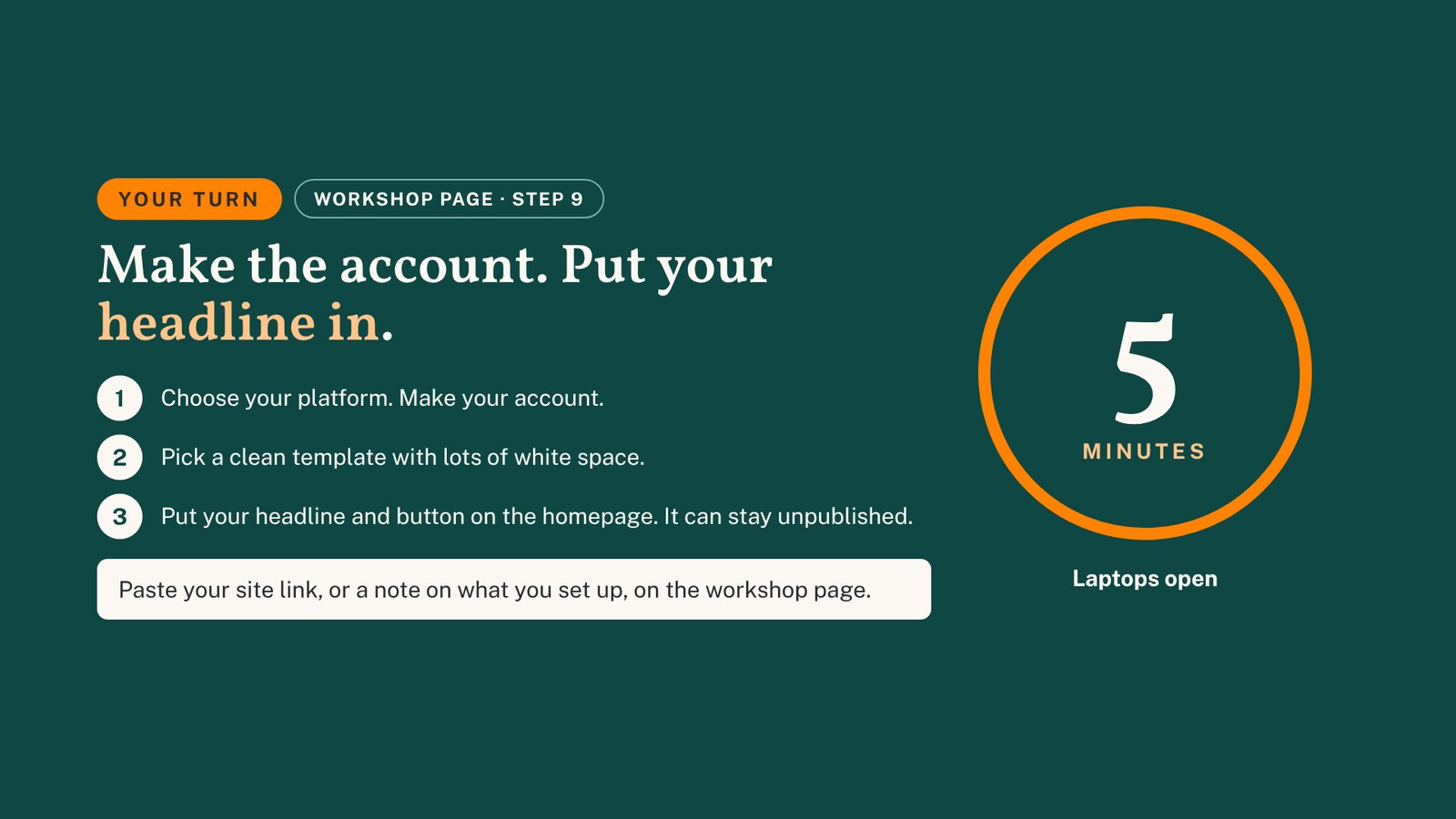
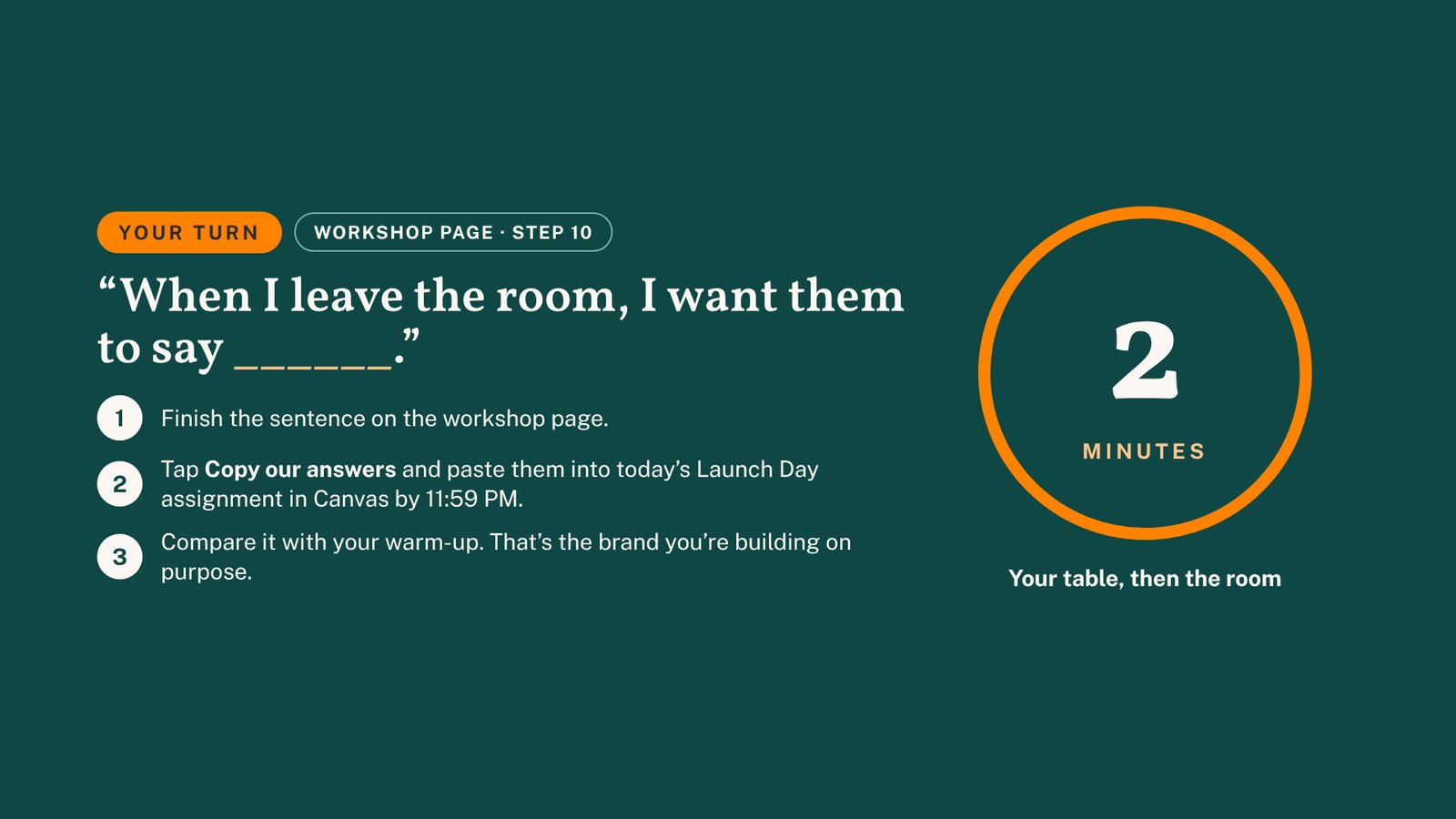
Answer the four questions, write your homepage words, outline your first case study and get your site started on the platform you choose. Individual, due by 11:59 PM that night. Dr. Morris gives the password in class.
Put it to work: Personal Branding + Digital Portfolio
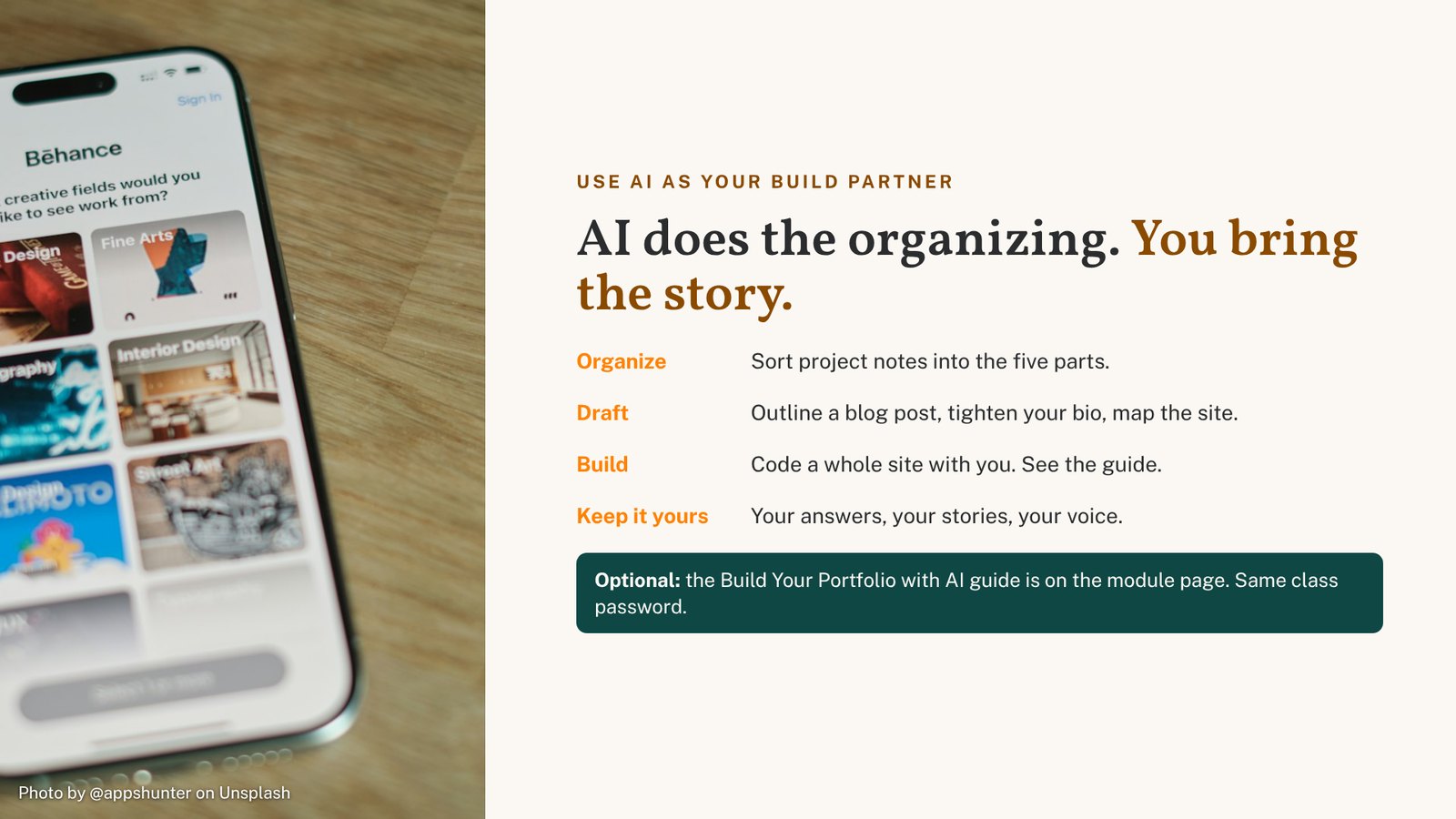
Optional guide · Build with AI
Build Your Portfolio with AI: Student Guide
Want an AI tool (Claude, ChatGPT, Gemini or Copilot) to build your whole site with you? This step-by-step guide has copy-and-paste prompts, how to put your site online free with Netlify, how to connect your own name, and a checklist. It’s an option: the same five parts and rubric apply either way. Dr. Morris gives the password in class.
Go further
Optional, and worth it. Go past the in-class work: read a case, try the tool and earn this topic’s chip. Finish the chips across the course and you get a marketing funnel card you can post on LinkedIn to show your effort and skills.
Expert advice · Your profile
Valentina Escobar-Gonzalez on getting found on LinkedIn
Watch this first. Valentina covers the basics recruiters see: a headline that says what you do, new skills, and starting to comment and connect.
Video, 3 minutes 8 seconds, with captions. Recorded for this class.
About Valentina Escobar-Gonzalez
M. Valentina Escobar-Gonzalez, MBA, is an international speaker, award-winning marketing strategist, and co-author of The Most Amazing Marketing Book Ever. With more than fourteen years of experience, she helps business owners, professionals, and organizations increase their visibility through relationship-driven marketing, LinkedIn thought leadership, Instagram marketing, and AI-powered marketing strategies. Through keynote presentations, workshops, and consulting, she teaches people how to market with intention, build authentic relationships, and create communities that lead to lasting business growth. She’s also a wife, mom of two daughters, avid networker, and lifelong learner fueled by chai tea lattes and cookies.
Read the transcript
Hi everyone, my name is Valentina and I’m a marketing consultant. I’ve been in business for 14 years working for myself, and I’ve spoken at all the major universities in Northeast Tennessee, and I actually spoke in Germany last November, in East Germany, with students. So this is what I have to say. This is super important. Please pay attention to this. You have to put yourself out there. The personal brand is so important. There are a lot of people who are going to be graduating at the same time as you, and I promise you, they’re not putting themselves out there.
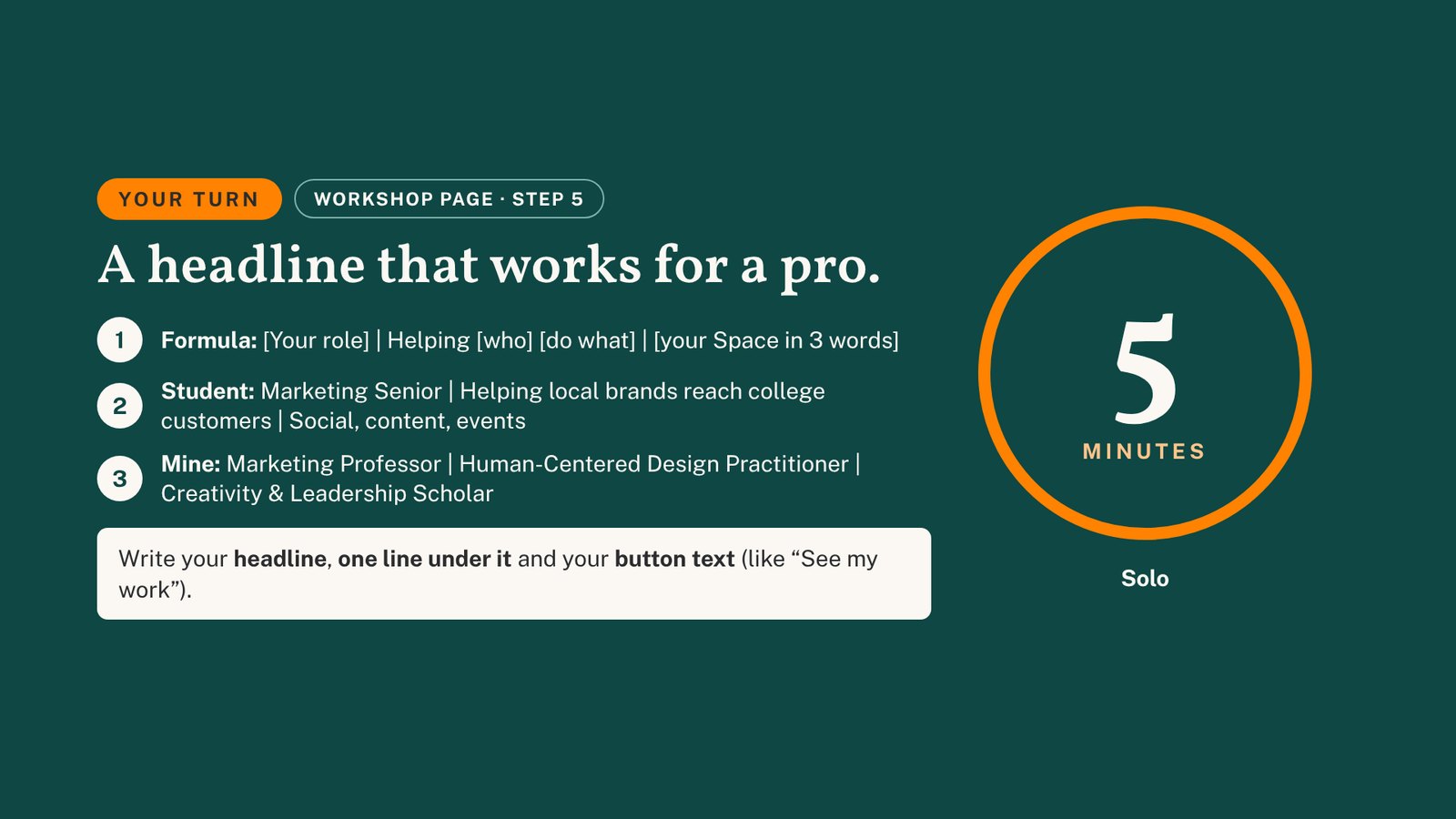
They’re not working on their LinkedIn presence. It’s so important to update your headline, making sure the recruiters find you faster. Don’t just say student at the University of Tennessee. You have to say all the stuff that you do, the clubs that you participate in, even the internship, the roles that you’ve had.
Add a couple of new skills on your LinkedIn profile, and very important: comment. Start engaging with people you’re connected with. If you’re not connected with a lot of people, then make sure you’re connecting with classmates, your teacher, your professor. It’s so important that you connect with your professor, because the thing is that a couple of years down the line, three, four, five years down the line, you might be looking for another job, and then your professor is going to remember you and maybe tell you about job roles that are not even posted online. So make sure you’re connecting with people you’ve worked with in internships, like I said, your other classmates, because you never know. Three or five years down the line, you might be looking for another job role, and you’re going to remember your classmate that you worked with in past projects.
So commenting is so important. Taking the time to comment. They say that when you post something on LinkedIn, it gets one tenth the reach. One tenth the reach. Now, if you comment on other people’s posts, it gets one third the reach. So this is so important. Adding the comments is going to help you build your visibility to a broader audience, bigger than what you have already.
And then once in a while, if you can, post a reflection, an article. Post something that you’ve done recently. Maybe you completed a project, maybe you saw something online, or you saw something unique that a brand did, maybe the ketchup brand or Oreo or something. They did something super fascinating, and you wanted to give your own take on that. That helps you grow your personal brand. And then connect with other people, because it’s going to expand your network. Think about your professors. Think about people you’ve worked with. Think about people that you’ve done internships with or projects with. You never know when someone might be a good fit for you for a job role. This is going to be so important. So, just to summarize: update your headline, because recruiters are going to find you. Put something fun in there. Doll it up a little bit. Add a couple of new skills, because this increases your discoverability. Comment on a couple of posts every week if you can, because it builds your visibility. Post one reflection or article, because it helps grow your brand, and then finally connect with a lot of people, because it’s going to help you expand your network. Again, this is Valentina, and don’t hesitate to connect with me. I would love to answer any questions you have. Have a great day. Bye.
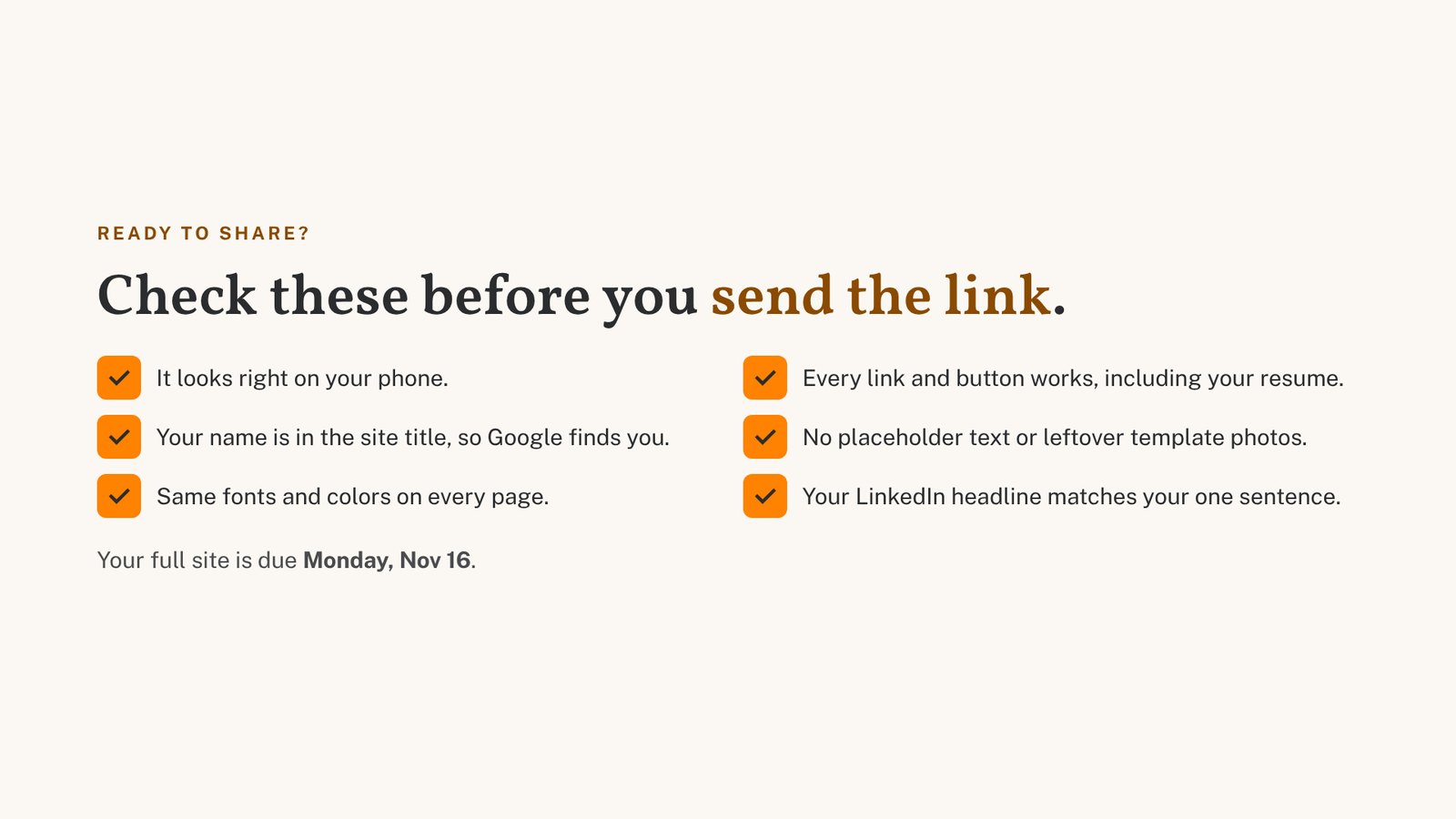
Your Personal Brand Portfolio Site is due Monday, Nov 16. You will start it in class on Launch Day.
In class: Launch Day
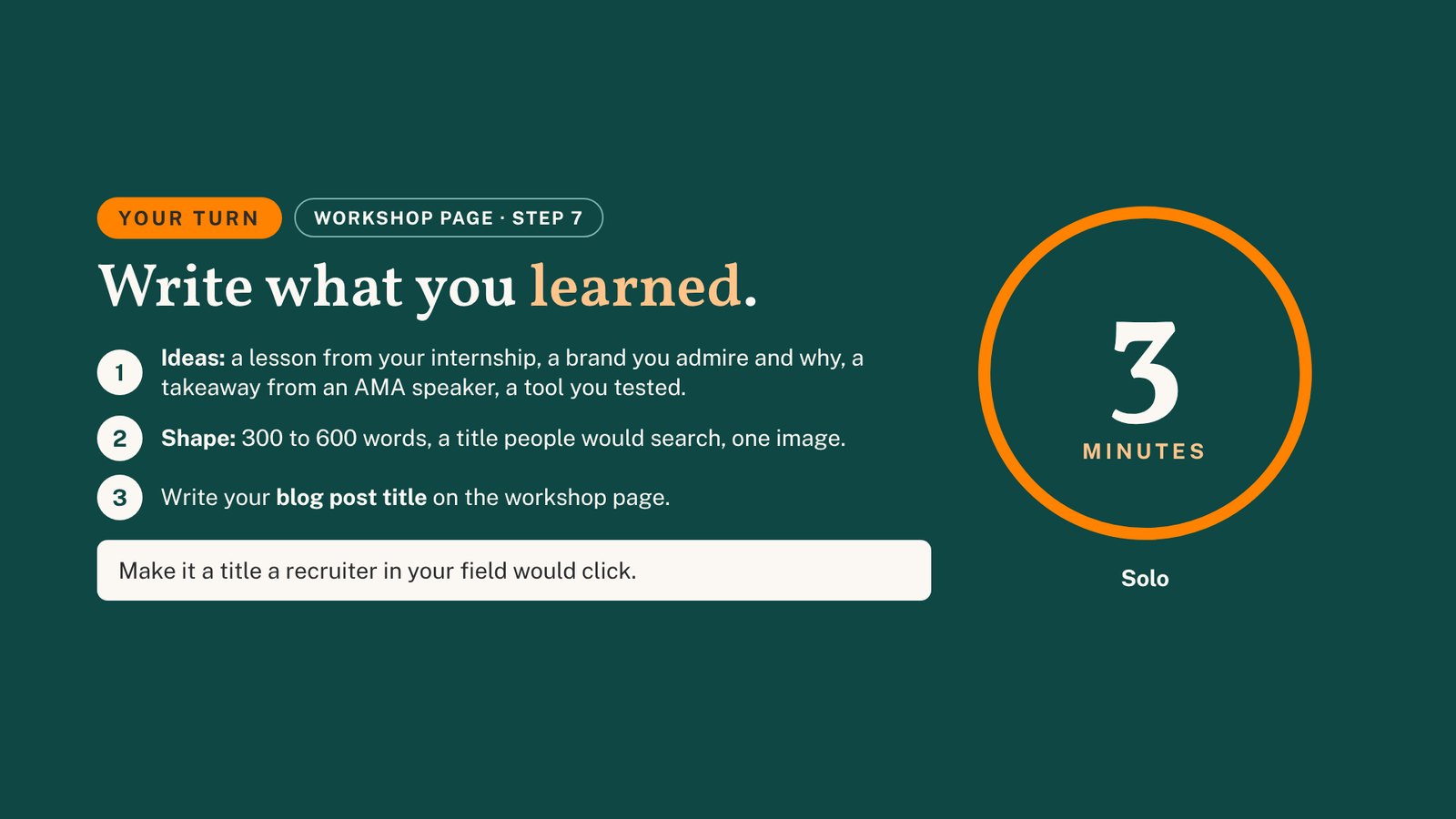
The worksheet walks you through what you want to be known for, your homepage words, your first case study and your blog topic. Open Launch Day (Dr. Morris gives the password in class).
Assignment details
Requirements and grading are in Canvas.
Full guide
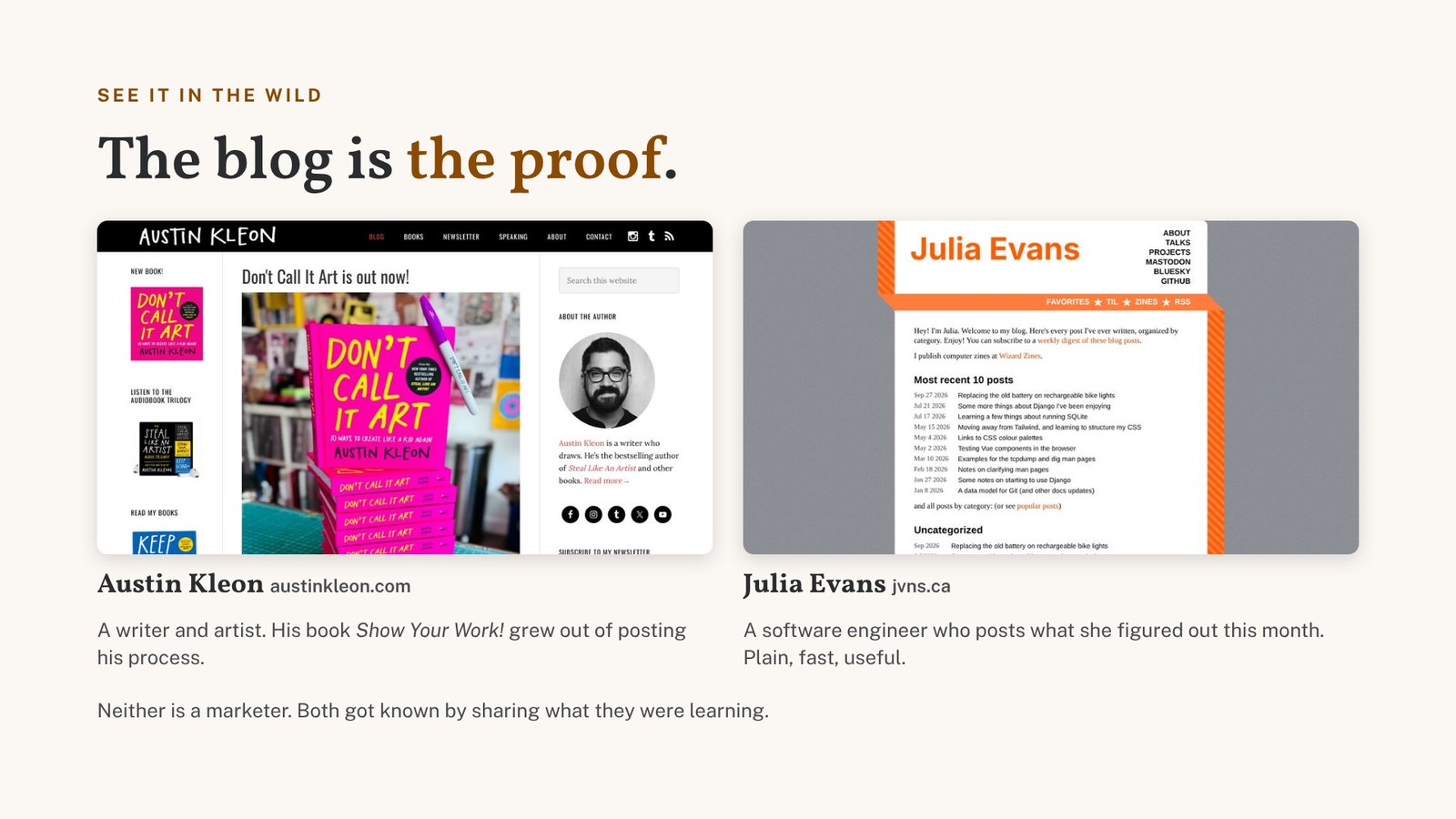
How to Build a Professional Portfolio Site That Keeps the Conversation Going
From the blog
How to Build a Professional Portfolio Site That Keeps the Conversation Going
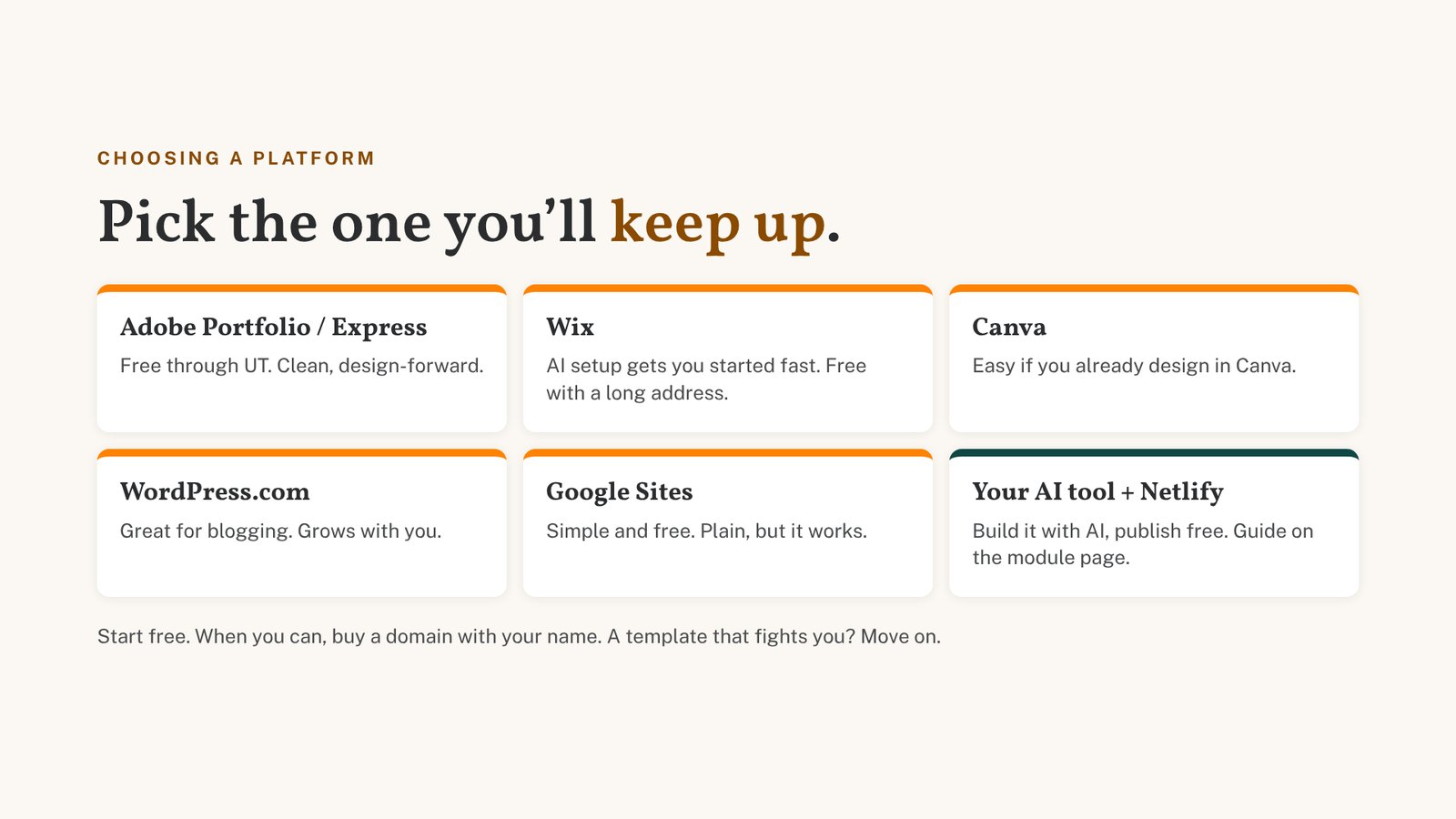
Not a copy of your resume: what to be known for, how to sound like a pro, and which platform to use.
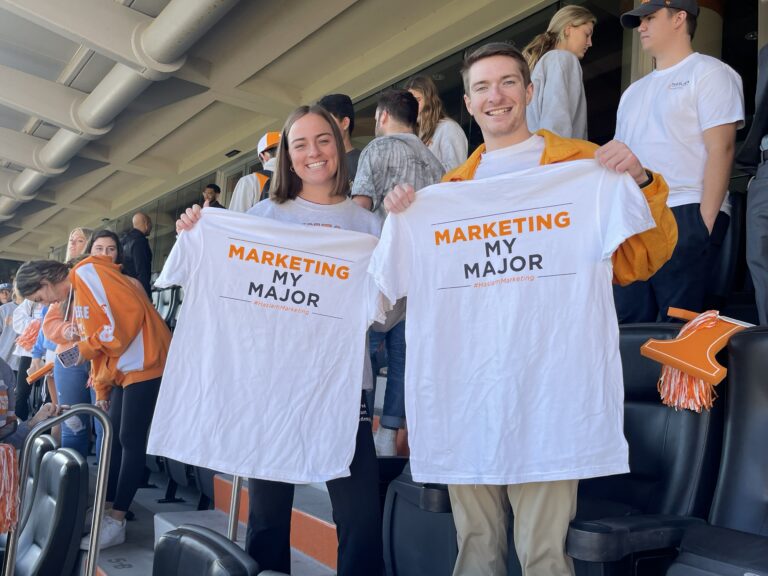
How Marketing Majors Stand Out in Interviews: Prepare, Show Your Thinking, Follow Up
How to talk about your work and stand out in interviews.
Expert advice · Your posts
Melanie Borden on making your thinking visible
Watch this second. Once your profile is ready, Melanie shows you what to post: pick what you want to be known for, then share how you think about your class projects.
Video, 3 minutes 59 seconds, with captions. Recorded for Dr. Morris’s students.
About Melanie Borden
Melanie Borden is an entrepreneur, author, speaker, and founder of The Borden Group, where she helps executives, founders, and organizations build visibility, credibility, and influence. A recognized voice in executive visibility, personal branding, and digital leadership, Melanie has built a community of more than 300,000 professionals online through her insights on leadership and influence. She is the author of Theatre of the Mind, a book exploring the relationship between self-perception, professional identity, and the courage to become visible. As a sought-after speaker and podcast guest, Melanie challenges conventional thinking about leadership, influence, and career growth. She is also the founder of Dirty Hippie, a tech marketplace reimagining how consumers access laundry and garment care services. Through her work, Melanie champions a simple belief: opportunity doesn’t always come to those who wait. Sometimes, you have to create it yourself.
Read the transcript
If someone you wanted to work with today looked you up, what would they learn about you? Hi, I’m Melanie Borden. I’m a marketing strategist, author, and entrepreneur. This is my chief happiness officer, Athena. I help people build their personal brands, and I’m also building a tech startup.
Something that I keep coming back to in my own work is this. People need to understand what you bring to the table. You can have great ideas, and you can do great work, but you also have to learn how to communicate it. This starts well before you have an impressive job title, or a job title at all.
When you’re in school, you might think, well, what am I supposed to share? I haven’t even started my career. Yes, but you’re already solving problems. You’re working with teams, and you’re developing your own perspective, which has a tremendous amount of value. Those experiences give people a window into how you think. Here are three ways to start sharing your gifts and communicating that.
First, choose something that you want to be known for. You don’t need to map out your entire career. Start with something that you’re curious about. Maybe it’s brand storytelling, consumer behavior, or how a small business attracts its first customers. Having that focus helps you decide what to learn, and what to share, and who to connect with. It can evolve as you do, just like your content should as well.
Second, make your thinking visible. Imagine you just finished a class project. You researched the business, you developed a recommendation, and you presented it. There’s a story there. What problem were you trying to solve? What did you contribute? What surprised you? What would you do differently? Sharing those details helps somebody understand how you approach your work.
Building a startup gives me these opportunities to do this as well. There are so many decisions to make, ideas to test, and things to learn, and it moves very, very fast. Sharing that process gives people context for what I’m building and why it matters, and you can do the same thing with your experience that you have right now. Be honest about where you are. “Here’s what I’m learning” is a really great place to start.
Third, build relationships as you go. Find people doing work that interests you. Read what they share. Leave thoughtful comments, or ask a specific question in the comments. Pay attention to the classmates that you have too. You’re surrounded by people who will go on to build businesses, to lead teams, and to create things you can’t even predict or imagine yet. So get to know them.
Here’s one thing I would encourage you to do this week. Choose a project that you’re really proud of and write a short LinkedIn post about it. Explain the challenge, your contribution, and one thing that you’ve learned. Give your teammates credit, tag them, and share an example of the work if you have their permission to do that. You’re giving someone a reason to start a conversation with you. Your experience will grow throughout your career, so start practicing how to communicate your value now.
Unlock this topic
Do the work, earn the chip
Finish each step on this page to unlock the button that adds this topic to your course card.
Back to all Marketing 465 topics
Frequently asked questions
Frequently asked questions
What is a personal brand?
A personal brand is the promise of what it's like to work with you. It already exists: it is what people say about you when you are not in the room and what shows up when someone searches your name. The real question is whether you are shaping it on purpose. Start with one positioning sentence about who you help, how, and what makes your approach different.
What should a marketing portfolio case study include?
Each portfolio project should show five parts: the problem or goal you were given, your role, your process from start to finish, the result including measurable outcomes, and what you learned. Employers hire your thinking, so case studies beat galleries of finished work. Give this context next to each sample or in a blog post, and choose 5 to 8 strong pieces that show range.
How can students improve their LinkedIn presence?
Marketing consultant Valentina Escobar-Gonzalez recommends updating your headline beyond "student at the University of Tennessee," adding a few new skills, commenting on a couple of posts every week, posting an occasional reflection or article, and connecting with classmates, professors and internship colleagues. She notes that commenting on others' posts can build visibility faster than posting alone, and that connections can surface unposted jobs years later.
What are common personal branding mistakes?
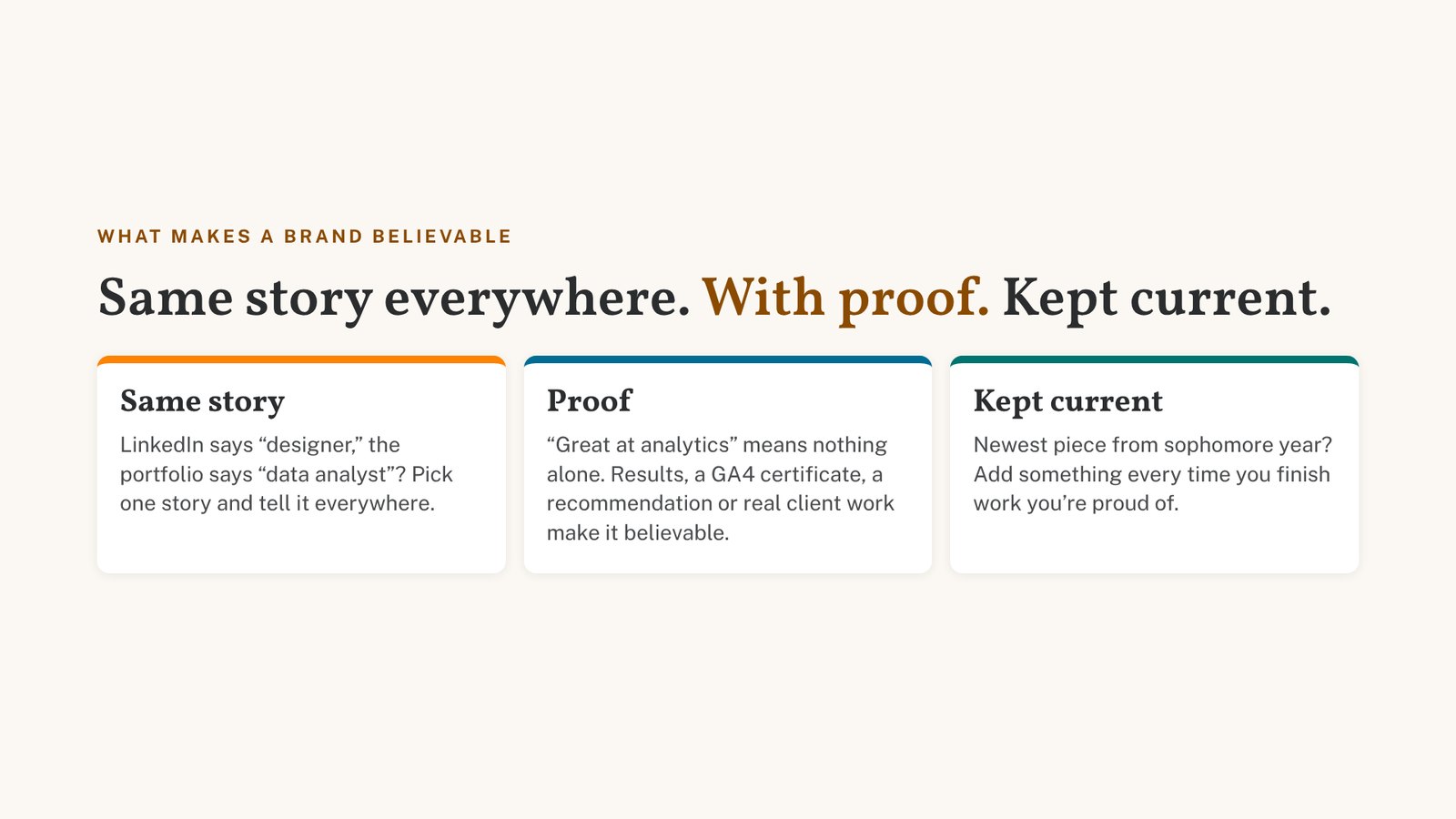
A common mistake is telling different stories across platforms. Your LinkedIn, portfolio, resume and social profiles should match. Another is letting the portfolio go stale, since it is a living document to update whenever you finish something you are proud of. Making claims without proof also hurts: results, certifications like GA4, recommendations and real client work make claims believable.
How do you build a digital portfolio website?
Build it in six steps: choose an online platform you can maintain for years, create a homepage with a 1 to 2 sentence statement of what you do and where you are headed, design an About page with your bio and resume, showcase 5 to 8 best examples, explain your process for each, and make yourself easy to contact with a contact page and form.