Case study · Marketing 465 · Personas and Audience Journey Maps
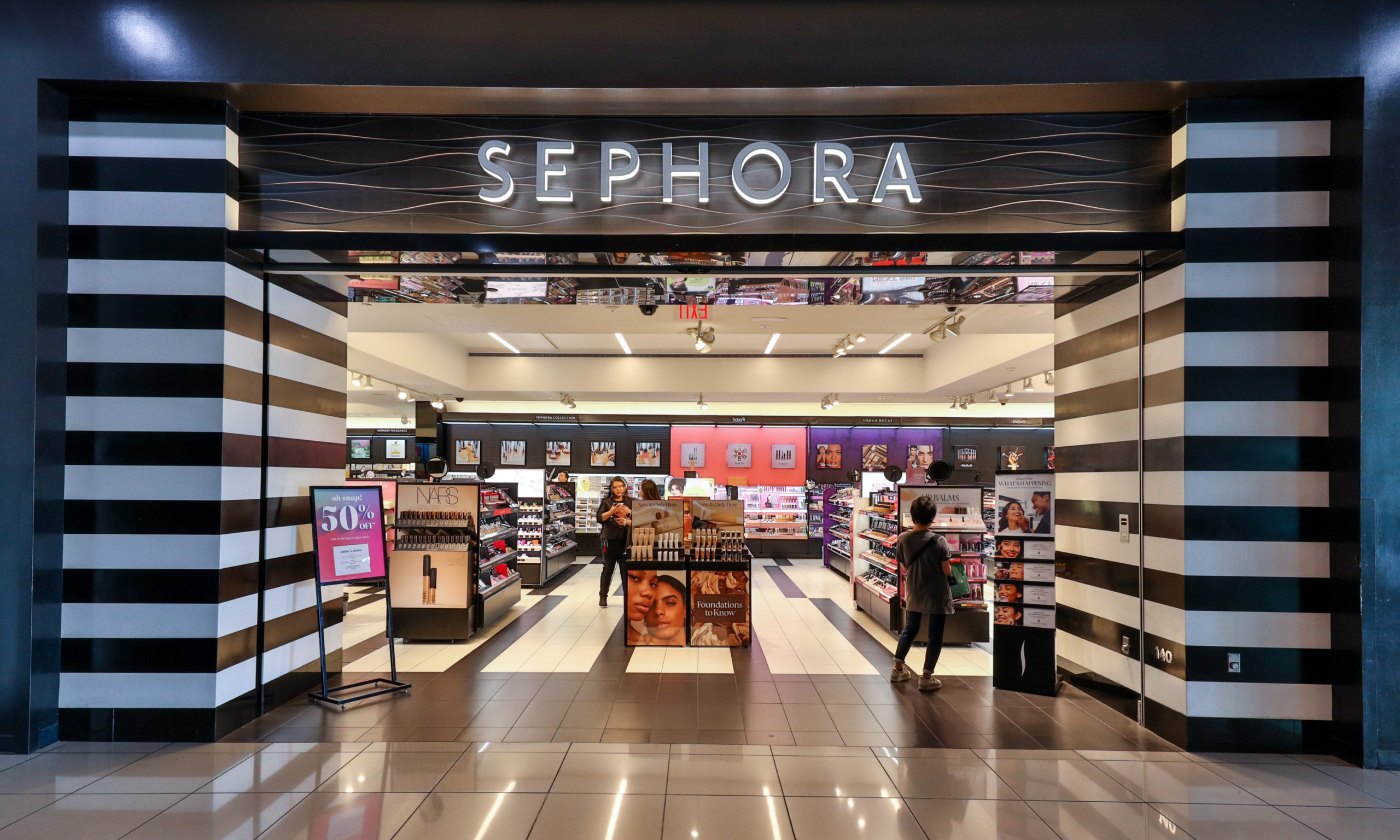
Sephora’s loyalty program and data tools let it serve very different beauty shoppers in different ways, which is the point of a persona: it has to change the experience, not just describe the customer.
Brand
Sephora (LVMH)
Year(s)
Beauty Insider since 2007; Color iQ since 2012; updates through 2026
Channel(s)
App, website, email and text, stores, loyalty program
Goal
Keep beauty shoppers loyal by making each visit feel relevant to them
Topic
Personas & Audience Journeys
40M+
Beauty Insider members in the U.S. and Canada (Modern Retail, 2024)
2007
Year Sephora launched Beauty Insider (Modern Retail, 2024)
~20%
Active clients who joined a loyalty challenge (Modern Retail, 2024)
$1,000
Yearly spend to reach the top Rouge tier (Modern Retail, 2024)
The situation
Beauty shoppers do not all want the same thing. Some chase new launches. Some research ingredients before buying skincare. Some wait for a sale. Some need help finding a foundation shade that matches their skin. A single experience for all of them would fit none of them well.
Sephora has an unusual amount of data to work with. Its Beauty Insider loyalty program, launched in 2007, had about 40 million members in the U.S. and Canada as of 2024, and Sephora says members account for most of its sales (Modern Retail, 2024).
The challenge
Many companies write personas, post them on a wall and never use them. The test is whether a persona changes what a real customer sees, hears or is offered. For Sephora, the challenge is turning millions of profiles into experiences that feel personal at each step of the journey.
What they did
Sephora does not publish its internal personas. But its public tools show how it serves different needs. The three shoppers on the card (a trend chaser, a research-driven skincare buyer and a deal seeker) are a useful way to read them.
- Spend-based tiers. Beauty Insider has three levels based on yearly spending: Insider ($0 to $349), VIB ($350 to $999) and Rouge ($1,000+). In August 2024 Sephora held its first Rouge Celebration Event for top spenders, with early access to new products from brands like Drybar and Givenchy. That speaks to the trend chaser who wants the newest launch first.
- Shade and skin tools. Color iQ, launched with Pantone in 2012, scans a shopper’s skin and assigns a shade number used to match foundations, concealers and lip colors. In 2023 Sephora added loyalty “challenges,” including trying Color iQ and completing a skin routine quiz. Those serve the research-driven buyer.
- Value perks. All tiers get savings days and birthday gifts, and members can turn points into “Beauty Insider Cash.” Those serve the deal seeker.
- Connected data. Sephora’s EMEA digital chief said in 2024 that the company combines purchase history with email and text engagement, customer service contacts and search activity, and that store beauty advisors can see that history so recommendations stay consistent online and in store.
- New channels. In March 2026 Sephora piloted an app inside ChatGPT in the U.S. When shoppers link their Beauty Insider account, its answers draw on their profile (Retail Dive).
What happened
Sephora does not break out results for personalization alone, but its loyalty base keeps growing.
- Beauty Insider grew from 25 million members in 2021 to more than 40 million in 2024 (Modern Retail, 2024).
- Almost 20% of Sephora’s active clients had taken part in a loyalty challenge by late 2024 (Modern Retail, 2024).
- Under 10% of members are in the top Rouge tier (Modern Retail, 2024). Most members are served through the lower tiers.
Why it worked
Each tool answers a different shopper’s question. “What’s new?” gets early access. “What will work for my skin?” gets a scan or a quiz. “How do I save?” gets points and savings days. The experience shifts based on what each person actually does.
The data also follows the customer across channels. A shopper’s history shows up in the app, in email and with an advisor in the store, so the journey feels connected instead of starting over every time.
Where it gets complicated
Personalization runs on personal data. The more Sephora knows about skin tone, concerns and buying habits, the more it must protect that data and be clear about how it is used.
Tiers can also feel unequal. Rewards that favor the top spenders can leave most members feeling like second-class customers.
And there is a limit to what a company can claim. Sephora does not publicly confirm the personas on this card. They are a teaching lens, not Sephora’s official segments. The documented tools are real; how Sephora groups its customers internally is not public.
The marketing principle
A persona is only useful if it changes something the customer experiences. Sephora shows how loyalty data, tools and channels can give different shoppers different paths through the same brand. When students build personas, they should ask what each persona will see, receive or be offered that the others will not.
Sources
- How Sephora is evolving its loyalty program, Modern Retail (2024)
- Emmy Brown Berlind, Sephora: Modern Retail Vanguard 2024, Modern Retail (2024)
- INTERVIEW: Sephora on its approach to omnichannel and personalisation, InternetRetailing (2024)
- Sephora launches app in ChatGPT, Retail Dive (2026)
- Sephora + Pantone Color IQ, HuffPost Canada (2015)
Group activity for this case
Make Personas Change Something
Two or three shopper types for your brand and exactly what each one would see, get or be offered that the others would not. A 20-minute group activity. Dr. Morris gives the password in class.
Back to Personas and Audience Journey Maps · All case studies
Brand names, images and trademarks belong to their owners and appear here for educational purposes only.