Case study · Marketing 465 · Strategy Foundations: Goals, Audiences and Channels
REI closed its stores on the biggest shopping day of the year because it knew what its members valued, and that single strategic choice decided the message, the channels and the results.

Brand
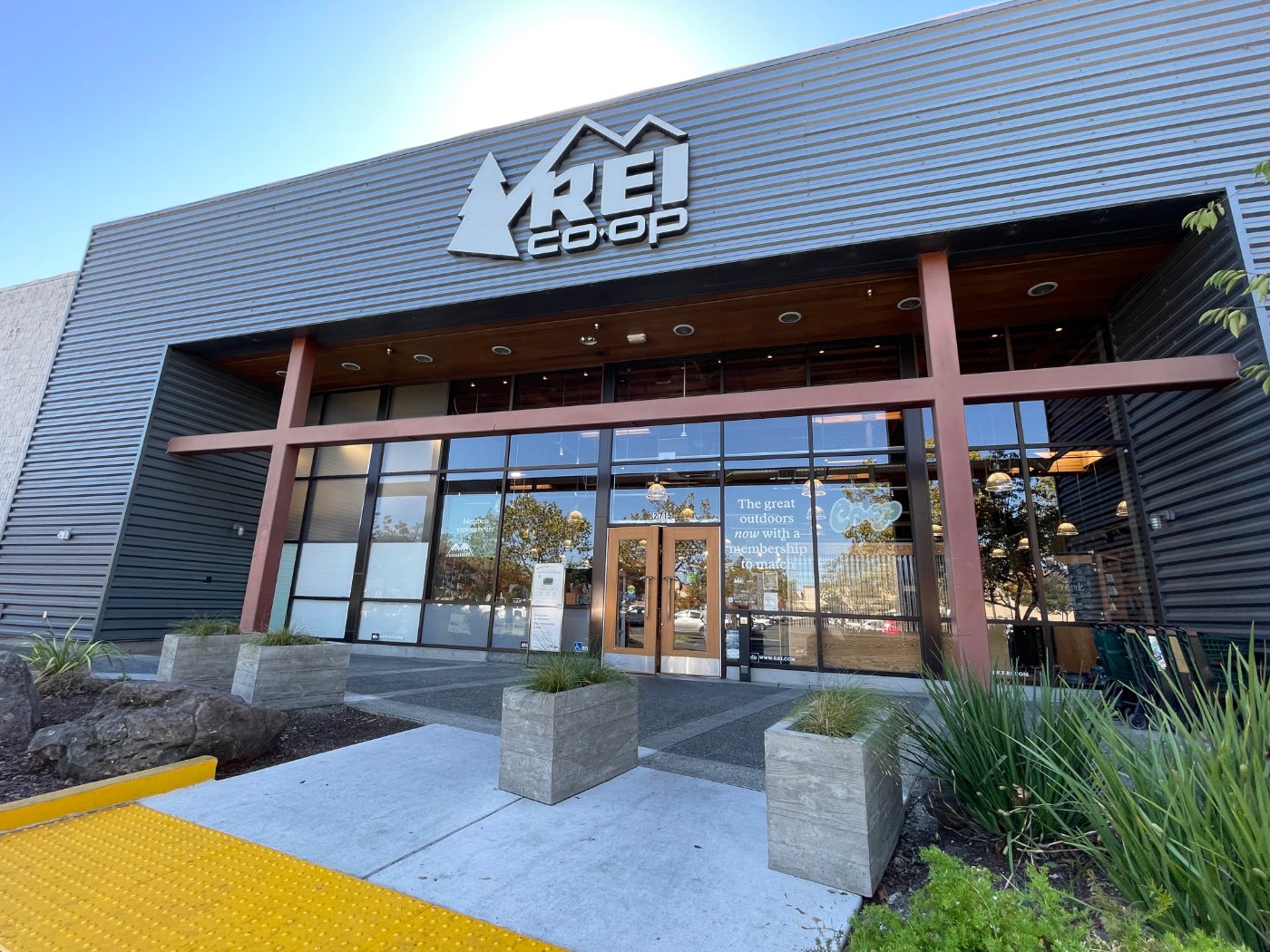
REI (Recreational Equipment, Inc.), a consumer co-op
Year(s)
2015 (first year), repeated in later years
Channel(s)
Announcement and news coverage, #OptOutside hashtag and campaign site, social sharing, partner organizations
Goal
Reconnect the brand to its purpose, a life outdoors, and invite members to join
Topic
Strategy foundations
143
Stores closed on Black Friday 2015 (Retail TouchPoints, 2015)
~12,000
Employees given a paid day off (Retail TouchPoints, 2015)
1.4M
People who chose to spend Black Friday outdoors (WARC)
1M+
New members in 2015, a record (Retail Dive, 2016)
The situation
By 2015, Black Friday sales had been creeping into Thanksgiving Day itself. Retailers opened earlier each year and competed on doorbusters and discounts.
REI is not a typical retailer. It is a consumer co-op owned by its members. CEO Jerry Stritzke said at the time, “For 76 years, our co-op has been dedicated to one thing and one thing only: a life outdoors.” He added, “As a co-op… we define success a little differently.”
The challenge
REI could compete on Black Friday like everyone else, with deals and longer hours. Or it could ask a harder question: what do our members actually value, and does Black Friday serve it?
According to Sierra magazine, the idea came up at a February 2015 meeting. The answer cut against retail common sense. REI’s chief creative officer, Ben Steele, later acknowledged the plan meant a “big financial hit” from lost sales.
What they did
On October 27, 2015, REI announced it would close all 143 of its stores on Black Friday, November 27. About 12,000 employees got a paid day off. As Steele put it, “We are going to pay them to spend the day outside rather than pay them to spend time indoors.”
The campaign was built around an invitation rather than a promotion.
- No online orders were processed until the next day, and REI ran no Black Friday promotions (Retail TouchPoints, 2015).
- REI launched the #OptOutside hashtag and a campaign site with a zip code search for nearby outdoor spots and a place to share photos of the day.
- Partner organizations, including the Sierra Club, helped spread the word. Sierra magazine reported 170 organizations promoted the 2015 campaign.
- News coverage and social sharing carried the story. WARC counted 33 straight days of media coverage.
What happened
The response was far larger than one retailer’s store hours. Stritzke later said, “It took on a life of its own and became about much more than REI.” REI repeated the closure in 2016, this time on Thanksgiving and Black Friday, with 149 stores and no online sales.
- 1.4 million people chose to spend Black Friday outdoors with REI (WARC case summary; Sierra magazine describes them as RSVPs).
- About 6.7 billion media impressions over 33 straight days of coverage (WARC).
- In 2015, REI’s sales rose 9.3%, web sales grew 23%, and membership grew by more than 1 million to over 6 million (Retail Dive, 2016).
- Titanium Grand Prix at Cannes Lions 2016, with agency Venables Bell & Partners (Cannes Lions).
Why it worked
REI started with its audience’s values, not with a channel or a tactic. Its members care about time outdoors. Its brand exists to support that. Closing on Black Friday made the brand’s purpose visible in a way an ad never could.
Once that choice was made, the rest followed. A bold, newsworthy action can spread through earned media, because the action itself is the news. A hashtag gave people a way to join. A zip code finder made the invitation practical. Partners spread it because it served their missions too. The co-op structure also mattered. REI could absorb a lost sales day because it answers to members, not outside shareholders.
Where it gets complicated
It is tempting to say closing the stores caused the 2015 sales growth. The numbers do not prove that. Sales, web sales and membership all rose that year, but many factors drive a full year of retail results. The honest claim is that REI gave up a major sales day and still had a strong year.
Bold moves also get harder to repeat. The first closure was surprising. Each later year is expected, so the news value fades and the brand has to keep proving it means it. And this play depends on REI’s specific situation: a values-driven co-op with an outdoor audience. A discount retailer whose customers value low prices would be making a mistake to copy it.
The marketing principle
Strategy comes before tactics. REI began with what its audience valued, a life outdoors, and made a business decision to match. The message, the channels and the partners all followed from that one choice. When you know what your audience values, the right channel and message follow.
Sources
- REI To Close Its Stores On Black Friday As Part Of #OptOutside Campaign, Retail TouchPoints (2015)
- REI expands #OptOutside campaign, won’t open on Black Friday, Retail Dive (2016)
- Get Out There: The Backstory of REI’s #OptOutside Campaign, Sierra (Sierra Club) (n.d.)
- REI: #OptOutside, WARC (n.d.)
- #OptOutside (Titanium), Cannes Lions / Love The Work (2016)
Group activity for this case
Close the Doors Challenge
One bold, values-based move for your brand and the channels that would carry it. A 22-minute group activity. Dr. Morris gives the password in class.
Back to Strategy Foundations: Goals, Audiences and Channels · All case studies
Brand names, images and trademarks belong to their owners and appear here for educational purposes only.