IB 407 · Smith GLS · Step 1 of 3
Human-Centered Design & Leadership
An intensive design sprint in London. You learn human-centered design by doing it: interview real people on the street, find the need, brainstorm, build rough prototypes, test them and tell the story, while learning to lead a team through work that has no clear answer yet.
Topic soundtrack
GLS in London
The soundtrack for our time in London. Press play, or scan to take it with you.
Who this is for
Smith Global Leadership Scholars from every Haslam major: finance, accounting, supply chain, management, HR, business analytics, economics, marketing and international business. Taught in London. The topics are written as open resources, so anyone learning human-centered design is welcome to use them.
How each topic page works
Each topic explains the idea in plain language, then gives you an interactive tool to try it on a realistic example. Put it to work connects the topic to the real deliverable in this course, and Go deeper points to the sources.
Topics
Topic 01
What Is Human-Centered Design?
The HCD process, the IDEO mindsets and creative confidence, with a self-check that shows which mindset to practice first.
Lab: HCD Mindset Self-Check · Day 1 survey
Topic 02
Secondary Research with AI: Finding Real Insight
Use AI for secondary research that goes past generic answers: ask the next good question, demand reputable sources and turn findings into questions for the field.
Lab: AI Research Coach

Topic 03
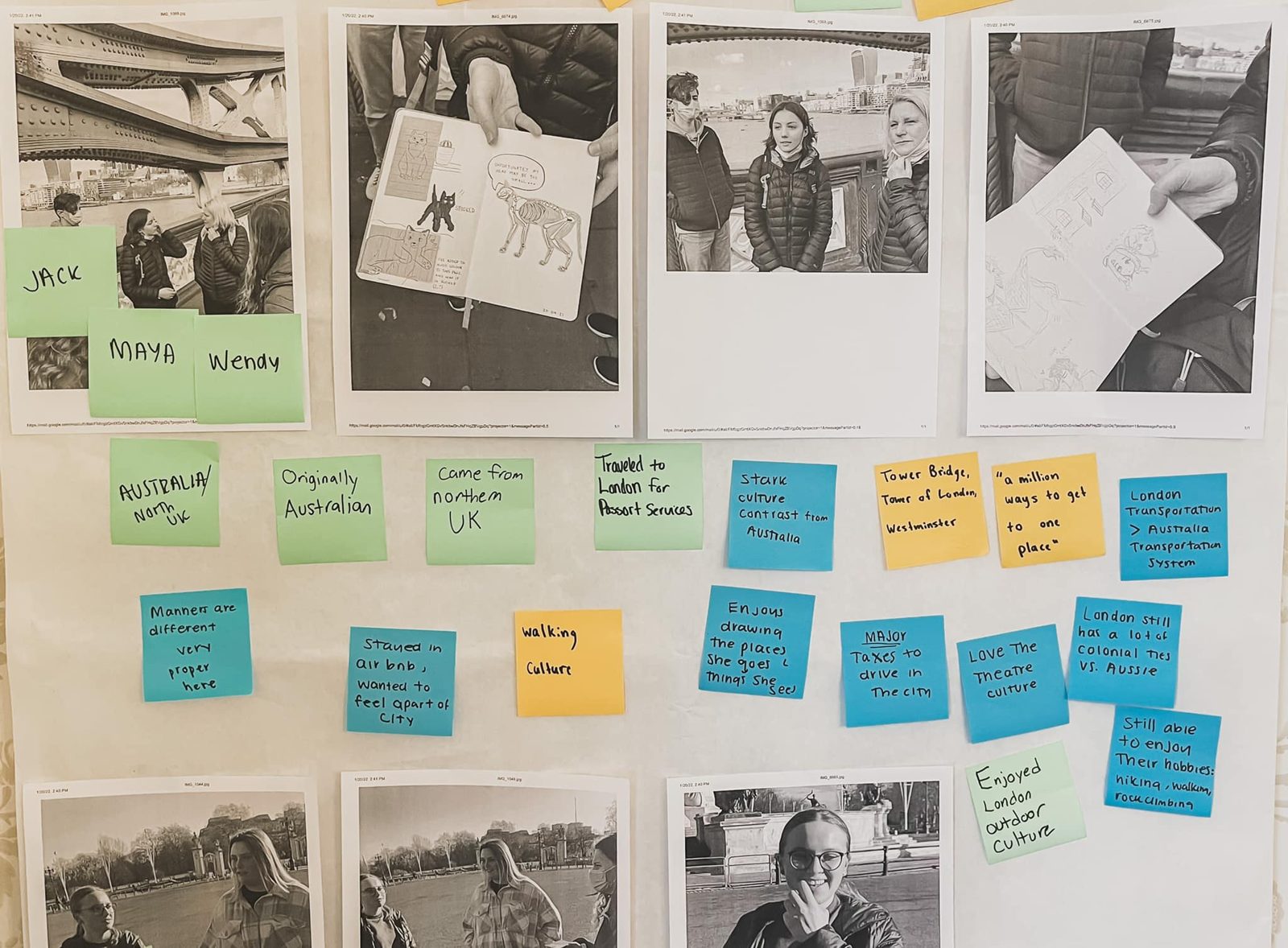
Empathy Fieldwork and Observation
Observe with AEIOU, interview for stories, and find extreme users, with a logger that spots gaps and patterns in your notes.
Lab: AEIOU Observation Logger
Topic 04
Need-Finding: Seeing What People Need
Separate needs from solutions, find latent needs, and write need statements with a builder that rejects solutions in disguise.
Lab: Need Statement Builder
Topic 05
Synthesis: From Stories to Insights
Download your fieldwork, find themes, and write three-sentence insights with a builder that flags data, observations and wishes posing as insights.
Lab: Insight Statement Builder
Topic 06
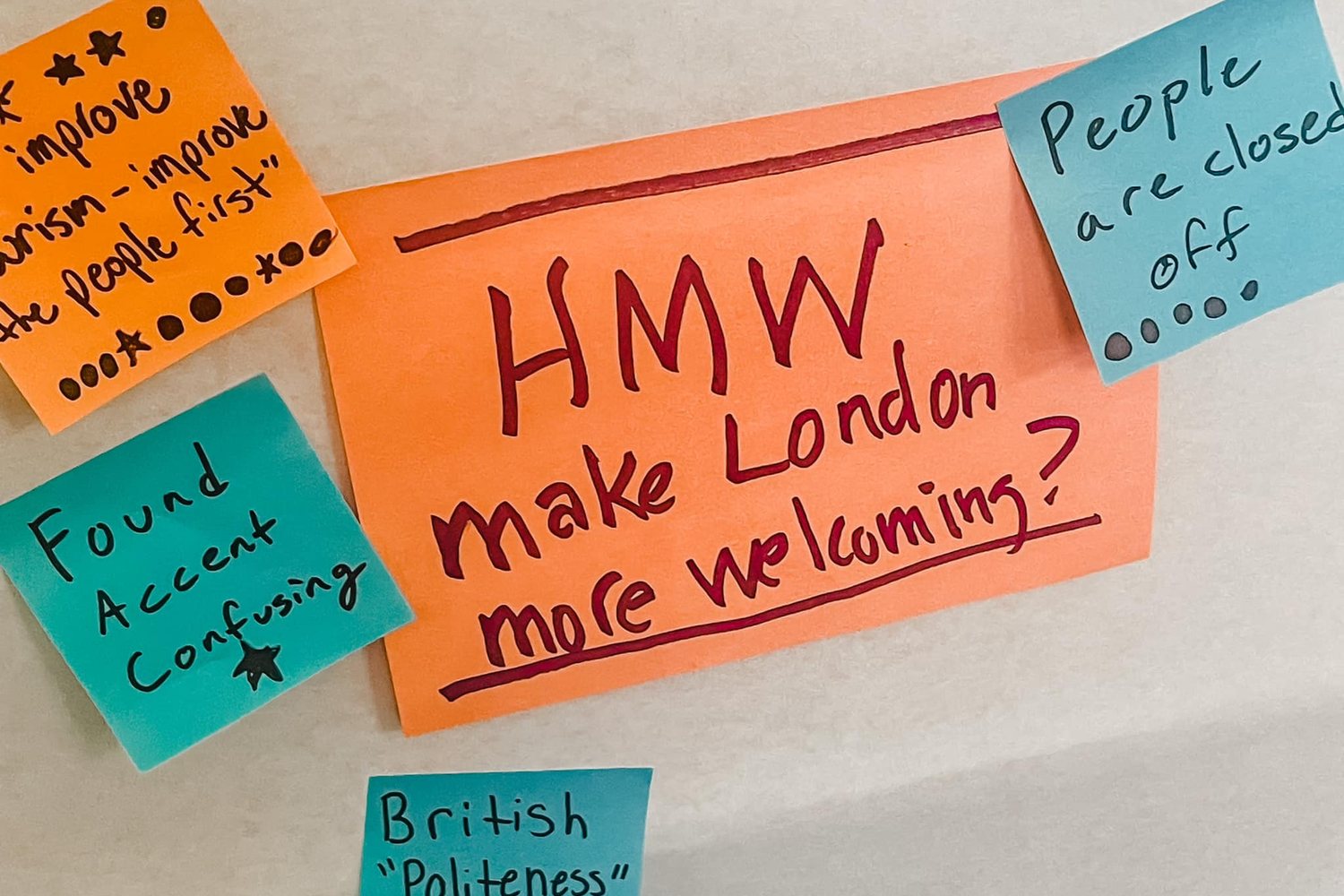
Define: How Might We Questions
Write How Might We questions from your point of view, with a checker that flags questions that are too broad or too narrow.
Lab: HMW Scope Checker
Topic 07
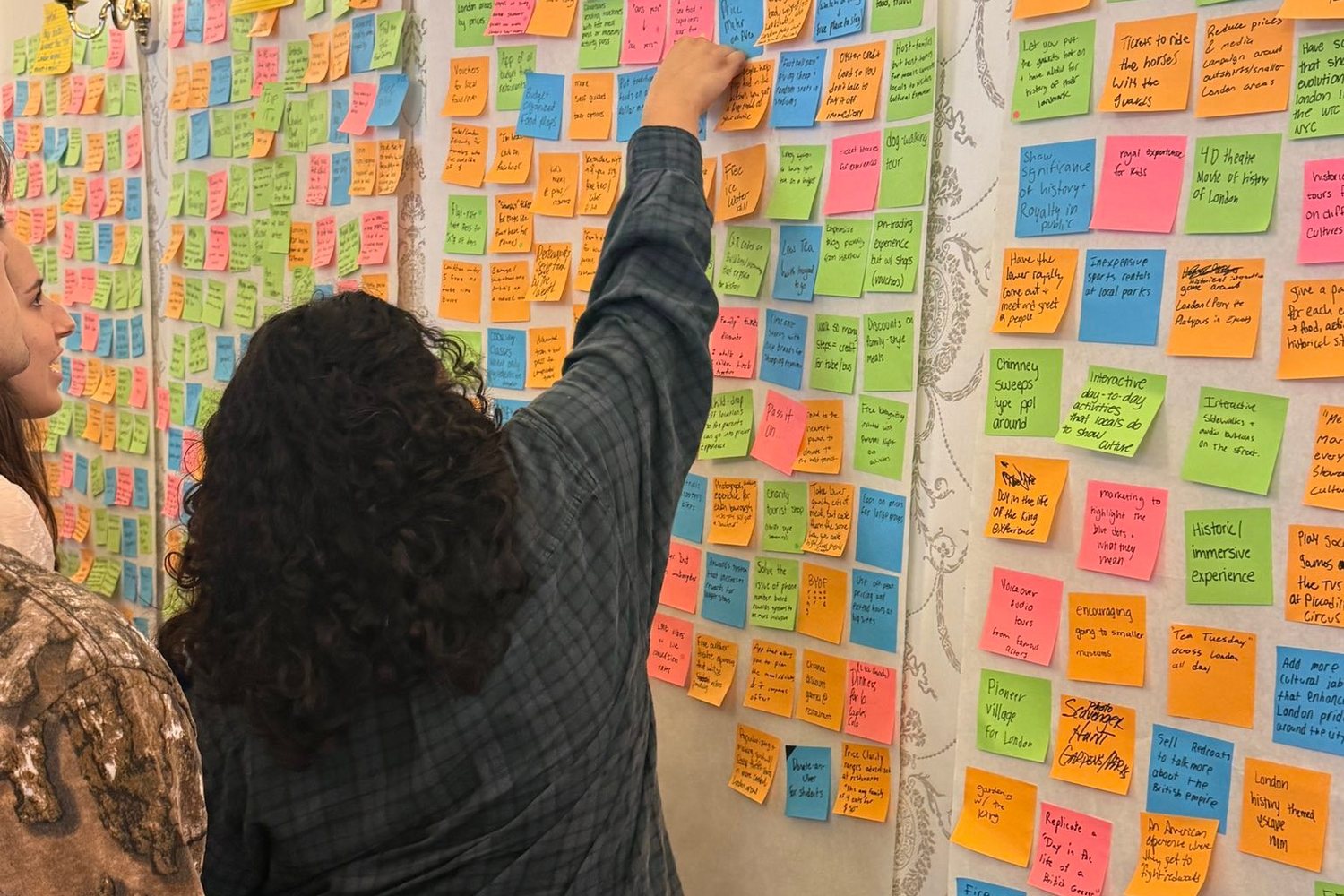
Ideation That Goes Somewhere
Run a brainstorm with real rules, push from safe to wild ideas, bundle them into concepts and vote on what to prototype.
Lab: Brainstorm Facilitator
Topic 08
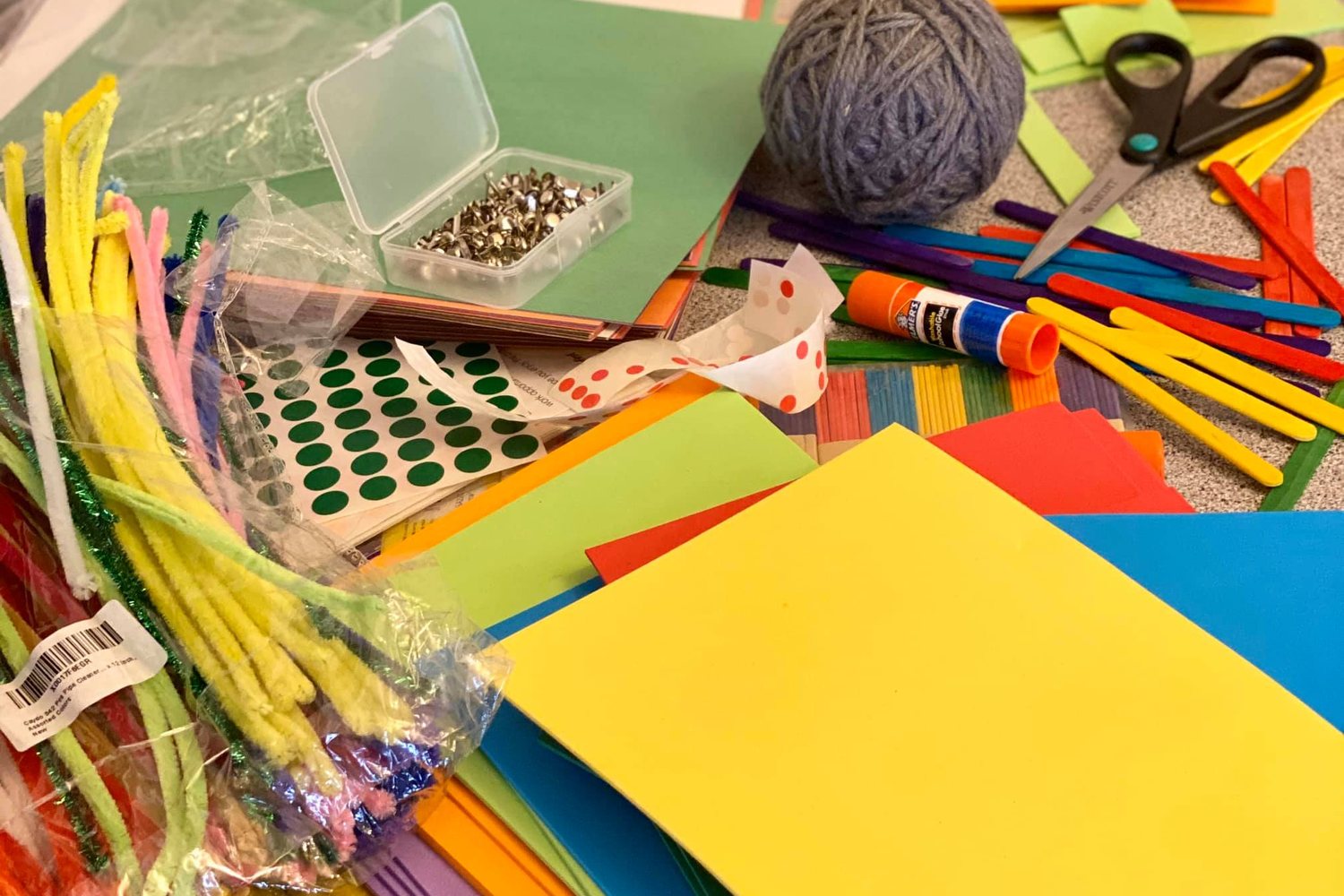
Prototype and Test
Plan a round of testing with a rough prototype, set keep, change and kill signals, and log what real users do.
Lab: Prototype Test Planner
Topic 09
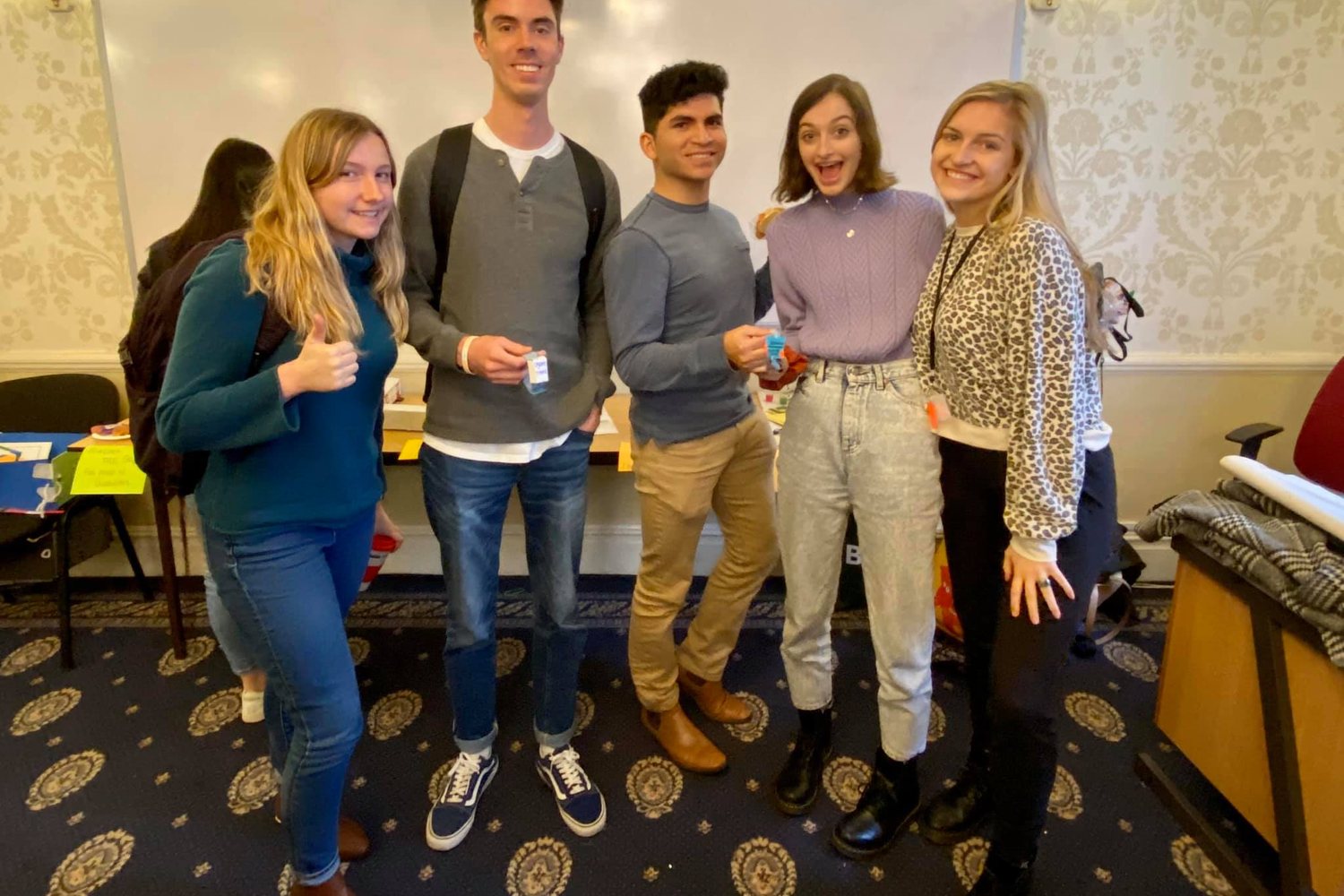
Storytelling and the Final Presentation
Build your final presentation as an eight-beat story from empathy to prototype, with checks on evidence, testing and timing.
Lab: Story Arc Builder
Topic 10
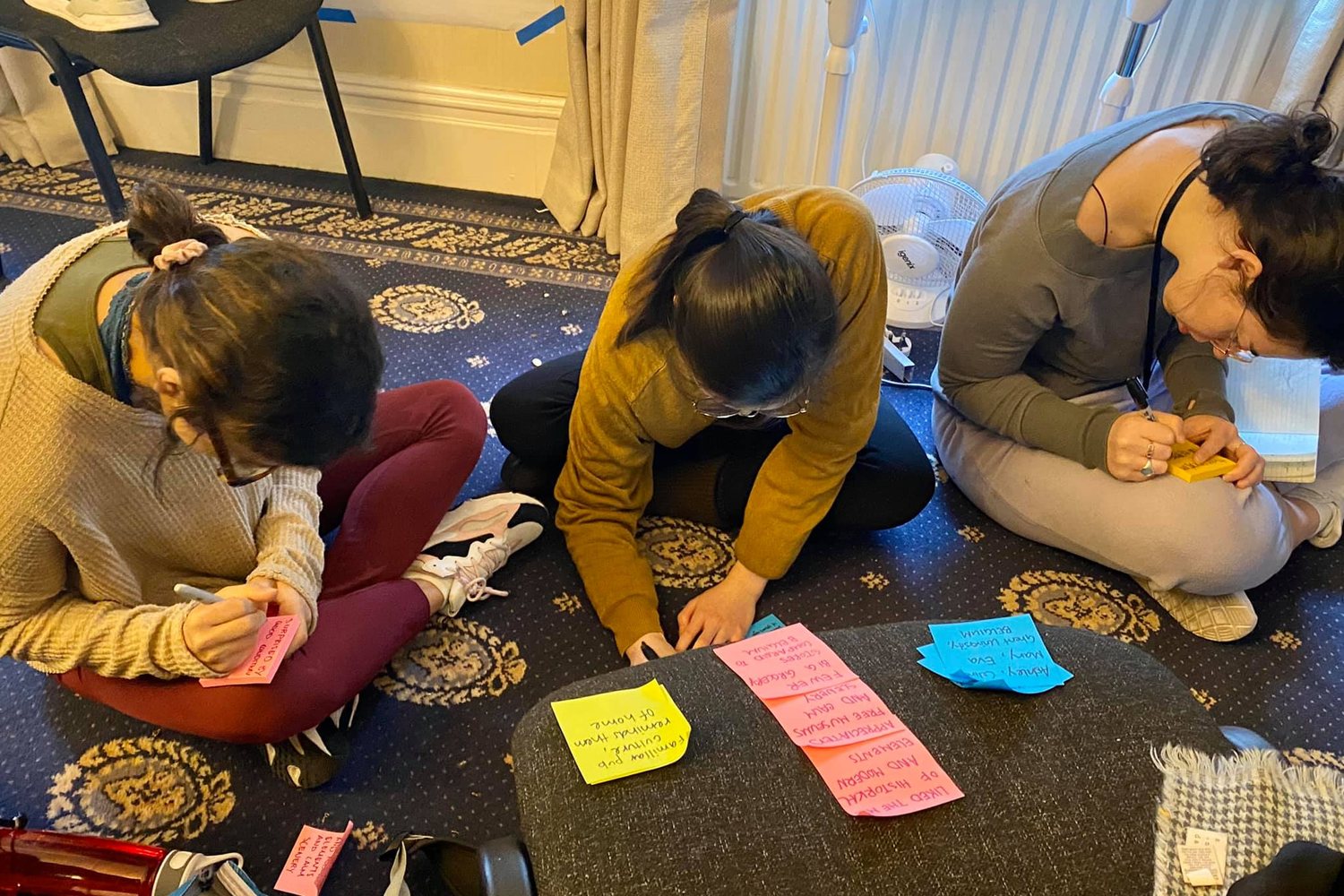
Leading Through Design
Map your team onto the Ten Faces roles, spot what is missing, and pick the leadership move that fits what your team faces now.
Lab: Team Role and Leadership Move Planner · Final reflection
Case studies
Real organizations, including stories from Creative Confidence, showing the mindsets we practice in London: empathy, reframing, prototyping, leading through design, and learning from failure.

Learning From Failure
Bessemer Venture Partners: Honoring the Ones That Got Away
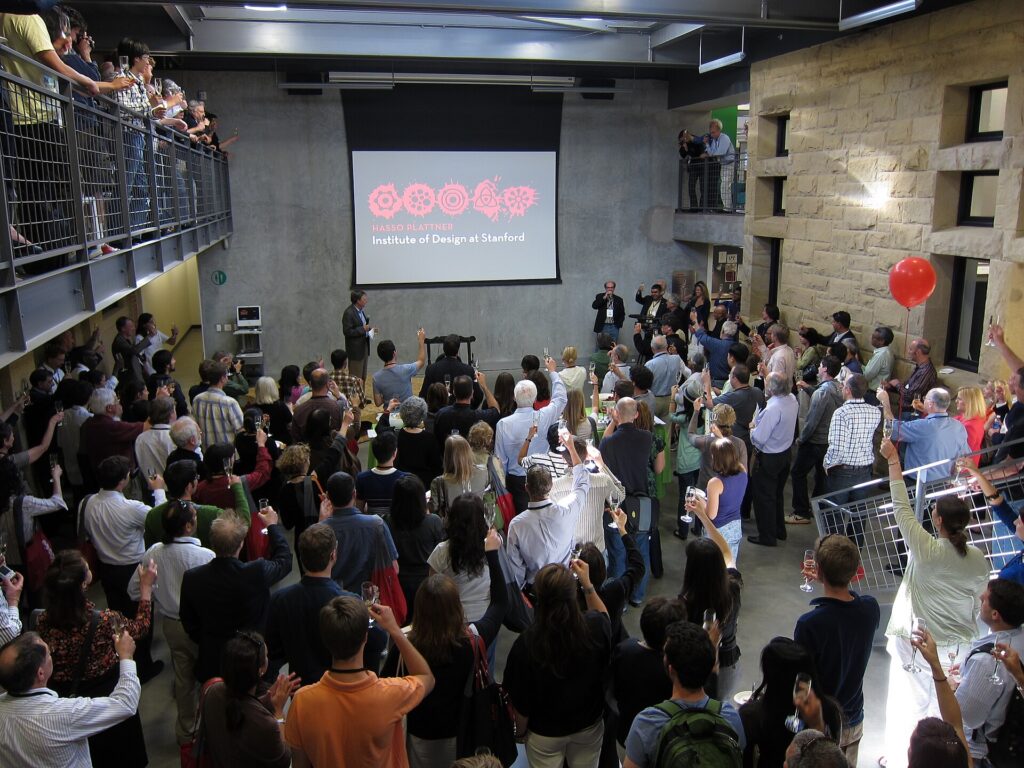
One of the oldest venture firms in America publicly lists the famous companies it turned down, a reminder that creative work means making bets, missing some, and owning the misses out loud.
Empathy and Reframing
GE Healthcare: The MRI That Became an Adventure
A GE designer watched a terrified child walk up to the MRI machine he had designed, then redesigned the experience around her without changing the technology.
Reframing the Problem
Embrace: Designing for the Baby Who Never Reaches the Hospital
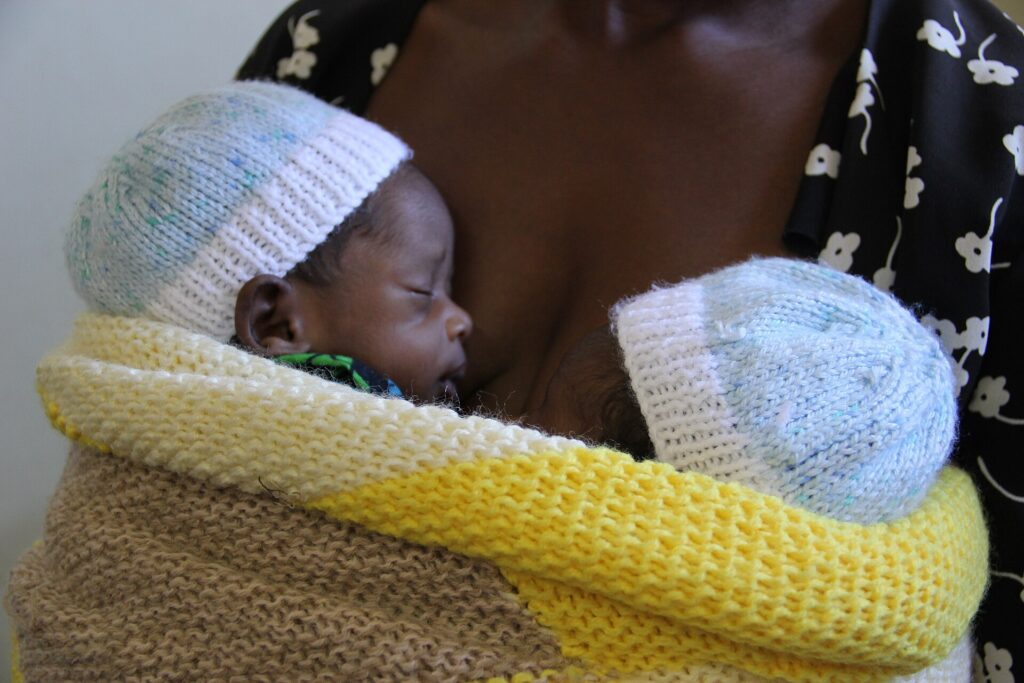
Stanford students set out to build a cheaper incubator. Fieldwork in Nepal showed that many at-risk babies never reach a hospital at all, so they designed a warmer that works without electricity.

Prototype and Test
Kaiser Permanente: Moving the Shift Change to the Bedside
Kaiser nurses and designers rebuilt the shift-change handoff with frontline nurses, learned from pilots that struggled, and spread the new practice across the hospital system.

Leading Through Design
Intuit: When the CEO Learned He Could Not Mandate Creativity
Intuit turned design thinking from a leader’s slide deck into everyone’s job, using customer home visits and a network of trained coaches.
All human-centered design case studies
Dates, deadlines and grades are in Canvas.