Case study · IB 407 · Empathy and Reframing
A GE designer watched a terrified child walk up to the MRI machine he had designed, then redesigned the experience around her without changing the technology.

Organization
GE Healthcare (Doug Dietz) with Children’s Hospital of Pittsburgh of UPMC
Year(s)
About 2009 to 2013
Area
Healthcare patient experience
Goal
Make scans less frightening so fewer children need sedation
About 80%
Children ages 3 to 8 who needed sedation for scans before the redesign (Milwaukee Magazine, 2013)
7%
Increase in completed scans at hospitals using the designs (Milwaukee Magazine, 2013)
24 years
How long Dietz had been a GE industrial designer when the project began (Milwaukee Magazine, 2013)
The situation
Doug Dietz was a veteran GE designer whose MRI scanner had won a design award. When he visited a hospital to see it in use, he watched a young girl crying in fear before her scan while staff called an anesthesiologist to sedate her.
The challenge
The machine worked well technically. For a child it was loud, dark and scary, and sedation adds risk, cost and time.
What they did
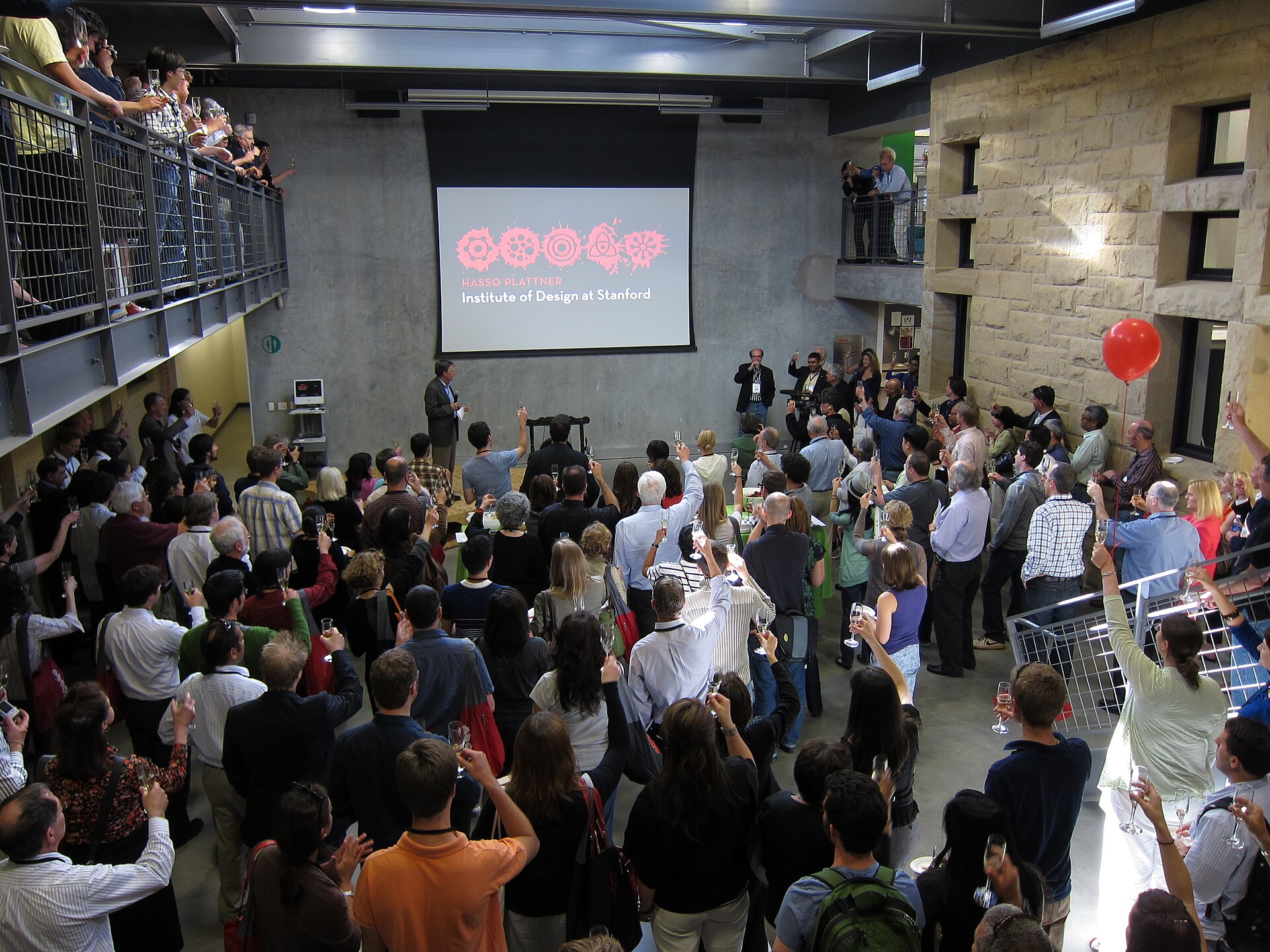
- His manager sent him to a weeklong executive program at Stanford’s d.school, where he learned the design thinking process.
- Talked with children, parents, child-life specialists and doctors, and got ideas from a children’s museum.
- Kept the scanner hardware the same and redesigned the room, the floor and wall decals, and what staff say, turning the scan into a story: a pirate ship, a space mission, a camping trip.
- Piloted the first themed rooms at the children’s hospital of UPMC in Pittsburgh.
What happened
Reported sedation rates dropped sharply, and IDEO U reports patient satisfaction rose. Milwaukee Magazine reports a 7 percent increase in completed scans. One young patient reportedly asked her mother if they could come back tomorrow.
Why it worked
Dietz stopped seeing himself as the designer of a machine and started seeing the child having the experience. That empathy reframed the problem: the real issue was fear, not image quality.
A low-tech prototype of stickers, scripts and stories let the team test ideas cheaply before investing.
Where it gets complicated
The numbers vary across sources, and some come from retellings rather than published studies. Radiology Business reports that the Pittsburgh hospital had started its own themed rooms in 2005, so the hospital and GE share the credit. Each themed suite cost $35,000 to $40,000, which not every hospital can afford.
The takeaway
The human-centered design principle
Empathy can change which problem you are solving. Sometimes the best innovation changes the experience, not the technology.
Sources
- Creative Confidence: Unleashing the Creative Potential Within Us All (Tom Kelley and David Kelley), Crown Business (2013)
- A Scanner Not So Darkly, Milwaukee Magazine (2013)
- The Journey From Design Thinking to Creative Confidence, IDEO U (2017)
- Imaging Adventure Creates Happy Endings for Kids, Radiology Business (2013)
Discuss in your group
Same Machine, New Experience
Pick a stressful service moment you have seen in London or on campus. Without changing any technology, prototype a new script, space or story that makes it less stressful, and test it with two people.
Back to IB 407 · All human-centered design case studies
Use and share this case
Free to use in your own classroom, training or team, and to adapt for non-commercial teaching, with credit to Dr. Jules Morris, Haslam College of Business, University of Tennessee. The text is licensed CC BY-NC 4.0. Brand photos and trademarks belong to their owners and are not covered by this license.
Brand names, images and trademarks belong to their owners and appear here for educational purposes only.