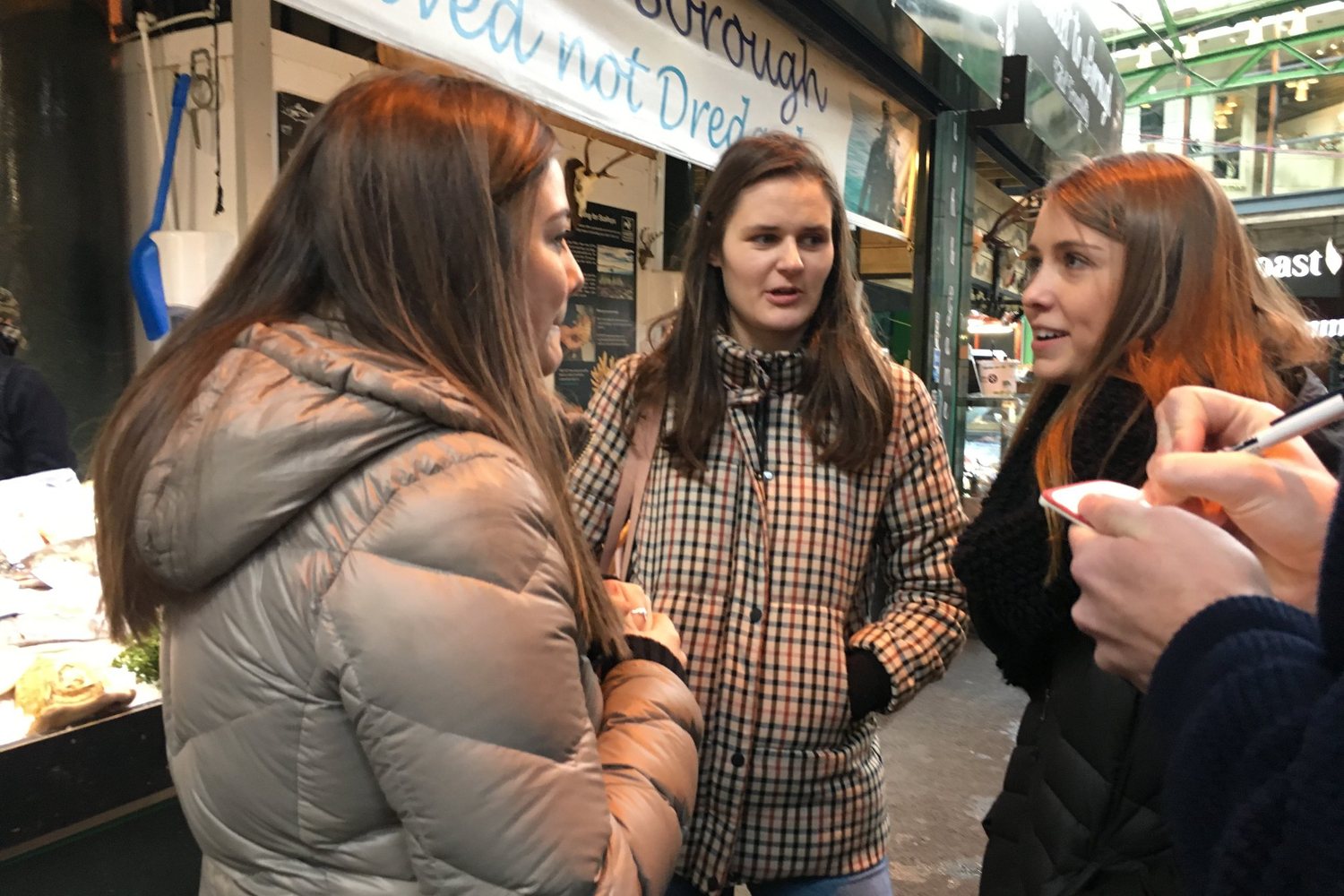
The big idea: Empathy is a skill you practice in the field: watch what people do, ask how they feel, and seek out the people at the edges, because what people say and what they do are often different.
In 60 seconds
- Empathy is a field skill: watch what people do, ask how they feel, and seek out people at the edges.
- Use AEIOU to log facts, and keep your guesses in a separate Why column to test later.
- Interview for stories about real past moments, not opinions about the future.
Do this: practice fieldwork for your team’s challenge: watch first with AEIOU, then ask people for real stories, and keep facts apart from guesses.
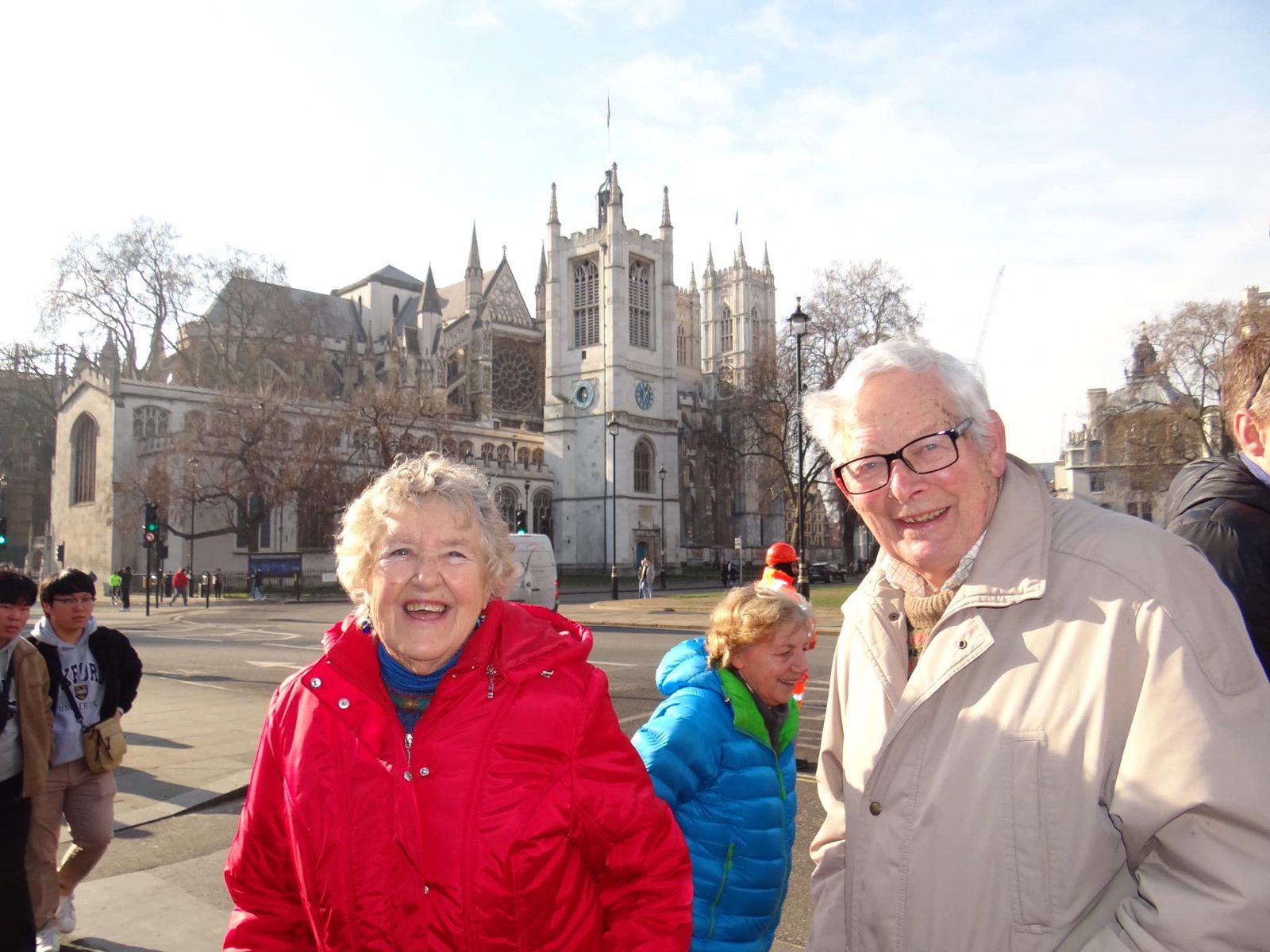
How empathy fieldwork works

London Day 3 · Gathering inspiration
Field research
It’s a messy process
Expect the tangle.
Text version of this diagram
- Research and empathy feel uncertain.
- Concepts and prototypes untangle it.
- Design brings clarity and focus.

Where to look for inspiration
Four places to learn.
People
Talk with the people you are designing for.
Experts
Learn from people with deep knowledge of the topic.
Immersion
Spend time in their world. Do what they do.
Analogous
Find a similar experience in a different setting.
Immerse, observe, engage
Three ways into someone else’s experience.
Immerse
Experience what your user experiences. Ride the route, stand in the line, fill out the form.
You gain: you know how it feels, not just how it works.
Observe
Watch people in the context of their lives. Note what they do, not what you assume.
You gain: behavior people would never think to mention.
Engage
Talk with people, in planned interviews and quick “intercepts” on the spot.
You gain: stories, feelings and the “why” behind behavior.
Immerse, observe and engage come from the Stanford d.school Empathy Field Guide.

Define your audience
Consider everyone your ideas will touch.
Think about the broad spectrum of people who will be affected by your ideas and solutions, not just the obvious customer.
Empathy field guide
Spend time with extreme users.
The Stanford d.school’s Empathy Field Guide is full of ways to build empathy. One of the best: find the people at the edges, whose needs are amplified.
Who to learn from
Extremes and mainstreams.
Text version of this diagram
- Mainstream: the typical middle of your audience.
- Extremes: people who love it, avoid it or push it to the limit.
- Design for everyone by talking to people in the middle and at both ends.
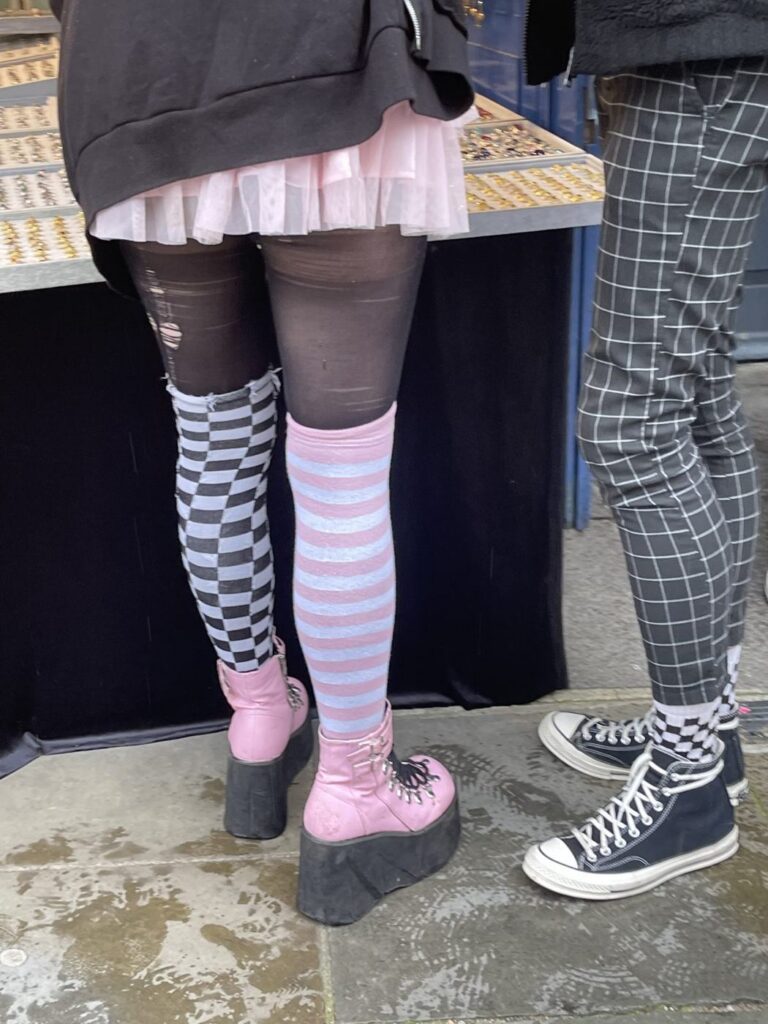
Extreme users
Who are your extreme users?
Extreme users’ needs and feelings are amplified, so they notice what others miss.
- List 3 to 5 aspects of your project.
- For each, write a number of options for who is extreme in that aspect.
- Examples for travel: a family with young children, someone who uses a wheelchair, a first-time flyer, someone with a short layover, someone with oversized luggage.
Human-centered leadership’s 5 I’s of empathy
Five ways to build empathy.
Immersion
Live it.
Investigate
Ask, observe, dig.
Imagination
Picture their side.
Imitate
Try what they do.
Inquiry
Ask the next question.

E.M.P.A.T.H.Y.
Listen with your eyes.
Adapted from Helen Riess’s E.M.P.A.T.H.Y. tool for reading nonverbal cues.
- EEye contactAre they looking at you, away, at the ground?
- MMuscles of facial expressionA tight jaw, a real smile, a frown.
- PPostureOpen, closed, leaning in, pulling back.
- AAffectThe emotion behind the words.
- TTone of voicePace, volume, warmth, hesitation.
- HHearing the whole personNot just the answer to your question.
- YYour responseNotice what you feel, and stay curious.
Empathy without losing yourself
Step into their shoes. Keep your own judgment.
Empathy lets you step into another person’s shoes and see the world from their side, without losing your own judgment or your path to the goal. You still have a design challenge to solve.
Empathy on the Edge
IDEO’s paper Empathy on the Edge is about scaling and sustaining a human-centered approach. The takeaway: empathy is a habit a team keeps all the way through a project, not a box you check in week one.

Curiosity
The impulse to seek new experiences.
Curiosity is a basic human attribute. Two things stop us: the wrong mindset about exploring, and wanting to be efficient more than we want to learn.
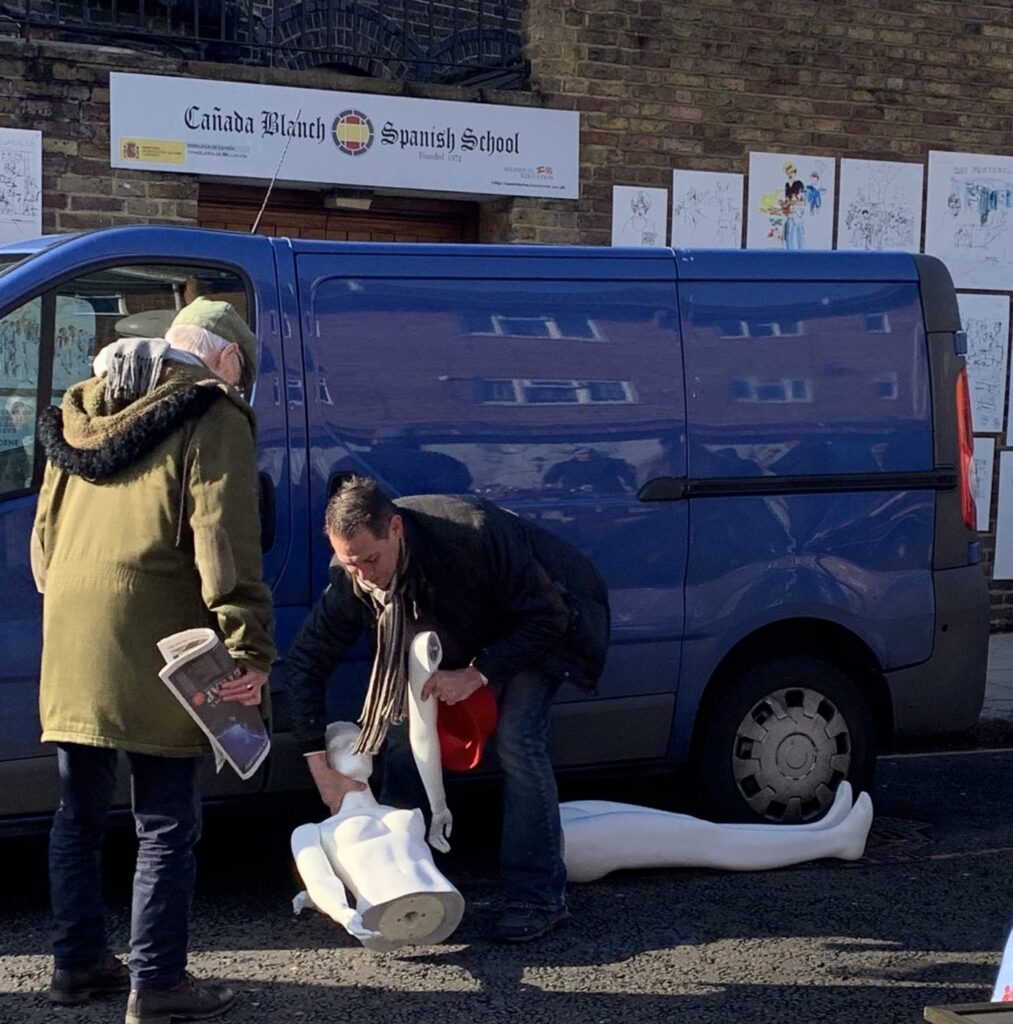
Look for contradictions
What people say, what people do, and what they say they do are entirely different things.
Margaret Mead, anthropologist
Why it matters
Look for contradictions and look beyond the obvious. The gap between words and actions is often where the design opportunity hides.
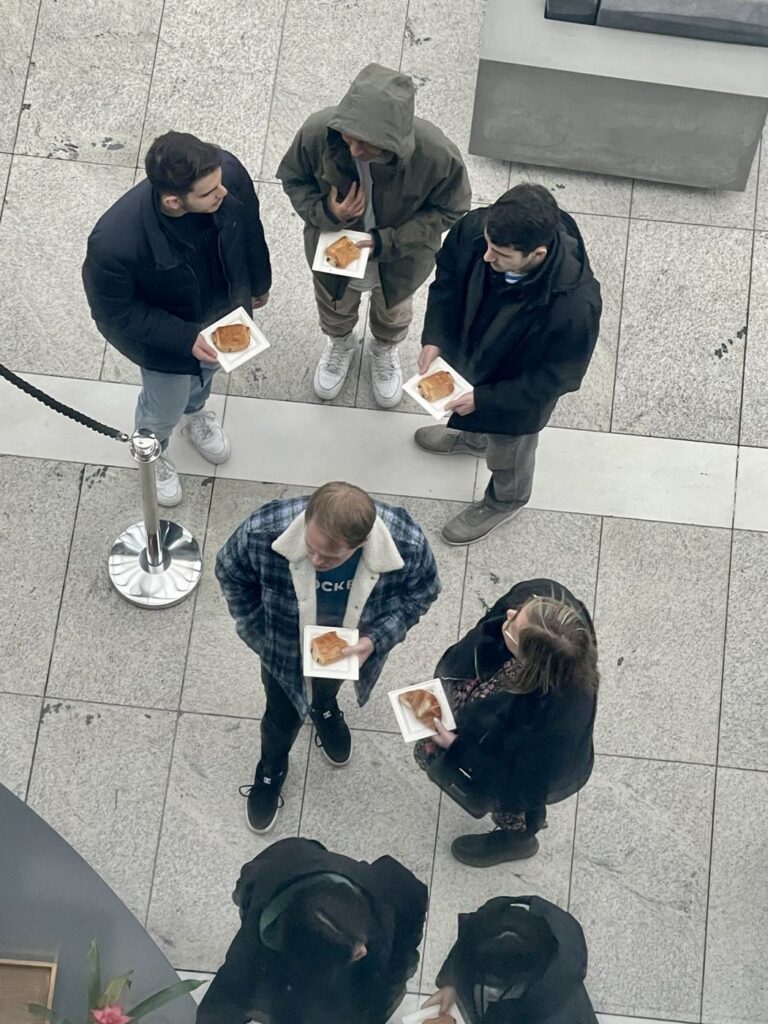
Observing people
Six habits of a good observer.
Cast aside your biases
Forget what you know. Let people tell their own stories.
Watch for workarounds
The fixes people invent point to unmet needs.
Note contradictions
Between what people say and what they do.
Needs, not solutions
Needs open possibilities. Solutions close them.
Listen to personal stories
Stories are the most revealing gifts people can give you.
Look beyond the obvious
Stay alert. Look for the details.
AEIOU: five lenses for any setting
Five lenses so nothing gets missed.
- ActivitiesWhat are people trying to get done? What steps, how long, with whom?
- EnvironmentsThe whole setting: layout, light, noise, signs, shared and private spaces.
- InteractionsPerson to person and person to thing. Routine and unusual moments.
- ObjectsWhat people carry, use or repurpose. Unintended uses are clues.
- UsersWho is there, their roles and relationships, and who is at the edge.
What? How? Why?: from facts to meaning
Start with what a camera sees. End with a question.
- 1What?What is the person doing? Only the facts a camera would catch.
- 2How?How are they doing it? Rushed, careful, frustrated, easy?
- 3Why?Why that way? Your best guess about motives. Every guess becomes a question to ask.
Run an observation
A 20-minute routine you can repeat at any site.
- Pick a spot. Go where the activity happens, at a busy time. Say who you are if anyone asks.
- Split the lenses. Each teammate owns one or two AEIOU lenses so nothing gets missed.AActivitiesEEnvironmentsIInteractionsOObjectsUUsersLog it in the AEIOU Observation Logger ↓
- Write facts first. “Leaves the line after 4 minutes,” not “gets impatient.” Add times, counts and positions.
- Mark guesses as guesses. Put feelings and motives in a separate Why column and plan a question to test each one.
- Sketch the space. A quick floor plan shows bottlenecks words miss.
- Compare notes right away. Look for things that show up under more than one lens. Those are patterns.
Where AEIOU comes from
The AEIOU framework was developed by Mark Baskinger and Bruce Hanington (Carnegie Mellon, Universal Methods of Design).

Activity
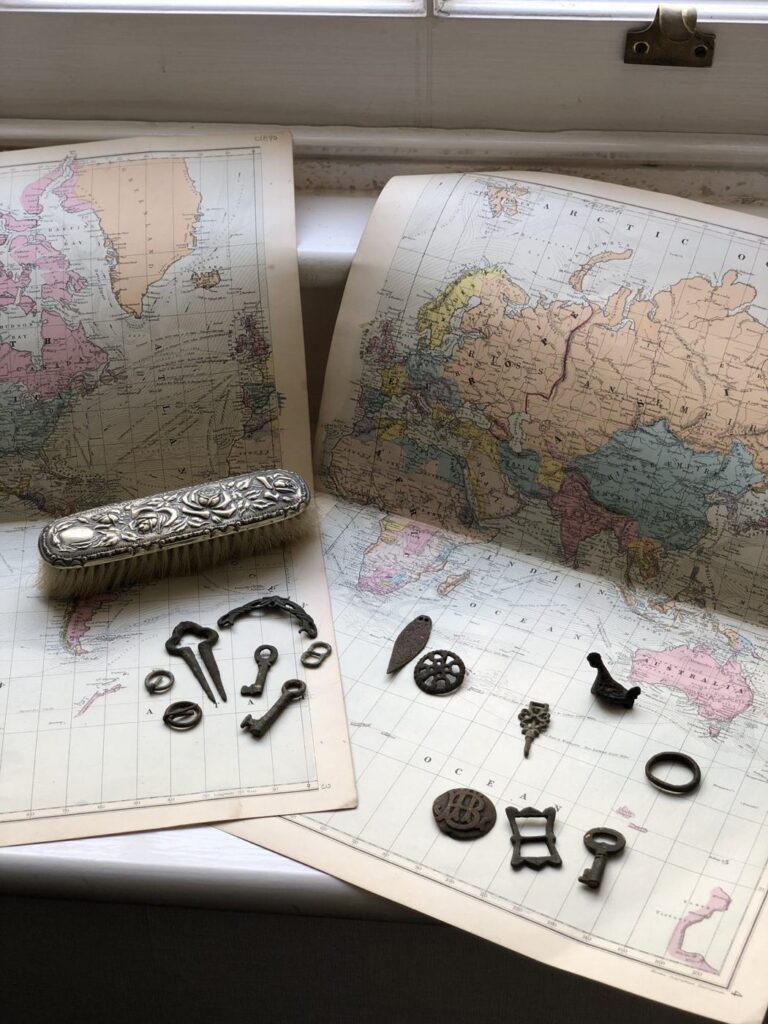
What’s in your bag?
Pair up. Take turns emptying your bag and explaining each thing. Ask about the story behind it, not just what it is. What does it reveal about how your partner lives?
Inquiry: human elicitation
Conversations are purposeful intentions.
Text version of this diagram
- Interrogation, debriefing, interviewing, conversation.
- Interrogation is most invasive, unwilling and controlled. Conversation is least invasive, willing and fluid.
- Casual and conversational is less threatening.
Casual learning conversations + questions
Questions unlock the story.
Text version of this diagram
- Questions reveal the deeper flow of people’s thinking about their experiences, and their intent: why.
- Curiosity and caring probes uncover the story’s elements and touchpoints.
TEDW & powerful questions
Ask for experiences.
Each research problem breaks into objectives, and each objective into research questions you can ask this way.
Tell me about…
Invite a story.
Explain…
Ask how it works for them.
Describe…
Ask for the details.
Walk me through…
Follow the steps in order.
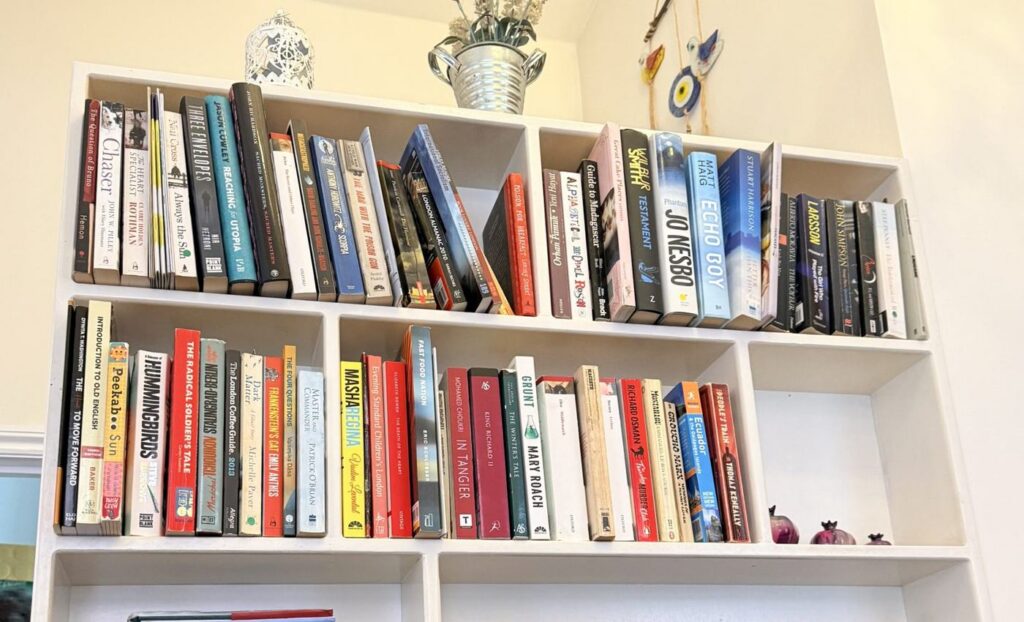
Pursuit of a story
Life is a series of touchpoints and experiences.
- Dreams about an ideal touchpoint or experience
- Insights: a deeper understanding of something (ah-ha)
- Needs (latent) and wants: what’s desirable to them
- Mind the gaps: shortcomings or design flaws
- Thorny or wicked problems
- Pain points and bug lists: fears, frustrations, anxieties, disappointments
- Contradictions: what doesn’t make sense?
Empathetic listening
Listen for what they say, think, do and feel.
Text version of this diagram
- Say: their words, quoted exactly.
- Think: what they believe and worry about, even if they don’t say it.
- Do: their actions and workarounds.
- Feel: their emotions, and why.
- Goals: what they are really trying to get done.
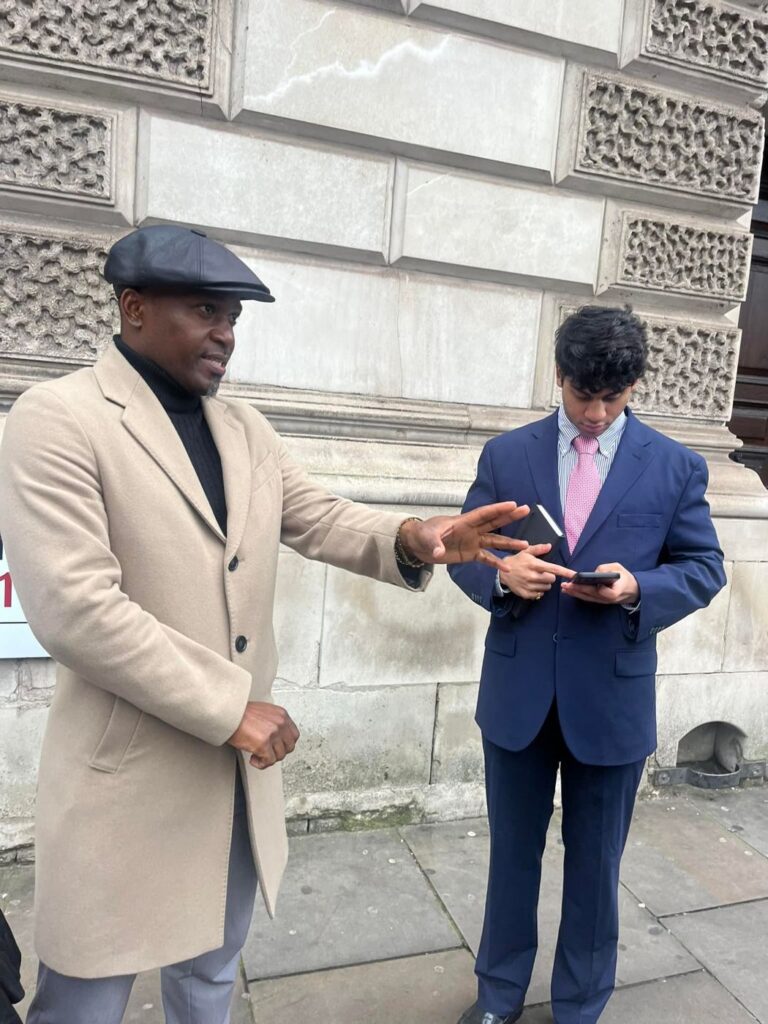
The basics of casual learning conversations
Empathetic listening transforms.
It is a skill you can learn. It unlocks someone’s inner landscape. Practice all seven in every conversation.
- Rapport build trust
- Presence be genuine
- Curiosity ask to discover
- Regard respect, always
- Purposeful their point, not yours
- Listen to understand
- Silence let it work
The conversation arc
Every good conversation climbs a mountain.
Text version of this diagram
A good learning conversation follows an arc over time, like a mountain trail:
- Introduce yourself.
- Introduce the project.
- Build rapport.
- Evoke stories.
- Explore emotions (the summit).
- Question statements.
- Thank you and wrap up.
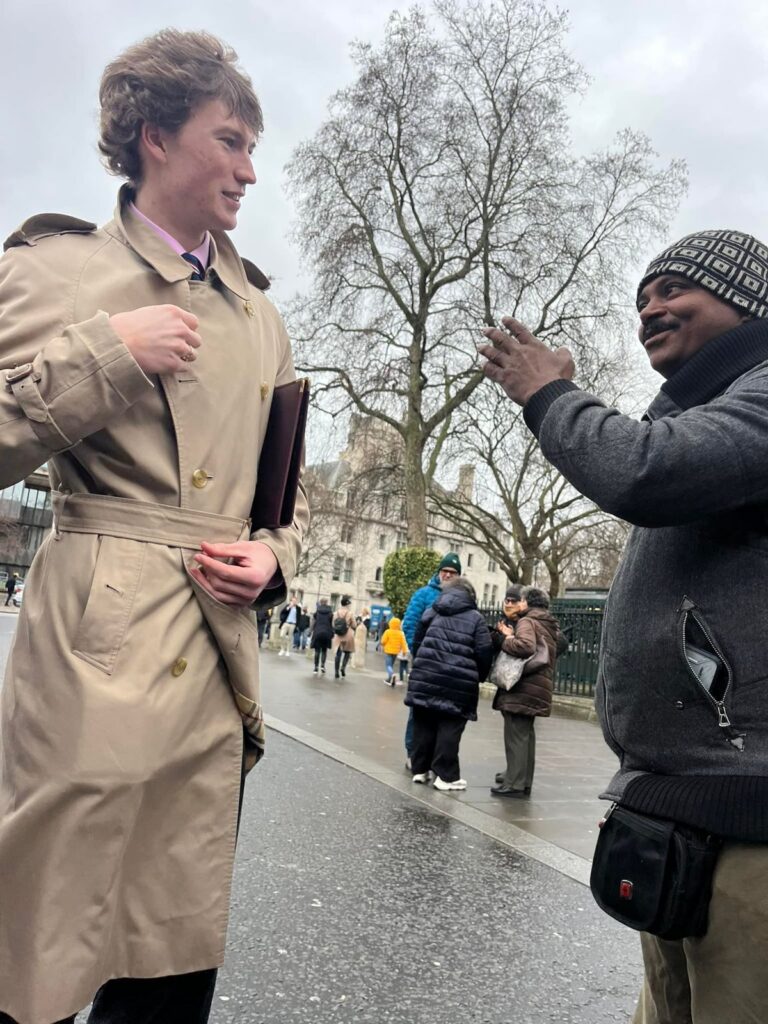
How to interview
Have a conversation.
Adapted from the Stanford d.school’s interview guidance.
Be human
Build rapport. Introduce yourself and the project in a friendly way.
Seek stories
Ask them to tell you about specific times.
Talk about feelings
Ask how it felt, then follow the emotion.
Probe
Why? Can you tell me more? What were you thinking then?
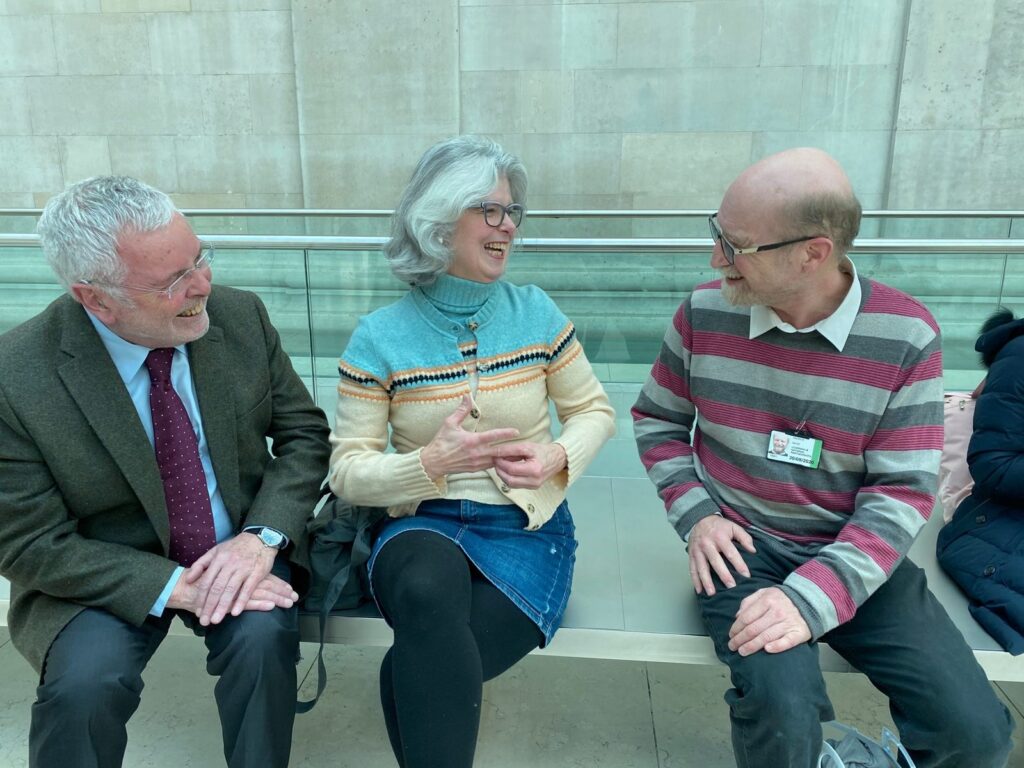
Interview for stories, not opinions
Ask about a real moment, not an opinion.
- Ask for stories. “Tell me about the last time you…” beats “Do you like…?” Stories are about real past events, not guesses about the future.
- Talk about feelings. “What were you thinking at that point?” “How did you feel when that happened?”
- Ask why, again. Keep asking why, kindly, until you reach what matters to them. This is the 5 Whys method.
- Stay quiet. Do not fill pauses or suggest answers. Silence often brings the deepest answer.
- Notice contradictions. When what they say and what they do differ, ask about it gently. That gap is often the insight.
- Watch the body. Note tone, pauses and body language. Write down exact quotes.
The shape of a good interview
A good interview builds in stages: introduce yourself and the project, start easy, build rapport, ask for specific stories, then dig into emotions with follow-ups. Close by thanking them. (This arc comes from Michael Barry, as taught in the d.school Empathy Field Guide.)
Conversation tips
Six moves that turn answers into stories.
Ask open-ended questions
Stay away from yes or no.“Open, open, open.”
Use the 5 whys
Clarify generalities. Not every one is a “why.”“What does ‘fine’ mean to you?”
Use analogies
Relaxing and fun for interviewees.“Are you a Mercedes or a VW? Why?”
Ask them to show you
Objects, spaces, tools, a skill or a talent.“Show me how you do that.”
Seek the stories
Stories are the core of a good interview.“Tell me about a time when…”
Mind the gap
Say and do don’t always match. Don’t judge, but ask.“Help me understand the difference.”
More on each tip
- Open-ended questions: stay away from yes or no questions. Give them the space to answer in their own unique way with open, open, open questions.
- 5 whys: these help to clarify the conversation when people use generalities or are ambiguous. They don’t all have to be “why.” Why do you say that? What does “fine” mean to you? Tell me about that. That is interesting, can you help me understand what you mean? Why do you think that?
- Analogies: analogies are often relaxing and fun for interviewees. Are you a Mercedes or a VW, and why?
- Show me: ask them to show you something (objects, spaces, tools, a skill or a talent) rather than tell you about it. Don’t be afraid to ask, “Can you show me how you do that?”
- Stories: stories are at the core of a good interview. Whether process-oriented, illustrative or just fun, they offer context and help us understand. Can you tell me about a time…? Can you walk me through your day? Can you share your best or worst experience with me?
- Mind the gap: what someone says does not always add up to what they do. Maybe they aren’t aware of, or can’t put into words, what they need. If things don’t add up, don’t judge, but ask.
Activity: Four Fabulous Questions
One person in the center. Four open questions.
- Pick a number from 1 to 8 before the envelope opens.
- Take the center and read the topic for your number.
- Ask open. Others take turns asking open questions.
- Build on it. Each question builds on the last answer.
- Rotate after four questions.

Full instructions
- Prior to opening the magic envelope, each person chooses a number from 1 to 8. No repeating numbers. This is your number for the activity.
- You go in order, and each person has a turn in the center of the group. The person in the center looks inside the envelope and shares the topic for their number.
- Rotating turns, a different person asks the center person an open-ended question related to their topic. The person in the center answers.
- Another person asks another open-ended question by building on the last question, honing in on a detail of the answer, or asking a related question.
- Repeat for a total of 4 questions. Rotate through your entire group. If you finish early, switch it up and explore other topics within the group.
While engaging
Seven habits for the road.
Take these with you every time you step onto the street.
- Listen deeplyFor what people want and need, and the workarounds they’ve built.
- Find root causesThe attitudes, behaviors and beliefs underneath.
- Check your biasNotice your own judgments before they steer you.
- Fail smallFail early, fail fast. Iteration is learning.
- Learn firstDon’t jump to solutions.
- Include everyoneKeep hearing more than one perspective.
- Stay flexibleSurprises in the field lead to insights.
Observing what people do
Six things to pin up before you go.
Cast aside your biasesLet people tell their own story. Listen and observe first.
Note contradictionsBetween what people say and what they actually do.
Listen to personal storiesThey reveal the unwritten rules people live by.
Watch for workaroundsThe fixes people barely notice point to unmet needs.
Needs, not solutionsStart with a solution and you stop seeing.
Look beyond the obviousThe epiphanies hide in the small details.
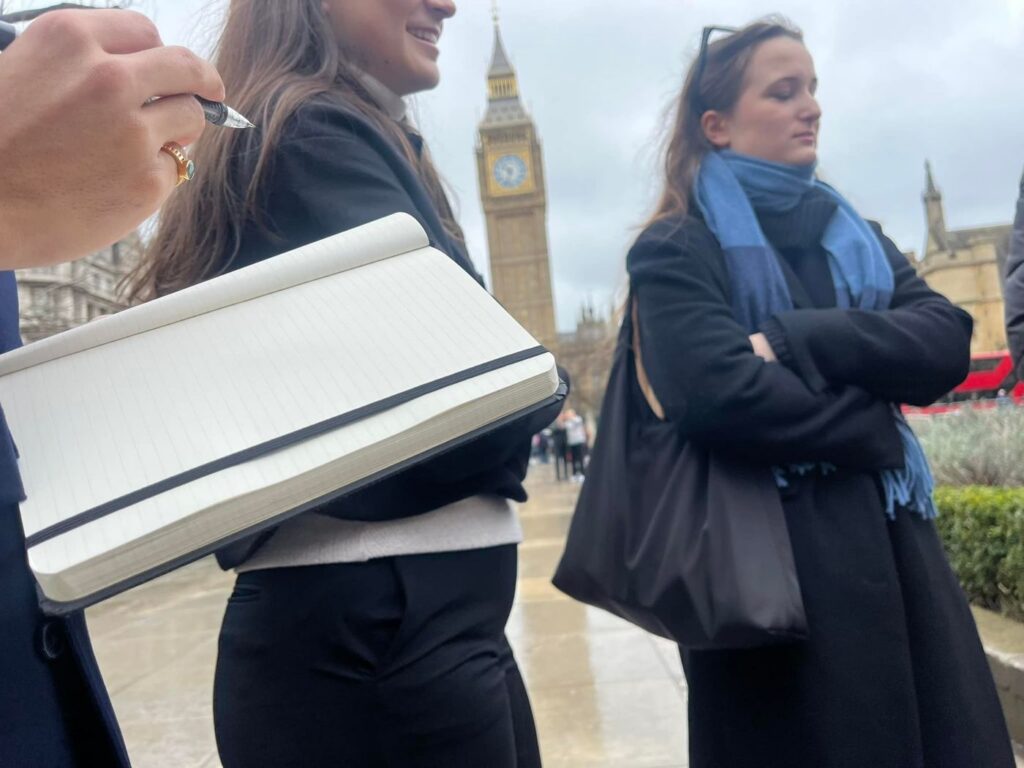
Capturing an interview
Capture it while it’s fresh.
NotesQuotes, opportunities, ideas and insights, in their words.
PhotosPortrait, context and artifact (with permission).
FeelingsHow they seemed to feel, and how you felt.
Do it in the next ten minutes, before the next interview blurs it.
Interview preparation
Go in ready.
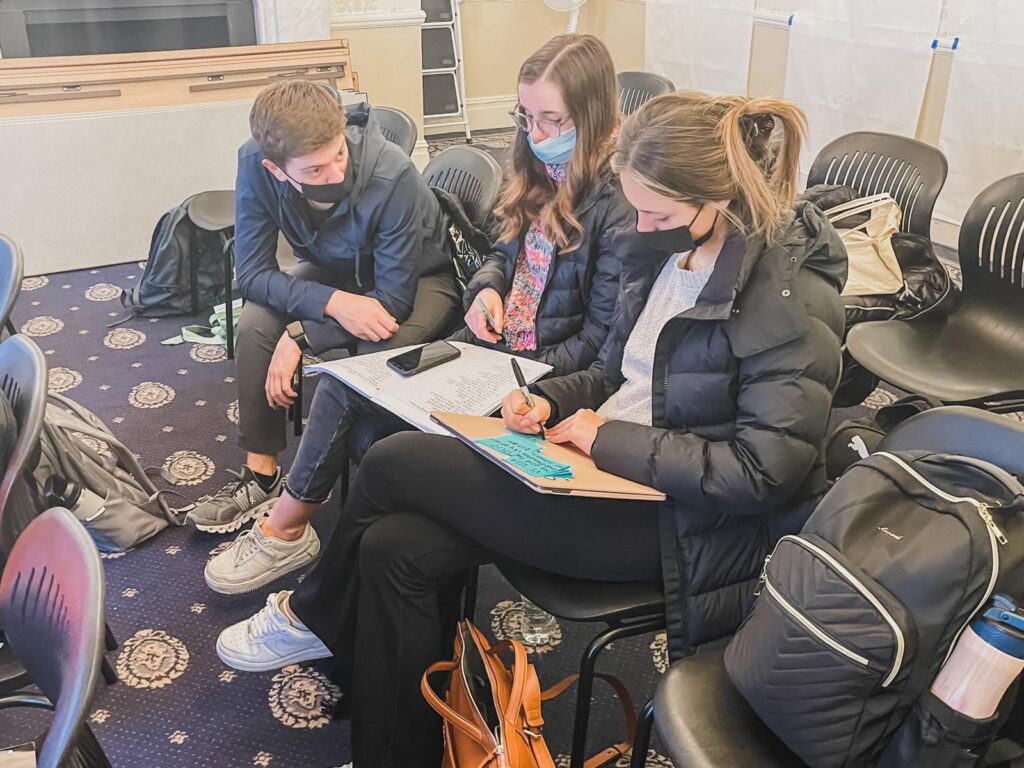
Before you hit the street
- Brainstorm questionsWrite lots as a team, then group them by topic.
- Sequence themStart easy, build rapport, go deep, wrap up.
- RefineCut the yes or no questions. Make every one open-ended.
- Plan follow-upsHave “Why?” and “Tell me more” ready.
Interview tips
Small habits, better data.
- Let them find the words. Don’t suggest answers, even in a pause.
- Love the silence. People fill the quiet with the good stuff.
- Chase the inconsistencies. Gently.
- Read the body. Nonverbal cues tell you more.
- Ask why. Again. Even when you think you know.
Interview tactics
Three ways to open people up.
1 · Open-endedWhat was getting here this morning like?
Honestly? Chaos. The Tube was packed, so I…
2 · Show meCould you show me how you found this place on your phone?
3 · Mind the gapYou said you always plan ahead, but you just looked it up. Tell me about that.
Starter questions
Examples from an airport.
Adapt the pattern to London: ask for stories, emotions and specific moments.
At the gateQ1
“Can you walk me through how you left your house? What emotions did you have?”
Tell me a storyQ2
“Tell me about a memory you have at the airport.”
Surprise meQ3
“What would surprise me about how you prepare for and get through the airport?”
EmployeesQ4
“Tell me about a memorable customer interaction. What emotions do you have at work?”
What to consider as you learn
Understand the whole person and the context.
The whole personListen for clues to their values, needs, desires and aspirations. How do they spend their time and money? They are the experts on their own lives.
The contextMeeting people where they are shows who they are, where they come from, and the challenges and workarounds they face.
Fieldwork ethics
Respect the people who help you.
- Be honest. Introduce yourself truthfully. They can stop any time.
- Ask first. Before photos or video. Never children without a parent’s OK.
- Protect them. First names or roles in notes, never full names.
- Keep it out of AI. No personal or identifying details in AI tools.
Theodore Roosevelt
People don’t care how much you know until they know how much you care.
Often attributed to Theodore Roosevelt
London Day 3
Create a plan.
Activity
Assign roles on your team.
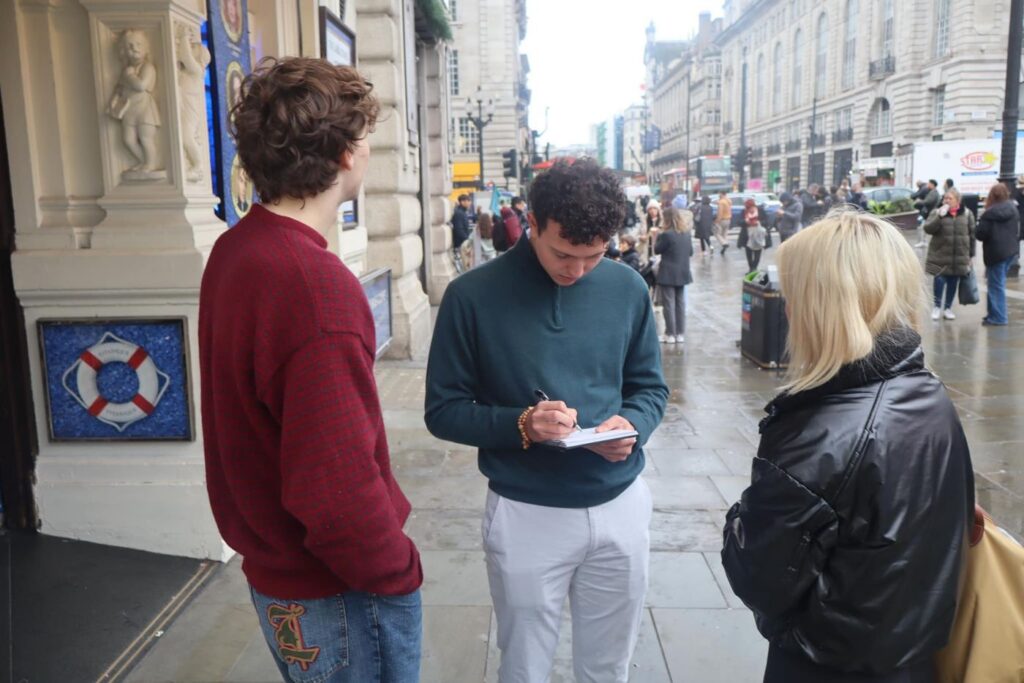
LLeadAsks the questions and keeps the conversation going.
DDocumentTakes the portrait, context and artifact photos.
NNotesCaptures exact quotes and what they did.
Rotate with each new interview so you try them all.
Activity
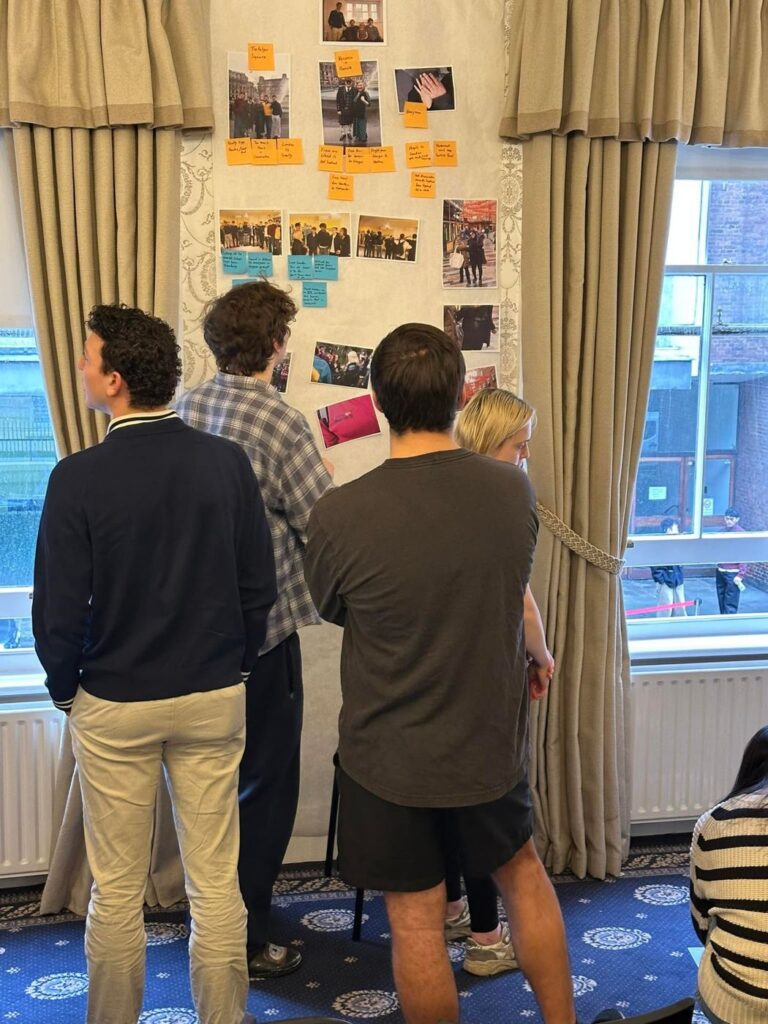
Plan your research.
- Break into teamsYour London challenge: HMW delight London tourists?
- Plan it outUse the Plan Your Research worksheet: who you might talk with, where you might go, what you might ask.
- PracticeIntroduce yourselves and ask your questions out loud.
What to capture
Three photos from every interview.
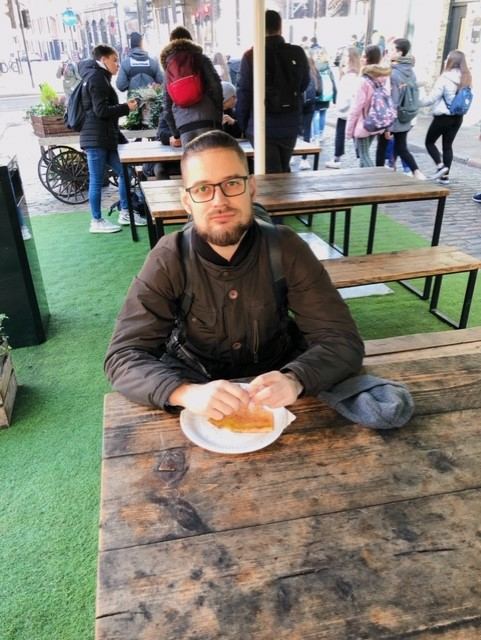
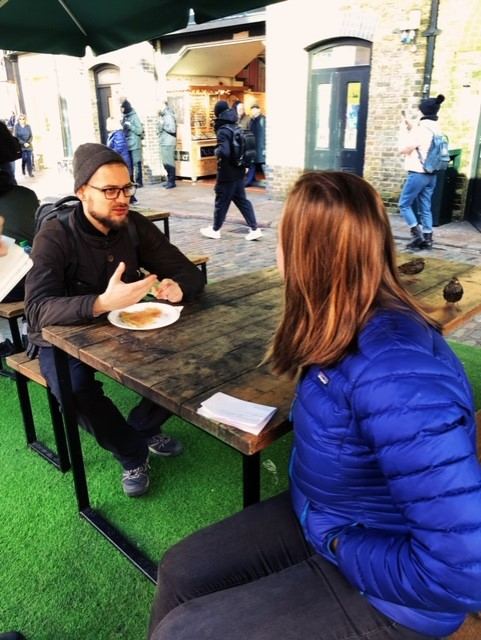

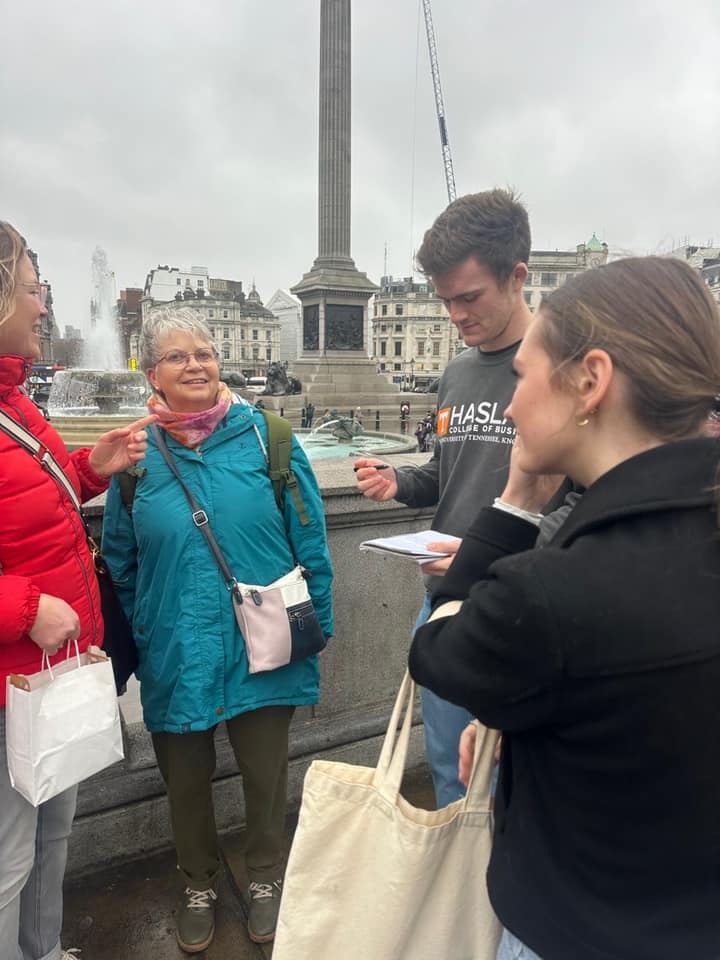
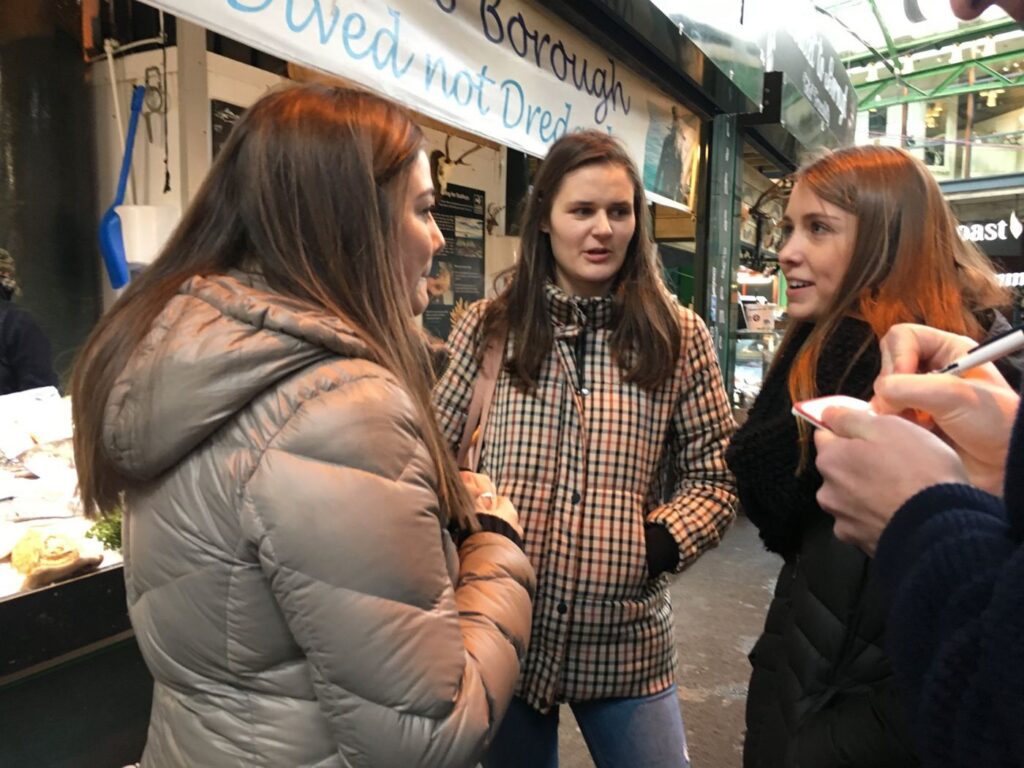
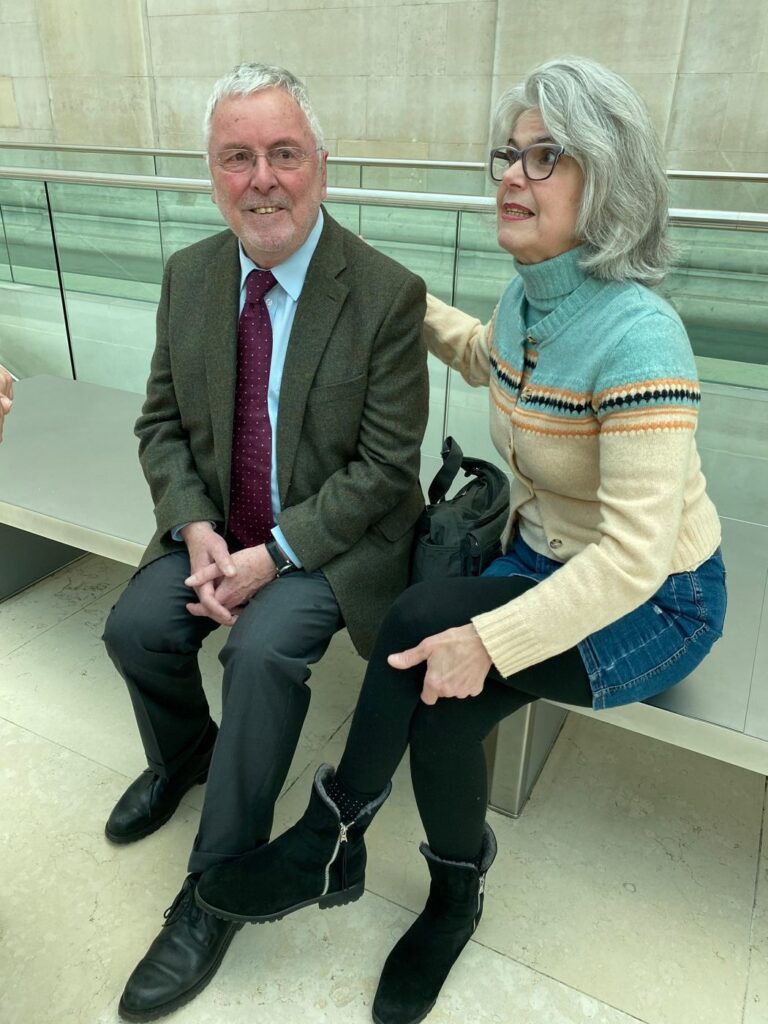
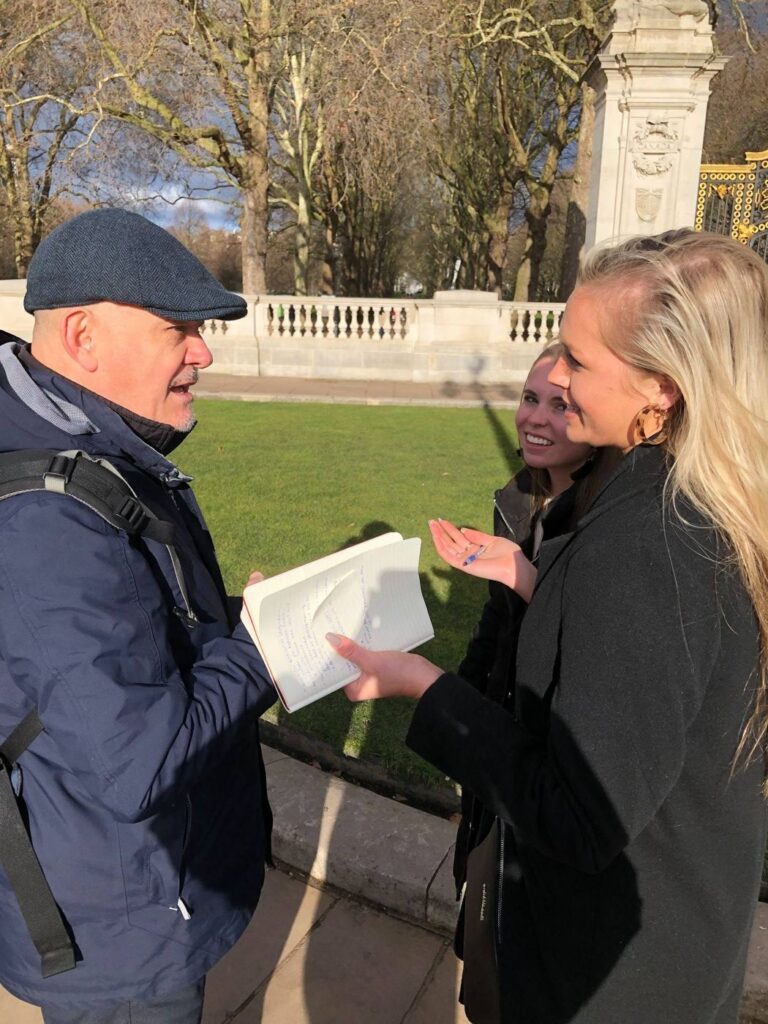
All three from one London class interview. Photos by London class students, used with permission.
Then discuss:QuotesProblemsOpportunitiesIdeasInsightsStories+ a team photo
What to look and listen for
Clues that a story is worth following.
Spot it in the wild bingo
London Fieldwork Bingo
Mark a square each time you spot one of these empathy clues while you observe and interview around London.
Try it: AEIOU Observation Logger
Tool · IB 407
AEIOU Observation Logger
Log what you see in the field under five lenses, then spot gaps, guesses and patterns.
- 1Observe
- 2Check
- 3Share
Lens
Possible pattern
All checks
All possible patterns
Put it to work: observations and interviews in London
Plan a mix of observations and interviews for your team’s challenge. Good fieldwork gives you a full spectrum of human-centered insights: rich descriptions, surprising insights and deep needs. Take notes as you go so nothing gets lost.
Fieldwork in five steps
Plan who and where
Choose a few observation sites and a few people to interview. At least one person should be an extreme user.
Observe with AEIOU
Spend at least 20 minutes per site. Write facts first and mark guesses. Sketch the space.
Interview for stories
Use a conversation arc, not a survey. Ask for specific stories and follow the feelings.
Document with permission
Take photos or short videos only with consent. They bring your story to life later.
Download your learnings
Right after fieldwork, put each quote or observation on its own Post-it, one board per person you met. Prepare a three to five minute story about each interviewee.
A worked exampleOne observation, written badly and then well
For example, a team observes the ticket hall of a busy London rail station at 8 a.m.
Weak note
“Tourists are confused by the ticket machines and annoyed.”
Strong note
“Family of four stops at the machine for 3 minutes. Dad switches the screen language twice. Daughter photographs the fare chart. They join the staffed window line instead (7 people).”
The strong note gives facts, times and objects. It shows a workaround (photographing the chart) and raises a question to ask: what were they unsure about?
Do this, not thatHabits that lead to deeper insights
Do this
- Watch first, then interview. Behavior tells you what to ask.
- Include at least one extreme user.
- Write exact quotes and the moment they said it.
- Ask about specific past experiences.
- Debrief as a team the same day while memories are fresh.
Not that
- Asking “Would you use…?” or pitching your idea.
- Interviewing only classmates or people like you.
- Writing “they seemed frustrated” with no evidence.
- Running the interview like a survey, question after question.
- Taking photos without asking.
Quick self-checkCheck your fieldwork
- [ ] We observed more than one site and talked with more than one kind of person.
- [ ] Every AEIOU lens has notes from every site.
- [ ] Facts and guesses are kept separate in our notes.
- [ ] At least one interviewee is an extreme user.
- [ ] Each interview has exact quotes and one surprise.
- [ ] Photos and video were taken with permission.
Go deeper
Back to all IB 407 topics · Next: Need-Finding: Seeing What People Need
Part of the Smith GLS human-centered leadership sequence: IB 407, BUAD 317 and BUAD 497, toward the Human Centered Consulting Certificate.
Frequently asked questions
What is empathy in design thinking?
In design thinking, empathy is a skill you practice in the field, not a feeling you wait for. You watch what people do, ask how they feel and look hardest at the people at the edges. Empathy lets you see the world from another person's side without losing your own judgment, because you still have a design challenge to solve.
What is the AEIOU observation framework?
AEIOU is a framework of five lenses for observing any setting: Activities, Environments, Interactions, Objects and Users. It prompts you to note what people are trying to get done, the whole setting, person-to-person and person-to-thing moments, what people carry or repurpose, and who is there, including who is at the edge. It was developed by Mark Baskinger and Bruce Hanington.
What is the difference between sympathy and empathy?
Sympathy means feeling for someone through your own lens, as in "I know exactly how you feel." Empathy means understanding their experience and feelings from their side, as in "Tell me what that was like." On the empathy continuum, both sit between pity and compassion, which is empathy in action: "What would make this better for you?"
Why should you interview extreme users?
Extreme users, such as the expert, the first-timer or the person with the most at stake, feel needs more strongly, so those needs are easier to see. Mainstream users show you what is typical, so talk to both. What you design for the extremes often works better for everyone. To find extremes, list aspects of your challenge and ask who is extreme on each.
How do you write good field observation notes?
Write facts first, the way a camera would catch them, with times, counts and positions. Keep guesses in a separate column and turn each one into a question to ask. For example, "tourists are confused" is weak, while a note that a family stopped at a ticket machine for 3 minutes and switched the screen language twice is strong, because it shows behavior.