BUAD 317 · Smith GLS · Step 2 of 3
Honors Human Centered Leadership Seminar: Advanced Preparation for Honors Projects
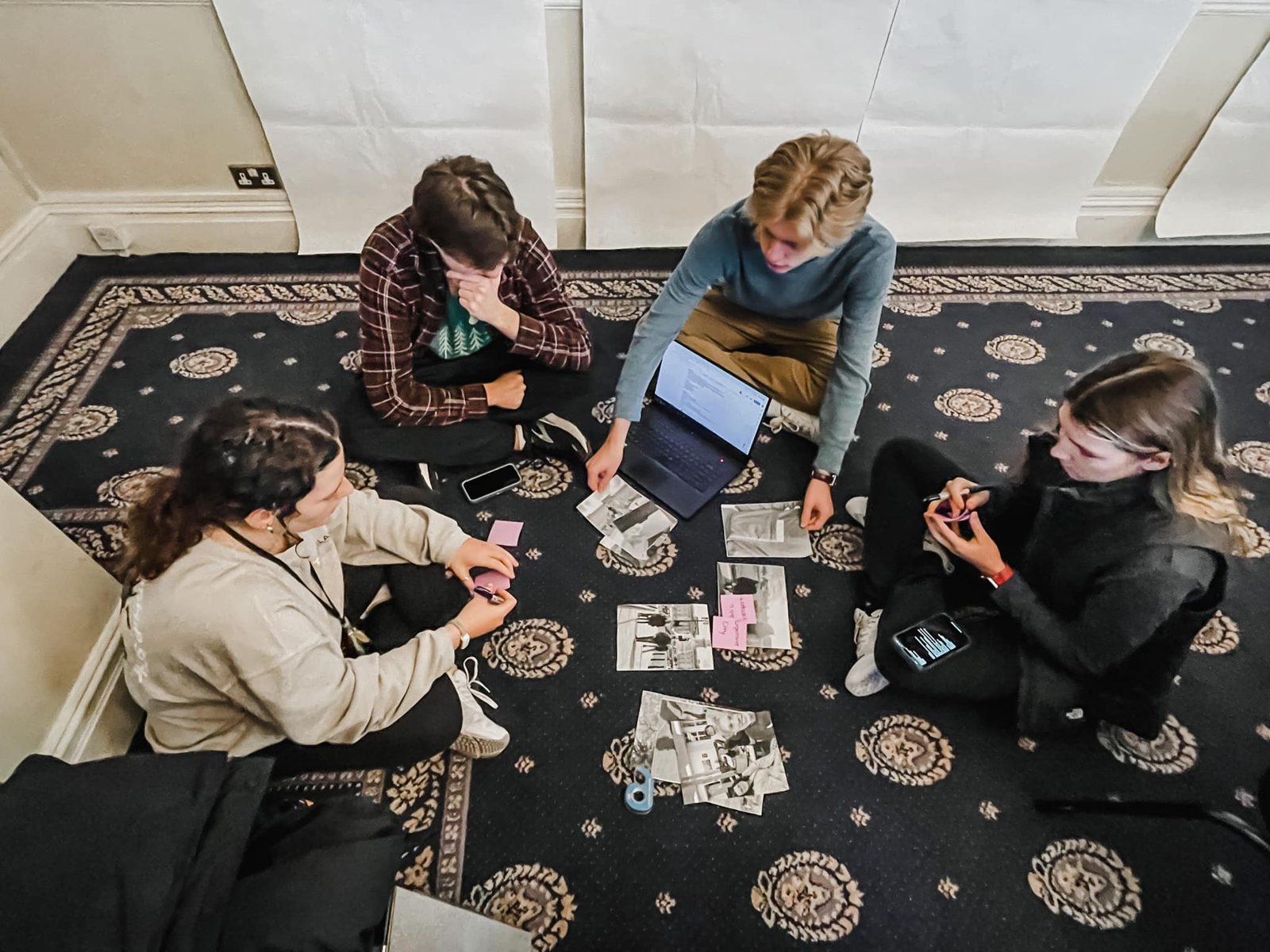
Back in Knoxville, design instincts become research skills. You learn generative research, build a literature review, write and test interview questions, interview stakeholders ethically, and turn raw data into insights you can defend.
Class soundtrack
Ask, Listen, Make
Songs about listening, asking and building something new. Fieldwork goes better with a soundtrack. Got a song for it? Ask in class for the add-a-song link.
Who this is for
Smith Global Leadership Scholars from every Haslam major: finance, accounting, supply chain, management, HR, business analytics, economics, marketing and international business. Back in Knoxville. The topics are written as open resources, so anyone learning human-centered design is welcome to use them.
What you’ll earn
For enrolled students only (password protected)
Finish all 18 topics and your research trail becomes a card for LinkedIn that shows your team’s final project and the creative problem solving behind it. Share it with a ready-made post, or download it.
How each topic page works
Each topic explains the idea in plain language, then gives you an interactive tool to try it on a realistic example. Put it to work connects the topic to the real deliverable in this course, and Go deeper points to the sources. Every topic ends with a team activity we run in class.
Topics
Topic 01
Generative Research: The Research Engine of Human-Centered Design
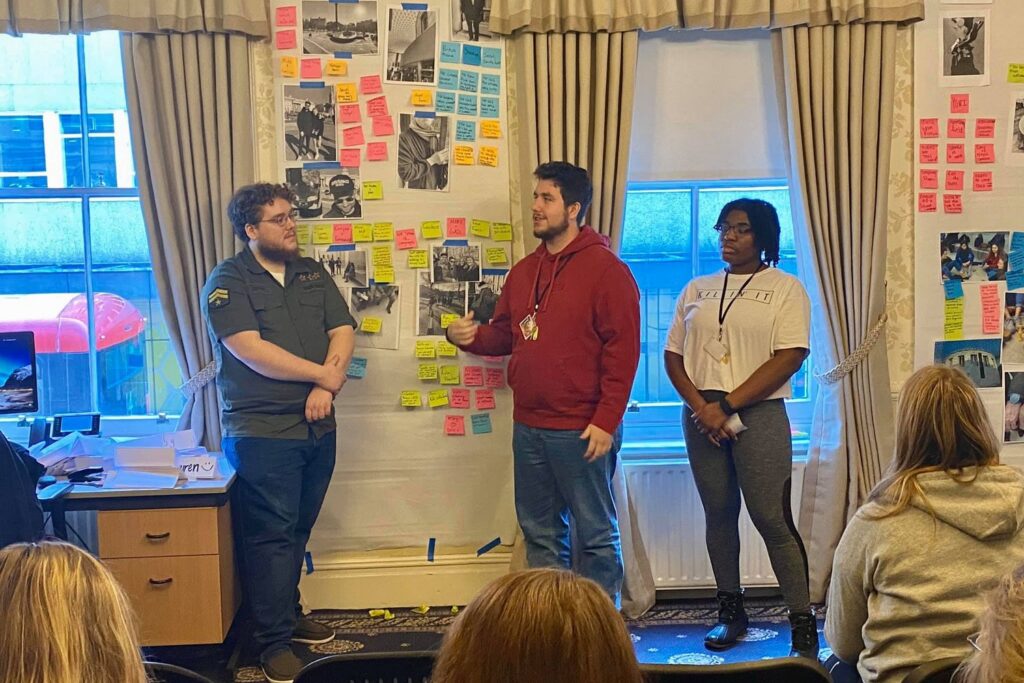
Learn how generative research uncovers needs before solutions, then sort generative from evaluative work and plan who to learn from with say, do and make methods.
Lab: Generative Research Planner · Team activity

Topic 02
Creativity and the Roots of Generative Research
Where generative research came from, why research feeds creativity, and the habits that help a team move from what it learns to new ideas.
Class slides · 26 slides

Topic 03
Framing the Challenge
Spot symptom traps and dead ends in your challenge, find the root cause and build a search plan before you ask anyone anything.
Lab: Frame and Search Builder · Team activity

Topic 04
Secondary Research with AI
Use AI as a research partner, build prompts that find real sources, and vet every source before it reaches your interview questions.
Class slides · 20 slides
Topic 05
Field Research Methods: Do, Say, Make
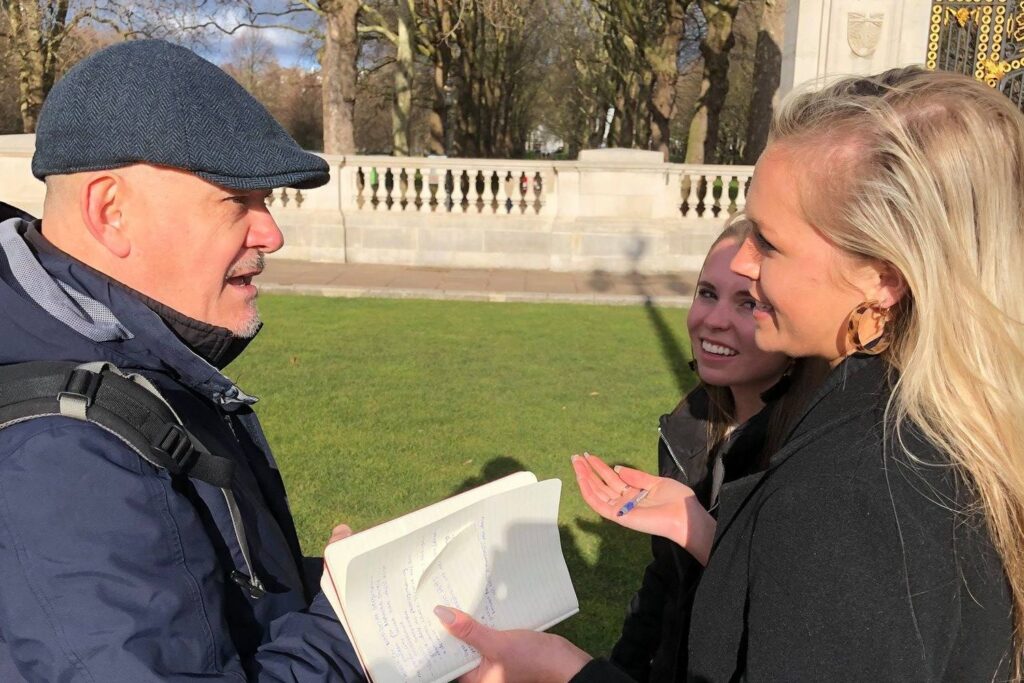
Experiencing, Enquiring and Examining: build a field research mix that reaches what people do, say and make.
Lab: Do, Say, Make Method Mixer · Team activity

Topic 06
Your Research Plan: Methods by Stage
Match field methods to each stage of the project and pull them into one research plan your interview team can follow.
Class slides · 12 slides

Topic 07
Casual Learning Conversations
Five question types and a full question bank, the pursuit of a story, EMPATHY cues and an empathy map with goals for every conversation.
Lab: Empathy Map Debrief · Team activity
Topic 08
AI-Generated Interview Questions
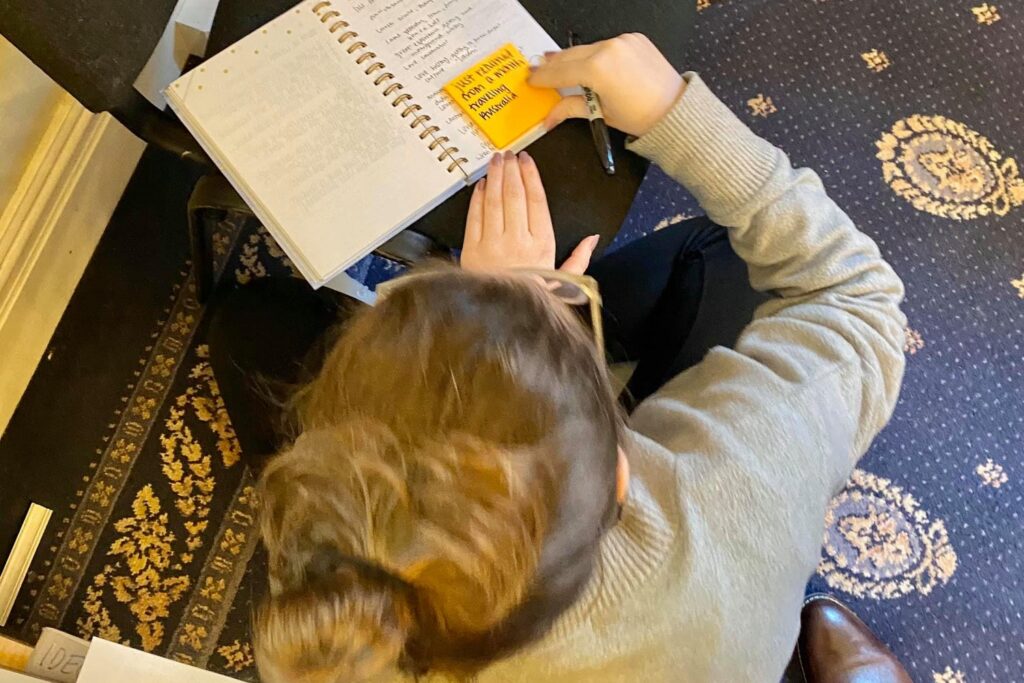
Deliverable #2: the five-step AI framework, four guidelines and Question Clarity rubric, with a board that checks each AI question’s type and clarity.
Lab: AI Question Vetting Board · Team activity
Topic 09
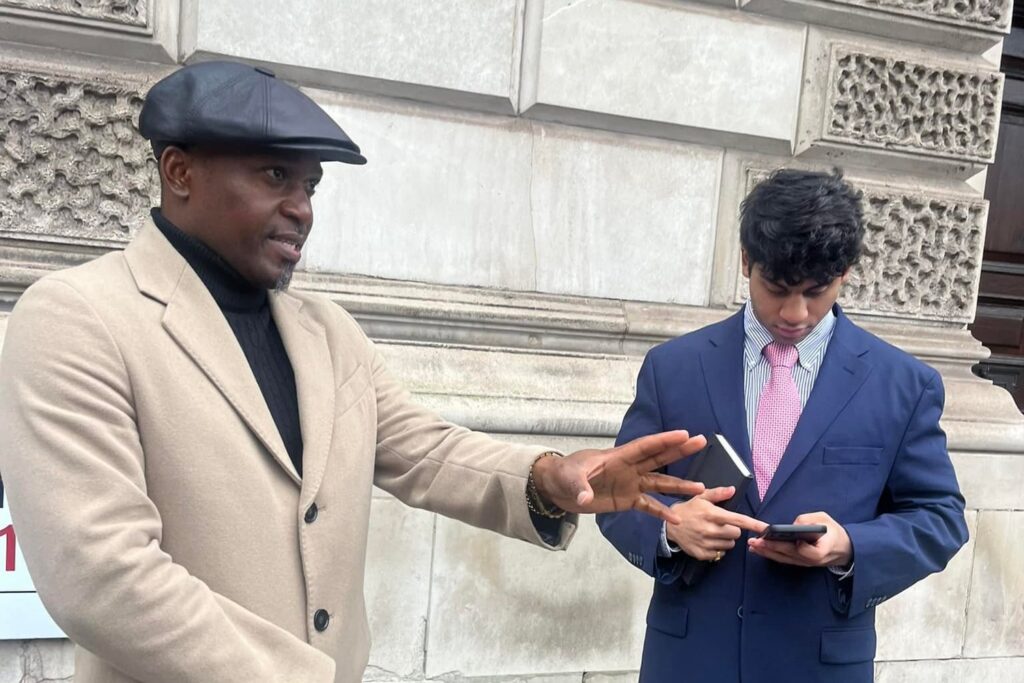
Feet on the Street Interviews: Consent, Ethics and Trustworthy Data
Classes 5 to 7: consent, freedom from harm, confidentiality and trustworthy data for your 10+ feet on the street interviews.
Lab: Solid Interview Check · Team activity
Topic 10
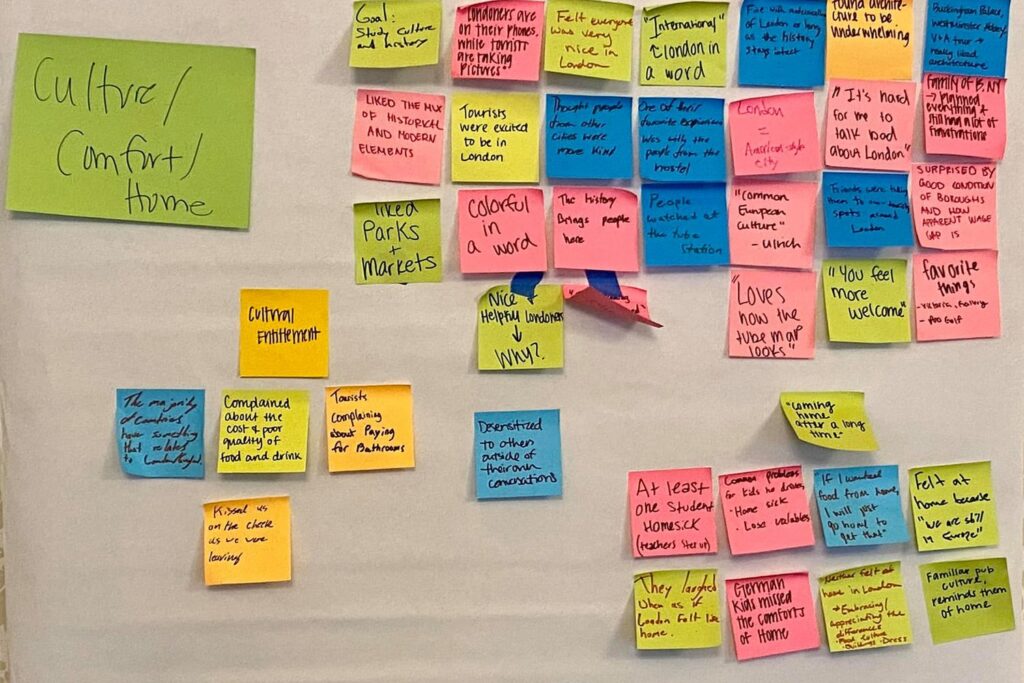
Interpretation: From Interviews to Insights and How Might We
Class 8: Global Synthesis Tags, insight statements, the HMW faucet test and laddering your questions.
Lab: Insight to HMW Ladder · Team activity

Topic 11
Brainstorming: From How Might We to Hundreds of Ideas
Class 9: the seven rules, techniques that keep ideas coming, your class’s own 345-idea brainstorm and voting your way to prototypes.
Team activity: five brainstorm boards
Topic 12
Need Finding
Class 10: Johari’s window, Kano and five techniques for finding the hidden needs people never say out loud.
Lab: Job Statement and Needs Builder · Team activity
Topic 13
Jobs to Be Done
Class 10: write solution-free job statements with functional, emotional and social dimensions so your prototype aims at the real job.
Class slides · 14 slides
Topic 14
Rapid Prototyping
Build a rough prototype around your riskiest question and judge it through four lenses and seven pillars.
Team activity

Topic 15
Street Feedback: 7 to 10 People
Part D: take your prototype to 7 to 10 people, get past “I love it” and log what to change before the next report-out.
Lab: Street Feedback Log · Class slides
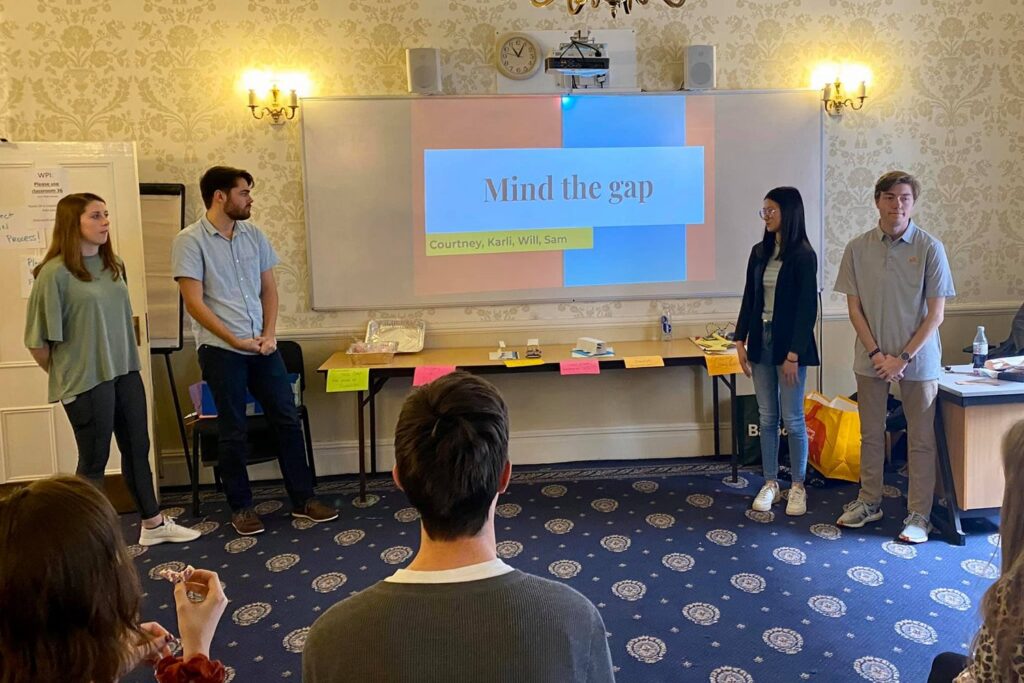
Topic 16
The Capstone Presentation
Plan a 15 to 20 minute Capstone that shows your prototype, your testing and what changed.
Lab: Capstone and Summer Planner · Team activity
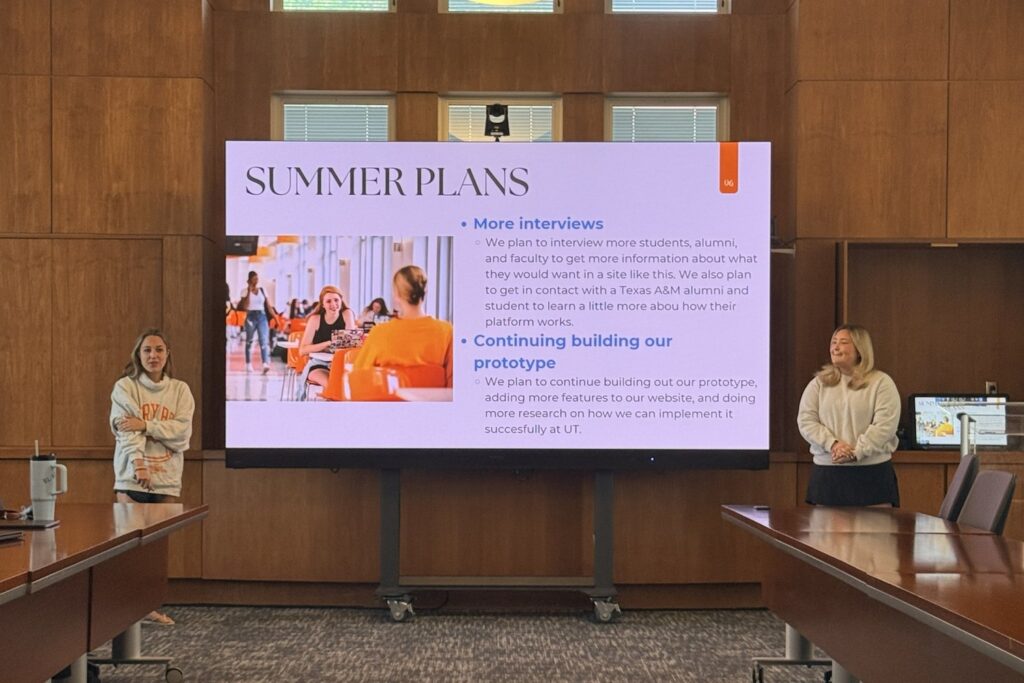
Topic 17
The Summer Plan and BUAD 497
Turn your Capstone into a summer plan: more interviews, the next prototype and how it all carries into BUAD 497.
Class slides · 7 slides
Optional · Quality check
Is Our Research Good? The Big Tent Criteria
Eight plain-language tests for trustworthy qualitative research, with a self-check that ranks your next fixes.
Lab: Big Tent Self-Check · Team activity
Case studies
Companies that went out and talked with people. Each case covers who they interviewed, why, how they did it and what they learned.

Field Research
LEGO: Learning From a Worn-Out Sneaker
Close to collapse, LEGO stopped trusting focus groups and studied how kids actually play at home. It learned that kids want mastery, not shortcuts.

Jobs to Be Done
The Milkshake Study: What Job Did You Hire It to Do?
A fast-food chain improved its milkshakes based on what customers said they wanted, and sales did not move. Watching and interviewing morning buyers showed what they were really hiring the shake to do.
Interpretation to Insight
Bank of America: Turning a Rounding Habit Into Savings
Field research with working moms uncovered a habit of rounding up purchases, which became an automatic savings service that drew millions of customers.

Stakeholder Interviews
Airbnb: Fly to New York and Meet the Hosts
With revenue stuck, Airbnb’s founders went door to door to meet their hosts and photograph their homes, and weekly revenue doubled.
All human-centered design case studies
Dates, deadlines and grades are in Canvas.