
The big idea: Feedback from the people you design for is what moves a prototype forward. Carry it to 7 to 10 people, capture what they say and do, and change the next version because of it.
How street feedback works: 7 to 10 people

How street feedback works: 7 to 10 people
Feedback from real people is what moves the idea forward.
If the point of a prototype is to test an idea, feedback from the people you design for is what moves it forward. Part D asks you to carry your prototype to at least 7 to 10 people, capture what they say and do, and use each conversation to push the idea further.
Four ways to get feedback
Four channels. Strong teams mix at least two.
GGroup interviewBring back a few Part A interviewees and let them react together.
IIntercept interviewStop people where the problem happens and ask for five minutes.
EExpert interviewShow it to someone who knows the system: a clerk, a nurse manager, a planner.
CCo-creation sessionInvite people to change it with you: cut, draw, rename, rearrange.
When to choose each, and what to watch out for
The syllabus and the Field Guide’s Get Feedback method name these four channels.
- Group interview. Bring back a small group, ideally people from your Part A interviews, and let them react together. Choose it when: you want to hear people build on or disagree with each other. Watch out: one loud voice can steer the room. Ask quieter people first.
- Intercept interview. Stop people where the problem happens (a lobby, a bus stop, a waiting room, a dining hall) and ask for five minutes. Choose it when: you need many quick reactions in the real setting. Watch out: keep it short and ask permission before you take notes or photos.
- Expert interview. Show it to someone who knows the system: a clerk, a nurse manager, a plant supervisor, a city planner. Choose it when: you need evidence for feasible, viable or sustainable. Watch out: experts know the rules, not always the user’s experience. Pair them with users.
- Co-creation session. Invite the people you design for to change the prototype with you. Choose it when: people keep saying “it would be better if…” and you want to see what they mean. Watch out: plan the activity. An open “what do you think?” stalls.
People praise to be nice
“I love it” tells you nothing. Make criticism easy.
Tester“Oh, I love it!”
You“Thanks. It’s a rough tool for learning, and we want honest, even negative, feedback. What would you change first?”
Tester“Well… I got stuck on the second screen. I didn’t know what to tap.”
You“Where did you get stuck? What would make you stop using it?”
Most people do not want to hurt your feelings. Write down what they do, not only what they say.
A five-step feedback interview
Hand it over, stay quiet, then ask why.
- 1Set it upYou capture: who they are, by role, with no names.
- 2Hand it over with a taskYou capture: where they hesitate, skip or work around it.
- 3Stay quiet, then ask whyYou capture: exact quotes.
- 4Walk the lensesYou capture: evidence for each lens.
- 5Push the idea furtherYou capture: one change idea and one new tester.
What to say and do at each step
- Set it up. Introduce yourself and the challenge in one sentence. Ask permission to take notes. Say: “This is an early draft. You cannot hurt our feelings.” You capture: who they are, by role, with no names.
- Hand it over with a task. Do not give a tour. Give a small job: “You are applying for a permit tomorrow. Use this to figure out what to bring.” You capture: where they hesitate, skip or work around it.
- Stay quiet, then ask why. Let them struggle a little. Afterward, ask about the moments you saw: “You paused there. What were you looking for?” You capture: exact quotes.
- Walk the lenses. Pick two or three pillars or lenses that fit this person. Users speak to useful and usable. Staff speak to feasible. Managers speak to valuable and viable. You capture: evidence for each lens.
- Push the idea further. Ask “What would make this better?” and “Who else should see this?” Then thank them, and tell them what you will do with their input. You capture: one change idea and one new tester.
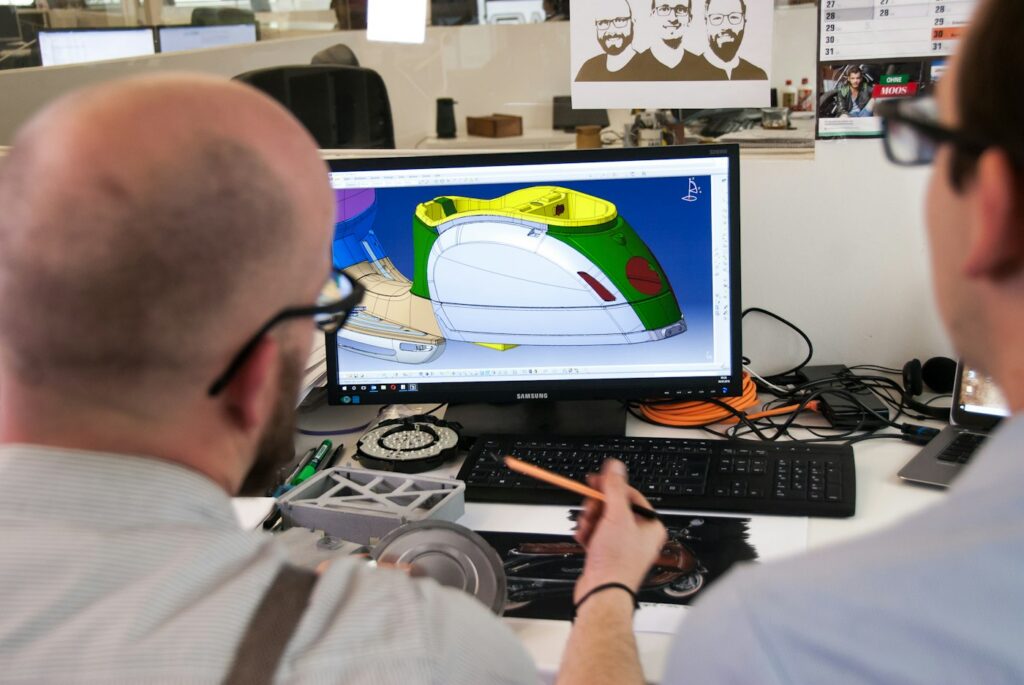
Test and get feedback: four tips
Treat rough as real, and stay curious.
1Call it a work in progress. Introduce the prototype as unfinished, so people feel free to change it.
2Ask them to treat it as real. Invite people to use your rough prototype as if it were the finished thing.
3Invite honesty, stay neutral, be curious. Don’t defend it. Ask what they mean.
4Be ready to iterate on the fly. If a fix is obvious, make it and test it right there.
Who counts toward your 7 to 10
A mix that gives you real evidence.
Text version, with who to look for
- The people you designed for. Go back to people from your Part A street interviews when you can. They can tell you whether you heard them right.
- At least one extreme user. The most rushed, newest or most frustrated person shows you where the prototype breaks.
- Someone who would run it. Frontline staff, an operations lead or IT tell you whether it is feasible.
- Someone who decides or pays. A manager, director or partner reacts to viable and sustainable.
- Not your friends. Roommates, teammates and classmates are kind, not useful. Practice on them, but do not count them.
Did versus said
What people do beats what they say.
Mark what people did versus what they said. Behavior wins when the two disagree.
From feedback to the next version
How to turn a pile of notes into one change.
- 1Note itWithin a day, each tester’s notes go on sticky notes, one idea per note, just like your Part A download.
- 2Sort by lensSort the notes by lens (desirable, feasible, viable, sustainable). Empty columns show you who to test with next.
- 3Did vs. saidMark what people did versus what they said.
- 4Pick one or twoPick the one or two changes that answer the most important problems.
- 5Build and retestBuild the next version, write down what changed and why, and test again.
Why only one or two changes
Do not fix everything at once, or you will not know what worked.
IDEO.org’s Design Kit calls this “Integrate feedback and iterate.” It expects you to repeat the loop several times, not once.
Integrate feedback and iterate
Prioritize, change it, test it again.
Prioritize the key insights from your feedback and build them into the prototype to make it better. Then test it again.
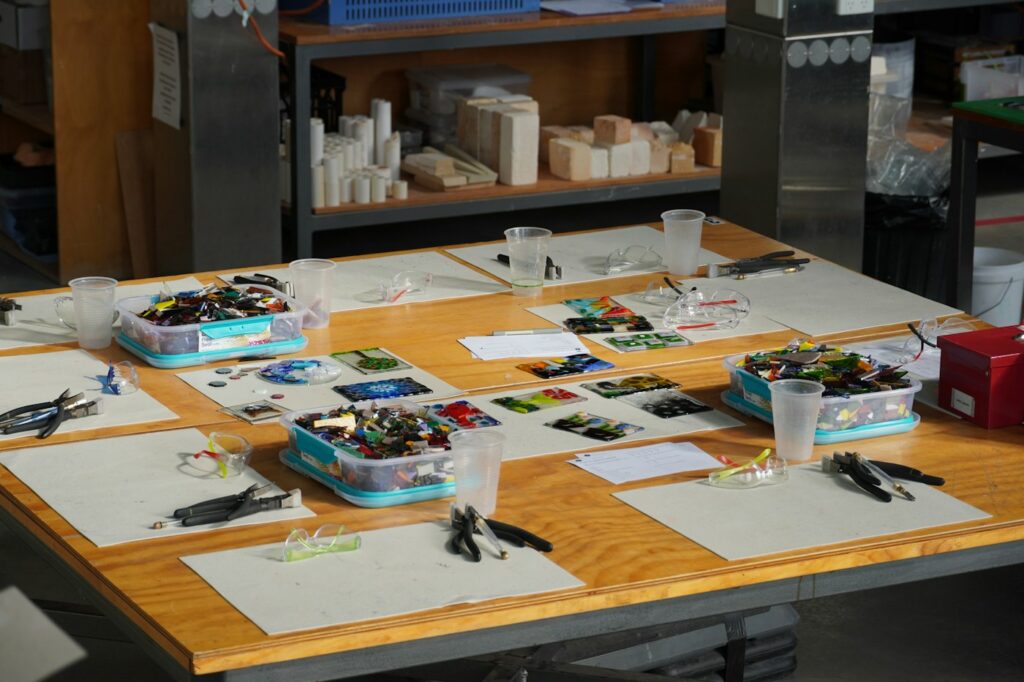
Speed up the loop
- Iterate on the flyMake changes in real time while you are in the field, then test them right away. A marker and tape are enough.
- Co-createBring the people you design for into the design process, and give them what they need to make alongside you.
- Test againEach round should answer a new question, not repeat the last one.
Spot it in the wild bingo
Street Feedback Bingo
Mark a square when you catch one of these feedback moments on campus, at work or online this week, and ask what it would mean for your prototype.
Try it: Street Feedback Log
Tool · BUAD 317
Street Feedback Log
Log each feedback interview on your rapid prototype and see what to change before the next report-out.
- 1Describe
- 2Log testers
- 3Iterate
Street feedback so far
All checks
Unlock this topic
Do the work, earn the stop
Finish each step on this page to unlock the button that adds this topic to your research trail.
Back to all BUAD 317 topics · Back: Rapid Prototyping · Next: The Capstone Presentation
Part of BUAD 317, taught by Lane Morris, PhD and Jules Morris, PhD, in the Smith GLS human-centered leadership program, toward the Human Centered Consulting Certificate.