The big idea
Short-form video is where attention lives right now. Win the first few seconds, deliver one clear idea, and make content people want to share.
Topic soundtrack
Scroll Stoppers
Hooks that grab you in seconds. The same rule as a scroll-stopping video.
In 60 seconds
- The first one to three seconds decide whether people keep watching, so plan the hook first.
- Deliver one clear idea per video, with captions so it works with the sound off.
- A repeatable series gives people a reason to follow and come back.
Do this: plan, shoot and reflect on a 30 to 90 second video for the Social Sprint, then scale it up in the Social Media Strategy section of your pitch.
Slides

How short-form video works
Seconds to earn attention. One idea to deliver.
A short video has seconds to earn attention and one idea to deliver. These are the rules that decide whether people watch, follow and come back.
The rules of the format
Win the first three seconds. Then keep it simple.
Three rules, one screen. Spot each one on the phone.

See it in the wild
Ryanair’s plane talks back.
Ryanair’s TikTok turns its planes into a character, using a face filter on the nose of the jet.
The hookA plane with eyes and a mouth stops the scroll in the first second.
One ideaEach video makes one joke, often at the expense of travelers or the airline itself.
Keep it simpleTrending sounds and quick captions, nothing more.

Series beat one-offs
Give people a reason to come back.
A repeatable format gives people a reason to follow and come back.
Picture a weekly “What’s ripe this week?” video from a garden. Same opening, same length, new harvest every time. Viewers know what they are getting, so they follow to catch the next one.
Social has shifted to real
Organic reach has dropped, and platforms now reward real interaction over polish.
Unpolished beats slick. Personal beats corporate.
Real beats polished
Slick and corporate is falling behind.
Which one wins now? Make your call, then tap.
TikTokSlick production or unpolished, authentic video?
LinkedInA corporate announcement or a personal story?
The planLock in this year’s tactics or keep adjusting?
Old playbook vs. what wins now
Old playbook
- Slick production
- Corporate announcements
- Brands locked into old tactics and annual plans fall behind.
What wins now
- Unpolished, authentic video often beats slick production on TikTok.
- LinkedIn favors personal stories over corporate announcements.
What changed and what to do
Talk is going private. Brands need a personality.
See it in the wild
Wendy’s acts like a person.
Wendy’s became famous for a sassy, joking voice on social, roasting rivals and replying to fans.
A personalityThe account talks like a witty friend, not a corporate brand.
Entertain firstFans follow for the jokes and stay for the burgers.
Know the lineIt works because the brand keeps the same voice and knows when to stop.
Quick check
Would you keep watching?
Lakeside Plant Shop is planning four videos. Name the rule each one breaks, then check your answers.
- 1The video opens with five seconds of the shop’s logo spinning in.
- 2One 30-second video covers watering, repotting, pests and this weekend’s sale.
- 3All the tips are spoken out loud, with no captions or on-screen text.
- 4The shop posts the same glossy ad on LinkedIn, Instagram and TikTok.
Check your answers
- The hook. The first one to three seconds decide whether people keep watching. Open with a question, a bold claim or something surprising, like a droopy plant perking up.
- One idea per video. Pick one takeaway. The rest can become a weekly series.
- Captions. Many people watch with the sound off, and captions make it accessible.
- Real beats polished, and match the platform’s mindset. A personal story fits LinkedIn, entertainment fits TikTok, and visual discovery fits Instagram.
Lakeside Plant Shop is an invented brand.
Real brands in action
See it in real brands.
Each case study shows these ideas at work. Open one to read the full story.
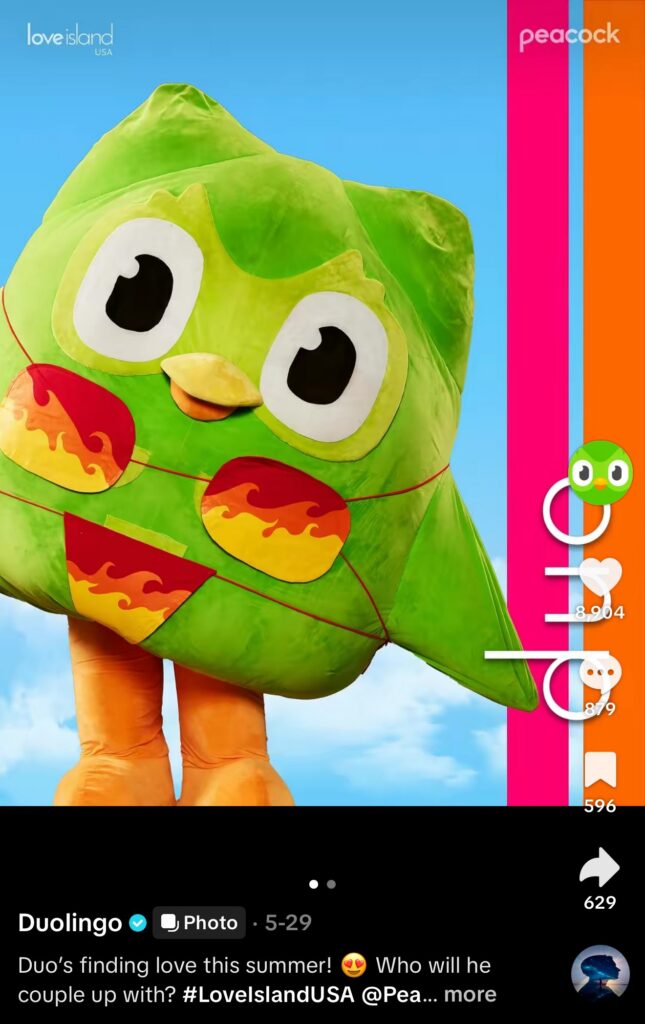
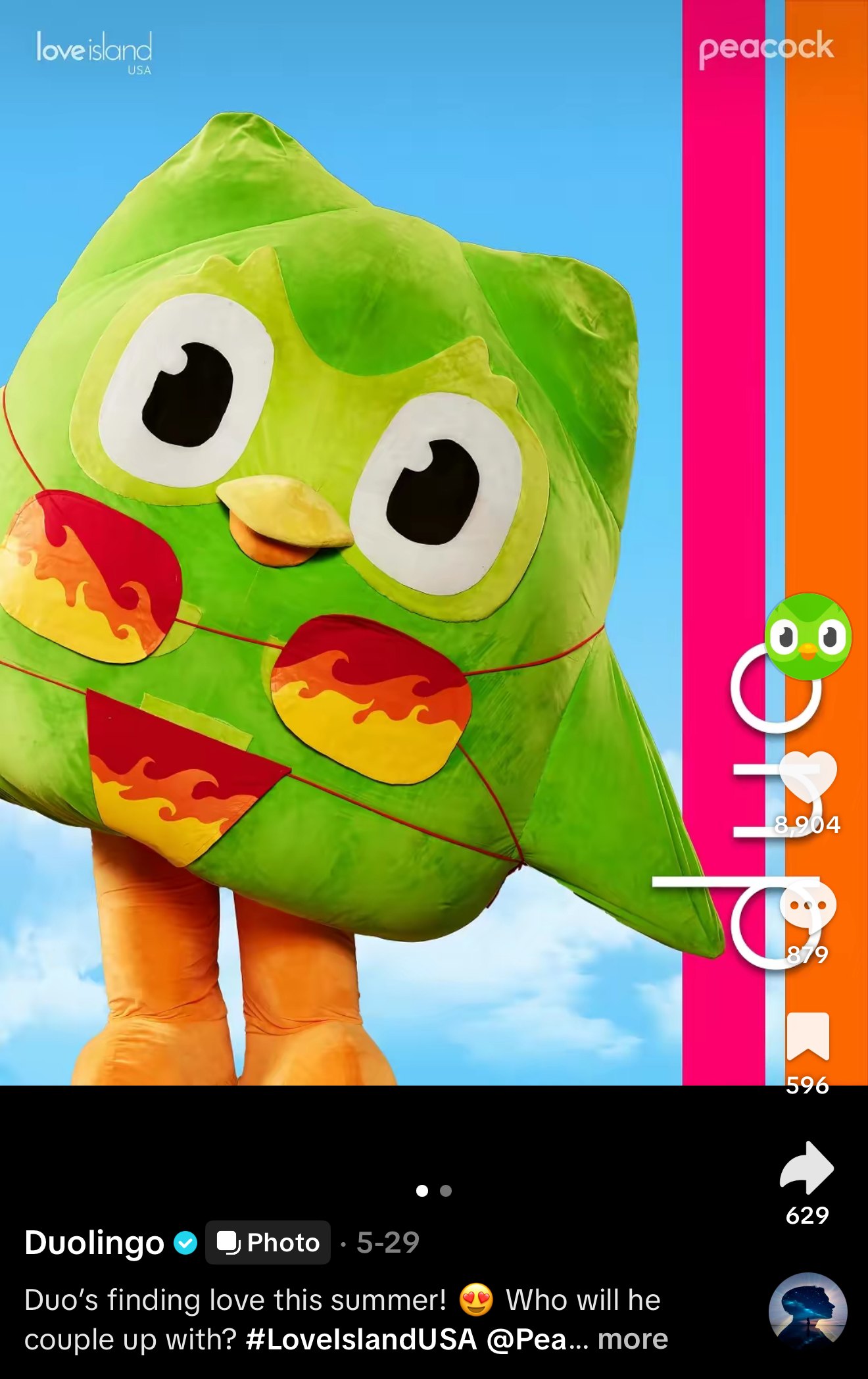
Duolingo: Duo the owl: chaos with a plan
Duolingo turned its mascot into an unpredictable TikTok character, and the chaos worked because it was built on daily listening to the audience, not on random jokes.
The lesson: On short-form platforms, personality earns attention that ads have to pay for.
Image courtesy of Duolingo
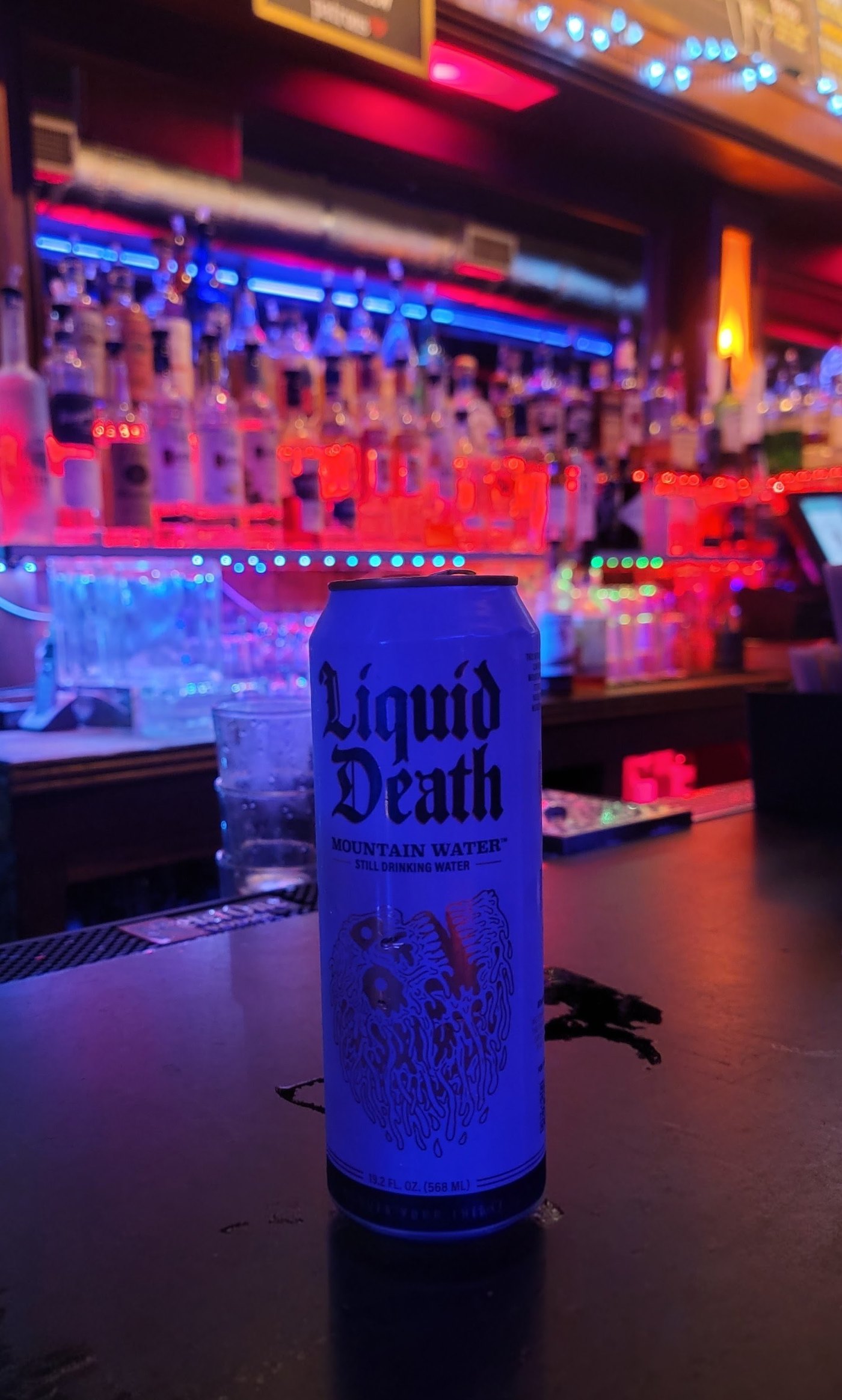
Liquid Death: selling water as entertainment
Liquid Death took one of the most ordinary products there is, still and sparkling water, and built a billion-dollar brand by making content people chose to watch and share.
The lesson: A bold, consistent voice gives people a reason to watch and share.
Photo: Викидим (CC0), via Wikimedia Commons. Brand: Liquid Death
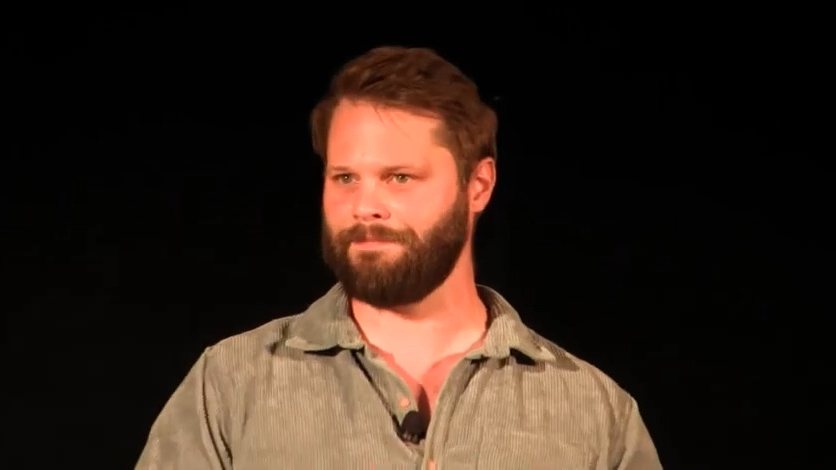
The Washington Post: A Newsroom That Learned TikTok
A Washington Post producer turned a serious newspaper into a 1.9-million-follower TikTok account with sketch comedy. A case on adapting a brand to a platform.
The lesson: Flex your tone and format to fit the platform, but never flex the values that make the brand worth following.
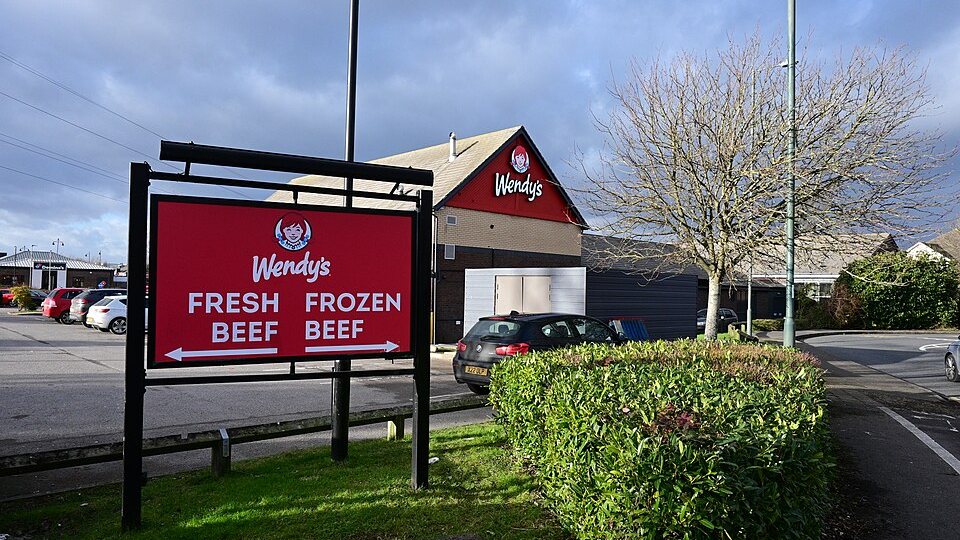
Wendy’s: A Burger Chain That Learned to Roast
Wendy’s turned a reply to a Twitter troll into a roasting voice and a yearly National Roast Day that made a burger chain famous online.
The lesson: Tie every joke to something true about your product, and set the limits before you post.
Brand images are shown for educational purposes only. Each image and trademark belongs to the brand credited.
Spot it in the wild bingo
Scroll Stopper Bingo
Spot these short-form video moves on your feed this week and mark each square you find.
Try it
Interactive tool · practice it
Tool · MARK 465
Hook & Hold Lab
Pick how the first three seconds of a short video open, then set captions and length. Watch the modeled retention curve change.
- 1Pick a hook
- 2Set captions and length
- 3Compare
Not real platform data. A simple model to show the pattern. The dashed gray line is the slow logo intro, for comparison.
Why it works this way
Do it
Class work for this topic. The in-class activity counts toward participation, and you get feedback on it.
In-class group activity
Hook and Hold Pitch
A 30-second script for your brand with a tested hook, one clear idea, a caption plan and a name for the series it starts. A 25-minute group activity. Each case study below has its own group activity too. Dr. Morris gives the password in class.
Put it to work: Social Sprint and the Social Media Strategy Pitch Section
For the Social Sprint, you plan a short video before you shoot it, make a 30 to 90 second video for your team’s client or a real business, then reflect on it. It does not need to be polished. It needs to be intentional: a hook that lands, one clear message and a close that tells the viewer what to do. In the Final Project & Pitch, the Social Media Strategy section scales this up for your client.
Build it in four steps
Plan before you shoot
Write the planning paragraph first. Try your opening in the Hook & Hold Lab under See it in action: compare a question, a bold visual, an on-screen text promise and a face to camera. Use the template below.
Your deliverable: a planning paragraph with the goal, who you are speaking to, which platform (TikTok, Reels or Shorts) and why, and your hook for the first 2 to 3 seconds.
Shoot the video
Sketch a shot plan on your phone before you film. Write the single takeaway in one sentence first. If you cannot, split it into a series.
Your deliverable: a 30 to 90 second video with the hook in the first 3 seconds, a focused message, captions, and a strong close or CTA.
Reflect
Look at specific moments in your video. If you posted it, read the retention graph: a big early drop points to the hook, and a steady slide points to pacing or a weak middle.
Your deliverable: a reflection paragraph on what worked, what you would change with another take, and one thing you would A/B test for a real client.
Scale it up for the final pitch
Pull audience insight from Personas, Audience & Journeys, story from Content Strategy & Storytelling and creator ideas from Influencer & UGC Strategy.
Your deliverable: the Social Media Strategy section: platforms, content approach, the role of short-form video and your 90-day picture of success.
Templates: planning paragraph and shot planFill-in-the-blank planning paragraph and a 45-second shot plan
Planning paragraph template. Fill in the blanks, then smooth it into a paragraph: “The goal of this video is to get [specific viewer] to [one action]. I am speaking to [person from your persona], who [what they care about or struggle with]. I chose [TikTok / Reels / Shorts] because [where this person actually watches, and what the platform rewards]. The first 2 to 3 seconds will show [what we see] and say [exact words on screen or out loud], which makes them stay because [the promise or question it opens].”
Shot plan for a 45-second video. Stretch or trim the middle for 30 or 90 seconds.
| Time | Job | What’s on screen | What’s said or captioned |
|---|---|---|---|
| 0 to 3 sec | Hook: stop the scroll | Motion or a face, mid-action. No logo. | The promise or question, in on-screen text too |
| 3 to 10 sec | Set up the one idea | The problem or the thing being shown | Why the viewer should care |
| 10 to 35 sec | Deliver | 2 to 4 quick shots that show, not tell | The payoff the hook promised |
| 35 to 45 sec | Close | The result, the person or the product | One CTA: follow, comment, visit, save |
Which platform fits?TikTok, Reels or Shorts, with when to choose each
All three play vertical video full screen and accept a 30 to 90 second video. Choose based on where your audience watches, not on habit. Shoot vertical at 9:16 (1080 x 1920) and you can post the same file to all three, but write the caption and pick the sound for each one. Check the platform’s current specs before you export, since specs change.
TikTok
Choose it when your audience discovers through search and trends, and personality carries the brand. Export vertical 9:16, 1080 x 1920.
Watch out: on-screen buttons and the caption cover the lower and right edges.
Instagram Reels
Choose it when your client already has an Instagram following to activate, and visuals sell the product. Export vertical 9:16, 1080 x 1920.
Watch out: the caption and buttons cover the bottom of the frame. Keep key text in the middle.
YouTube Shorts
Choose it when the topic is something people search for, and the client could grow a YouTube channel. Export vertical or square, up to 3 minutes.
Watch out: Shorts viewers may never see the long-form channel unless you link to it.
On every platform: turn on captions and fix auto-caption errors, especially brand and product names. Keep words, faces and logos in the center of the frame, because each platform’s buttons and captions cover the edges, and the covered area changes by platform.
For the final pitch: social strategy and success at 90 daysSeven parts to build a strategy that starts conversations
Social works best as a community, not a broadcast. Your strategy should show how the client starts and keeps conversations, not just how often it posts.
- Start with the job, not the product. What need, want or interest does your client’s product serve for people? Build content around that, so the audience has a reason to gather.
- Platforms: one or two, chosen for your persona. Say what each platform does in the journey (discovery, trust, conversion).
- Content approach: 2 or 3 named, repeatable series with a set cadence your client can actually keep.
- Role of short-form video: usually discovery and first trust. Say what it hands off to next (profile, email signup, site).
- Two-way communication: who answers comments and DMs, how fast, and in what voice.
- Sharing customers’ work: how the client invites and reshares customer photos and videos, with permission.
- 90-day success: pick 3 numbers and set them against a baseline you record in week one. Early signals that show the content is working: shares, saves, average watch time, comments, profile visits and link clicks. Follower count can grow, but it should not be your main proof.
Before you submitNine checks for the Sprint and the pitch
- [ ] My planning paragraph was written before I shot, and it names the goal, the person I’m speaking to, the platform and why.
- [ ] My hook is described word for word, and it shows up in the first 3 seconds of the video, not after a logo or intro.
- [ ] My video is between 30 and 90 seconds.
- [ ] My video has one message. Someone could repeat it back in one sentence.
- [ ] My video ends with a clear close or CTA, said or shown on screen.
- [ ] My video has captions or on-screen text so it works with the sound off.
- [ ] My reflection says what worked and what I’d change with another take, with specific moments.
- [ ] My A/B test idea changes one thing (for example, the hook line) and says what I’d measure.
- [ ] Final pitch: our 90-day success picture has numbers and a baseline, not just “more engagement.”
Go further
Optional, and worth it. Go past the in-class work: read a case, try the tool and earn this topic’s chip. Finish the chips across the course and you get a marketing funnel card you can post on LinkedIn to show your effort and skills.
Featured episode · The Marketer Exchange
Signal Over Noise in a Social First World
Danielle Franklin DeSarzant, Intuit marketing leader and Haslam alum
Recorded live at UT: an Intuit marketer on standing out in a social-first world.
Listen for
- Audience strategy for a Gen Z campaign
- AI-driven messaging tests
- Career advice from a Haslam alum
Watch on YouTube (opens in a new tab) Listen on Apple Podcasts (opens in a new tab)
Courtesy of The Marketer Exchange (opens in a new tab), hosted by Zach Thompson, PhD. Follow:
From the blog

Design for the Edges: Why Accessibility Is Just Good Marketing
Why captions on every video reach more of your audience.



15 Ways to Make Cool Effects in Canva for Instagram Carousels
Carousel effects that earn the swipe and the save.

10 Video Effects in Canva That Look Like Viral Reels
Ten trend-style edits, from text behind the subject to beat-synced cuts, each with a real example.
Unlock this topic
Do the work, earn the chip
Finish each step on this page to unlock the button that adds this topic to your course card.
Back to all Marketing 465 topics
Frequently asked questions
Frequently asked questions
What is a hook in short-form video?
A hook is the opening of a short video, the first one to three seconds that decide whether people keep watching. Strong hooks open with a question, a bold claim or something visually surprising. In a shot plan, the hook shows motion or a face mid-action, with no logo, and puts the promise or question in on-screen text too.
How long should a short-form marketing video be?
For the MARK 465 Social Sprint, a short-form video runs 30 to 90 seconds, which TikTok, Instagram Reels and YouTube Shorts all accept. It should put the hook in the first 3 seconds, deliver one focused message, include captions and end with a strong close or call to action. It does not need to be polished, but it needs to be intentional.
Should you choose TikTok, Instagram Reels or YouTube Shorts?
Choose the platform based on where your audience watches, not on habit. TikTok fits when people discover through search and trends and personality carries the brand. Reels fit when the client already has an Instagram following and visuals sell the product. YouTube Shorts fit topics people search for and clients who could grow a YouTube channel.
Why should you add captions to short-form video?
Captions matter because many people watch short video with the sound off, and captions make video accessible to viewers who are deaf or hard of hearing. Turn on captions on every platform and fix auto-caption errors, especially brand and product names. Keep words, faces and logos in the center of the frame, since buttons and captions cover the edges.
What can brands learn from Duolingo on TikTok?
Duolingo shows that personality earns attention that ads have to pay for. It turned its owl mascot into an unpredictable TikTok character, and the chaos worked because it was built on daily listening to the audience, not random jokes. The lesson for brands is to act like a character, not a brand, and match the platform's mindset.