
Joe Pulizzi helped build content marketing. He first used the term back in 2001 and founded Content Marketing Institute. So when he tells my students that the old form of content marketing is dying, it is worth hearing why. In this short video recorded for our class, Joe explains what is replacing it: a trust portfolio.
Watch for
- Where content marketing came from. In the early 2000s, marketing ran on advertising and interruption. Content marketing flipped that: deliver valuable, relevant information on a consistent basis, and customers trust you more and buy more.
- What changed. AI-generated content is flooding every channel, and humans cannot compete on scale.
- Why brand-only content is risky now. When all the content comes from the organization itself, a brand is not diversifying its voices enough to build trust.
- The trust portfolio. Find the trust gaps with customers, then find the experts, advocates and storytellers inside the company who can close them.
- Marketing’s new job. The marketing team becomes a production group, a media center that helps those employees become trusted voices.
Try this: map a trust portfolio for your client
- Find the trust gaps. Where does your client need customers to trust it more? Think about the questions or doubts that stop people from buying.
- Find the people. Who inside the business is the expert, the advocate or the storyteller who could close each gap?
- Pick a format for each person. A podcast, a newsletter, a YouTube show, short videos or an in-person event.
- Define marketing’s role. What will the marketing team produce or support so those people can show up consistently?
Example: A local bakery’s trust gap is “Is the bread really worth the price?” The head baker becomes the expert with short videos on how the dough is made. A longtime counter employee becomes the storyteller in the weekly email, sharing regulars’ stories. Marketing films, edits and schedules both.
What this means for your career
If Joe is right, companies will look for employees who can be trusted voices, not just people who run the brand account. Joe is not saying to avoid AI. His point is that customers want to interact with real humans, and that is where long-term trust comes from. The personal brand you build now, through your expertise, your perspective and the way you show up online, becomes part of what you bring to an employer’s trust portfolio.
About Joe Pulizzi
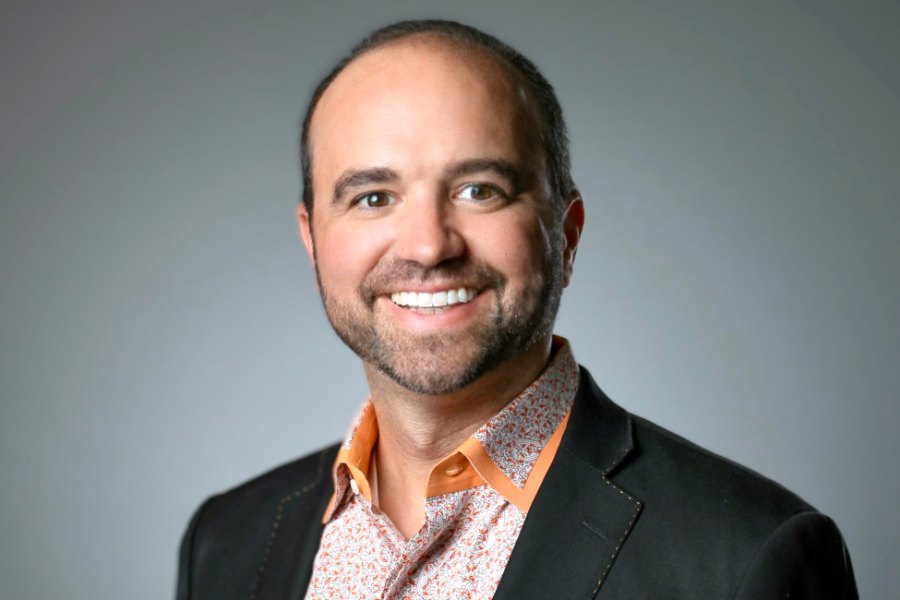
Joe Pulizzi, pronounced pull-it-zee, is an author, entrepreneur, and speaker exploring how to build a more meaningful life and career in a world that keeps pushing people toward the safe and predictable. He founded Content Marketing Institute and The Tilt, co-hosts This Old Marketing with Robert Rose, and is the author of several books, including Content Inc., Epic Content Marketing, and Burn the Playbook.
joepulizzi.com · Sign up for The Tilt · LinkedIn · X @JoePulizzi
Photo and bio courtesy of joepulizzi.com.
Read the transcript
Hi class, my name is Joe Pulizzi. I’ve been working in the content marketing field for over 25 years now, it’s hard to believe, and I’ve sort of come to the crossroads of my career. I’ve been talking about this really innovative idea, which was content marketing. In the early 2000s, everything in marketing was really built on advertising and interruption. Then a group of people came along and said, hey, maybe if the brand delivered valuable, relevant information on a consistent basis to its customers and its prospects, maybe that’s better than just interrupting them.
So we were telling brands: create, initially, print magazines and newsletters, and then YouTube shows and podcasts, and just deliver amazing information. If you do that and help your customers get better jobs or live better lives, whatever the case is, then they’ll trust you more. And if they trust you more and you become an expert, somebody important in their lives, they rely on the information and they’ll buy more products and services from you. That’s actually worked really, really well for the past couple of decades. Of course you’ve seen it all on social media, and maybe a lot of you are content creators yourselves, building businesses around it. So it’s been very, very exciting.
And now I’m seeing the rise in synthetic content, AI-generated content. It’s very hard for humans to compete with that kind of information, at least on that scale. Although I still believe in brand-centered content marketing, where it’s coming from the organization, like a magazine, a YouTube channel or a podcast coming from the brand itself, I think it’s risky today. By putting all the content muscle, if you will, just with the organization, I don’t think we’re diversifying our voices enough from a trust standpoint to make an impact.
So I think that old form of content marketing is dying, and this new thing, what I call a trust portfolio, is where we need to be as an organization. If you have a small business with 20 or 30 employees, you focus first on where the trust gaps are. Where do I need to build trust with my customers? Then you look in your organization and say, who is the expert, the advocate, the storyteller that can build a connection with the audience we want to target and build their trust in some way?
Instead of content marketing coming from just one person or the brand itself, we’re going to start trusting our employees as the great marketers they should be, to create podcasts, newsletters, YouTube shows, in-person events, whatever helps. The marketing department helps those people become the experts and becomes sort of a production group, a media center, if you will. That’s marketing’s role now. We give our customers the opportunity to build trust and to see all these amazing trust signals coming from our individual employees. I think that’s the future of marketing, especially in this AI-driven world.
If your major is marketing or business or whatever the relevant area is, I think this is what we’re going to start seeing as we need to combat, in a lot of cases, synthetic content. I’m not saying you shouldn’t use AI. I’m saying if we trust our weird, crazy, human employees, and we know that our customers want to actually interact with humans, that’s where the opportunity is to build trust long-term. That’s the opportunity for marketing in the future.
So again, this is Joe Pulizzi. Dr. Morris, thank you for giving me this opportunity. I hope this has been helpful. If you go to thetilt.com, you can find all you want about the trust portfolio I’ve been working on for the past year or two, versus traditional content marketing. I’m wishing you the best of luck, and thanks for the opportunity.
Frequently asked questions
What is a trust portfolio in marketing?
A trust portfolio is Joe Pulizzi’s idea for what comes after brand-centered content marketing. A company identifies where it needs to build trust with customers, then helps employees who are experts, advocates or storytellers create content such as podcasts, newsletters, YouTube shows and events. The marketing team acts as their production group.
Is content marketing dead?
Joe Pulizzi says the old form, where all content comes from the brand itself, is dying as AI-generated content floods every channel. Delivering valuable, relevant information still works. What changes is who delivers it: trusted human voices inside the company.
How should marketers respond to AI-generated content?
Joe is not against using AI. His advice is to lean on what AI cannot copy: real employees whom customers can see, hear and trust. Building trust through human voices is the long-term opportunity.
Who is Joe Pulizzi?
Joe Pulizzi is credited with helping pioneer content marketing and first used the term in 2001. He founded Content Marketing Institute and The Tilt, and his books include Epic Content Marketing and Content Inc.
Keep going: Content Strategy and Brand Storytelling (MARK 465) · Influencer and UGC Strategy (MARK 465) · Personal Branding