The big idea
Critique makes the work better. Tie feedback to the brief, be specific, and treat every note as information, not judgment.
Topic soundtrack
Notes, Please
Songs about fixing it, trying again and getting better. Feedback is part of the process.
In 60 seconds
- Tie every note to the brief. Ask whether the work meets the goal, fits the audience and feels like the brand.
- Give notes with I like, I wish, What if. Name the element, the problem and why it matters.
- When you receive notes, listen without defending, ask one clarifying question and weigh each note against the brief.
Do this: review each team’s station in the Critique Sprint, submit one written feedback form per team the same night, and build your team’s revision list.
Your next steps
Slides
How good critique works
Critique makes the work better.
Critique makes the work better when it is tied to the brief and specific enough to act on. Here is a simple way to give notes and a simple way to use them.
I like, I wish, What if
Protect what works. Fix what doesn’t. Offer an idea.
Ridgeway Rail is an invented brand.

See it in the wild
Pixar critiques every film in rounds.
Pixar’s “Braintrust” is a group of directors and writers who watch films in progress and give candid notes.
I likeThey name what is working so the director protects it.
I wishThey are honest about what is not working yet.
What ifThe notes are ideas, not orders. The director decides what to change.
Start with the brief
“Does this get commuters to book?” is a better question than “Do I like it?”
Ask whether the work meets the goal, fits the audience and feels like the brand.
When you give feedback
Critique the work. Name what to fix.
Text version of this diagram
- Vague: “It needs to pop” gives the designer nothing to fix.
- Vague vs actionable: “The offer is the smallest text, so people miss it” gives the designer something to fix.
Two rules for giving notes
- Critique the work, not the person. Talk about what the design does, not about the designer’s habits or skill. People hear notes better when they do not feel attacked.
- Be specific and actionable. Name the element, the issue and why it matters. “It needs to pop” does not.

See it in the wild
Tropicana got feedback the hard way.
In 2009, Tropicana redesigned its orange juice carton, and sales dropped fast. The old design came back within months.
Vague“It looks cheap.” Shoppers felt it, but that note alone does not say what to fix.
Actionable“The orange with a straw is gone, so I can’t find my juice on the shelf.”
The lessonName the exact thing that broke, so the team knows what to put back.
Stock photo, not a Tropicana product.
When you receive feedback
Listen first. Then ask. Then weigh it.
- 1Listen without defendingTake in the whole note first.
- 2Ask one clarifying question“Can you show me where the hierarchy feels off?” turns a vague reaction into something you can act on.
- 3Weigh itCheck each note against the brief and the audience before acting.
Not the goal
Winning the conversation.
The goal is better work
How you take notes matters as much as how you give them. You are after a better piece of work, not winning the conversation. Thank people for their time, even when you disagree.
What critique is for
Use design words. Skip taste.
The goal is vocabulary. “It looks good” and “it looks bad” are not critiques. Use design terms like hierarchy, contrast, alignment and proximity instead of personal taste. Guess the design word for each reaction, then tap.
“I can’t find the price.”Which design word fits?
“It feels flat.”Which design word fits?
“It looks messy.”Which design word fits?
“It’s so busy.”Which design word fits?
Quick check
Vague or actionable? Fix the note.
Four notes on the Ridgeway Rail poster. Decide which ones a designer can use, and rewrite the rest with I like, I wish or What if.
- 1“I just don’t like it.”
- 2“The mountain photo makes the trip feel like a real escape, which fits a weekend brief.”
- 3“You always crowd your layouts.”
- 4“What if it popped more?”
Check your answers
- Vague. That is taste, not critique. Try: “I wish the price were bigger. It is the smallest text, so commuters miss it.”
- Actionable. A strong I like: it names the element and ties it to the brief. Protect it.
- Off target. It critiques the person, not the work. Try: “The date, time and price sit far apart, so the poster reads as busy.”
- Vague. A What if needs a specific idea. Try: “What if the price moved onto the button: Book for $85?”
Ridgeway Rail is an invented brand.
Debrief questions that push the work
Four questions for whole-class reviews.
- Where does your eye go first? Is that the right first stop for the brief?
- Does the type match the mood the brief asked for?
- What is one thing you would fix? Make it a professional note, not a judgment.
- What would have to change if the price were $15 instead of $85?
How to use these questions
Use these when the class reviews work together. The last one tests whether the designer understands the strategy, not just the layout.
Real brands in action
See it in real brands.
This case study shows these ideas at work. Open it to read the full story.

Pixar’s Braintrust: candid notes, no orders
Pixar built a review process where peers give blunt, specific notes on unfinished films but have no power to force changes, which keeps the critique about the work and leaves the decisions with the person who owns it.
The lesson: Critique the work against its goal, be specific, and let the person who owns the work decide which notes to act on.
Photo: P.gobin at English Wikipedia (Public domain), via Wikimedia Commons. Brand: Pixar


Tropicana: A Redesign Shoppers Couldn’t Find
Tropicana’s sleek 2009 carton cut unit sales 20% in seven weeks because loyal buyers couldn’t find it. The brand listened and brought back the orange and straw.
The lesson: Sort critique into taste and function, then act fast on anything that says the work can’t do its job.
Image courtesy of Tropicana
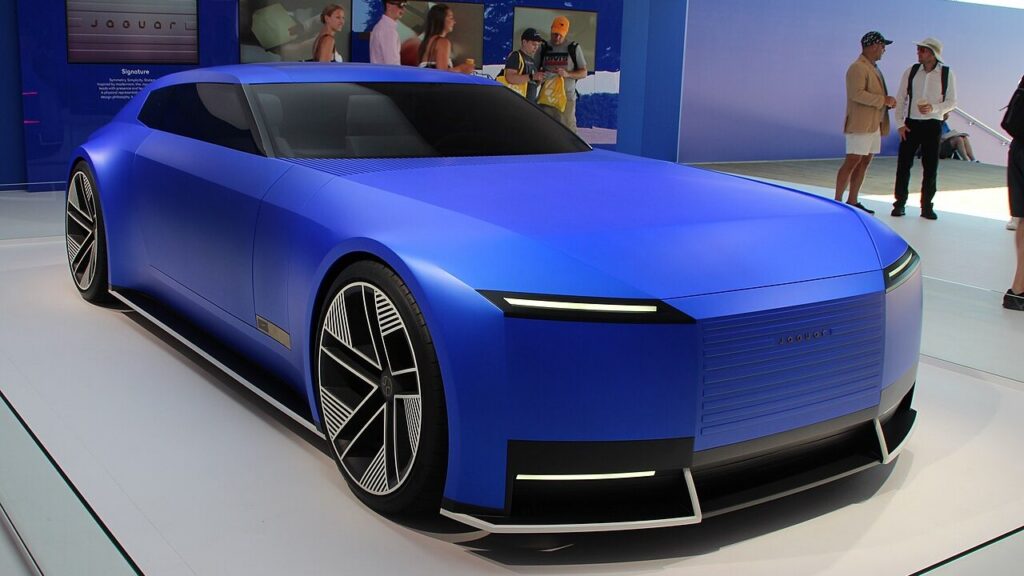
Jaguar: A Rebrand Revealed Without a Car
Jaguar launched its 2024 rebrand with a film that showed no cars, and the backlash defined it before the car arrived. A case on reveal order and context.
The lesson: Show the thing people came to see first, or the audience will write the story for you.

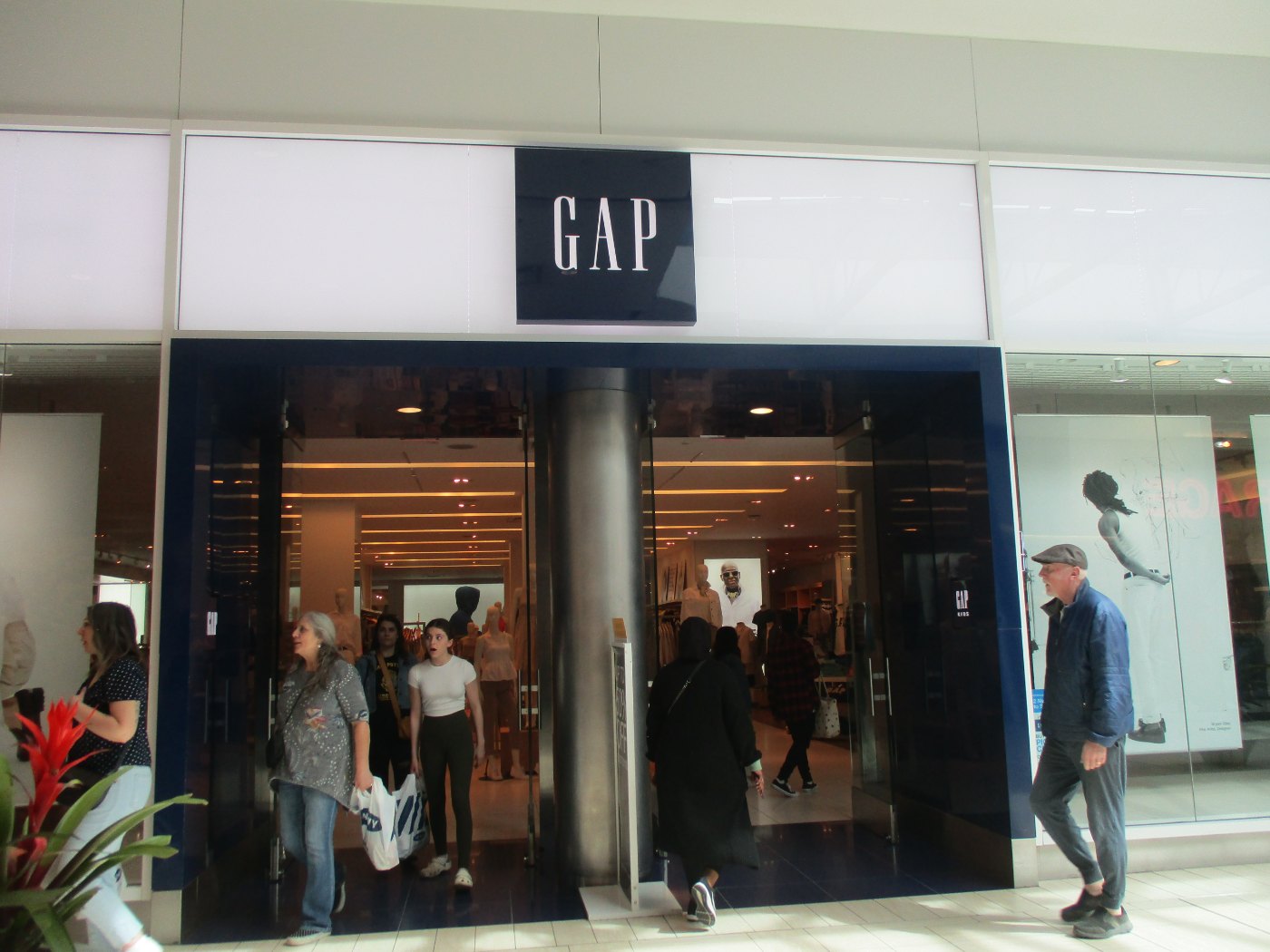
Gap: a new logo shown before its story
In 2010 Gap put a new logo on its website with no brief, no rationale and no context, and the public judged it on taste alone. The explanation came days later, and by then the work was already dead.
The lesson: Present the thinking before the visual, or your audience will judge the work on taste alone.
Photo: Rowanlovescars (CC BY-SA 4.0), via Wikimedia Commons. Brand: Gap

Brand images are shown for educational purposes only. Each image and trademark belongs to the brand credited.
Hot take
Notes, Not Opinions
Take a side on each feedback take, then see what critique tied to the brief says.
Try it
Interactive tool · practice it
Tool · MARK 475
Critique Lab
Rate a sample ad against its brief, compare with an instructor read, then practice giving and taking feedback.
- 1Rate
- 2Compare
- 3Practice
Brief: Spoke & Pedal (an invented bike shop) wants commuters, ages 22 to 35, to book a free tune-up this month. Brand: friendly, rounded sans type, orange and charcoal.
Instructor read, all six
Do it
Class work for this topic. The in-class activity counts toward participation, and you get feedback on it.
In-class group activity
I Like, I Wish, What If
Your group will have a brief for one piece of your brand’s work, a round of notes from another group, and a revision list you will act on. A 30-minute group activity. Each case study below has its own group activity too. Dr. Morris gives the password in class.
Put it to work: In-Class Critique Sprint
Each team sets up its draft campaign at a station. Teams rotate and spend 8 to 10 minutes reviewing each station with I like, I wish, What if, tied to that team’s brief. You submit written feedback for each team you reviewed the same night, and your own team turns what it hears into a revision plan before the final.
Run the sprint in four steps
Prep your station
Set out your identity board, brand brief, photos, platform designs and video draft. Before the sprint, try the Critique Lab under See it in action once: rate an ad against its brief and compare with the instructor’s read.
Your deliverable: your brief in three lines: who the brand is for, what it should make them feel or do, and one question you want answered.
Review each station in 8 to 10 minutes
Listen to the brief, look in silence, share your notes out loud, then finish the form. When you host, stay quiet, write every note down and do not defend. Open “Run a station” below for the minute-by-minute plan.
Your deliverable: a top I like, I wish and What if shared at every station.
Write one feedback form per team
Every note names the element, the problem or strength, and why it matters for their brief. Aim your notes at the criteria in the Final Campaign Roadmap. Check each asset against the standards in Building Your Brand Identity System, Platform Adaptation and Short-Form Video.
Your deliverable: one completed form for each team you reviewed, submitted the same night.
Build your team’s revision list
The same week, put every note your team received into one list. Group repeated notes, sort them into Must, Should and Could, and assign an owner to each change.
Your deliverable: a sorted revision list you work from before the final.
Run a station in 8 to 10 minutesWhat the reviewing team and the host do, minute by minute
| Minutes | Reviewing team | Host (the team at the station) |
|---|---|---|
| 0 to 1 | Listen. Write down the brief. | One person states the brief in three lines: who the brand is for, what it should make them feel or do, and one question you want answered. |
| 1 to 5 | Look in silence and write notes using the feedback form. | Stay quiet. Do not explain the work. If it needs explaining, that is feedback. |
| 5 to 8 | Share your top I like, I wish and What if out loud. | Write every note down. Ask clarifying questions only (“Which part felt off?”). Do not defend. |
| 8 to 10 | Finish the form while it is fresh. | Thank them and reset the station. |
Written feedback formThe nine fields to fill in for each team, plus a weak and a strong note
Submit one of these for each team you review.
- Team and brand: [team name, brand name]
- Their brief in one line: [who it is for and what it should do]
- Cohesion: Do the board, photos, platform designs and video look like one brand? [yes, mostly, no + where it breaks]
- Strategy: Does the work fit the audience and platforms they chose? [one specific example]
- Execution: What is the strongest piece and the weakest piece? [name each]
- I like: [a specific element and why it works for the brief]
- I wish: [a specific element, the problem, and the effect on the audience]
- What if: [one concrete idea they could try before the final]
- Top priority: If they change only one thing, it should be: [one sentence]
Weak note
“I wish the colors popped more.”
Strong note
“I wish the Pinterest pin used your sage green instead of bright teal. It is the only piece that leaves the palette, so it looks like a different brand next to your photos.”
Sort your notes: Must, Should, CouldHow to prioritize, decline a note, and a sample revision list
Not every note gets used. A note that fights your brief can be declined, but write down why.
Must
Breaks the brief or the rubric (cohesion, strategy, execution).
Act: fix before the final.
Should
Clearly improves the work.
Act: fix if time allows.
Could
A nice idea.
Act: try it only after the Must and Should items are done.
| Note (what we heard) | How many teams said it | Asset | Priority | What we will change | Owner |
|---|---|---|---|---|---|
| Video logo appears only in the first second | 3 | Video | Must | Move logo to a 2-second end card with the CTA | Sam |
| Pin headline hard to read on a phone | 2 | Pinterest pin | Must | Cut to 5 words, raise size, darker text | Ari |
| Try a second tagline | 1 | Identity board | Could | Test two options with 5 classmates; keep the winner | Jo |
| Make it more colorful | 1 | All | Decline | Our brief is calm and quiet; brighter colors would fight it | Team |
Before you submitEight checks for your feedback forms
- [ ] I wrote one feedback form for every team I reviewed and submitted them the same night.
- [ ] Each form restates the team’s brief, and my notes judge the work against it, not my taste.
- [ ] Every note names a specific element (“the headline on the story”), not “the design.”
- [ ] I included at least one I like, one I wish and one What if per team.
- [ ] My I wish notes say why the problem matters for that team’s audience.
- [ ] My What if ideas are things the team could actually do before the final.
- [ ] I covered cohesion, strategy and execution, the same criteria the final is graded on.
- [ ] My tone critiques the work, not the people.
Go further
Optional, and worth it. Go past the in-class work: read a case, try the tool and earn this topic’s chip. Finish the chips across the course and you get a marketing funnel card you can post on LinkedIn to show your effort and skills.
Unlock this topic
Do the work, earn the chip
Finish each step on this page to unlock the button that adds this topic to your course card.
Back to all Marketing 475 topics
Frequently asked questions
Frequently asked questions
What is the I like, I wish, What if critique method?
I like, I wish, What if is a simple way to give creative feedback. I like names a specific element that works for the brief so it gets protected. I wish names an element, the problem and its effect on the audience. What if offers a specific, doable idea the team can try. Each note stays tied to the brief.
How do you give useful design feedback?
Useful design feedback critiques the work, not the person, and is specific enough to act on. Name the element, the issue and why it matters. The offer is the smallest text, so people miss it gives a designer something to fix, while it needs to pop does not. Use design terms like hierarchy, contrast, alignment and proximity instead of personal taste.
How should you respond when you receive creative feedback?
Listen without defending and take in the whole note first. Ask one clarifying question, such as asking where the hierarchy feels off, to turn a vague reaction into something actionable. Then weigh each note against the brief and the audience and build a revision list. You do not have to take every note, but you should be able to explain why.
What is the difference between a weak and a strong critique note?
A weak note is vague, like I wish the colors popped more. A strong note names the element, the problem and why it matters for the brief, such as asking a team to use its sage green on a Pinterest pin instead of bright teal, because it is the only piece leaving the palette and looks like a different brand.
What can marketers learn from Pixar's Braintrust?
Pixar's Braintrust is a review process where peers give blunt, specific notes on unfinished films but have no power to force changes. This keeps critique about the work and leaves decisions with the person who owns it. The lesson is to critique work against its goal, be specific, and let the owner decide which notes to act on.