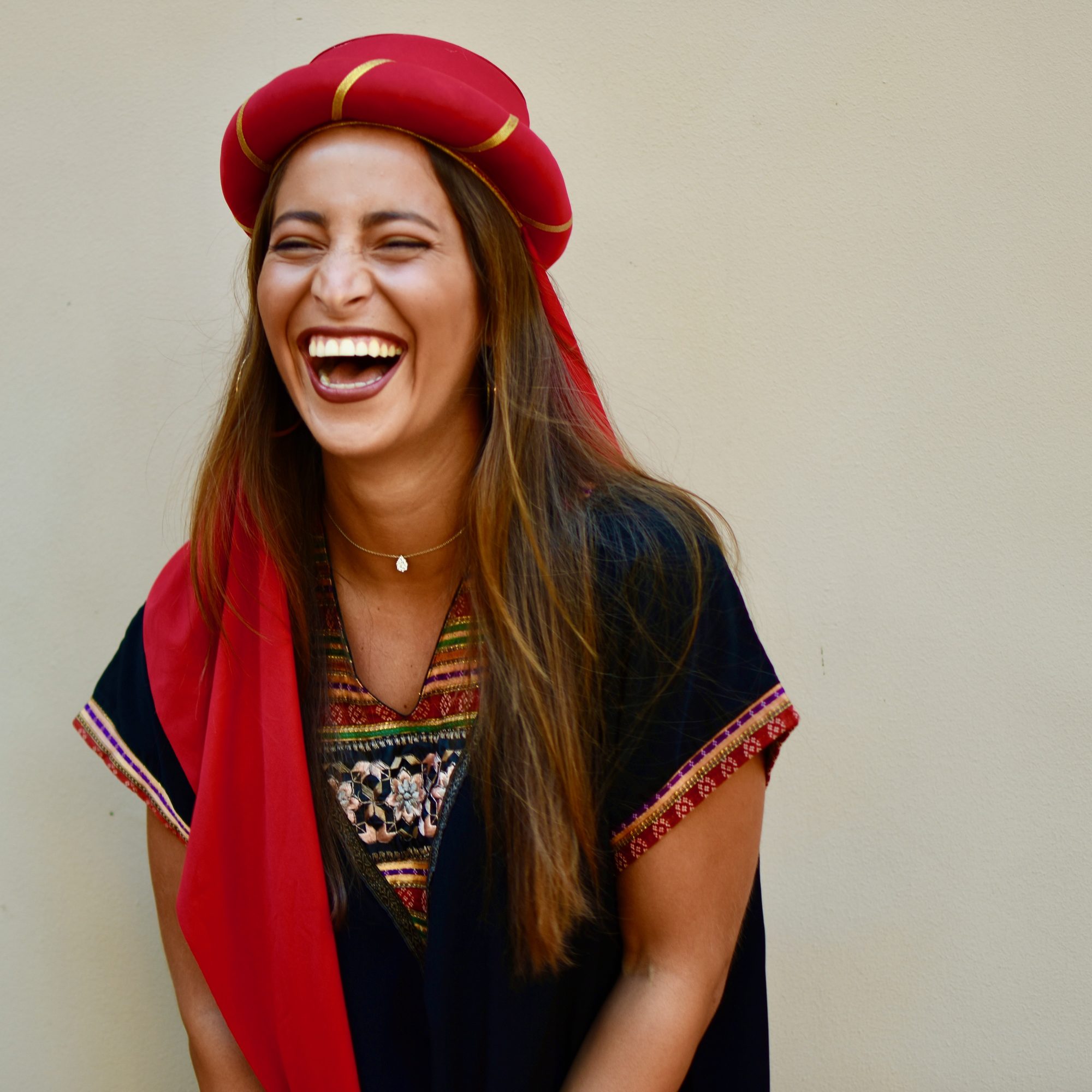
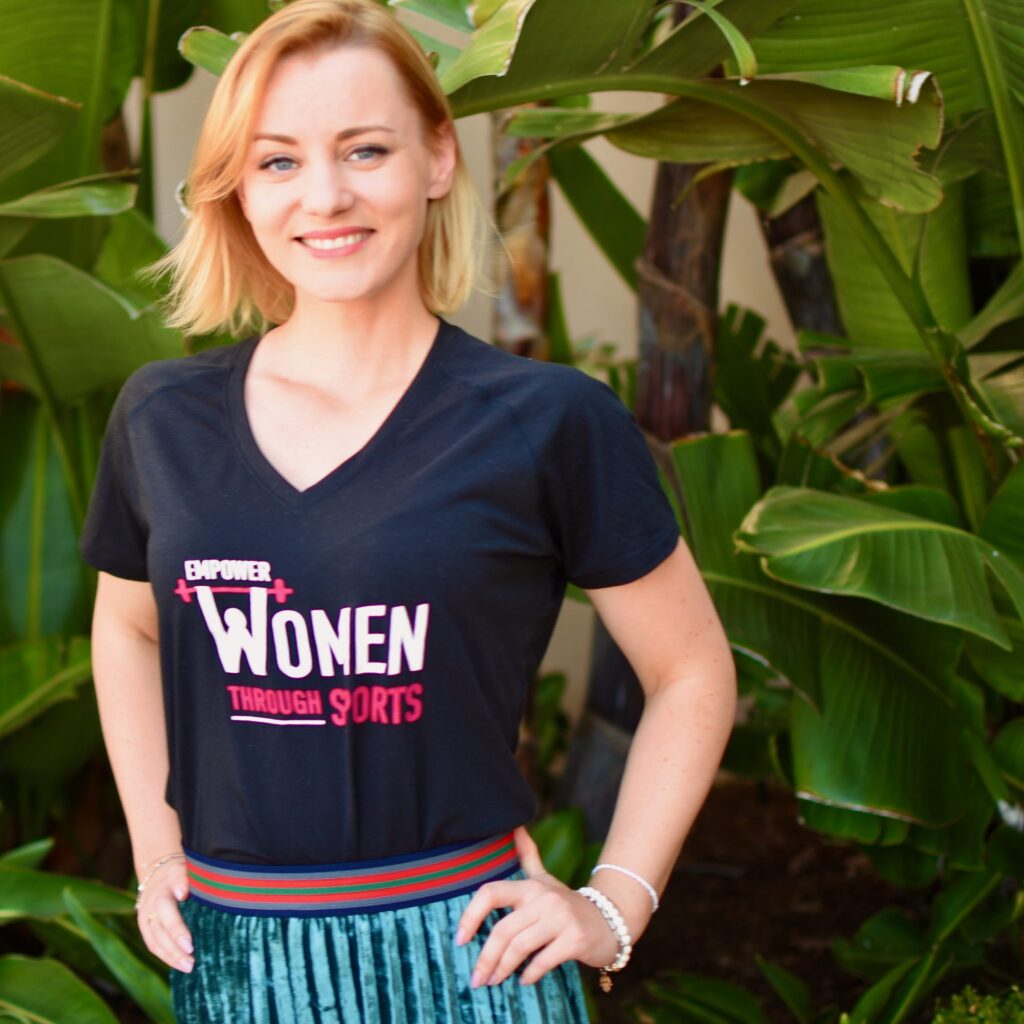
For my master’s project, I photographed women from the Global Sports Mentoring Program. The program is a U.S. Department of State exchange, run with espnW, that brings emerging women leaders in sport from around the world to the United States to work alongside American mentors. Our own University of Tennessee Center for Sport, Peace, and Society has been its longtime partner. These women are changemakers: coaches, athletes, advocates and organizers building opportunity for girls and women back home.
I called the project Picture Her Empowered. The goal was simple to say and hard to do: make portraits that show each woman the way she sees herself at her strongest. These are the 2019 portraits and the lessons I took from making them.
1. Start with a conversation, not the camera
Before I raised the camera, I asked each woman about her work, her country and what she wanted people to understand about her. A portrait is a collaboration. When someone knows why you are photographing her and trusts what you will do with the image, her shoulders drop and her face opens up. That trust shows in every frame.
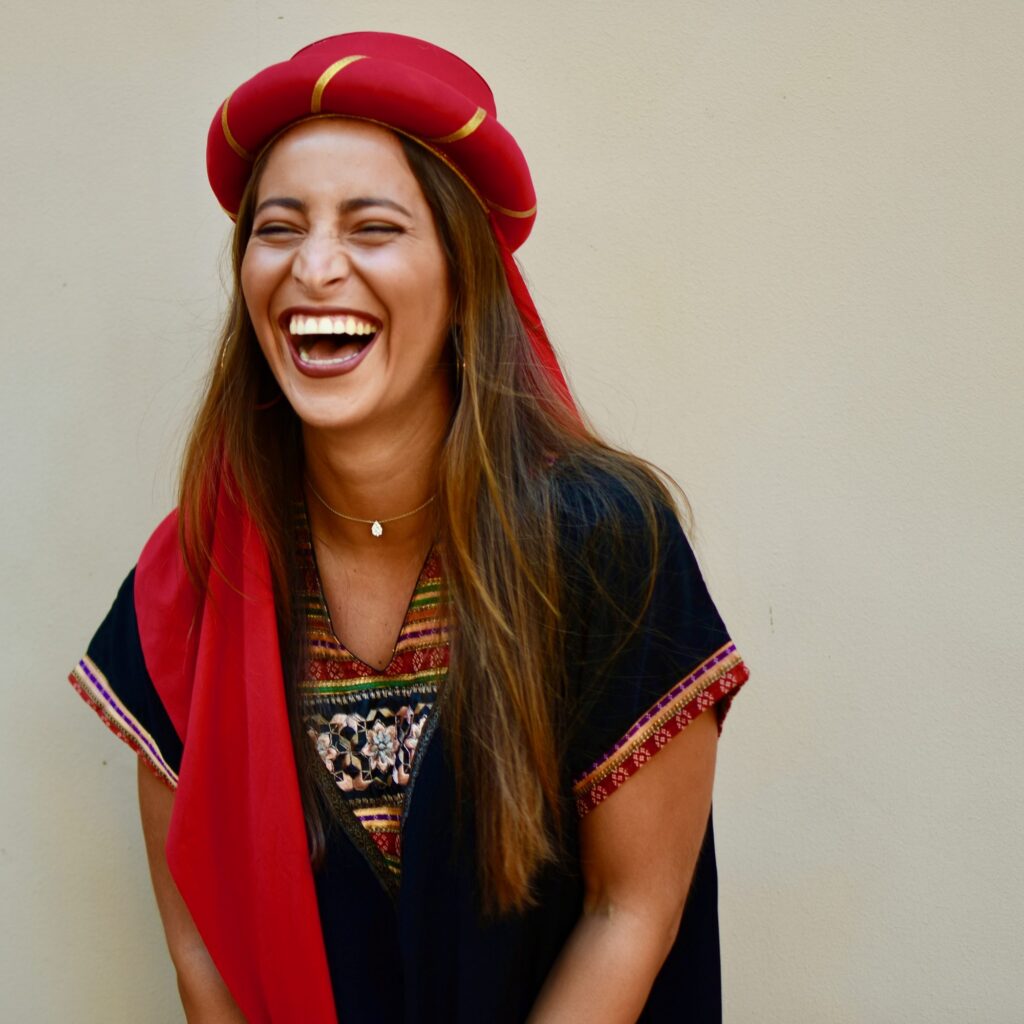
2. Keep shooting through the laughter
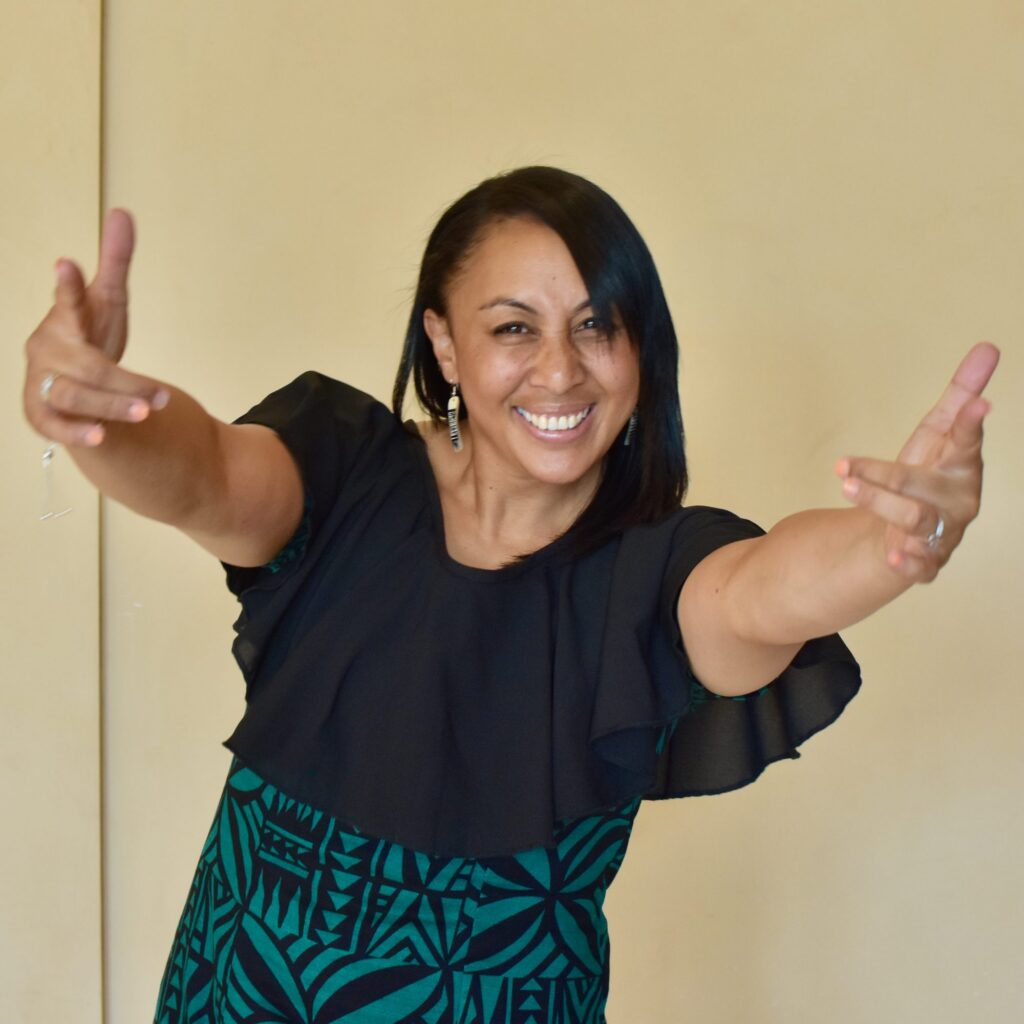
Posed smiles are polite. Laughter is honest. I would take a few careful frames, say something to break the tension, and keep shooting. The laugh that follows a stiff pose is usually the portrait people remember, because it looks like the person, not like someone having her picture taken.
3. Let her choose the pose that means strength
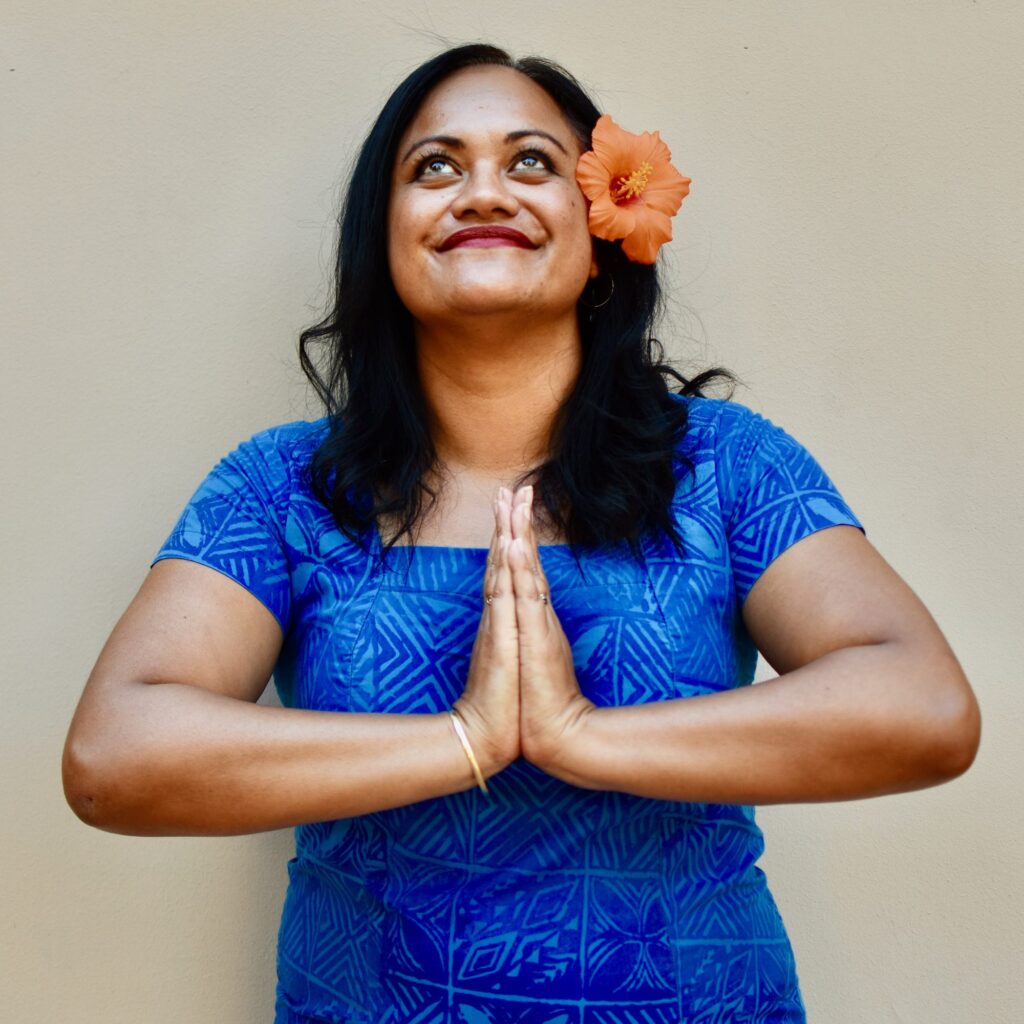
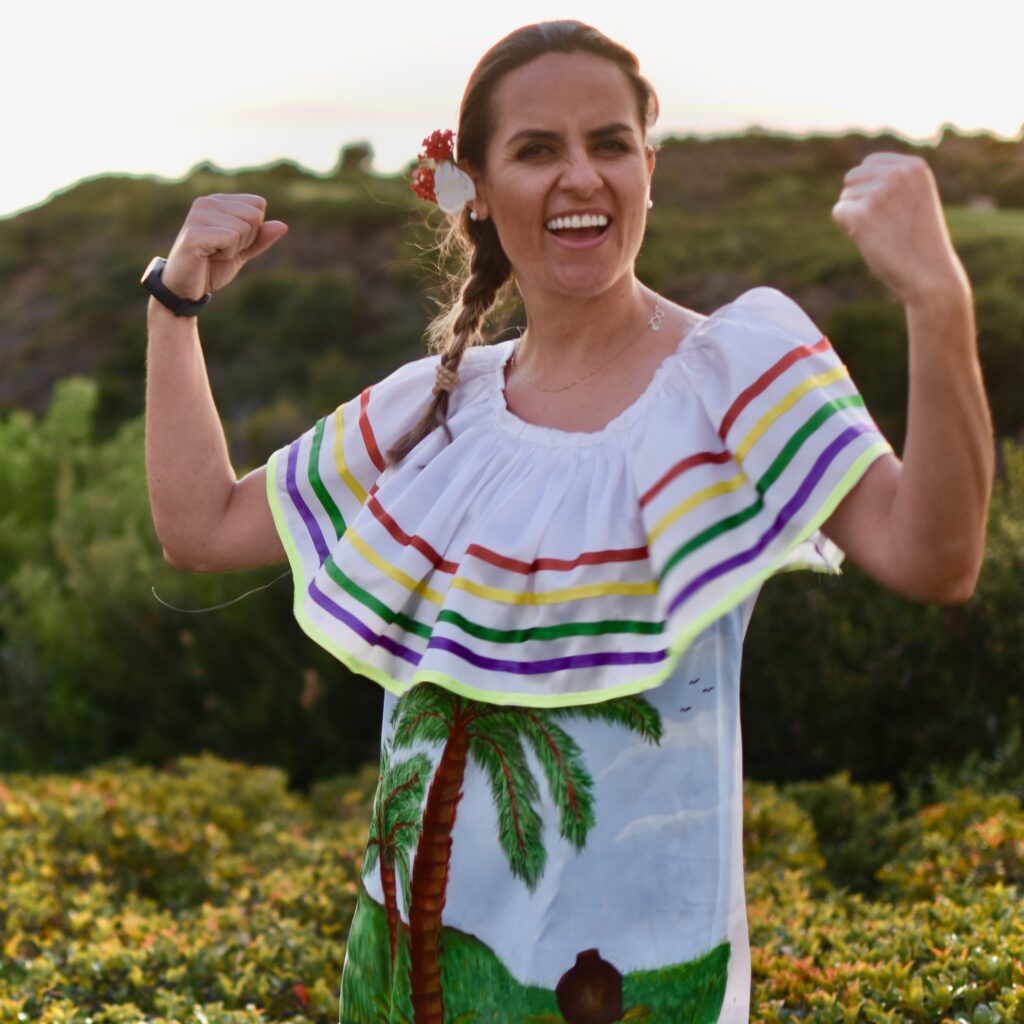
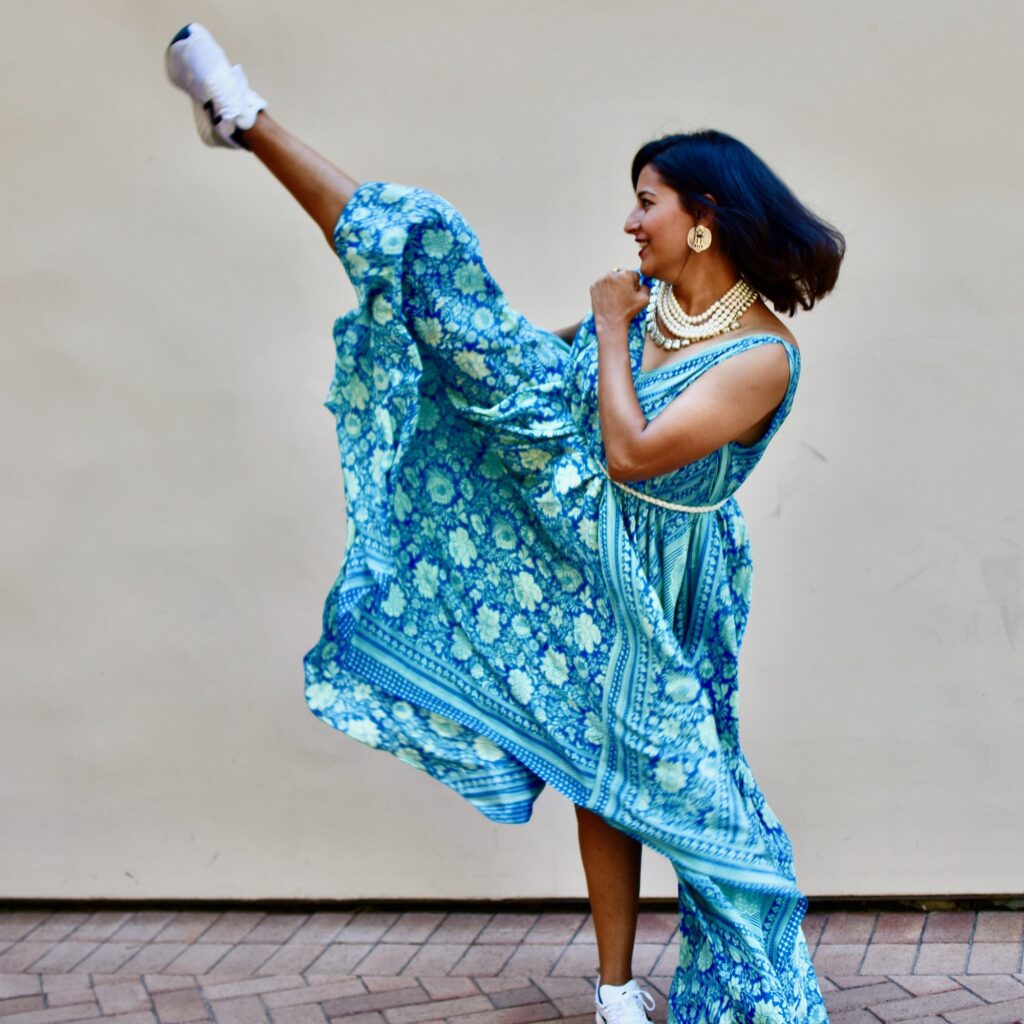
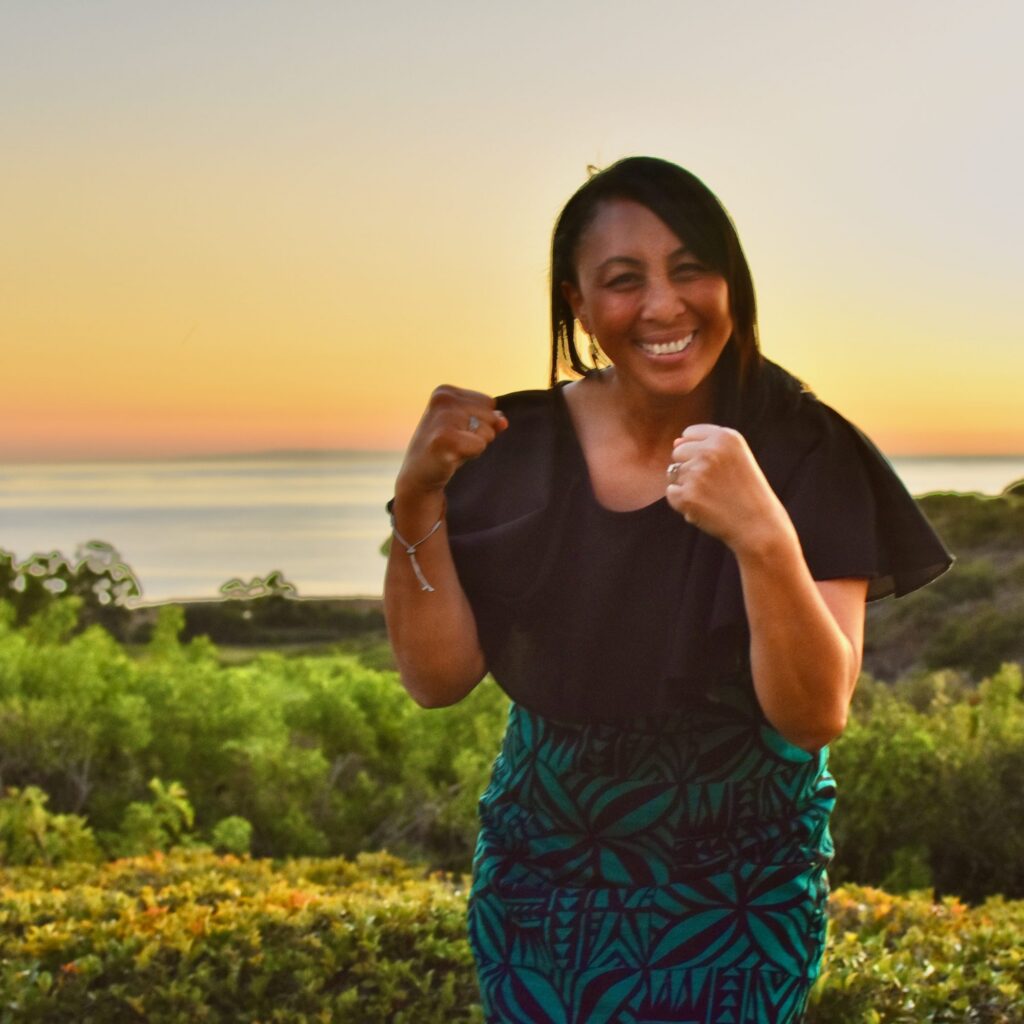
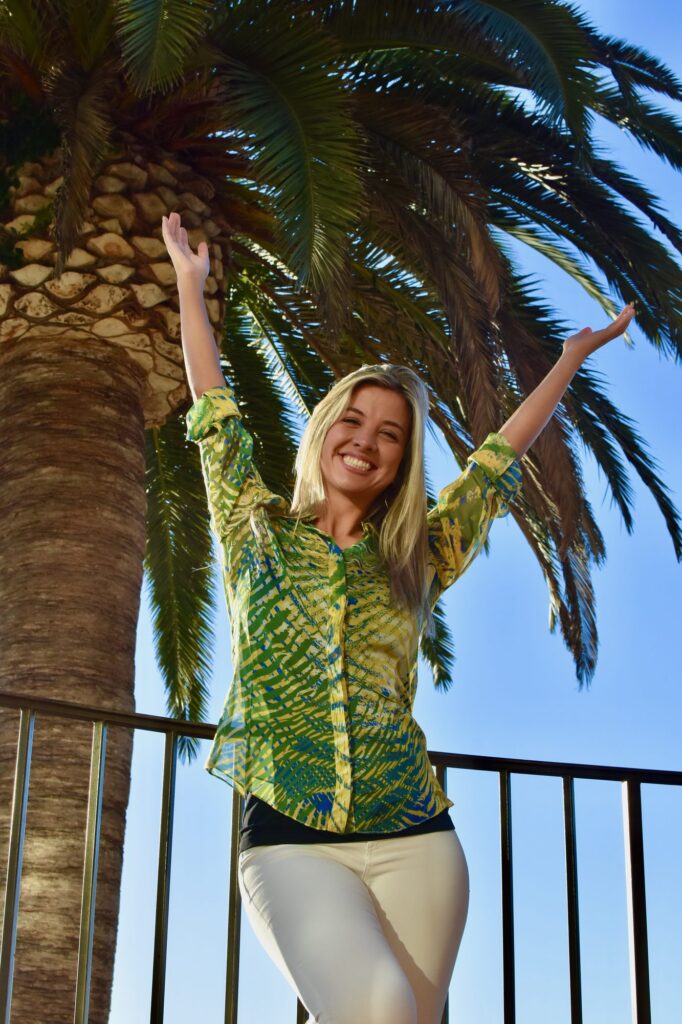
I did not hand out a standard power pose. I asked each woman to show me what empowered felt like in her body. One pressed her palms together. One threw her arms wide. One flexed. One danced. Those choices told me more about each person than any direction I could give, and they kept the series from looking like a template.
4. What she wears is part of her story
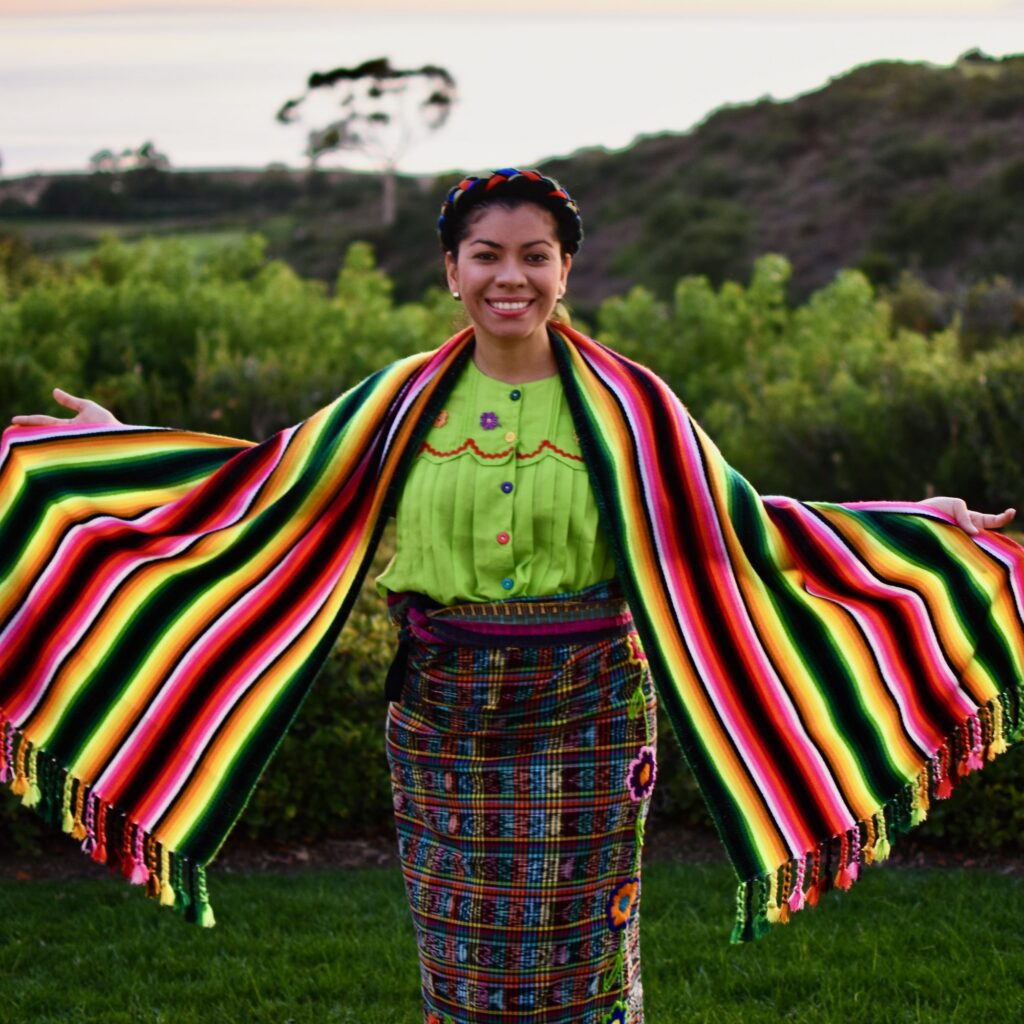
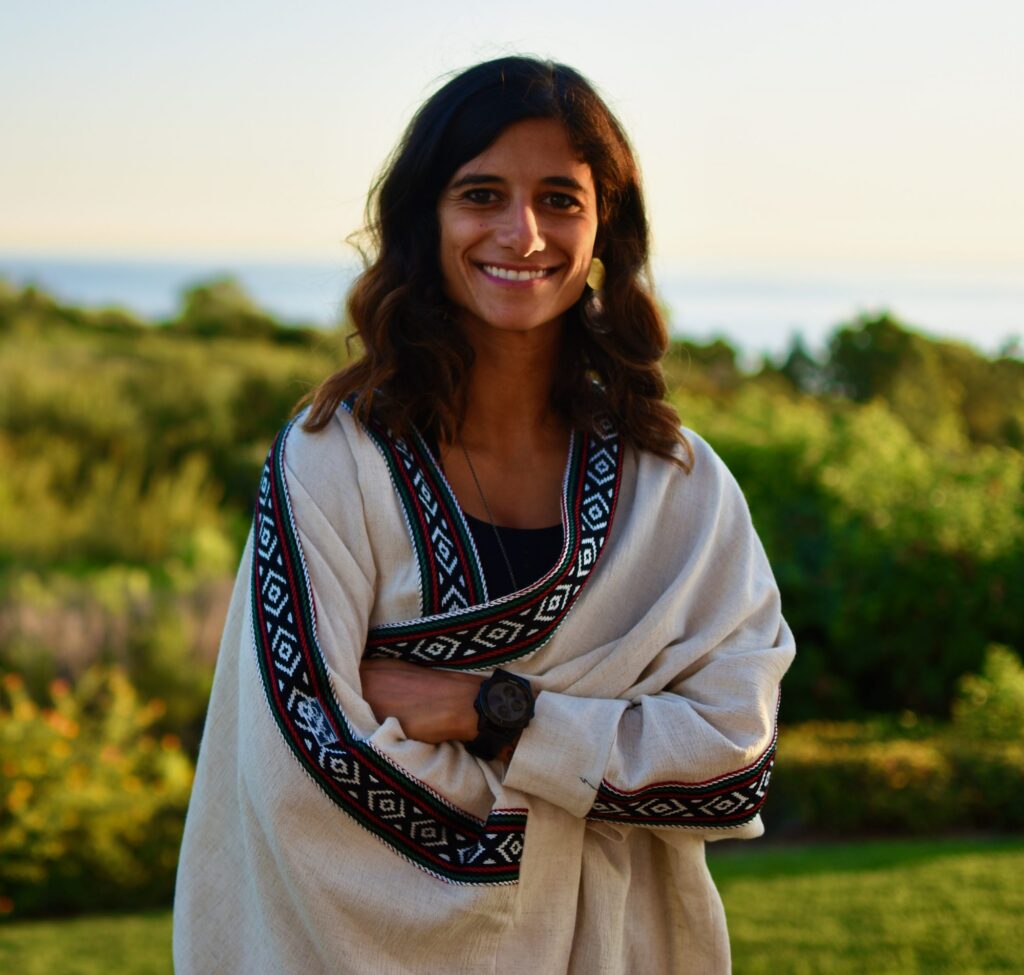
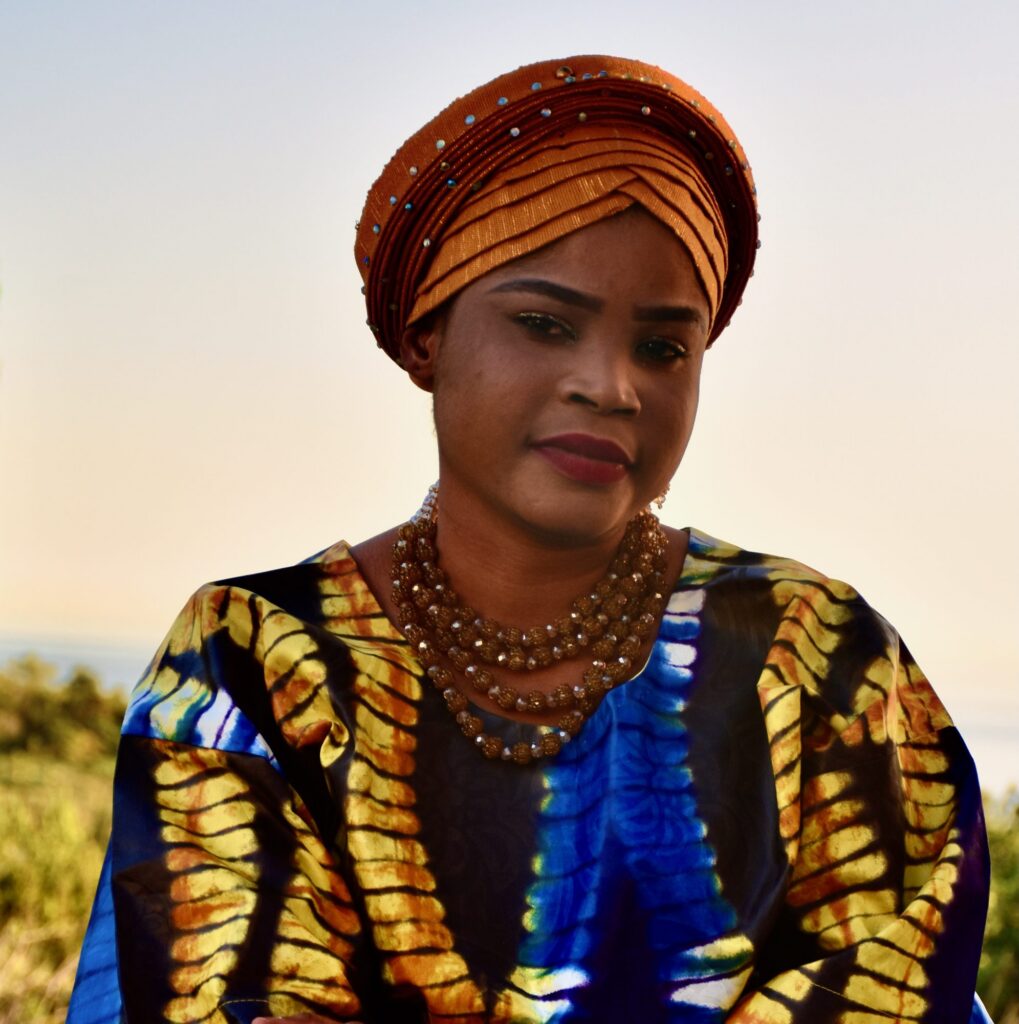
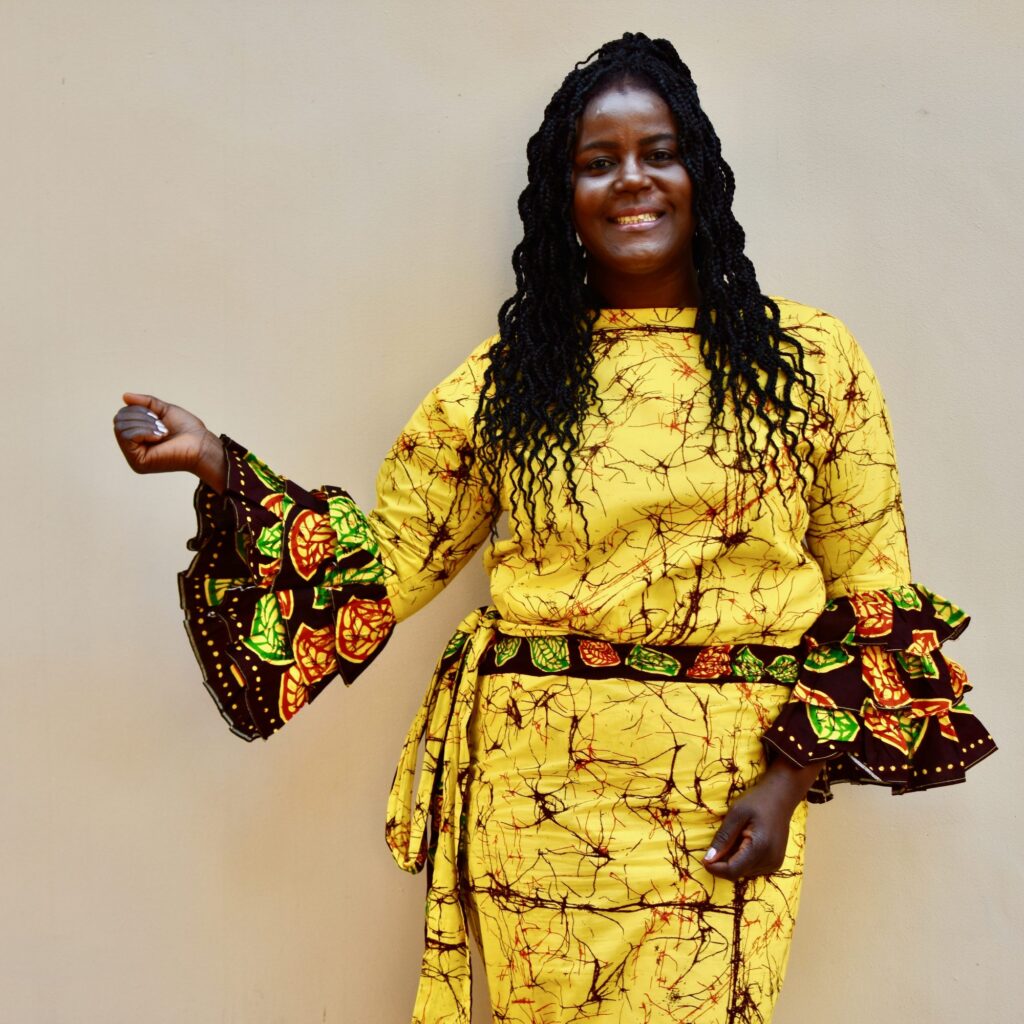
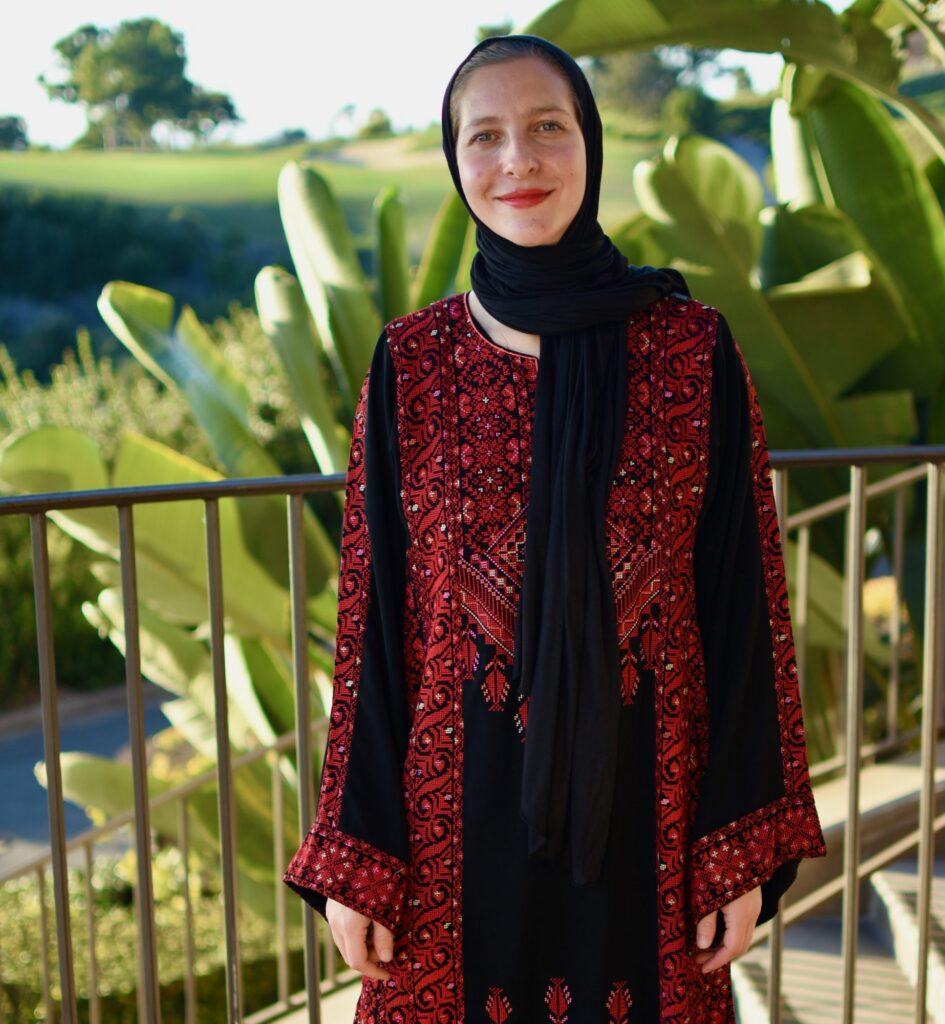
Many of the women chose to wear clothing from home: woven capes, embroidered blouses, bold prints, a hijab with a deep red tunic. I treated those pieces as part of the subject, not as costume. Give fabric room to move, frame wide enough to show the pattern, and ask about it. People light up when you are curious about something that matters to them.
5. Chase the soft light
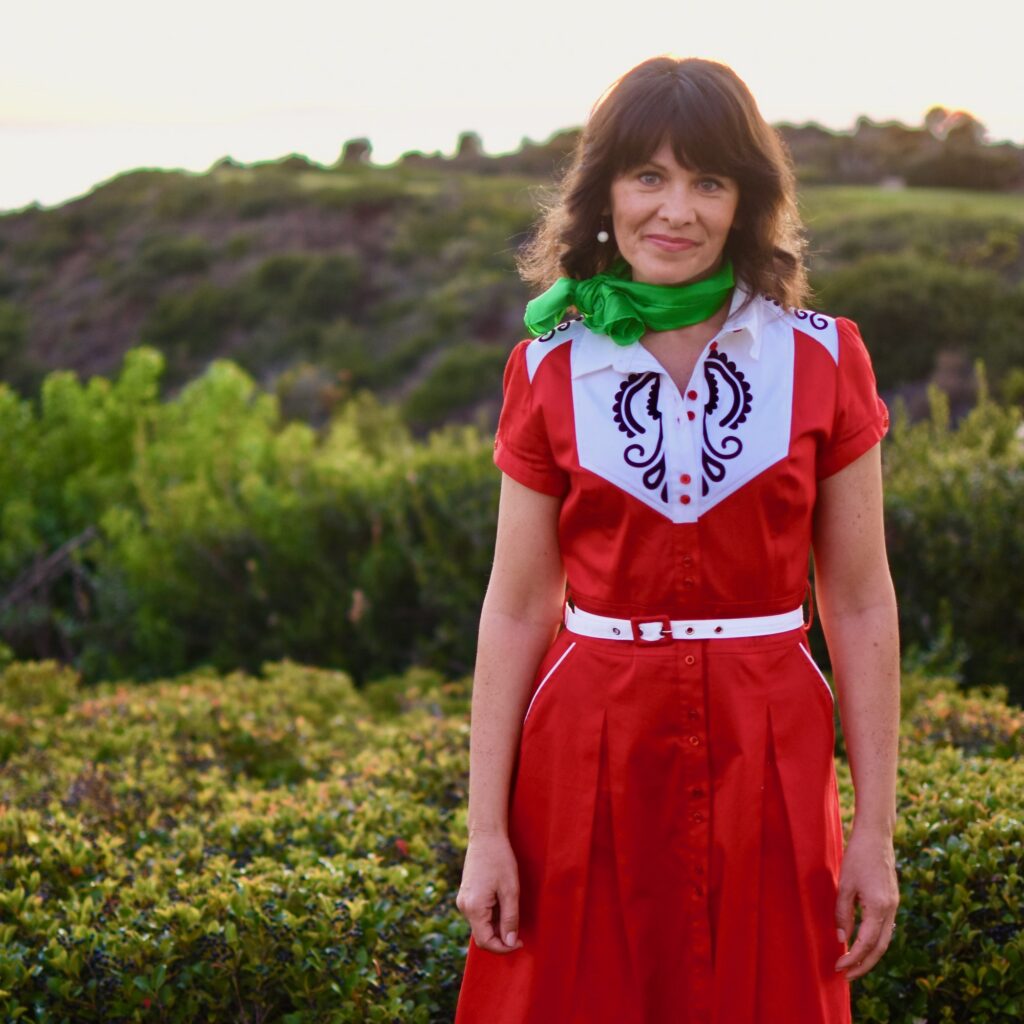
Many of the outdoor portraits were made late in the day, when the sun sits low and warm. Golden hour flatters every skin tone, softens shadows and puts a glow on hair and shoulders. Turn your subject so the light comes from the side or slightly behind her, and let the background fall into soft greens and golds.
6. A plain wall is a gift
You do not need a studio. Several of these portraits were made against a simple cream wall. A clean, warm background removes distractions and lets color, expression and gesture carry the image. When the clothing is bold, the background should be quiet.
7. Get low to make her look tall
Camera height changes how we read a person. Shooting slightly from below, with sky or trees behind, gives a subject presence and a sense of stature. Shooting from above can make the same person look small. For a series about empowerment, I kept the camera at or below eye level.
8. Mix full-length and close frames
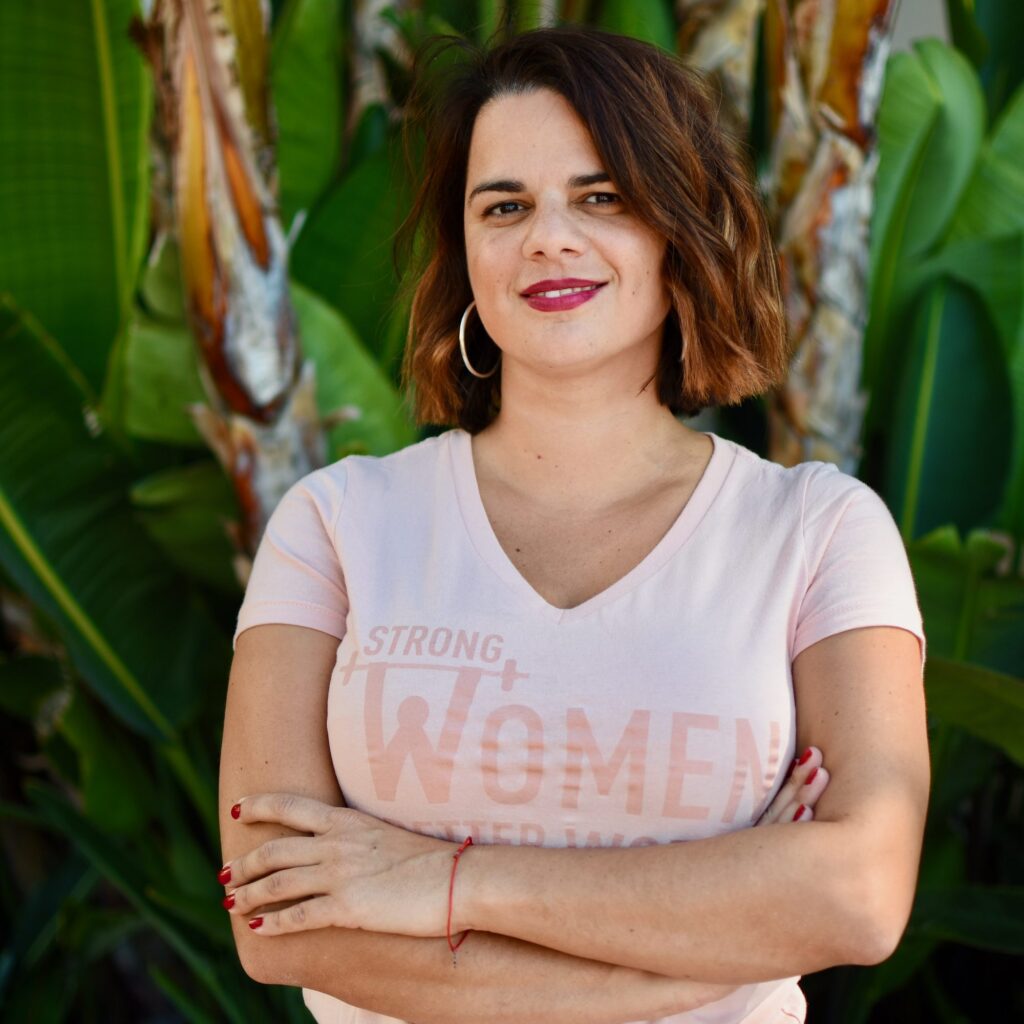
A series holds attention when the framing changes. Full-length shots show posture, clothing and place. Waist-up and closer frames show the face and the eyes. Plan for both with each person so the final set has rhythm, the way a good story moves between wide shots and close-ups.
9. Edit as a set, then share it back
Choose one frame per person that best shows who she is, then look at the whole set together. Keep the color warm and consistent so the series reads as one body of work. And always share the images back with the people in them. These portraits belonged to the women first. Seeing themselves pictured as strong, joyful leaders was the point of the project.
Try it yourself
- Ask first: spend five minutes learning what your subject wants the world to see.
- Let her lead: ask for a pose that means strength to her, then follow it.
- Watch the light: shoot the hour before sunset, or find open shade and a plain wall.
- Keep going: the honest frame usually comes after the posed one.
- Give it back: share the portraits with the people in them.
Related: more photography posts in The Lab and MARK 475 Visual Marketing.