
The big idea
Trust is borrowed from people. Choose creators for fit and credibility, not follower count, and make it easy for real customers to share their own stories.
Topic soundtrack
Word of Mouth
Word of mouth, the grapevine and everybody talking. Trust travels fast.
In 60 seconds
- Choose creators for fit and credibility, not follower count. Smaller creators often have closer, more trusting audiences.
- Customer content is proof that the product works. Ask permission before reposting it and credit the person who made it.
- Every sponsored post needs a clear disclosure, like #ad, in the post itself where people will see it.
Do this: add a creator and UGC plan to your Final Pitch, inside your Social Media and Community Strategy slides.
Your next steps
Slides

How influencer and UGC strategy works
People trust people more than logos.
People trust people more than logos. Influencer and UGC strategy borrows that trust from creators, customers and employees, so the work is choosing the right voices and making it easy for them to speak.
Creator tiers
From closest audience to widest reach.

See it in the wild
Daniel Wellington grew on small creators.
The Swedish watch brand became famous on Instagram by sending watches to thousands of everyday creators.
Nano and microMany small accounts, each with followers who trusted them.
A trackable codeEach creator shared a personal discount code, so sales could be counted.
The resultThe same clean watch showed up in feeds everywhere, from people followers already knew.
Closeness vs. reach
Each step up trades closeness for reach.
Smaller creators often have more engaged, trusting audiences.
The rules of borrowed trust: with creators
Pick for fit, not follower count.
- Fit over follower count. The best partner already talks to your audience and would plausibly use your product.
- Brief, don’t script. Give the goal, key message and must-haves, then let them speak in their own voice.
The rules of borrowed trust: with customers (UGC)
Customer content is proof. Ask first. Give credit.
Juniper Pet Co. and @maya.and.moose are invented.

See it in the wild
GoPro’s best ads are made by customers.
Much of GoPro’s content comes from people filming their own adventures.
ProofReal footage shows what the camera can do better than any claim.
Ask and creditGoPro features creators by name on its channels.
Pay it backIts GoPro Awards program pays people for the clips it uses.
Voices beyond paid creators: the alpha audience
A few fans shape how everyone else sees you.
A small group of highly engaged customers shapes how everyone else sees a brand. They post, review, recommend and answer questions.
- Find them, listen to them and give them reasons to keep talking.
- They are often more valuable than any paid creator.
Voices beyond paid creators
Earn the invitation. Let your team speak.
Guess first, then tap each card.
IslandsCan a brand push its way into a customer group?
InviteSo how does a brand get in?
TeamWho are some of the most believable voices a brand has?
AccessWhat do employees need to share real work?
Quick check
Which rule of borrowed trust applies?
Name the rule or the creator tier for each one, then open the answers.
- 1Rise & Shine Bakery, a small-town shop, wants more local regulars on a small budget. Which tier?
- 2A creator with millions of followers who never posts about pets offers to promote Juniper Pet Co.
- 3The brand sends a creator a word-for-word script, jokes included.
- 4A customer posts a great photo of her dog on your bed. The team wants it on the brand feed tomorrow.
- 5The same twenty customers answer questions about your product in a Facebook group every week.
Check your answers
- Nano or micro. Close, trusting audiences. Mega is rarely the right fit for a small or local client.
- Fit over follower count. The best partner already talks to your audience and would plausibly use your product.
- Brief, don’t script. Give the goal, key message and must-haves, then let them speak in their own voice.
- Ask first, then give credit. Get permission before reposting and name the customer who made it.
- Your alpha audience. Find them, listen to them and give them reasons to keep talking.
Rise & Shine Bakery and Juniper Pet Co. are invented brands.
Real brands in action
See it in real brands.
Each case study shows these ideas at work. Open one to read the full story.

LEGO and adult fans: borrowing trust instead of buying reach
LEGO grew its adult business by working with the fan creators and communities adult builders already trusted, and it learned that this trust only holds if the creators keep their own voice.
The lesson: Find the creators your audience already trusts before you buy reach.
Image courtesy of LEGO
#EyesLipsFace: e.l.f. gave TikTok something to make
e.l.f. did not ask TikTok users to watch an ad. It gave them an original song and a simple challenge, and millions of people made the content for the brand.
The lesson: Give people something fun to make, and they’ll create the content for you.
Photo: Störm (Public domain), via Wikimedia Commons. Brand: e.l.f. Cosmetics

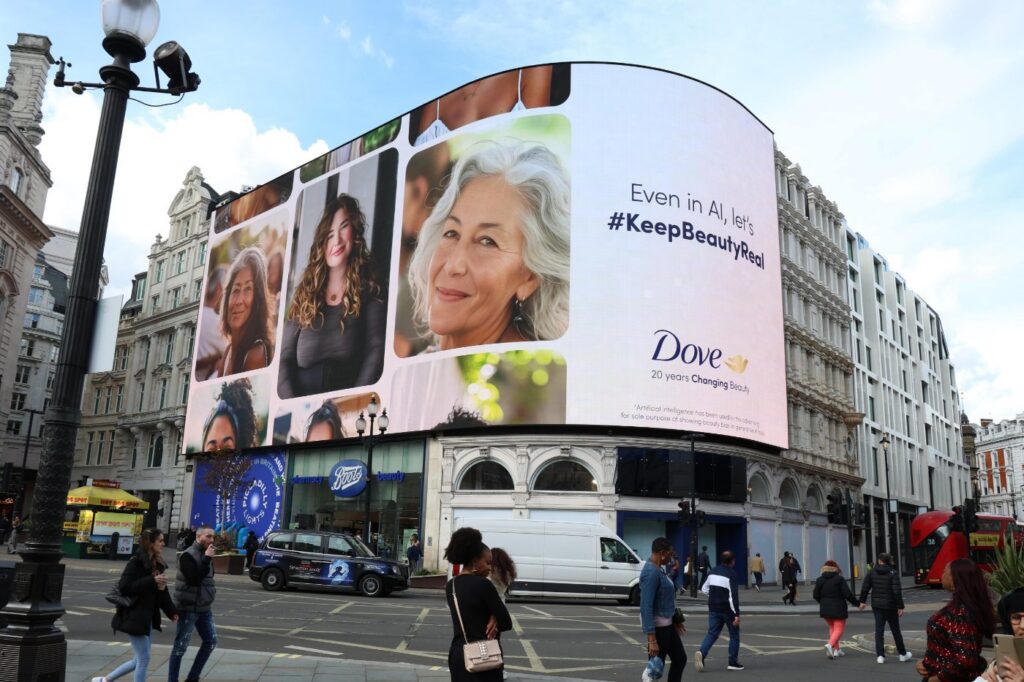
Dove x Crumbl: Feeding Creators Enough Content to Make a Drop Go Viral
Dove turned a body care launch into a fan-driven drop by borrowing Crumbl’s playbook, seeding creators, and using AI to stretch their content across every format.
The lesson: Influencer content goes further when you equip creators with plenty of assets.
Image courtesy of Dove
Brand images are shown for educational purposes only. Each image and trademark belongs to the brand credited.
Spot it in the wild bingo
Borrowed Trust Bingo
Spot these creator and customer content moves in the wild this week and mark each one you find.
Try it
Interactive tool · practice it
Tool · MARK 465
Creator Match Lab
Trailhead Outfitters is launching a $49 camp stove with a $10,000 creator budget. Pick a goal, choose creators and see how well the plan fits.
- 1Pick a goal
- 2Choose creators
- 3Check fit
All creators and numbers are invented for practice.
All checks
Influencer vs. UGC: what is the difference?
Influencer content is made by a creator the brand pays or gifts, for that creator’s audience. UGC (user-generated content) is made by real customers on their own, like reviews, photos and unboxings. Brands can repost UGC as social proof, but ask permission first and credit the person.
The FTC disclosure rule
In the U.S., the FTC expects any paid or gifted relationship to be disclosed clearly, where people will see it. Use plain labels like #ad or the platform’s paid-partnership tag, near the start of the caption, not buried in a pile of hashtags. Brands share responsibility, so put disclosure in every brief.
Do it
Class work for this topic. The in-class activity counts toward participation, and you get feedback on it.
In-class group activity
Creator Draft Day
Your team will have three vetted creators across tiers for your final project client and a one-paragraph creator brief. A 25-minute group activity. Each case study below has its own group activity too. Dr. Morris gives the password in class.
Put it to work: Final Pitch, Influencer and UGC
The Final Pitch does not have its own influencer section. Creators and customer content belong inside your Social Media Strategy and your Community Strategy, and they can feed your Paid Media and Budget slides and your Measurement Plan. The goal is to show how other people’s voices help your client reach and convince your persona.
Build it in six steps
One slide, or part of your social and community slides, can cover this.
Decide the job
Start with the job, not the creator. Open “Which job fits your client?” below.
Your slide: “Creators will help [client] [discover / trust / buy / belong] with [persona].”
Choose the partners
Pick a tier and type of creator for audience fit, not follower count. Use the scorecard in the Creator Match Lab. Do not promise that a specific creator will say yes.
Your slide: the tier and type, with one or two real example accounts and why they fit (audience, past content, values).
Make the ask
Say what creators make, on which platform, and how many posts. Write a brief, not a script.
Your slide: for example, three Reels from local micro-creators showing a first visit.
Plan the UGC
Show how customers are invited to share (a prompt, a challenge, a hashtag, a post-purchase email) and how the brand features them. This is where your Community Strategy connects.
Your slide: the invitation and how the brand features what customers make.
Set the rules
Sponsored posts carry a clear disclosure in the post itself. The brand gets written permission before reposting a customer’s content or using it in ads.
Your slide: one line on disclosure and one on permissions.
Amplify, budget and measure
If you plan to run creator posts as ads, name the tool. Meta’s partnership ads and TikTok’s Spark Ads both run ads through a creator’s post, with the creator’s authorization. Put any creator spend in the Budget Snapshot and the KPIs in the Measurement Plan (see KPIs and Dashboards).
Your slide: the budget line (product, fees, or ad spend behind creator posts) and the KPI you will track with codes or tracked links.
This plan feeds Social Media and Short-Form Video, Community vs. Audience, Paid Media and the Final Pitch Roadmap.
Which job fits your client?Five jobs with the best partner, pitch section and measure for each
Each job fits a different part of the pitch and a different kind of partner.
Get discovered by new people
Best fit: a few micro or mid-tier creators whose audience matches your persona.
Goes in: Social Media Strategy.
Track it: reach in the target audience, profile visits, new followers from the post.
Build trust before purchase
Best fit: nano creators and real customers showing honest use.
Goes in: Social Media Strategy, Email (reviews in emails).
Track it: saves, shares, comments with questions, clicks to product pages.
Drive sales
Best fit: creators with a proven audience fit, plus a unique code or link.
Goes in: Social and Paid Media.
Track it: code redemptions, tracked link conversions.
Grow community
Best fit: customers and members, invited to share and featured by the brand.
Goes in: Community Strategy.
Track it: member-created posts, members replying to each other.
Feed the ad library
Best fit: creator or customer videos the brand has rights to use in ads.
Goes in: Paid Media and Budget.
Track it: ad results compared with brand-made creative.
Get disclosure right in your planFive points from the FTC’s influencer guide
Your pitch should show the client how to stay within the FTC’s guidance. The FTC holds brands responsible too, so put disclosure in every creator contract.
- Any material connection must be disclosed, and that includes free or discounted products, not just cash.
- The disclosure goes with the post where people will see it, not only on a profile page, at the end of a caption, or mixed into a pile of hashtags.
- Plain words like “ad” or “sponsored” work. Vague ones like “sp,” “collab” or “thanks” do not.
- In video, put the disclosure in the video itself, both on screen and spoken. Do not rely on the description alone.
- A platform’s built-in paid-partnership label should be used in addition to the creator’s own disclosure, not instead of it.
Before you submitCheck your creator and UGC plan
- [ ] Our creator and UGC plan supports a clear job (discover, trust, buy or belong) for our persona.
- [ ] We chose creators for audience fit, not follower count, and explained why.
- [ ] Our plan appears inside the Social Media or Community Strategy section, not as a separate tactic.
- [ ] We said what creators will make, on which platform, and how much.
- [ ] We included how customers are invited to create content and how the brand gets permission to use it.
- [ ] Our plan requires a clear disclosure on every sponsored post.
- [ ] Any creator spend appears in the Budget Snapshot.
- [ ] We track creator results with codes or tracked links, and those KPIs are in the Measurement Plan.
Go further
Optional, and worth it. Go past the in-class work: read a case, try the tool and earn this topic’s chip. Finish the chips across the course and you get a marketing funnel card you can post on LinkedIn to show your effort and skills.
Expert advice
Joe Pulizzi: your employees are your next creators
Video, 4 minutes 46 seconds, with captions. Recorded for Dr. Morris’s students.
About Joe Pulizzi
Joe Pulizzi, pronounced pull-it-zee, is an author, entrepreneur, and speaker exploring how to build a more meaningful life and career in a world that keeps pushing people toward the safe and predictable. He founded Content Marketing Institute and The Tilt, co-hosts This Old Marketing with Robert Rose, and is the author of several books, including Content Inc., Epic Content Marketing, and Burn the Playbook.
Read the transcript
Hi class, my name is Joe Pulizzi. I’ve been working in the content marketing field for over 25 years now, it’s hard to believe, and I’ve sort of come to the crossroads of my career. I’ve been talking about this really innovative idea, which was content marketing. In the early 2000s, everything in marketing was really built on advertising and interruption. Then a group of people came along and said, hey, maybe if the brand delivered valuable, relevant information on a consistent basis to its customers and its prospects, maybe that’s better than just interrupting them.
So we were telling brands: create, initially, print magazines and newsletters, and then YouTube shows and podcasts, and just deliver amazing information. If you do that and help your customers get better jobs or live better lives, whatever the case is, then they’ll trust you more. And if they trust you more and you become an expert, somebody important in their lives, they rely on the information and they’ll buy more products and services from you. That’s actually worked really, really well for the past couple of decades. Of course you’ve seen it all on social media, and maybe a lot of you are content creators yourselves, building businesses around it. So it’s been very, very exciting.
And now I’m seeing the rise in synthetic content, AI-generated content. It’s very hard for humans to compete with that kind of information, at least on that scale. Although I still believe in brand-centered content marketing, where it’s coming from the organization, like a magazine, a YouTube channel or a podcast coming from the brand itself, I think it’s risky today. By putting all the content muscle, if you will, just with the organization, I don’t think we’re diversifying our voices enough from a trust standpoint to make an impact.
So I think that old form of content marketing is dying, and this new thing, what I call a trust portfolio, is where we need to be as an organization. If you have a small business with 20 or 30 employees, you focus first on where the trust gaps are. Where do I need to build trust with my customers? Then you look in your organization and say, who is the expert, the advocate, the storyteller that can build a connection with the audience we want to target and build their trust in some way?
Instead of content marketing coming from just one person or the brand itself, we’re going to start trusting our employees as the great marketers they should be, to create podcasts, newsletters, YouTube shows, in-person events, whatever helps. The marketing department helps those people become the experts and becomes sort of a production group, a media center, if you will. That’s marketing’s role now. We give our customers the opportunity to build trust and to see all these amazing trust signals coming from our individual employees. I think that’s the future of marketing, especially in this AI-driven world.
If your major is marketing or business or whatever the relevant area is, I think this is what we’re going to start seeing as we need to combat, in a lot of cases, synthetic content. I’m not saying you shouldn’t use AI. I’m saying if we trust our weird, crazy, human employees, and we know that our customers want to actually interact with humans, that’s where the opportunity is to build trust long-term. That’s the opportunity for marketing in the future.
So again, this is Joe Pulizzi. Dr. Morris, thank you for giving me this opportunity. I hope this has been helpful. If you go to thetilt.com, you can find all you want about the trust portfolio I’ve been working on for the past year or two, versus traditional content marketing. I’m wishing you the best of luck, and thanks for the opportunity.

From our farm
We’ve been the creator
We’ve done brand work from the creator side, including a seven-reel sponsored campaign for Purina with a full shoot schedule behind it.
Every partner on our site is something we actually use. We’re a Purina farm: the goats, horses, pigs, donkeys and chickens all eat it. That is what makes the partnership easy for our audience to believe.
If you were Purina, what would you check before signing a creator? If you were the creator, what would make you say no?
Unlock this topic
Do the work, earn the chip
Finish each step on this page to unlock the button that adds this topic to your course card.
Back to all Marketing 465 topics
Frequently asked questions
Frequently asked questions
What is the difference between nano, micro, macro and mega influencers?
The four tiers trade closeness for reach. Nano influencers have the smallest reach and closest audience, micro influencers add reach while still feeling close in a clear niche, macro influencers offer wider reach with less closeness, and mega influencers have the widest reach and most distance. Smaller creators often have more engaged, trusting audiences, and mega creators are rarely right for a small or local client.
How do you choose the right influencer for a brand?
Choose for fit and credibility, not follower count. The best partner already talks to your audience and would plausibly use your product. Start with the job, such as getting discovered, building trust, driving sales or growing community, then pick the creator tier and type that suits it. Give creators a brief with the goal, key message and must-haves, not a script.
What is user-generated content and how should brands use it?
User-generated content, or UGC, is the photos, videos and reviews real customers create, and it works as proof that the product works for real people. Brands should invite it with a prompt, challenge, hashtag or post-purchase email, get written permission before reposting it or using it in ads, and give credit by naming the customer who made it.
What is an alpha audience in marketing?
An alpha audience is a small group of highly engaged customers who shape how everyone else sees a brand. They post, review, recommend and answer questions. Brands should find them, listen to them and give them reasons to keep talking, because they are often more valuable than any paid creator. Employees can play a similar role as believable frontline voices.
How did e.l.f. use TikTok creators in the #EyesLipsFace campaign?
e.l.f. did not ask TikTok users to watch an ad. It gave them an original song and a simple challenge, and millions of people made content for the brand. The lesson from the case is that if you give people something fun to make, they will create the content for you, which is a core idea in influencer and UGC strategy.