The big idea
Good marketing sees the audience as real people, through what they do, fear and trust, not as a demographic. A persona is only useful if it helps you make a real decision.
Topic soundtrack
Who Are You?
Road songs and who-are-you songs. Every customer is on a journey; so is this playlist.
In 60 seconds
- A persona is one specific person, built from real behavior, fears and trust signals. Demographics are where you start, not where you finish.
- A journey map follows what that person thinks, feels and does, from first noticing the brand to telling a friend.
- The most useful insight is usually a fear or a dropout moment. Find it and fix that first.
Do this: build one named persona for a real brand, map its journey, and finish with one strategic insight.
Your next steps
- Try the Journey Walk LabWalk a sample persona through five stages
- Read one case studySee a real brand act on one insight
- Build your persona and journey mapFive steps, a template and examples
- Check it before you submitUse the Before you submit checklist
- In class: Kill Millennial MeganPassword from your instructor
Slides

How personas and journey maps work
Start with the person, not the product.
A persona is a semi-fictional profile of one ideal customer, built from data, real customer insight and empathy. A journey map follows that person from first noticing the brand to telling a friend. Start with the person, not the product.
Human-centered marketing
Build for the buyer, not the brand.
Most marketing fails not because of bad execution, but because it was built around the brand, not the buyer.
Start with the person
Stop asking “how do we sell this?” Ask what this person needs, fears and wants.
Empathy is strategy
Knowing your audience deeply isn’t soft. Brands that know their customers better than competitors do win.
Behavior over demographics
Age and income don’t tell you why someone buys. What they search at midnight, who they trust and what they fear do.
Seth Godin on finding customers
“The goal is not to find customers for your product. It’s to find products for your customers.”
Seth Godin
The product only matters if it fits a real human story.
A useful persona has
A useful persona goes past demographics.

See it in the wild
Same demographics. Different people.
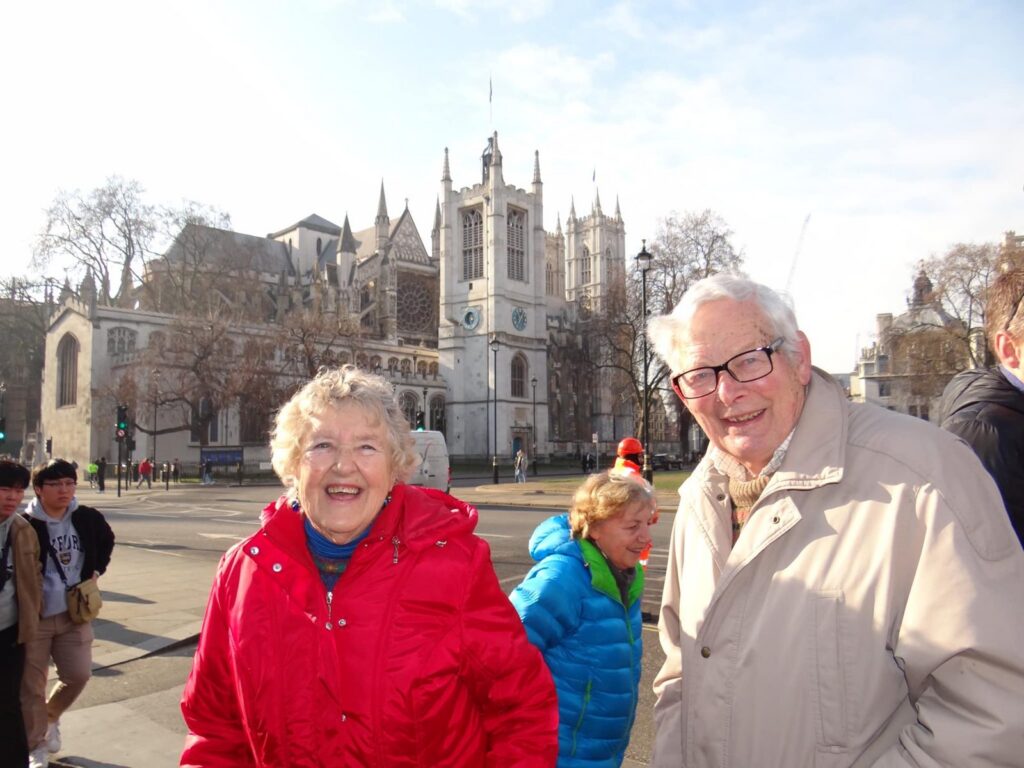
A classic marketing example compares King Charles III and rock star Ozzy Osbourne.
On paperBoth born in England in 1948, both married twice, both wealthy, both lived in castles.
In real lifeTheir habits, tastes and motivations could not be more different.
The lessonDemographics are where a persona starts, not where it finishes.
Build one in five steps
Build someone you could text.
- Find real conversations. Reviews, forums, comments.
- Spot patterns. What keeps coming up.
- Add secondary research. Fill the gaps with data.
- Build one specific, named person. Someone you could text.
- Test it. Could you make a real decision with this persona?
The five steps in more detail
- Find conversations. Go where your audience already talks: Reddit, reviews, forums, comment sections, Facebook groups. Don’t ask people what they think. Read what they say when no one’s watching.
- Identify patterns. Look for repeated language, shared frustrations and common goals. What words do they use? What do they complain about? What do they wish existed?
- Add context. Layer in secondary research: industry reports, social listening tools, competitor reviews. Fill in what you can’t find in conversations alone.
- Build the persona. Synthesize the patterns into one specific, named person. Give them a job, a routine, a fear, a quote. Make them feel real enough to argue about.
- Validate usefulness. Ask: “Can I use this persona to make a real decision?” If you can’t answer “what would Marcus do here?”, go back and make it more specific.
Good personas are built from real research, not assumptions about a demographic category. The more specific your persona feels, the better the strategic decisions it enables.
The journey in five stages
From first notice to telling a friend.
- 1AwarenessThey discover the brand.Ask: what triggers the need?
- 2ConsiderationThey research and compare.Ask: what do they compare, and what earns trust?
- 3DecisionThey buy, or they quit.Ask: what moves them forward?
- 4RetentionThey stay after the purchase. Some maps call this Adoption.Ask: what brings them back?
- 5AdvocacyThey tell others.Ask: what story would they tell a friend?
Think, feel, do at every stage
A journey map is more than a list of actions.
At each stage, record what the person is thinking (questions, concerns), feeling (anxiety, excitement, satisfaction) and doing (searches, research, touchpoints with the brand).

See it in the wild
Disney mapped the whole day.
Disney’s MagicBand came from studying how guests think, feel and act from hotel to park.
ThinkingWhere are my tickets? Where is my room key? How do I pay?
FeelingStress at the gate and lines that break the magic.
DoingOne wristband now opens the room, gets you in the park and pays for lunch.
Real journeys aren’t linear
People skip, loop and quit. Map the dropouts first.
People skip stages, loop back or abandon at checkout. Map the dropout moments first. That is where strategy matters most.
Text version of this diagram
Advocacy entry
A friend texts a link and the person buys in minutes, skipping every earlier stage.
Consideration loop
The person moves between awareness and consideration for months before deciding.
Decision abandonment
They reach checkout, hit confusion and leave for good.
Onboarding skip
They skip onboarding entirely and leave before they understand the product.
Four ways real journeys break the model: patterns to watch for when people skip, loop or quit
The five-stage model is a framework, not a fact. Real people enter at unexpected points, loop back and quit at the worst moments.

See it in the wild
Google named it the messy middle.
Google’s 2020 research found that shoppers loop between exploring and evaluating before they buy.
ExploreSearch, scroll, read reviews and open more tabs.
EvaluateCompare, narrow down, then go back to exploring again.
Your moveShow up in the loop with reviews and clear answers, not just at the checkout.
Look for the fear
The strongest persona insight is often a fear, not a goal.
Ask what the person is afraid will go wrong, then design for that moment.
Example persona: Diane, 54, the anxious first-time host
Diane wasn’t afraid of the work. She was afraid of the stranger.
A Portland art teacher with a spare bedroom and a heavier mortgage. She has started the Airbnb signup twice and closed the tab.
Guess each part of Diane’s persona, then tap to check.
MotivationWhat does Diane need?
FrictionMoney, logistics or something else?
HabitsWhere does she go at 11pm?
TrustWhat would help her say yes?
Diane’s full persona
Diane, 54, Portland, OR, high school art teacher. Recently divorced. Her youngest just left for college. She has a spare bedroom and a mortgage that feels heavier than it used to. A colleague mentioned Airbnb at lunch, and she went home and spent three hours reading horror stories on Reddit.
In her head: “What if they steal something? What if they trash the place? What if I let a stranger into my home and I can’t get them out?”
A day in her life: wakes at 6am, grades papers in the evening, watches HGTV on weekends. Googles things like “is Airbnb safe for hosts” and “Airbnb host nightmare stories” at 11pm. Has told no one she’s considering it.
- Motivations: needs $400 to $600 a month to feel financially stable again; wants to feel like she’s doing something smart and proactive; the spare room feels like wasted potential, and a reminder her kid is gone; curious about meeting people from different places.
- Friction points: fear of strangers in her home is the #1 barrier, not money, not logistics; doesn’t trust that Airbnb will protect her if something goes wrong; overwhelmed by setup (pricing, photos, house rules, calendar); worried neighbors will judge her or that it’s somehow “not respectable”; has started the signup flow twice and closed the tab.
- Digital habits: Google searches driven by fear (“Airbnb host problems”, “is it worth it”); reads long Reddit threads, especially negative ones; watches YouTube “day in the life of an Airbnb host” videos; trusts personal stories over marketing and needs to hear from someone like her.
- Trust signals: verified guest profiles and two-way reviews are essential; needs to know she can say no, set rules and kick someone out; the $1M Host Guarantee matters, but only if she believes it’s real; would trust a friend’s recommendation over any ad.
Airbnb’s insight: every product decision that followed, verified IDs, two-way reviews, the Host Guarantee, was built for this exact fear.
Example persona: Marcus, 38, the adult LEGO fan
LEGO built whole product lines for Marcus, not his kids.
“I’m not buying a toy. I’m buying two hours where my brain finally shuts up.”
Motivation
A creative outlet that produces something tangible. Deeply nostalgic.
Friction
Hard to justify $250. Worries about being judged: “isn’t that for kids?”
Digital habits
Reddit nightly, full YouTube build videos. Never clicks ads.
Trust signals
Peer reviews from other adult fans carry everything.
Marcus’s full persona
Marcus, 38, Austin, TX, UX designer. Married, two kids (7 and 10). Works from home 4 days a week. Unwinds after the kids go to bed: that’s his time. He discovered the LEGO Botanical Collection on Reddit at 11pm and had it in his cart by 11:04.
A day in his life: commutes by bike, listens to design podcasts, scrolls Reddit during lunch, watches YouTube build reviews before bed.
- Motivations: needs a creative outlet that produces something tangible; deeply nostalgic (his first set was a Space Shuttle at age 9); wants to feel like he’s good at something outside of work; secretly proud of his display shelf.
- Friction points: hard to justify $250 to himself (and his wife); worries about being judged (“isn’t that for kids?”); overwhelmed by the catalog and doesn’t know where to start with new themes; has abandoned carts twice after seeing the shipping cost.
- Digital habits: Reddit (r/lego, r/legoart) nightly; YouTube, where he watches full build videos before buying; Instagram, where he follows @lego and 3 adult fan creators; never clicks ads and discovers through community posts and “haul” videos.
- Trust signals: peer reviews from other adult fans carry everything; piece count and build complexity matter more than price itself; a YouTuber he trusts is worth more than any campaign; responds to “limited edition” and “retiring soon” urgency.
LEGO used insights like this to launch the 18+ line, the Botanical Collection and the Icons series, all designed for Marcus, not his kids.
Quick check
Where are they in the journey? What’s going on?
For each moment, name the stage and whether it is thinking, feeling or doing. Bonus: spot the moment that breaks the model.
- 1Diane opens the Airbnb signup for the second time, then closes the tab.
- 2Marcus watches a full YouTube build video of the Botanical set before he buys.
- 3Diane wonders, “What if I can’t get them out?”
- 4A friend texts Marcus a link to a new set, and he checks out four minutes later.
Check your answers
- Decision, doing. Decision abandonment: she reached the point of signing up and quit. Map this dropout first.
- Consideration, doing. He is researching and comparing, with a source he trusts.
- Consideration, thinking. A concern, and the fear behind her friction point.
- Decision, by advocacy entry. A friend’s link let him skip every earlier stage.
AI drafts, you humanize
AI drafts. You make it human.
AI can draft a persona in seconds, but the first version is usually generic. Treat it as a rough draft, then make it human, local and real.
- Write specific prompts with context: the business, the city, the audience and what you need back.
- Ask for motivations, fears and desires, not just demographics.
- Check the result against real reviews, local context and real conversations.
- Add local detail AI is likely to miss.
AI drafts, you humanize: sample prompts and how to make the result real
Sample prompt: “You are a marketing strategist for [business] in [city]. Create a persona for an ideal customer, including goals, frustrations, motivations, fears and preferred platforms. Make it realistic and specific.”
Follow-up prompt: “For this persona, design a five-stage journey map showing what the customer is thinking, feeling and doing at each stage.”
Then ask yourself: Did the first draft feel real, or did you have to humanize it? What did you change, and why?
The takeaway
Marketing is an act of understanding.
Personas and journey maps aren’t templates to fill out. They’re a discipline: understanding another person’s life well enough to show up in it meaningfully.
- 1See the humanBefore strategy, channels or copy: who is this person, really?
- 2Map their realityWhere are they in their journey? What are they feeling at each stage?
- 3Earn the right to speakShow up at the right moment with the right message. No need to shout.
Interrupt or resonate
That’s what separates marketing that interrupts from marketing that resonates. A brand that understands its audience doesn’t need to shout. It just needs to show up at the right moment with the right message.
Real brands in action
See it in real brands.
Each case study shows these ideas at work. Open one to read the full story.
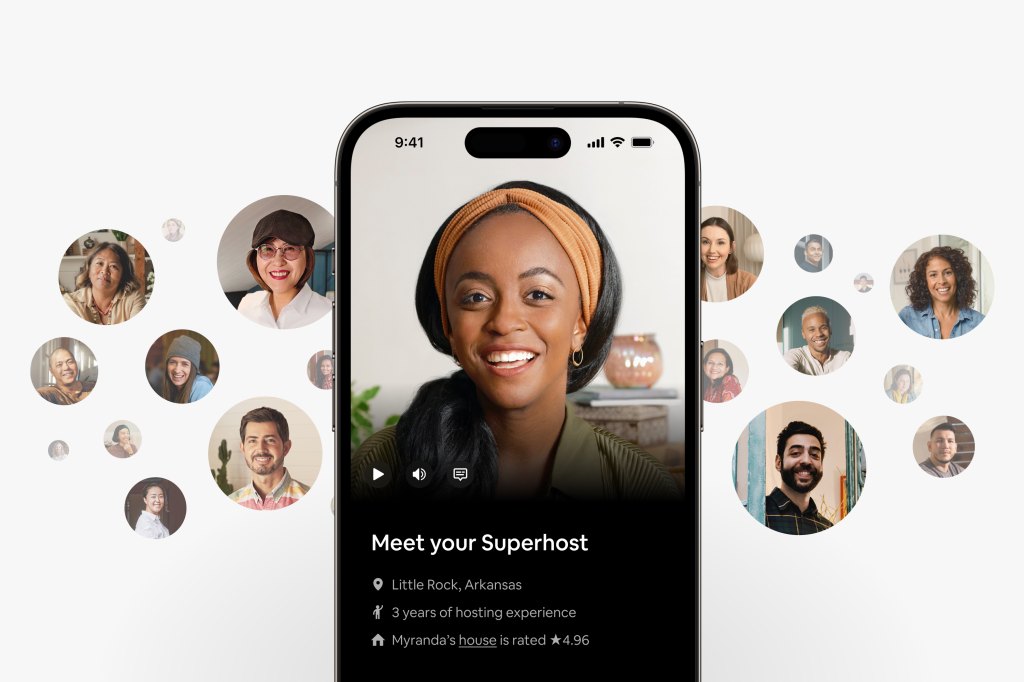
Airbnb: designing for the host’s fear of strangers
Airbnb’s growth depended on one insight about the host side of its market, that letting a stranger into your home feels dangerous, and the company only fully acted on it after a crisis forced the issue.
The lesson: A persona insight you actually act on is worth more than a strategy document.
Image courtesy of Airbnb
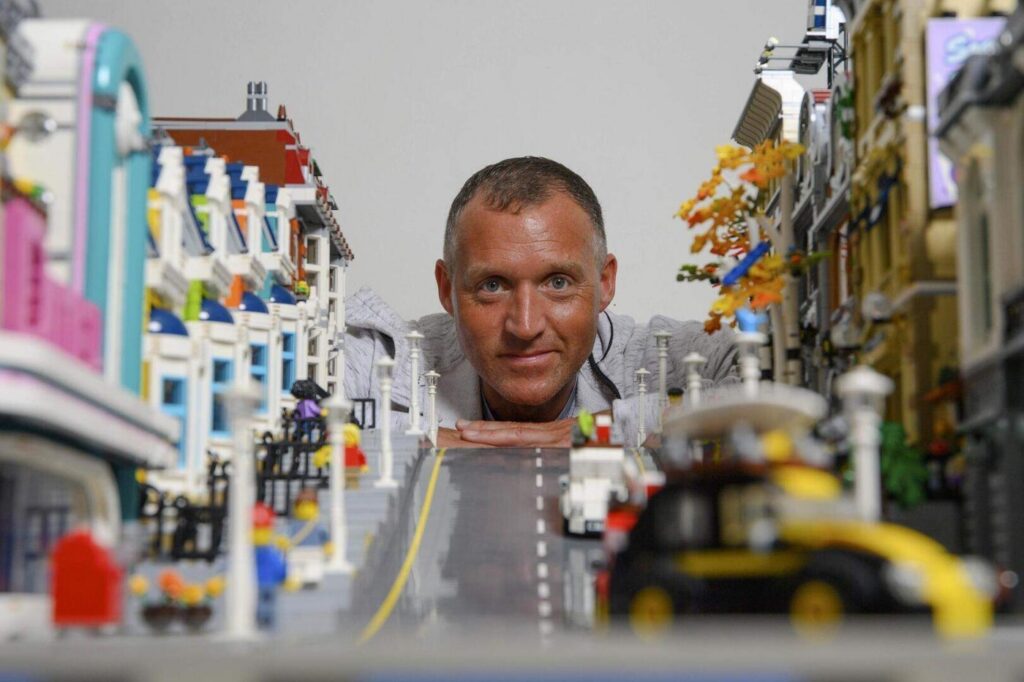
LEGO: finding the adult audience that was already there
After nearly running out of cash in the early 2000s, LEGO learned to listen to its fans, and found a second audience, adults, that it had been treating as an afterthought.
The lesson: Listen closely and you may find a whole segment you’ve been ignoring.
Image courtesy of LEGO
Real brands in action, continued
More real brands to study.
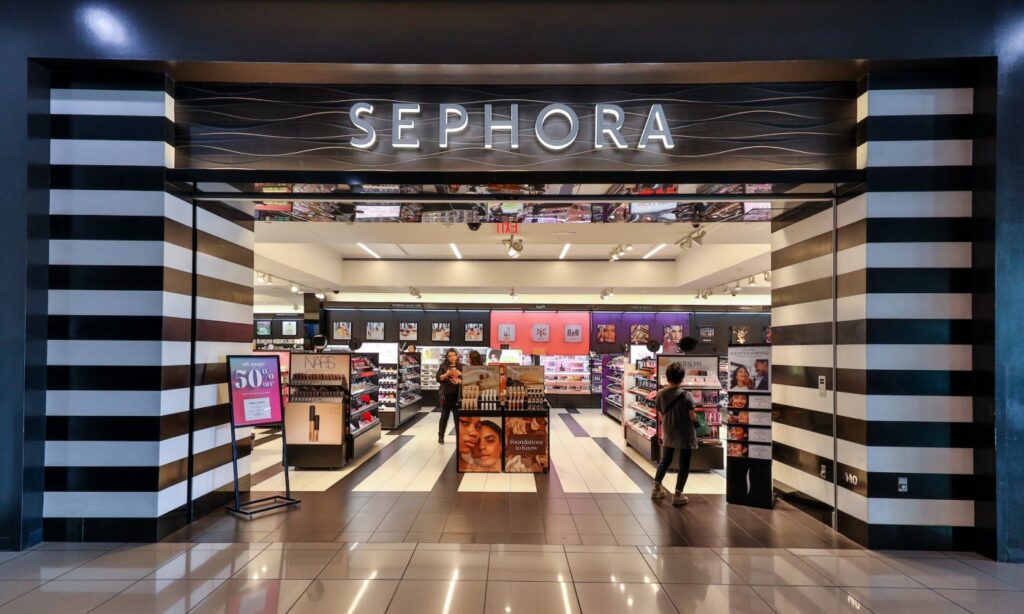
Sephora: Personas That Change What Each Shopper Sees
Sephora’s loyalty program and data tools let it serve very different beauty shoppers in different ways, which is the point of a persona: it has to change the experience, not just describe the customer.
The lesson: Personas only matter when they change what each customer actually sees.
Image courtesy of Sephora
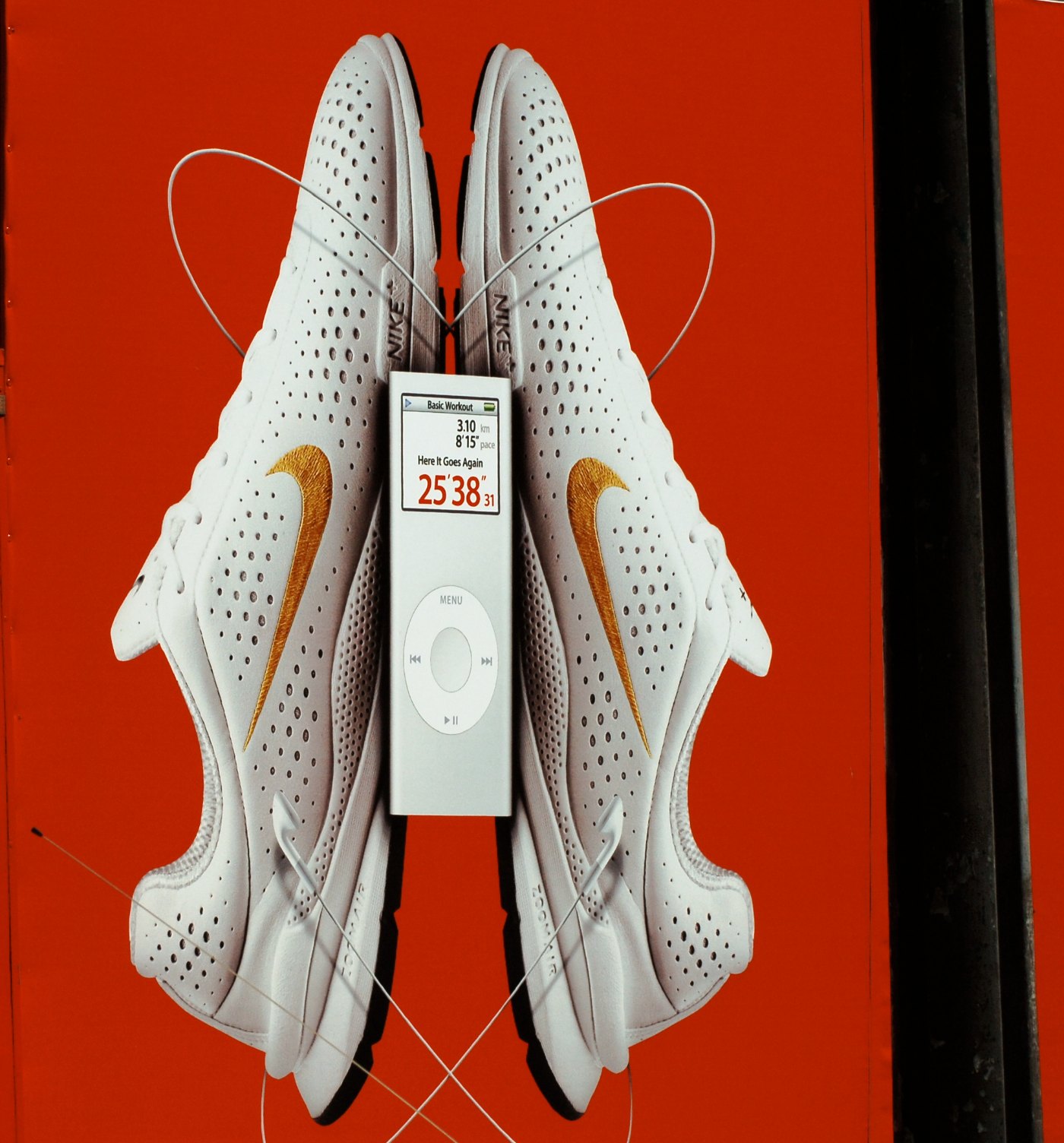
Nike: a different job at every stage of the journey
Nike does not send the same message to everyone. It gives each stage of the customer journey its own tool, from athlete stories that inspire to free apps that keep people active long after the purchase.
The lesson: Map what the customer needs at each stage, then show up there on purpose.
Photo: Pedro Ribeiro Simões from Lisboa, Portugal (CC BY 2.0), via Wikimedia Commons. Brand: Nike
Brand images are shown for educational purposes only. Each image and trademark belongs to the brand credited.
Mystery brand
Name the Brand Behind the Persona
Each brand designed for a specific person at a specific stage; guess the brand in as few clues as you can.
Try it
Interactive tool · practice it
Tool · MARK 465
Journey Walk Lab
HearthBox sells meal kits. Walk three personas through their journey and see how feelings, touchpoints and the right content change.
- 1Pick a persona
- 2Walk the stages
- 3Find the low point
Journey stage
Content that fits
On their mind
Full journey
Do it
Class work for this topic. The in-class activity counts toward participation, and you get feedback on it.
In-class group activity
Kill Millennial Megan
One named, behavior-based persona for your brand, a three-stage journey with its dropout moment, and the decision it changes. A 25-minute group activity. Each case study below has its own group activity too. Dr. Morris gives the password in class.
Put it to work: Persona & Audience Journey Map
Pick any real brand and build one persona: a specific person who buys from it, or should. Map how that person goes from never having heard of the brand to loyal customer, then finish with one strategic insight the brand should act on. This work comes back later: your team builds its audience synthesis from everyone’s personas, and it goes in your portfolio.
Build it in five steps
Build the persona profile
Fill in every field until it sounds like one person you could text. Use the template below. Practice cutting generic details in the Kill Millennial Megan activity, and use SEO and AI Discoverability for free tools that show the real questions people type.
Your deliverable: name, age range, occupation, lifestyle, digital habits, platforms, what they Google, and what they buy and why.
Name pain points and motivations
Use real customer words from reviews, forums and comments. Look for the fear behind the decision. The Airbnb case study shows one fear reshaping a product.
Your deliverable: what frustrates them and what progress they want.
Map the journey
Use 3 to 5 stages, from never heard of the brand to loyal customer. Record what the person thinks or feels at each one. Walk a sample persona through the Journey Walk Lab first.
Your deliverable: the stages, with the persona’s thoughts or feelings at each.
Make every touchpoint specific
Each touchpoint is channel + content piece + moment. See the Nike case study. For channel ideas, see Social Media and Short-Form Video and Email and Lifecycle Marketing.
Your deliverable: specific content, channels and touchpoints at each stage.
Write one strategic insight
Use the four ways journeys break to find the lowest point, and fix that first.
Your deliverable: the single most important thing the brand’s digital strategy should do, in one sentence.
Persona profile templateEach field, too generic vs. specific enough (Owala example)
If a row could describe thousands of people, it is still a demographic. The example is for Owala water bottles, the same brand as the Try it activity.
- Find what they Google: type the problem (not the brand) into Google and write down the autocomplete suggestions and the People also ask questions.
- Find their words: read 1 to 3 star reviews of the product and its competitors, and search Reddit for the problem. Copy exact phrases into your pain points.
- Label what is research and what is a guess. A persona can include educated guesses, but you should be able to point to where most details came from.
| Field | What to write | Too generic | Specific enough |
|---|---|---|---|
| Name and snapshot | One sentence: who they are and what is going on in their life right now | Sarah, female, 25 to 34 | Priya, 31, a night-shift ICU nurse who drinks water in gulps between patients |
| Occupation and lifestyle | Schedule, budget, who they listen to | Busy professional | Three 12-hour shifts a week; gym on days off; buys what her coworkers swear by |
| Digital habits | When, where and how long they scroll, and on what device | Uses social media a lot | Scrolls TikTok on her phone in the break room and in bed after a shift |
| Platforms | Each platform and what they do there | Instagram, TikTok | TikTok for product reviews; Instagram to watch friends’ stories; Reddit (r/nursing) for unfiltered advice from other nurses |
| What they Google | 3 to 5 searches in their own words | water bottles | “water bottle that doesn’t leak in bag”, “owala vs stanley”, “how to clean owala lid” |
| What they buy and why | A recent purchase and what triggered it | Buys quality products | Bought compression socks after three coworkers recommended the same pair |
| Pain point | A specific frustration, ideally in their words | Wants convenience | “My last bottle leaked all over my badge and charger.” |
| Motivation | The progress they want | Wants to be healthy | Wants to actually finish a bottle of water during a shift without thinking about it |
Specific touchpoints: Priya’s journeyChannel + content piece + moment at every stage
A touchpoint is not a channel. These are proposed touchpoints, not claims about what Owala does today.
| Stage | What Priya thinks or feels | Specific touchpoint | Too vague |
|---|---|---|---|
| Awareness | “My bottle leaked in my bag again.” | A nurse creator’s “what’s in my work bag” TikTok that shows the lid locking, seen on her break | Social media ads |
| Consideration | “Will it really not leak? Is it worth the price?” | She searches “owala vs stanley” on TikTok and Google, watches a leak test video and reads an r/nursing thread | She researches online |
| Decision | “Which color, and can I get it today?” | A Google result for a nearby store with the product in stock and reviews that mention leaks | Website |
| Retention | “The lid is getting gross. Is this still worth it?” | A short email a week after purchase with a 30-second lid cleaning video | Follow-up emails |
| Loyalty and advocacy | “My coworkers keep asking where I got it.” | She posts her bottle on an Instagram story; the brand reposts it and invites her to vote on the next color | Word of mouth |
Write the strategic insightThe formula, a weak and a strong example, and a test
Your insight is one sentence the brand could act on next week: Because [persona] [specific behavior or fear you found], [brand] should [one specific digital move] so that [result].
- Weak: “Owala should use social media to connect with customers.” (Any brand could do this. It is not a choice.)
- Strong: “Because nurses like Priya trust coworkers and nurse creators more than ads, and their biggest fear is a leak at work, Owala should fund shift-worker creators to run real leak tests instead of buying more polished video ads, so that the first video Priya sees answers her fear.”
- Test it: Is it one move, not a list? Could a smart person disagree with it? Does it point back to something in your persona or journey map? If not, rewrite it.
Before you submitCheck your persona and map against this list
- [ ] My persona feels like one real person, not a demographic. They have a name and a life.
- [ ] Every profile field is filled in, including digital habits, platforms and what they Google.
- [ ] My “what they Google” list uses real search phrases, not topics.
- [ ] Pain points and motivations come from real customer words (reviews, forums, comments), not my assumptions.
- [ ] My journey has 3 to 5 stages and goes from never heard of the brand to loyal customer.
- [ ] Every stage names a specific touchpoint: channel, content piece and moment.
- [ ] I included what the persona thinks or feels at each stage, not just what the brand does.
- [ ] My strategic insight is one clear, opinionated move that someone could disagree with.
- [ ] My insight points back to evidence in my persona or journey map.
Go further
Optional, and worth it. Go past the in-class work: read a case, try the tool and earn this topic’s chip. Finish the chips across the course and you get a marketing funnel card you can post on LinkedIn to show your effort and skills.

From our farm
What flopped: Marketing Monday
Didn’t play
We tried Marketing Monday posts on the farm accounts. Marketing is what I teach, so it felt natural. It didn’t play, because it didn’t match our audience.
Good content for the wrong persona is still the wrong content. Monday in our plan is now a story-driven start: a lesson from the weekend or a real moment from the farm.
Where is your own expertise tempting you to make content your persona never asked for?
Featured episode · The Marketer Exchange
Building Customer Experience Strategies with Data, Empathy, and AI
Nora von Arnim, Strategy Director, RAPP
A strategy director on designing customer journeys with data and empathy together.
Listen for
- How journeys and personalization get built
- Where data helps and where it misleads
- How AI fits into strategy work
Watch on YouTube (opens in a new tab) Listen on Apple Podcasts (opens in a new tab)
Courtesy of The Marketer Exchange (opens in a new tab), hosted by Zach Thompson, PhD. Follow:
From the blog
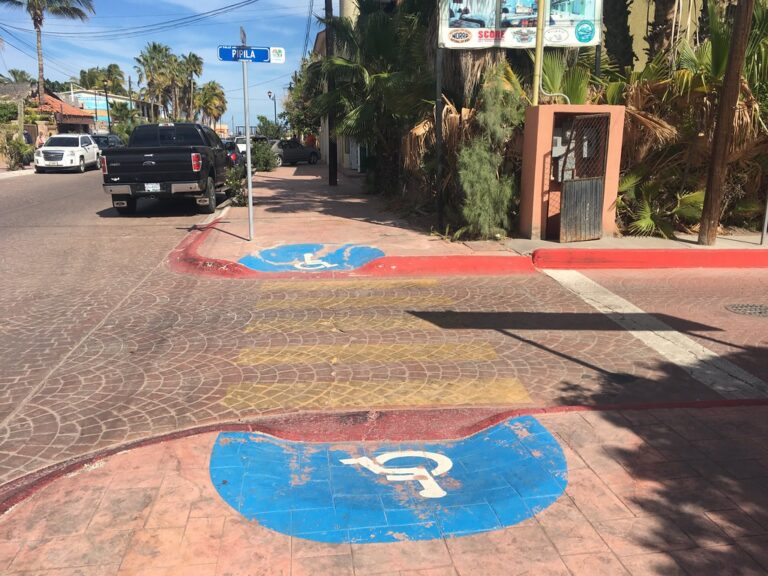
Design for the Edges: Why Accessibility Is Just Good Marketing
Use the persona spectrum to see who your journey leaves out.

Unlock this topic
Do the work, earn the chip
Finish each step on this page to unlock the button that adds this topic to your course card.
Back to all Marketing 465 topics
Frequently asked questions
Frequently asked questions
What is a marketing persona?
A marketing persona is a semi-fictional profile of one ideal customer, built from data, real customer insight and empathy. A useful persona goes past demographics to include behavior, motivations, friction points, trust signals and digital context. It is only useful if it helps you make a real decision, such as writing a headline or picking a channel, and it should be updated as you learn more.
What is the difference between a persona and a journey map?
A persona describes one specific customer: who they are, what they want, fear and trust. A journey map follows that person through five stages, from awareness and consideration to decision, retention and advocacy. At each stage it records what the person is thinking, feeling and doing. Start with the person, not the product, then map the journey.
What makes a persona weak versus useful?
A weak persona like "Millennial Megan, 28 to 35, values authenticity, active on social media" lists traits but supports no decisions. A useful one like "Kayla, 29, Nashville" names behavior: she shops on her phone during her commute, reads three reviews before buying and feels guilty about fast fashion. Weak personas also skip fears and trust signals, which often hold the strongest insight.
How did Airbnb use a persona to understand hosts?
The example persona Diane, an anxious first-time host, shows that the biggest barrier for would-be Airbnb hosts was fear of strangers, not money or logistics. She searched "is Airbnb safe for hosts" late at night and trusted verified profiles, two-way reviews and host protection. The lesson: the strongest persona insight is often a fear, and every product decision that followed answered it.
How should you use AI to create a persona?
Use AI for a rough first draft, then humanize it. Write specific prompts with the business, city, audience and what you need, and ask for motivations, fears and desires, not just demographics. Check the result against real reviews, local context and real conversations, and add local detail AI is likely to miss, since first drafts are usually generic.