Case study · Marketing 465 · Market Research and Social Listening
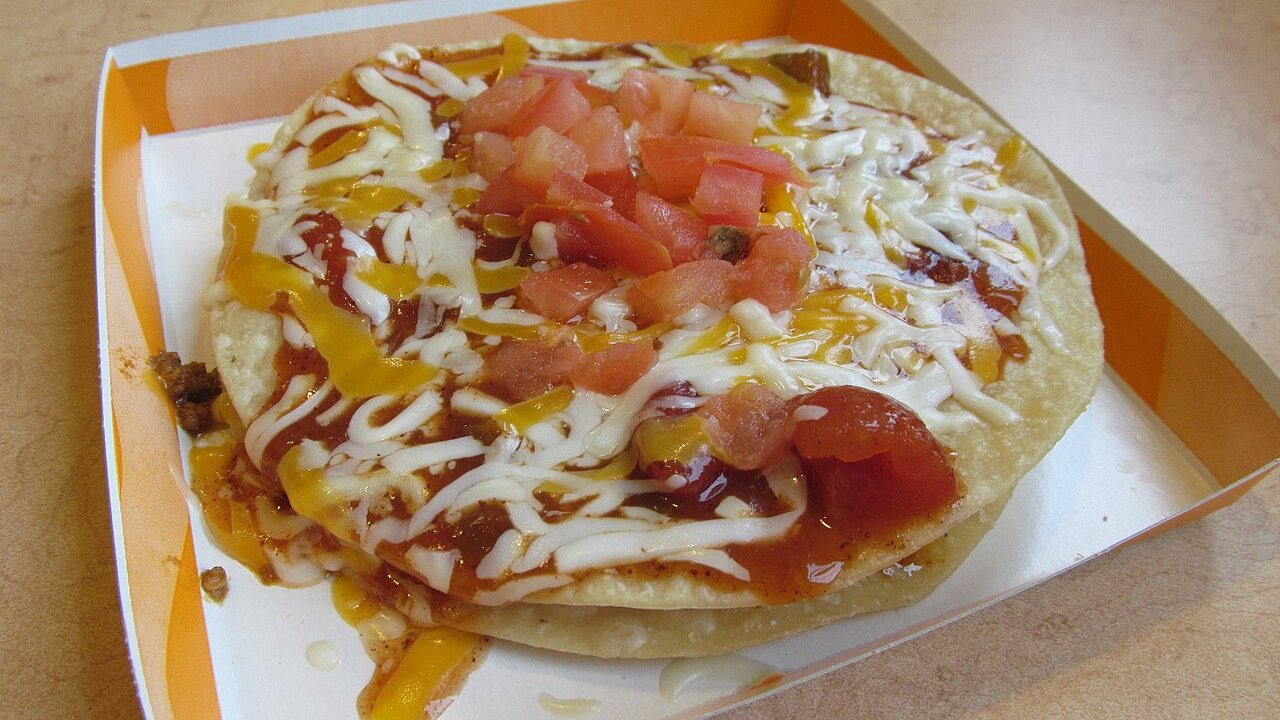
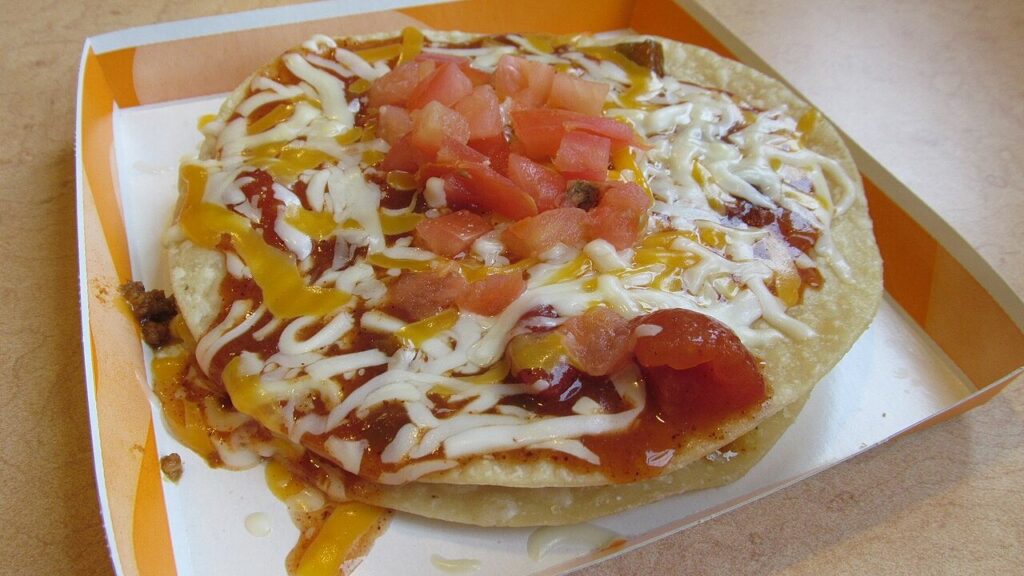
When Taco Bell cut the Mexican Pizza in 2020, a fan petition, a pop star and a TikTok musical turned the loss into one of the biggest menu comebacks in fast food. The return sold out in about two weeks because Taco Bell listened, then let the fans tell the story.

Brand
Taco Bell (Yum! Brands)
Year(s)
2020 to 2022
Channel(s)
Change.org, Twitter, TikTok, Coachella, loyalty app, earned media
Goal
Turn loud fan demand for a cut menu item into a relaunch the fans felt they owned
Topic
Market Research and Social Listening
171,000+
Signatures on the fan petition to bring the Mexican Pizza back (Axios, 2022)
7x
Demand at relaunch compared with when the item was last on the menu (CNN, 2022)
15 billion+
Earned media impressions from the comeback, as reported by Taco Bell’s team (ClickZ, 2022)
77 million+
TikTok views for Mexican Pizza: The Musical (ClickZ, 2022)
The situation
The Mexican Pizza debuted in 1985 as the Pizzazz Pizza. In November 2020, during pandemic menu cuts, Taco Bell dropped it after 35 years.
For one group of fans the loss stung more than most. Many South Asian American and vegetarian customers had ordered it for years with beans instead of beef. It was one of the few fast food meals that worked for them, and it had become a shared joke and comfort food in that community.
The challenge
Fans were loud online, but a brand cannot bring back every item people miss. Taco Bell had to decide whether the noise was a real business signal or a small, passionate group.
If it did bring the item back, the relaunch also had to feel like the fans’ win, not a corporate stunt. And the supply chain had to keep up. Taco Bell’s team said the peppers for the sauce alone take nine months to grow and harvest.
What they did
Krish Jagirdar, a vegetarian fan raised in an Indian American family, started a Change.org petition. It spread through texts, emails and family group chats and passed 170,000 signatures. Taco Bell reached out and thanked him personally before announcing the return, then put him first in line on launch day.
Taco Bell watches social conversation from a listening room in Irvine, California, which staff call The Fishbowl. It has twelve screens and a daily morning stand-up with PR, social, operations and legal. Rapper Doja Cat had tweeted for the item’s return, and Taco Bell spent about a year building a partnership with her, giving her creative control.
- The reveal: Doja Cat announced the comeback on stage at Coachella in April 2022.
- Fans first: loyalty members got early access before the May 19, 2022 return.
- The musical: Taco Bell built Mexican Pizza: The Musical for TikTok with a fan creator, Victor Kunda, plus Doja Cat and Dolly Parton.
- The partners: the brand used real fans and celebrities who were already fans, not paid strangers.
As Taco Bell’s head of marketing communications put it, social conversations are not proprietary information. Anyone can see them. The edge is moving fast with the right people.
What happened
- May 19, 2022: the Mexican Pizza returned nationwide (NPR, 2022).
- Late May 2022: stores ran short. Demand was about seven times higher than before, and Taco Bell said it was a supply shortage, not a cancellation (Axios, 2022).
- May 2022: one California store sold more than 1,000 in a day and one customer bought 180 at once. Dolly Parton recorded a thank-you message to lift worn-out crews (Business Insider, 2022).
- May 2022: the musical’s TikTok premiere was postponed; it streamed later in 2022 and drew more than 77 million views (TODAY, 2022; ClickZ, 2022).
- August 2, 2022: Taco Bell announced the item would return for good on September 15 and denied the sellout was a publicity move (CNN, 2022).
- October 2022: Taco Bell’s team reported about 13,500 articles and broadcast segments and over 15 billion earned impressions (ClickZ, 2022).
Why it worked
The demand was specific and easy to see. A petition with a name and a number is a cleaner signal than scattered complaints. It told Taco Bell how many people cared and who they were.
Taco Bell treated fans as a community, not an audience. It thanked the petition starter, partnered with a fan creator and let Doja Cat control her own reveal. Fans got to be part of the story, so they shared it.
The listening system was already built. The Fishbowl and the daily cross-team stand-up meant legal, operations and PR were in the room. That let the brand move on a fan idea without months of meetings.
Where it gets complicated
- Was it a stunt? Some fans suspected the sellout was planned scarcity. Taco Bell denied it, but the second shortage did help keep the item in the news all summer.
- Loud is not the same as big. The item was cut in part because of the pandemic menu cleanup, and one report also points to weak demand. A petition shows passion. It does not prove that enough people will buy.
- Sellouts have a cost. Frontline workers took the anger when stores ran out. Demand you cannot supply can hurt the people serving it.
- The best numbers come from the brand. The earned media and TikTok view counts were reported by Taco Bell’s own team.
The takeaway
The marketing principle
Listen for demand that is specific, then make the fans part of the answer. A clear signal from a real community is worth more than general buzz. When you act on it, give credit and a role to the people who asked, and make sure you can deliver what you promised.
Sources
- Taco Bell is bringing back the Mexican pizza, and South Asians are rejoicing, NPR (2022)
- Taco Bell is selling out of Mexican Pizza, Axios (2022)
- Taco Bell Mexican Pizza return date, CNN (2022)
- Taco Bell Mexican Pizza musical with Dolly Parton and Doja Cat, TODAY (2022)
- Dolly Parton helped boost Taco Bell workers’ morale when the Mexican Pizza kept selling out, Business Insider (2022)
- How Taco Bell’s social strategy made its Mexican Pizza a sell-out success, ClickZ (2022)
Group activity for this case
Find Your Client’s Mexican Pizza
Hunt for something your client’s fans keep asking for, test whether the demand is real, and plan a comeback the fans help tell. A 20-minute group activity. Dr. Morris gives the password in class.
Use this case in: Market Research and Social Listening · Community vs. Audience · All case studies
Use and share this case
Free to use in your own classroom, training or team, and to adapt for non-commercial teaching, with credit to Dr. Jules Morris, Haslam College of Business, University of Tennessee. The text is licensed CC BY-NC 4.0. Brand photos and trademarks belong to their owners and are not covered by this license.
Brand names, images and trademarks belong to their owners and appear here for educational purposes only.