Case study · Marketing 465 · Measurement: KPIs and Dashboards
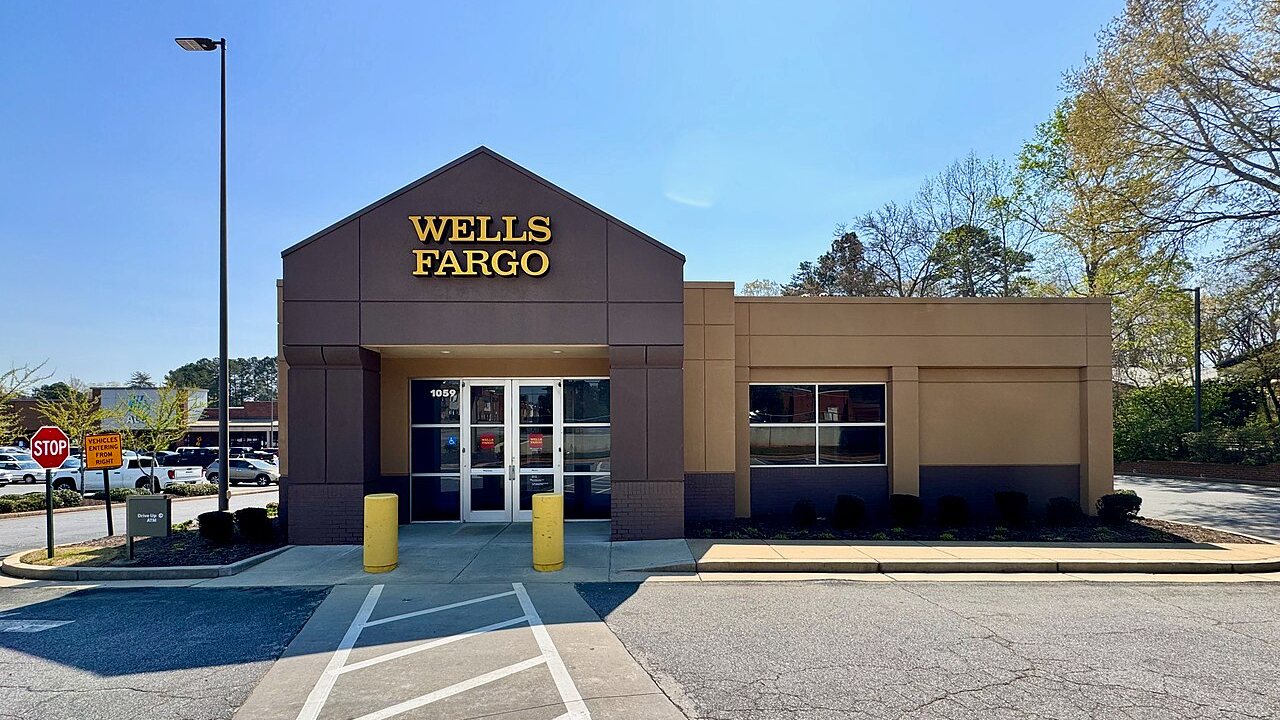
Wells Fargo wanted every customer to hold eight of its products, because “eight rhymes with great.” Under heavy pressure to hit sales goals, employees opened millions of accounts customers never asked for, and the bank paid billions for it.

Brand
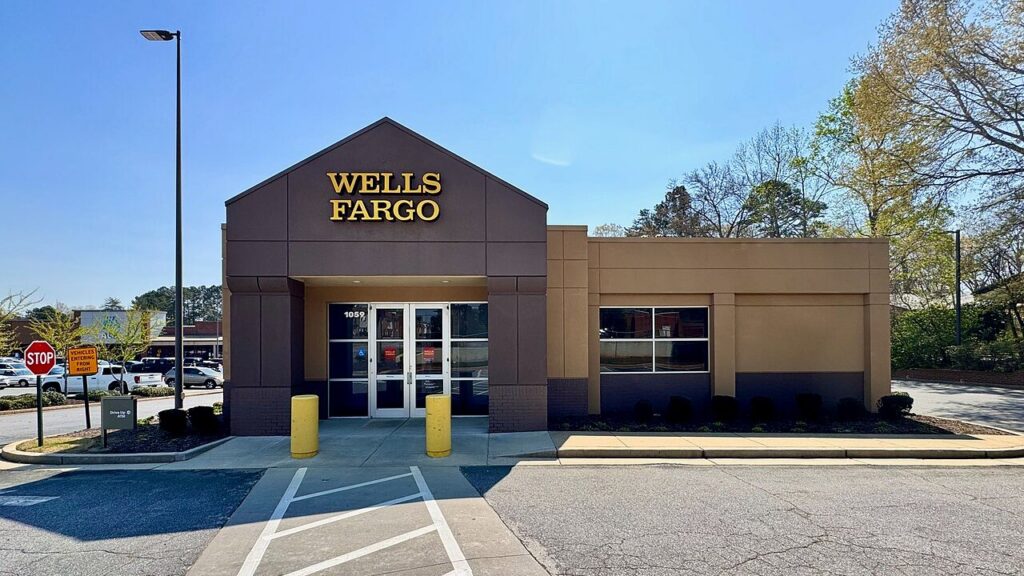
Wells Fargo
Year(s)
2002 to 2020
Channel(s)
Retail bank branches, sales goals, incentive pay
Goal
Grow by selling more products to existing customers (cross-selling)
Topic
Measurement: KPIs and Dashboards
8 vs. 6.11
The bank’s goal for products per customer vs. the 2015 reality (American Banker)
~2 million
Possibly unauthorized deposit and credit card accounts found by the bank’s own review (CFPB, 2016)
5,300
Employees fired for sales practice violations from 2011 to early 2016 (Wells Fargo board report, 2017)
$3 billion
Paid to settle criminal and civil investigations into the sales practices (U.S. Department of Justice, 2020)
The situation
For decades, Wells Fargo was praised as the best cross-seller in banking. The idea was simple: it is cheaper to sell a second or third product to a customer you already have than to win a new one. Leaders tracked the number of products per household, and Wall Street watched it too.
The bank set a long-term goal of eight products per customer. Senator Elizabeth Warren later mocked the reason given for the number: eight rhymes with great. By 2007 the retail ratio was about 5.5, and it kept inching up.
The challenge
Most customers do not need eight bank products. Growth in the ratio stalled around six, but the goals kept climbing. Branch staff were ranked against each other and paid bonuses based on daily sales counts.
The bank’s leaders set many plans so that only half of regions were expected to hit them. In 2004 even the head of the community bank warned in an email that chasing one metric invites low-value, unfunded accounts. The measure had become the mission.
What they did
Wells Fargo pushed its cross-sell number down through every layer of the bank. The independent board investigation later described a system where goals, rankings and pay all pointed the same way.
- The KPI: products per customer, reported to investors as proof the strategy worked.
- The goals: daily and quarterly sales targets set from the top and pushed down to each branch.
- The pay: bonuses that grew with sales counts, so more accounts meant more money.
- The pressure: frequent reports, scorecards and sales campaigns that ranked staff publicly.
- The blind spot: control teams were weak and spread out, and the board was not told sales practices were a major risk until 2014.
To hit the numbers, thousands of employees opened accounts without customers’ consent, sometimes using customers’ identities. Customers paid fees on accounts they did not know they had.
What happened
- 2013: the Los Angeles Times first reported phony accounts at Wells Fargo, and investigations followed (American Banker).
- September 2016: regulators fined the bank $185 million after its own review found about 1.5 million deposit accounts and 565,000 credit card applications that may not have been authorized (CFPB, 2016).
- October 2016: CEO John Stumpf resigned after tough congressional hearings (American Banker).
- April 2017: the board’s investigation blamed a distorted sales culture and clawed back tens of millions in executive pay (Wells Fargo board report, 2017).
- February 2020: Wells Fargo agreed to pay $3 billion to resolve criminal and civil investigations covering conduct from 2002 to 2016 (U.S. Department of Justice, 2020).
Why it worked
Why the KPI looked smart. Products per customer is a real sign of loyalty when customers choose those products. It is easy to count and easy to explain to investors, which is why it became the headline number.
Why it broke. Once pay, rankings and job security were tied to the count, people found ways to raise the count without creating any value. The number kept going up while the thing it was supposed to measure, happy and loyal customers, went down.
Why no one stopped it. Leaders watched the KPI instead of the customers behind it. Warnings from the field were treated as a few bad employees, not a broken system.
Where it gets complicated
- Bad actors or a bad system? The bank first blamed individual employees and fired thousands. The board report and regulators later pointed to goals and pay set at the top. Both were true, but the system made the behavior predictable.
- The metric barely moved. The board report found that removing suspect accounts changed the reported cross-sell ratio only slightly. The fraud did huge damage to customers and trust, yet did little to the number it was meant to boost.
- It is a data ethics story too. Employees used real customers’ names and information to open accounts without permission. A KPI that rewards using customer data without consent will eventually get exactly that.
The takeaway
The marketing principle
When a measure becomes a target, people will find ways to hit it that you never intended. Pair every growth KPI with a quality check that proves customers chose and use what they got, keep watching the people behind the numbers and never tie pay so tightly to one count that gaming it becomes the easy path.
Sources
- Wells Fargo Agrees to Pay $3 Billion to Resolve Criminal and Civil Investigations into Sales Practices, U.S. Department of Justice (2020)
- CFPB Fines Wells Fargo $100 Million for Widespread Illegal Practice of Secretly Opening Unauthorized Accounts, Consumer Financial Protection Bureau (2016)
- Sales Practices Investigation Report, Independent Directors of the Board of Wells Fargo (2017)
- A brief history of Wells Fargo’s sales culture, American Banker (2016)
- Here Are All of Elizabeth Warren’s Perfectly Cringe-Worthy Wells Fargo Zingers, Fortune (2016)
- With the Benefit of Hindsight: The Wells Fargo Sales Practices Investigation Report, Harvard Law School Forum on Corporate Governance (2017)
- Banking: All’s Wells, Institutional Investor (2007)
Group activity for this case
Game Your Own KPI
Pick a KPI for your client, figure out how someone could cheat it, then add a check that keeps it honest. A 20-minute group activity. Dr. Morris gives the password in class.
Use this case in: Measurement: KPIs and Dashboards · Privacy, Data and Marketing Ethics · All case studies
Use and share this case
Free to use in your own classroom, training or team, and to adapt for non-commercial teaching, with credit to Dr. Jules Morris, Haslam College of Business, University of Tennessee. The text is licensed CC BY-NC 4.0. Brand photos and trademarks belong to their owners and are not covered by this license.
Brand names, images and trademarks belong to their owners and appear here for educational purposes only.