Case study · Marketing 475 · Accessible and Inclusive Design
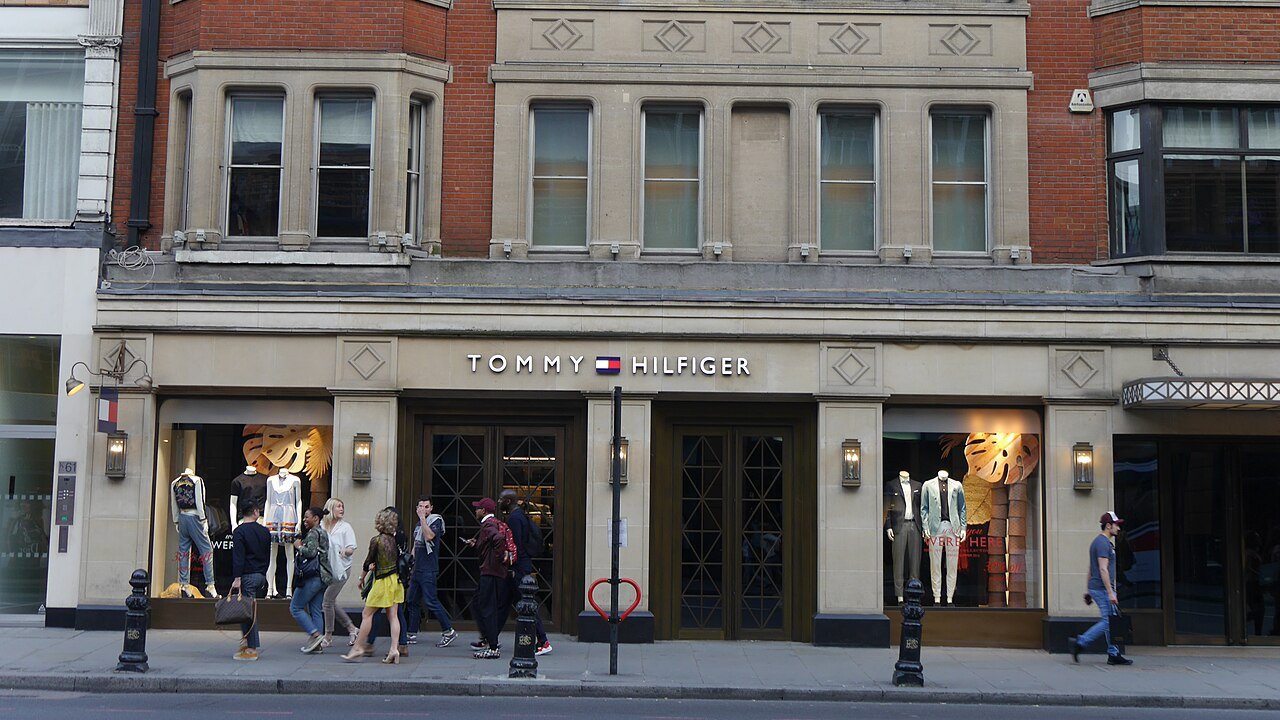
Tommy Hilfiger took its regular collection and rebuilt it for people with disabilities: magnets instead of buttons, openings for leg braces, the same look and the same price. It started by listening to the parents and kids who were already altering their clothes.

Brand
Tommy Hilfiger (Tommy Adaptive)
Year(s)
2016 to 2021
Channel(s)
Product design, e-commerce, campaign photography with disabled athletes and creators
Goal
Make mainstream fashion that people with disabilities can put on themselves
Topic
Accessible and Inclusive Design
22
Pieces in the first adaptive kids line, launched online in 2016 (Disability Scoop, 2016)
Same price
Each kids adaptive piece cost the same as its regular version (Disability Scoop, 2016)
71
Styles in the 2017 adult line, 37 for men and 34 for women (Fortune, 2017)
1 in 4+
U.S. adults who have some type of disability (CDC, 2026)
The situation
Getting dressed is a daily task most people never think about. For someone who uses a wheelchair, wears leg braces or has limited use of their hands, small buttons, stiff zippers and narrow pant legs turn it into a struggle.
Mindy Scheier saw this with her son Oliver, who has a rare form of muscular dystrophy and wears leg braces. She started adapting his jeans herself, then founded the nonprofit Runway of Dreams to push brands to do the same (Disability Scoop, 2016).
The challenge
Adaptive clothing existed, but it often looked medical. Kids want to dress like their friends. Parents told Tommy Hilfiger’s team they were paying to alter clothes so their children could wear them (HollywoodLife, 2017).
The brand also had a marketing problem. “Adaptive” was a new word in fashion, shoppers did not know what to search for, and the brand had to show both its signature style and how each piece worked (Inside Retail, 2021).
What they did
Tommy Hilfiger partnered with Runway of Dreams and talked with parents, children and educators before designing (Disability Scoop, 2016; HollywoodLife, 2017). The company’s later account stresses one-on-one conversations with customers. A senior director warned the team not to assume it already knew what customers wanted (Inside Retail, 2021).
In 2016 the brand launched a 22-piece kids line that looked like its regular spring collection. In fall 2017 it added an adult line of 71 styles (Fortune, 2017).
- Closures: hidden magnets and Velcro in place of small buttons and zippers.
- Pants: magnetic flies, pull-on loops inside the waistband, and wider leg openings for braces and orthotics.
- Shirts: magnetic buttons and cuffs so a person can dress with one hand.
- Shopping: a “shop by solution” filter, easier-to-open shipping packaging, and in the U.S. voice shopping through Alexa (Inside Retail, 2021).
- Campaigns: disabled athletes and creators, including Paralympian Jeremy Campbell and dancer Chelsie Hill in spring 2018 (Nylon, 2018).
The design rule was simple: change how the clothes work, not how they look.
What happened
- February 2016: the 22-piece kids adaptive line went on sale online (Disability Scoop, 2016).
- October 2017: the adult line launched with 71 styles (Fortune, 2017).
- April 2018: a new campaign featured disabled models, a Paralympian, a dancer and a chef (Nylon, 2018).
- By 2021: Tommy Adaptive had expanded from the U.S. to Europe, Japan and Australia, with plans for two collections a year (Inside Retail, 2021).
- The catch: the brand has not published sales figures for the line in these sources, so we cannot judge its commercial size.
Why it worked
It started with people already working around the problem. Parents altering clothes at home were a clear signal. The team built from those workarounds instead of guessing.
It looked like the main line. Kids got the same sporty styles as their peers, at the same price. That respects the customer’s wish to fit in, not just to get dressed.
It fixed the whole path, not just the product. Shop-by-solution filters, easy packaging and clear language meant customers could find and open what they bought. Good design that nobody can find does not help anyone.
Where it gets complicated
- A nonprofit led the way. Runway of Dreams brought the insight and the community. Brands that partner this way should give the partner real credit, not just a logo line.
- Personal stories can blur motives. Hilfiger has said autism has affected his family (HollywoodLife, 2017). That helps explain the commitment, but customers judge the brand by the clothes, the price and the follow-through.
- Language is still hard. Teams had to teach shoppers what “adaptive” means and what to search for (Inside Retail, 2021). Words that make sense inside the company may not match how people describe their own needs.
The takeaway
The marketing principle
Inclusive design means changing how a product works without making the people who need it look or feel different. Find the people who are already hacking your product, learn from their workarounds, and build the fix into the main line at the main price.
Sources
- Tommy Hilfiger debuts adaptive clothing line, Disability Scoop (2016)
- Tommy Hilfiger launches clothing line for people with disabilities, Fortune (2017)
- Tommy Hilfiger creates fashion line for people with disabilities, The Business of Fashion (2017)
- Tommy Hilfiger on his adaptive clothing collection, HollywoodLife (2017)
- Tommy Hilfiger launched a new campaign for its adaptive collection, Nylon (2018)
- Here’s the story behind Tommy Hilfiger’s adaptive fashion range, Inside Retail (2021)
- Disability impacts all of us, CDC (2026)
Group activity for this case
Find the Workaround
Spot where your client’s customers are already hacking around a product or service, then build the fix into the main offer. A 20-minute group activity. Dr. Morris gives the password in class.
Use this case in: Accessible and Inclusive Design · All case studies
Use and share this case
Free to use in your own classroom, training or team, and to adapt for non-commercial teaching, with credit to Dr. Jules Morris, Haslam College of Business, University of Tennessee. The text is licensed CC BY-NC 4.0. Brand photos and trademarks belong to their owners and are not covered by this license.
Brand names, images and trademarks belong to their owners and appear here for educational purposes only.