Case study · Marketing 475 · Accessible and Inclusive Design
Microsoft’s Inclusive Design toolkit argues that disability is a mismatch between a person and a design, and that designing for one excluded person often helps millions. Its persona spectrum is now a standard tool for turning that idea into products.
Brand
Microsoft
Year(s)
2014 to 2019
Channel(s)
Free design toolkit, workshops, videos, product teams
Goal
Give designers a repeatable method for including people they usually leave out
Topic
Accessible and Inclusive Design
26K
People in the U.S. who lose an upper limb each year, Microsoft’s “permanent” example (Microsoft Inclusive Toolkit, 2016)
13M
People with a temporary arm injury in the same example (Microsoft Inclusive Toolkit, 2016)
8M
New parents, the “situational” group who often do tasks one-handed (Microsoft Inclusive Toolkit, 2016)
~4,000
People who had taken part in toolkit workshops when it was entered for an IxDA award (IxDA)
The situation
Most products are designed for an imagined “average” user. Kat Holmes, Microsoft’s principal director of inclusive design from 2014 to 2017, led a team that challenged that habit (Campaign, 2018; Knowledge at Wharton, 2019).
The team drew on the World Health Organization’s 2001 shift in how it defines disability. Instead of a personal health condition, disability happens where a person’s body meets a world that was not designed for it (Microsoft Inclusive Toolkit, 2016).
The challenge
Accessibility work inside companies often arrives late, as a compliance check after the product is built. Designers saw it as a narrow constraint for a small group.
Microsoft needed a method that made excluded people the starting point of design, and a way to show teams that this was good business, not just good manners.
What they did
The team published the Inclusive Design toolkit in 2016 under a Creative Commons license, so anyone could use it (Microsoft Inclusive Toolkit, 2016). It rests on three principles.
- Recognize exclusion: exclusion often comes from our own biases and from mismatches between people and designs. Look for them.
- Learn from diversity: people who adapt to a design that does not fit them are the real experts. Put them at the center from the start.
- Solve for one, extend to many: a design for someone with a permanent disability often helps far more people.
- The persona spectrum: for any limitation, picture permanent, temporary and situational versions. One arm, an arm in a cast, a new parent holding a baby.
- Familiar proof: captions were built for deaf and hard of hearing viewers and now help people in loud airports and kids learning to read (Microsoft Inclusive Toolkit, 2016).
The persona spectrum turns a group of 26,000 into a design target of more than 21 million, without changing who you designed for first.
What happened
- 2016: Microsoft released the toolkit under a Creative Commons license (Microsoft Inclusive Toolkit, 2016).
- The toolkit was later inducted into the Cooper Hewitt, Smithsonian Design Museum collection (Knowledge at Wharton, 2019).
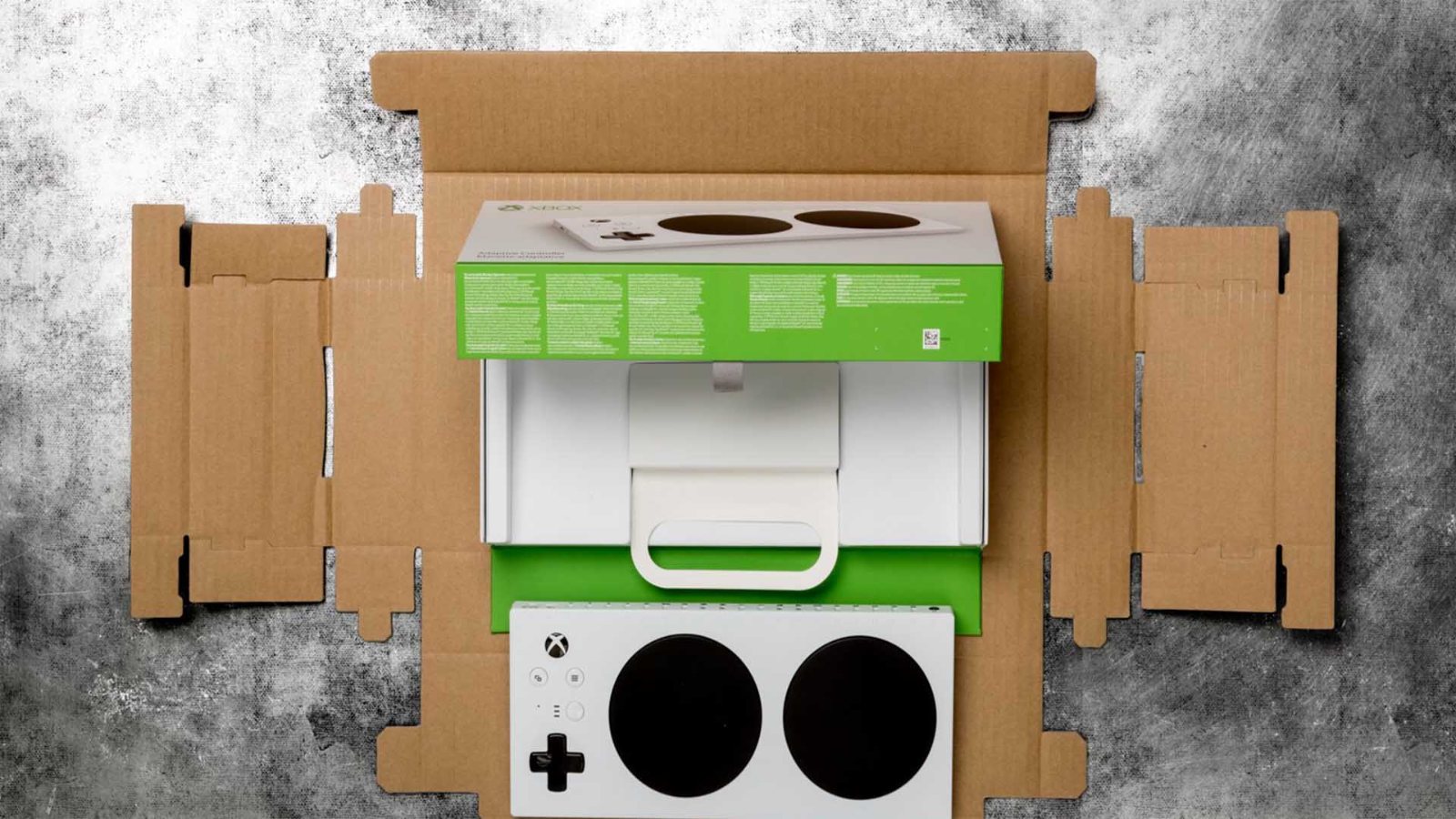
- 2018: the Xbox Adaptive Controller and its easy-open packaging, built with gamers who have limited mobility, showed the same approach in a shipped product (Xbox Wire, 2018; Microsoft, 2018).
- September 2018: Holmes published the book Mismatch with MIT Press, built on the same ideas (Campaign, 2018).
- Today: Microsoft still hosts the toolkit and related guides, including newer material on cognition and neurodiversity (Microsoft Inclusive Design).
- The catch: the 21 million figure is Microsoft’s own estimate, pieced together from several outside data sources.
Why it worked
It reframed disability as a design problem. If disability is a mismatch, designers can create or remove it. That makes inclusion part of their job, not someone else’s.
It made a small group feel big. The persona spectrum showed teams that the person with one arm, the person with a broken wrist and the parent holding a baby share a need. That is an easy business case to pitch.
It was free and practical. Cards, activities and examples gave teams something to do on Monday morning, and the open license let schools and other companies adopt it.
Where it gets complicated
- Situational is not the same as permanent. A new parent can put the baby down. A person with one arm cannot. If “many” becomes the target, the original person can get pushed out of the room.
- A method is not a legal standard. The toolkit does not replace WCAG or the ADA. A team can run a great workshop and still ship a site a screen reader cannot use.
- Estimates can oversell. Big totals help win budgets, but they mix data sources. Use them to open the conversation, not as market sizing.
The takeaway
The marketing principle
Start with one person the current design shuts out, design the fix with them, and then look for everyone else who shares a version of that need. Inclusion begins with the one, and the many are the bonus, not the reason.
Sources
- Inclusive Design toolkit manual, Microsoft (2016)
- Microsoft Inclusive Design, Microsoft (2026)
- Recognizing exclusion is the key to inclusive design: a conversation with Kat Holmes, Campaign (2018)
- Design for all: why inclusion matters in business, Knowledge at Wharton (2019)
- Microsoft Inclusive Toolkit, IxDA Interaction Awards (n.d.)
- Xbox Adaptive Controller announcement, Xbox Wire (Microsoft) (2018)
- How gamers with disabilities helped design the new Xbox Adaptive Controller’s elegantly accessible packaging, Microsoft News Centre Australia (2018)
Group activity for this case
Build a Persona Spectrum
Pick one point where your client’s brand shuts someone out, map it across permanent, temporary and situational versions, and design one fix. A 20-minute group activity. Dr. Morris gives the password in class.
Use this case in: Accessible and Inclusive Design · All case studies
Use and share this case
Free to use in your own classroom, training or team, and to adapt for non-commercial teaching, with credit to Dr. Jules Morris, Haslam College of Business, University of Tennessee. The text is licensed CC BY-NC 4.0. Brand photos and trademarks belong to their owners and are not covered by this license.
Brand names, images and trademarks belong to their owners and appear here for educational purposes only.