Case study · Marketing 475 · Platform Adaptation
In 2019 a video producer talked one of America’s most serious newspapers into making goofy sketch videos on TikTok. The account grew to 1.9 million followers by learning the platform first and the news second. It shows how a brand can change its tone without changing who it is.
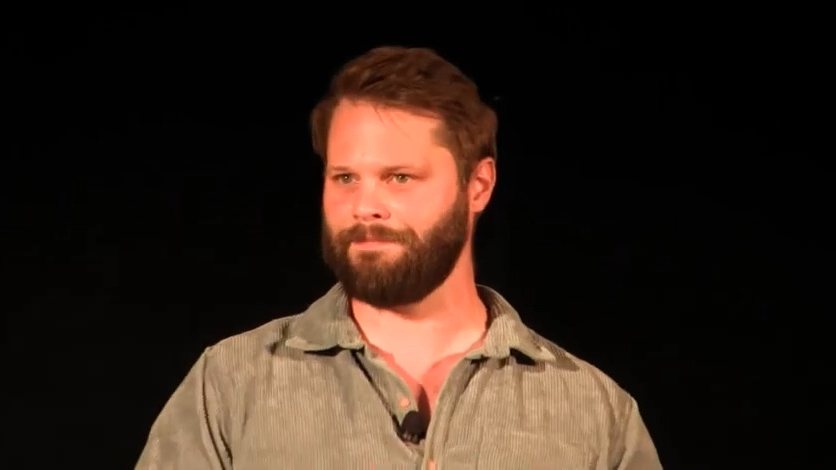

Brand
The Washington Post (video producer Dave Jorgenson)
Year(s)
2019 to 2025
Channel(s)
TikTok, short-form vertical video
Goal
Reach Gen Z on the platform where they spend their time
Topic
Platform Adaptation
2019
Year Jorgenson launched the Post’s TikTok, after colleagues let him test it quietly (NPR, 2025)
7 pages
Length of the proposal he used to pitch the account to his bosses (Washingtonian, 2019)
1.9 million
Followers on the Post’s TikTok when Jorgenson left in July 2025 (Tubefilter, 2025)
~100,000
YouTube subscribers his new company, Local News International, reached around its launch (Tubefilter, 2025)
The situation
The Washington Post is known for investigations and political reporting, not jokes. By 2019, TikTok was what one Post producer called Gen Z’s biggest platform, and very few news outlets were on it.
Dave Jorgenson had joined the Post’s video team in 2017 after making comedy videos elsewhere. When he pitched TikTok, colleagues didn’t really get it. He wrote a seven-page proposal, and they let him try it under the radar.
The challenge
A serious brand on a playful platform has two ways to fail. It can post stiff news clips that nobody watches, or it can chase trends so hard it stops looking like a newspaper at all.
Jorgenson’s challenge was to make the Post feel native on TikTok, using its sounds, formats and humor, while keeping the credibility that makes the Post worth following.
What they did
He started by joining the fun, not by posting news. Early videos were sketch-style comedy filmed around the newsroom, often starring Jorgenson himself. His long-term goal was to post news in a way that fit the platform. His short-term goal was to show users that the Post understood the app.
- Learn the culture first: he argued that audiences can tell when a brand doesn’t understand a platform.
- Use the platform’s tools: popular sounds and songs that many users were already using.
- Keep a brand anchor: a physical copy of the Post often appeared on camera to tie jokes back to the paper.
- Keep guardrails: an editor reviewed ideas and finished videos, and the account avoided risky formats like duets.
- Work fast: in 2019 the aim was an idea by 9:30 a.m. and a posted video by 11.
Over time the jokes carried more news. A series called “Misinformation Monday” used humor to correct what people were getting wrong that week. Jorgenson later said his aim was to let viewers down gently and inform them in a funny way.
What happened
- 2019: the Post’s TikTok launches and quickly goes viral (NPR, 2025; Wikipedia).
- 2019: Washingtonian reports there is a real plan behind the Post’s weird TikTok (Washingtonian, 2019).
- July 2025: Jorgenson leaves with 1.9 million followers on the account, taking a buyout and keeping his own channel (Tubefilter, 2025; Nieman Lab, 2025).
- July 2025: he launches Local News International with former Post video leaders (Tubefilter, 2025).
- 2025: he says the Post’s direction felt unclear, which made it harder to stay (NPR, 2025).
Why it worked
It respected the platform. The Post didn’t copy its website onto TikTok. It made videos that looked like TikTok, so they got watched there.
Tone flexed, values didn’t. The jokes were silly, but the facts were checked and an editor signed off. Viewers could laugh and still trust the source.
A face built a relationship. Viewers followed a person they recognized, not a logo. That made a big institution feel approachable to people who had never read it.
Where it gets complicated
- The voice belonged to one person. When Jorgenson left, he took his talent and his own channel with him. A brand that adapts through one creator has to plan for that creator leaving.
- Did viewers become readers? None of the sources show how many TikTok fans became Post subscribers. Followers are not the same as business results.
- Comedy and news can clash. Humor about serious stories can go wrong fast. The account’s review step was there for a reason.
- The platform is rented. A news brand building on TikTok depends on rules, algorithms and even laws it doesn’t control.
The takeaway
The marketing principle
To adapt a brand to a new platform, learn the platform before you post. Decide what can flex (tone, format, pace, humor) and what cannot (accuracy, values, the brand’s reason to exist). Use the platform’s native tools, keep one clear anchor that ties the content back to the brand, and put a review step in place. If a person becomes the face of the account, plan for what happens when they leave.
Sources
- There is, in fact, a plan behind the Washington Post’s gloriously weird TikTok, Washingtonian (2019)
- The scoop on why the Washington Post is way into TikTok, Digital Content Next (2019)
- Dave Jorgenson launches Local News International, leaves Washington Post, Tubefilter (2025)
- With Local News International, Dave Jorgenson becomes his own TikTok guy, Nieman Lab (2025)
- Video producer Dave Jorgenson discusses the future of short-form content in journalism, NPR (2025)
- Dave Jorgenson, Wikipedia (2026)
Group activity for this case
Keep It, Flex It
Decide what your client’s brand must keep and what it can flex on one platform, then sketch one native short video. A 20-minute group activity. Dr. Morris gives the password in class.
Use this case in: Platform Adaptation · Social Media and Short-Form Video · All case studies
Use and share this case
Free to use in your own classroom, training or team, and to adapt for non-commercial teaching, with credit to Dr. Jules Morris, Haslam College of Business, University of Tennessee. The text is licensed CC BY-NC 4.0. Brand photos and trademarks belong to their owners and are not covered by this license.
Brand names, images and trademarks belong to their owners and appear here for educational purposes only.