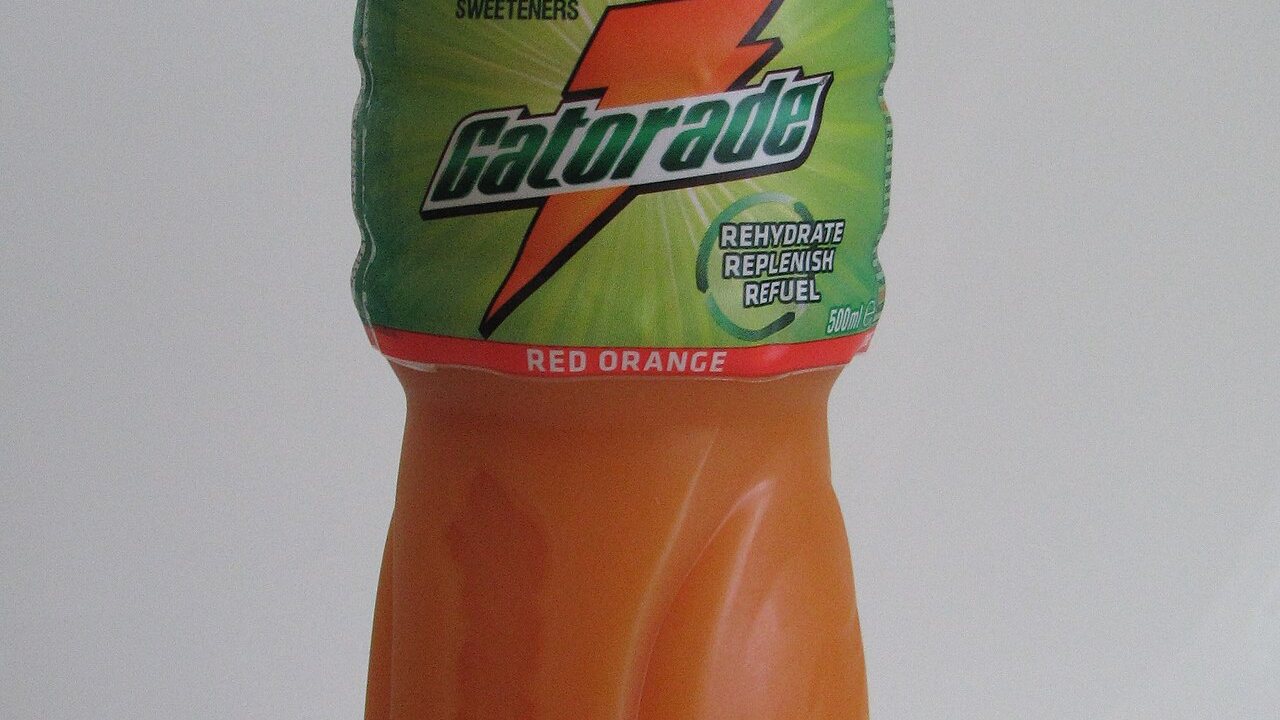
Case study · Marketing 465 · Market Research and Social Listening
In 2010 Gatorade put a room full of screens in the middle of its Chicago marketing department and staffed it to watch the online conversation about the brand all day. It became the model for the social command centers that big brands built over the next decade.

Brand
Gatorade (PepsiCo)
Year(s)
2009 to 2012
Channel(s)
Twitter, Facebook, blogs, YouTube, brand websites
Goal
Hear what athletes were saying about the brand in real time and act on it fast
Topic
Market Research and Social Listening
April 2010
When Gatorade opened Mission Control inside its Chicago headquarters (WARC, 2010)
6 screens, 5 people
The setup: six monitors and a small cross-functional team (Fortune, 2012)
About 80% to 75%
Gatorade’s slide in sports drink share in the year before, after its “G” rebrand (BevNET, 2009)
250%
Reported rise in engagement with Gatorade’s product education content; the original source is not named (Boot Camp Digital, 2010)
The situation
Gatorade owned the sports drink aisle for decades. In 2009 it ran a confusing rebrand that shrank the name to a single “G.” That year PepsiCo blamed Gatorade for a sales drop, and the brand’s share of the sports drink category fell from close to 80% to about 75% as Powerade gained ground.
At the same time, the people Gatorade cared most about, teen and young adult athletes, were talking about sports, workouts and drinks on Twitter and Facebook every day. That talk was public, fast and mostly invisible to a marketing team that still judged ads with surveys and sales reports months later.
The challenge
Gatorade wanted to be more than a drink. Its marketers talked about turning the biggest sports brand in the world into the most participatory one. That goal meant they had to know what athletes were saying, about Gatorade and about competitors, while it still mattered.
The hard part was not collecting mentions. It was deciding who would watch, what counted as important, and who would act when something came up. A pile of data with no owner would change nothing.
What they did
In April 2010 Gatorade built a room it called Mission Control in the middle of its Chicago marketing floor. It looked like a NASA control room. Screens showed live streams of tweets, blog posts and campaign data, with sentiment and trending topics tracked in real time. The team ran on listening software from vendors including IBM and Radian6.
The room was staffed by a small team drawn from PepsiCo and its agencies. Reports differ on the size (four people in one account, five in others), but every account describes a few people with clear jobs, not a giant department.
- What they watched: mentions of Gatorade, competitors and broader sports topics, sorted by sentiment, importance and category.
- Who counted more: comments from influential fans and loyal customers got extra weight.
- How issues moved: analysts passed problems straight to the right person, for example sending a false ingredient claim to PR.
- How they engaged: the plan included cheering on high school athletes who posted about their games and answering sports questions.
- How they measured: social data was combined with business data, so the team could see if spending moved sentiment or awareness.
One story shows the speed. When a Gatorade ad used a song by rapper David Banner, the team saw the buzz and, within about 24 hours, released the full song free to fans on Facebook and Twitter.
What happened
- June 2010: Mashable toured the room and called it a war room for watching the brand in real time; the story spread widely (PR Daily, 2011; We Are Social, 2010).
- September 2010: WARC reported that PepsiCo saw Gatorade’s social strategy as a possible benchmark for its other brands (WARC, 2010).
- 2010: a widely shared blog post reported a 250% rise in engagement with product education content and an exit rate drop from 25% to 9%; it did not name its source (Boot Camp Digital, 2010).
- July 2011: Forrester published a case study crediting the effort’s clear roles and consistent measurement (Forrester, 2011).
- March 2011: Gatorade’s marketing leaders said they would move money to other channels if spend did not lift sentiment or awareness (Marketing Week, 2011).
- 2012: Fortune named Gatorade as the brand that started the social command center trend, which Dell, the Red Cross and the Super Bowl host committee followed (Fortune, 2012).
Why it worked
Listening had an owner. Forrester’s main point was that each person in the room knew their job. Data turned into action because someone was responsible for passing it to PR, product or media.
It ran at the speed of the conversation. The David Banner song release happened in about a day. Traditional ad research would have taken months to report what the room saw in hours.
It tied talk to business results. The team did not just count mentions. It paired social signals with business data and was willing to cut spending that did not move sentiment.
Where it gets complicated
- The best numbers are hard to trace. The 250% engagement figure shows up in many blog posts, but none we found points to a named, original source. Treat it as reported, not proven.
- A room is not a response. Early critics pointed out that Gatorade’s promotional video showed lots of monitoring and no actual replies to fans. Screens look impressive; what matters is what the team does next.
- Some coverage had a stake. The 2012 Fortune piece praising command centers was written by the CEO of HootSuite, whose software powered many of them.
- It cost real money. Fortune described command centers as multimillion-dollar projects. Smaller brands can get the same habit with free tools and a clear owner.
The takeaway
The marketing principle
Social listening only pays off when someone owns it. Decide what you are listening for, who watches, and who acts on each kind of signal before you buy a single tool. The screens made Gatorade famous, but the clear roles and the link to business results made it work.
Sources
- Gatorade’s social strategy sets benchmarks, WARC (2010)
- How Gatorade is leading PepsiCo, Marketing Week (2011)
- Pepsi’s Bough details its social media cred, MediaPost (2010)
- NASA-style mission control centers for social media are taking off, Fortune (2012)
- Case Study: Gatorade’s “Mission Control” quenches thirst for real-time social interaction, Forrester (2011)
- Inside ‘Mission Control for Social Media’ at Gatorade, PR Daily (2011)
- Social’s Monday Mashup #29, We Are Social (2010)
- How Gatorade monitors social media with Mission Control Center, Boot Camp Digital (2010)
- Gatorade still slips after ‘G’ campaign, BevNET (2009)
Group activity for this case
Build Your Client’s Mission Control
Design a simple listening setup for your client: what to watch, where, and who acts on what. A 20-minute group activity. Dr. Morris gives the password in class.
Use this case in: Market Research and Social Listening · All case studies
Use and share this case
Free to use in your own classroom, training or team, and to adapt for non-commercial teaching, with credit to Dr. Jules Morris, Haslam College of Business, University of Tennessee. The text is licensed CC BY-NC 4.0. Brand photos and trademarks belong to their owners and are not covered by this license.
Brand names, images and trademarks belong to their owners and appear here for educational purposes only.