Case study · BUAD 317 · Field Research
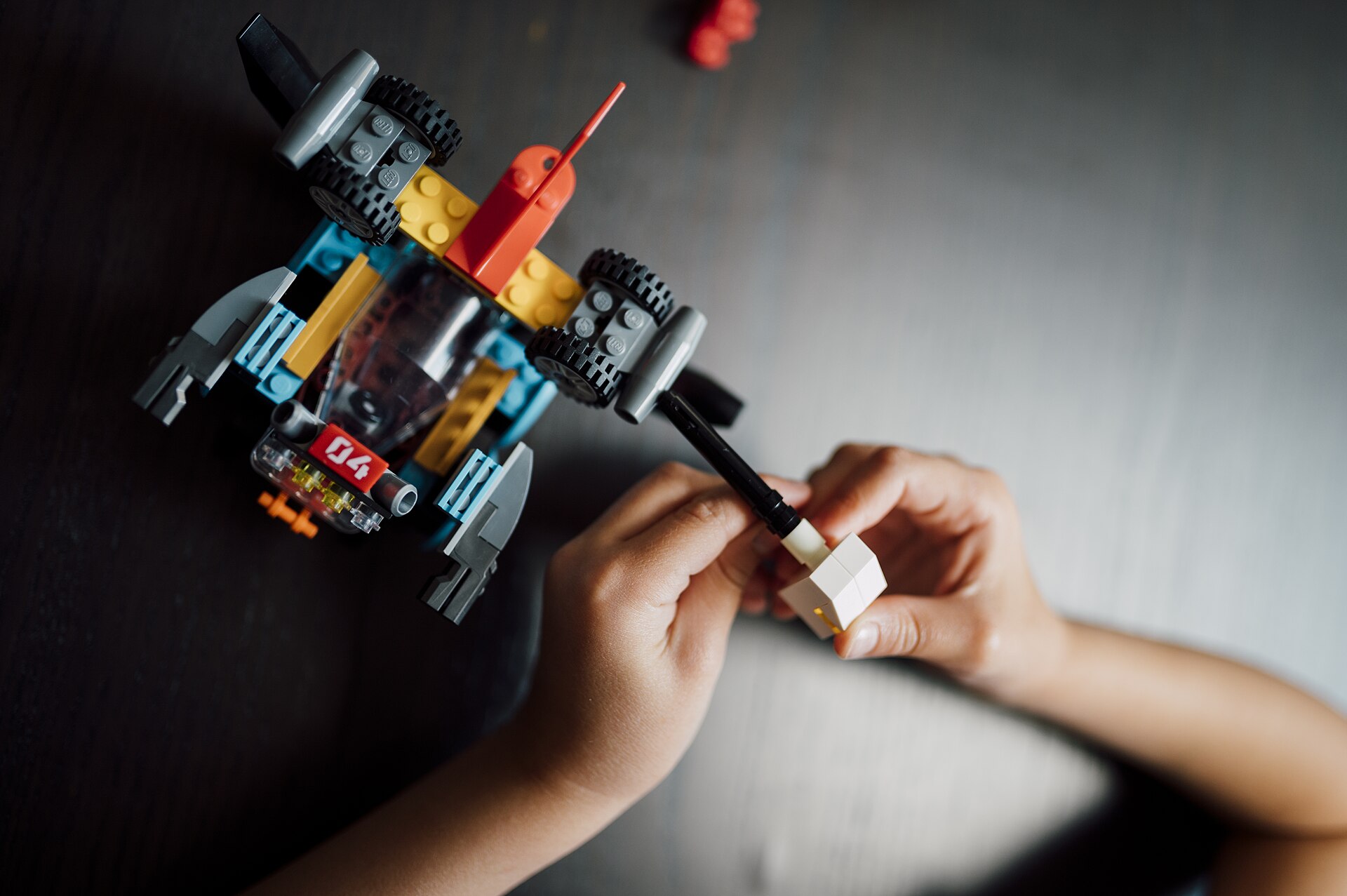
Close to collapse, LEGO stopped trusting focus groups and studied how kids actually play at home. It learned that kids want mastery, not shortcuts.

Organization
The LEGO Group with ReD Associates
Year(s)
About 2004 to 2014
Area
Strategy and consumer insight
Goal
Reconnect with what children really value in play
About $1M a day
What LEGO was losing when it announced a huge deficit in 2004 (Quartz, 2014)
$829M
LEGO’s record profit in 2014 (strategy+business, 2015)
5 cities
Where research teams observed families at home: LA, New York, Chicago, Munich and Hamburg (Fortune, 2014)
The situation
In 2004 LEGO announced a huge loss and named a new CEO. It had expanded into products far from its bricks, assuming kids now wanted instant, easy play.
The challenge
Focus groups were misleading. In artificial test rooms, kids reacted to things like bigger blocks, which said little about how they really played.
What they did
- Who: children and their parents, in their own homes.
- Why: to test LEGO’s assumption that kids wanted quick, easy play.
- How: researchers from ReD Associates watched kids play, collected photo diaries, interviewed parents and asked kids to tell stories about things they were proud of.
- Looked for patterns across the stories instead of counting preferences.
What happened
An 11-year-old German boy proudly showed a worn-out sneaker. Every scuff marked a skateboard trick he had mastered. The insight: kids value mastering something hard and showing it off. LEGO refocused on its core bricks and building, and sales more than quadrupled over the next decade.
Why it worked
Watching people in their own world surfaces needs they cannot put into words in a focus group. The research overturned the company’s own assumption about kids.
Where it gets complicated
The turnaround had many causes, including cost cuts, licensing and The LEGO Movie. Most accounts are written by ReD partners, who have a stake in the story.
The takeaway
The human-centered design principle
Watch what people do and ask them to tell stories. Do not rely only on what they say in a test room.
Sources
- LEGO turned itself around by analyzing overbearing parents (Mikkel B. Rasmussen), Quartz (2014)
- How LEGO got hot again, Fortune (2014)
- Lego’s Serious Play, strategy+business (2015)
Discuss in your group
Find the Sneaker
Interview two people about something they have gotten good at, and ask them to show you an object that proves it. Write one insight about what mastery means to them and one How Might We question.
Back to BUAD 317 · All human-centered design case studies
Use and share this case
Free to use in your own classroom, training or team, and to adapt for non-commercial teaching, with credit to Dr. Jules Morris, Haslam College of Business, University of Tennessee. The text is licensed CC BY-NC 4.0. Brand photos and trademarks belong to their owners and are not covered by this license.
Brand names, images and trademarks belong to their owners and appear here for educational purposes only.