Case study · IB 407 · Reframing the Problem
Stanford students set out to build a cheaper incubator. Fieldwork in Nepal showed that many at-risk babies never reach a hospital at all, so they designed a warmer that works without electricity.

Organization
Embrace (Stanford Design for Extreme Affordability team)
Year(s)
2007 to today
Area
Global health and social enterprise
Goal
Prevent hypothermia deaths in premature and low-birth-weight babies
1.35 million+
Babies kept warm since 2011 (Embrace Global, 2026)
About $25
Projected cost of the warmer, compared with about $20,000 for a conventional incubator (Stanford Magazine, 2009)
196,320
Babies reached in 2025 alone (Embrace Global, 2026)
The situation
In Stanford’s Design for Extreme Affordability course, a student team was asked to design an incubator at a tiny fraction of the usual price. Low-birth-weight babies struggle to stay warm, and hypothermia is a major cause of newborn deaths in developing countries.
The challenge
Donated incubators sat in city hospitals. Many mothers lived far away, gave birth at home and had no reliable electricity.
What they did
- A team member visited Nepal and saw a rural clinic whose homemade incubator bulb had been burned out for years, and mothers using risky fixes like hot water bottles.
- Reframed the problem from "build a cheaper incubator" to "keep a baby warm without electricity, wherever the mother is."
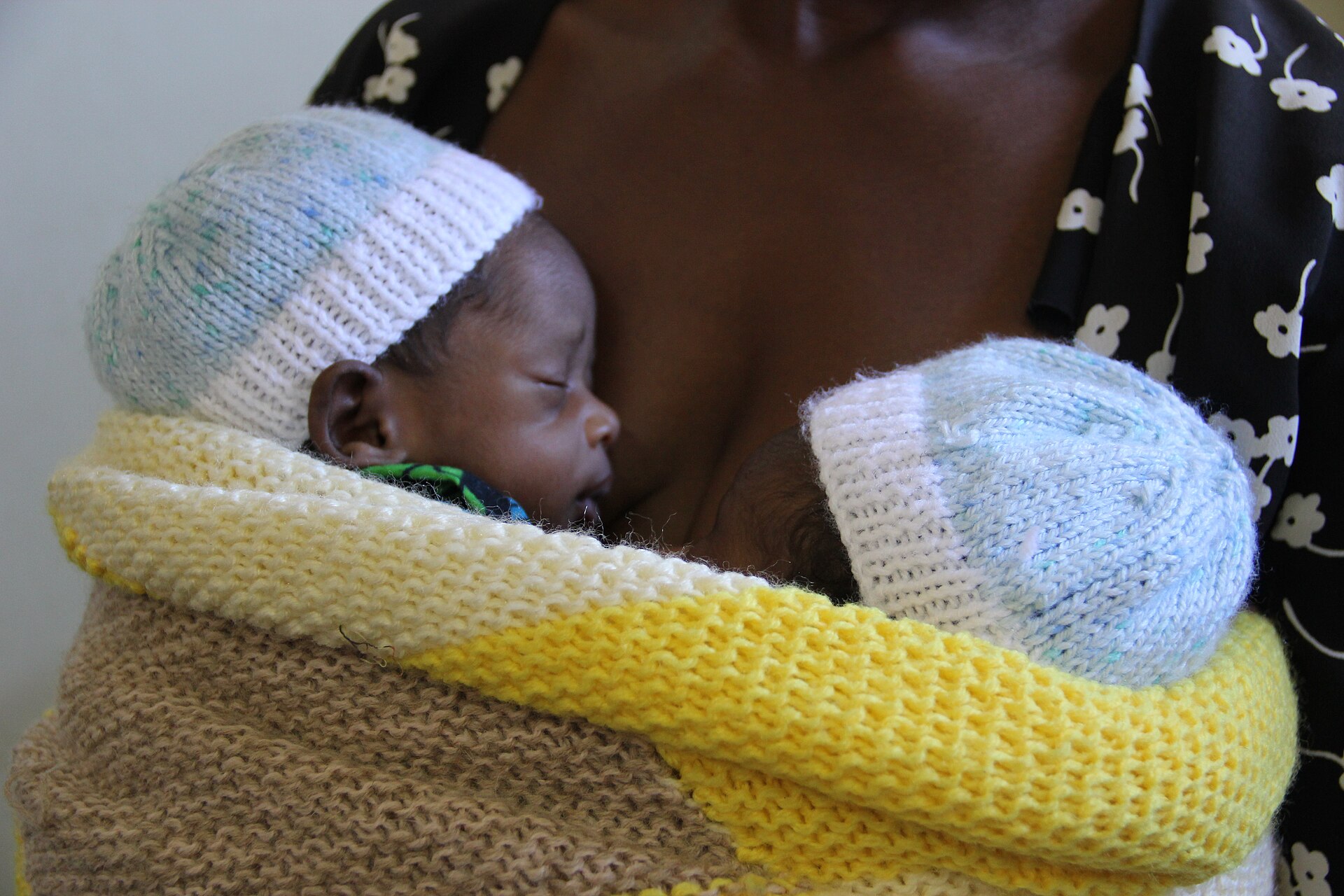
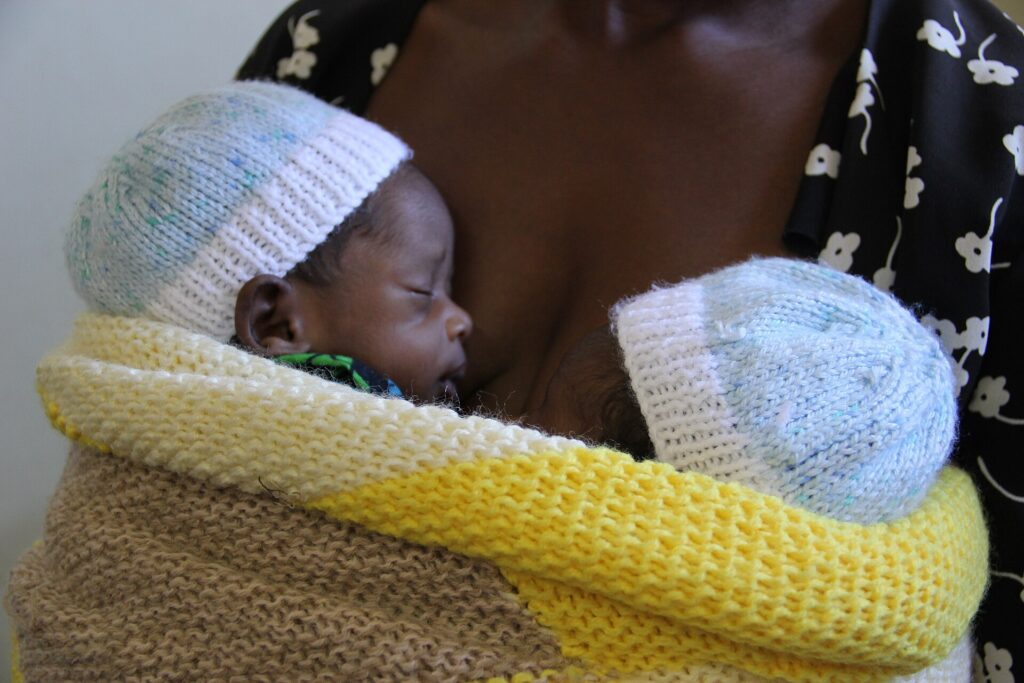
- Prototyped a small sleeping-bag-style wrap with a reusable heat pouch that holds body temperature for hours.
- Set up a nonprofit and a for-profit side by side, so device sales could fund donations.
What happened
Embrace reports it has kept more than 1.35 million babies warm since 2011, in more than 30 countries. Its work now combines devices, training and partnerships with health facilities.
Why it worked
Fieldwork changed the question. The team saw users in their real context and redefined the problem before designing anything.
They kept prototyping the business model, not only the product.
Where it gets complicated
Most of Embrace’s reach today runs through hospitals and clinics, not the village homes in the original idea. Cost figures differ by source. A co-founder has said she spent most of her time fundraising in the early nonprofit years.
The takeaway
The human-centered design principle
Go where the problem lives. The right answer often comes from redefining the question after you see real people in their real context.
Sources
- Creative Confidence: Unleashing the Creative Potential Within Us All (Tom Kelley and David Kelley), Crown Business (2013)
- Baby, It’s Cold Outside, Stanford Magazine (2009)
- A Year of Warmth: How Embrace Reached More Babies Than Ever in 2025, Embrace Global (2026)
- Embrace (Global Health Innovation Insight Series), Stanford Biodesign (n.d.)
Discuss in your group
Reframe the Brief
Take your team’s challenge and write three different How Might We questions, each imagining a different place where the problem really happens. Pick one and say what you would need to see on the street to know you reframed it correctly.
Back to IB 407 · All human-centered design case studies
Use and share this case
Free to use in your own classroom, training or team, and to adapt for non-commercial teaching, with credit to Dr. Jules Morris, Haslam College of Business, University of Tennessee. The text is licensed CC BY-NC 4.0. Brand photos and trademarks belong to their owners and are not covered by this license.
Brand names, images and trademarks belong to their owners and appear here for educational purposes only.