The big idea
A great campaign is a project first. Plan the work, share one brand system and give feedback on a schedule.
Topic soundtrack
Make It Happen
Countdowns, clocks and getting it done. The soundtrack for hitting your deadline.
In 60 seconds
- A creative project moves through five phases: brief, system, produce, critique and finish.
- Keep one source of truth. Put the logo, colors and fonts in one shared Brand Kit, and give every asset a lead and a reviewer.
- Give feedback in planned rounds and fix the must-fix items first. When teammates disagree, the brief is the tiebreaker.
Do this: plan how your team will finish the Final Campaign: five assets and an 8 to 12 slide Campaign Deck, through critique and on time.
Slides

How creative projects work
A great campaign is a project first.
Plan the work, share one brand system and give feedback on a schedule.
The phases of a creative project
Five phases. Each one locks or makes something.
- 1BriefWho it’s for and what it must do. Locks: brand brief.
- 2SystemLogo, colors, fonts, photo style, voice. Locks: identity board.
- 3ProducePhotos, platform designs, video. Makes: first drafts.
- 4CritiqueOutside eyes test the drafts. Makes: a fix list.
- 5FinishRevise, unify and pitch. Makes: the campaign.
How the team works together
One system. One owner per asset. Feedback in rounds.
Run it like a busy kitchen: one recipe book, one cook per dish, orders checked at set times.
Ava, Ben and Cam are the example team from the asset tracker.
See it in the wild
IBM runs one design system for thousands.
IBM shares one free design system, called Carbon, with every designer and developer in the company.
One source of truthColors, type, icons and layouts live in one shared library.
One owner per pieceEach part of the system has a team that keeps it up to date.
Your versionYour Canva Brand Kit is a tiny Carbon. Everyone designs from it, every time.
Settle disagreements with the brief
Taste is personal. The brief is the tiebreaker.
When teammates disagree on a design, ask which option better fits the audience and personality in your brief.
Name files so anyone can find them
Pick one naming rule on day one.
Agree on one pattern on day one: brand_asset_platform_v02. For example, lumen_post_instagram_v02.
- Keep everything in one shared folder with subfolders for brief, identity, photos, platforms, video and deck.
- Never overwrite. Save a new version number instead.
- Mark the approved file with FINAL only once the team signs off.

See it in the wild
Search your own laptop for “final”.
Open your downloads folder and search for files named “final.”
What you findfinal, final2, final_FINAL and final_real. Which one is it?
What pros doAgencies use one pattern, like brand_asset_platform_v02, so anyone can find the right file.
Fix it todayRename your last three project files with your team’s pattern.

Run a design review
Twenty minutes that keep the campaign cohesive.
- Put every draft side by side on one screen.
- Check each against the identity board: logo use, colors, fonts, photo style.
- Name what works before what doesn’t.
- Sort fixes into must, should and could.
- Give each fix an owner and a date.
The Giving and Using Creative Critique topic has the full method.
Sort the fix list
Must, should or could?
Sort each fix from the review, then tap. Must-fix items come first.
LogoThe logo on the Instagram post is stretched.
FontThe deck uses a font that is not in the Brand Kit.
WarmthTwo photos look a little warmer than the rest.
WordsOne caption might read better a word shorter.
Your team may sort these differently. When you disagree, the brief is the tiebreaker.
Keep an asset tracker
One sheet that shows what’s done.
Asset and lead
Every row names the asset and the one person who owns it.
Size or format
The specs each platform needs.
Status and due
Draft, editing or not started, plus a date.
Example tracker
| Asset | Lead | Size or format | Status | Due |
|---|---|---|---|---|
| Instagram post | Ava | 1080 x 1350 | Draft | Oct 20 |
| Brand video | Ben | 1080 x 1920, captions | Editing | Oct 24 |
| Campaign Deck | Cam | 8 to 12 slides | Not started | Oct 28 |
Example names and dates. Use your own team and your syllabus dates.
Real brands in action
See it in real brands.
Each case study shows these ideas at work. Open one to read the full story.
Basecamp: Shape Up and the Six-Week Bet
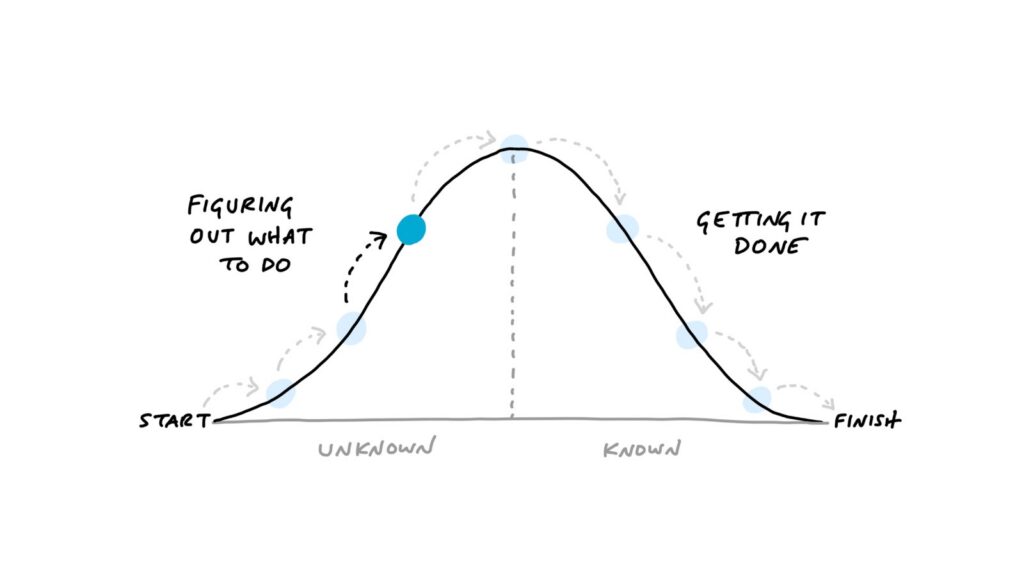
Basecamp’s Shape Up method uses six-week cycles, appetites instead of estimates and hill charts to ship work on time.
The lesson: Set the time budget first, then shape the work to fit it, and cut scope instead of moving the deadline.
Image courtesy of Basecamp (37signals)
Burger King: A Rebrand Sold as a Food Story
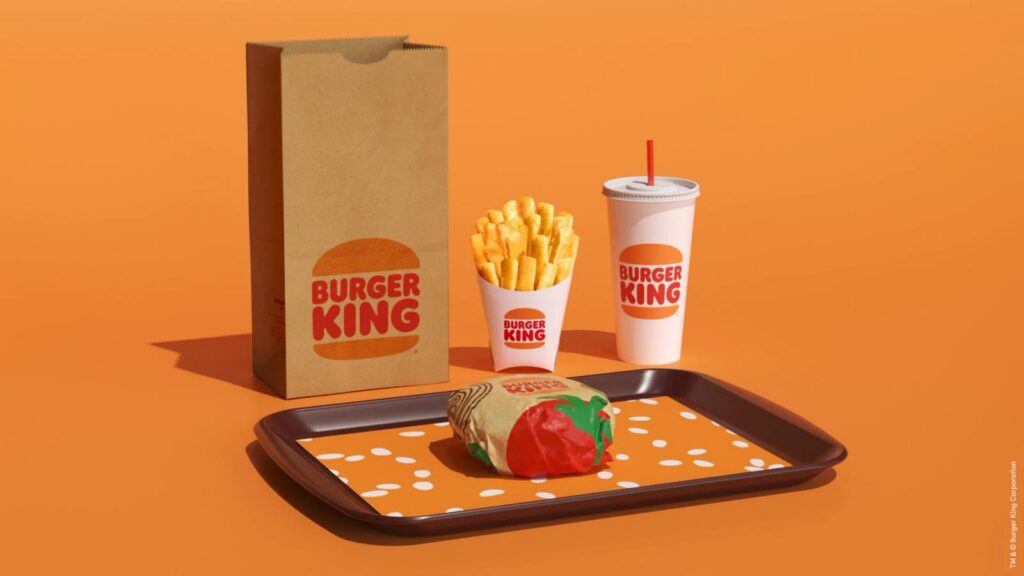
Burger King’s 2021 retro rebrand was pitched as proof its food had changed, with a phased rollout plan. A model for presenting big creative work.
The lesson: Sell creative work with one repeatable sentence about what really changed, then show every piece proving it.
Image courtesy of Jones Knowles Ritchie for Burger King
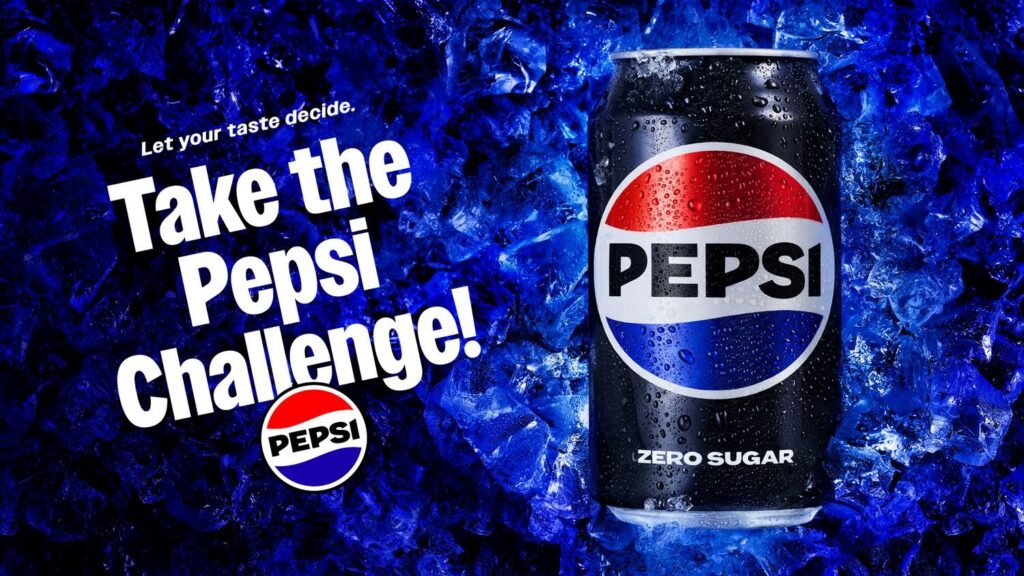
Pepsi’s in-house Kendall Jenner ad lasted about a day in 2017. A case on why creative projects need a review step that looks for blind spots.
The lesson: Build a review step whose only job is to ask how the work could be read, and give it the power to say stop.
Image courtesy of PepsiCo

Pixar’s Braintrust: candid notes, no orders
Pixar built a review process where peers give blunt, specific notes on unfinished films but have no power to force changes, which keeps the critique about the work and leaves the decisions with the person who owns it.
The lesson: Critique the work against its goal, be specific, and let the person who owns the work decide which notes to act on.
Photo: P.gobin at English Wikipedia (Public domain), via Wikimedia Commons. Brand: Pixar

Brand images are shown for educational purposes only. Each image and trademark belongs to the brand credited.
Quick check
Which rule did the team break?
Name the rule for each moment, then open the answers.
- 1Ben saves today’s video edit over yesterday’s file.
- 2Ava names her draft “insta post NEW final.png” before the team has seen it.
- 3Two teammates both edit the brand video, and nobody reviews it.
- 4Cam asks for “one more tiny tweak” after every review, all week.
- 5Two teammates argue for ten minutes over which blue looks better.
Check your answers
- Never overwrite. Save it as v03 instead.
- The naming rule. Use brand_asset_platform_v02, and add FINAL only once the team signs off.
- A lead for every asset. One person owns it and one reviews it.
- Feedback in rounds. Planned review rounds beat endless tweaks.
- The brief is the tiebreaker. Ask which blue better fits the audience and personality in the brief.
Ava, Ben and Cam are the example team from the asset tracker.
Myth or fact
One Kit, One Folder
Sort each creative team claim into myth or fact, then see how a campaign stays on track.
Try it
Interactive tool · practice it
Tool · MARK 475
Campaign Production Planner
Enter your pitch day and your team. The planner works backward from the pitch, builds the Critique Sprint into the timeline, and gives every asset a lead and a reviewer.
- 1Pitch day
- 2Team
- 3Share
Your pitch
All checks
Your timeline
Who owns what
| Asset | Owner | Reviewer |
|---|
Do it
Class work for this topic. The in-class activity counts toward participation, and you get feedback on it.
In-class group activity · 30 min
One Kit, One Folder, One Deadline
Your group will have a lead and a reviewer for every asset, one shared system (Canva Brand Kit, folder and file naming rule) and a production timeline built around the Critique Sprint. Your instructor will give you the password in class.
Put it to work: your Final Campaign plan
Your final is five required assets plus an 8 to 12 slide Campaign Deck, pitched live. Most of it already exists in your earlier assignments. Plan how you’ll finish it, make it consistent and get it through critique on time. The Final Campaign Roadmap has the full list and grading.
Lock the brief and identity board
Update them with what you’ve learned. Everything else gets checked against these two.
Your deliverable: final brand brief and identity board v1.
Assign a lead and a reviewer to every asset
Use the planner above. Every teammate’s platform design still shows up in the final.
Your deliverable: the asset owner table.
Set up one shared system
A shared Canva Brand Kit, one folder and one file naming rule.
Your deliverable: a shared folder everyone can open.
Bring real drafts to the Critique Sprint
Rough is fine. Missing is not. Then fix the must-fix items first.
Your deliverable: a fix list with owners and dates.
Do a consistency pass, then build the deck
Line every asset up against the identity board, then tell the story in the deck and rehearse so everyone speaks.
Your deliverable: a campaign that looks like one brand.
The required piecesFive assets and the deck
- Final identity board: name and tagline, logo system, 3 to 5 colors with hex codes, heading and body fonts, photo style and voice keywords.
- Final brand brief: concept, target audience, the AI persona, competitors, positioning and personality keywords.
- 5 edited brand photos with consistent edits.
- Platform designs from every teammate, labeled and at the correct dimensions.
- Final 1-minute video with a hook in the first 3 seconds, a clear CTA and captions.
- Campaign Deck of 8 to 12 slides.
Before you submitCheck the plan against this list
- [ ] Every asset has a lead and a reviewer.
- [ ] We use one shared Brand Kit, folder and naming rule.
- [ ] Our timeline includes the Critique Sprint and a revision week.
- [ ] Every asset passed a consistency check against the identity board.
- [ ] Every teammate’s work appears in the final.
- [ ] We rehearsed with a timer and everyone speaks.
Go further
Optional. Go past the in-class work with these extras.
Back to all Marketing 475 topics
Frequently asked questions
Frequently asked questions
What are the stages of a creative marketing project?
A creative project moves through five stages: brief, which defines who it is for and what it must do; system, which locks the logo, colors, fonts, photo style and voice; produce, which makes first drafts of photos, platform designs and video; critique, where outside eyes test the drafts; and finish, where the team revises, unifies and pitches the campaign.
How should a design team name and organize its files?
Agree on one naming pattern on day one, such as brand_asset_platform_v02, for example lumen_post_instagram_v02. Keep everything in one shared folder with subfolders for brief, identity, photos, platforms, video and deck. Never overwrite a file. Save a new version number instead, and mark the approved file FINAL only once the team signs off.
How do you settle a design disagreement on a team?
Settle it with the brief. When teammates disagree on a design, ask which option better fits the audience and personality described in the brand brief. Taste is personal, so the brief acts as the tiebreaker. Planned feedback rounds, rather than endless small tweaks, also keep disagreements from dragging on.
What is a common mistake that makes a team campaign look inconsistent?
A common mistake is each teammate picking their own fonts and filters. The fix is one source of truth: a shared Canva Brand Kit with the logo, colors and fonts that everyone designs with. Teams should also do a consistency pass, lining every asset up against the identity board, before building the deck.
What is included in the Marketing 475 Final Campaign?
The Final Campaign includes five required assets plus an 8 to 12 slide Campaign Deck, pitched live: a final identity board, a final brand brief, 5 edited brand photos with consistent edits, platform designs from every teammate at the correct dimensions, and a final 1-minute video with a hook in the first 3 seconds, a clear CTA and captions.