Most people I meet don’t call themselves creative. They save that word for someone else: the artist, the musician, the friend who can draw, the one person on the team who “does design.” Ask a room of business majors who is creative and most of them will point across the room.
I get it. For a long time the word came with a picture of a certain kind of person. But after years of studying creativity and leadership, I can tell you that picture is far too small. And in business, believing it costs you.
One word, a ton of definitions
When I started my doctoral research, I expected to find a clear definition of creativity. What I found was a crowded room. Researchers describe it as a trait some people have, a process anyone can follow, a product you can point to, a way of thinking and an everyday habit. My dissertation looked at creative role identity, meaning whether leaders see “creative” as part of who they are at work. My research showed the same thing again and again: people carry very different definitions of creativity, and the definition you carry decides whether you count yourself in.
Two ideas from the research help. First, many researchers boil creativity down to two parts: an idea that is original and also useful. Nothing in that definition says paint, music or talent. Second, psychologists James Kaufman and Ronald Beghetto describe creativity at four levels, from “mini-c” (a new insight while you learn) and “little-c” (everyday problem solving) to “Pro-c” (creativity in your profession) and “Big-C” (the history-changing kind). Most of us measure ourselves against Big-C, come up short and decide we are not creative. Almost all creativity in business lives at little-c and Pro-c.
What people picture
Creativity is a talent
- Artistic skill, like drawing or music
- Something you are born with
- A flash of genius out of nowhere
- The design team’s job
What it looks like at work
Creativity is how problems get solved
- A supply chain analyst finding a new route when a port shuts down
- An accountant explaining a messy budget so the board finally gets it
- An HR team redesigning onboarding after listening to new hires
- A team that finds a third option when both choices on the table are bad
A muscle, not a gift
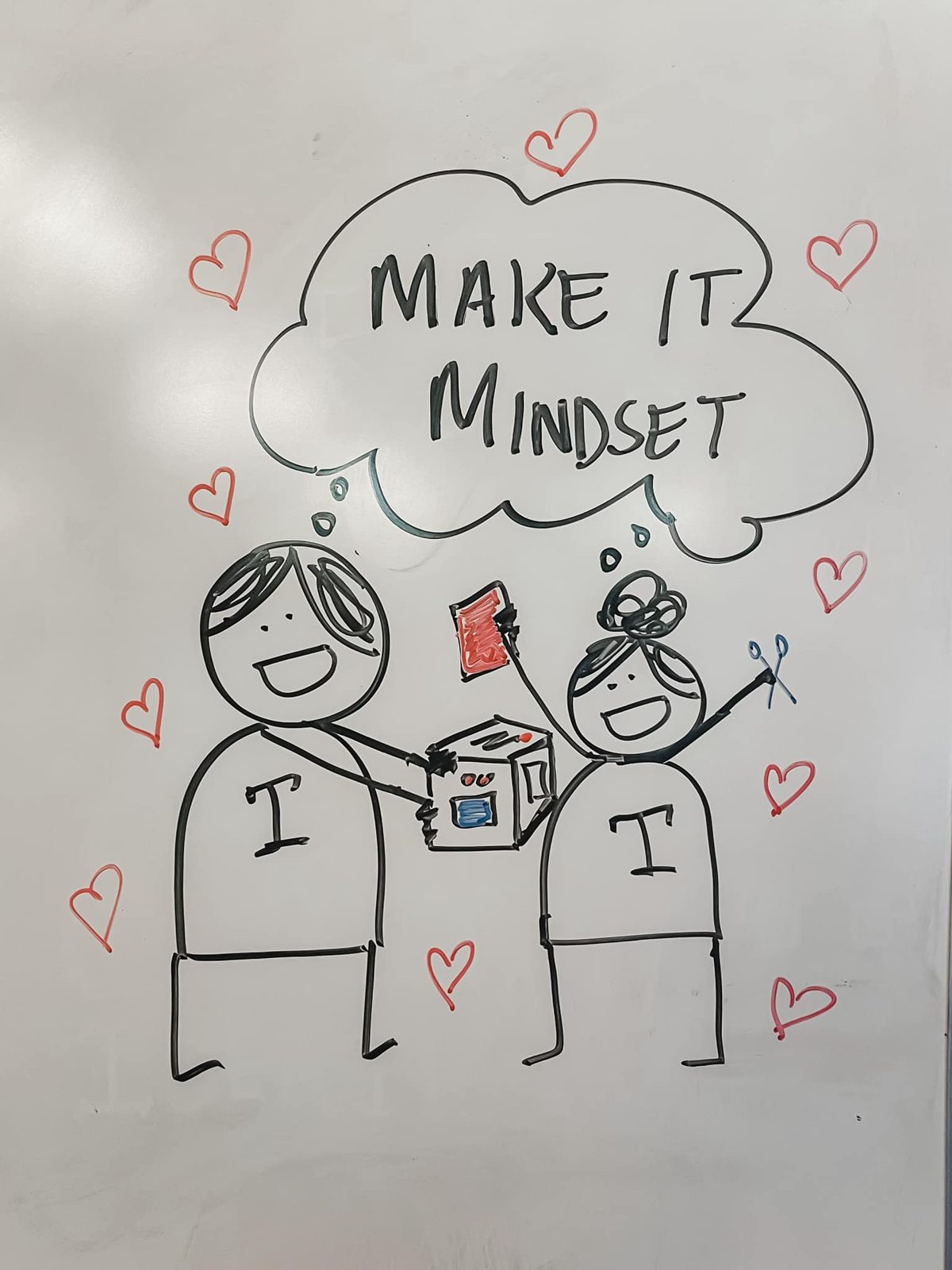
The way Lane and I teach it, creativity is a muscle. Some people seem wildly creative, and we label them that way. Most of the time they have simply used the muscle more. They have taken more swings, shared more half-formed ideas and been wrong out loud more often. Like any muscle, it gets stronger with reps and weaker when you stop using it.
Creativity isn’t a talent a few people got. It’s a muscle everyone has, and it gets stronger every time you stretch it.
That changes the question. It is no longer “Am I creative?” It is “Am I practicing?” And that is a question anyone in any major can say yes to.
Why business can’t run without it
Look closely at almost any hard business problem and you will find a creative problem underneath. There is no clear answer. People want different things. Time and money are short. Somebody has to imagine an option that does not exist yet and then make the case for it. That is creativity, whether it happens in a spreadsheet, a client meeting or a warehouse.
AI makes this more important, not less. A tool can now produce a hundred ordinary answers in seconds. What it can’t do is notice the customer who doesn’t fit the pattern, connect an idea from one industry to a problem in another, or decide which idea is worth building and why. That is where your value moves. The people who keep their creative muscle strong will be the ones directing the tools, not competing with them.
It shows up in leadership too. Leaders who treat creativity as everyone’s job build teams where people share rough ideas early, before they are polished and safe. Leaders who think creativity belongs to a few people tend to get the same ideas back.
How to stretch it
You don’t need a new personality. You need reps. Here are the ones we use in class.
Rep 1
Go for quantity first
Push past the first three ideas. The good ones usually show up after the obvious ones are out of the way. Hold judgment until the list is long.
Rep 2
Borrow from another industry
Ask how a hotel, a hospital, a theme park or a food truck would solve your problem. Then bring the idea home.
Rep 3
Add a constraint
Half the budget. One slide. Six words. Limits force new paths because the easy one is blocked.
Rep 4
Watch real people
Most good business ideas start with a need you saw with your own eyes, not one you guessed at from a desk.
Rep 5
Make it rough and fast
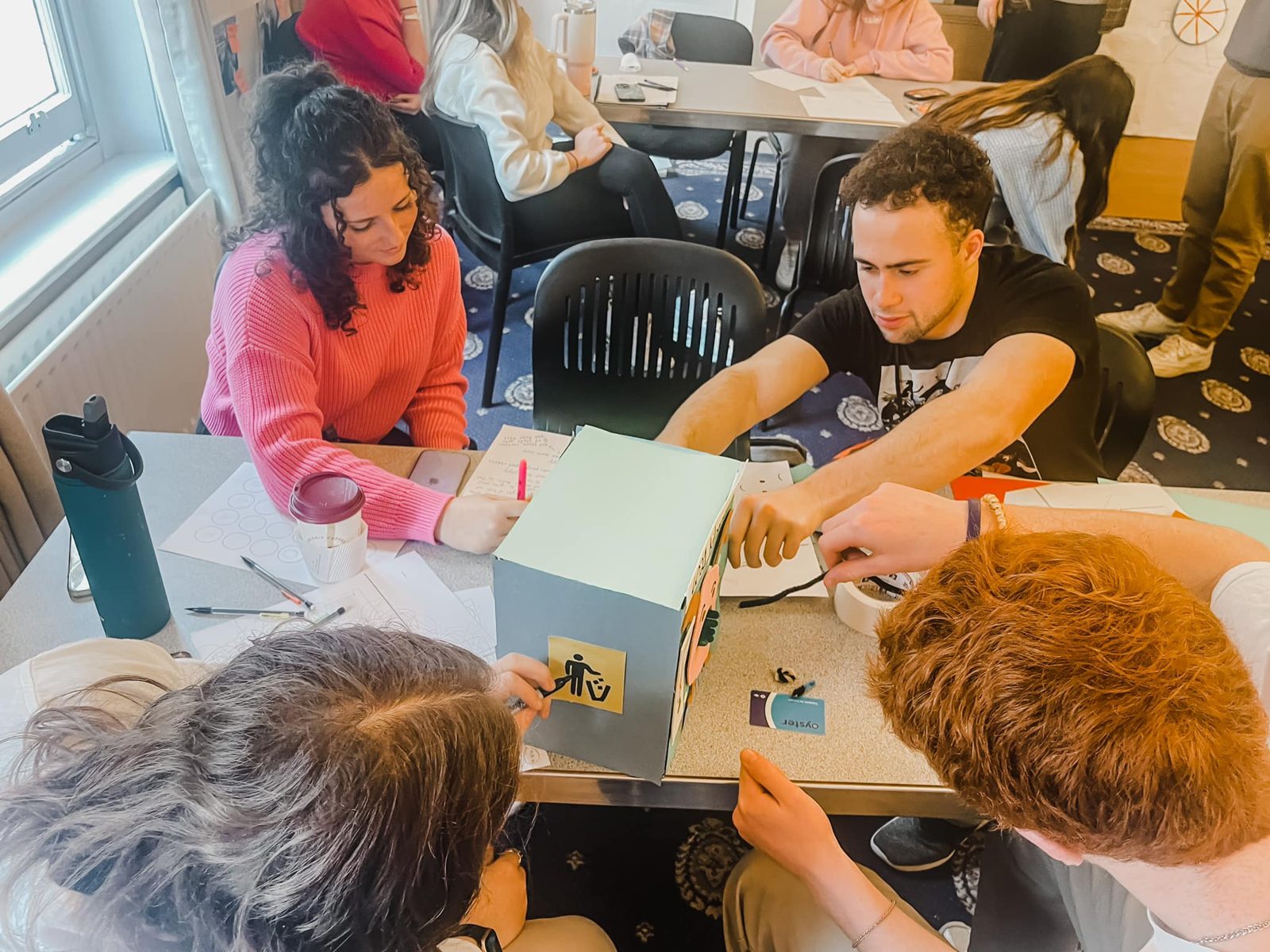
Sketch it on paper or build it from cardboard before you build the deck. A rough prototype gets honest reactions.
Rep 6
Keep an idea file
A note on your phone for things you notice, like a clever sign, a great email or a frustrating checkout. That file becomes raw material.
Rep 7
Spar with AI, then beat it
Ask AI for 20 ideas, then make yours better: more specific, more human, more true to the people you are serving.
Rep 8
Say “yes, and”
In a team meeting, build on the last idea before you judge it. It keeps ideas coming and keeps people talking.
For my students
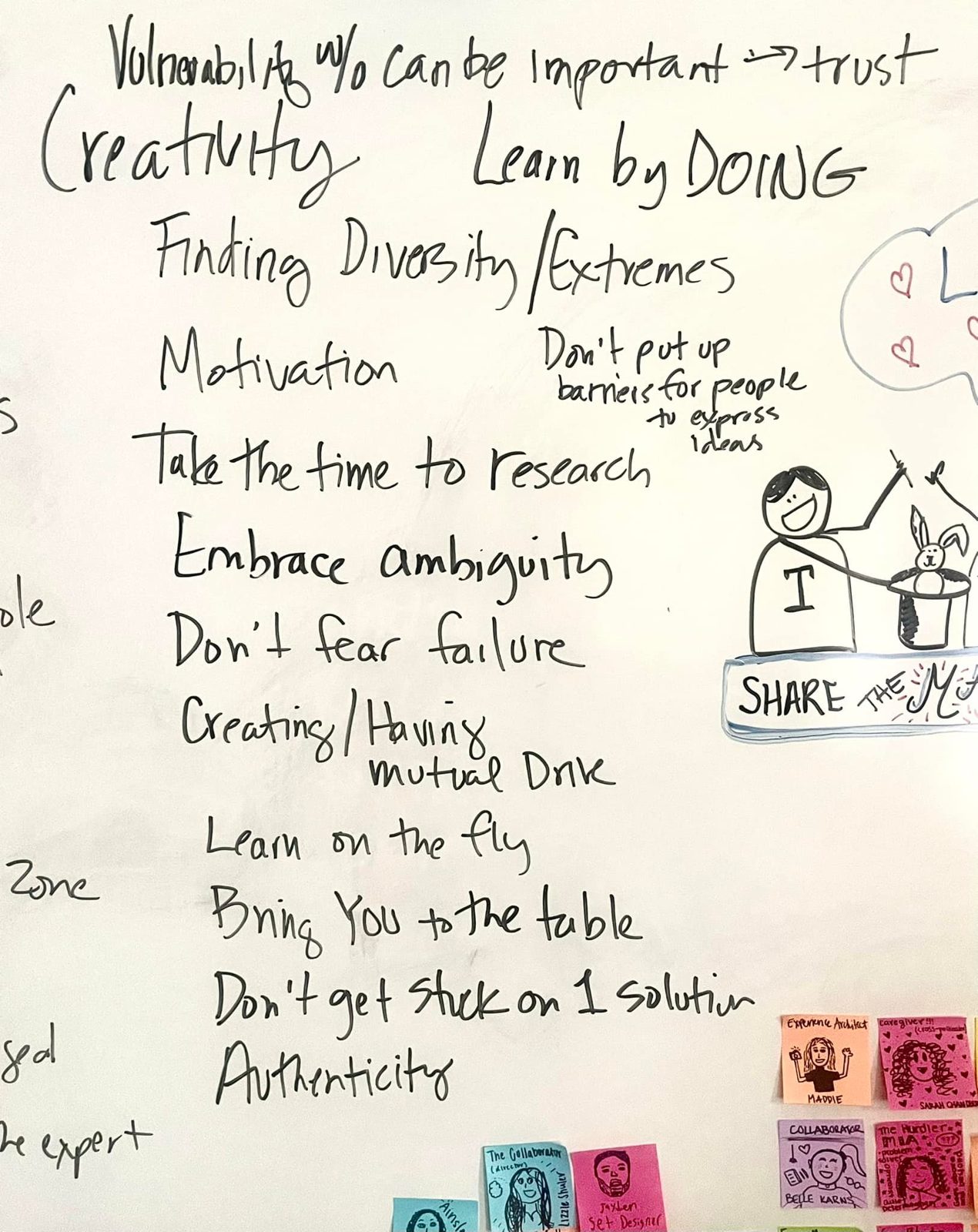
Whatever your major, this applies to you. In the Smith GLS courses, ideation and prototyping are creative reps with real people on the other end. In Visual Marketing, every brand you build is practice. In Digital Marketing, creative testing turns ideas into evidence.
So the next time someone asks who in the room is creative, raise your hand. Then go do a rep.
Keep going
Ideation That Goes Somewhere
Our IB 407 topic on generating lots of ideas, then choosing well.
What Is Human-Centered Design?
The mindsets behind creative problem solving, including creative confidence.
AI as a Creative Partner
Using AI to stretch your ideas without handing over your judgment.
Campaign Planning and Creative Testing
Turning creative ideas into tests you can learn from.
In London, We Taught Design. They Learned Leadership.
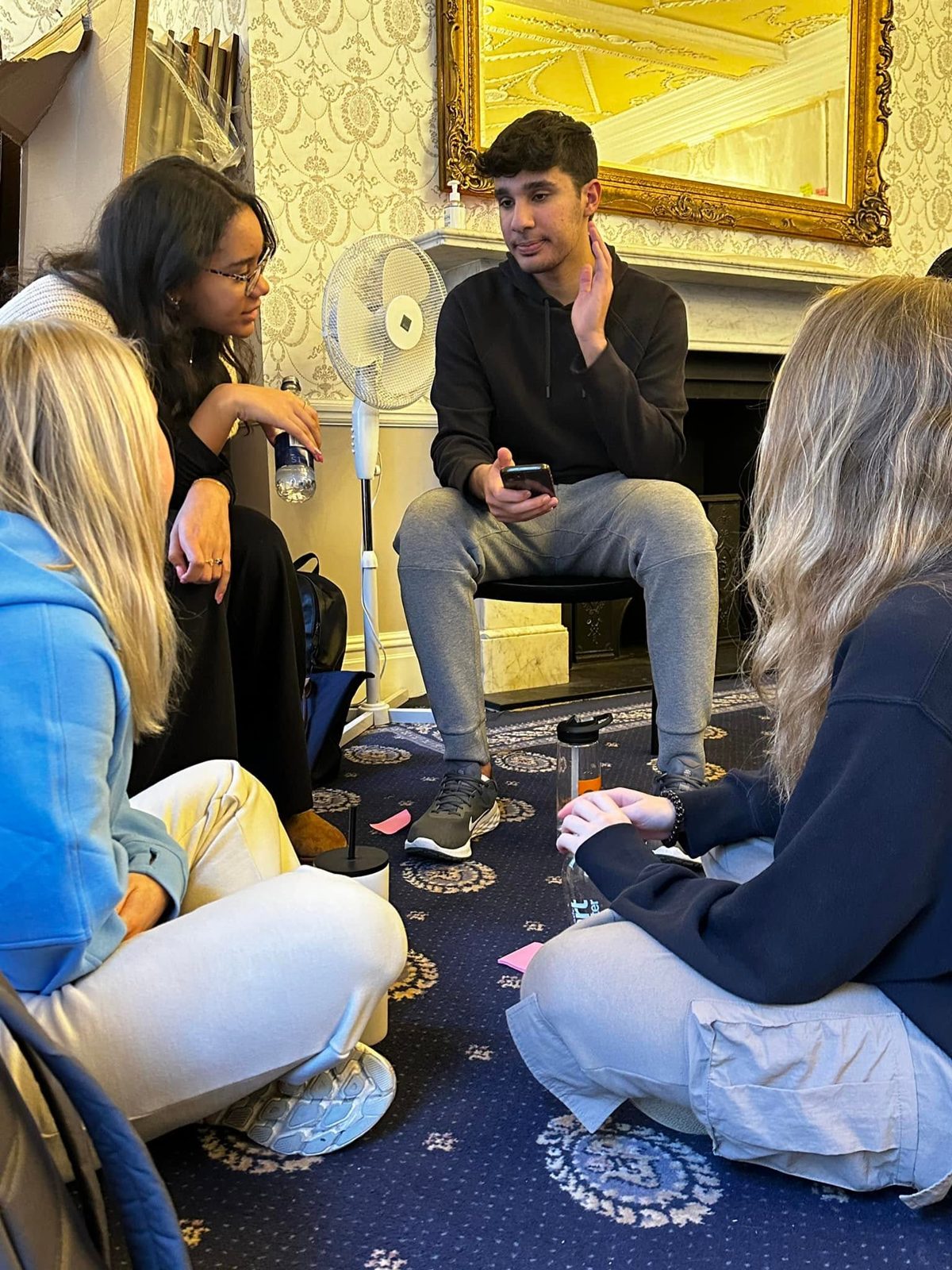
What happens when business students spend a week designing with real people.
Frequently asked questions
What is creativity in business?
Creativity in business is producing ideas that are both original and useful, then turning them into action. It shows up in finance, operations, HR and marketing whenever someone finds a better way to solve a problem with no clear answer. It is less about artistic talent and more about how problems get solved, from rerouting shipments to redesigning onboarding.
Is creativity something you are born with?
No. Jules Morris, PhD and Lane Morris, PhD teach creativity as a muscle that gets stronger with practice and weaker without it. People who seem wildly creative have usually used the muscle more: they take more swings, share more rough ideas and get comfortable being wrong out loud. Anyone in any major can build it.
What are the four levels of creativity?
Psychologists James Kaufman and Ronald Beghetto describe four levels: mini-c, a personal insight while learning; little-c, everyday problem solving; Pro-c, creativity within a profession; and Big-C, history-changing work. Most people compare themselves to Big-C and decide they are not creative, but most creativity at work happens at the little-c and Pro-c levels.
Why does creativity matter more now that AI can generate ideas?
AI can produce many ordinary answers quickly, so human value shifts to the parts it cannot do well: noticing the customer who does not fit the pattern, connecting ideas across industries, and judging which idea is worth building and why. People who keep practicing creativity end up directing AI tools rather than competing with them.
How can business students practice creativity?
Go for quantity before judging, borrow solutions from other industries, add a constraint such as half the budget or one slide, watch real people to find needs, prototype rough and fast, keep an idea file, ask AI for ideas and then improve on them, and build on teammates ideas with a yes, and approach.
Leave a Reply