Case study · Marketing 475 · Short-Form Video: Hooks and Scripts
Chipotle’s 2011 animated short sold a belief about food, not a burrito, and showed that one simple story with one clear emotion can carry a brand message.
Brand
Chipotle Mexican Grill
Year(s)
2011 to 2012
Channel(s)
Online video, movie theaters, national TV (2012 Grammy Awards broadcast), music download
Goal
Communicate Chipotle’s commitment to sustainable farming and raise money for the Chipotle Cultivate Foundation
Topic
Short-Form Video
2
Cannes Lions Grand Prix awards in 2012: Film, and Branded Content and Entertainment (Ad Age)
2 min
Length of the stop-motion film (Ad Age; Taste of Country, 2011)
1st
Chipotle’s first national TV ad, aired during the 2012 Grammys (Ad Age)
The situation
In 2001 Chipotle adopted a mission it called “Food with Integrity,” which stressed naturally raised meat, organic produce and dairy without added hormones. That set it apart from most fast food, but the idea was hard to explain in a typical 30-second ad about price or taste.
Until 2012, Chipotle had never run a national TV ad.
The challenge
How do you get people to care about where food comes from without lecturing them? Farming practices are complex, and a product-focused ad would make the message feel like a sales trick.
What they did
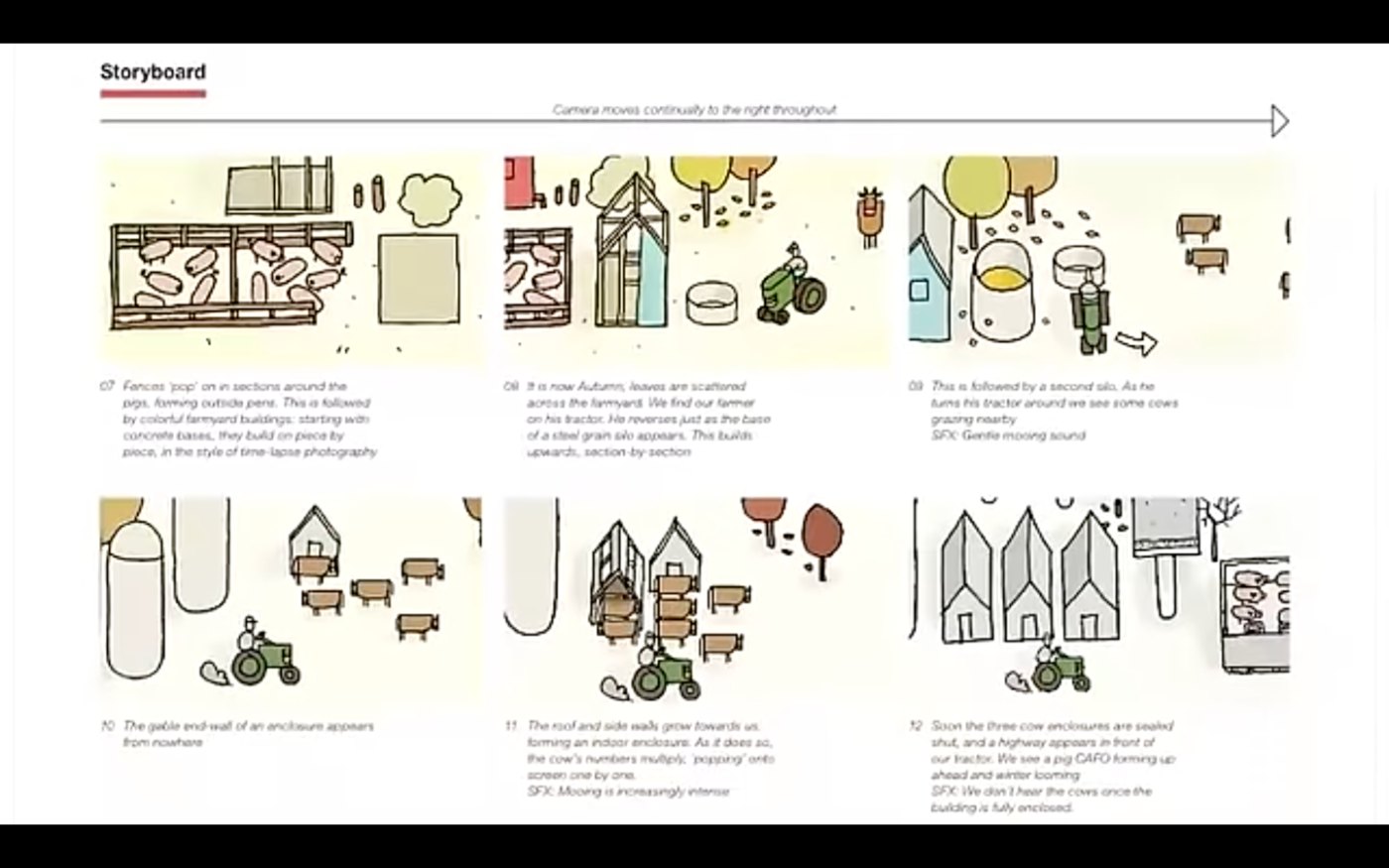
Chipotle and CAA Marketing made “Back to the Start,” a two-minute stop-motion animated film directed by Johnny Kelly of Nexus. There is no dialogue. A farmer turns his family farm into an industrial operation, sees what it has become, and then returns to a more sustainable way of farming.
The soundtrack is Willie Nelson’s cover of Coldplay’s “The Scientist,” with its chorus about going “back to the start.” According to Campaign Brief, the film was made with stop-frame model animation over four weeks and shot in one sweeping take across a large model set.
- Unveiled in August 2011, with screenings in movie theaters set to begin in September 2011 (Taste of Country, 2011).
- Nelson’s recording sold on iTunes, with proceeds from the film and song going to the Chipotle Cultivate Foundation (Taste of Country, 2011).
- In February 2012 the film aired as Chipotle’s first national TV ad, during the Grammy Awards broadcast, right after Coldplay’s live performance (Ad Age).
What happened
The film became one of the most awarded pieces of advertising of 2012.
- Cannes Lions 2012: the Film Grand Prix, plus the Grand Prix in the first-ever Branded Content and Entertainment category for the wider “Cultivate” campaign (Ad Age).
- Grand Clio for film and a Grandy at the International ANDY Awards, both in 2012 (Campaign Brief; Ad Age).
Why it worked
It told a story, not a pitch. There is barely any product in the film. The farmer’s change of heart carries the message, and viewers draw the conclusion themselves.
It had one emotion. The music, the slow camera move and the simple arc all point to one feeling: regret, then hope. Short video works when every second supports that single feeling.
It matched the brand’s real position. Food with Integrity had been Chipotle’s mission for a decade, so the film felt like an expression of who the company was. The Cannes jury president, Avi Savar, said the winner was chosen for its “emotional connection with an audience” and that “the story is core.”
Where it gets complicated
Two minutes is longer than most short-form video today. The film worked partly because it had premium placements, including theaters and the Grammys, that gave it a captive audience.
A story also sets a standard the business has to meet. Chipotle followed up in 2013 with “The Scarecrow,” which The Wall Street Journal named one of the worst ads of the year. Then, in 2015, Chipotle faced a series of foodborne illness outbreaks, including E. coli and norovirus cases in several states, and closed all its restaurants for a food safety meeting in February 2016. Revenue fell from about $4.5 billion in 2015 to about $3.9 billion in 2016. A brand that sells “integrity” is judged hard when operations fall short.
Finally, the film criticized industrial farming as a whole, while Chipotle itself was a fast-growing national chain with about 2,000 restaurants by 2015. Students can debate whether the film is a sincere statement of values, a social issue used to sell food, or both.
The marketing principle
A short video does not need to explain the product to build the brand. A simple story built around one clear emotion can make people feel what a brand stands for. But the story only holds if the business lives up to it, because the more a brand promises, the more customers notice when it fails.
Sources
- Cannes Branded Content Grand Prix: Chipotle, Ad Age (2012)
- CAA takes home top prize for Chipotle’s ‘Back to the Start’ at Int’l Andy Awards, Ad Age (2012)
- Chipotle ‘Back to the Start’ wins Film Grand Prix at the 2012 Clio Awards, Campaign Brief (2012)
- Willie Nelson Covers Coldplay’s ‘The Scientist’, Taste of Country (2011)
- Chipotle Mexican Grill, Wikipedia (2026)
Group activity for this case
Story, Not Sales Pitch
Your group will have a short story arc for your brand built on one emotion, with almost no product on screen. A 20-minute group activity. Dr. Morris gives the password in class.
Back to Short-Form Video: Hooks and Scripts · All case studies
Brand names, images and trademarks belong to their owners and appear here for educational purposes only.