Case study · Marketing 465 · Personal Branding and Digital Portfolio
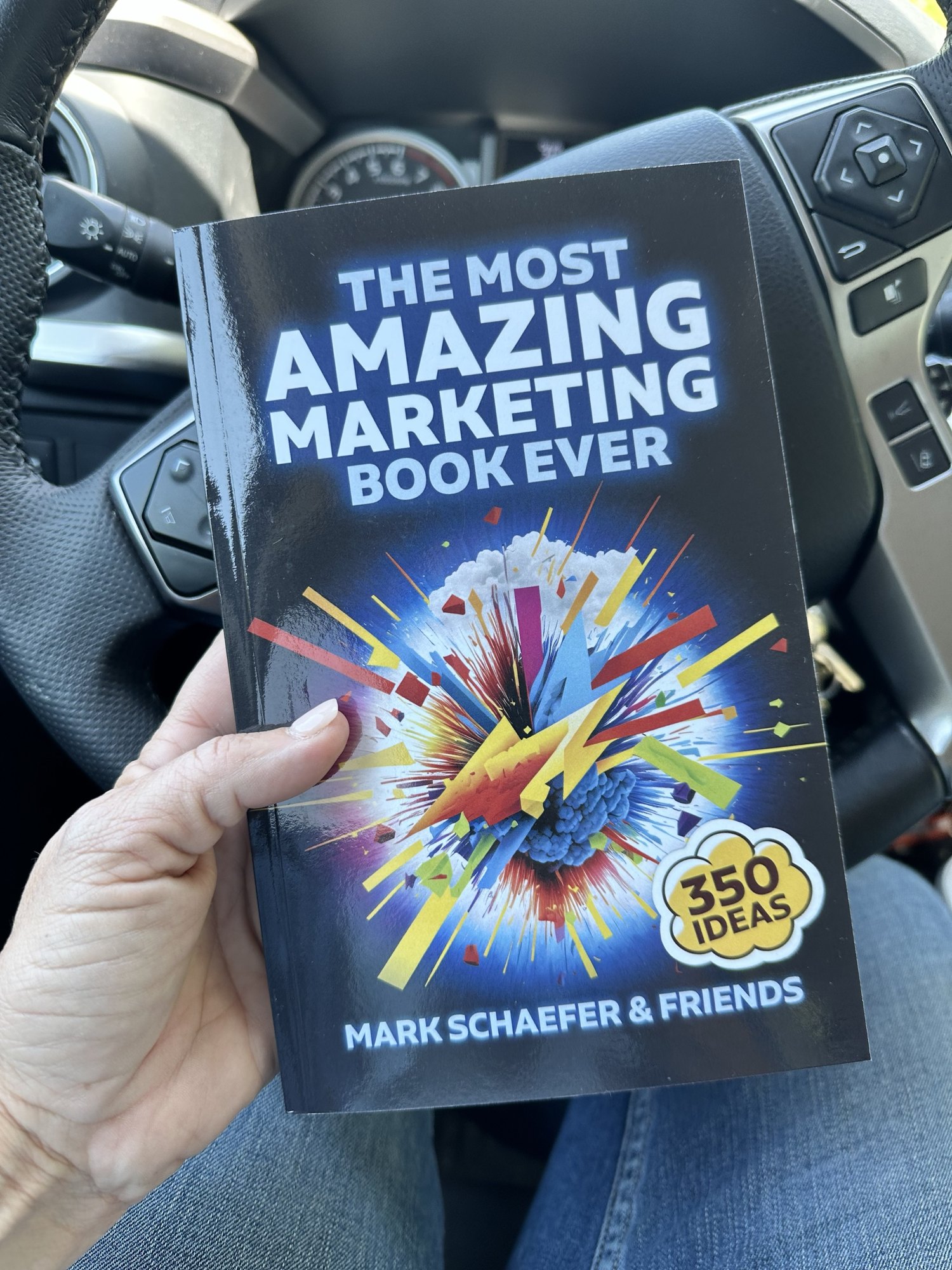
Mark Schaefer left a corporate career and built a reputation in digital marketing by publishing steadily on one topic, then wrote a book arguing that being known is a process anyone can follow, not a matter of fame.
Brand
Mark Schaefer (personal brand)
Year(s)
2009 to present; KNOWN published 2017
Channel(s)
Blog ({grow}), books, podcast (The Marketing Companion), keynotes, teaching
Goal
Build authority with the right audience in marketing and business
Topic
Personal Branding and Portfolio
~100
people Schaefer interviewed for KNOWN (Roger Dooley podcast, 2017)
2.5 years
average time his interviewees took to gain traction (Roger Dooley podcast, 2017)
4
steps in the KNOWN framework (Social Media Examiner, 2017)
The situation
Before he started his own business, Mark Schaefer was global director of e-business at a Fortune 100 company, where he held seven patents and led a large global team (Social Media Examiner, 2017). That is a strong résumé, but inside a big company very few people outside your org chart know your name.
Schaefer started over as an independent consultant, speaker and writer. His site, businessesgrow.com, holds a blog archive that runs back to 2009.
The challenge
Digital marketing advice is a crowded space. Thousands of consultants publish blog posts, podcasts and videos on the same topics. To get hired and invited to speak, Schaefer had to stand out to a specific group of people: marketing leaders, conference organizers and business owners.
What they did
Schaefer built his brand through consistent, long-term publishing on one subject area, marketing in a digital and social world.
- A long-running blog, {grow}, which Rutgers Business School described in 2017 as one of the top five marketing blogs in the world.
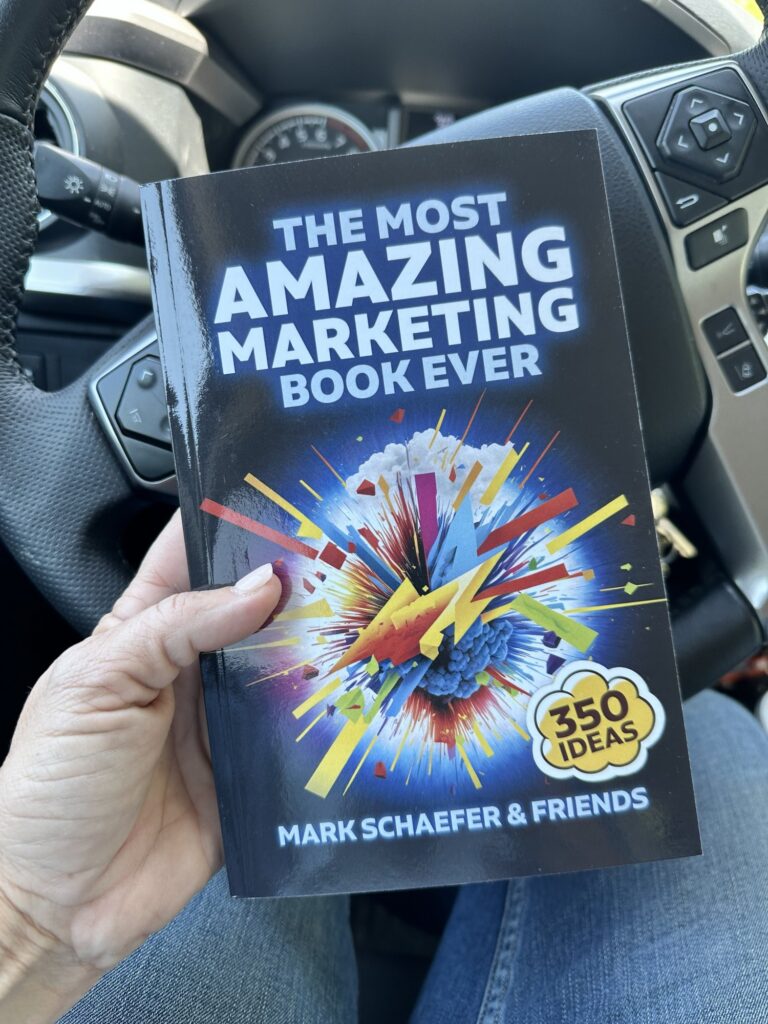
- Books including The Tao of Twitter, Return on Influence, The Content Code and, in 2017, KNOWN: The Handbook for Building and Unleashing Your Personal Brand in the Digital Age. His more recent books include Audacious: How Humans Win in an AI Marketing World.
- Big ideas that people could repeat. His January 2014 post on “Content Shock” argued that “exponentially increasing volumes of content intersect our limited human capacity to consume it,” and other marketers described it as controversial and kept writing about it for years.
- A podcast, The Marketing Companion, co-hosted with Tom Webster, plus teaching in Rutgers Business School executive education programs.
What happened
Schaefer became a recognized name in his field. His clients have included Adidas, Pfizer, Dell, Cisco and the U.S. Air Force, he has keynoted events such as SXSW, and his work has appeared in outlets such as the Wall Street Journal, The New York Times and the BBC (Rutgers Business School, 2017).
He then turned his own experience into a framework. For KNOWN, he said he interviewed nearly a hundred people who had become known in fields as varied as real estate, construction, art, music and law (Roger Dooley, 2017). He described four steps: find a sustainable interest, find your space, choose your type of content, and build an actual audience (Social Media Examiner, 2017).
Why it worked
Schaefer argues that being known is not about being famous. It means having a digital presence that helps you reach your goals. That reframing matters for students. You do not need millions of followers. You need the right few hundred people to trust you.
His advice also rejects the “follow your passion” cliché. He says to pick a topic you can sustain for years, and suggests a “35 headline test”: if you cannot brainstorm 35 content ideas on a topic, the niche may not last. Consistency over time is what builds authority.
Where it gets complicated
It takes time. Schaefer reported that the people he interviewed took about two and a half years on average to gain traction, with a range of one to five years (Roger Dooley, 2017). Many people quit long before that.
His research also studied people who succeeded. Those who followed similar steps and never broke through are not in the sample, so the framework shows a common path, not a guarantee. Schaefer himself included an essay in KNOWN from someone who decided not to build a personal brand, a reminder that this path has real costs in time and energy.
The marketing principle
Being known is about authority with the right people, not fame. Pick a topic you can sustain, publish consistently where your audience already is, and give it years. Your portfolio and online presence should make it easy for the right people to find you and trust you.
Sources
- Thought Leadership: How to Become Known to People Who Matter, Social Media Examiner (2017)
- Get Known (Brainfluence podcast with Mark Schaefer), Roger Dooley (2017)
- Breakthrough interview: Mark Schaefer, Rutgers Business School (2017)
- What to expect in 2014: Content Shock, the theory and the solution, SmartBrief (2016)
- Mark Schaefer: About, Businesses Grow (2026)
Group activity for this case
The 35 Headline Test
A topic your brand can publish on for years, the right people it should be known by, and a headline list that proves the topic will last. A 20-minute group activity. Dr. Morris gives the password in class.
Back to Personal Branding and Digital Portfolio · All case studies
Brand names, images and trademarks belong to their owners and appear here for educational purposes only.