Case study · Marketing 465 · Email and Lifecycle Marketing
Dropbox grew when paid ads failed by giving both the inviter and the new user the one thing the product runs on, more storage, so a referral email felt like a favor instead of a pitch.
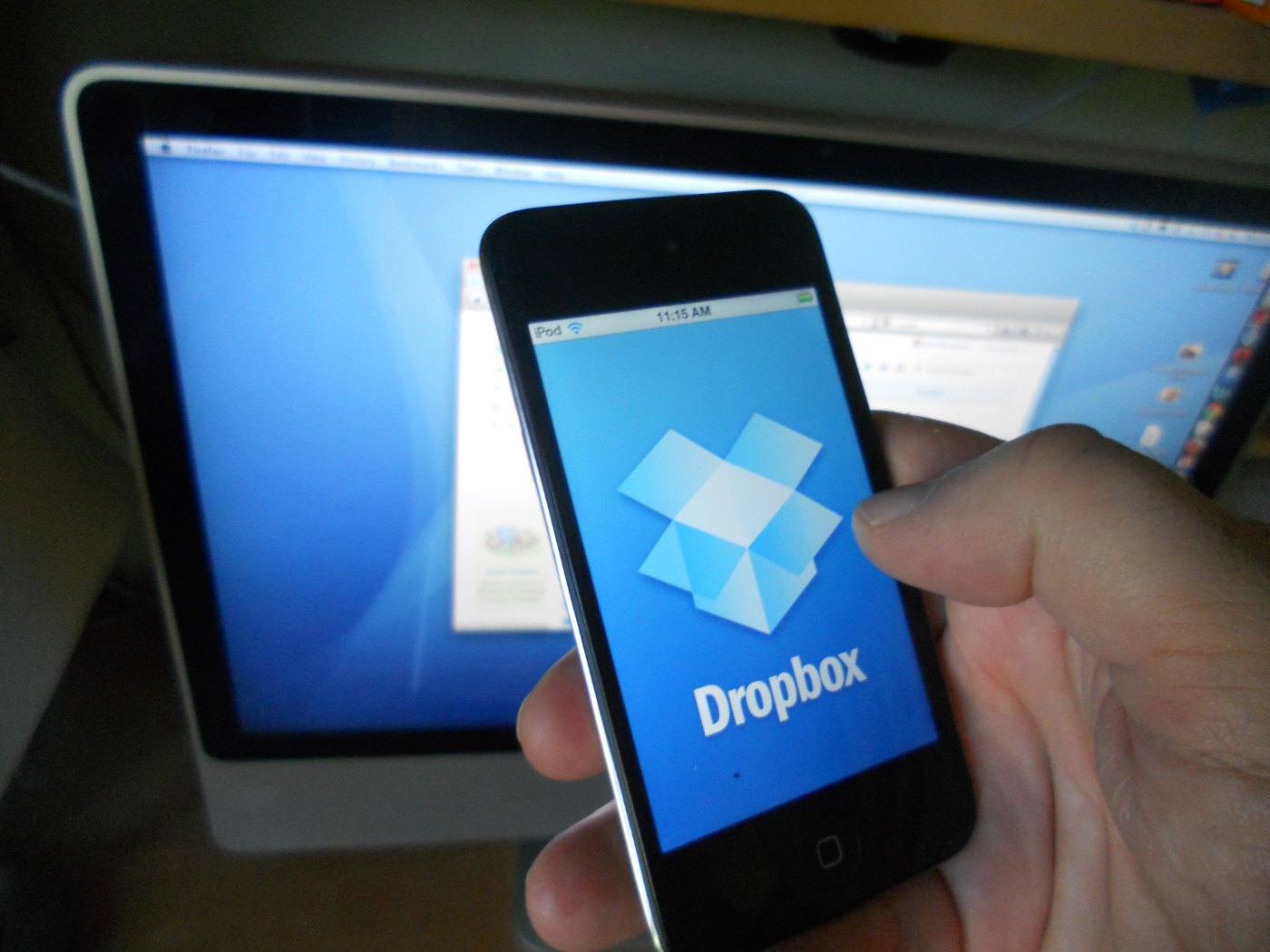
.jpg)
Brand
Dropbox
Year(s)
2008 to 2010 (program still running as of 2026)
Channel(s)
Referral emails and invite links, in-product prompts
Goal
Grow sign-ups cheaply after paid search proved too expensive
Topic
Email and Lifecycle Marketing
35%
Share of Dropbox daily sign-ups coming from the referral program (Drew Houston, Startup Lessons Learned, 2010)
+60%
Permanent lift in sign-ups from the two-sided referral incentive (Drew Houston, 2010)
2.8M
Direct referral invites sent by users in the 30 days before April 2010 (Drew Houston, 2010)
$233 to $388
Paid search cost per acquisition for a $99 product, which Dropbox called a failure (Drew Houston, 2010)
The situation
Dropbox launched publicly in September 2008 with a simple promise: put a file in one folder and have it on all your devices. The basic plan was free. The company made money when users needed more space and upgraded.
That model has a weakness. Most users never pay. In its 2018 IPO filing, Dropbox reported more than 500 million registered users but only 11 million paying users as of the end of 2017. When most of your users are free, you cannot spend much to get each one.
The challenge
Dropbox first tried the usual playbook. It did not work. In a 2010 talk at the Startup Lessons Learned conference, co-founder and CEO Drew Houston showed that paid search cost Dropbox $233 to $388 to acquire a customer for a product that sold for $99. His slide summed it up in one word: “Fail.”
The obvious keywords were expensive, and Houston noted that affiliate programs and display ads also underperformed. Dropbox needed a channel where the cost of a new user was close to zero.
What they did
Dropbox built a two-sided referral program. When a user invited a friend and the friend signed up, both got extra free storage. Storage was the right reward because it is the product itself. It costs Dropbox relatively little, and it is directly useful to the person who receives it.
The program lives inside the product and in the inbox. Today, users can enter friends’ email addresses to send an invitation or copy a personal invite link to share anywhere.
- Reward both sides. The person sharing and the person joining each get extra space.
- Make the reward the product. More storage makes Dropbox more useful, which makes people more likely to stay and, later, upgrade.
- Make inviting easy. A dedicated Refer a Friend page and pre-built invitation emails remove the effort of explaining the product.
- Set clear terms. As of 2026, Dropbox’s help page says Basic users earn 500 MB per referral, up to 16 GB, and Plus users earn 1 GB per referral, up to 32 GB. The new user gets the same amount.
What happened
Houston’s 2010 slides describe the results in Dropbox’s own numbers.
- The two-sided incentive permanently increased sign-ups by 60% (Drew Houston, 2010).
- 35% of daily sign-ups came from the referral program, and another 20% came from shared folders and other viral features (Drew Houston, 2010).
- In the 30 days before April 2010, users sent 2.8 million direct referral invites (Drew Houston, 2010).
- Registered users grew from 100,000 at the September 2008 launch to 4 million by January 2010, 15 months later (Drew Houston, 2010). That is the source of the often-repeated “3,900% growth” figure.
- By the 2018 IPO, Dropbox told investors that “our 500 million registered users are our best salespeople” and that it earned more than 90% of revenue from self-serve channels (Dropbox Form S-1, 2018).
Why it worked
The reward fit the product. Cash or a discount would have pulled in people who wanted the reward. Storage pulled in people who wanted Dropbox, and it made both users more invested in it.
The email did not feel like spam. It came from a friend, it offered the friend something useful, and the sender was not asking for a favor. Both people were better off, so people were willing to send it.
It matched the moment. Users hit their storage limit at the exact point they were getting value from the product. A prompt to earn more space by inviting a friend showed up when the need was real.
Where it gets complicated
Referral numbers are easy to repeat and hard to check. Many blog posts present the 3,900% figure as the result of the referral program alone. Houston’s own slides credit referrals with 35% of daily sign-ups, not all of the growth. Shared folders, word of mouth and press played a part too.
A free-space reward also has a ceiling. Dropbox caps how much a user can earn, and storage became cheaper and more common as competitors like Google and Apple bundled it into their products. A reward that felt generous in 2009 is easier to ignore today. And a program that grows free users does not by itself grow paying ones. Dropbox’s IPO filing listed its word-of-mouth and referral model as a risk that “may not continue to be as successful as we anticipate.”
The marketing principle
In lifecycle marketing, a referral email is a request on behalf of your customer. It works when the reward helps both the sender and the receiver, and when that reward makes the product itself more valuable. Dropbox did not pay people to spam their friends. It gave them a good reason to share something they already liked.
Sources
- Dropbox: Startup Lessons Learned (slides), Drew Houston via SlideShare (2010)
- Dropbox, Inc. Form S-1 Registration Statement, US Securities and Exchange Commission (2018)
- Refer a friend to Dropbox, Dropbox Help Center (2026)
Group activity for this case
Make the Reward the Product
Your group will have a two-sided referral offer for your brand and the invite email a customer would send to a friend. A 20-minute group activity. Dr. Morris gives the password in class.
Back to Email and Lifecycle Marketing · All case studies
Brand names, images and trademarks belong to their owners and appear here for educational purposes only.