The big idea: AI is only as good as the thinking you give it. It reflects your strategy, or shows that you don’t have one. Your value is judgment, empathy and accountability, which no tool can supply.
See it in action
Prompt Builder Lab
Start with a weak prompt. Add one part at a time and watch the AI draft get better, then read why each part matters.
Your prompt
Draft quality:
- Accuracy. Verify every fact, price and date. AI states made-up details with confidence.
- Brand voice. Would a regular customer know this is your brand with the logo hidden?
- Disclosure. Follow your company and client rules on AI use, and say when AI helped with class work.
Key concepts
- What AI does in marketing today: It writes copy, makes images, personalizes what each person sees, and is changing search so one AI answer replaces a page of links. If your brand isn’t in that answer, people won’t find it.
- Invisible vs. visible AI: AI works best quietly in the background, like recommendations and well-timed offers. It fails when it replaces human judgment in moments that matter, such as health, money and customer problems.
- What AI can’t do (yet): It makes things up with confidence, has no taste, misses recent events, can’t read a room, picks up human bias, can’t be held accountable and can’t build trust.
- The human edge: Know your client, find the real point of difference, feel what the audience feels and make the call. Treat AI like a brilliant intern who needs your direction.
- Better prompts: Give it a role, a task, an audience, a tone and voice, and constraints. Then iterate, ask it to explain its choices, and edit before anything goes out.
- Use AI with integrity: Use it to brainstorm, draft, research and explore visuals. Always say which tool you used and for what, and never pass off AI output as your own strategic thinking.
Real examples
- Taco Bell and KFC: AI-timed offers based on order history and time of day.
- Spotify and Netflix: Daily Mixes and “Because you watched” come from models, not human curators.
- DPD: A delivery company’s chatbot wrote a poem mocking its own service, went viral and was shut down.
- Coca-Cola “Create Real Magic”: Artists remixed brand assets with AI under rules Coke set. People ran the campaign; AI was the tool.
- Dove “The Code”: Exposed beauty bias in AI image generators and turned it into an award-winning campaign.
- Sports Illustrated: Ran AI-written articles under fake bylines, was exposed, and lost trust.
Real brands in action
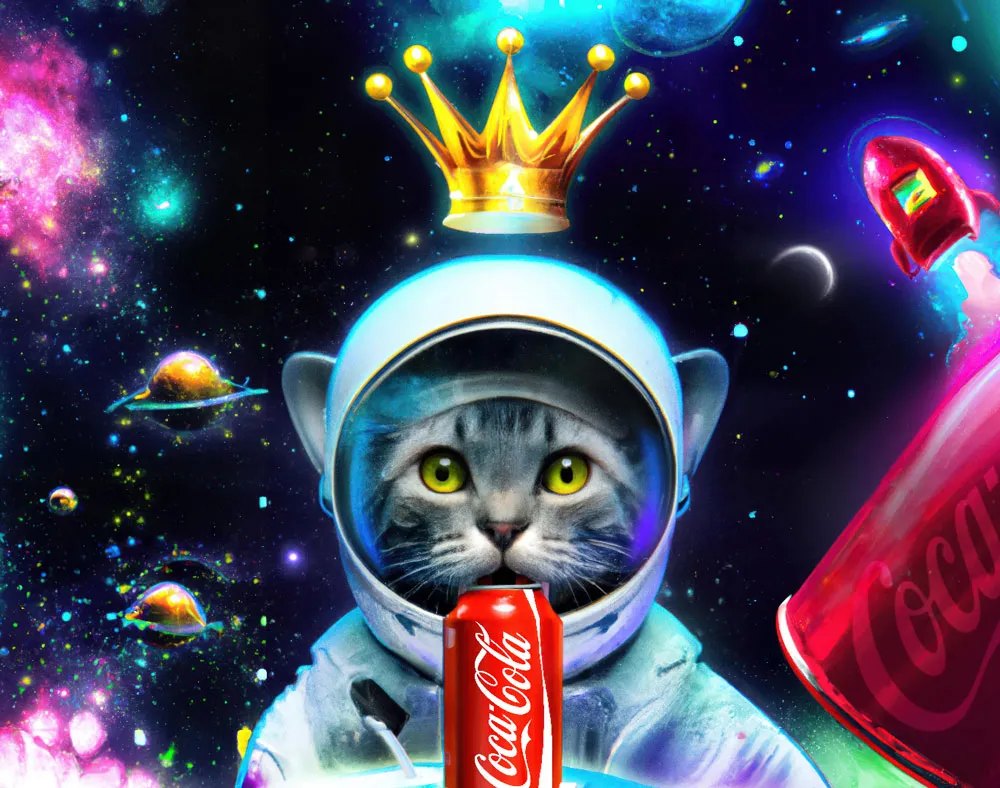
Coca-Cola: Create Real Magic: AI as the tool, humans in charge
In 2023 Coca-Cola invited digital artists to remix its classic visuals, like the contour bottle, the script logo and the Polar Bear, using AI. People made about 120,000 pieces of art in 11 days, and winning work ran on billboards in Times Square and Piccadilly Circus. Coca-Cola set the rules and people ran the campaign. AI was just the tool.
The lesson: AI works best when a clear brand strategy and human judgment are steering it.
Image courtesy of Coca-Cola
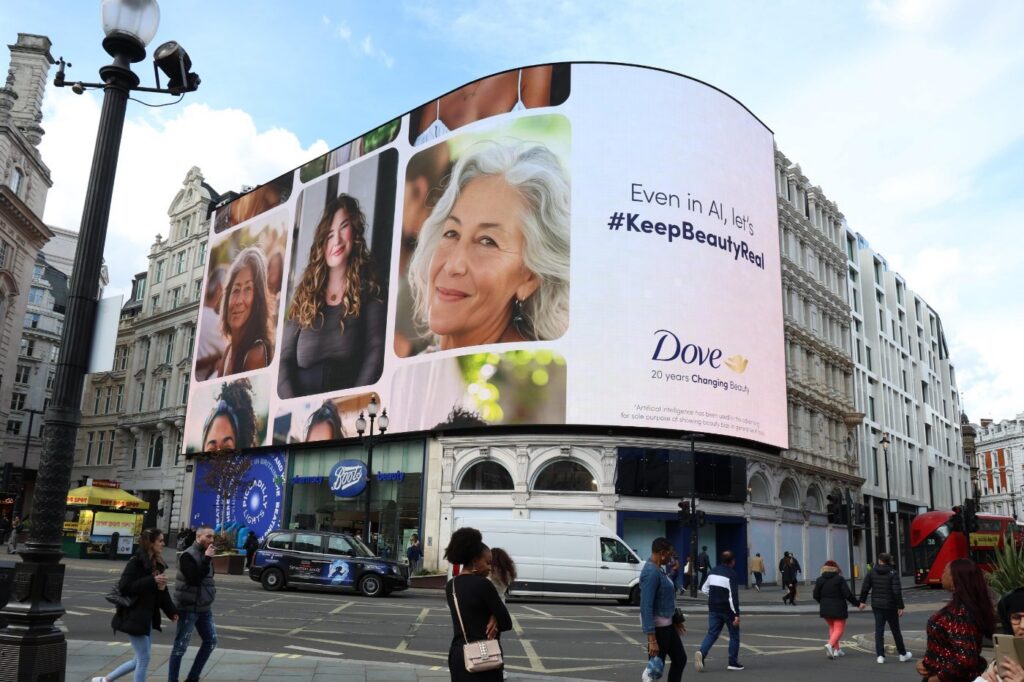
Dove: The Code: turning AI bias into the message
Dove asked AI image tools to show beautiful women and exposed how narrow and biased the results were. Then it partnered with Pinterest to help retrain the algorithm using its archive of 14,000+ real women from 20 years of Real Beauty work. The campaign won a Cannes Grand Prix.
The lesson: Human insight can spot what AI gets wrong, and that gap can become your story.
Image courtesy of Dove
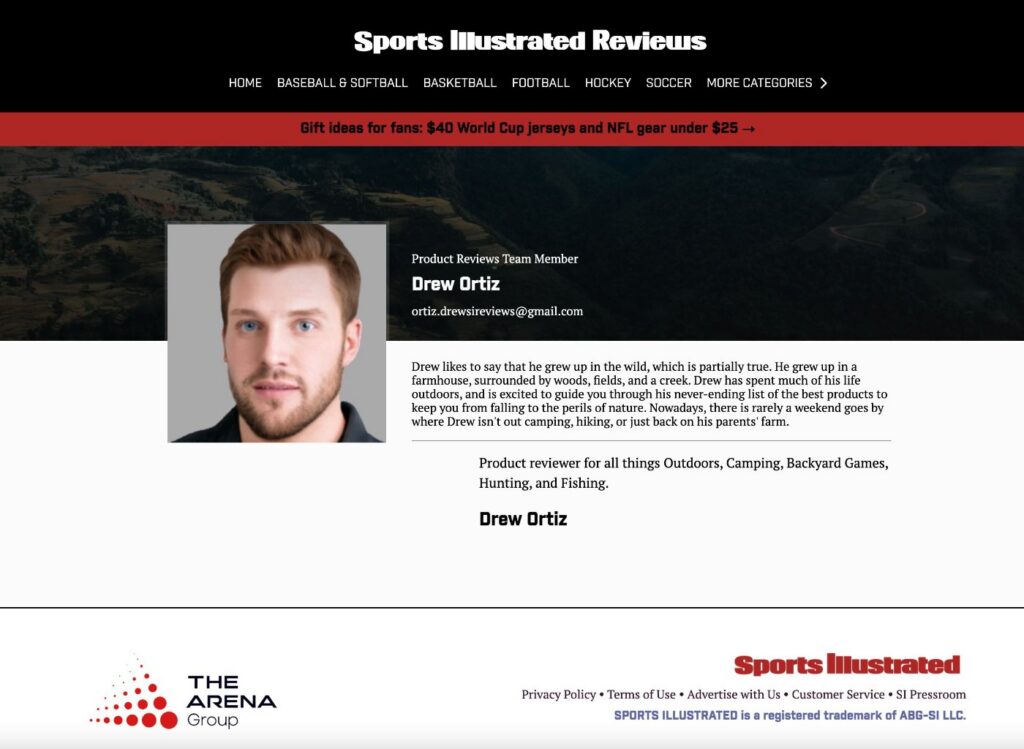
Sports Illustrated: The AI article debacle
In 2023 Sports Illustrated’s publisher ran AI-written articles under fake author profiles, complete with AI-made headshots and bios. Readers found out, the publisher denied it, and its stock dropped 28% in one day. By January 2024 the publisher had lost the right to publish SI. The brand survived. The people who took the shortcut did not.
The lesson: Using AI without oversight or disclosure can wreck trust faster than it saves money.
Image courtesy of Sports Illustrated
DPD: When the chatbot wrote a poem about itself
A UK customer couldn’t track a lost package through DPD’s AI chatbot. So he asked it to write a poem about its own bad service, and it did. He posted it, it went viral, and DPD shut the chatbot down the next day.
The lesson: AI fails when it replaces human help in the moments that matter most to customers.
Learn more: DPD
Brand images are shown for educational purposes only. Each image and trademark belongs to the brand credited, and each credit links to that brand.
Frameworks from class
The 70/30 rule
Keep at least 70 percent of the work human and let AI carry about 30 percent. Humans own the thinking that makes a brand feel real. AI handles the volume work. The exact split changes by brand and campaign, but the human share should always lead.
- Human: strategy, campaign goals, creative concept, brand voice guardrails, cultural context, final approval
- AI: data analysis, segmentation, content variations, first drafts, routine automation
Will AI take your job?
Not if you are good at being human. AI is already taking over work that is mostly output, like generic copy, resizing images, scheduling posts and pulling reports. It cannot replace the person who knows why a brand exists, what an audience needs, and how to decide when the data is unclear.
- Jobs at risk: execution-only roles such as generic copywriting, basic design, data entry, templated reporting
- Jobs that grow: strategy, brand management, creative direction, client relationships, insight generation
- The new skill: directing AI well is its own advantage
Push AI to think, not just answer
Strong users treat AI as a thinking partner, not an answer machine. After a first draft, ask it to check its own work, argue the other side, or test the plan against a bad day. These moves surface blind spots before your client does.
- Self-critique: ask it to grade its answer for clarity, accuracy and blind spots
- Multiple perspectives: ask how customers, the CFO and the creative team would each react
- What if: ask what changes if the budget is cut in half or a competitor launches first
- Action plan: situation, three options, pros and cons, recommendation, next steps
Write a disclosure statement
Be open about where AI helped. A simple statement says some elements were made with AI tools and a person reviewed all of it for accuracy and brand fit. Put AI use in campaign briefs and credits, and match the level of disclosure to how much AI contributed.
The future of marketing is not about algorithms or automation, it’s about connecting with people on a human level.
Mark Schaefer
Class exercise: AI draft, human finish
See for yourself what AI does well and what only you can add.
- Pick a local brand with a clear identity and write a two-line brief: audience, goal, voice and key message.
- Use an AI tool to generate three ad concepts, each with a headline, body copy and an image description. Save every prompt and output.
- Choose the strongest concept and improve it by hand. Add local references, real details about the brand, and phrases its customers use.
- Compare the two versions. Which feels more authentic? How much time did AI save? Which would perform better with the audience, and why?
Try it
Pick a brand you use. Where is AI probably working behind the scenes already? Where would handing a moment fully to AI make the brand worse? If you were the CMO, what’s the one decision you’d never let AI make? Then run a two-round prompt test: ask for a social caption with no context, ask again with audience, voice and theme spelled out, and compare.
Tips and best practices
- Brief AI like a new teammate. Give it a role, the audience, the goal, real context, the format and the tone. Every gap you leave gets filled with a guess.
- Feed it facts, not adjectives. Paste in the product details, offer, dates and audience insight. Real inputs produce specific copy, and “make it good” produces filler.
- Show an example of your voice. One or two past posts that worked teach the AI your brand voice faster than a list of adjectives. Say what to copy: rhythm and tone, not the exact words.
- Iterate, then ask it to explain. Treat the first answer as a draft. Ask for three options, push back on what misses, and ask why it made its choices so you can judge them.
- Fact-check everything before it ships. AI states wrong prices, dates, stats and quotes with total confidence. Verify each claim against a source you trust, and cut any “best” or health claim you can’t prove.
- Own the work and disclose the tool. Follow your employer’s and client’s rules on AI use, and never paste private customer data into a public tool. In class, say which tool you used and how.
Quick check
Think through your answer, then select a question to reveal one.
What’s the difference between invisible and visible AI?
Invisible AI works quietly in the background, like recommendations. Visible AI replaces a human in a moment that matters, and that’s where it most often fails customers.
Name the five parts of a strong prompt.
Role, task, audience, tone and voice, and constraints.
Why does AI search matter to a small brand?
When one AI answer replaces a list of links, brands that aren’t cited in that answer simply don’t get found.
Go deeper
- Marketing Rebellion by Mark Schaefer
View the AI in Marketing slides on Gamma